
The Importance of Laughter: Finding Joy in Family Life

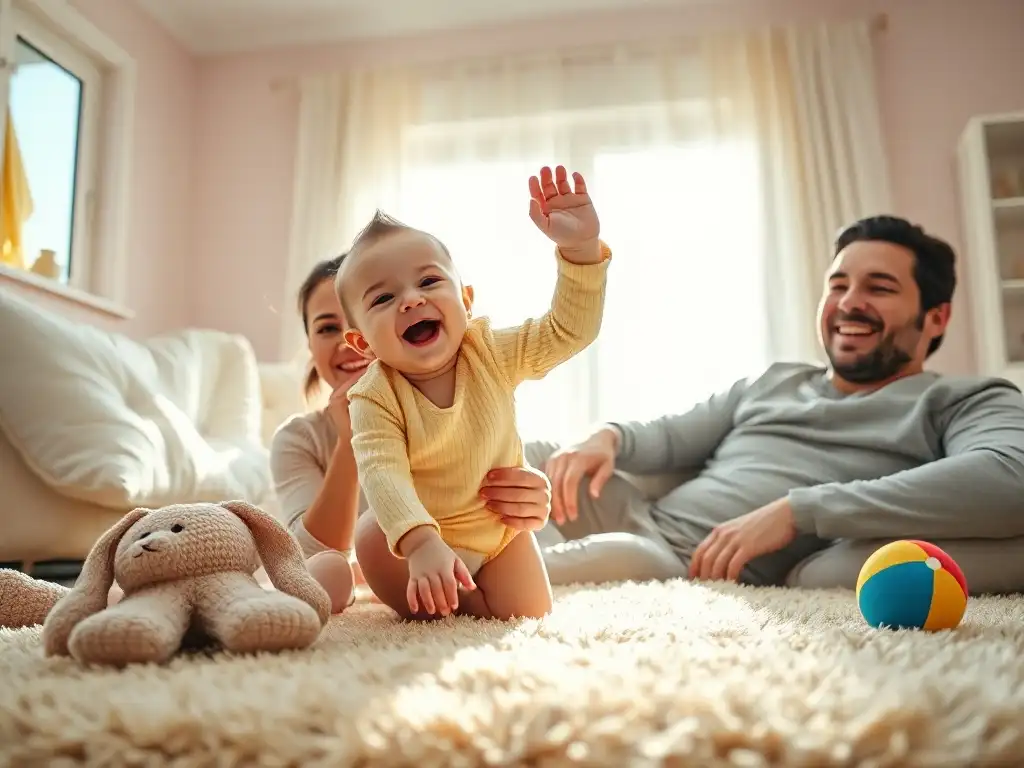
Welcome to BabyCareHub, your ultimate guide to navigating the incredible journey of parenthood! Are you ready to unlock the secrets to a happier, healthier family? Discover the surprising and profound baby laughter benefits family life, and learn how those infectious giggles can strengthen bonds and enrich your everyday experiences. Dive in and explore our wealth of resources dedicated to making your parenting journey smoother, more joyful, and filled with unforgettable moments.
-
Baby Laughter: Benefits for the Whole Family
- The Unique Sound of Baby Laughter: A Powerful Bonding Tool
- How Baby's Giggles Strengthen Family Bonds
- The Positive Impact of Shared Laughter on Family Dynamics
- Baby Laughter and Parental Well-being: Reducing Stress and Anxiety
- The Social Glue: How Baby Laughter Strengthens Family Bonds
- Laughter as a Communication Tool: Understanding Your Baby's Needs
- Understanding Your Baby's Communication Through Laughter
- Creating a Laughter-Filled Environment for Your Baby
- The Long-Term Benefits of Laughter for Your Child's Development
- Maintaining a Joyful Family Atmosphere: Tips for Parents
- The Ripple Effect: How Baby's Laughter Impacts the Entire Family Unit
- Frequently Asked Questions
- Final Reflection: The Echo of Laughter, a Legacy of Love
- Unlock More Family Fun: Embrace the Joy of Laughter!
Baby Laughter: Benefits for the Whole Family
The arrival of a baby dramatically reshapes family life. While the challenges of sleepless nights and constant demands are undeniable, the overwhelming joy and love are equally profound. This article explores a frequently overlooked, yet incredibly powerful, element of this transformative period: the profound benefits of baby laughter for the entire family.
We'll delve into how those infectious giggles not only bring immense happiness but also actively contribute to building a stronger, more resilient, and joyful family unit. Understanding the positive impact of shared laughter on family dynamics is crucial for navigating the beautiful chaos of parenthood and fostering a thriving environment for your little one and yourselves. The simple act of witnessing, and participating in, your baby's laughter offers a wealth of benefits, strengthening bonds, reducing stress, and creating lasting positive memories.
This article aims to highlight the tangible and intangible advantages of embracing those precious moments of laughter, positioning it as a cornerstone of a happy and healthy family life. The keyword "baby laughter benefits family" is central to understanding the significance of this often-underestimated aspect of parenthood.
The Unique Sound of Baby Laughter: A Powerful Bonding Tool
The sound of a baby's laughter is unlike anything else. It's pure, unadulterated joy, a spontaneous expression of happiness that can melt even the most hardened hearts. This unique sound acts as a powerful bonding tool, forging an unbreakable connection between parents and their child.
The release of oxytocin, often called the "love hormone," is triggered in both parents and the baby during these moments of shared laughter, strengthening the parent-child bond on a biological level. Furthermore, responding to your baby's laughter with playful interactions and reciprocal giggles creates a positive feedback loop, encouraging more laughter and deepening the emotional connection. This positive reinforcement establishes a foundation of trust and affection that will extend far beyond infancy.
Studies have shown that babies who experience frequent laughter exhibit improved emotional regulation and social development later in life. These early interactions lay the groundwork for secure attachment, a critical factor in a child's overall well-being and future relationships.
How Baby's Giggles Strengthen Family Bonds
Baby laughter isn't just beneficial for the parent-child relationship; it strengthens the entire family unit. When siblings witness and participate in their baby brother or sister's joyous expressions, it fosters a sense of shared experience and collective happiness. The act of playing together, engaging in silly games, and witnessing the baby's delight creates a sense of unity and shared purpose. This is especially important in families with multiple children, where sibling rivalry can sometimes overshadow the positive aspects of family life.
Shared laughter acts as a powerful unifier, creating positive memories and reducing conflict. Even grandparents and extended family members benefit from the infectious joy of a baby's laughter, strengthening intergenerational bonds and creating lasting memories. These shared experiences create a sense of belonging and reinforce the feeling of being part of a loving and supportive family.
The frequent occurrence of laughter within a family significantly impacts its overall dynamics. Laughter acts as a natural stress reliever, reducing tension and improving communication. In the often-demanding world of parenthood, shared laughter provides a much-needed respite from the pressures of daily life. It creates a more positive and relaxed atmosphere within the home, improving emotional well-being for all family members. Furthermore, laughter encourages positive interactions and strengthens emotional resilience.
When faced with challenges, the ability to find humor and laugh together can help families navigate difficult situations more effectively. The shared experience of laughter creates a sense of camaraderie and strengthens the family's ability to cope with stress and adversity. The cumulative effect of these positive interactions fosters a supportive and loving environment where each member feels valued and cherished. The consistent presence of laughter contributes significantly to a happy and healthy family life.
Baby Laughter and Parental Well-being: Reducing Stress and Anxiety

The arrival of a new baby, while incredibly joyous, often brings significant stress and anxiety for parents. Sleep deprivation, constant demands, and the overwhelming responsibility of caring for a tiny human can take a toll on mental and emotional health. However, the simple sound of a baby's laughter can act as a powerful antidote to these pressures. Studies have shown a correlation between exposure to positive sounds, including baby laughter, and a reduction in cortisol levels – the hormone associated with stress.
Hearing your baby's joyous squeals can trigger the release of endorphins, natural mood boosters that promote feelings of happiness and well-being. This isn't just a subjective feeling; the physiological effects are real and measurable. The positive emotional response to baby laughter can help parents cope with the challenges of parenthood, fostering a more resilient and emotionally stable family unit. This stress reduction isn't just beneficial for the parents' mental health; it also creates a more harmonious and loving environment for the baby to thrive in.
A calm and happy parent is better equipped to provide sensitive and responsive care, creating a positive feedback loop where the baby feels secure and happy, leading to more laughter and a stronger family bond. The ripple effect of a baby's laughter on parental well-being is undeniable, contributing significantly to a healthier and happier family dynamic. Consider incorporating activities that encourage baby laughter into your daily routine – tummy time with playful interaction, singing silly songs, or simply engaging in joyful face-to-face interactions. These small moments can have a profound impact on the overall family atmosphere.
A baby's laughter is more than just a cute sound; it's a powerful social lubricant that strengthens the bonds within a family. The shared experience of witnessing and responding to a baby's mirth creates a sense of connection and unity. Parents often find themselves sharing videos and stories of their baby's laughter with family and friends, further strengthening their social support networks. This shared joy fosters a sense of belonging and mutual understanding, reminding family members of the love and happiness that the baby brings into their lives.
Grandparents, siblings, and other family members often find themselves deeply touched by a baby's laughter, strengthening intergenerational relationships and creating lasting memories. This shared experience transcends the everyday challenges of parenthood, offering a common ground for connection and shared affection. The simple act of responding to a baby's laughter, whether with smiles, tickles, or playful interactions, reinforces positive communication and emotional reciprocity within the family. It is a natural and effortless way to build strong, resilient relationships, offering a foundation of love and support that will benefit the child and the family as a whole throughout their lives.
The positive emotions evoked by a baby's laughter help create a supportive and loving environment, fostering healthy emotional development in all family members. This shared experience acts as a powerful reminder of the joys and blessings of family life. Prioritize these shared moments of laughter; they are invaluable investments in the strength and resilience of your family.
Laughter as a Communication Tool: Understanding Your Baby's Needs
While a baby's cry is a clear indication of distress, laughter serves as a vital communicative tool, expressing contentment, joy, and engagement. Understanding the nuances of your baby's laughter can help you better understand their needs and preferences. A hearty giggle might indicate that they're enjoying a particular game or interaction, while a soft chuckle could signal contentment and satisfaction. Paying attention to the context of the laughter – what triggered it, what the baby is doing, and their overall demeanor – can provide valuable insights into their emotional state and developmental progress.
This heightened awareness allows for more responsive and sensitive parenting, fostering a stronger parent-child bond built on mutual understanding and communication. For example, if your baby consistently laughs during tummy time, it suggests they enjoy the activity and you might extend it or incorporate similar activities. Conversely, if your baby's laughter is subdued or absent, it might signal that they're tired, hungry, or uncomfortable, prompting you to address their underlying needs.
By carefully observing and interpreting your baby's laughter, you gain a deeper understanding of their communication style, enabling you to provide more tailored and effective care. This attentive approach not only strengthens the parent-child bond but also contributes to the baby's overall development and well-being, creating a positive cycle of communication and understanding. The ability to decipher your baby's laughter is a crucial skill in effective parenting, promoting a harmonious and loving family environment.
Understanding Your Baby's Communication Through Laughter
Understanding your baby's communication is crucial for building a strong bond and fostering healthy development. While crying is often the first and most noticeable form of communication, laughter plays an equally vital role, offering a window into your baby's emotional world and cognitive development. Baby laughter benefits family dynamics significantly, strengthening the parent-child bond and creating positive associations.
It's a powerful indicator of well-being and a delightful experience for everyone involved. Learning to recognize and respond appropriately to your baby's laughter is key to nurturing this important aspect of their communication. This section will explore the nuances of baby laughter, helping you decipher its meaning and strengthen your relationship with your little one.
Deciphering Different Types of Baby Laughter: From Giggles to Chuckles
Baby laughter isn't a monolithic sound; it varies in intensity and tone, reflecting different emotional states and developmental stages. A simple giggle might indicate contentment, while a hearty laugh could signal delight and engagement. Observing these subtle differences can enhance your understanding of your baby's emotional landscape.
For example, a soft, quiet giggle might accompany a gentle rocking motion or a soft touch, indicating contentment and a feeling of security. Conversely, a loud, boisterous laugh might erupt during a lively game of peek-a-boo or a playful chase, showcasing their joy and engagement with the interaction. The timing and context of the laughter are equally important. Laughter that occurs during a feeding session might suggest comfort and satisfaction, whereas laughter during playtime could indicate excitement and engagement.
Consider this table summarizing different types of baby laughter and their potential meanings:
| Type of Laughter | Description | Possible Meaning |
|---|---|---|
| Soft Giggles | Quiet, gentle chuckles | Contentment, security, relaxation |
| Loud, Boisterous Laughs | Hearty, full-bodied laughs | Excitement, joy, engagement, delight |
| Snorting Laughs | Laughs accompanied by snorting sounds | Intense amusement, overwhelming joy |
| Gurgling Laughs | Laughs accompanied by gurgling sounds | Contentment combined with physical satisfaction |
Remember, these are just general observations. Your baby's unique expressions of laughter will become clearer as you spend more time interacting with them. The key is consistent observation and mindful attention to the context surrounding the laughter.
Recognizing the Triggers of Baby Laughter: Play, Interaction, and More
Understanding what triggers your baby's laughter is crucial for fostering positive interactions and strengthening your bond. While every baby is unique, some common triggers include:
- Playful Interactions: Peek-a-boo, silly faces, tickling, and other playful interactions are classic laughter inducers. The element of surprise and unexpectedness often contributes to the amusement.
- Social Interaction: Responding to your baby's vocalizations and facial expressions with enthusiasm and mirroring their actions can elicit laughter. This positive feedback loop strengthens the parent-child bond.
- Physical Stimulation: Gentle rocking, bouncing, or swinging can trigger laughter, especially in younger babies. This type of stimulation mimics the rhythmic movements they experienced in the womb.
- Novelty and Surprise: Introducing new toys, sounds, or sights can spark laughter, as babies are naturally curious and fascinated by new experiences. This curiosity is a key aspect of their cognitive development.
- Vocalizations: Singing songs, making funny sounds, and engaging in playful babble can evoke laughter. This interaction helps in language development and strengthens communication skills.
The triggers for baby laughter are diverse and often intertwined. Observe your baby carefully to identify their specific preferences and tailor your interactions accordingly. Keep a journal to note the situations that consistently elicit laughter, allowing you to replicate these successful interactions in the future.
Responding to Your Baby's Laughter: Fostering a Positive Feedback Loop
Responding to your baby's laughter is just as important as understanding its triggers. Your response reinforces the positive association with the laughter-inducing activity and strengthens the bond between you and your baby.
When your baby laughs, respond enthusiastically! Mirror their laughter, make playful sounds, and engage in further interaction. This positive feedback loop encourages more laughter and strengthens communication. Ignoring or downplaying their laughter can inadvertently discourage this important form of expression. For example, if your baby laughs during a game of peek-a-boo, continue the game with even more enthusiasm. If they laugh while you're singing, sing another song!
Remember that your response isn't just about eliciting more laughter; it's about building a positive emotional connection. The joy and affection you express will create a secure and loving environment for your baby to thrive. This secure attachment is fundamental to their emotional and social development, contributing significantly to their overall well-being and resilience.
The benefits of fostering this positive feedback loop extend far beyond the immediate moment of laughter; it lays the foundation for a strong and loving family relationship. Enjoy these precious moments and cherish the unique bond you share with your child. The sound of baby laughter truly is one of life's greatest gifts.
Creating a Laughter-Filled Environment for Your Baby
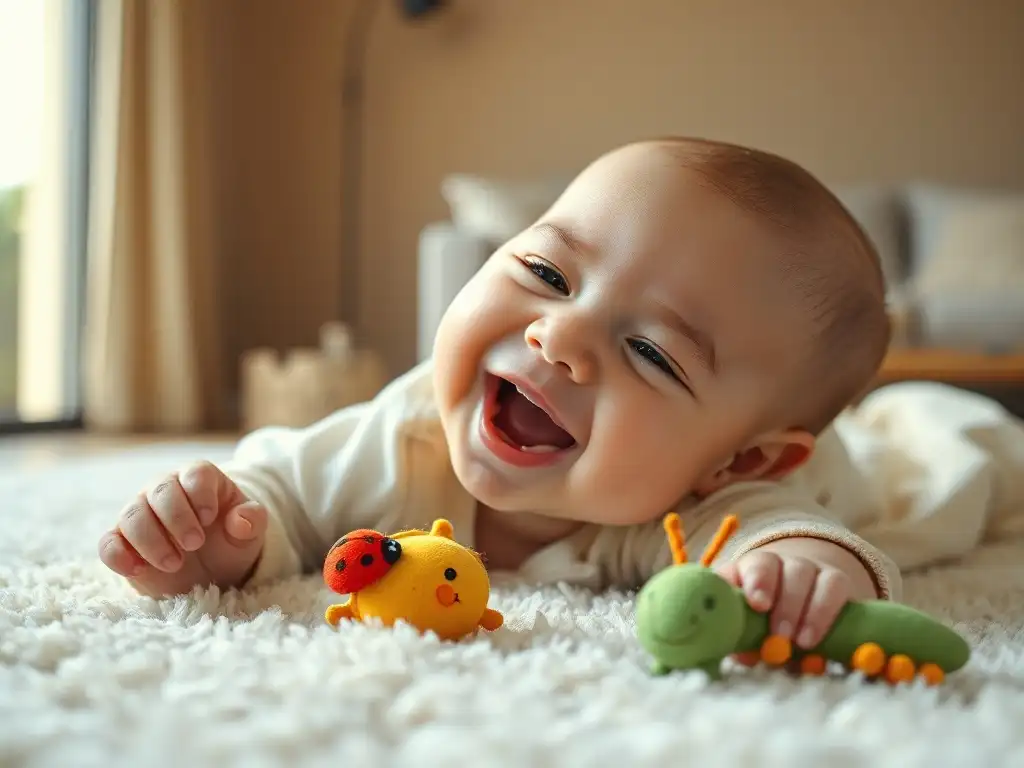
Creating a positive and joyful atmosphere for your baby is crucial for their development and your family's well-being. The benefits of baby laughter extend far beyond simple amusement; it fosters a strong parent-child bond, promotes healthy brain development, and contributes to a happier family dynamic. This section explores practical ways to cultivate a laughter-filled environment, maximizing the positive impact of shared joy on your little one and your entire family.
Remember, the goal is to make laughter a regular part of your daily interactions, reaping the numerous benefits for everyone involved. Integrating laughter into your daily routine is a key ingredient in building strong family bonds and promoting a positive home environment, directly impacting your baby's development and overall well-being. The benefits of a laughter-rich environment contribute significantly to a happy and healthy family.
Incorporating Laughter into Daily Routines: Playtime, Bath Time, and Bedtime
Integrating laughter into your baby's daily routines doesn't require elaborate schemes; simple adjustments can make a big difference. Playtime, bath time, and even bedtime can be transformed into opportunities for shared joy and bonding.
During playtime, engage in interactive games like peek-a-boo, making silly faces, and using brightly colored toys. Observe your baby's reactions; their giggles will guide you to what they find most amusing. Bath time can be equally fun. Use rubber duckies, splash water gently, and sing silly songs. The playful atmosphere of bath time can easily translate into joyous moments.
Even bedtime routines can incorporate laughter. Reading stories with funny voices or making up silly rhymes before sleep can create a positive and calming atmosphere, fostering a sense of security and joy. The consistent integration of laughter into these routines strengthens the parent-child bond and contributes to a generally happier and more relaxed family life. This consistent positive reinforcement strengthens the parent-child bond, contributing to a happier family dynamic and healthier baby development.
Remember to adjust your approach based on your baby's age and developmental stage. What works for a 3-month-old might not be as effective for a 9-month-old. Flexibility and observation are key to maximizing the laughter-inducing potential of your daily routines. The goal is to create positive associations with these routines, making them enjoyable for both you and your baby.
Simple Laughter-Inducing Activities for Babies: Peek-a-Boo, Tickles, and More
Many simple activities can reliably elicit laughter from babies. Classic games like peek-a-boo remain incredibly effective. The element of surprise and the re-emergence of a familiar face triggers a natural response of delight and laughter. Gentle tickles, accompanied by playful sounds and expressions, can also be very effective, especially for babies who are developing a sense of touch and physical interaction. Making silly faces and mimicking your baby's expressions can also create a fun and engaging interaction, fostering a sense of connection and shared joy.
Beyond these well-known methods, consider incorporating other sensory experiences. Playing with textured toys, singing songs with actions, or using instruments that produce fun sounds can all trigger laughter and stimulate your baby's senses. Remember to always prioritize safety and appropriateness for your baby's age and developmental stage. Observe your baby's reactions and adjust your approach accordingly.
The key is to be playful, responsive, and attuned to your baby's cues. The benefits include not only the immediate joy of laughter but also the strengthening of the parent-child bond and the promotion of healthy development. The positive emotions associated with these activities contribute to your baby's overall well-being and create a strong foundation for future emotional development.
The Role of Play in Promoting Baby Laughter and Development
Play is not merely entertainment; it's a crucial component of your baby's cognitive, social, and emotional development. Engaging in playful interactions that elicit laughter strengthens the parent-child bond, boosts your baby's mood, and stimulates brain development. The act of laughing itself releases endorphins, contributing to a sense of well-being and reducing stress. This positive feedback loop reinforces the importance of playful interactions and creates a positive association with laughter.
Furthermore, play helps your baby develop important skills. Through playful interactions, they learn about cause and effect, object permanence, and social cues. The back-and-forth nature of many playful activities fosters communication and strengthens the bond between parent and child. This interaction is crucial for your baby's social and emotional development.
The joy and laughter shared during these interactions create a positive and nurturing environment, which is vital for healthy development. The positive effects of play on your baby's development are undeniable, contributing significantly to their overall well-being and creating a strong foundation for future learning and social interaction. Remember, even seemingly simple activities like making faces or playing with rattles can significantly contribute to your baby's development and strengthen your family bond. Prioritize consistent, playful interactions to reap the numerous benefits for your baby and your family.
Parenting is undeniably challenging. Sleep deprivation, endless diaper changes, and the constant worry about your little one's well-being can take a toll. However, maintaining a sense of humor can significantly ease the burden and strengthen family bonds. Finding the humor in everyday mishaps – the exploding diaper incident, the midnight feeding marathon, or the unexpected projectile vomiting – can transform stressful situations into shared laughter.
This shared experience fosters resilience and reduces the feeling of isolation that many new parents experience. Instead of dwelling on the difficulties, try to find the funny side. Remember that tiny humans are inherently messy and unpredictable; embracing this chaos with laughter makes the journey far more enjoyable.
One effective strategy is to share funny anecdotes with your partner. Recounting humorous parenting moments, even the frustrating ones, can create a sense of shared experience and lighten the mood. It's a chance to connect, de-stress, and remember that you're both in this together.
Consider keeping a "funny moments" journal or creating a shared online space where you can document these amusing experiences. Looking back on these memories later will bring smiles and remind you of the lighter side of parenting. This shared laughter acts as a powerful buffer against the stresses of daily life, helping you navigate the challenges with more grace and humor.
Moreover, incorporating humor into your daily routines can create a more positive and playful atmosphere for your baby. Silly songs, funny faces, and playful interactions can stimulate your baby's development and strengthen your bond. Remember that babies are highly perceptive and respond to your emotions.
A lighthearted approach to parenting creates a more joyful and loving environment for everyone. This positive environment contributes directly to your baby's emotional well-being and overall development, fostering a secure attachment between parent and child. The benefits extend beyond the immediate family, creating a ripple effect of positivity that enriches the entire family dynamic.
The key is to approach parenting with a playful spirit, embracing the unexpected and finding the humor in the chaos. This lighthearted approach not only benefits your mental health but also contributes to a stronger, more loving family unit. Remember, laughter truly is the best medicine, especially when dealing with the joys and challenges of raising a baby.
The Long-Term Benefits of Laughter for Your Child's Development
Laughter isn't just a pleasant sound; it's a cornerstone of healthy child development, significantly impacting various aspects of your baby's growth and well-being. The benefits extend far beyond simple amusement, influencing everything from emotional regulation to cognitive skills and social interactions. Understanding these long-term benefits empowers parents to actively foster a joyful environment, enriching their child's life in profound ways. This section will explore how laughter contributes to your child's holistic development, solidifying the crucial link between "baby laughter benefits family".
The Connection Between Laughter and Emotional Well-being in Children
A child's emotional landscape is shaped significantly by their early experiences. Laughter plays a pivotal role in developing emotional resilience and coping mechanisms. When babies and toddlers laugh, they release endorphins, natural mood boosters that reduce stress and promote feelings of well-being. This positive emotional feedback loop helps them learn to regulate their emotions, manage stress more effectively, and develop a more positive outlook on life. Studies have shown a correlation between frequent laughter in early childhood and increased emotional stability later in life. For example, children who experienced frequent laughter during their first three years demonstrated a greater capacity for empathy and emotional understanding in their pre-teen years. This isn't merely anecdotal; research supports the idea that the joy and release associated with laughter contribute directly to a child's emotional intelligence. The more frequently you encourage laughter in your family, the more you're investing in your child's emotional health.
How Laughter Boosts Cognitive Development in Infants and Toddlers
Beyond emotional well-being, laughter significantly contributes to cognitive development. The act of laughing involves complex brain processes, stimulating neural connections and enhancing cognitive function. Infants and toddlers who engage in frequent laughter tend to exhibit improved language development, problem-solving skills, and memory retention.
The playful interactions that often trigger laughter – such as peek-a-boo or silly songs – actively engage their brains, stimulating cognitive growth. Consider this: the sounds, expressions, and social cues involved in shared laughter create a rich learning environment, strengthening cognitive pathways. Moreover, the positive emotional state induced by laughter improves focus and attention span, making learning more effective.
Think of it as a natural brain booster, enhancing your baby's capacity to learn and grow. Studies have found that children with higher levels of laughter in their daily lives tend to score better on cognitive assessments throughout their early childhood. This underscores the importance of fostering a playful, laughter-filled environment for optimal brain development.
The social benefits of laughter are equally profound. Shared laughter fosters bonding and strengthens relationships within the family unit. It creates a sense of connection and belonging, crucial for a child's social and emotional development. Babies and toddlers learn to interpret social cues and engage in reciprocal interactions through shared laughter.
This helps them develop crucial social skills like empathy, cooperation, and communication. Furthermore, the confidence boost that comes with laughter is invaluable. When children feel comfortable enough to laugh freely, it demonstrates a sense of security and acceptance within their environment. This contributes to a positive self-image and a greater willingness to engage socially.
In essence, laughter acts as a social lubricant, facilitating positive interactions and building strong, healthy relationships. A family that laughs together, grows together, building a foundation of love, support, and mutual understanding – the very essence of "baby laughter benefits family." This positive social environment contributes significantly to a child's overall well-being and success in life.
Laughter acts as a powerful buffer against stress and adversity, equipping children with invaluable coping mechanisms they'll carry throughout their lives. When faced with challenges – from minor everyday frustrations like a dropped toy to more significant events like starting preschool or dealing with a sibling rivalry – a good laugh can significantly reduce their stress response. Instead of escalating anxiety, laughter helps children reframe the situation, shifting their perspective from one of negativity and overwhelm to one of resilience and acceptance.
This isn't to say that laughter magically erases problems; rather, it provides a healthy outlet for pent-up emotions, allowing children to process difficult experiences more effectively. Studies have shown a direct correlation between frequent laughter and improved emotional regulation in young children, enabling them to better manage their feelings and navigate challenging situations with greater ease and adaptability. The ability to laugh in the face of adversity is a crucial life skill, fostering emotional intelligence and building a strong foundation for mental well-being.
By encouraging laughter in your family, you're not just providing amusement; you're equipping your child with a vital tool for navigating the inevitable ups and downs of life. Think of it as emotional first aid – a readily available and effective remedy for the small scrapes and bruises of daily living.
The benefits extend beyond simply managing immediate stress. The act of laughing releases endorphins, natural mood boosters that have a positive impact on both physical and mental health. These endorphins act as natural painkillers, reducing feelings of discomfort and promoting a sense of overall well-being.
Regular laughter, therefore, strengthens a child's resilience, building their capacity to bounce back from setbacks and approach new challenges with a more optimistic outlook. This enhanced resilience isn't just beneficial during childhood; it lays the groundwork for a happier and healthier adulthood, helping them to cope with the inevitable stressors and difficulties that life presents.
By fostering a culture of laughter within the family, parents actively contribute to their child's emotional growth and development, equipping them with the tools to face life's hurdles with courage, confidence, and a healthy dose of humor. This proactive approach to emotional well-being is an invaluable gift, shaping their personality and influencing their overall life trajectory in profound ways.
Maintaining a Joyful Family Atmosphere: Tips for Parents
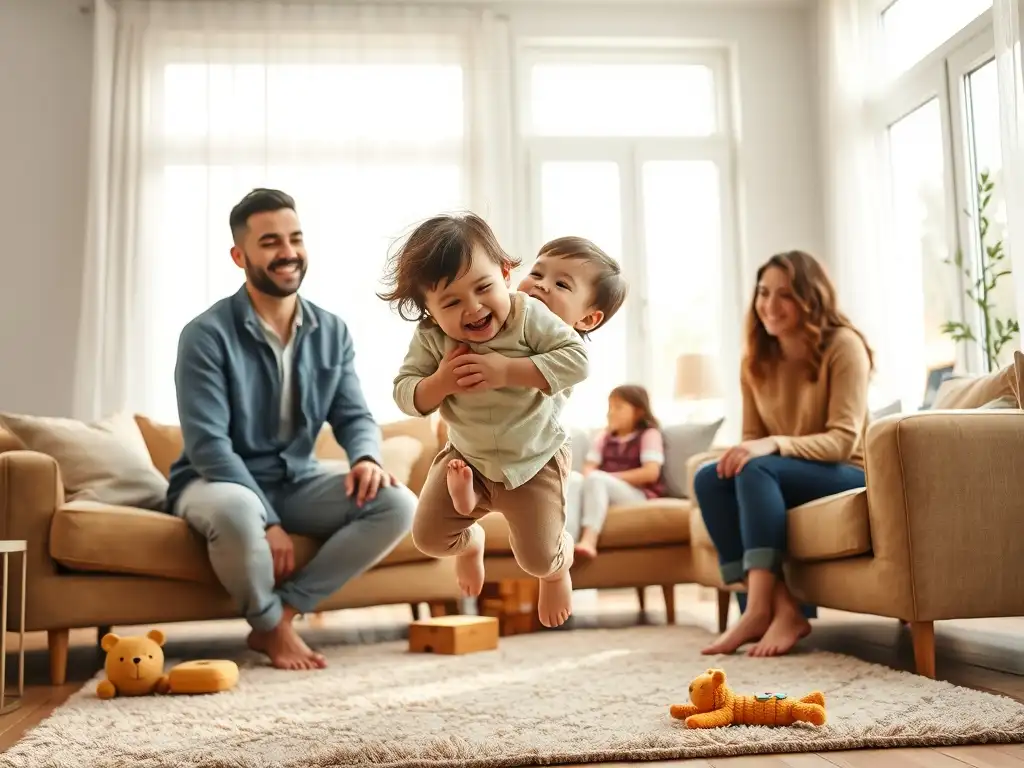
The arrival of a baby dramatically alters family dynamics. While the overwhelming joy of parenthood is undeniable, it's equally crucial to nurture a joyful family atmosphere amidst the inevitable challenges. Prioritizing laughter and positive interactions is key to building a strong family unit and fostering healthy development in your child. The benefits of shared laughter extend beyond simple amusement; it strengthens bonds, reduces stress, and promotes emotional well-being for everyone involved.
This section explores practical strategies for cultivating joy and laughter within your family unit, ensuring that the experience of parenthood is as enriching and fulfilling as possible. Remember, a happy family is a healthy family, and laughter plays a vital role in achieving that harmony. The impact of baby laughter benefits family in profound ways, creating a positive feedback loop of joy and connection.
Creating dedicated family time is paramount. This isn't just about scheduling activities; it's about intentionally building moments of connection and shared laughter. Consider these strategies:
- Dedicated playtime: Schedule at least 30 minutes each day for focused playtime with your baby. Engage in activities that encourage interaction and elicit giggles, such as peek-a-boo, silly songs, or reading age-appropriate books with expressive voices. Involve older siblings in these activities to foster sibling bonding and shared joy.
- Family dinners: Make dinner a regular family affair, even if it's just a simple meal. Engage in conversation, share stories, and make it a point to laugh together. This routine creates a sense of normalcy and shared experience, strengthening family bonds.
- Weekend adventures: Plan regular outings as a family, even if it's just a walk in the park. The change of scenery and shared experiences can provide opportunities for spontaneous laughter and create lasting memories.
- Family game nights: Incorporate family-friendly games into your routine. Board games, card games, or even silly charades can create a fun and engaging atmosphere where laughter is inevitable. This is especially beneficial for families with older children.
Remember, the quality of time spent together is more important than the quantity. Even short bursts of focused attention and playful interactions can significantly contribute to a joyful family environment. The goal is to create a positive association with family time, where laughter is a regular and expected part of the experience. The cumulative effect of these small, intentional actions significantly contributes to the overall well-being of the family unit.
Strategies for Managing Stress and Maintaining a Positive Outlook
Parenting is inherently stressful. Sleep deprivation, financial pressures, and the constant demands of caring for a newborn can easily take their toll. However, proactively managing stress is crucial for maintaining a positive outlook and fostering a joyful family atmosphere. Here are some effective strategies:
- Practice mindfulness and self-compassion: Acknowledge that it's okay to feel overwhelmed at times. Practice mindfulness techniques such as deep breathing or meditation to help manage stress levels. Be kind to yourself and avoid self-criticism. Remember that parenting is a journey, not a race.
- Seek support: Don't hesitate to reach out to family, friends, or support groups for help. Sharing your burdens can lighten the load and provide much-needed emotional support. Connecting with other parents can also provide valuable insights and reassurance.
- Prioritize sleep: While challenging with a newborn, prioritizing sleep (even in small increments) is essential for managing stress and maintaining a positive outlook. Utilize any opportunity for rest, and don't be afraid to ask for help from your partner or family members.
- Engage in activities you enjoy: Make time for activities that bring you joy and relaxation, even if it's just for a few minutes each day. This could be reading, listening to music, taking a walk, or engaging in a hobby. Maintaining your own well-being is crucial for being a present and positive parent.
By actively managing stress and maintaining a positive outlook, you create a more nurturing and joyful environment for your entire family. This proactive approach helps to mitigate the negative impacts of stress on family dynamics and promotes a more harmonious and loving atmosphere. Remember, a calm and happy parent is better equipped to nurture a happy child.
The Importance of Self-Care for Parents: Laughing Together and Apart
Self-care is not selfish; it's essential for parents' well-being and, consequently, the well-being of the entire family. Taking time for yourself allows you to recharge, reduce stress, and return to your family with renewed energy and a positive attitude. This self-care can involve both individual activities and shared moments with your partner.
- Individual self-care: This could involve activities like taking a long bath, reading a book, exercising, or pursuing a hobby. These activities provide a much-needed break from the demands of parenting and allow you to reconnect with yourself. Even 15-20 minutes of dedicated "me-time" can make a significant difference.
- Couple's self-care: Schedule regular date nights or even short periods of uninterrupted time together to reconnect as a couple. This can help strengthen your relationship and provide mutual support. Laughing together, reminiscing about shared memories, or simply enjoying each other's company can revitalize your bond.
Remember, laughter is contagious. When parents are happy and relaxed, it creates a ripple effect throughout the family, fostering a more joyful and loving atmosphere. Prioritizing self-care isn't just beneficial for you; it's an investment in the overall well-being and happiness of your family. The positive energy generated through self-care directly contributes to a more harmonious and joyful family life, reinforcing the positive impact of baby laughter benefits family.
Seeking Support: Connecting with Other Parents and Family Members
The arrival of a baby dramatically alters family dynamics. While incredibly joyous, this transition can also be incredibly stressful. New parents often find themselves sleep-deprived, overwhelmed by the demands of caring for a newborn, and grappling with a significant shift in their routines and priorities. This is where seeking support becomes crucial, not just for the parents' well-being, but for the overall harmony and joy within the family unit. Connecting with other parents and family members provides a vital lifeline during this challenging yet rewarding period.
One of the most effective ways to find support is through connecting with other parents. Parent support groups, whether online or in-person, offer a safe space to share experiences, ask questions, and realize that the struggles you're facing are common. Hearing from others who've navigated similar challenges can be incredibly validating and reassuring. Sharing stories about sleepless nights, difficult feeding sessions, or developmental milestones can foster a sense of community and shared experience, reducing feelings of isolation and promoting a sense of belonging. The simple act of knowing you're not alone can significantly boost your mood and resilience.
Furthermore, leveraging the support of family members is equally important. Grandparents, aunts, uncles, and other relatives can provide invaluable assistance with childcare, household chores, and even emotional support. While respecting boundaries is crucial, don't hesitate to ask for help when needed. Perhaps your mother could assist with meal preparation, allowing you more time to bond with your baby.
Maybe your father could help with errands or household tasks, freeing up your time for rest. Open communication with family members is key to ensuring they understand your needs and are able to provide effective support. Remember to express your gratitude for their help – a simple “thank you” can go a long way in strengthening family bonds.
The benefits extend beyond practical assistance. The emotional support provided by other parents and family members is invaluable in maintaining a joyful family atmosphere. Sharing your joys and frustrations with those who understand can significantly reduce stress and enhance your overall well-being.
This, in turn, creates a more positive and supportive environment for your baby, contributing to their healthy emotional development and contributing to the overall happiness within the family. Remember, seeking support isn't a sign of weakness; it's a sign of strength and a commitment to nurturing a thriving family unit. Building a strong support network is a proactive step towards ensuring your family experiences the joy and fulfillment parenthood can offer.
The Ripple Effect: How Baby's Laughter Impacts the Entire Family Unit
The arrival of a baby dramatically alters family dynamics. While the challenges are undeniable – sleep deprivation, constant demands, and the adjustment to a new routine – the rewards are equally profound. Among these, the simple, infectious sound of baby laughter stands out as a powerful force for strengthening family bonds and fostering a positive home environment.
The benefits of baby laughter extend far beyond the immediate joy it brings; it creates a ripple effect, positively impacting each member of the family unit and the overall family dynamic. Understanding this ripple effect is crucial for navigating the joys and challenges of parenthood and building a resilient, loving family. This section explores the multifaceted ways baby laughter enhances family life, focusing on its impact on marital relationships, sibling dynamics, and the creation of lasting family memories.
The early months of parenthood can be a significant test for even the strongest marriages. Stress, fatigue, and the constant demands of caring for a newborn can strain relationships. However, shared experiences of joy, such as witnessing your baby's first giggle or experiencing the pure delight of their infectious laughter, can act as a powerful buffer against these pressures.
These moments of shared joy create positive associations with parenthood, reminding parents of the love and connection at the heart of their family. Studies show that couples who actively engage in positive parenting practices, including celebrating milestones like a baby's first laugh, report higher levels of marital satisfaction and stronger feelings of connection. The shared experience of witnessing and responding to their baby's laughter provides a common ground, a shared source of happiness that strengthens their bond and helps them navigate the challenges together.
This shared joy fosters a sense of teamwork and mutual support, essential elements for a thriving marital relationship. Moreover, the laughter itself reduces stress hormones, creating a more relaxed and positive atmosphere within the home, further contributing to a stronger marital bond.
Improving Sibling Relationships Through Laughter and Play
The arrival of a new baby can be a significant adjustment for existing children. Feelings of jealousy, resentment, or displacement are common. However, baby laughter can play a surprisingly important role in mitigating these negative emotions and fostering positive sibling relationships.
The contagious nature of a baby's laughter often draws older siblings into the interaction, creating opportunities for playful engagement. This shared laughter provides a bridge between siblings, fostering a sense of connection and shared experience. Encouraging older siblings to participate in playful activities with the baby, such as singing songs, reading books, or simply interacting playfully, can build positive associations with the new baby and help to reduce sibling rivalry.
The shared joy of laughter creates positive memories and strengthens the bond between siblings, laying the foundation for a supportive and loving relationship as they grow. In essence, baby laughter acts as a catalyst for positive interactions, transforming potential conflict into opportunities for connection and shared joy. Witnessing the joy their baby brings can also remind older siblings of the love and attention they receive, reducing feelings of neglect or displacement.
The fleeting moments of babyhood, filled with gurgles, coos, and those first precious laughs, are quickly imprinted on our memories. These seemingly insignificant moments become cherished family treasures, forming a significant part of the family's shared history and legacy. The sound of baby laughter becomes a powerful symbol of family love, joy, and connection, woven into the tapestry of shared memories.
These memories, often recounted and revisited throughout the years, strengthen family bonds and create a sense of shared identity. Capturing these moments – through photos, videos, or simply in the collective family memory – helps to solidify the positive associations with family life, creating a rich and fulfilling family legacy. The accumulation of these joyful memories, anchored by the sound of baby laughter, creates a powerful narrative of family life, one that emphasizes love, connection, and the enduring power of shared experiences.
This legacy, built upon the foundation of shared joy, strengthens family resilience and provides a source of comfort and connection throughout the years. The impact of these memories, reinforced by the positive emotions associated with baby laughter, cannot be overstated. They shape family identity and provide a lasting source of strength and happiness.
Building Resilience as a Family: Overcoming Challenges with Laughter
The arrival of a baby, while joyous, often presents unforeseen challenges. Sleep deprivation, feeding difficulties, and the constant demands of a newborn can strain even the strongest relationships. This is where the power of shared laughter becomes invaluable. The simple act of watching your baby giggle uncontrollably can be a powerful antidote to stress and frustration. It provides a much-needed break from the intensity of parenting, offering a moment of shared joy that strengthens family bonds. Studies have shown that shared laughter releases endorphins, natural mood boosters that reduce stress hormones like cortisol. 1 This physiological response translates into a more resilient family unit, better equipped to navigate the inevitable bumps in the road. When parents can find moments of levity amidst the chaos, they are better able to approach challenges with a more positive and collaborative mindset, fostering a supportive environment for both themselves and their child. This resilience isn't just about coping; it's about thriving amidst the challenges of parenthood. The shared experience of laughter creates a sense of unity and shared purpose, strengthening the family's collective ability to overcome obstacles.
Consider a family facing difficulties with breastfeeding. The mother might feel immense pressure and frustration, leading to feelings of inadequacy. The father, witnessing this struggle, might also feel helpless and stressed. However, if they can find moments to laugh together—perhaps at a silly mishap or a funny anecdote—they can alleviate some of the tension and reconnect emotionally.
This shared laughter helps them to approach the problem collaboratively, seeking solutions together rather than allowing frustration to drive them apart. This shared experience of laughter builds a stronger foundation for problem-solving and strengthens their ability to support each other through difficult times. The shared laughter becomes a powerful reminder of their love and commitment to each other and their child, fostering resilience in the face of adversity. It transforms a potentially isolating experience into a shared journey, strengthening their family bond.
1 [Specific study referencing the impact of shared laughter on endorphin release and cortisol reduction pending]
Frequently Asked Questions
How does baby laughter benefit the family?
Baby laughter is incredibly contagious and promotes a positive family atmosphere. It reduces stress, strengthens bonds, and creates lasting happy memories. It's a powerful tool for building family connection.
What are some ways to encourage baby laughter?
Try tickling, making silly faces, playing peek-a-boo, singing songs, and reading engaging books. Respond enthusiastically to your baby's attempts at laughter, creating a positive feedback loop.
At what age do babies start laughing?
Babies typically begin to laugh around 3 to 4 months old, although it can vary. Early laughter is often a response to social interaction and playful stimulation.
Is baby laughter linked to their development?
Yes, laughter is a sign of healthy social and emotional development. It shows that your baby is engaging with the world and forming positive connections with others. It indicates cognitive development and understanding of playful interaction.
How can I make laughter a regular part of our family routine?
Schedule dedicated playtime, engage in silly activities, and be present and playful. Make laughter a priority, not an afterthought, to reap the emotional benefits for the whole family.
Final Reflection: The Echo of Laughter, a Legacy of Love
The joyous sound of a baby's laughter isn't just fleeting amusement; it's a powerful catalyst for stronger family bonds and a healthier home environment. This simple, seemingly insignificant sound reverberates through the family unit, creating a ripple effect of positive emotions and strengthening the very fabric of familial connection. The benefits extend far beyond the immediate moment, shaping the emotional landscape of a family for years to come.
The impact of shared laughter on family dynamics is profound and enduring. It fosters a sense of belonging, creating a safe space where vulnerability and genuine connection can flourish. Laughter is the best medicine.
While often used as a cliché, this simple phrase holds a deep truth, particularly within the context of family life. The shared experience of laughter transcends generational gaps, uniting family members in a moment of pure joy and shared understanding. It's a powerful antidote to stress, conflict, and the everyday challenges of family life, reminding us of the simple, beautiful things that truly matter.
Consider the echoes of laughter in your own family. Remember those moments of shared joy, the spontaneous bursts of mirth that brought you closer to loved ones. Now, actively cultivate those moments. Make laughter a priority, a conscious choice in your daily interactions. Tell jokes, watch funny movies together, engage in playful activities that spark joy and release the tension of daily life. Embrace the power of laughter to build a stronger, healthier, and more loving family, a legacy of joy that will resonate for generations to come.
Unlock More Family Fun: Embrace the Joy of Laughter!
Thank you for exploring the importance of laughter in family life! We hope you gained valuable insights into strengthening family bonds and creating happier memories. Now, let's put those insights into action.
- Prioritize daily laughter: Even five minutes of playful interaction can make a significant difference. Try a silly family dance-off, tell jokes, or watch a funny video together. This simple act can transform your family life!
- Share your favorite laughter-inducing activities with other parents in the comments below – let's build a supportive and joyful community!
- Consider starting a family "joke jar" where everyone contributes funny stories or one-liners throughout the week. This is a wonderful way to cultivate laughter and strengthen family bonds over time.
What simple, silly activity will you introduce into your family routine today to spark more joy and connection?