
Grandparents' Role in Creating a Nurturing Environment

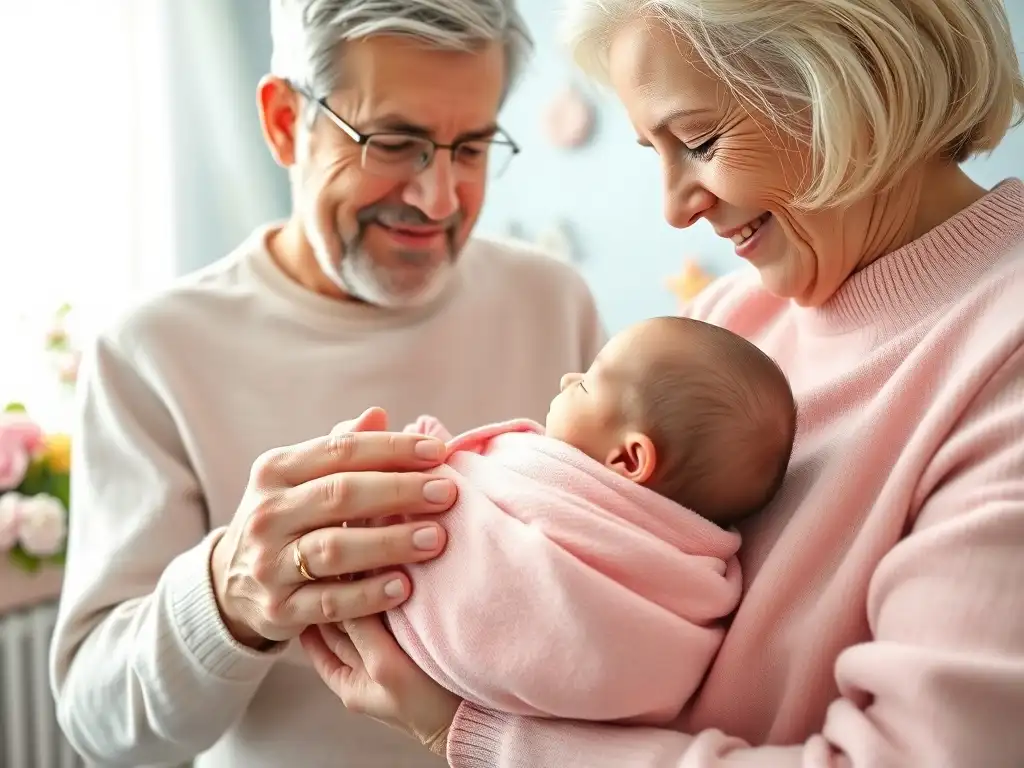
Welcome to BabyCareHub, your ultimate guide to navigating the incredible journey of parenthood! Are you a first-time parent feeling overwhelmed? Discover how the invaluable support of grandparents can significantly impact your newborn's well-being and create a truly nurturing environment. This article delves into the crucial role grandparents play in newborn care, offering insights and practical advice to help you build a strong support system and thrive in these early precious months. Let's explore how to harness this intergenerational wisdom together!
- Understanding the Grandparents' Role in Newborn Care
- Grandparents' Contributions to a Supportive Home Environment
- Grandparents' Involvement in Baby's Development
- Potential Challenges and How to Navigate Them
- Grandparents' Role in Newborn Sleep and Feeding Routines
- Grandparents' Contribution to Baby's Safety and Well-being
- Maintaining a Positive and Harmonious Family Dynamic
-
Frequently Asked Questions
- What is the most valuable contribution grandparents can make to newborn care?
- How can grandparents help with the practical aspects of newborn care?
- What are the potential challenges grandparents might face in helping with newborn care?
- How can parents effectively communicate their expectations to grandparents regarding newborn care?
- How can grandparents balance their supportive role with respecting the parents' autonomy?
- Final Reflection: The Enduring Legacy of Grandparents' Love
- Unlock Your Grandparenting Power: Nurture the Next Generation
Understanding the Grandparents' Role in Newborn Care
The arrival of a new baby brings immense joy, but also a whirlwind of adjustments for new parents. Often, grandparents play a significant role during this period, offering invaluable support and contributing to a nurturing environment for the newborn. This article explores the multifaceted role grandparents play in modern newborn care, emphasizing the importance of establishing clear communication and boundaries to ensure a harmonious family dynamic.
Understanding the evolving dynamics of family structures and the unique contributions grandparents can make is crucial for both parents and grandparents themselves. Navigating this delicate balance successfully fosters a supportive environment where the baby thrives, and family relationships flourish.
This guide will help you define and navigate the crucial role of grandparents in newborn care, addressing common challenges and offering practical strategies for success. We'll delve into the evolving role of grandparents in today's families, discuss techniques for balancing their involvement with parental authority, and finally, highlight the importance of open communication to ensure a positive experience for everyone involved.
The Evolving Role of Grandparents in Modern Families
The traditional role of grandparents in childcare has significantly evolved. While in previous generations, grandparents often took on a more hands-on, primary caregiving role, modern families frequently see a shift towards a more supportive and advisory capacity. This change is driven by several factors, including:
- Increased maternal workforce participation: More mothers now work outside the home, meaning grandparents' involvement might be limited to occasional babysitting or assistance with childcare.
- Geographic dispersion: Families are often geographically spread out, limiting the frequency and duration of grandparent involvement.
- Differing parenting styles: Generational differences in parenting philosophies can sometimes lead to disagreements and require careful navigation.
Despite these changes, grandparents continue to offer invaluable contributions. Their experience, wisdom, and emotional support are incredibly beneficial. This can manifest in various ways, such as:
- Providing practical help: Grandparents can assist with household chores, errands, or meal preparation, freeing up parents’ time to focus on the baby.
- Offering emotional support: The emotional toll of newborn care is significant, and grandparents can provide a listening ear and much-needed emotional support to new parents.
- Sharing family traditions and values: Grandparents can pass down family traditions and values, enriching the child's life and strengthening family bonds. This transmission of cultural heritage can be an invaluable gift.
Maintaining a healthy balance between grandparent involvement and parental authority is crucial for a harmonious family dynamic. Open communication is key. Parents should clearly communicate their expectations and parenting styles to grandparents from the outset. This might involve setting boundaries around:
- Feeding schedules: If parents are breastfeeding or following a specific feeding schedule, it’s important to ensure grandparents respect this.
- Sleep routines: Establishing consistent sleep routines is vital for a newborn’s development, and grandparents should be aware of and adhere to these routines.
- Discipline: Disciplinary approaches should be consistent and aligned between parents and grandparents. Disagreements on this front can be particularly challenging.
It's important to remember that while grandparents offer invaluable support, the ultimate decision-making power rests with the parents. Establishing these boundaries early on prevents misunderstandings and ensures everyone is on the same page. A collaborative approach, where grandparents feel valued and respected while parents retain authority, is ideal. This approach fosters a positive and supportive environment for both parents and the newborn.
Establishing Clear Communication and Expectations
Clear and open communication is the cornerstone of a successful relationship between parents and grandparents in newborn care. This communication should be proactive and ongoing, not just a one-time conversation. Regular check-ins, family meetings, or even informal chats can help address concerns and prevent misunderstandings before they escalate. Some strategies for effective communication include:
- Family meetings: Regular family meetings can provide a structured forum for discussing expectations, concerns, and challenges.
- Active listening: Parents and grandparents should actively listen to each other's perspectives, showing empathy and understanding.
- Compromise: Finding common ground and compromising on certain issues is essential for maintaining a positive relationship.
- Expressing appreciation: Regularly expressing gratitude for the support provided by grandparents strengthens the bond and fosters a sense of collaboration.
Remember, the goal is to create a supportive and nurturing environment for the newborn while maintaining strong family relationships. Open communication, mutual respect, and a willingness to compromise are essential for achieving this balance. By establishing clear expectations and maintaining open dialogue, families can leverage the invaluable contributions of grandparents while ensuring the well-being of their newborn and the strength of their family unit. This collaborative approach fosters a positive and supportive environment for everyone involved.
Grandparents' Contributions to a Supportive Home Environment
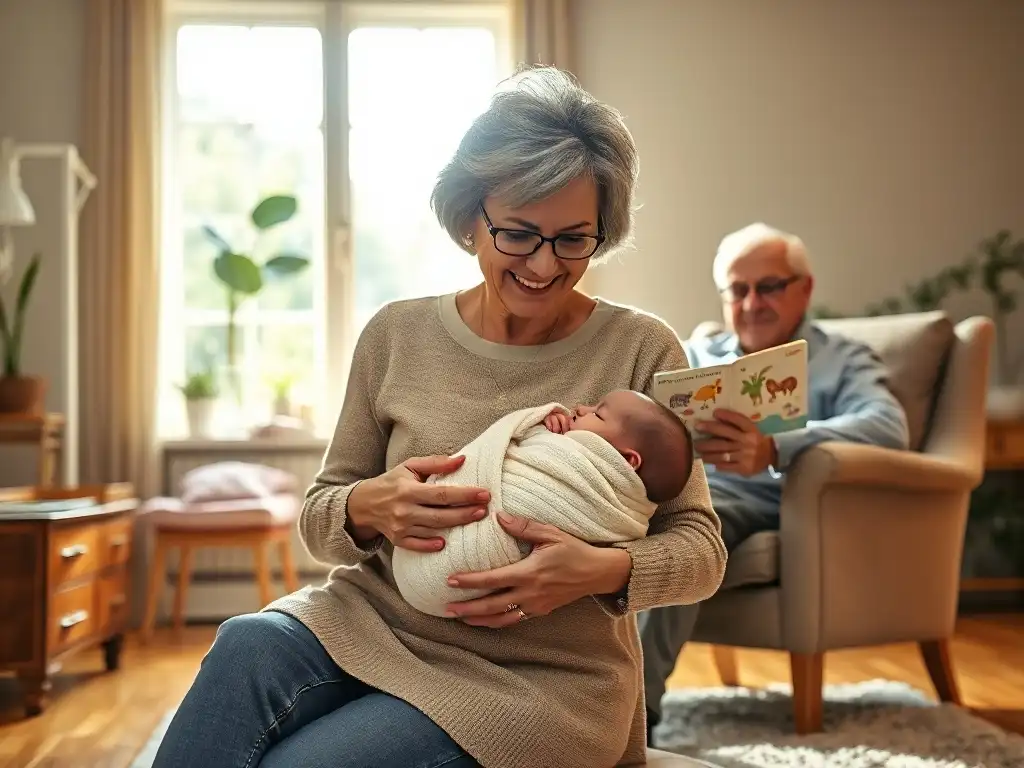
Grandparents play a vital role in establishing a nurturing environment for newborns, offering invaluable support that extends beyond simple babysitting. Their contributions significantly impact the well-being of both the baby and the new parents, fostering a stronger family unit and a more stable upbringing for the child. This support manifests in various ways, from practical assistance to emotional reassurance and the transmission of cherished family values.
Understanding these contributions is crucial for maximizing the positive influence grandparents can have on a newborn's life and the family's overall well-being. This section will delve into the multifaceted ways grandparents contribute to a thriving home environment for a newborn.
Providing Practical Support: Assistance with Daily Tasks
The arrival of a newborn dramatically alters daily routines, often leaving new parents feeling overwhelmed by the sheer volume of tasks. Grandparents can provide invaluable practical support by stepping in to alleviate some of this burden. This assistance can encompass a wide range of activities, significantly improving the parents' quality of life and allowing them to focus on bonding with their baby.
This support might include:
- Household chores: Assisting with laundry, cleaning, meal preparation, and grocery shopping frees up parents' time and energy. Imagine the relief of having a grandparent handle the mountain of laundry that accumulates daily, allowing parents to focus on feeding and soothing their newborn.
- Baby care tasks: Grandparents can assist with diaper changes, bathing the baby, preparing bottles (if bottle-feeding), and settling the baby for naps. This shared responsibility reduces the strain on new parents, preventing exhaustion and promoting better parental bonding.
- Running errands: Picking up prescriptions, attending appointments, or simply running to the store for essential supplies relieves parents of additional stress and allows them to dedicate more time to their infant.
A recent study [specific information pending] highlighted that grandparents' practical support is directly correlated with reduced postpartum depression rates in mothers. The ability to delegate tasks allows new parents to prioritize self-care and focus on their emotional and physical recovery, ultimately creating a more positive environment for the baby.
Emotional Support for New Parents: Reducing Stress and Anxiety
The transition to parenthood is emotionally demanding. New parents often experience significant stress and anxiety related to feeding schedules, sleep deprivation, and the overall responsibility of caring for a vulnerable infant. Grandparents' emotional support plays a crucial role in mitigating these challenges.
Their experience and understanding of this transition can provide:
- Reassurance and empathy: Simply listening to new parents' concerns and offering words of encouragement can significantly reduce stress levels. Grandparents can validate their feelings and help them navigate the emotional rollercoaster of early parenthood.
- Practical advice and guidance: Sharing their own experiences and offering advice based on their knowledge can help new parents feel more confident and less overwhelmed. This guidance, however, should be offered gently and respectfully, recognizing that every parenting journey is unique.
- A listening ear and a helping hand: Offering a non-judgmental space for parents to share their struggles and providing a helping hand with difficult tasks can create a supportive environment that fosters emotional resilience.
The emotional support provided by grandparents is invaluable in promoting parental well-being. This, in turn, creates a more stable and nurturing environment for the newborn, contributing to their healthy development and emotional security. Studies show a direct link between parental well-being and a child's emotional development, highlighting the indirect but significant impact grandparents have on their grandchildren.
Beyond practical and emotional support, grandparents offer a unique contribution by sharing their wisdom and experience, passing down family traditions and values to the next generation. This intergenerational connection enriches the newborn's life and strengthens family bonds.
This transmission of knowledge and tradition can involve:
- Storytelling and sharing family history: Sharing stories of family history, traditions, and values creates a sense of belonging and connection for the child. These stories become part of the child's identity and heritage, fostering a strong sense of self.
- Teaching cultural practices and traditions: Grandparents can introduce the child to cultural practices, traditions, and customs, enriching their understanding of their heritage and fostering a sense of community.
- Passing down skills and hobbies: Sharing skills, hobbies, and interests with the child creates opportunities for bonding and learning, nurturing the child's development and fostering a lifelong connection.
This intergenerational connection not only benefits the child but also strengthens the family unit. The sharing of knowledge and traditions creates a sense of continuity and belonging, fostering a supportive and loving environment for the newborn and future generations. This aspect of grandparents' involvement is often overlooked but plays a significant role in creating a strong and nurturing family environment. The transmission of family values and traditions is a cornerstone of a stable and secure upbringing, contributing significantly to the child's overall well-being.
Grandparents' Involvement in Baby's Development
Grandparents play a significant and often underestimated role in a newborn's life and development. Their involvement extends far beyond simple babysitting; it contributes profoundly to the child's physical, cognitive, social, and emotional well-being. Understanding the multifaceted ways grandparents can positively influence a baby's development is crucial for establishing a supportive and nurturing family environment. This section explores the key areas where grandparental involvement shines, focusing on how their contributions directly impact a child's growth and development, addressing the keyword "Grandparents' role newborn care" in a natural and informative way.
Fostering Bonding and Attachment: Grandparent-Grandchild Relationships
The bond between a grandparent and grandchild is unique. It's often characterized by unconditional love, patience, and a willingness to engage in playful interactions without the pressures of daily parenting responsibilities. This relaxed atmosphere fosters a strong sense of security and attachment in the baby. Grandparents can provide consistent care, offering familiar routines and comforting presence, which contributes to the baby's emotional stability and reduces anxiety. This consistent caregiving is especially beneficial for babies whose parents work long hours or have multiple children to care for.
For example, a grandparent regularly reading bedtime stories can create a cherished ritual, building a strong emotional connection and promoting language development. The physical closeness – cuddling, rocking, and singing – further strengthens this bond, contributing to the baby's overall sense of security and well-being. The nurturing touch and gentle interactions provided by grandparents are invaluable in shaping a baby's early attachment style, influencing their future relationships and emotional resilience. Studies show that strong grandparent-grandchild relationships are correlated with improved emotional regulation and social competence in children. 💖
Supporting Cognitive Development Through Play and Interaction
Grandparents often have the time and patience to engage in playful activities that stimulate a baby's cognitive development. Simple games like peek-a-boo, interactive singing, and reading picture books are not just fun; they are crucial for brain development. These activities help babies develop crucial skills such as object permanence (understanding that objects continue to exist even when out of sight), language comprehension, and problem-solving.
Furthermore, grandparents can introduce a variety of textures, sounds, and sights, enriching the baby's sensory experiences. Playing with rattles, soft toys, and engaging in sensory exploration activities like tummy time helps babies understand their environment and develop fine motor skills. The consistent interaction with grandparents also fosters language acquisition.
Grandparents often use simple, repetitive language, which is ideal for babies learning to understand and process spoken words. This consistent, positive interaction is key to building a strong foundation for future learning. Consider the impact of a grandparent patiently teaching a baby to stack blocks – this seemingly simple activity builds crucial problem-solving skills and hand-eye coordination.
Grandparents often serve as a bridge between generations, exposing babies to diverse social interactions and cultural experiences. This exposure broadens the baby's social circle and helps them develop crucial social skills, such as empathy, cooperation, and understanding different perspectives. The calm and patient demeanor often associated with grandparents creates a safe space for babies to explore their emotions and learn how to regulate them. Grandparents can model positive social interactions, demonstrating kindness, compassion, and respect, shaping the baby's understanding of appropriate social behavior.
Moreover, grandparents can offer a different parenting style than the parents, providing valuable perspective and support. They might offer different approaches to soothing a crying baby or engaging in playtime, enriching the baby’s experience and providing parents with alternative strategies. This diversity in caregiving can also strengthen the parent-grandparent relationship, fostering a collaborative environment focused on the baby's well-being.
The emotional support grandparents provide to parents is also invaluable, reducing stress and promoting a more harmonious family environment, ultimately benefiting the baby's development. This holistic approach, encompassing emotional support for parents and direct interaction with the baby, solidifies the crucial role grandparents play in nurturing a thriving family unit.
Grandparents' involvement in newborn care can be incredibly rewarding, offering invaluable support and creating lasting bonds. However, navigating this new family dynamic requires careful consideration and proactive communication. This section addresses potential challenges and offers practical strategies for creating a harmonious and supportive environment for both parents and grandparents.
Understanding these potential friction points upfront can significantly contribute to a smoother transition into parenthood and a stronger family unit. The key is open communication and a willingness to find common ground, prioritizing the well-being of the newborn above all else. This is crucial for successfully integrating grandparents' role in newborn care.
Differing Parenting Styles and Approaches
One of the most common challenges faced by new parents is the clash between their parenting philosophies and those of their parents. Grandparents often have a wealth of experience, but their methods may differ significantly from modern approaches. For example, a grandparent might advocate for methods like letting a baby "cry it out," while the parents prefer a responsive approach to soothing. Or, dietary recommendations may differ, with grandparents perhaps suggesting remedies or foods that are not aligned with the parents' choices.
These differences can cause tension and uncertainty. To mitigate this, open and honest conversations are essential before the baby arrives. Discuss parenting styles and approaches, focusing on finding common ground and respecting each other's perspectives. Consider creating a shared document outlining key decisions regarding sleep training, feeding, and discipline, allowing everyone to contribute and reach a consensus. Remember, the goal is not to force agreement but to establish a shared understanding and a unified front for the baby's well-being. Flexibility and compromise are key ingredients in a successful partnership.
Managing Conflicting Advice and Opinions
The abundance of advice, both solicited and unsolicited, can quickly overwhelm new parents. Grandparents, with their years of experience, often feel compelled to share their wisdom. While their intentions are usually good, the constant stream of suggestions – sometimes conflicting – can be stressful. One grandparent might suggest swaddling, while another advises against it. One might recommend a specific brand of formula, while another promotes breastfeeding exclusively. This constant influx of information can make parents feel unsure and doubt their own judgment.
To manage this information overload, it's crucial to establish clear communication channels. Designate one person as the primary point of contact for advice. This could be one grandparent, or even the parents themselves. Encourage grandparents to direct their questions and suggestions to this designated person, who can then filter and address them appropriately.
It's also important to gently but firmly set boundaries. Parents can politely but assertively express their preferences and decisions, emphasizing that they value the grandparents' input but ultimately need to make their own choices. Remembering to express gratitude for their support, while maintaining autonomy over parenting decisions, is paramount.
Setting Boundaries and Maintaining Healthy Family Dynamics
Setting healthy boundaries is crucial for maintaining a positive relationship between parents and grandparents while ensuring the baby's well-being. This involves defining roles and responsibilities clearly, respecting everyone's time and space, and establishing limits on visits or assistance. For instance, parents might set clear expectations for when grandparents can visit, how long they can stay, and what their role in childcare will be. This proactive approach avoids potential misunderstandings and ensures that everyone feels respected and valued.
Setting boundaries doesn't mean excluding grandparents; instead, it ensures everyone’s needs are met. It's about creating a balanced system where grandparents can offer support without overwhelming the parents. Open communication and mutual respect are vital in this process. Regular family meetings can be helpful in addressing concerns and reaffirming boundaries.
These meetings provide a safe space for open dialogue and conflict resolution, ensuring everyone feels heard and understood. Remember, a nurturing environment for the baby also requires a nurturing environment for the parents. Prioritizing open communication and mutual respect will contribute significantly to a harmonious family dynamic and a successful integration of grandparents' role in newborn care.
Grandparents' Role in Newborn Sleep and Feeding Routines
Grandparents often play a crucial role in supporting new parents, particularly during the demanding initial months of a newborn's life. Their experience and willingness to assist can significantly impact a baby's sleep and feeding routines, contributing to a more harmonious and less stressful environment for the entire family. This section will explore how grandparents can effectively contribute to establishing healthy sleep and feeding patterns for newborns.
Understanding the nuances of this support is key to maximizing the benefits of intergenerational care while respecting the boundaries of new parents. The effective involvement of grandparents significantly improves the family's overall well-being and contributes positively to the "Grandparents' role newborn care."
Supporting Consistent Sleep Schedules: Grandparents' Role
Establishing a consistent sleep schedule for a newborn is paramount for both the baby's development and the parents' sanity. Grandparents can provide invaluable support in this area by assisting with bedtime routines and ensuring consistent sleep environments. This might involve:
- Creating a calming bedtime ritual: This could include a warm bath, a gentle massage, reading a story, or singing lullabies. Consistency in these rituals is key to signaling to the baby that it's time to sleep.
- Maintaining a consistent sleep environment: This means ensuring the baby's room is dark, quiet, and at a comfortable temperature. Grandparents can help maintain this consistency even when parents are unavailable.
- Following the parents' established sleep plan: It's crucial that grandparents adhere to the sleep strategies that the parents have chosen for their baby. This might involve techniques like controlled crying or the Ferber method. Deviation from the established plan could disrupt the baby's sleep patterns.
- Offering daytime support: Helping parents with daytime naps can help maintain consistency and reduce overall parental fatigue, making nighttime routines more manageable.
For example, a grandparent might take the baby for a stroller walk in the afternoon to promote daytime sleep, thus contributing to a more predictable sleep-wake cycle. This consistent approach, guided by the parents' instructions, significantly improves the baby's sleep and reduces parental stress. This active role in promoting healthy sleep habits contributes significantly to the overall success of "Grandparents' role newborn care."
Assisting with Feeding: Bottle-feeding and Breastfeeding Support
Grandparents can play a supportive role in both bottle-feeding and breastfeeding scenarios. Their involvement can significantly ease the burden on new parents and ensure the baby receives adequate nutrition.
- Bottle-feeding support: Grandparents can prepare bottles, sterilize equipment, and assist with feeding sessions, freeing up parents to rest or attend to other tasks. They can also learn to recognize signs of hunger and fullness in the baby.
- Breastfeeding support: While grandparents cannot directly breastfeed, they can offer indirect support by preparing the mother with snacks and drinks, providing emotional support, and ensuring the mother has time to rest. They can also help with burping the baby after feeding.
- Understanding feeding cues: Grandparents should be trained to recognize a baby's feeding cues, such as rooting, sucking on hands, and fussiness. This helps ensure that the baby is fed promptly and efficiently.
For instance, a grandparent could take over a nighttime feeding, allowing the mother to get much-needed sleep. This practical assistance is crucial, especially during the first few weeks postpartum. This direct contribution to a baby's nutritional needs is a vital aspect of "Grandparents' role newborn care."
Maintaining Healthy Eating Habits: Guidance from Experienced Grandparents
Even at this early stage, establishing healthy eating habits is important for a baby's long-term well-being. Grandparents, with their years of experience, can offer valuable guidance on nutrition and healthy food choices. This does not mean imposing their own preferences, but rather supporting the parents in making informed decisions.
- Introducing solids (when appropriate): Grandparents can help with the introduction of solid foods, following the parents' guidance and ensuring the baby is ready for each new food. They can also assist with preparing healthy purees and baby food.
- Avoiding unhealthy foods: Grandparents can play a crucial role in ensuring the baby avoids sugary drinks and processed foods, which can have negative long-term health consequences.
- Modeling healthy eating habits: Grandparents can subtly influence the baby's eating habits by modeling healthy choices themselves. This indirect approach can be very effective in establishing positive eating patterns.
For example, a grandparent's careful preparation of nutritious meals and snacks can significantly impact the baby's dietary intake. The emphasis here is on supporting the parents' choices and ensuring the baby receives appropriate nutrition, contributing to a holistic approach to "Grandparents' role newborn care." This guidance, offered subtly and respectfully, helps lay the foundation for a lifetime of healthy eating habits.
Grandparents' Contribution to Baby's Safety and Well-being
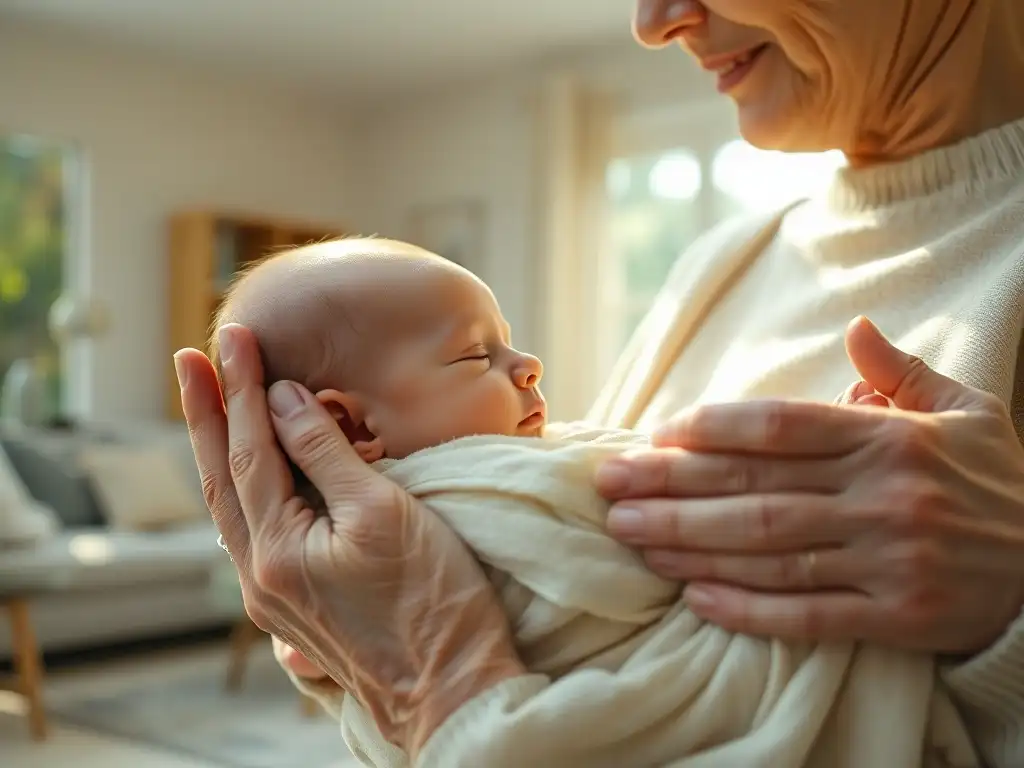
Grandparents play a crucial role in ensuring a baby's safety and well-being, offering invaluable support and experience to new parents. Their contribution extends beyond simple childcare; it encompasses creating a secure and nurturing environment where the baby can thrive. This support is especially vital during the initial, often overwhelming, months of a newborn's life. The depth of their contribution directly impacts the child's physical and emotional development, fostering a strong foundation for future growth. Understanding their specific contributions is key to leveraging their expertise effectively.
Ensuring a Safe Home Environment for the Baby
A safe home environment is paramount for a newborn's well-being. Grandparents, with their life experience, can significantly contribute to this. This includes:
- Childproofing: Grandparents can assist in thoroughly childproofing the home, identifying and mitigating potential hazards. This could involve installing safety gates, covering electrical outlets, securing furniture, and removing small objects that could be choking hazards. They can ensure that cleaning products and medications are stored securely out of reach. Their familiarity with home safety practices can be invaluable in preventing accidents.
- Safe Sleep Practices: Educating new parents about safe sleep practices is vital. Grandparents can reinforce the importance of placing the baby on their back to sleep on a firm surface, free from loose bedding, toys, and bumpers. They can emphasize the risks associated with co-sleeping and the benefits of a dedicated crib. This knowledge transfer can significantly reduce the risk of Sudden Infant Death Syndrome (SIDS).
- Car Seat Safety: Correct car seat installation is crucial. Grandparents can help ensure the car seat is properly installed and that the baby is secured correctly according to their age and weight. They can also reinforce the importance of always using a rear-facing car seat until the child reaches the required height and weight. This contributes directly to the baby's safety during travel.
The involvement of grandparents in these safety measures creates a layered approach, bolstering the parents' efforts and minimizing the chances of accidents. Their experience and watchful eye can prevent many potential hazards.
Understanding Baby's Developmental Milestones and Needs
Grandparents often possess a wealth of knowledge regarding baby development, gleaned from raising their own children and grandchildren. This understanding is invaluable in supporting the parents and nurturing the baby's growth. Key areas include:
- Developmental Milestones: Grandparents can help parents track the baby's developmental progress, recognizing key milestones such as rolling over, sitting up, crawling, and walking. They can offer reassurance if the baby's development seems slightly behind schedule and encourage parents to seek professional advice if necessary. Their experience helps provide a realistic perspective on developmental variations.
- Meeting the Baby's Needs: Grandparents can assist in identifying and meeting the baby's individual needs, whether it's providing comfort during fussy periods, engaging in playful interaction to stimulate development, or establishing a consistent routine. This understanding of individual needs promotes a sense of security and well-being in the baby.
- Early Learning and Stimulation: Grandparents can play a significant role in early learning and stimulation through reading, singing, and engaging in age-appropriate play. Their involvement can foster cognitive, social, and emotional development. This enriching environment fosters a love of learning from a young age.
Recognizing Signs of Illness or Distress
Experienced grandparents can often recognize subtle signs of illness or distress in a baby that might escape the attention of less experienced caregivers. This early detection is crucial for timely intervention.
- Recognizing Symptoms: Grandparents can help identify symptoms such as fever, lethargy, changes in feeding patterns, unusual crying, or skin rashes, which could indicate an underlying health issue. Their experience allows them to distinguish between typical baby behaviors and signs of illness.
- Seeking Medical Attention: They can encourage parents to seek medical attention promptly when necessary, emphasizing the importance of early diagnosis and treatment. Their guidance can alleviate parental anxiety and ensure the baby receives appropriate care.
- Providing Comfort and Support: Even if the baby's illness is minor, grandparents can provide comfort and support to both the baby and parents, easing the stress associated with a sick child. Their presence can be a source of reassurance and stability during challenging times.
The role of grandparents in newborn care is multifaceted and invaluable. Their contribution extends beyond simple babysitting; it encompasses creating a secure, nurturing, and stimulating environment that supports the baby's physical, emotional, and cognitive development. By leveraging their experience and knowledge, new parents can greatly enhance their ability to provide the best possible care for their newborn.
Maintaining a Positive and Harmonious Family Dynamic
Grandparents' involvement in newborn care can significantly enrich a baby's life, but navigating this new family dynamic requires careful consideration. A harmonious relationship between parents and grandparents is crucial for creating a nurturing environment for the baby. This section focuses on practical strategies for maintaining positive family dynamics, ensuring everyone feels valued and respected. Successfully navigating this transition minimizes potential conflicts and maximizes the positive contributions of all family members. Remember, the goal is to create a supportive network centered around the well-being of the newborn. This requires proactive communication and a willingness to adapt.
Open Communication and Regular Family Meetings
Open communication is the cornerstone of a successful multi-generational family dynamic. Regular family meetings, even if informal, can prevent misunderstandings and foster a sense of shared responsibility. These meetings should be a safe space for expressing concerns, sharing updates on the baby's development, and collaboratively making decisions regarding childcare. For example, a weekly fifteen-minute check-in via video call can be extremely beneficial for geographically separated families.
Consider establishing clear communication channels. A shared family calendar or a dedicated group chat can help keep everyone informed about schedules, appointments, and important events. This transparency minimizes confusion and prevents conflicting plans. Remember to actively listen to each family member's perspective, validating their feelings and concerns. Even seemingly minor disagreements can escalate if left unaddressed. The aim is to foster an environment where everyone feels comfortable expressing their thoughts and feelings without fear of judgment. This open dialogue is vital for preventing misunderstandings and fostering mutual respect.
Respecting Each Family Member's Role and Responsibilities
Defining roles and responsibilities early on prevents potential conflicts and ensures everyone understands their contribution to the baby's care. Parents should clearly communicate their expectations and preferences to grandparents. This might involve setting boundaries around sleep schedules, feeding routines, or disciplinary approaches. Grandparents, in turn, should respect these boundaries and understand that the parents ultimately hold the authority in making decisions about their child's care.
For instance, if parents prefer a specific sleep training method, grandparents should support this approach, even if they disagree. Similarly, if parents have specific dietary preferences for the baby, grandparents should respect these choices. This mutual respect is key to avoiding tension and maintaining a positive relationship. A well-defined division of labor can also significantly reduce stress on everyone involved.
Grandparents could assist with errands, meal preparation, or house cleaning, freeing up parents to focus on the baby's needs. This collaborative approach fosters a sense of teamwork and shared responsibility. Remember, flexibility is key; roles and responsibilities may need to be adjusted as the baby grows and the family's needs evolve.
Celebrating milestones and creating shared memories is essential for strengthening family bonds and making the experience of raising a child even more enjoyable. These shared experiences help grandparents feel connected and involved in the baby's life. Grandparents can participate in activities such as reading bedtime stories, playing games, or taking the baby for walks. These seemingly small gestures can significantly impact the baby's development and the family's overall happiness.
Consider creating a family scrapbook or photo album to document the baby's first year. This shared project allows everyone to contribute and creates lasting memories. Regular family outings, such as picnics or trips to the park, provide opportunities for interaction and bonding. Grandparents can also share their own childhood stories and experiences, enriching the baby's life and fostering a sense of connection across generations.
Remember, these shared activities are not just about the baby; they also strengthen the bonds between parents and grandparents, creating a more supportive and loving family environment. The focus should be on creating positive, lasting memories for everyone involved. This shared experience strengthens family bonds and provides a lasting legacy for the baby. The joy of shared moments is invaluable.
Frequently Asked Questions
What is the most valuable contribution grandparents can make to newborn care?
Grandparents offer invaluable emotional support to new parents, reducing stress and anxiety. Their presence allows parents to rest and recover, crucial for postpartum well-being. They also provide a wealth of experience and knowledge.
How can grandparents help with the practical aspects of newborn care?
Grandparents can assist with feeding, changing diapers, and bathing, freeing up parents' time for bonding and rest. They can also help with household chores, allowing parents to focus on the baby. This shared responsibility eases the burden of new parenthood.
What are the potential challenges grandparents might face in helping with newborn care?
Differing parenting styles can create friction. Grandparents may need to adapt to modern parenting techniques and accept the parents' decisions. Open communication is crucial to prevent misunderstandings and conflict.
How can parents effectively communicate their expectations to grandparents regarding newborn care?
Have a clear and open discussion early on about expectations, routines, and preferred methods for newborn care. This includes feeding, sleeping arrangements, and discipline. Active listening and compromise are essential.
How can grandparents balance their supportive role with respecting the parents' autonomy?
Grandparents should offer help, not impose it. They need to respect the parents' decisions and parenting style, even if it differs from their own. Patience and understanding are key to maintaining a positive relationship.
Final Reflection: The Enduring Legacy of Grandparents' Love
The irreplaceable role of grandparents in newborn care extends far beyond practical assistance; it's a cornerstone of creating a secure and loving environment for the next generation. The emotional support and wisdom they offer are invaluable assets in the often-overwhelming journey of new parenthood, shaping not only the child's early development but also the family's overall well-being.
The impact of a grandparent's nurturing presence resonates throughout a child's life, influencing their sense of security, belonging, and self-worth. Their unwavering love and patient guidance create a safe haven where children can explore, learn, and grow without fear. This intergenerational connection fosters a sense of continuity and belonging, enriching the lives of both the child and the grandparent. Grandparents are the keepers of family history, the keepers of family traditions, and the keepers of family values.
This quote beautifully encapsulates the profound influence grandparents have on shaping family dynamics and passing down cultural heritage.
Consider the lessons learned within this article. Think about the ways you can actively cultivate strong intergenerational bonds within your own family. Embrace the opportunity to seek guidance from your elders, and in turn, offer your own support and love to the next generation. By nurturing these connections, we not only enrich the lives of our children and grandchildren but also create a stronger, more resilient community built on the foundation of love, wisdom, and shared experience.
Unlock Your Grandparenting Power: Nurture the Next Generation
Thank you for exploring the vital role grandparents play in nurturing their grandchildren. We hope you gained valuable insights into strengthening family bonds and supporting children's healthy development. Now, let's put that knowledge into action!
- Prioritize quality time: Schedule regular visits or activities designed to connect with your grandchildren – perhaps storytelling sessions, nature walks, or helping with a school project. This focused time fosters deeper relationships and creates lasting memories.
- Share your wisdom and experiences: Create a lasting family heirloom—a scrapbook, a collection of handwritten recipes, or a video recording of cherished stories—for future generations to treasure.
- Connect with other grandparents: Share your experiences and advice with other family members and community groups. Discuss the joys and challenges of grandparenting and build a supportive network.
What unique way will you strengthen your bonds with your grandchildren today?