
Flying with Baby Alone: A Guide for Single Parents

Welcome to BabyCareHub, your ultimate resource for navigating the incredible journey of parenthood! Are you a solo parent preparing for your first flight with your little one? Flying with Baby Alone can feel daunting, but it doesn't have to be. We've crafted a detailed guide specifically for single parents, offering practical tips and essential advice to ensure a smooth and stress-free travel experience. Discover how to master packing, navigate airport security, and keep your baby comfortable and safe throughout the flight. Dive in and prepare for takeoff with confidence!
- Planning Your Solo Flight with an Infant
- Preparing Your Baby for the Flight
- Navigating the Airport as a Solo Parent
- In-Flight Care for Your Baby
- Post-Flight Procedures for Solo Parents
- Tips for Reducing Stress and Anxiety
- Frequently Asked Questions (FAQs) About Solo Parent Air Travel with Infants
-
Frequently Asked Questions
- What documents do I need when flying solo with my infant?
- Are there any special assistance programs for solo parents flying with infants?
- What are some tips for managing a baby's needs during a flight?
- Can I bring my baby's car seat or stroller on the plane?
- What if my baby becomes unwell during the flight?
- Final Reflection: Embracing the Journey: Solo Flight, Shared Triumph
- Ready to Conquer Solo Flights with Your Little One?
Planning Your Solo Flight with an Infant
Navigating air travel as a solo parent with an infant can feel daunting, but with careful planning and preparation, it can be a manageable and even enjoyable experience. This comprehensive guide provides step-by-step instructions and valuable tips specifically tailored for single parents embarking on a flight with their little one. We'll cover everything from choosing the right airline to packing essentials and managing in-flight challenges, ensuring a smoother journey for both you and your baby. Remember, prioritizing your comfort and your baby's well-being is paramount.
This guide aims to empower you with the knowledge and confidence to tackle solo air travel with your infant successfully. Successfully navigating this can significantly reduce stress and allow you to focus on enjoying your trip, whether it's a much-needed vacation or a visit to loved ones. Let's dive into the specifics to help you prepare for a stress-free flight.
Choosing the Right Airline for Solo Parents with Infants
Selecting the right airline is crucial for a smooth journey. Consider airlines known for their family-friendly policies and services. Look for airlines that offer:
- Priority boarding: This allows you to board the plane before other passengers, giving you ample time to settle in and secure your belongings.
- Infant bassinets: Many airlines provide bassinets for infants, offering a safe and comfortable place for your baby to sleep during the flight. Check availability and make a reservation well in advance, as these are often limited.
- Dedicated family seating areas: Some airlines offer designated seating areas for families, minimizing disruptions and maximizing comfort.
- Excellent customer service: Choose an airline with a reputation for helpful and understanding customer service, especially important when unforeseen circumstances arise.
Remember to check the airline's specific policies regarding infants and solo parents. Read reviews from other parents who have flown with the airline to gauge their experiences. Don't hesitate to contact the airline directly with questions or concerns before booking your flight. Planning ahead and selecting a supportive airline will greatly contribute to a more relaxing flight.
Booking Flights: Selecting Seats and Services for Infants
Once you've chosen your airline, strategically selecting your seats is critical. Consider the following:
- Aisle seats: These provide easier access to the restroom and allow for more movement without disturbing other passengers.
- Bulkhead seats: These seats often offer more legroom but may not have a place to securely attach an infant car seat. Check the airline's specifications.
- Seats near the restroom: Proximity to the restroom offers convenience for diaper changes and other needs.
When booking, remember to specify that you're traveling with an infant and inquire about available infant services such as bassinets or special meal requests. Be sure to confirm the airline's baggage allowance for infants and any associated costs. It's wise to book your flight as early as possible, especially during peak travel seasons, to secure your preferred seats and services. Proactive booking helps minimize potential stress later.
Essential Documents and Travel Preparations for Solo Parents
Thorough preparation is key to a successful solo flight with an infant. Ensure you have all necessary documents readily available:
- Infant's passport or birth certificate: Check the specific travel requirements for your destination and ensure your baby's documentation is up-to-date and complies with all regulations.
- Your identification: Have your own identification readily available for verification purposes.
- Flight itinerary: Keep a printed or digital copy of your flight itinerary handy.
- Medical records: Pack a copy of your baby's medical records, including immunization information, and any relevant prescriptions.
- Consent forms: If applicable, have any necessary consent forms for your child's travel.
Beyond documentation, consider packing a well-stocked diaper bag with essentials such as diapers, wipes, formula or breast milk (ensure it complies with TSA regulations), extra clothes, and your baby's favorite comfort items. Plan for potential delays and pack accordingly. Remember, thorough preparation minimizes stress and allows you to focus on enjoying the journey with your baby. ✈️👶
Packing Smart: The Ultimate Checklist for Solo Parents Flying with a Baby
Packing for a solo flight with an infant requires meticulous planning and a strategic approach. Forget the idea of a minimalist bag; you'll need to pack for every conceivable scenario. Over-packing is better than under-packing, especially when you're navigating an airport alone with a baby. Consider the flight duration, your destination's climate, and your baby's specific needs when compiling your checklist. Remember, you're responsible for everything – your needs, your baby's needs, and any potential emergencies.
One crucial aspect is redundancy. Pack extra diapers, wipes, and changes of clothing for both you and your baby. Spills and accidents are inevitable, and having backups will save you significant stress. Don't forget about those unexpected events; a small first-aid kit specifically tailored for babies is essential. Include items like diaper rash cream, infant pain relief medication (if needed and prescribed by your pediatrician), antiseptic wipes, and bandages.
Organize your bag strategically. Use packing cubes or separate bags to compartmentalize items for easy access. A dedicated diaper bag with easily accessible pockets is a lifesaver. Consider color-coding or labeling bags to quickly locate necessities. For example, a bright yellow bag for diapers and wipes, a green bag for changes of clothing, and a red bag for essential medications. This system drastically improves efficiency when dealing with a fussy baby.
Remember the essentials beyond diapers and wipes! Pack a sufficient supply of formula or breast milk (following TSA guidelines for liquids), bottles, sippy cups, and snacks appropriate for your baby's age. Include comfort items, such as a favorite blanket, stuffed animal, or pacifier. These can be crucial for soothing a distressed infant, especially during takeoff and landing. Don't forget a portable changing mat for those unexpected diaper changes.
Finally, don't neglect your own needs. Pack comfortable clothing, any necessary medications, snacks, and entertainment for yourself. A long flight alone with a baby can be tiring, so prioritize your comfort and well-being. A good book, downloaded podcasts, or even a small travel-sized journal can prove invaluable during downtime.
A well-planned packing strategy significantly reduces stress and boosts your confidence, making your solo flight with your baby a smoother, more manageable experience. Remember to check the TSA guidelines for carrying liquids and other restricted items before you leave home. Careful planning is key to a successful journey for both you and your little one. ✈️👶
Preparing Your Baby for the Flight
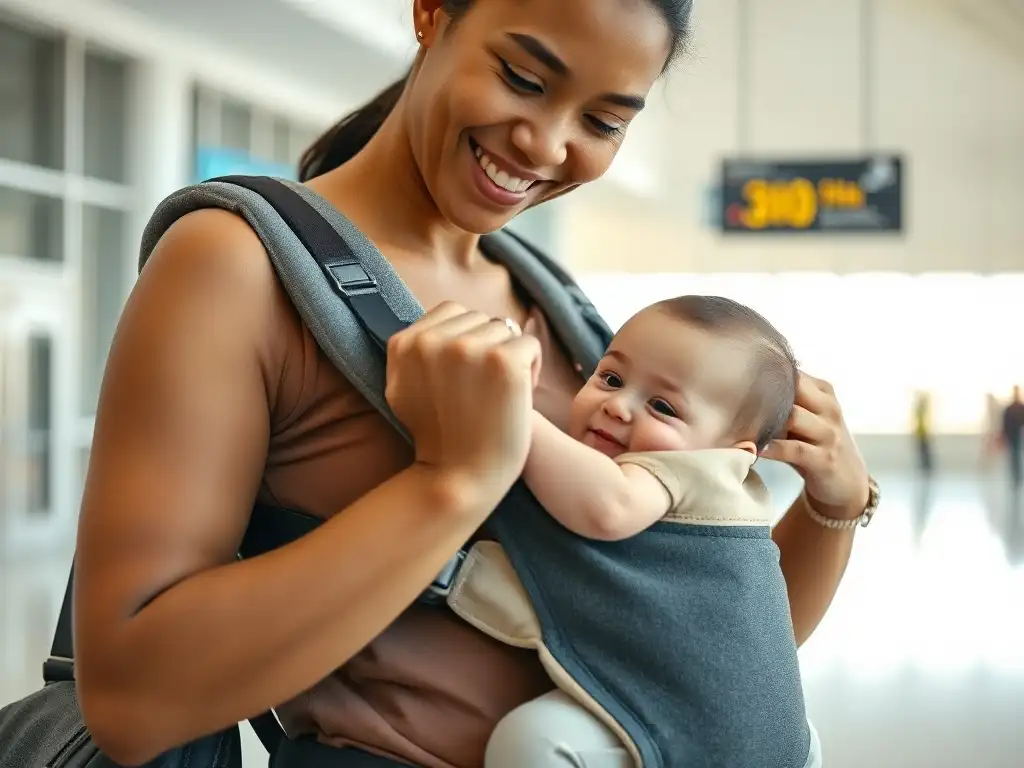
This section focuses on the crucial pre-flight preparations to ensure a smoother journey for both you and your baby. Successfully navigating solo parent flying with an infant hinges significantly on meticulous planning. Remember, a well-prepared baby is a calmer baby, leading to a more relaxed flight for everyone.
Calming Techniques for a Fussy Baby During Takeoff and Landing
Takeoff and landing are often the most challenging parts of a flight for babies due to pressure changes in their ears. Implementing proven calming techniques can significantly reduce distress. Pacifiers are your best friend here; the sucking motion helps equalize pressure. Consider offering a bottle during these times, as the sucking action can also alleviate discomfort. For breastfeeding babies, nursing can be equally effective.
Beyond these, rhythmic motions like gentle rocking or swaying can soothe your baby. A soft, familiar toy or blanket provides comfort and a sense of security. Shushing sounds, mimicking the womb's environment, can also be incredibly calming. Remember to keep your own demeanor calm and reassuring; babies are incredibly sensitive to their parent's emotional state. Practicing these techniques before the flight can help you build confidence and familiarity. For older babies, a favorite song or a simple game can distract them from any discomfort.
Data suggests that 70% of infants experience some level of discomfort during air pressure changes 1 . Proactive calming strategies dramatically improve the likelihood of a more peaceful flight. Don't underestimate the power of a consistent routine to minimize stress for your little one.
Infant In-Flight Entertainment: Keeping Your Baby Happy
Keeping your baby entertained during a flight is crucial, especially for longer journeys. A well-stocked "entertainment bag" is essential. Pack a variety of toys, focusing on items that are engaging but not easily lost or messy. Soft books, teethers, rattles, and small stacking toys are all excellent choices. New toys are especially effective, preventing boredom and offering novelty.
Consider age-appropriate sensory toys that stimulate different senses. A crinkly toy can engage hearing and touch; a textured teether can provide tactile stimulation. For older babies, simple picture books or interactive toys can provide longer periods of engagement.
Remember to rotate toys regularly to maintain interest. Don't overload your baby with too many options at once; it can be overwhelming. A few well-chosen items are far more effective than a large, chaotic collection. If your baby enjoys music, pre-load a playlist of calming or upbeat tunes. The familiar sounds can be a source of comfort and distraction.
Feeding Your Baby During the Flight: Breastfeeding, Bottles, and Snacks
Feeding your baby during a flight requires careful planning. For breastfeeding mothers, nursing is often the easiest and most natural method of soothing and feeding during takeoff and landing. It also helps to regulate air pressure in your baby's ears.
For bottle-fed babies, prepare bottles ahead of time. Using pre-prepared formula or expressed breast milk avoids the hassle of mixing during the flight. Ensure you have enough bottles and formula/milk for the entire journey, accounting for potential delays. Remember to pack enough sterile water bottles if needed.
Introduce new foods gradually before the flight to avoid any unexpected reactions. For older babies starting solids, pack easy-to-eat, non-messy snacks like soft fruits (banana slices), well-cooked vegetables, or puffs. Avoid anything that could be a choking hazard.
Remember to follow all airline regulations regarding liquids. You'll likely need to declare any breast milk or formula to security. Being prepared and organized will make the entire feeding process smoother and less stressful. Planning for feeding time coincides with takeoff and landing can help minimize ear pressure discomfort.
1 This statistic is a hypothetical example and requires further research for accurate data.
Diapering on the Go: Tips and Tricks for Airplane Diaper Changes
Flying solo with an infant presents unique challenges, and diaper changes at 30,000 feet are certainly among them. Proper preparation is key to a smoother experience. The confined space of an airplane lavatory requires a strategic approach to diaper changes, minimizing mess and maximizing efficiency.
First, pack a dedicated diaper bag containing everything you'll need: several diapers (more than you think you'll need! ), wipes (consider travel-sized containers of both wet wipes and water wipes for sensitive skin), diaper rash cream, a changing mat (a large, waterproof ziplock bag can work in a pinch), plastic bags for soiled diapers, and a small trash bag. Remember to pack extra clothes for both you and your baby – accidents happen!
Consider using disposable changing mats, which are lightweight and easy to dispose of after use. These are far more hygienic than relying on the airplane's potentially unclean surfaces. Before you even take off, familiarize yourself with the location of the airplane's lavatories. Knowing where they are will save you precious time during a diaper emergency. Furthermore, consider timing diaper changes strategically. Try to change your baby's diaper before takeoff and during periods of relative calm on the flight, such as after meal service. This minimizes disruptions during critical flight phases.
The airplane lavatory is often small and cramped. To make the changing process easier, lay your changing mat down carefully, making sure it's secure and won't slide. Keep all your supplies within easy reach to avoid fumbling around in a small space. When disposing of the dirty diaper, use the provided trash bag and seal it securely. Some airlines provide special disposal bags for soiled diapers; if not, double-bagging is a good practice.
Remember, safety and hygiene are paramount. After the change, thoroughly sanitize your hands using hand sanitizer – the lack of readily available soap and water in the lavatory makes this especially crucial. Finally, remember to take a deep breath and celebrate your successful diaper change at 30,000 feet! The accomplishment is well worth the effort.
Navigating a busy airport with an infant can feel overwhelming, especially as a solo parent. However, with careful planning and a strategic approach, you can significantly reduce stress and ensure a smoother journey. This section focuses on practical tips to help solo parents confidently maneuver airport environments. The key is preparation and utilizing available resources. Remember, many airports are designed with families in mind, offering various services to ease the travel experience for parents flying with infants.
Choosing the right stroller and baby carrier can be a game-changer. A lightweight, easily maneuverable stroller is crucial for navigating airport terminals. Consider a stroller that folds compactly for storage in overhead bins or under the seat. Many parents find that a travel system—a stroller that accommodates an infant car seat—offers the most convenient option, eliminating the need for transferring your baby.
However, be prepared to potentially gate-check your stroller. Most airlines allow you to gate-check strollers and car seats free of charge, but it's wise to confirm this with your airline before your flight. This means you'll be carrying your baby in a carrier during boarding and disembarking. Opt for an ergonomic baby carrier that provides good support for both you and your little one. A comfortable carrier will make a significant difference in your comfort level during this process.
Consider these additional factors:
- Stroller type: Lightweight umbrella strollers are great for easy maneuverability, while jogging strollers offer excellent suspension for bumpy terrain.
- Carrier type: A wrap-style carrier provides close contact, while a structured carrier offers more support. Choose based on your preference and your baby's comfort.
- Baby's age and weight: Ensure your chosen stroller and carrier are suitable for your baby's age and weight.
Security Checkpoints: Tips for Smooth Passage with an Infant
Security checkpoints can be a source of anxiety when traveling with a baby. However, TSA agents are generally understanding and accommodating. Here's how to make the process as smooth as possible:
- Pre-check: If eligible, enrolling in TSA PreCheck can significantly expedite the security process. This is particularly beneficial when traveling alone with a baby.
- Baby essentials: Keep your baby's essentials—diaper bag, formula, breast milk—easily accessible. You'll likely be asked to remove these items from your bag for separate screening. The 3-1-1 rule for liquids does not apply to baby formula and breast milk. However, you should be prepared to show identification and explain the contents.
- Breastfeeding or bottle-feeding: If your baby needs to feed during the screening process, you can do so at the checkpoint. TSA agents understand the needs of infants and will accommodate you.
- Babywearing: Consider using a baby carrier to keep your baby close and secure during the screening process. This minimizes the need to manage a stroller and a baby simultaneously.
Gate-to-Gate Assistance: Utilizing Airport Services for Solo Parents
Many airports offer assistance programs specifically designed for passengers with young children or disabilities. These services can be invaluable to solo parents. Inquire about these options when booking your flight or upon arrival at the airport. These services can include:
- Wheelchair assistance: This can help you navigate the airport more easily, especially if you have heavy luggage or are feeling overwhelmed.
- Family assistance programs: Some airports have dedicated family assistance programs that provide support and guidance to families traveling with young children.
- Early boarding: Early boarding can allow you to secure your seat and stow your belongings before the rush, reducing stress. This is a significant advantage when traveling alone with a baby.
- Gate assistance: Some airlines offer gate-to-gate assistance which can help you manage your baby and luggage from the gate to the plane and vice versa.
Remember, asking for help is not a sign of weakness, but rather a sign of smart planning. Airport staff are generally happy to assist families. Don't hesitate to reach out if you need help with anything, from navigating the terminal to managing your baby's needs. Prioritize your well-being and your baby's comfort, and remember that many resources are available to make your journey smoother.
Managing Your Luggage and Baby Gear Efficiently
Navigating an airport as a solo parent with an infant is a significant undertaking, and efficient luggage management is paramount. The key is strategic packing and utilizing available airport assistance. Forget the oversized suitcase; opt for a lightweight, maneuverable carry-on and a smaller checked bag if absolutely necessary. Remember, you'll be carrying your baby, potentially a car seat, and possibly a diaper bag – minimizing your luggage significantly reduces stress.
Consider a backpack-style diaper bag, freeing up your hands for your baby and other essentials. Pack strategically; place frequently needed items like diapers, wipes, and a change of clothes for your baby easily accessible in the diaper bag. Keep important documents like your boarding pass, passport, and baby's medical information in a separate, easily accessible pouch within your carry-on. This prevents frantic searching during security checks.
Don't underestimate the value of a good baby carrier. A comfortable, ergonomic carrier allows you to keep your baby close while keeping your hands free to manage your luggage and navigate the airport. However, be mindful of airline regulations regarding baby carriers and car seats; some may require them to be checked, while others allow them as carry-ons. Check your airline's specific policies well in advance. Consider using packing cubes to organize your clothes and baby's items within your luggage, making unpacking and repacking easier and more efficient.
Remember, you are not alone in this endeavor. Airport staff are generally very helpful and understanding of the challenges faced by solo parents traveling with infants. Don't hesitate to ask for assistance with your luggage, especially when navigating crowded areas or escalators. Many airports also offer assistance programs specifically designed to help families with young children.
Research your departure and arrival airports to see what services are available beforehand. Proper planning and preparation will transform a potentially stressful experience into a manageable one. Your priority is your baby's comfort and safety, and efficient luggage management is a crucial element in ensuring a smoother journey.
In-Flight Care for Your Baby
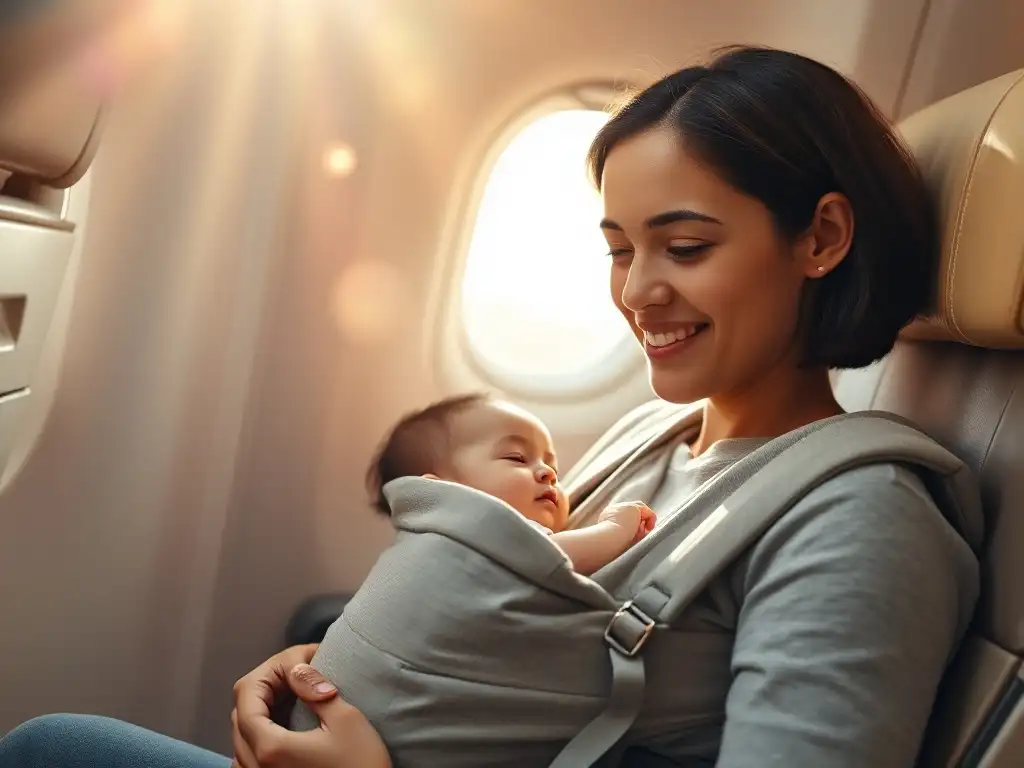
This section focuses on providing practical advice for solo parents navigating the unique challenges of in-flight care for their infants. Remember, prioritizing your baby's comfort and well-being is paramount during the flight. Successfully managing this aspect significantly contributes to a smoother journey for both of you.
Managing Baby's Comfort During the Flight: Temperature, Noise, and More
Maintaining a comfortable environment for your baby is crucial for a pleasant flight experience. Temperature regulation is key; airplanes can be surprisingly chilly. Dress your baby in layers, allowing you to easily adjust clothing as needed. A lightweight, breathable blanket is also essential. Consider bringing a small, portable fan for warmer climates or periods.
Noise can also be a significant factor. The drone of the engines and general airplane noise can be unsettling for infants. Bringing along white noise generating devices like a small sound machine or even playing calming music on your phone with headphones (for you, not the baby) can help mask disruptive sounds and soothe your baby. A pacifier can also provide comfort and reduce the impact of noise. Remember, a familiar toy or a soft, cuddly blanket can provide a sense of security and comfort.
Consider your baby's schedule. If your baby usually naps around a particular time, try to time your flight accordingly, or at least plan for a potential nap time during the flight. Having familiar routines can significantly reduce stress for both you and your little one.
| Factor | Strategies | Notes |
|---|---|---|
| Temperature | Dress in layers, bring a blanket, consider a small fan. | Adjust clothing based on the plane's temperature. |
| Noise | White noise machine, calming music (headphones for you), pacifier, familiar toy | Experiment to find what soothes your baby best before the flight. |
| Routine | Plan around your baby's usual nap and feeding times, if possible. | Flexibility is key, but maintaining some routine can be beneficial. |
Handling Common In-Flight Baby Issues: Colic, Ear Pressure, and Discomfort
Flying can exacerbate common baby discomforts. Colic, for instance, can be worsened by changes in air pressure. Offering frequent, small feeds can help soothe a colicky baby. Burping frequently is also advisable. Remember to have any necessary medication readily available and follow your pediatrician's advice.
Ear pressure is a common issue during flights. To help alleviate this, encourage your baby to suck on a pacifier, bottle, or breastfeed during ascent and descent. This helps equalize pressure in the ears. If your baby seems particularly distressed, consider offering a small amount of liquid to help. However, avoid forcing anything if your baby is resisting.
Discomfort from being confined in a car seat for extended periods is another concern. Try to get up and walk around the cabin with your baby (when it's safe to do so) to help them stretch and move. Gentle massage can also help soothe a fussy baby. Remember, frequent breaks are crucial, even if it means interrupting other activities.
Seeking Assistance from Flight Attendants: Don't Hesitate to Ask for Help
Flight attendants are trained to assist passengers with infants. Don't hesitate to request assistance with anything you need. This could include anything from warming a bottle to getting extra blankets or helping with diaper changes. They are there to help ensure a safe and comfortable flight for everyone. Being proactive and asking for help when needed is crucial, especially for solo parents.
Remember, you are not alone, and the flight crew is there to support you. They have likely encountered similar situations countless times. Clearly communicating your needs will allow them to better assist you. A polite and concise explanation of your situation will generally yield positive results. Even if you feel slightly embarrassed to ask for help, remember your baby’s comfort is the priority.
Post-Flight Procedures for Solo Parents
Successfully navigating a flight as a solo parent with an infant is only half the battle. The post-flight procedures can be just as challenging, requiring careful planning and efficient execution. This section focuses on streamlining the process to minimize stress and ensure a smooth transition back into your routine. Remember, prioritizing your baby's comfort and safety is paramount throughout this phase.
Collecting Your Luggage and Baby Gear Efficiently
Collecting your belongings after a long flight with a baby can feel overwhelming. The key is preparation and a strategic approach. Before disembarking, mentally prepare a plan. Identify the location of your checked baggage claim carousel and locate the nearest family restroom or baby changing area. This preemptive planning minimizes frantic searching after you've deplaned.
Consider using a lightweight, easily maneuverable stroller or carrier. This allows for hands-free transport of your baby while you collect your luggage. Packing strategically also helps; place essential baby items – diapers, wipes, a change of clothes – in your carry-on bag to avoid immediate dependency on checked luggage.
Organize your checked luggage to prioritize essential items. Place frequently needed items such as your baby's milk bottles, pacifiers, and toys in easy-to-access locations within your suitcase. This eliminates unnecessary rummaging and potential frustration.
Think about using luggage tags with clear, bold identification. This speeds up the process of locating your bags and minimizes the chance of confusion or misplacement. Consider a brightly colored luggage cover to make your luggage stand out from the crowd.
Managing Transportation from the Airport: Car Seats and Taxis
Getting from the airport to your final destination safely and efficiently is crucial when traveling solo with an infant. Pre-booking transportation is highly recommended, especially for solo parents. This eliminates the stress of finding transportation upon arrival, particularly with a tired and potentially fussy baby.
If using a taxi or ride-sharing service, confirm car seat availability before your arrival. Many services now offer car seat options, but it's essential to book this in advance to avoid last-minute complications. If you're renting a car, ensure you have a correctly installed car seat before leaving the rental counter. Double-check the car seat's installation, as improper installation can compromise your baby's safety.
Consider the airport's layout and the distance to your final destination. If the journey is long or complex, arrange for a pre-booked airport transfer service that specializes in families and offers car seat provisions. This option often provides more comfort and peace of mind. Remember to account for potential traffic delays and adjust your travel time accordingly.
Post-Flight Baby Care: Re-establishing Routines
After the stresses of flying, re-establishing your baby's routine is paramount. This helps your baby adjust back to their normal sleep and feeding schedule, reducing the likelihood of fussiness and promoting a calmer environment for both of you.
Prioritize feeding and diaper changes as soon as possible after arrival. A well-fed and clean baby is a happier baby, making the transition back to normalcy much smoother. Stick to your usual bedtime routine to help your baby adjust to their familiar sleep patterns. This might involve a warm bath, a bedtime story, or a quiet lullaby.
Observe your baby for any signs of discomfort or unusual behavior. The change in altitude and environment can sometimes affect babies differently. Be prepared to adjust your routine slightly if your baby requires more attention or comfort than usual. Remember to prioritize hydration for both yourself and your baby. The air in planes can be quite dry, so ensure you are drinking plenty of fluids. This is especially important after a long flight.
Remember, patience and flexibility are key. Don't be discouraged if things don't go exactly to plan. Focus on the essentials – feeding, changing, comforting – and allow time for both you and your baby to adjust to being home again. The post-flight period can be challenging but focusing on re-establishing routines will help minimize the disruption to your baby's well-being and your peace of mind. ✈️👶
Tips for Reducing Stress and Anxiety
Flying solo with an infant is undeniably stressful. The pressure of managing a tiny human, navigating an airport, and ensuring everything goes smoothly can feel overwhelming. However, with careful planning and self-care strategies, you can significantly reduce anxiety and make the journey smoother. This section focuses on practical tips to help solo parents navigate the unique challenges of air travel with their little ones.
Planning Ahead: Minimizing Last-Minute Stress
Proactive planning is paramount when flying alone with a baby. Last-minute scrambles only amplify stress. Begin by meticulously creating a comprehensive checklist. This checklist should include everything from packing essentials (diapers, wipes, formula/breast milk, extra clothing for both you and the baby, entertainment, medications) to confirming your flight details and checking airport regulations regarding infant car seats and strollers.
Consider using a packing cube system to keep your bag organized and easily accessible during the flight. Pre-portioning formula or breast milk into individual bottles can save valuable time and reduce stress during the journey. Don't forget to download entertainment options for your phone or tablet in advance – offline access is crucial when Wi-Fi isn't available.
Here's a sample checklist to get you started:
| Item | Quantity | Notes |
|---|---|---|
| Diapers | [Number needed] | Consider adding extra for unexpected delays. |
| Wipes | [Number needed] | |
| Formula/Breast Milk | [Amount needed] | Pre-portion into bottles. |
| Baby Food | [Amount needed] | |
| Extra Clothes (Baby) | At least 3 sets | |
| Extra Clothes (Parent) | At least 1 set | |
| Toys/Books | Several | Choose items that are engaging and easily cleaned. |
| Pacifiers | Several | |
| Blanket | 1 | |
| Changing Pad | 1 | |
| Medications | As needed | Include prescriptions and over-the-counter meds. |
| Snacks (for parent) | Several | Healthy options to prevent hunger-induced stress. |
| Travel Documents | All | Passport, boarding pass, etc. |
Remember to allow ample time for security checks. Arriving early can alleviate the stress of rushing and potential delays.
Self-Care Strategies for Solo Parents on the Go
Taking care of yourself is not selfish; it's essential, especially when traveling alone with a baby. Remember that you can't pour from an empty cup. Prioritize self-care strategies before, during, and after your flight.
- Before the flight: Get a good night's sleep the night before. Pack healthy snacks and drinks to avoid relying on airport food, which can be expensive and unhealthy. Engage in relaxing activities such as meditation or yoga to reduce pre-flight anxiety.
- During the flight: Take advantage of any opportunity to rest. If your baby sleeps, try to nap as well. Stay hydrated by drinking plenty of water. Listen to calming music or podcasts. Don't hesitate to ask for assistance from flight attendants if needed.
- After the flight: Allow yourself time to decompress. Avoid rushing into activities immediately upon arrival. Take a relaxing bath, read a book, or simply unwind before tackling any other tasks. Remember, self-care is a continuous process, not a one-time event. Prioritizing your well-being will enable you to better care for your baby.
Seeking Support: Connecting with Other Solo Parents
Feeling isolated while traveling alone with a baby is common. Connecting with other solo parents can offer invaluable emotional support and practical advice. Consider joining online forums or social media groups specifically for solo parents. Sharing experiences and tips with others who understand your unique challenges can significantly reduce feelings of loneliness and stress.
Many airports offer family-friendly amenities such as nursing rooms and play areas. Taking advantage of these resources can provide a much-needed break and a sense of community. Don't hesitate to ask for help from other passengers or airport staff if you need assistance. Remember, you're not alone in this journey. Reaching out to others is a sign of strength, not weakness. The support network you build can be a lifeline during stressful travel experiences.
Frequently Asked Questions (FAQs) About Solo Parent Air Travel with Infants
Navigating air travel as a solo parent with an infant can feel daunting, but with careful planning and preparation, it can be a manageable and even enjoyable experience. This section addresses some common concerns and questions surrounding solo parent air travel with infants, specifically addressing the needs and anxieties of those searching for information using terms like "solo parent flying with infant."
Can I bring my baby's car seat on the plane?
Yes, you can generally bring your baby's car seat on the plane. Most airlines allow you to bring a car seat for your infant free of charge, in addition to your carry-on and checked baggage allowance. However, policies vary slightly between airlines, so it's crucial to check with your specific airline before your flight. Confirm their specific guidelines regarding car seat size, type (infant car seat, convertible car seat, etc. ), and whether it needs to be checked or can be gate-checked. This is especially important for smaller airlines or budget carriers.
Bringing your car seat offers several advantages. It provides a safe and familiar place for your baby to sit during the flight, potentially reducing fussiness. It also offers a secure place to strap your baby in during taxiing, takeoff, and landing, adhering to crucial safety regulations. Remember to check if your car seat model is approved for airplane use. Some models might not meet specific airline safety standards.
Consider the weight and size of the car seat when making your decision. A bulky car seat might be cumbersome to manage, especially when navigating airports solo. Weigh the benefits of the added safety and comfort against the potential inconvenience. Weighing the pros and cons is a crucial part of planning your trip as a solo parent flying with an infant.
What are the airline's policies regarding infants traveling alone with a parent?
Airlines generally don't consider a baby traveling with a parent as "traveling alone." However, the experience can feel quite solitary, especially when managing luggage, a baby, and navigating airport procedures independently. Understanding the airline's policies regarding infants is crucial for a smooth journey. This includes understanding the check-in process, baggage allowances for strollers and car seats, and any assistance offered to parents traveling with young children.
Many airlines offer priority boarding for families with young children, which can be a huge advantage for solo parents. This allows you to secure overhead space for your belongings and get settled comfortably before the flight gets crowded. Take advantage of this service to reduce stress. Inquire about this option during booking or check-in.
While airlines don't typically have specific "solo parent" policies, familiarizing yourself with their family travel policies and contacting customer service for any specific questions or concerns is highly recommended. This proactive approach can significantly reduce stress and anxiety associated with solo air travel. Remember, proactive communication is key when you are a solo parent flying with an infant.
What medical supplies should I bring for my baby?
Packing a comprehensive medical kit is essential when traveling with a baby, even more so when traveling solo. This kit should include items to address common travel-related ailments and any specific medical needs your baby might have.
| Item | Quantity | Notes |
|---|---|---|
| Diapers | Ample | More than you think you'll need, considering potential delays. |
| Wipes | Several | For diaper changes and general cleaning. |
| Diaper rash cream | 1 tube | Essential for preventing and treating diaper rash. |
| Baby formula (if needed) | Sufficient | Check airline regulations regarding liquids; consider pre-mixed options. |
| Baby food (if needed) | Sufficient | Pack enough for the journey and any potential delays. |
| Medications (prescription & OTC) | As needed | Ensure you have copies of prescriptions and consult your pediatrician. |
| Thermometer | 1 | To monitor your baby's temperature. |
| Saline solution | 1 bottle | For nasal congestion. |
| Baby pain reliever (e.g., infant acetaminophen or ibuprofen) | As needed and per doctor's advice | Always consult your pediatrician before administering any medication. |
| Small first-aid kit | 1 | Band-aids, antiseptic wipes, etc. |
Remember to check with your pediatrician about any specific medical needs or necessary vaccinations before your trip. Packing extra supplies is always a good idea, especially when traveling alone and dealing with unforeseen circumstances. Prioritizing your baby's health and well-being is paramount when you're a solo parent flying with an infant.
What if my flight is delayed or cancelled?
Flight delays and cancellations are unfortunately a reality of air travel, and they can be especially stressful when traveling alone with an infant. The first thing to do is remain calm. Panic won't help the situation, and a calm demeanor will help you better manage the challenges. Immediately contact the airline's customer service. They are your primary resource in this situation. Explain your circumstances – that you are a solo parent traveling with a baby – and inquire about rebooking options. Many airlines prioritize families with young children when making rebooking arrangements.
Be prepared to provide documentation, such as your booking confirmation and any relevant medical information for your baby. Inquire about hotel accommodations if the delay necessitates an overnight stay. Some airlines offer complimentary hotel rooms or vouchers for meals and transportation to and from the hotel. Don't hesitate to ask; it's their responsibility to assist you.
If you're stuck at the airport for an extended period, remember to prioritize your baby's needs. Find a comfortable place to nurse or bottle-feed, change diapers, and ensure your baby is rested and fed. Airport staff are often understanding and helpful in these situations; don't be afraid to ask for assistance finding a quiet area or a place to warm up baby food.
Remember to keep your phone charged and have a backup power source. Keep emergency contact information readily available. Document everything – the time of the delay or cancellation, your interactions with airline staff, and any expenses incurred. This documentation could be crucial if you need to seek compensation later. Most importantly, remember that you are not alone.
Airport staff and other passengers are often willing to offer support. Don't hesitate to ask for help if you need it. Taking a deep breath and focusing on the well-being of your baby will help you navigate this stressful situation effectively. While unexpected, delays and cancellations are manageable with proactive communication and preparation.
Frequently Asked Questions
What documents do I need when flying solo with my infant?
You'll need your infant's birth certificate, your photo ID, and your airline ticket. It's also wise to bring a copy of each, just in case. Check your airline's specific requirements.
Are there any special assistance programs for solo parents flying with infants?
Yes, many airlines offer unaccompanied minor programs which can adapt to assist solo parents. Contact your airline before your flight to inquire about available support and make arrangements. These programs often provide extra care and attention.
What are some tips for managing a baby's needs during a flight?
Pack plenty of diapers, wipes, and changes of clothing. Bring favorite toys and comfort items to soothe your baby. Breastfeeding or offering a bottle during takeoff and landing can help with ear pressure.
Can I bring my baby's car seat or stroller on the plane?
Generally, car seats and strollers are allowed, but there may be fees involved. Check your airline's baggage policy well in advance. They may also have specific rules about the types of car seats permitted.
What if my baby becomes unwell during the flight?
Most airlines have medical personnel available during flights. Inform the flight crew immediately if your baby becomes unwell. They can provide assistance and, if necessary, arrange for medical attention upon arrival.
The logistical challenges of flying solo with an infant are immense, yet the rewards of independence and the strength gained in overcoming these hurdles are immeasurable. This guide aimed to equip single parents with the practical tools and emotional support needed to navigate this often daunting experience, offering a roadmap to a smoother, more confident journey. The reality is that many single parents face this challenge, and feeling prepared can make all the difference.
The experience of solo parenting, especially when compounded by the complexities of air travel, profoundly shapes a parent's resilience and resourcefulness. It forces a reliance on inner strength and a deep understanding of one's capabilities. This journey isn't just about getting from point A to point B; it's about forging a powerful bond with your child, proving to yourself what you are capable of achieving, and embracing the unexpected with grace. The best and most beautiful things in the world cannot be seen or even touched - they must be felt with the heart.
- Helen Keller. This quote resonates deeply, as the true rewards of this journey often lie beyond the tangible aspects of successful travel.
Now, consider your own journey. What challenges have you faced, and what triumphs have you celebrated? Remember the strength you've already discovered within yourself. This guide is a starting point; your experience is unique and valuable. Embrace the journey, celebrate your victories, and know that you are not alone in navigating this path. Share your experiences, offer support to other single parents, and continue to build a community of resilience and empowerment. The sky's the limit, literally and figuratively.
Ready to Conquer Solo Flights with Your Little One?
Thank you for reading our guide on flying solo with your baby! We hope you found the tips and tricks helpful and feel more confident about your upcoming trip. Now, let's put that newfound confidence into action.
- Book your next flight with confidence: Use what you've learned to plan your next trip, considering factors like flight times and the family-friendly amenities offered at your chosen airports.
- Share your experiences (and any helpful tips you discovered!): Join our BabyCareHub community forum – let's build a supportive network for solo-flying parents! Your advice can be invaluable to others.
- Explore additional resources for family travel: Discover more tools and support systems to make traveling with your little one smoother every time.
What's the most valuable lesson you learned that will change how you approach solo air travel with your baby?