
Emergency Preparedness: Planning for Unexpected Situations

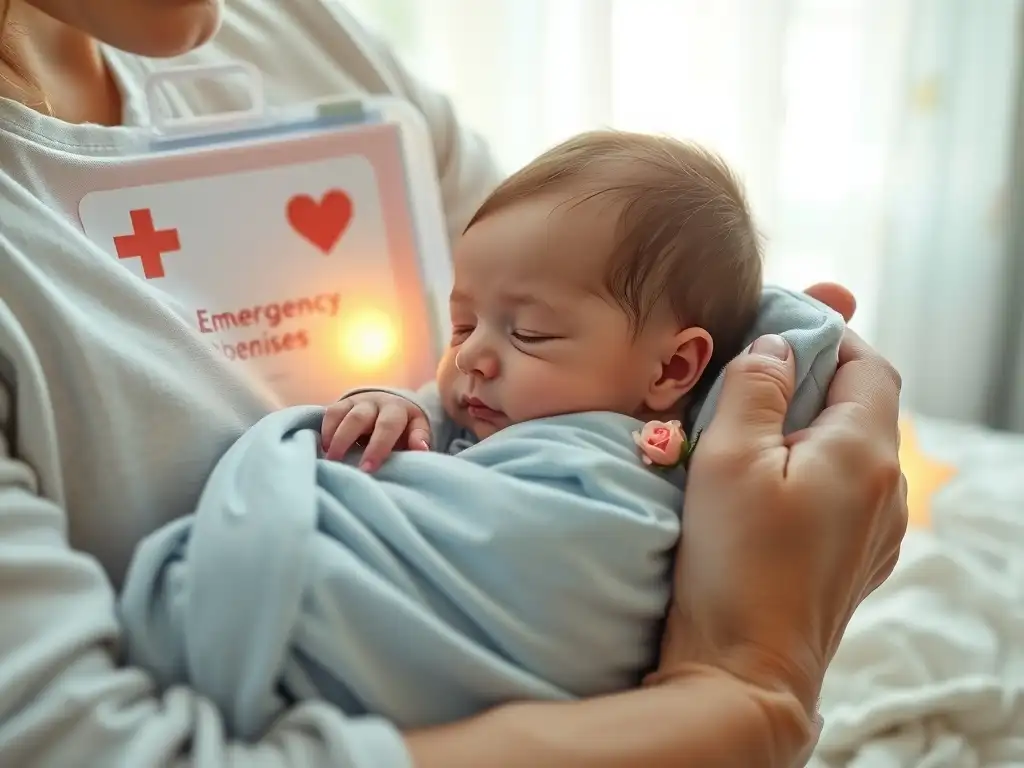
Welcome to BabyCareHub, your ultimate guide to navigating the incredible journey of parenthood! Are you ready for anything? We know that becoming a parent is filled with joy, but also with the unexpected. That's why we've created a comprehensive resource, including a crucial step-by-step guide on newborn emergency preparedness planning. Discover how to confidently handle unforeseen situations and ensure your little one's safety. Dive in and learn how to create a secure and supportive environment for your precious newborn.
-
Building Your Newborn Emergency Preparedness Plan: A Step-by-Step Guide
- Assessing Your Home for Potential Hazards: Babyproofing and Safety Checks
- Creating a Baby First Aid Kit: Essential Supplies and Medications
- Establishing Emergency Contacts: Family, Friends, and Healthcare Providers
- Developing a Communication Plan: Informing Loved Ones During Emergencies
- Preparing for Different Emergency Scenarios: Power Outages, Natural Disasters, Medical Emergencies
-
Essential Supplies for Your Newborn's Emergency Kit
- Diapers, Wipes, and Changing Supplies: Maintaining Hygiene During Emergencies
- Formula or Breast Milk Supply: Ensuring Adequate Nutrition
- Baby Medications: Fever Reducer, Pain Reliever, and Other Essentials
- Comfort Items: Pacifiers, Blankets, and Toys for Soothing
- Clothing and Accessories: Extra Outfits, Hats, and Socks
-
Emergency Procedures for Common Newborn Issues
- Dealing with Fever: Recognizing Symptoms and Seeking Medical Attention
- Handling Choking Hazards: Performing Infant CPR and Heimlich Maneuver
- Managing Diaper Rash: Preventing and Treating Skin Irritation
- Responding to Minor Cuts and Scrapes: First Aid for Common Injuries
- Recognizing Signs of Illness: When to Contact Your Pediatrician
-
Planning for Transportation During Emergencies
- Identifying Safe Transportation Options: Car Seats, Strollers, and Carriers
- Preparing Your Vehicle for Emergencies: Fuel, Supplies, and Navigation
- Knowing Your Route to the Nearest Hospital: Familiarity with Local Resources
- Understanding Emergency Transportation Services: Ambulance and Other Options
- Maintaining Your Newborn Emergency Plan
- Additional Resources for Newborn Emergency Preparedness
- Frequently Asked Questions
- Final Reflection: Securing a Future: Newborn Emergency Preparedness and Beyond
- Unlock Your Family's Peace of Mind: Prepare for Anything
Building Your Newborn Emergency Preparedness Plan: A Step-by-Step Guide
Navigating the joys and challenges of parenthood is a significant life transition, and feeling prepared for unexpected events is crucial for first-time parents. This comprehensive guide focuses on building a robust newborn emergency preparedness plan, equipping you with the knowledge and resources to confidently handle unforeseen circumstances. We'll explore essential steps, from babyproofing your home to establishing a network of emergency contacts, ensuring your little one's safety and well-being.
Creating a proactive emergency plan offers peace of mind, allowing you to focus on cherishing those precious early moments with your baby, knowing you’re ready for anything. This plan is vital for navigating common newborn emergencies and less frequent but equally critical situations, allowing you to respond effectively and efficiently when needed.
Remember, a well-defined plan is your best defense against unexpected events, transforming potential anxieties into proactive preparation. This guide will empower you to build a plan tailored to your family’s specific needs, addressing the unique challenges of caring for a newborn.
Assessing Your Home for Potential Hazards: Babyproofing and Safety Checks
Before your baby arrives, thoroughly assess your home for potential hazards. This involves a comprehensive babyproofing process that goes beyond the basics. Consider these crucial steps:
- Electrical Outlets: Cover all exposed electrical outlets with safety plugs. This prevents accidental shocks, a common hazard for curious babies.
- Cords and Cables: Secure or hide all loose cords and cables, preventing entanglement and strangulation risks. This includes charging cables, appliance cords, and curtain cords.
- Furniture Anchoring: Secure tall furniture, such as bookshelves and dressers, to the walls. This prevents tipping accidents, which can cause severe injuries.
- Sharp Corners and Edges: Use corner and edge protectors to cushion sharp corners on furniture and tables. This minimizes the risk of bumps and bruises.
- Toxic Substances: Store all cleaning supplies, medications, and other potentially toxic substances out of reach and preferably in locked cabinets. Clearly label all containers.
- Windows and Doors: Install window guards or safety latches to prevent falls from windows and accidental exits. Check all doors for proper functioning and secure latches.
- Stairways: Install safety gates at the top and bottom of all stairways to prevent falls. Ensure gates are securely fastened and meet safety standards.
- Small Objects: Remove small objects that could pose a choking hazard, such as buttons, coins, and small toys. Keep these items out of your baby's reach.
Regular safety checks are also crucial. Walk through your home regularly, especially after rearranging furniture, to identify and address any new hazards. Consider involving other family members in these checks to ensure a comprehensive approach. Remember, proactive safety measures are a key component of your newborn emergency preparedness plan. This diligent approach will significantly reduce the risk of accidents and create a safer environment for your baby.
Creating a Baby First Aid Kit: Essential Supplies and Medications
A well-stocked baby first aid kit is an indispensable part of your emergency preparedness plan. This kit should be easily accessible and contain the following essential items:
| Item | Quantity | Notes |
|---|---|---|
| Sterile Gauze Pads | 20 | Various sizes for cleaning wounds |
| Adhesive Bandages | 20 | Assorted sizes for minor cuts and scrapes |
| Antiseptic Wipes | 1 Pack | For cleaning minor wounds |
| Thermometer (Digital) | 1 | For monitoring your baby's temperature |
| Tweezers | 1 | For removing splinters or other small objects |
| Saline Solution | 1 Bottle | For cleaning eyes or wounds |
| Baby-safe Pain Reliever | [Specific dosage pending] | Follow pediatrician's instructions carefully. |
| Hydrocortisone Cream | [Specific dosage pending] | For minor rashes and skin irritations. Consult a pediatrician. |
| Instruction Manual | 1 | Include emergency contact numbers and basic first aid instructions. |
Remember to check the expiration dates of all medications and supplies regularly and replace them as needed. Consider including a list of your baby's allergies and medical conditions within the kit. Keep the first aid kit in a designated, easily accessible location, known to all caregivers. It's also a good idea to familiarize yourself with basic infant first aid techniques through a certified course or online resources. This empowers you to respond effectively in emergency situations. Remember that this kit is for minor emergencies; for serious situations, immediately seek professional medical help.
Establishing Emergency Contacts: Family, Friends, and Healthcare Providers
Having a readily accessible list of emergency contacts is paramount. This list should include:
- Family Members: List at least two family members who can provide assistance in case of emergency. Include their phone numbers and addresses.
- Close Friends: Include the contact information for trusted friends who can offer support.
- Pediatrician: Note your pediatrician's office phone number and after-hours contact information.
- Closest Urgent Care Facility: Include the address and phone number of the nearest urgent care facility.
- Poison Control Center: Keep the national poison control center number readily available.
- Emergency Services (911): This is the most important number to have readily accessible.
Keep this list in multiple locations – near your phone, in your baby's diaper bag, and in your first aid kit. Consider adding a digital copy to your phone or a cloud storage service for easy access. Regularly review and update the list as needed, ensuring all contact information is current and accurate.
This readily accessible list of contacts is crucial for a swift and efficient response during any emergency involving your newborn. This preparation is a key element in building a comprehensive newborn emergency preparedness plan, providing peace of mind and ensuring your ability to act quickly and decisively when needed. 👶
Developing a Communication Plan: Informing Loved Ones During Emergencies
Developing a robust communication plan is crucial for newborn emergency preparedness. When an emergency strikes, clear and swift communication can be lifesaving. You need to identify key contact persons – family, friends, neighbors, and childcare providers – and ensure everyone has updated contact information. Consider creating a physical contact list, readily accessible even during a power outage. This list should include not only phone numbers but also alternative contact methods like email addresses.
Beyond simple contact details, your communication plan should outline specific roles and responsibilities. For example, designate one person as the primary point of contact to receive updates and relay information to others. This prevents the spread of misinformation and ensures everyone is on the same page.
Furthermore, it's wise to establish a meeting point, a safe location where everyone can gather in case of evacuation or displacement. This is particularly important for families living in areas prone to natural disasters. Regularly review and update this plan as circumstances change, including adding new contacts or adjusting roles as needed.
Practicing your communication plan during a non-emergency situation can help identify potential weaknesses and ensure everyone understands their role. This proactive approach to communication will significantly reduce stress and improve your response time during a true emergency. Remember, clear communication is a cornerstone of effective emergency preparedness, especially when caring for a newborn.
Preparing for Different Emergency Scenarios: Power Outages, Natural Disasters, Medical Emergencies
A comprehensive newborn emergency preparedness plan must account for a variety of scenarios. Power outages, a relatively common occurrence, require specific preparations. Ensure you have a readily available supply of batteries for essential devices, such as baby monitors, breast pumps (if applicable), and flashlights. Consider investing in a battery-powered or hand-crank radio for news updates. Having a backup power source for critical medical equipment is also paramount.
Natural disasters demand a more extensive approach. Develop an evacuation plan that includes designated routes, transportation methods, and a safe meeting point. Pack an emergency kit with essential supplies like diapers, formula (if not breastfeeding), baby wipes, a change of clothes, and medications. Remember to include enough water and non-perishable food for several days. Knowing your family's vulnerability to specific natural disasters (floods, earthquakes, hurricanes, etc.) allows for targeted preparedness. For instance, living in a flood-prone area necessitates having an elevated storage area for crucial supplies.
Medical emergencies, whether related to your newborn or another family member, require swift action. Knowing the location of the nearest hospital and having a well-stocked first-aid kit specifically tailored for infants is essential. Familiarize yourself with basic infant CPR and first aid techniques. Many online resources and local organizations offer these courses.
Keep a record of your newborn's medical history, including allergies and vaccination records, readily accessible in your emergency kit. This information is invaluable to medical professionals in case of an emergency. By meticulously planning for various emergency scenarios, you can significantly minimize the impact of unexpected events on your newborn and your family. Remember, preparation is key to minimizing stress and ensuring the safety of your little one.
Essential Supplies for Your Newborn's Emergency Kit
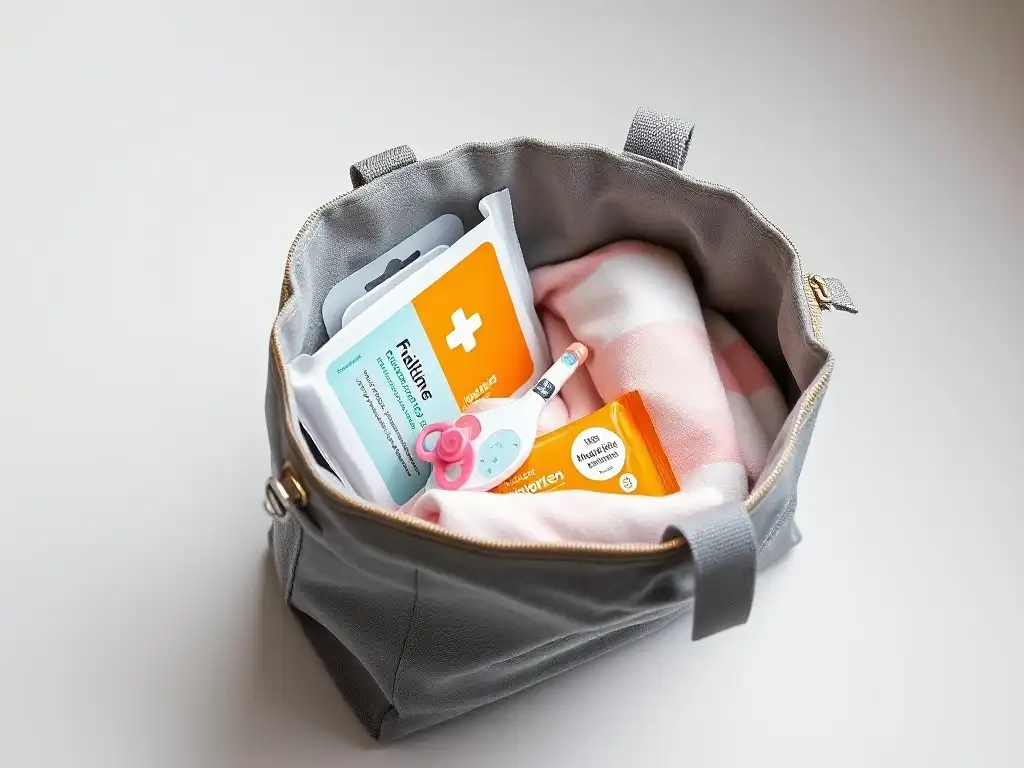
This section focuses on assembling a comprehensive emergency kit for your newborn, ensuring you're prepared for unexpected events. A well-stocked kit can significantly reduce stress and enhance your ability to respond effectively during a crisis. Remember, proactive planning is key to newborn emergency preparedness.
Diapers, Wipes, and Changing Supplies: Maintaining Hygiene During Emergencies
Maintaining your baby's hygiene is paramount, especially during emergencies. A well-prepared emergency kit should include a sufficient supply of diapers and wipes to handle unexpected situations. Consider including several sizes of diapers to accommodate potential growth spurts or if access to stores is limited. Don't forget the essentials for changing:
- Diapers: Pack at least a week's worth, accounting for your baby's current usage rate. Consider adding a few extra, especially if you anticipate potential travel difficulties during an emergency.
- Wipes: Choose fragrance-free, hypoallergenic wipes to minimize the risk of skin irritation. A large package is recommended.
- Changing Mat: A portable changing mat offers a clean surface for diaper changes in various locations.
- Diaper Rash Cream: A small tube of diaper rash cream can prevent and treat diaper rash, crucial for maintaining skin health during stressful times.
- Trash Bags: Essential for proper disposal of soiled diapers and wipes, especially in situations with limited waste disposal options.
Think ahead – imagine a power outage or a natural disaster. Having enough supplies on hand for several days will significantly lessen the burden during a challenging time. Regularly check your kit's expiration dates and replenish as needed. This proactive approach to diaper and wipe supply management is a cornerstone of effective newborn emergency preparedness planning.
Formula or Breast Milk Supply: Ensuring Adequate Nutrition
Ensuring your baby has access to adequate nutrition during an emergency is critical. The approach depends on whether you breastfeed or use formula.
- Breastfeeding Mothers: While breastfeeding offers flexibility, consider storing extra breast milk in sterile bags or containers. Label each bag with the date to ensure proper rotation. Aim for a supply that lasts several days. A portable cooler with ice packs is essential to maintain the milk's freshness.
- Formula-Feeding Mothers: Keep a ready supply of prepared formula or powdered formula and sterile water. Remember that prepared formula should be refrigerated and used within 24 hours, so plan accordingly. Powdered formula needs sterile water for mixing, so include a sufficient supply.
Maintaining a reliable supply of nutrition is a vital component of a newborn emergency preparedness plan. The specifics will depend on your chosen feeding method but the goal is consistent: guarantee your baby's nutritional needs are met even in challenging circumstances. Regularly review and update your supplies to ensure freshness and adequacy.
Baby Medications: Fever Reducer, Pain Reliever, and Other Essentials
Having essential baby medications readily available is a critical aspect of newborn emergency preparedness. However, it's crucial to consult your pediatrician before including any medications in your kit. They can advise on appropriate dosages and medications suitable for your baby's age and health conditions.
- Fever Reducer (Acetaminophen or Ibuprofen): Always check with your doctor about the appropriate dosage for your baby's weight and age. Ensure the medication is specifically formulated for infants.
- Pain Reliever: If recommended by your pediatrician, include a suitable pain reliever for your baby. Again, dosage and suitability must be confirmed by your doctor.
- Other Essentials: Depending on your baby's specific needs, you might include other medications prescribed by their doctor, such as allergy medication or any other necessary prescription drugs. Keep these medications in their original containers with clear labeling and instructions.
Remember to check expiration dates regularly and replace any expired medications promptly. This proactive approach to managing your baby's medications is an indispensable part of a comprehensive newborn emergency preparedness plan. Always keep a copy of your baby's medical records within your emergency kit. This is vital information for medical professionals in an emergency situation.
Comfort Items: Pacifiers, Blankets, and Toys for Soothing
A well-stocked emergency kit isn't just about medical supplies; it's also about providing comfort and security for your little one during stressful situations. Familiar items can significantly reduce a baby's anxiety in unfamiliar or unsettling environments. Think about your baby's favorite things – these are the items you should prioritize for your emergency kit.
A pacifier, if your baby uses one, is a crucial comfort item. It provides a sense of security and can help soothe them during a stressful car ride, a sudden power outage, or even a trip to the doctor's office. Pack at least two or three pacifiers, ideally in a sealed bag to maintain hygiene. Remember to regularly replace pacifiers, especially if they've been dropped or become damaged. Always check the pacifier for any signs of wear and tear before giving it to your baby.
A soft, familiar blanket is another must-have. The scent and texture of a favorite blanket can be incredibly calming for a distressed baby. Opt for a lightweight, breathable blanket made from a hypoallergenic material. Avoid loose blankets or those with small parts that could pose a choking hazard. A small, securely fastened lovey or soft toy can also serve as a source of comfort and security.
Remember to frequently wash these items to maintain hygiene and prevent the accumulation of germs. Consider packing a few small, lightweight toys that can easily be cleaned. These could provide a welcome distraction during a longer emergency situation. Always supervise your baby closely when they're playing with toys.
Clothing and Accessories: Extra Outfits, Hats, and Socks
Unexpected events can lead to messy situations, requiring a quick change of clothes for your little one. Including extra outfits in your newborn emergency preparedness plan is essential. Pack at least two complete changes of clothes, including onesies, pants, or a sleeper, depending on your baby's preference and the season. This will help maintain your baby's comfort and hygiene, especially if they experience a spill or unexpected accident.
Small babies lose body heat more rapidly than adults, so having a hat and socks readily available is crucial. Include a warm hat and a pair of socks to protect your baby against temperature fluctuations, especially during colder months or in air-conditioned environments. It's wise to pack a hat and socks even during the warmer months, as temperatures can change unexpectedly. Choose soft, natural materials like cotton or wool to avoid irritating your baby's sensitive skin.
Remember to consider the season when packing extra clothes. In warmer months, prioritize lightweight, breathable fabrics, while in colder months, opt for warmer layers. Always prioritize comfort and practicality when selecting clothing items for your emergency kit. Keep the clothing items clean and neatly folded to maximize space and maintain hygiene. Consider packing these items in waterproof bags to protect them from any potential spills or leaks.
Emergency Procedures for Common Newborn Issues
This section details crucial emergency procedures for common newborn health issues. A well-defined newborn emergency preparedness plan is essential for navigating unexpected situations and ensuring your baby's safety. Remember, this information is for guidance only and does not replace professional medical advice. Always consult your pediatrician or seek immediate medical attention when necessary. Early intervention is key in managing newborn emergencies effectively.
Dealing with Fever: Recognizing Symptoms and Seeking Medical Attention
A fever in a newborn (rectal temperature above 100.4°F or 38°C) is a serious concern and requires immediate attention. Newborns have immature immune systems, making them highly susceptible to infections. Recognizing the symptoms early is crucial for timely intervention.
Fever in newborns often presents with more subtle signs than in older children. While a high temperature is a clear indicator, other symptoms to watch for include:
- Lethargy or unusual sleepiness
- Poor feeding or refusal to feed
- Irritability or fussiness beyond the norm
- Vomiting or diarrhea
- Pale or mottled skin
- Rapid breathing or difficulty breathing
- Sunken fontanelle (soft spot on the head)
Don't rely solely on a thermometer reading. Observe your baby's overall behavior. If you suspect a fever, even with a slightly elevated temperature, do not delay seeking medical attention. A prompt response can significantly impact the outcome. Keep a record of your baby's temperature readings and any other observed symptoms to share with your doctor. This will help them assess the situation and provide the appropriate care. Knowing when to call your pediatrician versus going directly to the emergency room is a critical part of your newborn emergency preparedness plan.
Handling Choking Hazards: Performing Infant CPR and Heimlich Maneuver
Choking is a terrifying possibility for any parent. Newborns, with their small airways, are particularly vulnerable. Familiarizing yourself with infant CPR and the infant Heimlich maneuver is a vital component of any newborn emergency preparedness plan. Understanding the difference between these two life-saving techniques is crucial.
Infant CPR is used when a baby is unresponsive and not breathing. The Heimlich maneuver is used when a baby is conscious but choking. Regular CPR and first-aid training courses are highly recommended for all parents. These courses provide hands-on practice and reinforce the steps involved in these procedures.
Here's a simplified overview ( this is not a substitute for proper training):
Infant Heimlich Maneuver:
- Support the baby's head and neck.
- Place the baby face down along your forearm, supporting the baby's head and jaw. Give 5 firm back blows between the baby's shoulder blades.
- Turn the baby over and place two fingers on the center of the baby's chest, just below the nipple line. Give 5 chest compressions. Repeat until the object is dislodged or the baby starts breathing.
Infant CPR:
- Check for responsiveness.
- Call emergency services immediately.
- Give 30 chest compressions and 2 rescue breaths, repeating the cycle until help arrives or the baby starts breathing.
Remember, prompt action is essential. Practice these techniques regularly to build confidence and improve your response time. A well-rehearsed newborn emergency preparedness plan can make all the difference in a critical situation. 👶
Managing Diaper Rash: Preventing and Treating Skin Irritation
Diaper rash, a common skin irritation, is often manageable at home. However, severe cases require medical attention. Prevention is key; diligent diaper changes, using gentle cleansers, and ensuring proper air circulation are crucial.
Several factors contribute to diaper rash, including:
- Frequent exposure to urine and feces.
- Friction from the diaper.
- Sensitivity to diaper materials or cleaning products.
- Yeast or bacterial infections.
Treatment typically involves:
- Frequent diaper changes.
- Gentle cleansing with water or mild, fragrance-free baby wipes.
- Allowing the skin to air dry.
- Applying a barrier cream, such as zinc oxide.
| Symptom | Description | Action |
|---|---|---|
| Mild Redness | Slight redness and irritation. | Frequent diaper changes, air drying, barrier cream. |
| Moderate Redness | More intense redness, possible small bumps. | Frequent diaper changes, barrier cream, possible antifungal cream if suspected yeast infection. |
| Severe Redness | Extensive redness, blisters, weeping sores. | Consult a doctor immediately. |
| Fever or Lethargy | Redness accompanied by fever or unusual sleepiness. | Consult a doctor immediately. |
If the rash doesn't improve within a few days, or if it worsens, consult a pediatrician. A severe diaper rash can indicate a more serious underlying condition. Including diaper rash management in your newborn emergency preparedness plan helps ensure you are prepared to address this common issue effectively. Prevention and early intervention are crucial for minimizing discomfort and preventing complications.
Responding to Minor Cuts and Scrapes: First Aid for Common Injuries

Minor cuts and scrapes are common occurrences, especially with active babies learning to crawl and walk. Knowing how to handle these situations calmly and effectively is crucial for both your peace of mind and your baby's well-being. The first step is always to wash your hands thoroughly before attending to the wound. This prevents the introduction of bacteria and reduces the risk of infection.
Next, gently clean the affected area with lukewarm water and a mild soap. Avoid using harsh chemicals or rubbing alcohol, as these can irritate the delicate skin of a newborn. If dirt or debris remains embedded in the wound, try using tweezers that have been sterilized with boiling water or rubbing alcohol to carefully remove it. Never attempt to forcefully remove anything deeply embedded – seek professional medical help if this is the case.
After cleaning, apply a thin layer of antibiotic ointment to help prevent infection. Cover the wound with a sterile bandage, ensuring it's not too tight to restrict blood flow. Monitor the area for any signs of infection, such as increased redness, swelling, pus, or excessive pain. If you notice any of these symptoms, contact your pediatrician immediately. Remember, even seemingly minor wounds can become infected if not properly cared for.
Regularly check and change the bandage, ensuring you maintain good hygiene throughout the process. For deeper cuts or wounds that bleed profusely, seek immediate medical attention. A newborn's immune system is still developing, making them more vulnerable to infections. Proper first aid for minor injuries is a vital part of your newborn emergency preparedness plan.
Recognizing Signs of Illness: When to Contact Your Pediatrician
Knowing when to seek medical attention for your newborn is a critical aspect of responsible parenting. While some fussiness is normal, certain signs indicate a potential illness requiring professional evaluation. Early detection and intervention are key to ensuring your baby's health and well-being. A newborn emergency preparedness plan should include a clear understanding of these warning signs.
Fever is a common indicator of illness in babies. While a slightly elevated temperature might not always be cause for alarm, a temperature above 100.4°F (38°C) rectally, or other signs of illness, warrants immediate contact with your pediatrician. 1 Other symptoms to watch out for include persistent crying or inconsolable fussiness, changes in feeding patterns (either increased or decreased appetite), lethargy or unusual sleepiness, vomiting or diarrhea, difficulty breathing, rash or skin discoloration, and yellowish discoloration of the skin or eyes (jaundice). 2 These symptoms could indicate a variety of conditions, ranging from mild viral infections to more serious illnesses.
Don't hesitate to contact your pediatrician if you notice any unusual changes in your baby's behavior or health, even if you're unsure of the cause. It's always better to err on the side of caution. A thorough understanding of common newborn illnesses and their symptoms is a crucial component of any effective newborn emergency preparedness plan. Remember to keep a record of your baby's vital signs and any concerning symptoms to share with your pediatrician.
This proactive approach will help ensure your baby receives timely and appropriate care. Early intervention can significantly improve the outcome in many cases. Your pediatrician is your best resource for guidance and support.
1 [Specific information pending: Source for fever threshold in newborns] 2 [Specific information pending: Source for list of concerning symptoms]
Planning for Transportation During Emergencies
Unexpected situations can arise at any time, and having a solid plan for transporting your newborn is crucial for their safety and well-being. A well-defined newborn emergency preparedness plan should always include a detailed transportation strategy. This means considering various modes of transport and preparing for potential obstacles. Proactive planning can significantly reduce stress and improve response times during a crisis. Let's delve into the specifics.
Identifying Safe Transportation Options: Car Seats, Strollers, and Carriers
The safest way to transport a newborn, especially during an emergency, is in an appropriately installed car seat. This is non-negotiable. Ensure your car seat is the correct size and type for your baby's age and weight, and that it's installed correctly according to the manufacturer's instructions. Regularly check for any damage or wear and tear. Consider having a second car seat installed in a family member's car, ensuring consistent safety across multiple vehicles. This is a crucial component of any effective newborn emergency preparedness plan.
Beyond car seats, consider other transportation options for less urgent situations or short distances. Strollers, while convenient for everyday use, may not be suitable for all emergencies. Their maneuverability can be limited in certain terrains. Infant carriers, on the other hand, offer a portable and secure way to transport your baby if a quick exit from your home is necessary. Always prioritize safety: a securely fastened carrier is paramount. Remember that practicing with your chosen method of transport before an emergency arises is essential to build confidence and efficiency.
Your vehicle should be prepared for any eventuality. Maintaining a consistent level of fuel is vital; you never know when an unexpected delay might occur. Keep your gas tank at least half full, especially during inclement weather or times of potential emergency. Moreover, assembling an emergency kit specifically for your vehicle is highly recommended. This kit should include essentials like water, non-perishable snacks for yourself, blankets, extra diapers, wipes, a change of clothes for the baby, and a first-aid kit tailored for infants. A fully charged portable power bank for your phone is also crucial for maintaining communication.
Navigation is another critical aspect. Ensure your vehicle's GPS system is up-to-date and functioning correctly. Consider downloading offline maps as a backup in case of cell service interruptions. Knowing alternate routes to your destination is also vital, especially if there are road closures or traffic delays. This aspect of preparedness is often overlooked but is crucial in a genuine emergency.
Knowing Your Route to the Nearest Hospital: Familiarity with Local Resources
Knowing the quickest and safest route to the nearest hospital capable of handling newborn emergencies is paramount. This is not just about knowing the address; it's about understanding the traffic patterns, potential road closures, and alternative routes. Practice driving this route beforehand, especially during different times of day, to familiarize yourself with potential challenges.
Beyond the hospital, familiarize yourself with other crucial resources in your local area. This could include urgent care clinics, pediatricians' offices with extended hours, and 24-hour pharmacies. Having this information readily available – perhaps printed and kept in your emergency kit – can save precious time in a stressful situation. Remember, a comprehensive newborn emergency preparedness plan extends beyond the immediate response; it includes understanding the broader healthcare network in your community. This proactive approach ensures the best possible outcome for your child during any unforeseen event.
Understanding Emergency Transportation Services: Ambulance and Other Options
Planning for your newborn's transportation during an emergency is crucial. While an ambulance is the most readily available option for serious situations requiring immediate medical attention, understanding the nuances of ambulance services and alternative transportation methods is key to effective emergency preparedness.
Ambulance services are designed for urgent medical transport. They are equipped with life-saving medical equipment and staffed by trained paramedics and EMTs who can provide critical care en route to the hospital. However, ambulance services can be expensive, and response times can vary depending on location and the severity of other calls. It's vital to know your local ambulance service's average response time and understand the billing process beforehand. Understanding your health insurance coverage for ambulance transport is also essential to avoid unexpected financial burdens during a stressful time.
Beyond ambulances, consider alternative transportation options for less critical emergencies. If your baby needs non-emergency medical attention, a personal vehicle might suffice. However, ensure your car seat is properly installed and your baby is securely fastened before transporting them. A car seat check by a certified technician before the emergency arises is a proactive step towards safe transport.
For situations requiring specialized transport, such as incubator transport for premature babies or those with respiratory issues, you might need to contact a neonatal transport team. These teams use specialized vehicles equipped to maintain a stable environment for infants during transportation. Researching and identifying these specialized transport services in your area is a proactive step in your newborn emergency preparedness plan. Knowing their contact information and understanding their capabilities can be invaluable during a critical situation.
Finally, having a well-defined plan for who will transport your baby in an emergency is crucial. Designate a reliable individual, perhaps a partner, family member, or close friend, who is familiar with your baby's needs and your emergency plan. This individual should be trained in proper car seat installation and infant handling. Regular practice runs, even simulated scenarios, can significantly improve the efficiency and effectiveness of your emergency transport plan. Remember, preparedness is not just about knowing the options; it’s about having a clear, practiced plan in place.
Maintaining Your Newborn Emergency Plan
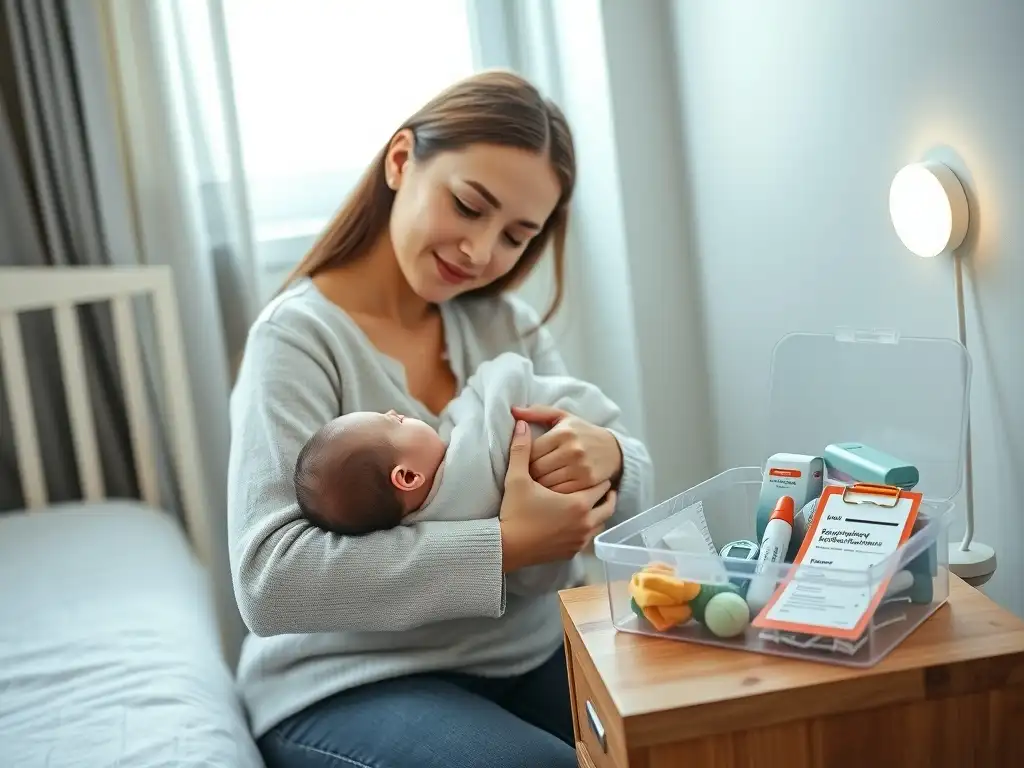
Creating a newborn emergency preparedness plan is only the first step. A truly effective plan is a living document, adapting to your baby's changing needs and your family's evolving circumstances. Regular review and practice are crucial for ensuring its effectiveness when you need it most. This section will guide you through maintaining your plan, ensuring you're always ready to respond to unforeseen events. The best newborn emergency preparedness plan is one that's regularly updated and practiced.
Regularly Reviewing and Updating Your Plan: Adapting to Changing Needs
As your baby grows, their needs change. A plan effective for a newborn won't necessarily suffice for a six-month-old. Regular review is key to ensuring your plan remains relevant and effective. Aim to review your plan at least quarterly, or more frequently if there are significant changes in your family's situation, such as moving house, changes in childcare arrangements, or the addition of a pet.
Consider these specific areas for review:
- Medical Information: Update your baby's medical records, including allergies, current medications, and any relevant health conditions. Ensure emergency contacts are up-to-date, including pediatricians and nearby hospitals.
- Emergency Supplies: Check the expiration dates on medications and other supplies, such as formula, diapers, and wipes. Replenish as needed. Consider seasonal changes; you'll need different supplies in summer versus winter.
- Evacuation Plan: If you live in an area prone to natural disasters, review your evacuation plan and ensure you have designated meeting points and transportation options. Practice this plan regularly, especially with older children.
- Communication Plan: Update contact information for family, friends, and neighbors who can assist in an emergency. Consider establishing a system for checking in during a crisis.
Remember, a well-maintained plan minimizes stress and maximizes your ability to respond effectively in a crisis. Think of this as a proactive approach to newborn care, ensuring the safety and well-being of your little one.
Practicing Emergency Drills: Familiarizing Yourself with Procedures
Regularly practicing your emergency procedures is as vital as creating the plan itself. Familiarity breeds confidence, and confidence is essential in a stressful situation. Don't just read your plan; live it.
Here's how to incorporate practice drills into your routine:
- Diaster Drills: Simulate different scenarios, such as a fire, power outage, or severe weather event. Time how long it takes to gather your emergency kit and evacuate your home. Identify areas for improvement in your plan.
- Medical Emergency Drills: Practice administering first aid to your baby, such as cleaning a minor wound or using an inhaler (if applicable). Confirm that you know the location of your first-aid kit and have the necessary supplies.
- Transportation Drills: Practice loading your baby into the car seat quickly and safely. This is particularly important if you have multiple children or need to evacuate quickly.
These drills aren't just about speed; they're about ensuring everyone in the household knows their roles and responsibilities. Involve your partner, older children, and any other caregivers. Regular practice will build muscle memory and reduce anxiety in a real emergency. Consider making this a fun, engaging activity, turning it into a family game, reducing the seriousness and building confidence.
Educating Family Members and Caregivers: Ensuring Everyone is Prepared
Your newborn emergency preparedness plan isn't just for you; it's for everyone who cares for your baby. Ensure all family members, caregivers, and babysitters understand the plan and are prepared to act in your absence.
Here's how to effectively educate others:
- Provide a Copy of the Plan: Share a printed copy of your plan with all relevant individuals. Highlight key sections, such as emergency contacts, medical information, and evacuation procedures.
- Conduct a Training Session: Organize a short training session to walk everyone through the plan. Answer any questions and address any concerns. This proactive approach ensures everyone is on the same page.
- Regular Communication: Maintain open communication with family and caregivers, updating them on any changes to the plan or your baby's health. This is a continuous process, not a one-time event.
Remember, a well-informed support system is an invaluable asset in an emergency. By educating others, you're building a network of support that can help ensure your baby's safety and well-being, no matter the situation. This collaborative approach is essential for a comprehensive newborn emergency preparedness plan.
Staying Informed About Local Emergency Alerts: Keeping Up-to-Date on Potential Threats
Staying informed about potential threats is a crucial component of any newborn emergency preparedness plan. Ignoring local alerts can leave you vulnerable during a crisis, especially when you have a newborn who is entirely dependent on you. This isn't about fostering unnecessary anxiety; it's about proactive risk mitigation. A well-informed parent is a better prepared parent.
Several methods exist to receive timely alerts. Many municipalities utilize a system of text alerts, providing immediate notification of severe weather, power outages, or other urgent situations. Register your phone number with your local emergency management agency – the specific process will vary by location, so checking your city or county's website is essential. This ensures you receive critical information directly to your phone, even if you're away from a computer or television.
Beyond text alerts, consider utilizing weather radio. These devices provide continuous broadcasts of weather updates and emergency alerts, even during power outages. This is particularly important for situations like hurricanes or severe storms, where power disruptions are highly probable. Having a weather radio with battery backup is a wise investment for any family, but especially one with a newborn. It offers an extra layer of security and peace of mind.
Social media can also play a role, though it shouldn't be your primary source of information. Following official accounts for your local government, emergency services, and weather agencies can provide supplementary updates and situational awareness. However, always verify information from social media with official channels to avoid misinformation. Remember, during emergencies, accurate, timely information is paramount. Relying solely on unofficial sources can be dangerous.
Finally, and perhaps most importantly, stay aware of your surroundings. Pay attention to weather forecasts, news reports, and any unusual activity in your community. This heightened awareness, coupled with proactive registration for official alerts, will significantly enhance your ability to respond effectively to unexpected events, protecting both you and your newborn. Regularly reviewing your emergency plan and updating your contact information with relevant agencies ensures you remain prepared, regardless of the situation.
Additional Resources for Newborn Emergency Preparedness
This section provides crucial supplementary information to enhance your newborn emergency preparedness plan. Having readily accessible resources can significantly reduce stress and improve response times during unexpected situations. Remember, proactive planning is key to ensuring your baby's safety and well-being. A well-defined newborn emergency preparedness plan, combined with readily available resources, significantly increases your ability to handle unexpected events effectively and calmly.
Recommended Books and Websites: Reliable Sources of Information
Building a robust newborn emergency preparedness plan requires access to reliable information. Several excellent books and websites offer comprehensive guidance on baby care and emergency situations. These resources can provide detailed explanations of various scenarios, step-by-step instructions, and valuable tips for handling emergencies effectively. Seeking out credible sources of information empowers parents to make informed decisions and feel more confident in their ability to care for their newborn during unexpected events. This proactive approach contributes significantly to a more secure and supportive environment for both parent and child.
Consider exploring resources that address topics like:
- Infant CPR and First Aid: Mastering these essential skills is paramount in a newborn emergency preparedness plan.
- Common Newborn Illnesses: Understanding the signs and symptoms of common illnesses helps in early detection and prompt medical intervention.
- Safe Sleep Practices: Safe sleep practices are crucial for reducing the risk of Sudden Infant Death Syndrome (SIDS).
- Poison Control Information: Knowing how to react swiftly in case of accidental poisoning is vital.
- Emergency Preparedness Checklists: Using checklists helps ensure all essential supplies and information are readily accessible.
Remember to always verify the credibility of any information source before implementing its advice. Look for information supported by medical professionals and reputable organizations.
Local Emergency Services Contacts: Numbers for Police, Fire, and Ambulance
Having readily accessible contact information for emergency services is a cornerstone of any effective newborn emergency preparedness plan. In a crisis, seconds count, and knowing the correct numbers can make a significant difference. Program these numbers into your phone and ensure family members and caregivers also have access to them. Consider posting the numbers prominently in your home, perhaps near the phone or in a central location easily accessible during emergencies. This simple step can potentially save valuable time in a critical situation, contributing significantly to your newborn's safety.
Here's a suggested format for storing this information:
| Service | Phone Number |
|---|---|
| Police | [Specific Information Pending] |
| Fire Department | [Specific Information Pending] |
| Ambulance Service | [Specific Information Pending] |
It's crucial to regularly verify that these numbers are still current and accurate. Local emergency services numbers may change, so make it a routine practice to check them periodically, especially if you move to a new area.
Pediatrician's Contact Information: Easy Access to Medical Advice
Your pediatrician is a vital resource in your newborn emergency preparedness plan. Having their contact information readily available can provide peace of mind and ensure prompt medical attention when needed. Beyond the general practice number, consider obtaining their after-hours contact information or the number for the on-call pediatrician. This ensures that you can reach medical advice even outside of regular office hours.
Having this information readily available allows for quick access to expert medical guidance, which is invaluable in managing various health concerns that can arise with a newborn. This proactive approach contributes significantly to a more secure and supportive environment for both parent and child. Remember to keep this information updated, particularly if you change pediatricians.
Frequently Asked Questions
What should I include in a newborn emergency preparedness plan?
Your plan should include contact information for emergency services, your pediatrician, and family/friends. It should also detail essential supplies like a first-aid kit, formula/breast milk storage, and medications. Finally, ensure you have a safe transportation plan.
How do I prepare my home for newborn emergencies?
Childproof your home immediately. Identify and secure potential hazards. Establish a safe space for your baby away from potential dangers. Ensure you have working smoke detectors and carbon monoxide detectors.
What are some common newborn emergencies?
Common emergencies include choking, fever, breathing difficulties, and severe allergic reactions. Knowing the signs and symptoms of these is crucial for swift action. Having a plan to deal with unexpected illnesses is important.
What should I do if my newborn stops breathing?
Immediately call emergency services (911 or your local equivalent). Begin CPR if you are trained. If you are unsure, continue calling emergency services and follow their instructions. Immediate action is critical.
How often should I review and update my newborn emergency preparedness plan?
It's recommended to review and update your plan at least once every six months, or after any significant life changes (e.g., moving house, new family member). Regular review ensures your plan remains relevant and effective.
Final Reflection: Securing a Future: Newborn Emergency Preparedness and Beyond
The fragility of new life underscores the critical need for comprehensive emergency preparedness, a necessity that extends far beyond the initial weeks of a newborn's life. Failing to plan for the unexpected can leave families vulnerable during already stressful times, amplifying anxieties and hindering their ability to effectively respond to crises. This is not merely about checklists and supplies; it's about building resilience and fostering a sense of security for the entire family.
The impact of a well-thought-out emergency plan ripples far beyond the immediate crisis. It instills a sense of control and calm in the face of uncertainty, a feeling profoundly valuable during the vulnerable period of welcoming a new child. This preparedness extends beyond the physical; it fosters a sense of family unity and strengthens the bonds that are essential for navigating life's challenges. The best way to predict the future is to create it,
– Abraham Lincoln. This rings true for emergency preparedness; by proactively planning, we shape a safer and more secure future for ourselves and our loved ones.
Consider the lessons learned within this article. Think about the specific steps you can take today to enhance your family's emergency preparedness. Don't wait for a crisis to strike; take the proactive steps to create a plan tailored to your unique needs and circumstances. Empower yourself with knowledge and build a foundation of resilience that will protect and nurture your family for years to come. The peace of mind that comes from knowing you're prepared is invaluable, a gift you give yourself and your loved ones.
Unlock Your Family's Peace of Mind: Prepare for Anything
Thank you for taking the time to learn about emergency preparedness! We hope this guide has provided you with the knowledge to protect your children. Now, let's put that knowledge into action.
- Assemble a personalized family emergency kit: This is your top priority. Gather essential supplies based on your family's specific needs and the potential risks in your area. Don't forget to include a few fun items to boost morale during a challenging situation!
- Share crucial information with your family members, including contact details and designated meeting places. A little preparation can significantly enhance your family's safety.
- Join our BabyCareHub community forum to connect with other parents and exchange valuable emergency preparedness tips. Learn from the experiences of others!
What's one small step you can take today to improve your family's safety?