
Cord Safety: Protecting Your Baby from Blind and Appliance Hazards

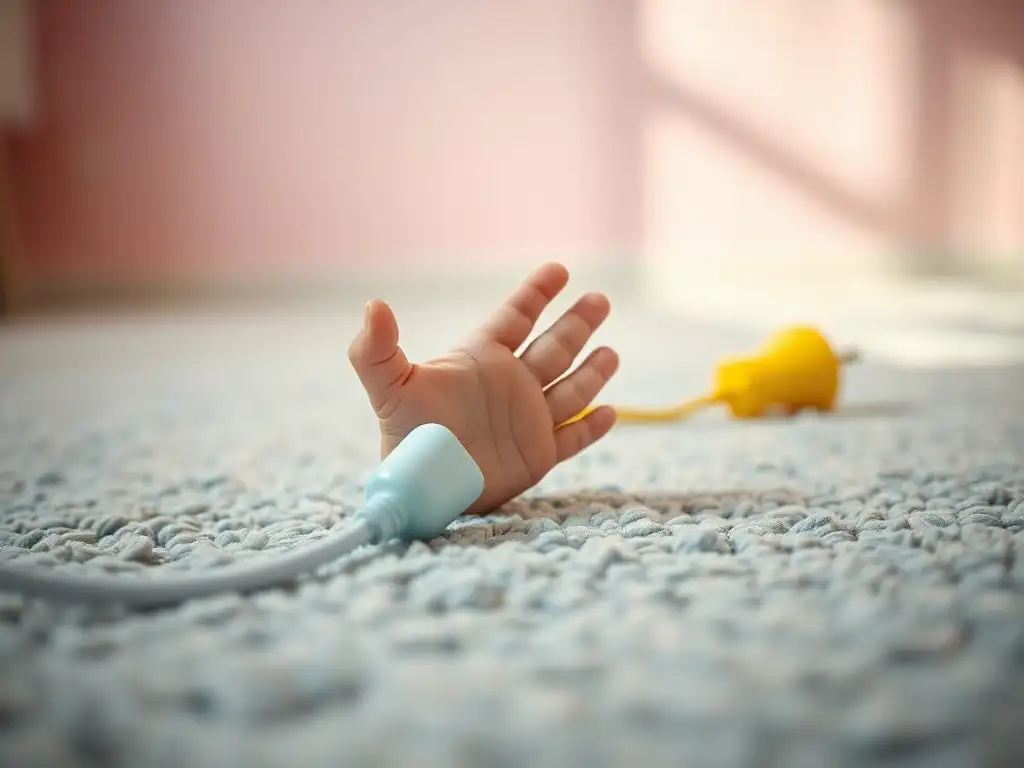
Welcome to BabyCareHub, your ultimate guide to navigating the incredible journey of parenthood! Are you a first-time parent feeling overwhelmed by the sheer volume of information out there? We understand. That's why we've created this comprehensive resource, packed with practical, step-by-step advice on everything from feeding schedules to developmental milestones. But first, let's address a crucial safety concern: baby cord safety hazards. Discover surprising risks lurking in your home and learn how to protect your little one from potential dangers. Dive in and begin your exploration of safe and happy parenting today!
- Understanding Baby Cord Safety Hazards
- Preventing Baby Cord Accidents: A Step-by-Step Guide
- Identifying and Addressing Potential Cord Hazards
- Emergency Response Plan for Cord-Related Accidents
- Baby-Proofing Your Home: Beyond Cord Safety
- Creating a Safe and Secure Play Area for Your Baby
-
Frequently Asked Questions
- How long does it take for the umbilical cord stump to fall off?
- What are some common baby cord safety hazards?
- How can I prevent my baby's umbilical cord from getting infected?
- What should I do if the umbilical cord stump bleeds?
- My baby's cord stump seems unusually red and swollen. What should I do?
- Final Reflection: A Legacy of Safety, Woven Thread by Thread
- Unveil a Safer Home: Simple Steps for Cord Security
Understanding Baby Cord Safety Hazards
Navigating the world of parenthood for the first time can feel overwhelming, especially when it comes to ensuring your little one's safety. Creating a safe and nurturing home environment is paramount, and a crucial aspect often overlooked is baby cord safety. This article focuses on the often-unseen dangers lurking in everyday household items, specifically electrical cords and window blind cords, providing practical advice to minimize risks and protect your baby from potential injuries.
Understanding these hazards is the first step towards creating a truly baby-proofed home, giving you peace of mind and allowing you to focus on enjoying those precious early moments with your child. We'll delve into the specific dangers posed by these common household items and offer practical solutions to mitigate the risks associated with them.
Remember, proactive cord safety is a critical component of overall baby safety and contributes significantly to a happy and healthy home environment. Let's explore how to safeguard your little one from these often-overlooked hazards.
Common Household Cord Hazards for Babies
Babies are naturally curious explorers, and their developing motor skills lead them to investigate their surroundings through touch, taste, and pull. This inherent curiosity, coupled with their limited understanding of danger, makes them particularly vulnerable to household cords. These seemingly innocuous items can pose significant risks, from strangulation to electrical shocks. Common culprits include:
- Electrical cords: Power cords for lamps, electronics, and appliances are easily accessible and tempting for little hands to grab, chew, or pull. This can result in serious electrical shocks, burns, or even fires.
- Window blind cords: These cords present a significant strangulation hazard. Babies can easily become entangled, leading to serious injury or even death. This is a particularly silent and often overlooked danger.
- Curtain cords: Similar to window blind cords, these can also pose a strangulation risk if left within reach.
- Charger cords: Phone chargers, tablet chargers, and other small cords are easily accessible and can be pulled or chewed, leading to potential hazards.
- Appliance cords: Cords from appliances like vacuum cleaners, irons, and toasters present both electrical and entanglement risks.
The key to mitigating these risks is proactive prevention. We will discuss specific preventative measures in the following sections. Remember, even seemingly harmless cords can pose significant threats to your baby’s safety. 👶
Dangers of Electrical Cords and Appliances
Electrical cords represent a double threat to babies: entanglement and electric shock. The risk is amplified when cords are frayed, damaged, or improperly insulated. A baby pulling on a cord could cause a lamp or appliance to fall, leading to injuries from impact. More dangerously, chewing on a damaged cord can result in a severe electrical shock, potentially causing burns, cardiac arrest, or even death. Furthermore, appliances left plugged in and unattended present a risk of burns if your baby manages to reach and touch a hot surface.
Consider these statistics (data pending): [Specific data on baby injuries related to electrical cords pending] This highlights the critical need for preventative measures. We need to emphasize the importance of keeping electrical cords out of reach and properly managing appliances. This includes:
- Regularly inspecting cords for damage.
- Using cord covers or protectors.
- Tucking away excess cord length.
- Unplugging appliances when not in use.
- Placing appliances out of reach.
Risks Associated with Window Blind Cords
Window blind cords are a leading cause of preventable child fatalities. Babies and toddlers can easily become entangled in these cords, leading to strangulation. The silent nature of this hazard makes it particularly dangerous, as parents may not realize the danger until it is too late. The cords are often thin and easily overlooked, and a child's weight can be enough to cause tightening, resulting in suffocation. The risk is especially high for babies who are mobile and curious enough to reach the cords.
Consider the following preventative measures:
- Cordless blinds: Replacing traditional blinds with cordless alternatives is the safest option.
- Cord management devices: If cordless blinds are not an option, install cord management devices that keep the cords out of reach.
- Regular checks: Regularly check the cords for damage and ensure they are securely fastened.
- Supervision: Always supervise your baby near windows.
Remember, a few simple precautions can significantly reduce the risk of accidents. Prioritizing baby cord safety is an investment in your child's well-being and peace of mind for you as a parent.
Preventing Baby Cord Accidents: A Step-by-Step Guide
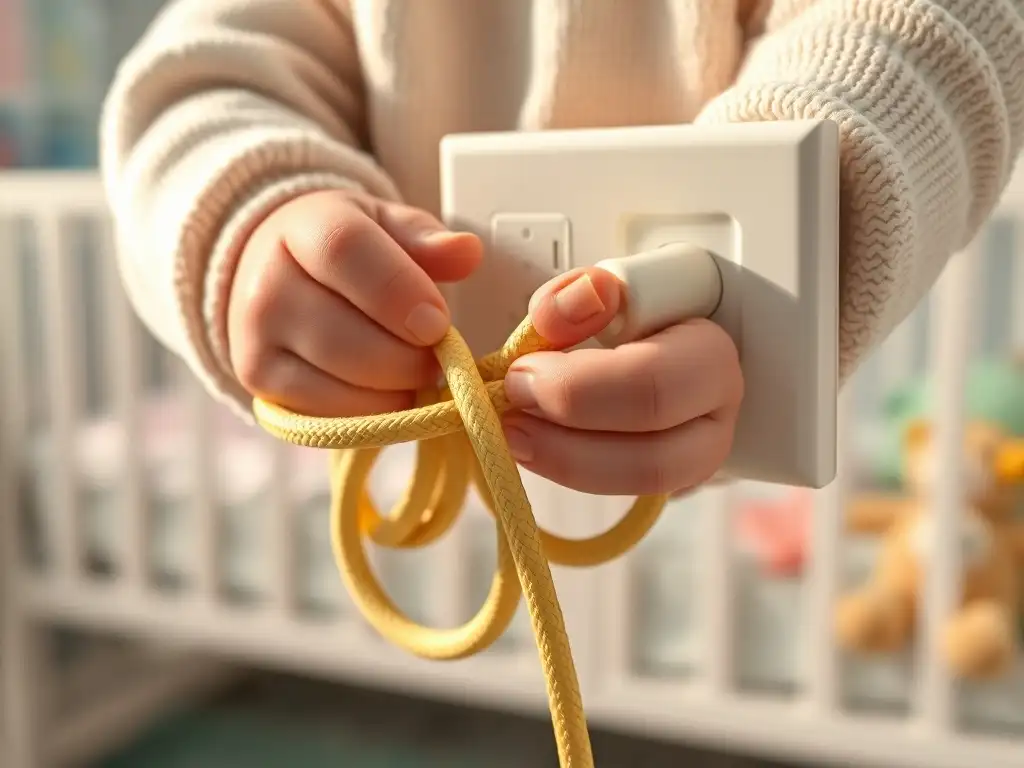
This section focuses on proactive measures to minimize the risk of baby cord accidents, a significant concern under the umbrella of baby cord safety hazards. Babies are naturally curious and prone to exploring their environment through touch and mouth. Untamed cords present a serious strangulation risk, and understanding how to effectively manage them is crucial for a safe home environment. This guide offers practical, actionable steps for creating a safer space for your little one.
Securing Electrical Cords: Practical Tips and Techniques
Electrical cords, ubiquitous in modern homes, pose a significant threat. Babies can easily pull on them, potentially causing injury, electric shock, or even pulling heavy appliances down on themselves. Here's how to mitigate these baby cord safety hazards:
- Cord Management Systems: Invest in cord covers, cord wraps, or adhesive cord clips. These simple tools can neatly bundle cords, preventing them from dangling within reach of curious little hands. Consider using different colors to easily identify which cords belong to what appliances.
- Strategic Placement: Keep electrical cords out of reach by running them along walls, behind furniture, or under rugs (ensure secure anchoring to prevent tripping hazards). Avoid running cords across walkways or in areas where your baby plays.
- Furniture Arrangement: Carefully position furniture to conceal cords. For example, place a sofa or large armchair in front of electrical outlets and cords to create a barrier.
- Regular Inspections: Regularly inspect all electrical cords for fraying, damage, or exposed wires. Replace any damaged cords immediately to prevent potential fire hazards and electrical shocks. This is a crucial aspect of proactive baby cord safety.
- Appliance Placement: Place heavy appliances, such as televisions and lamps, against walls and secure them to prevent tipping. This reduces the risk of your baby pulling down a heavy appliance by its cord.
Childproofing Electrical Outlets: Safeguarding Your Little One
Electrical outlets are another common source of baby cord safety hazards, but also present a direct electrical shock risk. Prevention is key, and thankfully, several effective methods exist:
- Outlet Covers: These inexpensive plastic covers are a simple and effective way to block access to electrical outlets. They are readily available at most baby stores and online retailers. Ensure you choose covers that are securely fitted and difficult for a baby to remove.
- Outlet Plugs: Similar to outlet covers, these plugs fit snugly into the outlet, blocking access. They are particularly useful for outlets in lower positions that are more accessible to babies.
- Furniture Placement: As mentioned earlier, strategically placing furniture in front of outlets can act as a physical barrier, preventing your baby from reaching them.
- Higher Outlets: If possible, consider having higher-placed outlets installed during renovations or building. This is a more permanent solution, ideal for new homes or renovations.
Managing Window Blind Cords Safely: Prevention Strategies
Window blind cords represent a serious strangulation risk – a significant concern in baby cord safety hazards. Young children can easily become entangled, leading to tragic consequences. These steps are essential:
- Cordless Blinds: The safest option is to replace traditional blinds with cordless alternatives. Many modern blinds are designed without dangling cords, minimizing the risk significantly.
- Cord Shorteners: If replacing blinds isn't feasible, use cord shorteners to keep cords tightly wound and out of reach. These devices prevent long lengths of cord from hanging down.
- Cord Management Devices: Various devices are designed to wrap and secure blind cords, keeping them neatly tucked away. These can be a helpful addition to existing blinds.
- Regular Checks: Regularly inspect blind cords for wear and tear. Replace any damaged cords immediately to prevent accidents.
- High-Placed Cords: If you cannot eliminate the cords entirely, try to position them high enough that they are out of your baby's reach. This might require rearranging furniture or using furniture to block access.
Remember, consistent vigilance and proactive measures are paramount in ensuring your baby's safety. Addressing these baby cord safety hazards proactively contributes to a secure and nurturing home environment. While this guide provides valuable information, always consult with a pediatrician or child safety expert for personalized guidance.
Utilizing Cord Management Products: Reviews and Recommendations
Protecting your baby from the dangers of appliance and blind cords requires a multifaceted approach. One crucial element is the strategic use of cord management products. These aren't just about tidiness; they're about actively minimizing entanglement and access to potential hazards. The market offers a wide variety of solutions, each with its own strengths and weaknesses. Choosing the right products can significantly enhance your baby's safety.
Let's explore some popular options and their effectiveness:
- Cord Covers: These are sleeves or wraps designed to conceal cords and prevent little fingers from reaching them. Some are self-adhesive, while others use clips or straps. Effectiveness varies depending on the material's durability and the strength of the adhesive or fastening mechanism. Look for covers made from durable, child-resistant materials that are difficult to remove. Consider the thickness of the cover; a thicker cover provides more robust protection. Reviews often highlight the ease of installation and the overall aesthetic appeal, as some covers are designed to blend in with your decor. However, some users report that certain covers may not be suitable for all cord types or thicknesses.
- Cord Wraps and Ties: These are reusable solutions that neatly bundle cords together, preventing them from sprawling across the floor. They are particularly useful for managing multiple cords near electrical outlets or entertainment centers. The effectiveness depends on the strength and design of the wrap or tie – some are more secure than others. Look for wraps made from strong, flexible materials that are easy to use but difficult for a child to undo. Reviews often emphasize the versatility of these products, as they can be used for various cord types and in different locations. However, ensure that the wraps are securely fastened to prevent accidental unraveling.
- Cord Concealers: These products, often designed for wall mounting or floor placement, offer a more permanent solution for hiding cords. They can be particularly helpful in areas with high cord concentrations, such as behind entertainment systems. The effectiveness depends on the design and how well it integrates with your home's aesthetics. Consider the ease of installation and the durability of the material. Reviews frequently mention the neat appearance and the long-term safety benefits. However, they may require more significant installation effort compared to other cord management solutions.
When selecting cord management products, always prioritize safety. Check reviews from other parents to gauge the product's effectiveness and durability. Look for products that meet safety standards and are difficult for a curious baby to manipulate or remove. Remember, no single product offers complete protection, so combining several methods is often the best approach to ensuring comprehensive baby cord safety. Regularly inspect your cord management system to ensure it remains effective and replace any damaged or worn-out components immediately. Proactive management is key to preventing accidents.
Identifying and Addressing Potential Cord Hazards
This section focuses on proactively identifying and mitigating the risks associated with electrical cords and other types of cords in your home. Understanding these hazards is the first step towards ensuring your baby's safety. Babies are naturally curious and have an innate desire to explore their surroundings through touch and mouth. This exploration, unfortunately, can lead to serious accidents if cords are readily accessible.
The term "Baby cord safety hazards" encompasses a wide range of dangers, from strangulation to electrical shocks. We'll examine these in detail, providing practical solutions to minimize risk. Remember, prevention is always better than cure when it comes to child safety.
A thorough inspection of your home is crucial for identifying potential cord hazards. Start by crawling on your hands and knees, mimicking your baby's perspective. This will help you spot dangers you might otherwise miss. Look for:
- Low-hanging cords: These are a significant strangulation risk. Cords from blinds, curtains, lamps, and electrical appliances are prime culprits. Consider using cord covers or retracting cords completely.
- Tangled cords: A mass of tangled cords creates a tripping hazard for both adults and babies, and can also pose a strangulation risk. Organize and secure cords neatly, using cable ties or cord organizers.
- Exposed electrical outlets: Uncovered outlets are a serious electrical shock hazard. Use safety plugs to prevent your baby from inserting fingers or objects into the outlets. Consider replacing older outlets with tamper-resistant ones.
- Appliance cords: Cords from appliances like irons, toasters, and hair dryers should be kept out of reach. Unplug appliances when not in use and store them safely away from your baby.
- Phone and charging cords: These are often overlooked but can be easily grasped and pulled by a curious baby. Keep charging cables out of reach and consider using wireless charging options where possible.
Consider creating a dedicated "cord-free zone" in your baby's immediate surroundings, a space where no cords are visible or accessible.
Creating a Safe Space for Your Baby: Room-by-Room Checklist
This checklist will help you systematically assess and improve the safety of each room in your home. Remember, even seemingly innocuous items can pose significant risks to a curious baby. A proactive approach, consistently implemented, is key to preventing accidents.
| Room | Potential Hazards | Mitigation Strategies |
|---|---|---|
| Living Room | Low-hanging cords (lamps, curtains), electrical outlets, appliance cords | Secure cords, use cord covers, install safety plugs, store appliances out of reach |
| Bedroom | Blinds cords, charging cables, electrical outlets | Use cordless blinds, keep cables out of reach, install safety plugs, use nightlights carefully |
| Kitchen | Appliance cords, electrical outlets, dangling items | Unplug appliances when not in use, install safety plugs, secure all cabinets and drawers |
| Bathroom | Hair dryer cords, electrical outlets | Unplug hair dryer after use, install safety plugs, keep all toiletries out of reach |
Remember to regularly review and update this checklist as your baby grows and develops new abilities. The items that pose hazards will change as your baby's mobility and curiosity increase.
Educating Older Siblings About Cord Safety
If you have older children, they can play a crucial role in ensuring your baby's safety. Educate them about the dangers of cords and teach them how to avoid potential hazards. This should involve:
- Clear and age-appropriate explanations: Explain the risks of pulling cords and the potential consequences in simple terms they can understand.
- Role-playing and practice: Involve them in practical exercises, such as identifying and securing cords around the house.
- Positive reinforcement: Praise and reward them for their responsible behavior and cooperation in keeping the baby safe.
- Regular reminders: Consistency is key. Regularly remind them about cord safety, especially during times when they are playing near the baby.
By actively involving older siblings in creating a safe environment, you're not only protecting your baby but also teaching valuable life lessons about responsibility and care. Remember, a team effort is the most effective approach to baby cord safety. This collaborative approach builds a culture of safety within the family.
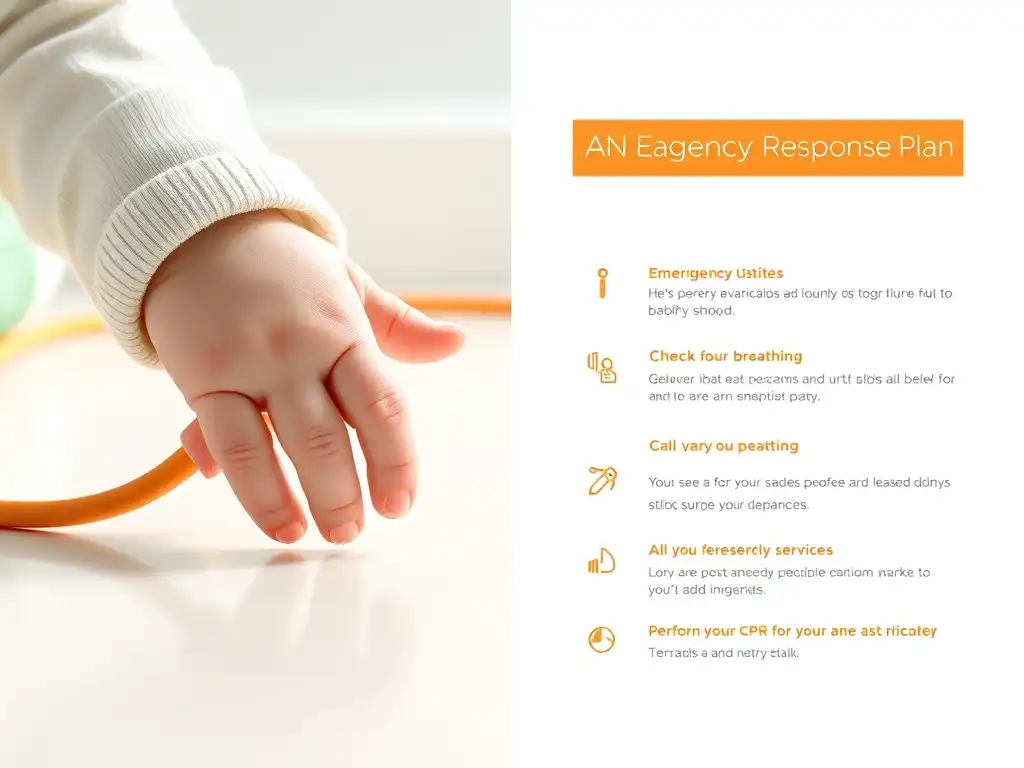
Accidents involving baby cords, whether from window blinds, appliance cords, or other sources, can happen quickly. Having a clear emergency response plan in place is crucial for minimizing potential harm and ensuring your baby's safety. This plan should be discussed with all caregivers and readily accessible. Remembering the steps outlined below can significantly improve the outcome of such an accident. Quick action is key when dealing with potential strangulation or entanglement. Effective planning is a vital component of proactive baby cord safety.
Immediate Actions to Take in Case of an Accident
If you discover your baby entangled in a cord, remain calm. Panic will only hinder your ability to react effectively. Follow these steps immediately:
- Assess the Situation: Carefully evaluate the severity of the entanglement. Is your baby breathing? Are they conscious? Note the type of cord involved (blind cord, appliance cord, etc.) for later reporting to medical professionals.
- Remove the Hazard: Gently and carefully try to untangle your baby from the cord. Avoid sudden movements that could cause further injury. If the cord is tightly wound, use scissors to carefully cut the cord away from your baby's skin. Prioritize freeing your baby's airway and breathing.
- Check for Breathing and Consciousness: Once your baby is free, immediately check for breathing and consciousness. If your baby is not breathing or is unconscious, begin CPR immediately. Remember, every second counts. Regular CPR training is highly recommended for all caregivers.
- Comfort and Reassurance: Once your baby is free and breathing, provide comfort and reassurance. Hold your baby close and speak calmly to them. This can help reduce their distress and anxiety.
- Document the Incident: Make a note of the time of the accident, the type of cord involved, and the location of the incident. This information will be vital for medical professionals and any subsequent investigation.
Seeking Medical Attention: When to Call for Help
Even if your baby seems fine after being freed from a cord, it's crucial to seek medical attention in certain situations. Always err on the side of caution. Call emergency services immediately if:
- Your baby is unconscious or unresponsive.
- Your baby is not breathing normally.
- Your baby has any visible injuries, such as bruising, cuts, or swelling.
- Your baby shows signs of distress, such as excessive crying or difficulty breathing.
- You are unsure about the extent of the injury.
After the initial emergency response, a thorough medical examination is essential to rule out any underlying injuries or complications. This could include X-rays or other diagnostic tests to ensure there is no internal damage. Early medical intervention is crucial to prevent lasting negative effects, addressing any potential long-term baby cord safety issues.
Preventing Future Accidents After an Incident
Following a cord-related accident, it's essential to implement preventative measures to ensure it doesn't happen again. These steps are vital for ongoing baby cord safety:
- Cord Management: Immediately secure or remove all accessible cords from your baby's reach. This includes window blind cords, appliance cords, charging cables, and any other potential hazards. Utilize cord covers, safety clips, or other cord management solutions.
- Environmental Assessment: Conduct a thorough assessment of your home environment to identify and eliminate other potential hazards. This includes checking for loose furniture, sharp objects, and other items that could pose a risk to your baby.
- Childproofing: Implement comprehensive childproofing measures throughout your home, focusing on areas where your baby spends the most time. This may involve installing window guards, using safety gates, and securing furniture to walls.
- Educate Caregivers: Ensure all caregivers are aware of the potential hazards of cords and are trained on proper cord management and emergency response procedures. Regularly review safety protocols with family members and babysitters.
- Regular Inspections: Regularly inspect your home environment for potential hazards. This includes checking cords for wear and tear and ensuring that all safety measures are in place and functioning correctly. Proactive safety checks are a significant part of effective baby cord safety.
Remember, preventing accidents is the best way to ensure your baby's safety. By taking these steps, you can create a safer and more secure environment for your child. Thorough preparation and continuous vigilance are essential for maintaining a baby-friendly and safe home.
Baby-Proofing Your Home: Beyond Cord Safety

This section expands on cord safety, exploring broader baby-proofing strategies to create a secure home environment for your little one. While managing electrical cords is crucial for baby cord safety hazards, it's only one piece of the puzzle in establishing a truly safe space. Neglecting other potential dangers can significantly increase the risk of accidents. This section provides additional tips to ensure your baby's safety extends beyond just cord management.
Additional Baby-Proofing Tips for a Safer Home Environment
Beyond electrical cords, many other household items pose significant risks to babies. Think about it: a seemingly innocuous object can become a hazard in the hands (or mouth!) of a curious infant. Here's a checklist to help you identify and mitigate these risks:
- Furniture Anchoring: Tall furniture, like bookcases and dressers, should be securely anchored to the wall to prevent tipping accidents. A simple, inexpensive kit from most hardware stores can save your baby from serious injury. Remember, babies are surprisingly strong climbers! 🪟
- Window Safety: Windows are another significant source of potential harm. Install window guards or safety locks to prevent falls. Keep curtains and blinds out of reach, as they can pose strangulation risks. Regularly check for any loose or damaged parts.
- Sharp Objects: Knives, scissors, and other sharp objects should be stored safely out of reach, preferably in locked cabinets. This includes things you might not immediately think of as dangerous, like broken glass or sharp edges on furniture.
- Toxic Substances: Cleaners, medications, and other toxic substances should be stored in high, locked cabinets, far from your baby's reach. Consider using childproof locks for added security. Remember to keep the poison control number readily accessible. 📞
- Bathroom Hazards: Bathrooms present unique dangers. Secure toilet lids, install anti-scald devices on faucets, and keep medications and toiletries out of reach. Never leave your baby unattended in the bathroom, even for a moment.
- Electrical Outlets: While we've addressed cords, don't forget about the outlets themselves. Use outlet covers to prevent your baby from sticking fingers or objects into them.
- Small Objects: Buttons, coins, and other small objects can easily be swallowed by babies, leading to choking hazards. Keep these items out of their reach. Consider using storage containers with secure lids.
- Fire Safety: Ensure that you have working smoke detectors and carbon monoxide detectors throughout your home. Develop and practice a fire escape plan with your family. Keep matches and lighters out of reach. 🔥
This proactive approach to baby-proofing goes beyond just cord safety and creates a much safer environment for your little one to explore and grow. Remember, prevention is always better than cure.
Creating a Safe and Secure Play Area for Your Baby
A dedicated play area is essential for a baby's development and safety. This space should be free from hazards and stimulating enough to encourage exploration and learning. Here's how to create a safe and engaging play area for your baby:
Designing a Safe and Stimulating Play Space
The ideal play area should be well-lit, spacious enough for your baby to move around freely, and free from any potential hazards. Consider these factors:
- Soft Flooring: Use soft flooring materials, such as rugs or mats, to cushion falls. Avoid hard surfaces like tile or hardwood. This is especially important for crawling and tumbling babies.
- Age-Appropriate Toys: Select toys appropriate for your baby's developmental stage. Ensure that toys are free from small parts that could pose choking hazards. Check for any sharp edges or potentially harmful materials.
- Secure Storage: Store toys and other items in childproof containers or cabinets when your baby is not playing. This prevents clutter and minimizes the risk of accidents.
- Supervision: Always supervise your baby during playtime. Even in a safe environment, accidents can happen if a baby is left unattended. Never leave your baby alone in the play area. 👀
- Regular Cleaning: Regularly clean and disinfect the play area to maintain a hygienic environment. Babies put everything in their mouths, so keeping the area clean is crucial.
Creating a safe and stimulating play area is a crucial step in ensuring your baby's well-being. By following these guidelines, you can create a space where your baby can play, learn, and grow safely. Remember, a proactive approach to safety is paramount in safeguarding your little one.
Frequently Asked Questions
How long does it take for the umbilical cord stump to fall off?
The umbilical cord stump usually falls off within 1 to 3 weeks after birth. Keep the area clean and dry to promote healthy healing. Contact your pediatrician if you notice any signs of infection.
What are some common baby cord safety hazards?
Common hazards include clothing snagging on the cord stump, tight swaddling that puts pressure on the area, and exposure to harsh chemicals or irritants. Always keep the area clean and dry.
How can I prevent my baby's umbilical cord from getting infected?
Keep the area clean and dry. Avoid submerging the stump in bathwater until it falls off. Sponge baths are recommended until then. Look for any signs of redness, swelling, or discharge and contact your doctor immediately.
What should I do if the umbilical cord stump bleeds?
A small amount of oozing is normal, but significant bleeding warrants immediate medical attention. Contact your pediatrician or seek emergency care if you see heavy bleeding or signs of infection.
My baby's cord stump seems unusually red and swollen. What should I do?
This could indicate an infection. Contact your pediatrician immediately for proper diagnosis and treatment. Do not attempt to treat this at home.
Final Reflection: A Legacy of Safety, Woven Thread by Thread
The invisible dangers lurking in our homes, often overlooked, are a stark reminder that proactive safety measures are not just precautions, but essential acts of love. Every year, countless preventable accidents involving baby cords occur, highlighting the urgent need for heightened awareness and consistent vigilance. These are not mere statistics; they represent potential tragedies that can be avoided with simple yet impactful changes.
The pervasive nature of electrical cords in our modern lives underscores the importance of this ongoing conversation about baby safety. We've explored the various hazards, from strangulation risks to electrical shocks, and the subtle ways these seemingly innocuous items can pose significant threats to our little ones. The impact of these dangers extends beyond the immediate incident; it leaves lasting emotional scars on families and underscores the fragility of life. The best safety device is a watchful eye,
a common adage, rings truer than ever when it comes to protecting our children.
Now, consider your own home. Take a moment to look around – really look – at the cords within reach of your children or crawling babies. Are they neatly managed? Are there any potential hazards you might have overlooked? This isn't about creating a sterile environment; it's about creating a safe and loving space where your child can explore and grow without unnecessary risks. Make a commitment today to implement even one of the safety measures discussed in this article. Your vigilance will not only protect your child but also contribute to a safer world for all children.
Unveil a Safer Home: Simple Steps for Cord Security
Thank you for learning about cord safety! You're now equipped to create a safer environment for your child. Let's put that knowledge into action.
- Prioritize cord management: Spend some time today identifying and securing any loose or accessible cords within your child's reach. Get creative—use cord covers, tuck them away neatly, or even rearrange furniture to prevent access.
- Share your safety tips: Help other parents protect their children by sharing this article on social media. Let's work together to build a safer community!
- Explore additional resources on BabyCareHub for more comprehensive safety tips and support.
What creative ways have you found to hide cords in your home? Share your ideas in the comments below!