
Beyond Jealousy: Helping Your Child Embrace Their New Sibling Role

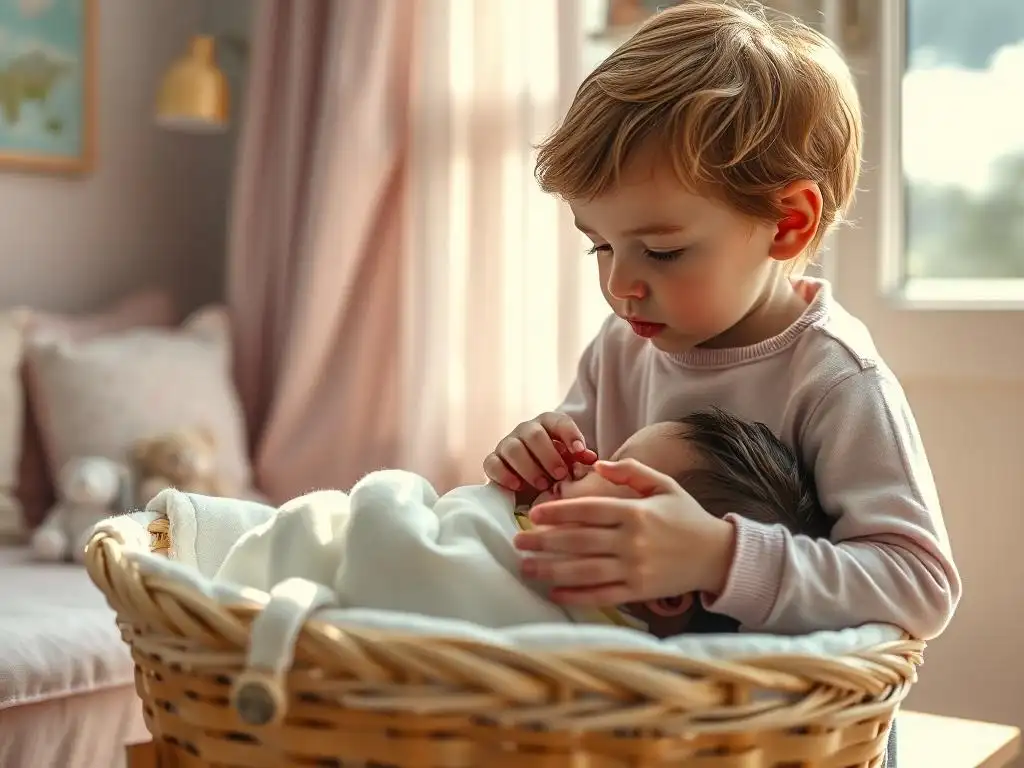
Welcome to BabyCareHub, your ultimate guide to navigating the incredible journey of parenthood! Are you a first-time parent facing the unique challenges of a new arrival? We understand the rollercoaster of emotions, especially when dealing with sibling jealousy.
Discover practical, step-by-step advice in our latest article, "Beyond Jealousy: Helping Your Child Embrace Their New Sibling Role," and learn how to foster a loving and harmonious family dynamic from the very beginning. Let us help you build a strong foundation for your growing family. Explore our expert resources on feeding, sleep, development, and more – your path to confident parenthood starts here!
- Understanding Sibling Jealousy: The Roots of Newborn Sibling Rivalry
- Preparing Your Older Child for the Arrival of the Newborn: Proactive Strategies for Minimizing Sibling Jealousy
- Fostering a Positive Sibling Relationship After the Baby Arrives: Practical Newborn Sibling Advice
- Managing Difficult Behaviors: Newborn Sibling Rivalry and Difficult Behavior Management Strategies
- Seeking Professional Help: When to Seek Support for Sibling Jealousy
- Long-Term Sibling Relationships: Building a Foundation of Love and Support
-
Frequently Asked Questions
- How can I prepare my older child for the arrival of a new sibling?
- My toddler is acting out since the baby arrived. Is this normal?
- What are some effective strategies to reduce sibling jealousy?
- How do I handle situations where my children are fighting over toys or attention?
- My older child is regressing (e.g., wetting the bed). Is this related to the new baby?
- Final Reflection: Cultivating Sibling Bonds in the Face of Change
- Unleash the Joy: Nurturing Sibling Bonds
Understanding Sibling Jealousy: The Roots of Newborn Sibling Rivalry
The arrival of a new baby is a joyous occasion, but it can also trigger a complex emotional rollercoaster for older siblings. While the focus naturally shifts to the newborn, it's crucial to understand and address the potential for sibling jealousy – a common experience that can manifest in various ways, significantly impacting family dynamics. This article provides practical advice and strategies for navigating the challenges of sibling rivalry, specifically focusing on helping your child embrace their new role as a big brother or sister.
We'll explore the underlying causes of sibling jealousy, identify key signs, and offer effective techniques to foster a positive and loving relationship between your children, ultimately contributing to a harmonious family environment. Understanding and proactively managing sibling jealousy is vital for ensuring the well-being of all your children and creating a supportive family unit.
This is especially important when dealing with the significant life change that a newborn brings. The keyword "Sibling jealousy newborn advice" is central to this discussion, providing parents with the specific guidance they need during this transition.
Recognizing the Signs of Sibling Jealousy in Toddlers and Preschoolers
Sibling jealousy in young children often manifests differently than in older children. Toddlers and preschoolers may not have the vocabulary to express their feelings directly, relying instead on behavioral cues. Common signs include:
- Regression: A sudden return to earlier behaviors like thumb-sucking, bedwetting, or demanding a bottle, even if they've outgrown these habits. This is a clear indication of insecurity and a need for attention.
- Increased clinginess: The older child might become excessively attached to one parent, seeking constant physical affection and attention.
- Aggression towards the baby: This could range from subtle pushing or hitting to more overt acts of aggression. While concerning, it's important to understand this is often a manifestation of their frustration and confusion.
- Whining and tantrums: An increase in frequency and intensity of tantrums and whining can signal underlying feelings of resentment and jealousy.
- Negative verbalizations: While limited in vocabulary, toddlers and preschoolers may express their dislike for the baby through words and actions.
- Changes in appetite or sleep: Disruptions to their usual eating and sleeping patterns are also common signs of stress and emotional turmoil.
It’s important to remember that these behaviors are not necessarily intentional acts of malice, but rather expressions of a child's struggle to adapt to the changes in the family dynamic. Early recognition of these signs is crucial for timely intervention and preventing the development of more significant behavioral problems. Patience, understanding, and consistent positive reinforcement are key components of successful management.
Addressing the Underlying Causes of Sibling Competition and Resentment
Sibling rivalry often stems from a perceived loss of attention and affection. The arrival of a newborn inevitably alters the family dynamic, demanding a significant shift in parental focus and resources. The older child may feel displaced, neglected, or even replaced. To address this, parents need to:
- Acknowledge and validate their feelings: Let the older child know that their feelings are normal and understandable. Avoid dismissing their concerns or minimizing their emotions. Phrases like, "It's okay to feel a little sad or angry when a new baby comes home," can be incredibly helpful.
- Maintain one-on-one time: Prioritize dedicated time with the older child, engaging in activities they enjoy. This shows them that they are still loved and valued. Even 15-20 minutes of undivided attention can make a significant difference.
- Involve them in baby care (appropriately): Age-appropriate tasks, such as choosing a toy for the baby or helping with diaper changes (under supervision), can foster a sense of responsibility and involvement.
- Positive reinforcement: Reward positive behaviors towards the baby with praise and affection. This reinforces the desired behavior and strengthens their bond.
- Maintain consistent routines: Sticking to established routines as much as possible provides stability and security for the older child during this period of change.
Addressing the root causes of sibling jealousy requires proactive measures and a conscious effort from parents to maintain a balance between caring for the newborn and nurturing the older child's emotional needs. This requires patience, understanding, and a commitment to fostering a strong sibling bond.
The Impact of Age Difference on Sibling Dynamics and Jealousy
The age gap between siblings significantly influences the intensity and manifestation of sibling jealousy. A smaller age gap often leads to more intense competition for resources and parental attention, as the children are at similar developmental stages and compete for the same things. Larger age gaps can result in less direct competition but may still present challenges related to understanding and empathizing with the younger sibling's needs.
For example, a toddler might struggle to understand why their parent is spending so much time with a baby who cannot yet play or communicate in the same way. Conversely, an older child might resent the disruption to their routine or feel burdened by responsibilities related to the newborn. Adapting strategies to address sibling rivalry requires considering the specific age differences and developmental stages of each child.
For instance, involving an older child in age-appropriate activities with the baby can foster a sense of responsibility and connection, while providing a toddler with extra one-on-one time and attention can alleviate feelings of neglect. The key is to tailor approaches to the unique needs and developmental stages of each sibling to mitigate the impact of age differences on sibling dynamics and jealousy.
Preparing Your Older Child for the Arrival of the Newborn: Proactive Strategies for Minimizing Sibling Jealousy
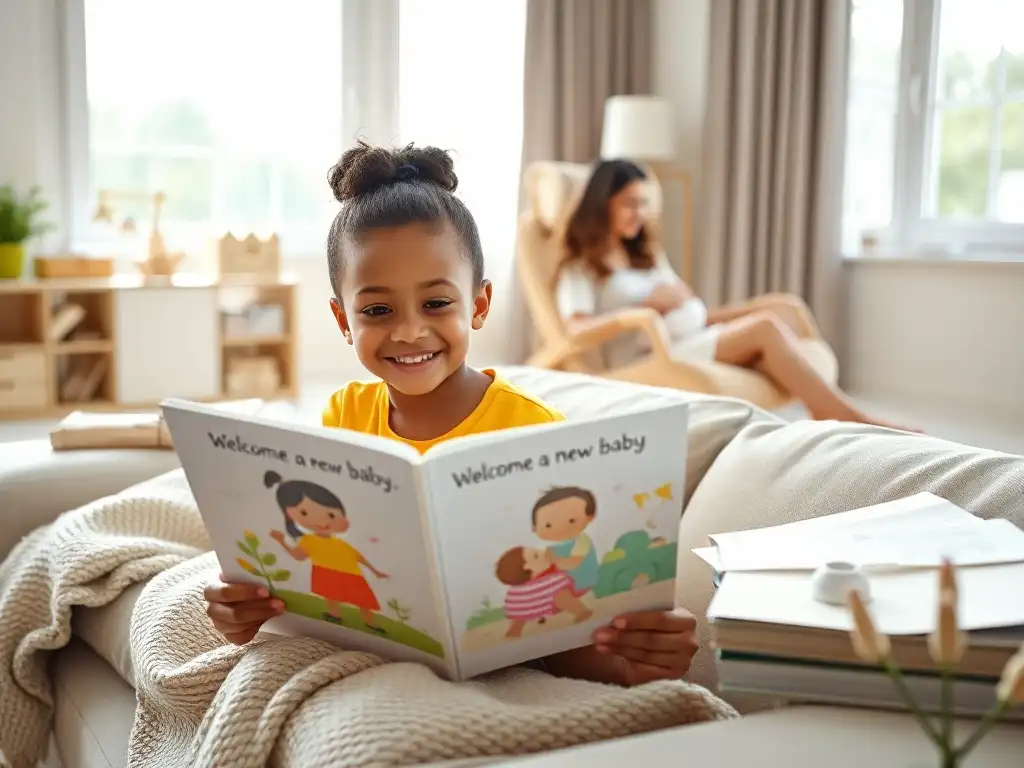
This section focuses on proactive strategies to mitigate sibling jealousy stemming from a newborn's arrival. Successfully navigating this transition requires careful planning and a thoughtful approach, minimizing disruption and maximizing the older child's sense of security and importance. Remember, early and consistent preparation is key to fostering a positive sibling relationship from the outset. This is crucial for effective sibling jealousy newborn advice.
Involving Your Older Child in the Pregnancy Journey: Creating a Sense of Anticipation
Including your older child in the pregnancy journey can significantly reduce feelings of displacement and resentment. Don't treat the pregnancy as a secret; instead, involve them in age-appropriate ways. For example:
- Reading books about babies together: Choose books that focus on the excitement and wonder of a new sibling, not just the practical aspects of baby care.
- Letting them feel the baby kick: This tangible connection can foster a sense of excitement and anticipation.
- Choosing baby items together: Allowing your child to participate in selecting clothes, toys, or a crib sheet can make them feel included in the process.
- Creating a special "big sibling" box: Fill it with gifts specifically for your older child to open when the baby arrives. This reinforces their special role in the family.
- Preparing a special place for the baby: Let them help decorate the nursery or choose a spot for the baby's crib. This gives them a sense of ownership and helps them prepare for the change.
Remember to acknowledge and validate their feelings throughout this process. Phrases like, "I know you're excited/nervous about the baby coming," can help them feel heard and understood. This proactive approach is essential for effective newborn sibling advice.
Preparing Your Child for Changes in Routine and Attention: Minimizing Disruption
The arrival of a newborn inevitably disrupts the established family routine. To minimize the impact on your older child, plan ahead and implement strategies to preserve their sense of normalcy as much as possible.
- Maintaining consistent routines: Try to maintain bedtime routines, mealtimes, and other established patterns as much as possible. Even small consistencies can provide a sense of stability.
- Scheduling special one-on-one time: Dedicate specific times each day or week for focused attention on your older child. This could be reading time, playtime, or simply cuddling. This shows them that they are still loved and valued.
- Enlisting support: Don't be afraid to ask for help from family or friends, allowing you to dedicate more quality time to your older child.
- Explaining changes in advance: Prepare your child for potential changes in routine, such as less playtime or shorter story times. Age-appropriate explanations can help them adjust better.
Data shows that children who feel secure and understood are less likely to exhibit significant sibling rivalry. Proactive planning and consistent attention are critical components of managing sibling jealousy and ensuring a smooth transition for the whole family.
Introducing the Concept of a New Sibling: Age-Appropriate Explanations and Activities
Introducing the concept of a new sibling needs to be tailored to your child's age and understanding. Use age-appropriate language and avoid overwhelming them with complex details.
- For toddlers (1-3 years): Use simple terms and focus on the positive aspects. For example, "The baby will be so cute, and we can play together soon!"
- For preschoolers (3-5 years): You can start explaining the baby's growth inside the mother's tummy and what it will be like when the baby is born. Simple visuals, like baby pictures or videos, can be helpful.
- For older children (5+ years): You can provide more detailed explanations about the baby's development, needs, and how the family dynamic will change.
Incorporating activities like drawing pictures of the baby, making a welcome banner, or choosing a name can further help them embrace the upcoming changes. This proactive approach to newborn sibling advice is vital for creating a positive and supportive family environment. Remember, patience and understanding are key in navigating this transition. The goal is to help your older child feel loved, secure, and excited about their new sibling, transforming potential jealousy into a positive and loving bond.
Fostering a Positive Sibling Relationship After the Baby Arrives: Practical Newborn Sibling Advice
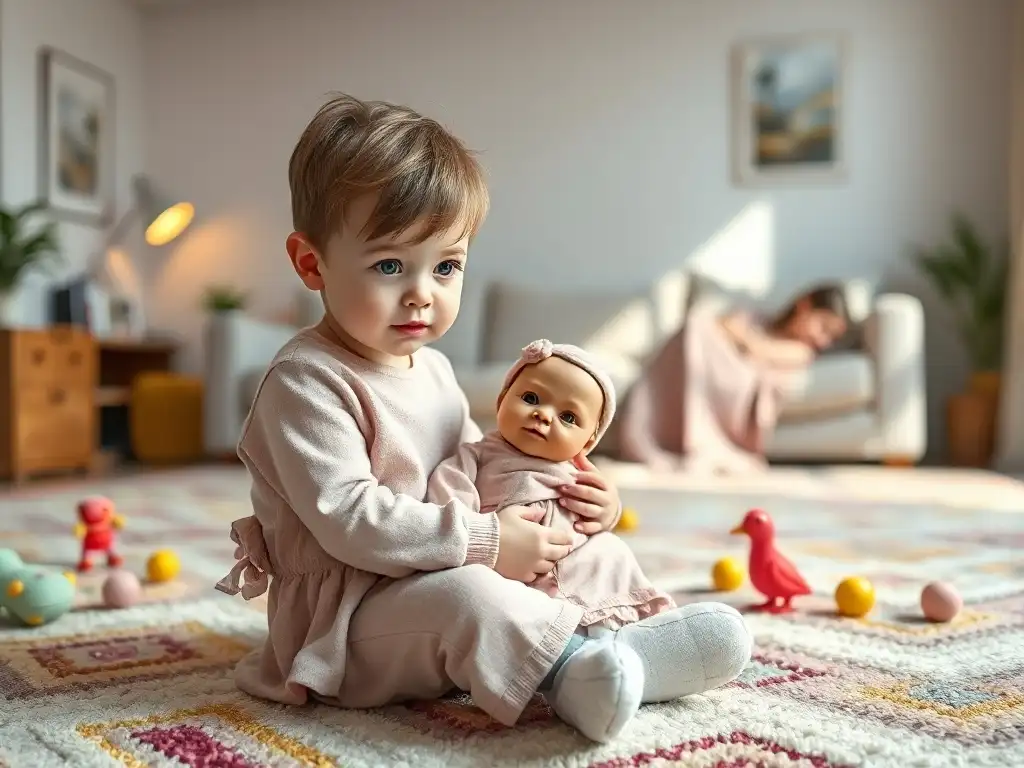
The arrival of a newborn significantly alters family dynamics, often triggering feelings of jealousy and resentment in older siblings. Successfully navigating this transition requires proactive planning and consistent effort. This section offers practical advice to minimize sibling rivalry and foster a loving bond between your children. Understanding the root causes of sibling jealousy—a shift in parental attention, competition for resources, and feelings of displacement—is the first step towards effective intervention. This is crucial advice for parents seeking to mitigate "sibling jealousy newborn" issues.
Creating Special One-on-One Time with Your Older Child: Maintaining Individual Bonds
Prioritizing individual time with your older child is paramount. Before the baby arrives, establish a dedicated "special time" routine—perhaps a weekly date for a favorite activity, like a trip to the park or a baking session. Continue this routine after the baby's birth, ensuring it remains a consistent and cherished part of your older child's week. This dedicated time demonstrates that their importance hasn't diminished, directly addressing a common source of "sibling jealousy newborn" concerns. Even 15-20 minutes of focused attention can make a world of difference.
Consider rotating activities to keep things fresh and exciting. One week it could be reading together, the next week building with blocks, and the following week, playing a board game. The key is consistent, undivided attention. This dedicated time fosters a strong sense of security and individual worth, reducing feelings of being overlooked.
Involving your older child in age-appropriate baby care tasks can foster a sense of belonging and shared responsibility. This shouldn't be about burdening the child, but about creating positive associations with the new baby. Simple tasks like fetching diapers, choosing outfits, or helping with gentle baby massage can be empowering. Remember to praise and appreciate their contributions, emphasizing the positive impact they have on the baby and the family.
This approach subtly shifts the dynamic from competition to collaboration, reducing the likelihood of "sibling jealousy newborn" issues manifesting. For example, you can let your older child help choose a book to read to the baby during naptime, or let them help pick out the baby's clothes for the day. This shared experience builds a sense of teamwork and belonging. Remember to adjust the level of involvement based on your child's age and maturity.
Celebrating Your Older Child's Achievements and Independence: Positive Reinforcement and Encouragement
Actively celebrating your older child's accomplishments and independence is vital. Acknowledge their efforts, no matter how small, with genuine praise and encouragement. This reinforces their self-worth and reduces the feeling of being overshadowed by the new baby. This is especially important in addressing "sibling jealousy newborn" concerns. For example, if they successfully complete a difficult puzzle, make a big deal about it.
If they help with chores around the house, acknowledge their contribution. This positive reinforcement fosters a feeling of self-esteem and reduces the likelihood of acting out due to jealousy. Consider creating a special chart to track their achievements, rewarding them with small privileges or tokens of appreciation. Remember, consistent positive reinforcement builds confidence and strengthens your bond. This proactive approach helps counterbalance the attention shift towards the newborn and promotes a positive sibling relationship.
Managing Difficult Behaviors: Newborn Sibling Rivalry and Difficult Behavior Management Strategies
Sibling rivalry is a common occurrence, especially following the arrival of a newborn. The sudden shift in family dynamics, increased parental attention towards the baby, and the disruption of established routines can trigger a range of challenging behaviors in older siblings. This section focuses on practical strategies for managing these behaviors, offering parents effective techniques to navigate this transitional phase. Understanding the root causes of these behaviors – often stemming from feelings of insecurity, displacement, and unmet needs – is crucial before implementing any intervention.
Effective management isn't about punishment, but about understanding and addressing the underlying emotional turmoil. Remember, patience and consistency are key. This isn't just about managing sibling jealousy newborn advice; it's about fostering a loving sibling bond.
Dealing with Regression in Behavior: Understanding and Addressing Setbacks
Many older siblings experience behavioral regression after a new baby arrives. This might manifest as a return to earlier developmental stages, such as thumb-sucking, bed-wetting, or clinging to parents more intensely. These are not necessarily signs of defiance but rather indicators of stress and insecurity. For example, a five-year-old who was previously potty-trained might start having accidents. This isn't a deliberate act of rebellion, but a manifestation of anxiety and a need for reassurance.
To address regression, focus on providing extra love, attention, and reassurance. Maintain consistent routines as much as possible, offering familiar comforts and stability. Positive reinforcement for good behavior is far more effective than punishment for regression. Celebrate small victories and acknowledge their feelings. For instance, if your child is regressing to thumb-sucking, try gentle reminders and positive distractions rather than harsh reprimands. Remember, patience and understanding are key components of successful sibling jealousy newborn advice. Consistent routines and positive reinforcement can significantly reduce regression.
Consider creating a special “big sibling” routine or activity, dedicated time solely for the older child, to help them feel valued and loved. This could be reading a bedtime story together, playing a special game, or simply cuddling on the couch. These dedicated moments of one-on-one attention can significantly reduce feelings of neglect and insecurity.
Addressing Aggressive or Negative Behaviors Towards the Newborn: Effective Discipline Techniques
While some sibling rivalry manifests as regression, other children may exhibit aggressive or negative behaviors directed towards the newborn. This could range from verbal teasing and name-calling to physical acts of aggression, such as hitting or pinching. These behaviors require a firm but compassionate response. It’s crucial to understand that these actions are often rooted in insecurity and a desire for attention, not malicious intent. However, such behaviors cannot be tolerated.
Effective discipline in this context involves:
- Immediate and consistent consequences: Establish clear rules and boundaries, and consistently enforce them. If your child hits the baby, immediately and calmly remove them from the situation, explaining clearly why their behavior is unacceptable.
- Empathy and understanding: Before implementing any consequences, take time to understand your child's feelings. Ask them why they acted the way they did, and validate their emotions. This does not mean condoning the behavior, but acknowledging the underlying feelings of frustration or jealousy.
- Positive reinforcement: Focus on rewarding positive interactions between siblings. Praise and encourage any instances of kindness, sharing, or helpfulness towards the baby. This positive reinforcement strengthens desirable behaviors.
- Modeling appropriate behavior: Children learn by observing adults. Demonstrate respectful and loving interactions with your partner and your baby. This sets a positive example for your child to emulate.
Remember, discipline should be about teaching, not punishing. The goal is to guide your child towards positive behaviors and help them develop healthy coping mechanisms for their emotions.
Encouraging Positive Interactions Between Siblings: Mediation and Conflict Resolution
Building a positive sibling relationship requires proactive effort and careful mediation. This isn't solely about reacting to negative behaviors; it's about actively fostering positive interactions. The goal is to move beyond managing sibling jealousy newborn advice and into creating a supportive and loving environment.
Several strategies can be employed:
- Structured playtime: Create opportunities for positive interactions by organizing structured playtime. Choose activities that encourage cooperation and collaboration, such as building a block tower together or playing a board game.
- Sibling bonding activities: Dedicate specific time for activities solely focused on the older sibling and the newborn. This could be reading a book together, singing songs, or simply cuddling.
- Mediation and conflict resolution: When conflicts arise, intervene calmly and impartially. Help the children express their feelings and find solutions together. Teach them conflict resolution skills, such as compromise and negotiation.
- Positive reinforcement: Continue to praise and reward positive interactions. Highlight instances of kindness, sharing, and cooperation between the siblings.
By proactively fostering positive interactions, parents can create a supportive environment where siblings learn to love and support each other, transforming potential sibling rivalry into a loving bond. This proactive approach is a powerful strategy for long-term sibling harmony, moving beyond simply addressing immediate concerns related to sibling jealousy newborn advice.
Seeking Professional Help: When to Seek Support for Sibling Jealousy
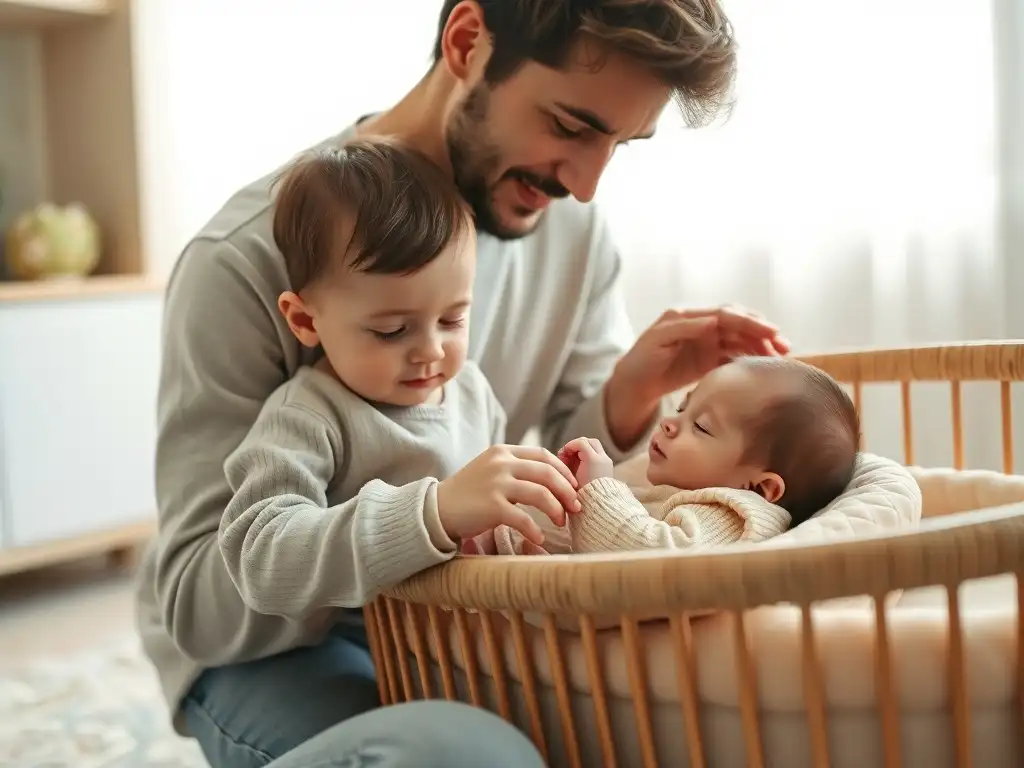
Sibling rivalry is a common experience, but sometimes jealousy escalates beyond typical sibling squabbles. Knowing when to seek professional help is crucial for maintaining a healthy family dynamic and supporting your children's emotional well-being. Ignoring persistent issues can lead to long-term behavioral problems and strained relationships. This section offers guidance on recognizing warning signs and accessing helpful resources to address sibling jealousy effectively.
We'll explore when professional intervention becomes necessary and how to find the right support for your family. Remember, seeking help is a sign of strength, not weakness, and prioritizing your children's mental health is paramount. This advice is specifically tailored to address concerns related to "sibling jealousy newborn advice".
Identifying Warning Signs That Indicate a Need for Professional Intervention
Several red flags might indicate that your child's jealousy requires professional intervention. These aren't isolated incidents but rather persistent patterns of behavior. Consider seeking professional help if you observe:
- Persistent aggression towards the newborn: This goes beyond typical sibling teasing and includes hitting, biting, kicking, or intentionally harming the baby. The frequency and intensity of these actions are key indicators. For example, if your older child consistently tries to hurt the baby, even after repeated warnings and interventions, professional help is warranted.
- Significant regression in behavior: Potty training accidents, thumb-sucking reappearance, or a return to baby talk after previously mastering these milestones can signify your child's distress and need for additional support. These regressions are often a direct response to the stress of a new sibling.
- Extreme withdrawal and isolation: If your child becomes unusually withdrawn, isolating themselves, refusing to interact with family members, or showing significant changes in their appetite or sleep patterns, it's important to seek professional assessment. These behavioral changes can signal underlying emotional distress.
- Self-harm or suicidal ideation: These are serious warning signs requiring immediate professional intervention. Even subtle mentions or indications of self-harm necessitate contacting a mental health professional immediately. Your child's safety is the utmost priority.
- Difficulty managing emotions: Outbursts of anger, frustration, or sadness that are disproportionate to the situation and difficult to manage with standard parenting techniques could indicate a need for professional support. For example, if minor inconveniences consistently trigger intense tantrums, professional help may be beneficial.
Finding Resources and Support Groups for Families Experiencing Sibling Conflict
Navigating sibling rivalry can be challenging, and you don't have to do it alone. Numerous resources and support groups offer valuable assistance to families experiencing sibling conflict. These resources provide a safe space to share experiences, learn coping strategies, and connect with others facing similar challenges. Remember, seeking support is a sign of proactive parenting and a commitment to fostering a positive family environment. Finding the right support group can significantly ease the stress associated with "sibling jealousy newborn advice".
Here are some avenues to explore:
- Therapists specializing in family dynamics: These professionals can provide tailored guidance and support for your family. They can help you develop strategies for managing conflict, improving communication, and strengthening sibling bonds.
- Parent support groups: Connecting with other parents facing similar challenges can provide valuable emotional support and practical advice. Sharing experiences and learning from others can make a significant difference.
- Online forums and communities: Many online platforms offer support groups dedicated to sibling rivalry and newborn adjustments. These forums provide anonymity and access to a wider network of support.
- Your pediatrician or family doctor: They can offer referrals to appropriate resources and professionals in your area. They can also provide valuable insights into your child's development and behavior.
Utilizing Therapy and Counseling to Address Sibling Jealousy and Promote Bonding
Therapy and counseling offer structured support to address sibling jealousy and promote bonding. A therapist can help your family develop effective communication skills, conflict-resolution strategies, and techniques to foster positive sibling relationships. Therapy provides a safe and neutral space for each child to express their feelings and concerns without judgment. The goal is to create a more harmonious family environment where siblings feel loved, understood, and secure, ultimately alleviating the anxieties associated with "sibling jealousy newborn advice".
Different therapeutic approaches can be beneficial:
- Family therapy: This approach involves the entire family in sessions, focusing on improving communication and resolving conflicts within the family unit.
- Individual therapy: This can be helpful for children struggling to process their emotions related to the new sibling. Individual sessions provide a space for the child to explore their feelings without the pressure of sibling dynamics.
- Play therapy: This is particularly effective with younger children, allowing them to express their emotions through play and creative activities.
Remember, seeking professional help is a positive step towards building a stronger, more loving family. Early intervention can significantly improve outcomes and prevent long-term negative consequences.
Long-Term Sibling Relationships: Building a Foundation of Love and Support
This section focuses on the crucial role parents play in shaping the long-term dynamics between siblings, particularly when navigating the challenges of a new baby's arrival. Successfully managing sibling jealousy during the newborn phase is not just about immediate conflict resolution; it's about building a strong foundation of love, support, and mutual respect that will last a lifetime. The strategies discussed here aim to cultivate positive sibling relationships, minimizing future conflict and maximizing the benefits of sibling bonds. This approach is vital for providing effective sibling jealousy newborn advice.
The Importance of Modeling Positive Sibling Relationships: Setting a Good Example
Children learn by observing their parents' behavior. Modeling positive interactions between siblings and adults is paramount. This means demonstrating empathy, respect, and affection in your own relationships—with your spouse, family members, and even friends. Show your older child how you resolve disagreements constructively and express affection openly. For example, instead of dismissing a sibling's feelings, actively listen to their concerns and validate their emotions. Consider these examples:
- Active Listening: When your older child expresses frustration about the baby, don't simply say "You'll get used to it." Instead, actively listen, acknowledge their feelings ("It sounds like you're feeling a bit left out. "), and offer reassurance ("I understand. We'll make sure you still get plenty of special time together. ").
- Demonstrating Affection: Public displays of affection between siblings, such as hugs and compliments, reinforce positive feelings and create a culture of warmth and caring within the family.
- Fairness and Equity (but not equality): While it's impossible to treat siblings identically, strive for fairness. Ensure that each child feels loved, valued, and respected, acknowledging their individual needs and personalities.
Fostering Empathy and Understanding Between Siblings: Encouraging Kindness and Compassion
Empathy is the cornerstone of positive sibling relationships. Actively encourage your older child to understand the baby's needs and limitations. Help them see the baby not as a competitor for your attention, but as a vulnerable being who requires care and nurturing. Here's how you can foster empathy:
- Involve the older sibling in age-appropriate care: Allow your older child to participate in simple tasks like choosing a baby outfit or singing lullabies. This fosters a sense of responsibility and connection.
- Read books about siblings and babies: Stories that depict positive sibling relationships can help your older child understand and process their emotions.
- Use positive language: Frame the baby's arrival as a positive addition to the family, emphasizing the joy and love that the baby brings. Avoid phrases like "You have to share Mommy/Daddy now." Instead, focus on the benefits of having a sibling, such as having a playmate or a lifelong friend.
Celebrating Sibling Bonds: Creating Lasting Memories and Traditions
Creating special moments and traditions dedicated to the siblings helps strengthen their bond and minimizes feelings of rivalry. Consider these ideas:
- One-on-one time: Schedule regular one-on-one time with each child, ensuring that each feels individually loved and cherished. This dedicated time shows each child they are special and important, regardless of the new baby.
- Sibling-only activities: Plan activities specifically for the siblings, creating shared experiences and memories. This could be anything from baking cookies together to playing a board game or going on a special outing.
- Family rituals: Establish family rituals and traditions that involve both siblings, such as bedtime stories, family dinners, or weekly game nights. These rituals create a sense of belonging and shared identity. This strengthens family unity and helps reduce the feelings of displacement that often fuel sibling jealousy. Remember to adapt these rituals to accommodate the baby's needs as they grow.
The successful navigation of sibling jealousy requires proactive and consistent effort. By focusing on building a strong foundation of love, empathy, and shared experiences, parents can foster positive sibling relationships that will enrich their children's lives for years to come. This proactive approach provides valuable sibling jealousy newborn advice, setting the stage for a harmonious family dynamic.
Frequently Asked Questions
How can I prepare my older child for the arrival of a new sibling?
Start well in advance of the baby's arrival. Involve your older child in preparations like choosing baby items or reading books about becoming a big sibling. This helps them feel included and excited.
My toddler is acting out since the baby arrived. Is this normal?
Yes, this is a common reaction called sibling rivalry. It's perfectly normal for your older child to feel jealous, angry, or confused. Focus on giving them extra attention and reassurance.
What are some effective strategies to reduce sibling jealousy?
Spend one-on-one time with your older child daily, engaging in activities they enjoy. Make sure they still get plenty of attention and affection, even with a newborn in the house. Positive reinforcement is key.
How do I handle situations where my children are fighting over toys or attention?
Stay calm and mediate fairly. Help them find solutions, such as taking turns or sharing. Emphasize that their feelings are valid but that hitting or yelling is not acceptable. Positive reinforcement when they cooperate is crucial.
Yes, regression is common after a new sibling arrives. It's a way for your child to express their feelings and seek attention. Maintain consistency with routines and offer extra comfort and reassurance. Patience and understanding are essential.
Final Reflection: Cultivating Sibling Bonds in the Face of Change
The arrival of a new sibling is a seismic shift in a family dynamic, often triggering intense emotions in older children. Navigating these feelings effectively is crucial not only for the immediate well-being of the family but also for shaping the long-term sibling relationship. Understanding the roots of sibling jealousy and employing proactive strategies is key to fostering a supportive and loving environment for all.
The impact of a new baby extends far beyond the immediate family unit; it ripples outwards, influencing the child's social development, their self-esteem, and their future relationships. The most important thing a father can do for his children is to love their mother.
This quote, while traditionally focused on marital dynamics, highlights the interconnectedness of family relationships. A secure and loving environment built on understanding and empathy is the foundation for healthy sibling bonds, even amidst the challenges of a new arrival. My own experience with sibling rivalry, though challenging at times, ultimately taught me the profound value of patience, communication, and unconditional love.
Consider the lessons learned within these pages. You are not alone in this journey. Embrace the opportunity to nurture your child's emotional growth, fostering empathy and understanding as they navigate this significant life change. By actively engaging with your child, providing reassurance, and creating special one-on-one time, you can help them not only cope with the arrival of their new sibling but also build a strong and enduring bond that will last a lifetime. Remember, the effort you invest now will yield immeasurable rewards in the years to come.
Unleash the Joy: Nurturing Sibling Bonds
Thank you for exploring the wonderful world of sibling relationships! We hope this article provided valuable insights into helping your children thrive within their evolving family dynamic. Now, let's put those insights into action.
- Prioritize individual time with each child: Schedule dedicated time for individual attention – even just 15 minutes a day can significantly foster a sense of security and love, preventing feelings of jealousy and encouraging healthy sibling bonds.
- Create a special sibling tradition: Invent a fun activity just for your children to share – perhaps reading together, building a fort, or even creating a secret language! This builds a strong sense of shared identity and belonging.
- Share this article with other parents: Spread the word and help other families navigate this beautiful, yet sometimes challenging, aspect of parenthood.
What unique strategies are you using to nurture positive sibling relationships in your family? Let's share ideas and support each other in creating a loving and harmonious home for everyone!