
BabySafe Flooring: Choosing the Right Materials for Crawling and Playing

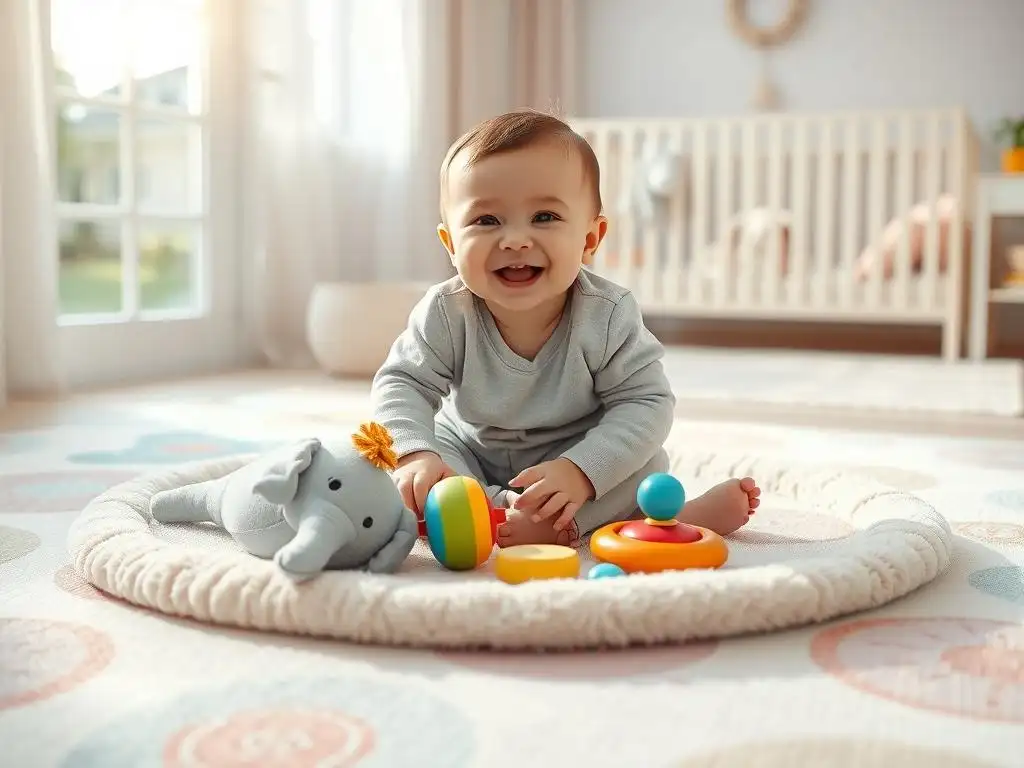
Welcome to BabyCareHub, your ultimate guide to navigating the wonderful, yet sometimes overwhelming, world of parenthood! Are you ready to create a safe and stimulating environment for your little one? Then discover the secrets to selecting the best baby safe floor mats for your crawling and playing champion. We'll delve into the crucial aspects of choosing the right materials, ensuring both safety and comfort for your baby's precious development. Let's explore the options together and build a haven of happiness for your child!
- Understanding the Importance of Safe Baby Flooring
-
Best Baby Safe Floor Mats: A Comprehensive Guide
- Soft Play Mats: Comfort and Safety for Little Ones
- Foam Floor Tiles: Interlocking Puzzles for Easy Installation and Cleaning
- Rubber Flooring: Durability and Grip for Active Play
- Wooden Flooring: A Natural and Stylish Choice (with safety considerations)
- Carpet and Rugs: Softness with Safety Precautions
- Comparing Materials: Pros and Cons of Baby-Safe Flooring Options
- Choosing the Right Flooring Based on Your Baby's Age and Development Stage
- Installation and Maintenance of Baby-Safe Flooring
- Creating a Safe and Stimulating Play Area with Baby-Safe Flooring
- Frequently Asked Questions about Baby-Safe Flooring
- Frequently Asked Questions
- Final Reflection: Protecting Our Little Ones, One Floor at a Time
- Unleash Your Little One's Playtime Potential!
Understanding the Importance of Safe Baby Flooring
Choosing the right flooring for your baby's play area is a crucial step in creating a safe and stimulating home environment. As your little one begins to crawl, explore, and eventually toddle, the floor becomes their primary playground. This means selecting flooring that not only looks good but also prioritizes your baby's safety, comfort, and well-being is paramount.
This article will guide you through the process of selecting the best baby safe floor mats and other flooring options, focusing on key factors like cushioning, hygiene, and ease of cleaning. We’ll explore various materials and highlight the features that make them ideal for creating a safe and healthy space for your baby's development.
Choosing the right flooring is an investment in your child's safety and peace of mind for you, a first-time parent navigating the exciting, yet sometimes overwhelming, world of baby care. Finding the best baby safe floor mats is a key part of this process.
Why Safe Flooring Matters for Crawling Babies
Babies spend a significant amount of time on the floor, particularly during their crawling and early walking stages. This makes the floor a critical area for safety considerations. Hard flooring, such as tile or hardwood, offers little to no cushioning, increasing the risk of injuries from falls or bumps. A soft, padded surface significantly reduces the impact of falls, protecting your baby's head and body from bruises and more serious injuries.
Furthermore, a comfortable floor encourages your baby to explore and play freely, promoting their physical development and overall well-being. Choosing a surface that is both soft and easy to clean is essential for creating a safe and hygienic environment. Think about it: your baby will inevitably put things in their mouth, so easy cleaning is key! 👶
Protecting Your Baby from Impacts: Cushioning and Shock Absorption
The ability of your flooring to absorb impact is crucial for protecting your baby from injury. Look for flooring with adequate cushioning. This is especially important for hardwood floors or tile, which offer minimal shock absorption. The thickness and material of the flooring will dictate its shock-absorbing capabilities. For example, thicker foam play mats provide superior cushioning compared to thinner options or rugs.
Consider the height from which your baby might fall – a higher fall necessitates a floor with greater impact absorption. Remember that while a soft, cushioned surface is crucial, it's also important to choose a material that isn't so soft that it restricts your baby's movement or presents a potential suffocation hazard. The right balance is key! ✨
Hygiene and Easy Cleaning: Preventing Germs and Allergies
Maintaining a clean and hygienic environment for your baby is essential for their health. The floor is a high-traffic area where spills, crumbs, and dirt accumulate. Therefore, choosing flooring that is easy to clean and resistant to stains and germs is a top priority. Look for materials that are easy to wipe down or vacuum, and consider hypoallergenic options if your baby has allergies or sensitivities.
Materials like vinyl or certain types of foam mats are generally easier to clean than carpet. Regular cleaning will help prevent the buildup of dust mites and other allergens, contributing to a healthier environment for your baby. Remember, a clean floor is a happy, healthy baby! 🧼
Choosing Non-Toxic and Eco-Friendly Materials
Selecting non-toxic and eco-friendly materials for your baby's play area is paramount. Babies spend a significant amount of time on the floor, exploring their world through touch and even mouthing objects. This means they're directly exposed to whatever materials are used in your flooring. Prioritize materials that are free from harmful chemicals like phthalates, BPA, lead, and formaldehyde.
These chemicals are often found in cheaper plastics and foams. Look for certifications like GREENGUARD Gold, which indicates that the product has been tested for low chemical emissions and meets stringent standards for indoor air quality. This is especially important because babies are more vulnerable to the effects of toxins than adults.
Furthermore, consider the overall environmental impact of the materials. Opt for products made from recycled materials or those from sustainably harvested resources. Bamboo flooring, for example, is a rapidly renewable resource and offers a naturally beautiful and durable surface. Cork is another excellent eco-friendly option, known for its softness, natural cushioning, and hypoallergenic properties. It's important to remember that "eco-friendly" doesn't necessarily mean expensive.
Many affordable options are available that prioritize both safety and sustainability. Researching brands committed to ethical sourcing and manufacturing practices can help you make informed choices that benefit both your baby and the planet. Remember to check the product's care instructions; some eco-friendly materials may require specific cleaning methods to maintain their integrity and safety. Choosing sustainably sourced and non-toxic materials for your baby's flooring is an investment in their health and a contribution to a healthier environment.
Best Baby Safe Floor Mats: A Comprehensive Guide
Choosing the right flooring for your baby's play area is crucial for their safety and development. This guide explores some of the best baby-safe floor mats available, focusing on materials, benefits, and considerations for creating a safe and stimulating environment for your little one. Finding the best baby safe floor mats involves careful consideration of several factors, and this section will help you navigate those choices.
Soft Play Mats: Comfort and Safety for Little Ones
Soft play mats are a popular choice for baby's play areas, offering excellent cushioning and a soft surface for little ones to explore. These mats are typically made from materials like EVA foam or polyethylene foam, known for their shock-absorbing properties. This makes them ideal for protecting your baby from bumps and falls during their early crawling and tumbling stages. The soft texture also contributes to a comfortable and inviting play space.
Many soft play mats come with vibrant colors and engaging designs, stimulating your baby's visual development. Some even feature letters, numbers, or animals, providing early learning opportunities. However, it’s crucial to check for certifications indicating the mat is free from harmful chemicals like phthalates and BPA. These chemicals can be detrimental to your baby's health.
Consider the thickness of the mat. Thicker mats offer superior cushioning, providing better protection against impacts. The thickness should be adequate to prevent your baby from feeling the hardness of the underlying floor. Regular cleaning is important; look for mats that are easy to wipe clean or machine washable. This will help maintain hygiene and prevent the accumulation of germs and bacteria. Choosing a waterproof mat is also beneficial for dealing with inevitable spills and messes.
Foam Floor Tiles: Interlocking Puzzles for Easy Installation and Cleaning
Foam floor tiles offer a versatile and practical flooring solution for baby's play areas. These interlocking tiles are typically made from EVA foam, providing a soft and cushioned surface. One of their main advantages is the ease of installation; they simply click together, allowing you to create a play area of any size and shape. This flexibility is particularly useful if you need to adapt the play area to different rooms or spaces.
Unlike large play mats, foam tiles are easily cleaned. Individual tiles can be removed and wiped down or even machine washed (check manufacturer instructions), making them ideal for dealing with spills and messes. The interlocking design also makes them easy to repair or replace individual damaged tiles, extending the lifespan of the flooring.
However, the thickness of foam tiles can vary significantly, impacting their cushioning effectiveness. Ensure you choose tiles with sufficient thickness to provide adequate protection from falls. Also, consider the tile's surface texture; some tiles have a slightly textured surface that can provide better grip, preventing slipping. Furthermore, inspect the edges of the tiles to ensure they are smooth and rounded to avoid any sharp edges that could pose a risk to your baby.
Rubber Flooring: Durability and Grip for Active Play
Rubber flooring, often made from recycled rubber, is a durable and long-lasting option for baby's play areas. It offers excellent shock absorption and provides a good grip, reducing the risk of slips and falls. This type of flooring is particularly suitable for active babies who are constantly crawling, walking, or playing. Its resilience makes it suitable for high-traffic areas.
Rubber flooring is known for its resistance to wear and tear, making it a cost-effective choice in the long run. It’s also relatively easy to clean and maintain. However, the material can be slightly less soft than EVA foam mats, so consider this factor if softness is a primary concern. Furthermore, some rubber flooring options may have a stronger odor initially; ensure adequate ventilation to dissipate this smell before your baby uses the area.
When selecting rubber flooring, check for certifications confirming its safety and the absence of harmful chemicals. Consider the thickness of the flooring; thicker options offer better cushioning and protection. The color and design can also be a factor; choose options that appeal to your baby and create a stimulating environment. Remember to check for any small particles or debris that may have gotten embedded in the rubber. Regular cleaning will help prevent this.
Wooden Flooring: A Natural and Stylish Choice (with safety considerations)
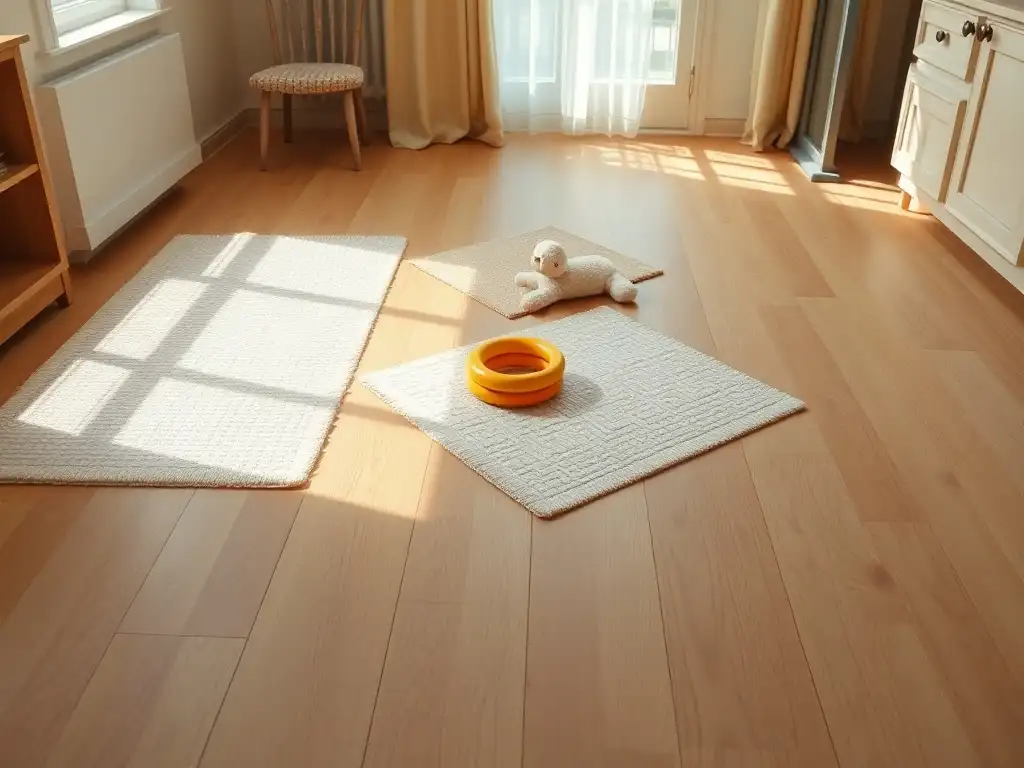
Wooden flooring offers a classic, aesthetically pleasing look that can enhance any home's décor. Its durability is a significant advantage, capable of withstanding years of wear and tear from active little ones. However, when considering it for a baby's play area, safety is paramount. The hardness of wood presents a potential hazard; falls onto bare wooden floors can result in bumps and bruises. To mitigate this risk, several precautions are necessary.
Firstly, consider using area rugs or soft mats strategically placed in high-traffic play zones. These will cushion impacts and reduce the risk of injury. Secondly, ensure the wood is properly sealed and free of splinters or sharp edges. Regular inspections and prompt repairs are crucial to maintaining a safe environment.
Furthermore, choose a finish that is non-toxic and baby-safe, avoiding harsh chemicals that could pose health risks. Finally, remember that even with safety measures in place, constant supervision is vital, especially during a baby's crawling and early walking stages. A polished wooden floor can become incredibly slippery, especially when wet, so take extra care to clean up spills immediately. While wooden floors can be a beautiful and long-lasting choice, careful planning and ongoing vigilance are essential to ensure your baby's safety.
Carpet and Rugs: Softness with Safety Precautions
Carpet and rugs provide a soft and cushioned surface, ideal for protecting your baby from falls. The inherent softness minimizes the impact of tumbles, making them a popular choice for nurseries and play areas. However, choosing the right carpet and rug is crucial for both safety and hygiene. Opt for carpets with low pile height to avoid tripping hazards and to make cleaning easier. High-pile carpets can trap dust, dirt, and allergens, potentially triggering respiratory issues in babies.
Regular vacuuming, ideally with a HEPA filter vacuum, is essential to maintain cleanliness. Additionally, consider the material of the carpet. Natural fibers like wool are often hypoallergenic and durable, while synthetic options might be more affordable but may release harmful VOCs (volatile organic compounds) if not properly treated. Look for carpets specifically labeled as low-VOC or baby-safe. When it comes to rugs, choose those with non-slip backing to prevent them from shifting or bunching, which could lead to falls.
Regularly inspect rugs for loose threads or frayed edges that could pose a choking hazard to your baby. Remember that even with soft flooring, constant supervision is key to preventing accidents. Although carpets and rugs offer a soft landing, they can also be a source of germs if not properly cleaned and maintained. Therefore, diligent cleaning and regular inspection are crucial to ensure a safe and healthy environment for your little one. Choosing the right carpet and rugs is a key step towards creating a safe and comfortable space where your baby can learn, grow, and play.
Comparing Materials: Pros and Cons of Baby-Safe Flooring Options
Choosing the right flooring for your baby's play area is crucial for their safety and development. This section dives deep into the most popular baby-safe flooring options, weighing their advantages and disadvantages to help you make an informed decision and find the best baby safe floor mats for your little one. We'll analyze factors like cushioning, ease of cleaning, durability, and cost to ensure you select the ideal surface for your crawling and playing baby.
Soft Play Mats: Advantages and Disadvantages
Soft play mats are a popular choice for many parents, offering a cushioned surface to protect your baby from bumps and falls. These mats often come in various thicknesses, colors, and designs, making them visually appealing and stimulating for babies.
Advantages:
- Excellent Cushioning: Soft play mats provide superior shock absorption, minimizing the impact of falls and protecting your baby's delicate bones and joints. A thicker mat generally offers better protection. Consider a mat with at least ½ inch thickness for optimal cushioning.
- Variety of Designs and Styles: From vibrant colors and playful patterns to educational alphabets and numbers, soft play mats offer a wide selection to suit any nursery décor. This visual stimulation can also aid in your baby's cognitive development.
- Easy to Clean (mostly): Many soft play mats are made from wipeable materials, making cleaning up spills and messes relatively simple. However, always check the manufacturer's cleaning instructions as some require more specialized cleaning methods.
- Portability: Many soft play mats are lightweight and easy to roll up and store, making them perfect for moving between rooms or taking on trips.
Disadvantages:
- Potential for Bacteria Growth: The porous nature of some soft play mats can make them a breeding ground for bacteria and germs if not cleaned regularly and thoroughly. Frequent sanitization is essential.
- Durability Concerns: Depending on the material and quality, some soft play mats may not be as durable as other flooring options. They might tear or become damaged with prolonged use, especially with active toddlers.
- Cost: High-quality, durable soft play mats can be relatively expensive compared to other options like foam tiles.
Foam Floor Tiles: Pros and Cons
Foam floor tiles offer a budget-friendly and versatile solution for creating a safe play area. They are available in various sizes, thicknesses, and colors, and are often interconnecting for easy installation and rearrangement.
Pros:
- Affordable: Foam floor tiles are generally less expensive than soft play mats, making them an attractive option for parents on a budget.
- Easy Installation: The interlocking design makes installation quick and straightforward, requiring no special tools or expertise. You can easily rearrange or expand the play area as needed.
- Water Resistance: Many foam tiles are water-resistant, making them easy to clean and suitable for use in areas prone to spills.
- Variety of Thicknesses: Different thicknesses provide varying levels of cushioning, allowing you to choose the best level of protection for your baby.
Cons:
- Less Cushioning than Soft Play Mats: While they offer some cushioning, foam tiles generally provide less shock absorption than thicker soft play mats.
- Potential for Cracking and Damage: Over time, foam tiles can crack or become damaged, especially with heavy use or sharp objects.
- Less Aesthetically Pleasing (sometimes): While designs are improving, some foam tiles might not be as visually appealing as soft play mats.
Rubber Flooring: Benefits and Drawbacks
Rubber flooring, often found in gyms and play areas, is another option for creating a safe and durable play space for your baby. It comes in various forms, including interlocking tiles and rolled flooring.
Benefits:
- Exceptional Durability: Rubber flooring is extremely durable and can withstand heavy use and impact, making it a long-lasting investment.
- Superior Cushioning: It offers excellent shock absorption, providing superior protection against falls and impacts.
- Easy to Clean: Rubber flooring is typically easy to clean and maintain, making it ideal for messy play areas.
- Slip Resistance: Rubber flooring provides good slip resistance, reducing the risk of your baby slipping and falling.
Drawbacks:
- Higher Cost: Rubber flooring is usually more expensive than foam tiles and soft play mats.
- Less Variety in Design: The design options for rubber flooring are often more limited compared to other options.
- Potential for Odor: Some rubber flooring may have a strong odor, especially when newly installed. Ensure you choose a low-VOC (volatile organic compound) option to minimize this risk.
Choosing the "best" baby-safe floor mat ultimately depends on your budget, priorities (cushioning, durability, aesthetics), and your baby's needs. Carefully consider the pros and cons of each material before making your decision. Remember to always prioritize safety and choose a flooring option that provides adequate cushioning and is easy to clean.
Wooden Flooring: Advantages and Disadvantages (with safety considerations)
Wooden flooring offers a classic and aesthetically pleasing look for any home, but its suitability for babies requires careful consideration. One significant advantage is its durability. Hardwood floors, when properly sealed, can withstand years of wear and tear from crawling, playing, and even the occasional spill. This longevity makes it a worthwhile investment for families. Furthermore, wooden floors are relatively easy to clean; a quick sweep or mop is usually sufficient to remove crumbs, dust, and other common baby-related messes. This ease of cleaning contributes to a healthier environment for your little one, minimizing exposure to allergens and bacteria.
However, wooden floors also present some challenges for baby safety. The hard surface can be unforgiving for falls, leading to bumps and bruises. While a soft rug or playmat can mitigate this risk, it's essential to ensure that the rug is securely placed to prevent tripping hazards. Another concern is the potential for splintering, particularly with older or less well-maintained floors. Regular inspections and prompt repairs are crucial to prevent injuries.
Finally, the temperature of wooden floors can fluctuate significantly, becoming uncomfortably cold in winter and potentially hot in summer. Using rugs or mats can help to regulate temperature and provide a more comfortable surface for your baby. Choosing a wood type with inherent warmth, like cherry or maple, can also help. Ultimately, while wooden flooring can be a stylish and durable choice, careful planning and safety precautions are necessary to ensure a safe environment for your baby.
Carpet and Rug Considerations: Safety and Practicality
Carpet is often considered a softer, more forgiving option than hardwood for babies, absorbing impacts from falls and providing a warmer surface for crawling. The cushioning effect can help protect your baby from injuries, making it a popular choice among parents prioritizing safety. Furthermore, carpets can help reduce noise levels, creating a quieter and more peaceful environment for your little one. This is particularly beneficial during nap times or quiet playtime.
However, carpets also come with potential drawbacks. They can trap dust mites, pet dander, and other allergens, potentially triggering allergic reactions in susceptible babies. Regular vacuuming, ideally with a HEPA filter vacuum, is essential to mitigate this risk. Deep cleaning, perhaps professionally, should be considered at least once a year.
While carpet offers undeniable advantages in terms of cushioning and warmth, careful selection and diligent maintenance are essential to ensure its suitability for a baby-friendly environment. Choosing the right carpet can be a significant factor in creating a safe and comfortable space for your little one, but it's a decision that requires careful consideration of practicality and safety.
Choosing the Right Flooring Based on Your Baby's Age and Development Stage
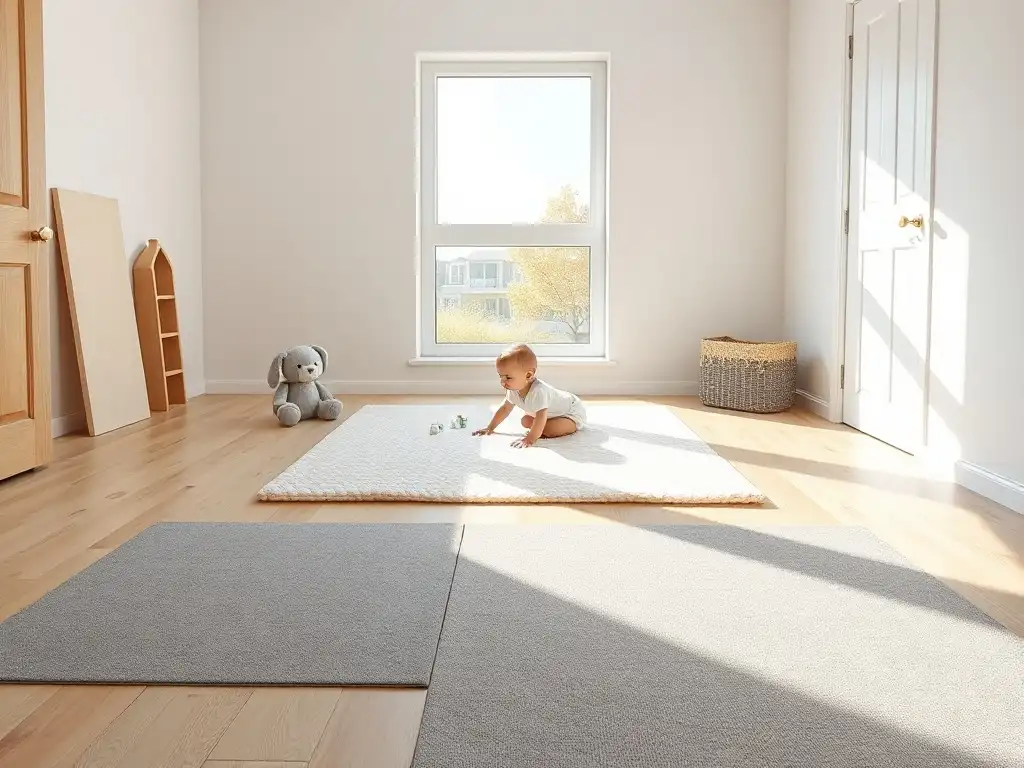
Selecting the best baby safe floor mats and overall flooring is crucial for creating a safe and stimulating environment for your little one. The ideal flooring will depend heavily on your baby's age and developmental stage. Their needs change rapidly, so consider these key phases:
Flooring for Crawling Babies (0-9 months)
This is a crucial period for development. Babies at this stage are exploring the world on their hands and knees, putting everything in their mouths, and experiencing a range of textures for the first time. Therefore, your flooring choices should prioritize:
- Softness and Cushioning: Falls are inevitable! Soft flooring like thick carpet, foam play mats, or interlocking foam tiles significantly reduces the impact of tumbles, protecting your baby's head and body. Look for mats with at least ½ inch thickness for optimal cushioning. Consider the density of the foam; higher density generally means better impact absorption.
- Easy to Clean: Babies are messy! Spills, drool, and the occasional accident are all part of the package. Choose flooring that's easily wiped clean or can be quickly spot-cleaned. Avoid materials that absorb liquids readily, as these can harbor bacteria and become difficult to sanitize. Waterproof options are ideal.
- Non-Toxic and Hypoallergenic Materials: Your baby will be spending a significant amount of time on the floor, so it's vital to ensure the materials are non-toxic and hypoallergenic. Look for certifications such as GREENGUARD Gold, which indicates low chemical emissions. Avoid materials that might trigger allergies or contain harmful chemicals. Natural materials like rubber or bamboo are often good choices.
- Interesting Textures: While safety is paramount, don't underestimate the importance of sensory stimulation! Look for mats with varied textures – bumpy, smooth, soft, slightly firm – to engage your baby's tactile senses and encourage exploration. This can enhance their development and make playtime more interesting.
Flooring for Toddlers (9-24 months)
As babies become more mobile and start to pull themselves up, crawl faster, and even take their first steps, the flooring requirements shift slightly. While softness remains important, durability and ease of cleaning become even more critical.
- Durable and Water-Resistant: Toddlers are notorious for spills and accidents. The flooring needs to withstand the wear and tear of active play, including dropped toys, spilled drinks, and the occasional clumsy fall. Look for durable materials that are easy to clean and resist staining. Consider vinyl flooring or high-quality, durable foam mats.
- Easy to Maintain: Regular cleaning is essential, so choose flooring that's easy to vacuum, mop, or wipe. Consider the ease of spot cleaning for immediate spills. A durable surface will also resist scratches and scuffs from toys.
- Slip-Resistant: As your toddler starts to walk, slip-resistant flooring becomes vital to prevent falls. Look for materials with a slightly textured surface that provides good traction. Avoid overly smooth surfaces that may be slippery when wet.
- Safe Edges: If using individual mats, ensure they have smooth, rounded edges to prevent injuries. Avoid sharp corners or protruding pieces that could pose a hazard.
Flooring for Active Play (24+ months)
Once your child is confidently walking and running, the focus shifts towards durability and ease of cleaning, while still maintaining a degree of softness. At this stage, you might consider:
- Hardwood or Laminate: These are durable options that are relatively easy to clean. However, they can be hard, so consider adding rugs or area mats in high-traffic areas to provide cushioning and comfort. Choose flooring with a protective finish that resists scratches and stains.
- Resilient Vinyl: Vinyl flooring offers a good balance of durability, water resistance, and affordability. Many options are available that mimic the look of hardwood or tile while offering superior cushioning and slip resistance.
- Large Area Rugs: These can add warmth, comfort, and style to a room while providing cushioning for falls. Choose rugs made from durable, easy-to-clean materials. Make sure the rug is securely fastened to prevent slipping or tripping hazards. Regular vacuuming is key to maintaining hygiene.
Remember, the best flooring solution is one that caters to your baby's specific needs and your family's lifestyle. Consider the pros and cons of each material carefully before making a decision. Prioritizing safety, ease of cleaning, and appropriate cushioning will help create a comfortable and safe space for your child to thrive.
Installation and Maintenance of Baby-Safe Flooring
Choosing the right baby-safe flooring is only half the battle. Proper installation and consistent maintenance are crucial for ensuring a safe and hygienic play environment for your little one. This section will guide you through the process, focusing on practical tips and techniques to maximize the lifespan and safety of your chosen flooring. We'll explore different installation methods and cleaning strategies tailored to various materials, ultimately helping you create a healthy and happy space for your baby's development. Remember, regular maintenance is key to preventing accidents and maintaining the integrity of your baby-safe floor mats.
Installing Soft Play Mats and Foam Tiles
Installing soft play mats and foam tiles is generally straightforward, but paying attention to detail ensures a safe and secure surface for your baby. Begin by thoroughly cleaning the floor area where you plan to install the mats. Remove any debris, dust, or dirt. For hard floors, consider using a damp mop to remove any sticky residue.
Next, lay out the mats or tiles according to the manufacturer's instructions. Many interlocking foam tiles are designed to easily click together, creating a seamless surface. Ensure that the edges are tightly fitted to prevent tripping hazards. For larger mats, carefully position them to avoid gaps or overlaps that could cause your baby to stumble. Remember to check for any sharp edges or protruding pieces before allowing your baby to play.
Consider the layout of the room. Positioning mats strategically can create designated play areas, separating different zones for activities. This helps in organizing toys and keeping the play area tidy. For instance, you might dedicate one area for crawling, another for tummy time, and a third for playtime with larger toys. This thoughtful arrangement contributes to a more organized and safe environment. Remember, a well-organized space minimizes the risk of accidents.
Finally, after installation, gently check the stability of each mat or tile. Ensure there are no loose pieces and that the surface is even and secure. Regularly inspect the mats for any wear and tear, paying close attention to edges and seams. Replace any damaged pieces promptly to maintain a safe environment.
Cleaning and Maintaining Different Flooring Types
Maintaining the cleanliness of your baby-safe flooring is paramount to preventing the spread of germs and ensuring a healthy environment for your child. The cleaning method varies depending on the material.
| Flooring Type | Cleaning Method | Frequency | Additional Tips |
|---|---|---|---|
| Soft Play Mats | Wipe spills immediately with a damp cloth; machine wash (if allowed) regularly | Weekly, or as needed | Air dry completely before use; inspect for tears or damage before each use. |
| Foam Tiles | Wipe with a damp cloth and mild soap; spot clean as needed. | Weekly, or as needed | Avoid harsh chemicals; ensure tiles are completely dry before allowing baby access. |
| Rubber Flooring | Sweep or vacuum regularly; mop with a damp cloth and mild detergent. | Weekly, or as needed | Avoid abrasive cleaners; thoroughly rinse and dry. |
| Carpet (baby-safe) | Vacuum regularly; spot clean spills immediately; professional cleaning periodically | Monthly, or as needed | Use a hypoallergenic carpet cleaner; consider using a carpet protector. |
Remember, always check the manufacturer's instructions for specific cleaning recommendations. Using the wrong cleaning products can damage the flooring and potentially compromise its safety. Always prioritize products that are non-toxic and baby-safe. The best baby safe floor mats are those that are easy to clean and maintain while still providing cushioning and protection for your little one.
Safety Checks and Regular Inspections
Regular safety checks are crucial for maintaining a safe play environment for your baby. This involves more than just cleaning; it includes a thorough inspection of the flooring for any potential hazards. This should be a routine part of your baby's room maintenance.
Here's a checklist to guide your regular inspections:
- [ ] Check for loose or damaged pieces: Look for any tiles or mats that are coming apart, have sharp edges, or show signs of significant wear and tear. These should be repaired or replaced immediately.
- [ ] Inspect for tripping hazards: Ensure there are no gaps or uneven surfaces that could cause your baby to trip or fall. Address any issues promptly.
- [ ] Check for small parts: Make sure there are no small pieces that could detach and become choking hazards for your baby.
- [ ] Assess overall stability: Gently test the stability of the flooring to ensure it remains firmly in place and doesn't move easily.
- [ ] Look for signs of wear and tear: Regularly inspect the surface for any signs of wear and tear, such as scratches, stains, or discoloration. This will help you determine when it's time to replace the flooring.
Regular inspections, coupled with appropriate cleaning, will significantly contribute to creating a safe and healthy play area for your baby, maximizing the lifespan of your "best baby safe floor mats" and minimizing potential risks. Remember, proactive safety measures are invaluable in ensuring your baby's well-being.
Creating a Safe and Stimulating Play Area with Baby-Safe Flooring
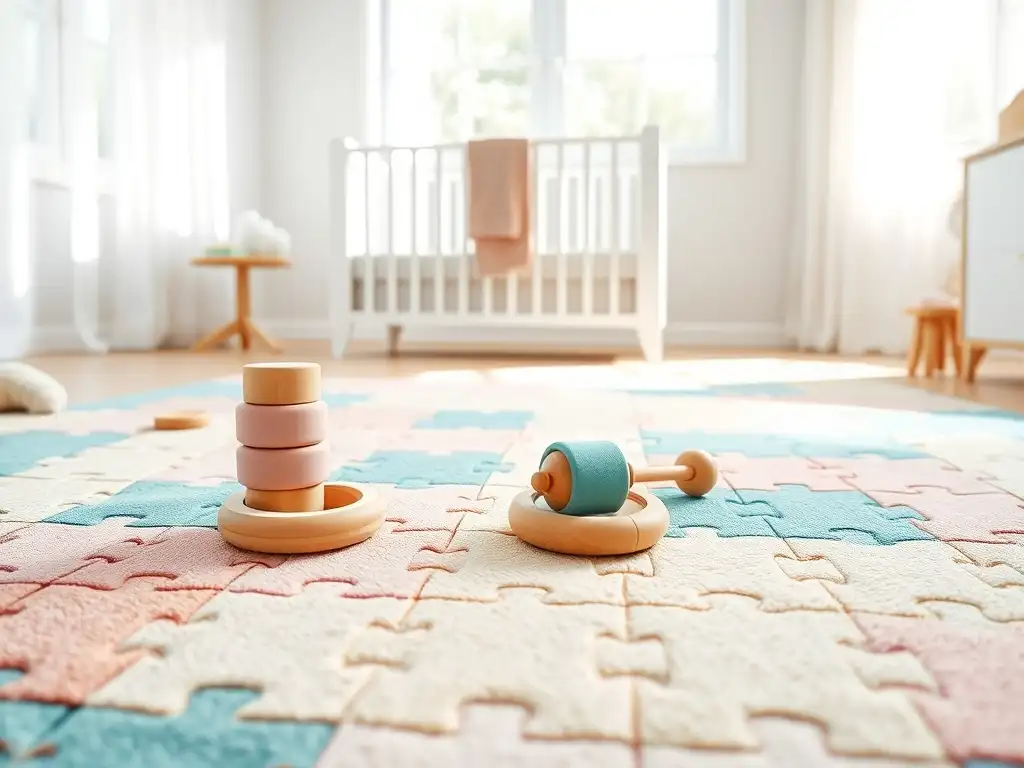
This section focuses on maximizing the safety and developmental benefits of your baby's play area through thoughtful flooring choices. Creating a stimulating environment is crucial for your baby's cognitive and physical development, and the flooring plays a significant role in this. We'll explore how to create a space that's both safe and engaging, fostering your little one's exploration and growth. The right flooring is key to achieving the perfect balance of safety and stimulation for your baby's play area. Remember, selecting the best baby safe floor mats is only one aspect of creating a truly nurturing environment.
Combining Different Flooring Types for a Multi-Functional Space
A truly effective play area often benefits from a combination of flooring types. Consider zoning your space to cater to different activities. For example, a soft, padded area using interlocking foam mats might be ideal for tummy time and crawling, providing ample cushioning for falls.
This section of the room should prioritize best baby safe floor mats that offer excellent shock absorption. Adjacent to this, a section with a washable, durable rug could be designated for playtime with larger toys, offering a slightly different texture and visual stimulation. Finally, a hard, easily cleaned surface like sealed hardwood or tile could be used in an area for changing diapers or other activities where easy cleanup is paramount.
This approach allows for versatility and caters to various developmental stages. The soft mats prioritize safety during those initial months of exploration, while the harder surfaces are easier to maintain as your baby grows and becomes more mobile. Remember to always supervise your baby during playtime, regardless of the flooring type. Think of it like this: a well-designed play area is a multi-sensory experience!
The transition between flooring types should be smooth to avoid tripping hazards. Use rugs with bound edges or consider using transition strips to create a seamless flow between different surfaces. This will ensure a safe and visually appealing environment for your child. Using different textures also provides sensory input, helping your baby develop tactile awareness.
Adding Toys and Play Elements to the Play Area
Once you've chosen your flooring, it's time to focus on the toys and play elements. Remember that the floor itself can be a significant part of the playtime experience. For instance, brightly colored best baby safe floor mats can stimulate your baby's visual development. Consider using mats with different textures or patterns to further engage your baby's senses.
Think about incorporating elements that encourage different types of play. Soft blocks are great for stacking and building, fostering problem-solving skills. Rattles and teethers provide auditory and tactile stimulation. Mirrors can be fascinating for babies to explore their reflections, promoting self-awareness. However, always ensure that all toys are age-appropriate and meet safety standards. Regularly inspect toys for any damage or potential hazards. Remember to prioritize safety above all else. A happy, safe baby is a thriving baby!
Ensuring Adequate Ventilation and Lighting
Creating a safe and stimulating environment also means considering the less obvious factors like ventilation and lighting. Good ventilation is crucial for maintaining a healthy indoor air quality, minimizing the risk of respiratory issues for your baby. Ensure your play area is well-ventilated, perhaps by opening windows regularly or using an air purifier. Avoid using strong-smelling cleaning products near the play area, as these can irritate your baby's sensitive respiratory system.
Natural light is ideal, but if this isn't possible, opt for soft, diffused artificial lighting to avoid harsh shadows. Avoid placing bright lights directly above the play area, as this can be overwhelming for your baby's eyes. A soft glow will create a more calming and enjoyable atmosphere. Good lighting is also important for visibility, ensuring you can always keep a close eye on your little one.
Consider using a dimmer switch to adjust the lighting intensity as needed. Think about the overall ambiance – a well-lit, well-ventilated space contributes to a happy and healthy environment for both you and your baby. Remember, a comfortable and well-designed play area benefits both parent and child.
Frequently Asked Questions about Baby-Safe Flooring
This section addresses common concerns parents have when selecting flooring for their little ones, focusing on the best materials for creating a safe and stimulating play environment. We'll explore cleaning methods and potential safety hazards associated with various flooring options, helping you make an informed decision for your baby's well-being. Remember, choosing the best baby safe floor mats involves careful consideration of several factors.
What are the best materials for baby-safe flooring?
Choosing the right flooring material is crucial for creating a safe and comfortable space for your baby. Several materials stand out as excellent choices for baby-safe flooring, each offering unique benefits:
- Foam mats: These are a popular choice due to their cushioning, softness, and ease of cleaning. They provide excellent impact absorption, protecting your baby from bumps and falls during their active crawling and playing stages. Look for mats made from non-toxic, hypoallergenic materials like EVA foam or closed-cell foam. These are generally easier to clean and resist bacteria growth better than open-celled foams. The interlocking tile style is particularly convenient for creating larger play areas and easy storage.
- Rubber mats: Rubber flooring, especially those made from recycled materials, offers excellent durability and cushioning. They are also relatively easy to clean and are often waterproof, making them ideal for areas prone to spills or accidents. However, ensure the rubber is free of phthalates and other harmful chemicals, as some cheaper options might contain these. Look for certifications indicating compliance with safety standards.
- Wood flooring (with precautions): Hardwood floors can be beautiful and durable, but they require careful consideration for baby safety. Ensure the surface is smooth and free of splinters or sharp edges. Using area rugs or carpets in designated play areas can soften the impact of falls. Regular cleaning and maintenance are essential to prevent the build-up of dust and allergens.
- Carpets (with precautions): Thick, soft carpets can provide cushioning and warmth, but they require diligent cleaning to remove dust mites and allergens. Opt for carpets made from natural fibers or hypoallergenic synthetic materials. Regular vacuuming and professional cleaning are essential to maintain hygiene and minimize potential allergy triggers. Consider using carpet protectors in high-traffic areas to extend their lifespan and reduce wear and tear.
The best material will depend on your individual needs and preferences. Consider factors like your budget, the size of the play area, and your lifestyle. Remember, always prioritize non-toxic, easy-to-clean materials that meet safety standards. Investing in high-quality best baby safe floor mats is an investment in your child's safety and well-being.
How do I clean different types of baby-safe flooring?
Maintaining a clean and hygienic floor is essential for your baby's health. Cleaning methods vary depending on the flooring material:
| Flooring Type | Cleaning Method | Frequency | Precautions |
|---|---|---|---|
| Foam Mats | Wipe with damp cloth; spot clean with mild soap; machine wash (if permitted) | Daily or as needed | Avoid harsh chemicals; air dry completely |
| Rubber Mats | Wipe with damp cloth; spot clean with mild soap; disinfect with appropriate solution | Daily or as needed | Ensure the disinfectant is baby-safe; rinse thoroughly |
| Hardwood Floors | Sweep or vacuum regularly; mop with a damp cloth and mild cleaner | Weekly or as needed | Avoid excessive moisture; use a wood-safe cleaner |
| Carpets | Vacuum regularly; spot clean spills immediately; professional cleaning as needed | Weekly or bi-weekly; professional cleaning annually | Use baby-safe stain removers; avoid harsh chemicals |
Always check the manufacturer's instructions for specific cleaning recommendations. For stubborn stains, consult a professional cleaning service. Remember, regular cleaning helps prevent the buildup of dust, allergens, and bacteria, creating a healthier environment for your baby.
Are there any safety concerns with certain types of flooring?
While many flooring options are safe for babies, some potential hazards need consideration:
- Small parts: Some foam mats or puzzle pieces might have small parts that could pose a choking hazard to infants. Ensure the mats you choose are designed for babies and meet safety standards. Always supervise your baby while they are playing on the floor.
- Chemicals: Be wary of cheaper flooring options that may contain harmful chemicals like phthalates or formaldehyde. Look for certifications from reputable organizations indicating the material is non-toxic and safe for babies. The presence of strong odors can also indicate the use of potentially harmful chemicals.
- Hard surfaces: Hard surfaces like tile or hardwood can be slippery and pose a risk of falls. Using area rugs or mats in these areas can provide cushioning and improve traction.
- Allergens: Carpets and rugs can harbor dust mites and allergens. Regular cleaning and the use of hypoallergenic materials can help minimize these risks. Consider using a HEPA filter vacuum cleaner for more effective allergen removal.
Prioritizing safety is paramount. By selecting appropriate materials, regularly cleaning, and carefully supervising your baby, you can create a safe and enjoyable play environment. Remember, careful selection of best baby safe floor mats is a crucial step in providing a healthy and secure space for your little one.
How much should I spend on baby-safe flooring?
The cost of baby-safe flooring, specifically floor mats, can vary significantly depending on several factors. Size is a major determinant; larger mats naturally cost more. Material also plays a crucial role. High-quality, durable materials like thicker EVA foam or interlocking foam tiles tend to be pricier than thinner, less robust options. Features such as double-sided designs, extra padding, or integrated play features will also increase the price.
You can find basic, smaller foam mats for as little as $10-$20, but larger sets of interlocking tiles or high-end, extra-thick mats can cost upwards of $100-$200 or even more. Consider your budget alongside the size of the area you need to cover and the desired level of cushioning and durability. Don't necessarily equate higher cost with better quality, though; always check reviews and compare features before making a decision.
Prioritizing safety and functionality is key, rather than simply focusing on the lowest or highest price point. Remember, you're investing in your baby's safety and comfort, so finding a balance between cost and quality is essential. Think about the long-term value; a durable mat will last longer, potentially saving you money in the long run compared to cheaper, less durable alternatives that may need replacing sooner.
How to choose the right thickness for baby-safe floor mats?
Choosing the right thickness for your baby-safe floor mats is crucial for maximizing their protective capabilities. The ideal thickness depends on several factors, including your baby's age and developmental stage, the type of flooring underneath, and the level of impact absorption you desire.
For infants who are primarily lying down or rolling around, a slightly thinner mat (around ½ inch to ¾ inch) may suffice. However, as they start crawling and pulling themselves up, a thicker mat (around 1 inch or more) is recommended to provide better cushioning and protection against falls. Thicker mats also offer superior sound insulation, which can be beneficial in reducing noise from your little one's playtime.
Consider the existing flooring. If you have hard flooring like tile or hardwood, a thicker mat is essential to provide adequate cushioning and prevent injuries. Carpet may require a thinner mat, but even then, a mat with some padding will still offer additional protection and comfort. Furthermore, the material of the mat itself impacts its effectiveness. Some materials, like EVA foam, provide better impact absorption than others, even at thinner thicknesses.
Always check the manufacturer's recommendations for thickness and safety standards. Look for mats that meet or exceed safety standards for impact absorption and toxicity. Prioritizing safety should always be your primary concern when choosing the thickness of your baby-safe floor mats. Remember, a thicker mat doesn't always mean better; it's about finding the right balance for your specific needs and your baby's developmental stage. A mat that is too thick can sometimes be unstable or difficult for your child to maneuver on.
Frequently Asked Questions
What are the best materials for baby-safe floor mats?
The best materials are soft, non-toxic, and easy to clean. Look for mats made from foam, rubber, or silicone, avoiding materials containing harmful chemicals like phthalates. Always check for certifications like ASTM F963.
How thick should a baby floor mat be?
A mat should be at least half an inch thick to provide adequate cushioning and protection from falls. Thicker mats offer greater impact absorption, especially for active babies. Consider the age and mobility of your baby when selecting thickness.
Are puzzle mats a good option for baby-safe flooring?
Puzzle mats are a popular choice because of their interlocking design and ease of cleaning. However, ensure the pieces are large enough to prevent choking hazards and that the material is non-toxic and durable.
How do I clean a baby floor mat?
Most baby floor mats can be wiped clean with a damp cloth and mild soap. Some are even machine washable, making them incredibly convenient for cleaning up spills and messes. Always check the manufacturer's instructions for specific cleaning guidelines.
What safety features should I look for in a baby floor mat?
Look for mats with non-slip backing to prevent slipping and sliding. Edge binding will help prevent fraying and improve durability. Also, ensure the mat is free of small parts that could pose a choking hazard, especially for younger babies.
Final Reflection: Protecting Our Little Ones, One Floor at a Time
The quest for the perfect baby-safe floor is more than just a shopping expedition; it's a fundamental act of safeguarding our children's well-being and fostering their development. The choices we make regarding flooring materials directly impact their safety, comfort, and even their cognitive growth. From cushioning falls to preventing exposure to harmful chemicals, the right flooring can make a world of difference.
The journey of selecting baby-safe flooring has profoundly impacted my understanding of the subtle yet significant ways we shape our children's environments. It's a constant reminder of the responsibility we bear as parents and caregivers to create spaces that nurture and protect. The hands that rock the cradle rule the world.
This old adage speaks volumes about the power we wield in shaping the future, starting with the very ground beneath our children's feet. The seemingly small decision of choosing flooring becomes a powerful statement about our commitment to their health and happiness.
Now, I invite you to consider your own home environment. What steps can you take to ensure your little ones have a safe and stimulating space to explore and grow? Take a moment to assess your current flooring, considering its safety, comfort, and suitability for your child's developmental stage. Remember, creating a safe haven for your child is an ongoing process, a testament to your love and dedication. Let's prioritize their well-being, one carefully chosen floor mat at a time.
Unleash Your Little One's Playtime Potential!
Thank you for learning about creating a safe and fun play environment for your baby! We hope you feel confident making informed decisions about flooring. Ready to transform your space?
- Prioritize your baby's safety by reviewing your current flooring against common safety guidelines. Consider the materials and potential hazards to ensure your little one has a safe place to play.
- Share this essential guide with other expectant or new parents – helping them create a safer play area is incredibly rewarding.
- Get creative! Use the ideas discussed to design a playful space—perhaps a colorful rug, soft mats, or even repurposed materials.
What creative solution will you implement to make your baby’s play area the safest and most stimulating possible?