
Baby's First Holiday Rash: Identifying and Treating Skin Irritations

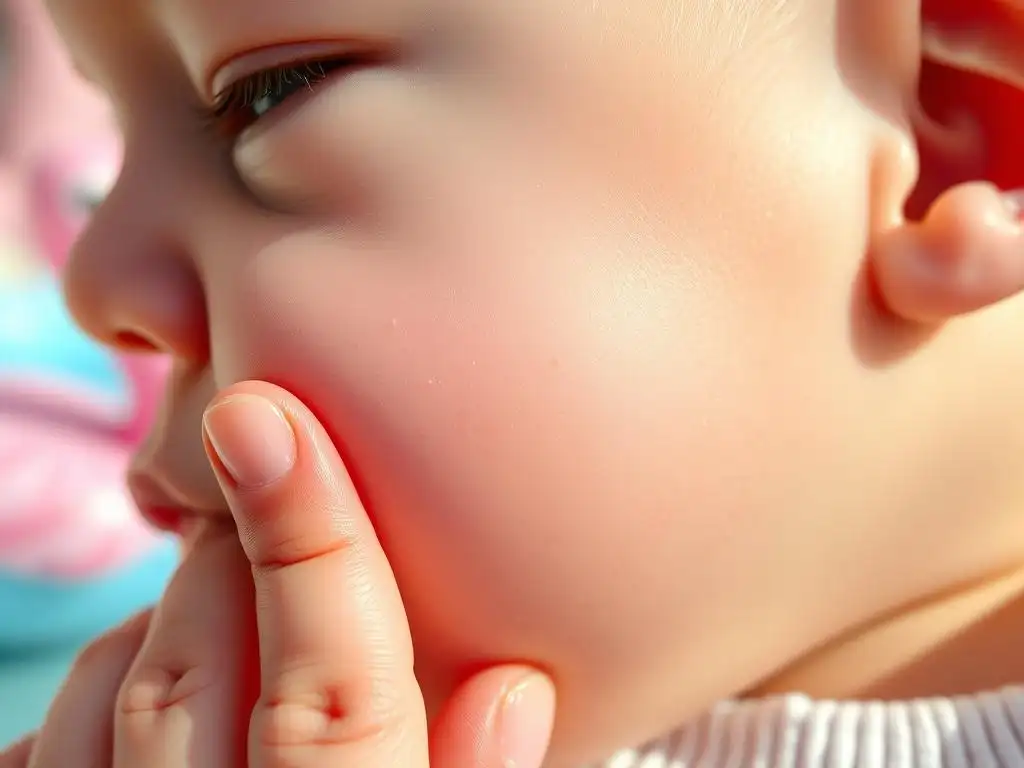
Welcome to BabyCareHub, your ultimate guide to navigating the incredible journey of parenthood! Are you ready to confidently tackle the unexpected challenges – like that dreaded holiday rash? Our Baby rash holiday treatment guide offers expert advice and step-by-step solutions to keep your little one happy and healthy, no matter the adventure. Discover the secrets to preventing and treating common skin irritations, ensuring worry-free family fun. Let's explore how to make this holiday season the best one yet for your baby!
- Understanding Holiday Rashes in Babies: A Parent's Guide
- Baby Rash Holiday Treatment Guide: First Steps at Home
- Preventing Holiday Rashes in Your Baby: Proactive Measures
-
Holiday Rash Prevention Checklist for New Parents
- Creating a Safe and Comfortable Holiday Environment for Your Baby
- Packing Essentials for a Holiday Trip: Baby Skin Care Kit
- Choosing Hypoallergenic Products for Baby's Skin
- Staying Alert for Signs of Skin Irritation During and After the Holidays
- Protecting Baby's Skin from Irritants During Travel
- Hygiene Practices to Prevent Holiday Rashes
-
Frequently Asked Questions
- What are common causes of baby rashes during holidays?
- How can I prevent baby rashes during travel?
- What are some home remedies for mild baby rashes?
- When should I seek professional medical advice for a baby rash?
- Are there specific over-the-counter treatments recommended for holiday-related baby rashes?
- Final Reflection: Protecting Our Little Ones: A Legacy of Healthy Holidays
- Unveil Your Baby's Radiant Skin: Gentle Steps to Holiday Health
Understanding Holiday Rashes in Babies: A Parent's Guide
The holiday season, while filled with joy and celebration, can unfortunately also bring about unexpected challenges for new parents. One such challenge is the appearance of a baby rash, often triggered by environmental factors unique to this time of year.
This comprehensive guide will equip you with the knowledge to identify, understand, and effectively treat common holiday-related skin irritations in your little one. From understanding the root causes of these rashes to differentiating between various types and implementing appropriate treatment strategies, we’ll navigate the complexities of baby skin health during the festive period, ensuring your baby's comfort and well-being remain a top priority.
This guide will serve as your ultimate resource for managing baby rash holiday treatment, providing a step-by-step approach to addressing this common concern. We'll focus on providing a practical and reassuring approach to dealing with baby skin issues during the holiday season, helping you navigate this with confidence and ease.
Common Causes of Holiday Skin Irritations in Infants
The holiday season presents a unique set of potential irritants for a baby's delicate skin. Several factors contribute to the increased incidence of rashes during this time. These include:
- New fabrics: Exposure to new clothing items, often made from synthetic materials or treated with strong dyes or perfumes, can trigger allergic reactions and irritations. Think of those festive outfits! 🎄
- Changes in climate: Traveling to different climates can lead to dry skin or heat rash, depending on the destination. Sudden temperature shifts can also be a contributing factor. ✈️
- Increased exposure to allergens: Holiday gatherings often involve a variety of foods, decorations, and scented products which can be potential allergens for babies with sensitive skin. Think of scented candles, pine trees, and strong perfumes. 🕯️
- New skincare products: The introduction of new lotions, creams, or soaps intended for holiday-related dryness can irritate sensitive skin. 🧴
- Sun exposure: Increased time spent outdoors during holiday events, even on cloudy days, can lead to sunburn and subsequent rashes. ☀️
- Irritation from holiday decorations: Direct contact with certain decorative materials, such as artificial tree needles or ornaments, can cause mechanical irritation and rashes. 🎁
Understanding these common triggers allows parents to proactively minimize their baby's exposure and prevent rashes from developing.
Recognizing the Symptoms of a Baby Rash: A Visual Guide
Recognizing the signs of a baby rash is crucial for timely intervention. Symptoms can vary depending on the cause, but common indicators include:
- Redness: This is often the first and most noticeable symptom. The affected area may appear flushed or blotchy.
- Raised bumps: Small, red bumps may appear, sometimes accompanied by itching or tenderness.
- Dry, flaky skin: Especially common during colder months, dry skin can lead to cracking and irritation.
- Blistering: In cases of severe sunburns or allergic reactions, blisters may form.
- Weeping sores: Some rashes, such as eczema or severe diaper rash, can result in weeping sores that ooze fluid.
- Irritability: Your baby may become more fussy or irritable due to the discomfort of the rash.
It's important to note that the severity of these symptoms can vary. A mild rash may only cause slight redness, while a more severe one can involve significant discomfort and require medical attention. If you observe any concerning symptoms, consult your pediatrician.
Distinguishing Between Different Types of Baby Rashes: Diaper Rash vs. Heat Rash vs. Allergic Reaction
Differentiating between different types of baby rashes is essential for appropriate treatment. Here's a guide to help you distinguish between some common types:
| Rash Type | Key Characteristics | Treatment |
|---|---|---|
| Diaper Rash | Redness, inflammation, and sometimes blisters in the diaper area. | Frequent diaper changes, barrier creams, air drying. |
| Heat Rash (Miliaria) | Tiny, red bumps often clustered on the neck, chest, or back. | Keeping the baby cool, loose clothing, gentle patting. |
| Allergic Reaction | Red, itchy rash, sometimes accompanied by swelling or difficulty breathing. | Removing the allergen, antihistamines (if necessary), medical attention if severe. |
Remember, this information is for general guidance only. Always consult your pediatrician or a healthcare professional for accurate diagnosis and treatment of your baby's rash, especially if symptoms are severe or persist. Early intervention is key to ensuring your baby's comfort and preventing complications.
When to Seek Professional Medical Advice for Baby Rashes
Knowing when a baby rash requires professional medical attention is crucial for ensuring your little one's health and well-being. While many rashes are mild and resolve on their own, some necessitate immediate medical intervention. This section will outline key indicators that warrant a visit to your pediatrician or a healthcare professional.
A fever accompanying the rash is a significant red flag. A high temperature, especially in conjunction with a rash, could indicate a more serious underlying infection, such as roseola or meningitis. Don't hesitate to seek medical attention if your baby's temperature exceeds 100.4°F (38°C) rectally, or if they display other signs of illness like lethargy or irritability. Remember to always consult your pediatrician for the most accurate assessment of your baby's temperature and what constitutes a fever for your child.
The appearance of the rash itself is another crucial factor. While a mild, localized rash might be treatable at home, certain characteristics demand immediate medical attention. These include rashes that rapidly spread, are accompanied by blisters or pus-filled lesions, or exhibit unusual coloration, such as purplish blotches. Rashes that look like small, pinpoint hemorrhages (petechiae) are especially concerning and require prompt medical evaluation. Pay close attention to the texture and appearance of the rash; changes in its appearance over time can indicate worsening of the condition.
Furthermore, if home remedies and over-the-counter treatments aren't providing any relief after a reasonable period – say, 24-48 hours – it's essential to contact your pediatrician. Persistence of the rash, despite your best efforts, suggests the possibility of a more complex underlying issue requiring professional diagnosis and treatment. Don't feel hesitant to reach out for help; it's always better to err on the side of caution when it comes to your baby's health.
Beyond the rash itself, consider your baby's overall behavior and well-being. If your baby seems unusually lethargic, irritable, or is refusing to feed, it's crucial to seek medical attention. These symptoms could indicate a more serious underlying condition that needs prompt treatment. Always trust your parental instincts; if something feels off, don't hesitate to contact a healthcare professional.
Early intervention can make a significant difference in the outcome. Remember, your baby's health is paramount, and seeking professional help when needed is a sign of responsible and loving parenthood. Early detection and treatment can prevent complications and ensure your baby's swift recovery. A proactive approach is always the best approach when dealing with a baby's health concerns.
Baby Rash Holiday Treatment Guide: First Steps at Home
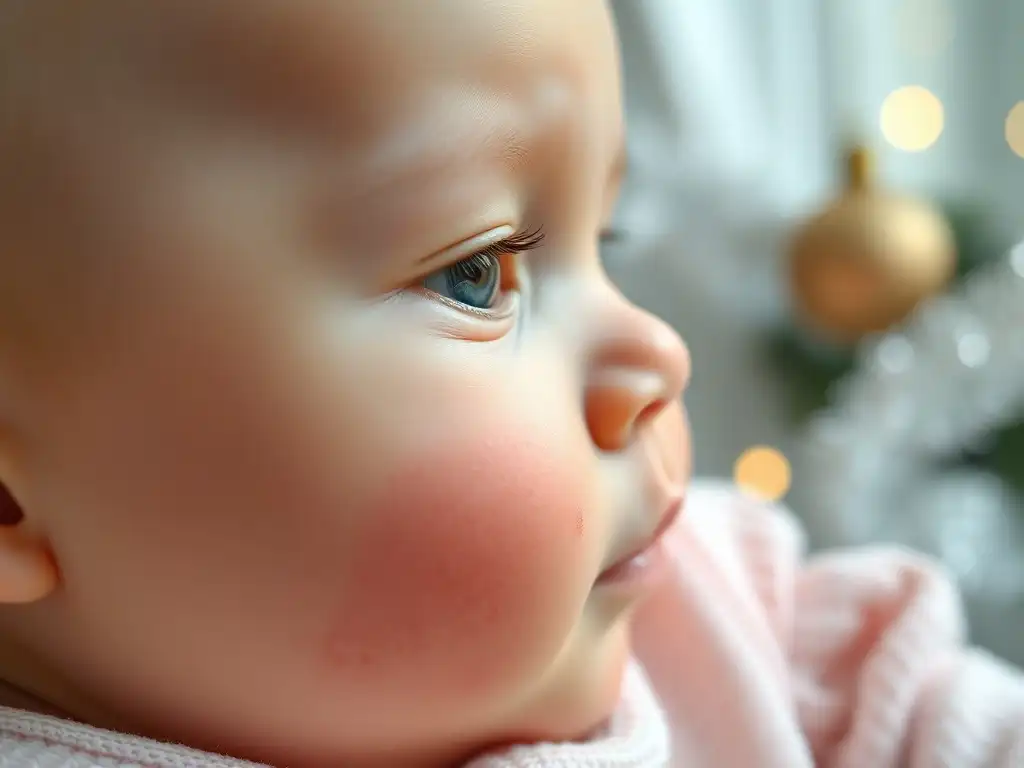
This section provides a practical guide to managing common baby rashes encountered during holiday travel and festivities. Remember, this information is for guidance only and should not replace professional medical advice. Always consult your pediatrician if you have concerns about your baby's rash. This guide focuses on initial home management, empowering you to provide immediate comfort and care. We'll cover gentle cleansing, moisturizer selection, and safe home remedies. This information should help you navigate a "baby rash holiday treatment guide" effectively.
Gentle Cleansing and Soothing Techniques for Baby Skin
Holiday environments, with their potential exposure to new environments, foods, and allergens, can trigger skin irritations. Gentle cleansing is paramount in managing these rashes. Avoid harsh soaps and detergents, opting instead for fragrance-free, hypoallergenic cleansers specifically designed for babies. Lukewarm water is best; hot water can further irritate sensitive skin.
When cleansing, use soft, circular motions, avoiding harsh scrubbing. Pat the skin dry with a soft towel, rather than rubbing, to minimize friction. After cleansing, apply a gentle, fragrance-free moisturizer to lock in hydration and soothe the irritated skin. This process is crucial in preventing further irritation and promoting healing. Consider using a soft washcloth or cotton gauze for extra gentleness. Regular, gentle cleansing is a cornerstone of any effective "baby rash holiday treatment guide".
Choosing the Right Moisturizer for Sensitive Baby Skin
Selecting the right moisturizer is crucial for effective rash treatment. Look for products labeled "hypoallergenic," "fragrance-free," and "for sensitive skin." Ingredients to prioritize include:
- Ceramides: Help restore the skin barrier.
- Oatmeal: Soothes and reduces inflammation.
- Shea butter: Provides deep hydration.
- Glycerin: A humectant that attracts moisture.
Avoid moisturizers containing fragrances, dyes, alcohol, or harsh chemicals, as these can exacerbate the rash. Always test a small amount of the moisturizer on a small area of your baby's skin before applying it liberally. Observe for any adverse reactions before widespread application. The choice of moisturizer is a key component of a comprehensive "baby rash holiday treatment guide". Remember, a thick, creamy consistency is generally better for dry, irritated skin than a thin, watery lotion.
Home Remedies for Mild Baby Rashes: Oatmeal Baths and Calamine Lotion
For mild rashes, some home remedies can offer soothing relief. However, always consult your pediatrician before using any home remedies, especially if the rash is severe, spreading, or accompanied by other symptoms.
- Oatmeal Baths: Add 1-2 cups of colloidal oatmeal (finely ground oatmeal specifically for bathing) to lukewarm bathwater. Let your baby soak for 10-15 minutes. The oatmeal helps soothe inflammation and reduce itching.
- Calamine Lotion: This can help relieve itching associated with mild rashes. Apply a thin layer to the affected area as needed. Avoid applying it to broken or weeping skin.
Remember, these are only suitable for mild rashes. Monitor your baby closely for any worsening of symptoms. A detailed "baby rash holiday treatment guide" should always emphasize the importance of professional medical attention when necessary. Keep a careful record of any treatments used and your baby's response to them for easy reference when contacting your pediatrician. The correct application of these home remedies forms a crucial part of a successful "baby rash holiday treatment guide".
Avoiding Irritants: Clothing, Detergents, and Other Potential Triggers
Holiday travel and festivities often expose babies to new environments and products, increasing the risk of skin irritation. A key aspect of treating a baby rash, particularly during the holidays, is identifying and eliminating potential irritants. This preventative approach is crucial, especially for sensitive skin. Let's delve into common culprits and how to mitigate their effects.
One major source of irritation is clothing. Loose-fitting, breathable fabrics like 100% cotton are your best bet. Avoid scratchy materials like wool or synthetics, which can exacerbate existing rashes or trigger new ones. New clothes should always be washed before use, even if labeled "pre-washed," to remove any residual chemicals or dyes. This is especially important during the holiday season when you might be buying new outfits. Always opt for fragrance-free detergents designed for sensitive skin.
Detergents are another significant source of irritation. Many commercial detergents contain harsh chemicals, perfumes, and dyes that can easily trigger a rash. Switching to a hypoallergenic, fragrance-free detergent specifically formulated for babies is essential. Thoroughly rinse all clothing to ensure complete removal of detergent residue. Consider using a double rinse cycle for extra precaution. Even seemingly harmless products, like fabric softeners, should be avoided as they can leave residue on clothing that irritates delicate skin.
Beyond clothing and detergents, consider other potential triggers. Certain foods consumed by breastfeeding mothers can affect a baby's skin. Spicy foods, dairy products, and certain allergens are potential culprits. If you suspect a food allergy is contributing to your baby's rash, consult a pediatrician for guidance.
Similarly, environmental factors like extreme temperatures (both hot and cold) and exposure to harsh chemicals can worsen a rash. During the holiday season, be mindful of these factors, particularly when traveling or attending indoor gatherings with strong scents or air fresheners. Protecting your baby's delicate skin from these triggers is a fundamental part of effective rash management. Remember, a proactive approach can significantly reduce the likelihood and severity of holiday rashes.
Preventing Holiday Rashes in Your Baby: Proactive Measures
The holiday season, filled with festive gatherings and exciting outings, can unfortunately also bring about skin irritations for your little one. A proactive approach to skincare is crucial in preventing holiday rashes and ensuring your baby enjoys the festivities comfortably. This section focuses on preventative measures you can take to minimize the risk of developing a rash during the holiday period, contributing to a happy and healthy holiday experience for both you and your baby. This is a key part of your Baby rash holiday treatment guide.
Dressing Your Baby Appropriately for the Holiday Season
Overdressing or underdressing your baby can significantly contribute to skin irritation. The goal is to maintain a comfortable temperature, preventing both overheating and chilling. Overheating can lead to prickly heat rash, characterized by small, red bumps, often accompanied by itching. Conversely, being too cold can also cause dryness and irritation, making the skin more susceptible to rashes.
Consider the environment. Indoor holiday gatherings are often warm, requiring lighter clothing. Think breathable fabrics like cotton and soft, natural materials. Avoid synthetic fabrics that may trap heat and moisture. For outdoor activities, layer your baby's clothing. This allows you to adjust based on temperature fluctuations. Remember that babies regulate their temperature differently than adults, so always check their skin temperature by feeling their back or chest.
Here's a helpful table summarizing clothing choices based on temperature:
| Temperature | Clothing Recommendation |
|---|---|
| Warm Indoor Setting | Light cotton onesie, thin cotton pants, lightweight socks |
| Mild Outdoor Temp | Onesie, light sweater or cardigan, pants, socks, hat |
| Cold Outdoor Temp | Onesie, sweater, jacket, pants, socks, hat, mittens |
Remember to always prioritize comfort and breathability. Avoid tight clothing that restricts blood flow and can lead to chafing and irritation.
Maintaining Proper Hygiene to Prevent Skin Infections
Maintaining proper hygiene is a cornerstone of preventing various skin infections, including rashes. This involves a gentle and regular cleansing routine, focusing on avoiding harsh soaps and chemicals that can disrupt your baby's delicate skin barrier.
- Bathing: Aim for gentle baths using lukewarm water and a mild, fragrance-free baby wash. Avoid prolonged bathing, as this can dry out the skin. Pat your baby dry gently instead of rubbing.
- Diaper Changes: Frequent diaper changes are crucial, especially during the holiday season when schedules may be disrupted. Use a diaper rash cream as needed to prevent irritation from prolonged exposure to urine and feces. Allow the diaper area to air dry whenever possible.
- Handwashing: Thorough handwashing, especially before handling your baby, is vital in preventing the spread of germs that can lead to skin infections.
Ignoring even minor hygiene practices can increase the risk of developing rashes, making it crucial to maintain a consistent routine. This is particularly important during holiday gatherings where exposure to various surfaces and people is higher.
Protecting Baby's Skin from Sun Exposure During Outdoor Activities
Holiday celebrations often involve outdoor activities. Protecting your baby's delicate skin from harmful UV rays is paramount. Even on cooler days, the sun's rays can penetrate clouds and cause damage.
- Sun Protection: Use a broad-spectrum, high SPF (30 or higher) baby-specific sunscreen. Apply it liberally to all exposed skin 15-30 minutes before sun exposure and reapply every two hours, or more frequently if your baby is swimming or sweating.
- Protective Clothing: Dress your baby in protective clothing, including a wide-brimmed hat to shade their face and neck. Consider lightweight, loose-fitting clothing that covers the skin.
- Shade: Seek shade whenever possible, especially during peak sun hours (10 am to 4 pm). Use a stroller with a canopy or a parasol to provide additional shade.
Remember that babies' skin is particularly vulnerable to sunburn. Even a mild sunburn can be painful and increase the risk of skin damage in the long term. Prioritizing sun protection is crucial for a safe and enjoyable holiday experience. This detailed approach helps you create a comprehensive Baby rash holiday treatment guide.
Identifying and Managing Potential Allergens During the Holidays
The holiday season, while joyous, presents a minefield of potential allergens for your baby's delicate skin. Many festive foods, decorations, and environments can trigger reactions. Understanding these potential irritants is the first step in preventing a holiday rash.
One common culprit is food. Many traditional holiday dishes contain common allergens like dairy, eggs, nuts, soy, wheat, and shellfish. If your baby is already known to have allergies, meticulously check all ingredient lists. Even seemingly innocuous dishes might contain hidden allergens. For example, a seemingly simple cranberry sauce might contain added nuts or dairy for thickening.
If you're introducing new foods during the holidays, do so one at a time and monitor your baby closely for any signs of a reaction, such as rash, vomiting, or diarrhea. Keep a detailed food diary to track potential triggers. Remember, introducing new foods during times of stress (like the holidays!) can make it harder to pinpoint the culprit if a reaction occurs.
Another significant source of allergens is environmental. Many holiday decorations, such as artificial trees, scented candles, and air fresheners, contain chemicals that can irritate sensitive baby skin. Opt for natural decorations whenever possible. A real Christmas tree, for example, is less likely to cause a reaction than an artificial one, although you should still thoroughly wash and vacuum it to minimize pollen and other irritants.
Avoid strong perfumes and heavily scented products in your home. Air purifiers can be beneficial in filtering out airborne allergens and irritants. Consider using fragrance-free laundry detergents and lotions on your baby's clothes and skin.
Finally, consider the clothing your baby wears. Certain fabrics, such as wool or synthetic materials, can irritate sensitive skin. Opt for soft, breathable fabrics like cotton, especially during warmer holiday gatherings. Avoid dressing your baby in layers that might trap heat and sweat, which can exacerbate skin irritations. Always check clothing labels for potential irritants and consider pre-washing new clothing before putting it on your baby for the first time. Remember that even seemingly harmless items, like new holiday-themed onesies, could contain irritants.
By carefully considering these potential sources of allergens and taking proactive steps to minimize their impact, you can significantly reduce your baby's risk of developing a holiday rash, ensuring a happy and healthy holiday season for the whole family. Early identification and careful management of potential allergens are key to a smooth holiday experience for your little one.
Holiday Rash Prevention Checklist for New Parents
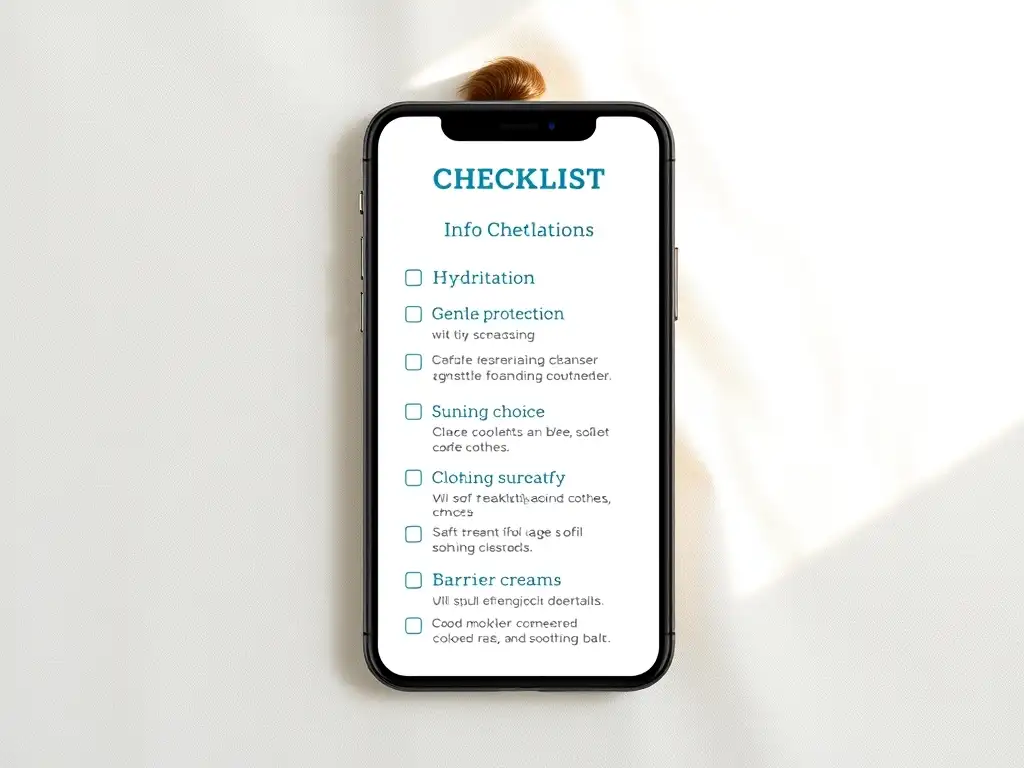
Planning a holiday trip with your little one can be exciting, but it's crucial to prioritize your baby's delicate skin. A holiday rash can quickly dampen the festive spirit, so proactive prevention is key. This checklist helps you minimize the risk of skin irritation during your family getaway. Remember, even seemingly minor changes in environment can trigger a reaction in sensitive skin.
Creating a Safe and Comfortable Holiday Environment for Your Baby
The environment plays a significant role in preventing baby rash. New places mean new allergens and potential irritants. Consider these steps to create a soothing space for your baby:
- Minimize exposure to new detergents and fabrics: Pack familiar, hypoallergenic laundry detergent and baby clothing. Avoid using harsh chemicals or scented products on bedding or clothing that might come into direct contact with your baby's skin. Opt for soft, breathable fabrics like cotton. Consider pre-washing all new clothing items before the trip to remove any residual chemicals.
- Maintain a consistent temperature and humidity: Sudden changes in temperature and humidity can irritate baby's skin. Monitor the temperature of your accommodation and use a humidifier if the air is dry. Avoid overdressing your baby, which can lead to overheating and sweating, a common trigger for rashes.
- Sun protection is crucial: Even on cloudy days, the sun's rays can damage delicate baby skin. Use a broad-spectrum, high SPF sunscreen specifically designed for babies. Apply liberally and reapply frequently, especially after swimming or sweating. Seek shade during peak sun hours. Remember, a baby's skin is far more vulnerable to sunburn than adult skin.
- Careful handling of new foods: If you're introducing new foods during your holiday, do so gradually to monitor for any allergic reactions that might manifest as a rash. Keep a food diary to track any potential triggers. Introducing multiple new foods simultaneously makes it harder to pinpoint the culprit if a reaction occurs.
- Hygiene matters: Maintain good hygiene practices to prevent infections that can lead to rashes. Wash your hands frequently, especially before handling your baby. Change diapers promptly and use gentle, fragrance-free wipes. The practice of regular and thorough cleaning is paramount in preventing skin irritation.
Packing Essentials for a Holiday Trip: Baby Skin Care Kit
A well-stocked baby skin care kit is your first line of defense against holiday rashes. Don't forget these essentials:
- Gentle cleanser: Opt for a fragrance-free, hypoallergenic baby wash designed for sensitive skin. Avoid harsh soaps or body washes. A simple, water-based cleanser is often sufficient.
- Moisturizer: Pack a fragrance-free, hypoallergenic baby lotion or cream to keep your baby's skin hydrated. Apply after bathing to lock in moisture and protect against dryness. Dry skin is more prone to irritation.
- Diaper rash cream: A protective barrier cream can prevent diaper rash, especially if your baby's skin is exposed to new diapers or wipes. Apply a thin layer at each diaper change.
- Baby sunscreen: Essential for sun protection, as mentioned previously. Choose one specifically formulated for babies with a high SPF and broad-spectrum protection.
- Extra diapers and wipes: Pack more than you think you'll need, especially for longer trips. Unexpected delays or changes in routine can quickly deplete your supplies.
- Cotton balls and sterile water: Useful for gentle cleansing of minor irritations or for applying creams and lotions.
Choosing Hypoallergenic Products for Baby's Skin
Selecting hypoallergenic products is vital in minimizing the risk of holiday rashes. Many baby products contain fragrances, dyes, and preservatives that can irritate sensitive skin. Look for products explicitly labeled as "hypoallergenic," "fragrance-free," and "sensitive skin." Check the ingredient list carefully and avoid products with potentially irritating ingredients. Reading reviews from other parents can also be beneficial in identifying reliable brands.
Remember, even with careful planning, a rash might occur. If your baby develops a rash, consult your pediatrician or a healthcare professional for proper diagnosis and treatment. Early intervention is always best. This guide provides a framework; adapt it to your baby's specific needs and always prioritize their comfort and safety. 👶
Staying Alert for Signs of Skin Irritation During and After the Holidays
The holiday season, while joyous, presents unique challenges for a baby's delicate skin. New environments, unfamiliar foods (even if breastfed, changes in the mother's diet can impact the baby), and exposure to various fabrics and materials can all trigger skin irritation. It's crucial to be vigilant in monitoring your baby's skin throughout the holiday period and immediately afterward. Pay close attention to areas prone to rashes, such as the diaper area, creases in the skin (neck, armpits, groin), and areas that come into contact with clothing or bedding.
Look for common signs of irritation such as redness, swelling, bumps, blisters, or dryness. A rash might be localized to one area or more widespread. Some rashes might be accompanied by itching, causing your baby discomfort and leading to scratching, which can worsen the irritation. Remember that even seemingly minor changes in skin texture or appearance can warrant observation. For instance, a slightly bumpy texture that wasn't present before could be an early indication of a developing rash.
Don't hesitate to consult your pediatrician if you notice any unusual skin changes, particularly if your baby exhibits signs of discomfort like fussiness or difficulty sleeping. Early detection is key to effective treatment and preventing potential complications. Even seemingly minor rashes deserve attention to avoid escalation. Documenting the appearance of the rash (with photos if possible) can be incredibly helpful when discussing it with a healthcare professional.
Protecting Baby's Skin from Irritants During Travel
Traveling with a baby during the holidays can be exciting but also stressful for both parents and the little one. The changing environments, exposure to different climates, and the use of car seats or carriers can all contribute to skin irritation. To minimize the risk of developing a holiday rash, proactively protect your baby's skin during travel.
Choose soft, breathable fabrics for clothing and bedding. Avoid harsh detergents and fabric softeners when washing baby clothes, opting instead for gentle, hypoallergenic options. Dress your baby in layers to adjust to temperature changes and avoid overheating, as sweat can irritate the skin.
Consider bringing along familiar items, like a beloved blanket or stuffed animal, to provide a sense of comfort and reduce stress, which can indirectly impact skin health. When using car seats or carriers, ensure they are clean and well-ventilated to prevent excessive sweating and friction. Regularly check your baby's skin for any signs of redness or irritation, especially after extended periods in a car seat or carrier.
If you're traveling to a warmer climate, apply a gentle, baby-safe sunscreen with a high SPF, remembering to reapply frequently. Remember to stay hydrated, as dehydration can also affect skin health. Proactive measures during travel significantly reduce the likelihood of holiday-related skin problems.
Hygiene Practices to Prevent Holiday Rashes
Maintaining good hygiene is crucial for preventing holiday rashes, especially during a time of increased contact with other people and potentially new surfaces. Regularly change your baby's diaper, using gentle wipes or a soft washcloth and mild, fragrance-free cleanser. Avoid harsh soaps and lotions that can dry out or irritate delicate skin. After bathing, gently pat your baby's skin dry, avoiding rubbing, which can cause further irritation. Keep your baby's nails trimmed short to minimize scratching if they develop an itchy rash.
Pay attention to the fabrics your baby comes into contact with, particularly during holiday gatherings. Avoid scratchy or synthetic materials, choosing soft, natural fabrics like cotton instead. Wash all new clothes and bedding before use to remove any potential irritants. When choosing clothing, prioritize loose-fitting garments that allow for good air circulation and reduce friction against the skin.
Regular handwashing for caregivers is also essential, as germs and irritants can easily be transferred from hands to your baby's skin. Creating a clean and hygienic environment is a first line of defense against holiday rashes. These simple hygiene practices can make a significant difference in preventing skin problems.
Frequently Asked Questions
What are common causes of baby rashes during holidays?
Baby rashes on holiday are often caused by new environments, irritants like sunscreens or detergents, or changes in diet. Heat and humidity can also exacerbate existing skin conditions.
How can I prevent baby rashes during travel?
Preventative measures include using gentle, fragrance-free cleansers and moisturizers, protecting your baby's skin from the sun with suitable clothing and sunscreen, and maintaining a consistent routine.
What are some home remedies for mild baby rashes?
For mild rashes, try applying a cool compress or a thin layer of calamine lotion. Oatmeal baths can also soothe irritated skin. Always consult your pediatrician if unsure.
When should I seek professional medical advice for a baby rash?
Seek immediate medical attention if the rash is accompanied by fever, pus, or bleeding. Also consult a doctor if home remedies aren't effective within a few days or if the rash worsens.
While some gentle, fragrance-free creams can help, it's crucial to consult your pediatrician before using any over-the-counter treatments, especially on a baby's sensitive skin. They can advise on the best course of action for your baby's specific needs.
Final Reflection: Protecting Our Little Ones: A Legacy of Healthy Holidays
The delicate skin of a baby is a constant reminder of our responsibility to protect them, and the surge in holiday-related skin irritations underscores the urgent need for informed care. A seemingly minor rash can quickly escalate into discomfort and distress, highlighting the importance of proactive prevention and swift, appropriate treatment. This is not just about managing a temporary inconvenience; it's about ensuring the well-being and healthy development of our most vulnerable members of society.
The impact of easily preventable skin irritations on a family's holiday experience is often underestimated. The joy of festive gatherings can be overshadowed by the worry and disruption caused by a persistent rash. This underscores the need for readily accessible information and resources, empowering parents to confidently navigate these challenges. As the saying goes, The best gift is a healthy child,
and ensuring their skin health is a crucial part of that gift.
This holiday season, and every season thereafter, I urge you to take a moment to reflect on the simple yet powerful steps you can take to protect your little one's skin. Familiarize yourself with common irritants, learn to identify the signs of a rash, and know when to seek professional medical advice. By equipping ourselves with knowledge and proactive care, we can ensure that every holiday memory is filled with joy, laughter, and the radiant health of our precious children.
Unveil Your Baby's Radiant Skin: Gentle Steps to Holiday Health
Thank you for learning about protecting your baby's delicate skin this holiday season! We hope you feel more confident in identifying and addressing potential irritations. Let's keep that radiant baby glow shining bright.
- Prioritize gentle skincare: Choose fragrance-free, hypoallergenic products specifically designed for babies' sensitive skin. This is the first step in preventing rashes.
- Share your experience: Connect with other parents in our BabyCareHub community forum. Share your tips and tricks for managing holiday skin irritations! Knowing you're not alone can be surprisingly helpful.
- Explore our expert guides: Dive deeper into our comprehensive library of articles on baby skin health for even more helpful advice.
Ready to give your baby the gift of healthy, happy skin this holiday season? What's your strategy for keeping your little one's skin calm and comfortable during festive gatherings?