
Baby Travel First Aid Kit: MustHave Items for Any Trip

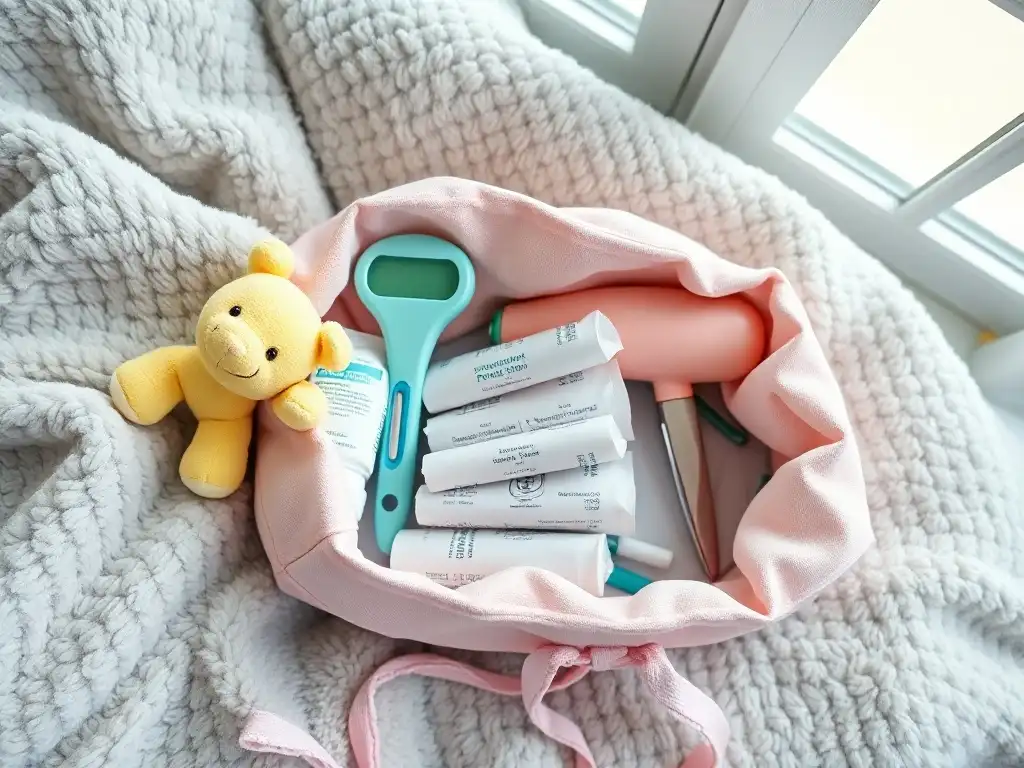
Welcome to BabyCareHub, your ultimate guide to navigating the incredible journey of parenthood! Are you ready for your first family adventure? Then don't leave home without the essentials. We've compiled a comprehensive list of baby travel first aid essentials to ensure peace of mind on every trip, big or small. Discover the must-have items that will keep your little one safe and healthy, no matter where your travels take you. Let's explore what you need to pack for a worry-free family getaway!
- Essential Baby Travel First Aid Kit Checklist: Packing for Peace of Mind
- Beyond the Basics: Additional Items for Your Baby's Travel First Aid Kit
- Organizing Your Baby's Travel First Aid Kit for Easy Access
- Travel-Sized Containers: Efficient Space Management for Essentials
- Maintaining Your Baby's Travel First Aid Kit: Regular Checks and Replenishments
- Baby Travel First Aid Kit: Emergency Preparedness for Unexpected Situations
-
Frequently Asked Questions
- What are the essential medications to pack in a baby's travel first aid kit?
- How do I store my baby's medication while traveling?
- What should I do if my baby gets sick while traveling?
- What are some non-medication essentials for my baby's travel first aid kit?
- Besides the first aid kit, what other safety measures should I take for baby travel?
- Final Reflection: Equipping Your Journey: The Enduring Importance of Preparedness
- Ready to Tackle Any Travel Trouble with Your Little One?
Essential Baby Travel First Aid Kit Checklist: Packing for Peace of Mind
Traveling with a baby can be an exciting adventure, but it's also important to be prepared for unexpected situations. A well-stocked first-aid kit is crucial for ensuring your little one's safety and well-being during your trip, whether it's a short road trip or a long-haul flight.
This comprehensive guide will walk you through building the ultimate baby travel first aid kit, covering essential medications, supplies, and other necessities to handle minor ailments and emergencies effectively. We'll focus on the "baby travel first aid essentials" you need to pack for peace of mind, allowing you to relax and enjoy your family vacation knowing you're prepared for anything.
This checklist is designed to help first-time parents navigate the complexities of traveling with infants and toddlers, providing a step-by-step approach to assembling a kit tailored to your baby's specific needs and the duration of your journey. Remember, while this guide provides a comprehensive list, always consult your pediatrician for personalized advice regarding your baby's health and specific medical needs before embarking on any trip.
Building Your Baby's Travel First Aid Kit: A Step-by-Step Guide
Creating a practical and effective baby travel first aid kit involves careful planning and organization. Begin by gathering a small, lightweight, and waterproof bag. A clear, zippered toiletry bag is ideal for easy access and visibility. Next, meticulously sort your items into categories for easy retrieval during emergencies. Consider using smaller, sealed bags within the larger bag to keep things organized and prevent spills. Remember to check expiration dates on all medications and supplies before your trip.
Here's a suggested step-by-step approach:
- Gather your supplies: Refer to the detailed list below to ensure you have all the necessary items.
- Organize by category: Separate items into categories like medications, wound care, and hygiene supplies.
- Pack strategically: Place frequently needed items at the top of the bag for easy access.
- Label everything clearly: This will help you quickly locate what you need in stressful situations.
- Check expiration dates: Before packing, verify the expiration date on all medications and supplies.
- Consider your destination: If traveling internationally, research any specific requirements or necessary vaccinations.
- Keep a copy of your child's medical records: Store a copy separately from your first-aid kit, ideally in a readily accessible location.
Remember to replace used items immediately after your trip to maintain a fully stocked kit for future travels. This proactive approach will ensure you're always prepared for any eventuality.
Must-Have Medications for Baby's Travel First Aid Kit
This section details the essential medications to include, emphasizing the importance of consulting your pediatrician before including any medication in your baby's travel first aid kit. Dosage should always be determined by your pediatrician based on your baby's age and weight. Never administer medication without consulting a medical professional.
| Medication Type | Purpose | Considerations |
|---|---|---|
| Infant Acetaminophen (Tylenol) | Fever reducer, pain reliever | Check dosage carefully; always follow instructions. |
| Infant Ibuprofen (Advil) | Fever reducer, pain reliever (check age restrictions) | Only use if your pediatrician approves; follow instructions carefully. |
| Saline nasal spray | To clear congested nasal passages | Safe for infants; use as directed. |
| Anti-diarrheal medication | (Only if prescribed by your doctor) | Strictly consult your pediatrician before including. |
| Antihistamine (if needed) | For allergic reactions (check age restrictions) | Only include if prescribed by your doctor; follow instructions carefully. |
Remember to always keep medications in their original containers with labels clearly visible.
Essential Baby First Aid Supplies for On-the-Go Care
Beyond medications, several essential supplies will make handling minor injuries and ailments much easier. This list ensures you're prepared for common travel-related issues. Always prioritize safety and hygiene when administering first aid.
- Thermometer: A digital thermometer is ideal for quick and accurate temperature readings.
- Band-aids: Assorted sizes and shapes for various wounds.
- Antiseptic wipes or solution: For cleaning minor cuts and scrapes.
- Gauze pads: Sterile gauze pads are essential for wound dressing.
- Cotton swabs: Useful for cleaning delicate areas.
- Tweezers: For removing splinters or other small foreign objects.
- Baby diaper rash cream: For treating diaper rash, a common travel inconvenience.
- Hand sanitizer: To maintain hygiene, especially when soap and water aren't readily available.
- Baby wipes: For cleaning up messes and general hygiene.
- Small blanket or receiving blanket: For comfort and warmth.
- Small, soft toy: To provide comfort and distraction for your baby.
This comprehensive kit, combined with vigilance and preparedness, will significantly contribute to a safe and enjoyable travel experience for you and your baby. Remember, this is a guideline, and you should adjust it based on your baby's specific needs and the length of your trip. Always consult your pediatrician before administering any medication or treatment. 👶✈️
Beyond the Basics: Additional Items for Your Baby's Travel First Aid Kit
This section delves into items that extend beyond the typical first-aid kit essentials, enhancing preparedness for various scenarios encountered during baby travel. Remember, while this list is comprehensive, always consult your pediatrician before administering any medication to your baby, especially while traveling. Adapting your kit to your baby's specific needs and your destination's climate is crucial. Think of this as building a customized "baby travel first aid essentials" kit.
Dealing with Minor Injuries: Cuts, Scrapes, and Burns
Minor injuries are common, especially with active babies exploring new environments. Having the right supplies on hand can make a significant difference in managing these situations effectively. Your kit should include:
- Antiseptic wipes: Alcohol-free wipes are gentler on delicate baby skin. Aim for individually wrapped wipes for hygiene and ease of use.
- Sterile gauze pads: Various sizes are helpful for covering wounds of different sizes.
- Adhesive bandages: Choose hypoallergenic and brightly colored bandages to make the experience less daunting for your little one. Include a variety of sizes.
- Hydrocolloid bandages: These are particularly useful for blisters and minor burns, promoting healing and preventing infection.
- Burn relief gel: Look for a gel specifically designed for babies, offering soothing relief from minor burns and sunburns. Always check the age appropriateness before use.
- Tweezers: For removing splinters or other small foreign objects from the skin. Sterilize them beforehand using rubbing alcohol.
Remember, deep or severe wounds require immediate medical attention. This section focuses on managing minor injuries to minimize discomfort and prevent infection during your trip. Always monitor the wound for signs of infection, such as increased redness, swelling, or pus.
Managing Common Baby Ailments: Colic, Fever, and Diarrhea While Traveling
Traveling can disrupt a baby's routine, potentially leading to common ailments. Being prepared with appropriate remedies can significantly ease discomfort and stress. Your kit should contain:
- Infant acetaminophen or ibuprofen (check dosage with your pediatrician): For fever reduction, always follow the recommended dosage instructions carefully based on your baby's weight and age. Never exceed the recommended dosage.
- Oral rehydration solution (ORS): Essential for preventing dehydration during episodes of diarrhea or vomiting. Choose a baby-friendly formulation.
- Gripe water: While not a cure-all, gripe water can help soothe colic symptoms in some babies. Always check the ingredients and ensure it's suitable for your baby's age.
- Thermometer: A digital thermometer is ideal for quickly and accurately checking your baby's temperature.
- Baby-safe probiotics: These can help support gut health and may aid in managing diarrhea. Consult your pediatrician before using probiotics, especially in infants.
It is crucial to note that this section does not provide medical advice. Persistent or severe symptoms require professional medical attention. This is just a guideline for managing common ailments while seeking professional medical advice.
Baby-Friendly Pain Relief and Fever Reducers: Safe Travel Options
Choosing the right pain relief and fever reducer for your baby is paramount, especially while traveling. Remember, always consult your pediatrician before administering any medication, especially while traveling, and strictly adhere to dosage instructions.
| Medication Type | Brand Examples | Dosage Instructions | Considerations |
|---|---|---|---|
| Acetaminophen (Paracetamol) | [Specific brand names pending] | [Specific dosage information pending] | Suitable for fever and pain relief; monitor for allergic reactions. |
| Ibuprofen | [Specific brand names pending] | [Specific dosage information pending] | Suitable for fever and pain relief; may not be suitable for all babies; check age restrictions. |
This table highlights the importance of consulting your pediatrician for precise dosage information and suitability for your baby's age and weight. Always prioritize safety and follow professional medical guidance. Remember to check expiration dates before your trip. 👶 Safe travels!
Organizing Your Baby's Travel First Aid Kit for Easy Access
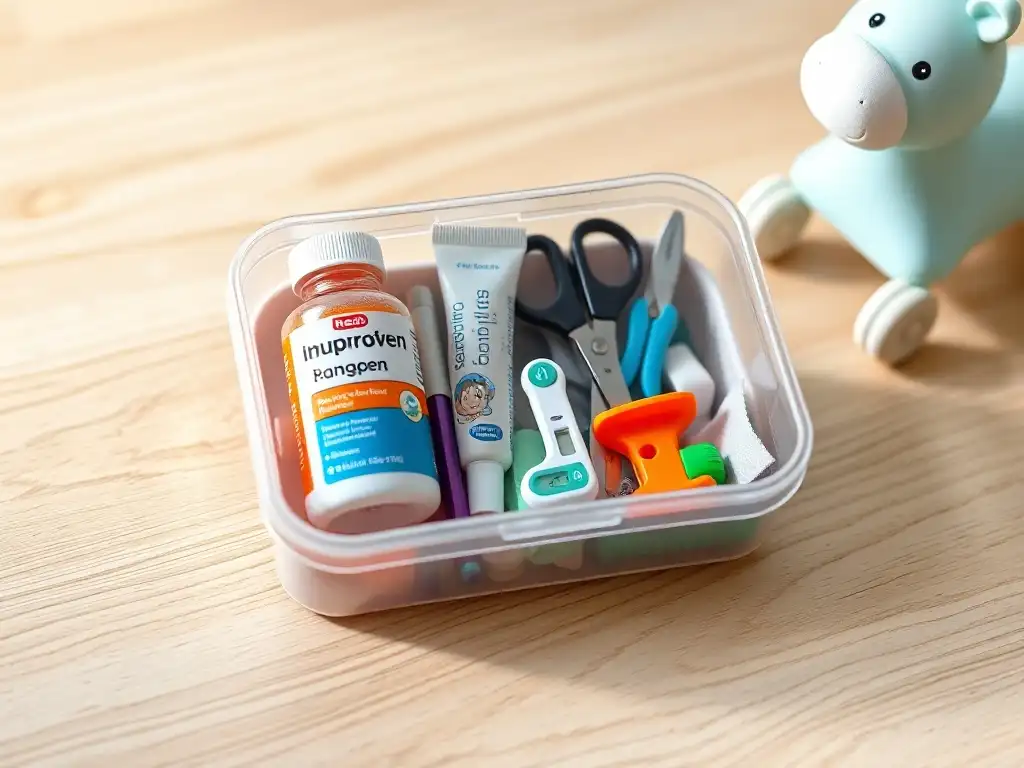
Preparing a baby travel first aid kit is crucial for stress-free travel, but equally important is ensuring easy access to its contents. A disorganized kit can lead to precious time wasted searching during an emergency. Therefore, smart organization is paramount. This section focuses on practical strategies to optimize your kit's layout for quick and efficient retrieval of essential items. We'll explore various methods to keep everything neat, accessible, and ready for use, no matter where your family adventures take you.
Smart Packing Tips: Keeping Everything Organized and Accessible
The key to a well-organized baby travel first aid kit lies in strategic packing. Avoid simply throwing items into a bag. Instead, consider these methods:
- Clear, Zip-Top Bags: Utilize clear, resealable plastic bags to group similar items. For example, one bag for medications, another for wound care supplies, and a third for diaper rash remedies. This visual organization allows for rapid identification of needed items. Label each bag clearly with a permanent marker for even quicker access.
- Compartmentalized Bags: Consider using a travel-sized first-aid kit bag with pre-existing compartments. Many are designed with various pockets and dividers, allowing for categorized storage of items. This pre-structured approach eliminates the need for additional sorting and bagging.
- Small, Sturdy Containers: For smaller items like cotton balls, bandages, or antiseptic wipes, use small, hard-plastic containers. These prevent spills and keep things tidy within the larger bag. This also prevents items from getting crushed or damaged during travel.
- Color-Coding: To further improve accessibility, especially in low-light situations, consider using color-coded bags or labels. For example, assign a color to each category: red for urgent care, blue for minor ailments, green for preventative measures.
- List of Contents: Create a simple checklist of everything included in your kit and tape it to the outside of the bag. This acts as a quick reference, ensuring nothing is overlooked and allowing others to easily locate specific items if needed.
Remember, the goal is to minimize search time during a stressful situation. A well-organized kit can mean the difference between a minor inconvenience and a manageable emergency. Think about how you’ll access the kit – will you need to open multiple bags, or can you grab the necessary item immediately? Practice accessing your kit at home to ensure the system works smoothly.
Travel-Sized Containers: Efficient Space Management for Essentials
Space is often at a premium when traveling with a baby. Therefore, choosing travel-sized containers is crucial for maximizing space and minimizing weight in your luggage. This section explores the benefits of using smaller versions of your baby's first-aid essentials and offers practical advice on choosing appropriate containers. Efficient space management isn't just about saving space; it's about ensuring you have what you need without unnecessary bulk.
Travel-Sized Containers: Efficient Space Management for Essentials
Downsizing your baby's first-aid supplies doesn't compromise safety or effectiveness. Many products are available in travel sizes, specifically designed for portability. Consider these points when selecting containers:
- TSA Regulations: Be mindful of Transportation Security Administration (TSA) regulations regarding liquids and gels when packing your baby travel first aid kit. Ensure all containers comply with the 3-1-1 rule (3.4-ounce bottles or less, in a single, quart-sized, clear plastic bag).
- Leak-Proof Containers: Choose leak-proof containers to prevent spills and messes within your bag. This is especially important for liquids like antiseptic solutions or diaper rash creams. Double-bagging liquid items is an extra precaution.
- Durable Materials: Opt for durable containers made from sturdy plastic or other materials that can withstand the rigors of travel. Avoid flimsy containers that could easily break or crack.
- Reusable Containers: Consider investing in reusable, high-quality travel-sized containers. These are more environmentally friendly than single-use options and can be used repeatedly for all your travels.
- Labeling: Clearly label all containers with the contents and expiration dates. This is essential for quick identification and to ensure you're using products within their shelf life.
By carefully selecting travel-sized containers, you can effectively manage space while maintaining the essential supplies needed for your baby's well-being on the go. This translates to a lighter, more manageable bag and a more relaxed travel experience for you and your little one. Remember, preparation is key to a smooth and safe journey. With a well-organized and efficiently packed baby travel first-aid kit, you're ready for anything!
Maintaining Your Baby's Travel First Aid Kit: Regular Checks and Replenishments
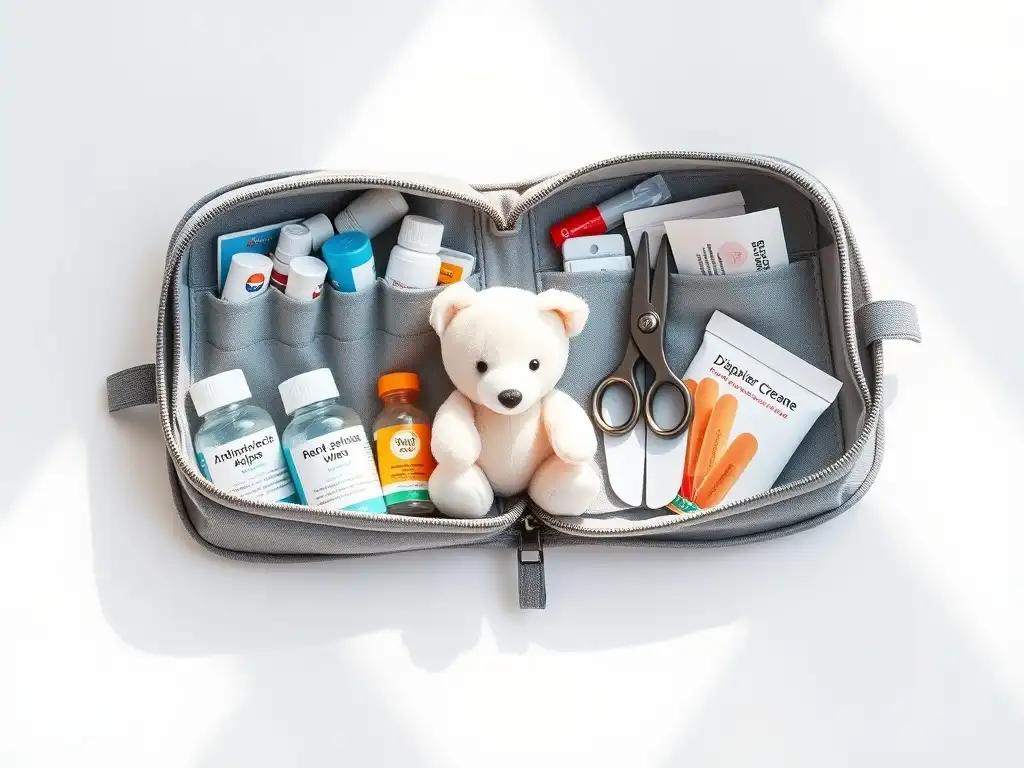
Traveling with a baby requires meticulous planning, and maintaining a well-stocked first-aid kit is paramount. A regularly checked and replenished kit ensures you're prepared for minor mishaps and emergencies, providing peace of mind during your travels. Neglecting this crucial aspect can lead to unnecessary stress and potential health complications for your little one. Remember, proactive maintenance is key to effective baby travel first aid. This section details the critical steps to keep your kit in optimal condition.
Checking Expiration Dates: Ensuring the Effectiveness of Medications
One of the most overlooked aspects of maintaining a baby's travel first aid kit is checking expiration dates. Many medications, ointments, and antiseptic solutions have a limited shelf life. Using expired medications can be ineffective and potentially harmful. Therefore, regular checks are vital. Aim to review your kit at least once every three months, or before each trip, whichever is sooner.
Here's a practical approach:
- Create a system: Use a small notebook or a digital document to list all items in your kit, including their expiration dates. This allows for easy tracking and quick identification of items nearing their expiry.
- Visual inspection: Visually inspect each item for any signs of damage, discoloration, or changes in texture. Discard anything that looks suspicious.
- Prioritize medications: Pay particular attention to the expiration dates of any medications, such as infant acetaminophen or ibuprofen (always consult your pediatrician before administering any medication). Replace these promptly when nearing expiry.
- Discard appropriately: Dispose of expired medications responsibly according to local regulations. Never flush them down the toilet unless specifically instructed.
Replenishing Supplies: Staying Prepared for Unexpected Situations
Beyond expiration dates, regular replenishment is crucial to ensuring your baby's travel first-aid kit remains fully equipped. Unexpected situations can arise during travel, and having sufficient supplies is paramount. Consider these key replenishment strategies:
- Quantities: Carry slightly larger quantities than you anticipate needing. This buffer accounts for unforeseen circumstances and potential delays. For example, instead of one small tube of diaper rash cream, consider two.
- Variety: Ensure a variety of supplies are available. This might include different sizes of bandages, antiseptic wipes, and pain relievers suitable for your baby's age.
- Individual packaging: Opt for individually packaged items whenever possible. This maintains hygiene and prevents contamination. Single-use antiseptic wipes are a great example.
- Weather considerations: Adjust your kit based on your destination's climate. A hot climate might necessitate extra sunscreen and insect repellent, while a colder climate might necessitate additional warming items.
- Personalization: Tailor the contents to your baby's specific needs and any existing health conditions. If your baby has allergies or requires specific medications, ensure these are included and readily accessible.
Regularly reviewing and replenishing your baby's travel first aid kit is not merely a suggestion; it's a crucial step in ensuring your baby's safety and well-being while traveling. By following these simple yet effective strategies, you can significantly reduce the risks associated with unforeseen medical situations and enjoy a more relaxed and enjoyable trip with your little one. Remember, a proactive approach to baby travel first aid essentials is an investment in peace of mind.
Baby Travel First Aid Kit: Emergency Preparedness for Unexpected Situations
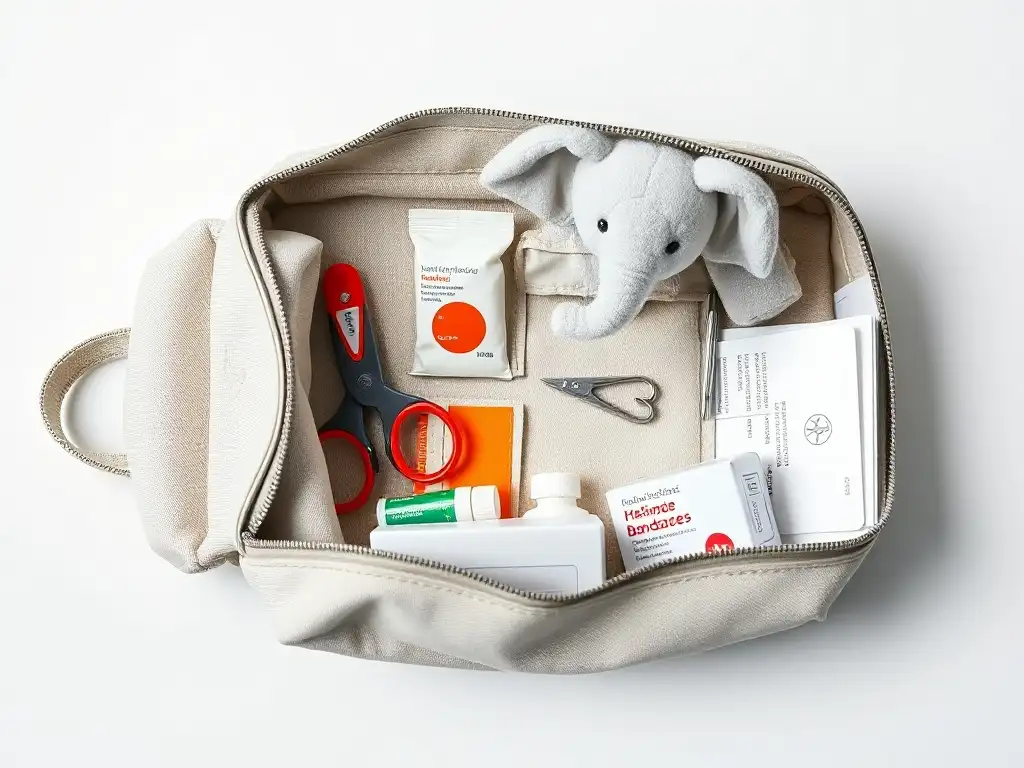
Planning a trip with your little one is exciting, but it's crucial to be prepared for unexpected bumps and bruises. A well-stocked baby travel first aid kit is your first line of defense against minor ailments and injuries, allowing you to handle common situations effectively and confidently. This section details essential items and strategies for ensuring your baby's safety and well-being while on the go. Remember, this kit complements, not replaces, professional medical advice. Always seek professional medical attention when necessary.
Contacting Local Medical Services: Knowing Your Options
Knowing how to access medical assistance in unfamiliar locations is paramount. Before you depart, research local emergency numbers and nearby hospitals or clinics. Consider downloading a medical translation app if you're traveling internationally. It's also wise to:
- Inform your pediatrician: Let them know your travel plans, including your destination and itinerary. They can provide tailored advice and possibly even recommend local doctors or hospitals.
- Obtain necessary contact information: Write down emergency numbers (local equivalent of 911, local hospitals, your travel insurance provider) and keep them readily accessible in your travel documents or a waterproof bag within your first-aid kit.
- Document your child's medical history: Carry a copy of your child's immunization records, any allergies, ongoing medical conditions, and current medications. Consider a digital copy stored securely in the cloud, in addition to a physical copy.
- Understand your travel insurance: Familiarize yourself with your travel insurance policy. Note the procedures for claiming medical expenses and emergency evacuation.
Preparing for Different Travel Environments: Adapting Your Kit Accordingly
The composition of your baby travel first aid kit might need adjustments depending on your destination and mode of transportation. For example, a road trip through mountainous terrain might necessitate different supplies than a flight to a tropical climate. Consider these factors when assembling your kit:
- Climate: Hot and humid environments may require additional supplies to combat heat rash or sunburns. Conversely, colder climates necessitate extra layers of clothing and protection against frostbite.
- Mode of transportation: A car trip offers more space for a larger kit than an airplane. Pack accordingly and adhere to airline regulations concerning liquids.
- Activities: If you plan on hiking or engaging in water sports, include items specific to those activities (e.g., waterproof bandages, insect repellent).
- Local health risks: Research the potential health risks of your destination. For instance, mosquito-borne illnesses in tropical regions might necessitate additional insect repellent and malaria medication (if prescribed by your doctor).
Here's a table outlining potential kit variations based on travel type:
| Travel Type | Additional Items | Considerations |
|---|---|---|
| Road Trip | Extra diapers, wipes, change of clothes | Ample space for larger kit; easy access to supplies |
| Airplane Travel | TSA-compliant liquids, smaller kit | Restrictions on liquids; prioritize essential items |
| Tropical Climate | Sunscreen, insect repellent, heat rash cream | High temperatures and humidity; sun protection crucial |
| Cold Climate | Extra layers of clothing, warm socks, hat | Protection against cold and potential frostbite |
Remember, proactive preparation is key to a safe and enjoyable trip with your baby. A well-organized and adaptable first aid kit is an invaluable asset in ensuring your little one's health and comfort throughout your travels. Don't forget to regularly check the expiration dates of your supplies and replenish as needed. 👶✈️
Frequently Asked Questions
What are the essential medications to pack in a baby's travel first aid kit?
Always include pain relievers suitable for your baby's age (check with your pediatrician), antihistamines for allergic reactions, and oral rehydration salts for diarrhea. Remember to check expiration dates before your trip.
How do I store my baby's medication while traveling?
Keep medications in their original containers with labels clearly visible. Pack them in a cool, dry place, away from direct sunlight, and ideally in a separate, easily accessible bag.
What should I do if my baby gets sick while traveling?
If your baby becomes ill, seek medical attention immediately. Contact your travel insurance provider and your pediatrician for guidance. Keep a record of your baby's symptoms and medications administered.
What are some non-medication essentials for my baby's travel first aid kit?
Pack sterile bandages and gauze, antiseptic wipes, thermometer, tweezers, and scissors. Also include a small notebook to record any incidents or medication given.
Besides the first aid kit, what other safety measures should I take for baby travel?
Ensure your baby is properly secured in a car seat during travel. Bring familiar comfort items like a favorite blanket or toy. Plan regular stops for feeding, changing, and allowing your baby to stretch.
Final Reflection: Equipping Your Journey: The Enduring Importance of Preparedness
The unexpected nature of travel, especially with a baby, underscores the critical need for proactive planning. A well-stocked first-aid kit isn't just a precaution; it's a lifeline, offering peace of mind and the ability to respond effectively to minor mishaps before they escalate. This peace of mind allows you to truly enjoy the journey, rather than being consumed by anxieties.
The impact of feeling prepared extends far beyond the immediate relief offered by a readily available bandage or antiseptic wipe. It speaks to a larger cultural shift towards prioritizing preventative care and empowering parents to handle common childhood ailments confidently. The most important thing a parent can do is to be prepared.
This simple truth resonates deeply, highlighting the profound responsibility and the immense reward of safeguarding your little one's well-being. The ability to quickly address a minor cut or soothe a rash allows for a smoother, more enjoyable travel experience for both parent and child, fostering positive memories instead of stressful encounters.
Now, consider your own upcoming adventures. What steps will you take to ensure your baby's safety and comfort? Take a moment to review the essential items outlined in this article, and tailor your own first-aid kit to meet your specific needs and travel plans. Remember, preparedness isn't just about having the right supplies; it's about cultivating a mindset of proactive care and confident parenting. Embrace this journey with confidence, knowing you've taken the necessary steps to navigate the unexpected with grace and ease.
Ready to Tackle Any Travel Trouble with Your Little One?
Thank you for taking the time to learn how to prepare a first-aid kit for your baby's travels! We hope this guide has boosted your confidence and preparedness for your next family adventure. Now, let's put that knowledge into practice.
- Assemble your personalized travel first-aid kit today! Use this article as a checklist and gather essential supplies. Remember to include diaper rash cream and plenty of baby wipes!
- Share this helpful guide with other parents, especially those planning trips with young children. Let's create a supportive community of well-prepared parents!
- Consider adding a few familiar and fun distractions to your kit – a favorite toy or a new book can significantly improve your little one's travel experience.
What's the first item you're adding to your baby's travel first-aid kit? Share your essential item in the comments below!