
Themed Book Collections: Curating Books to Match Baby's Interests and Milestones

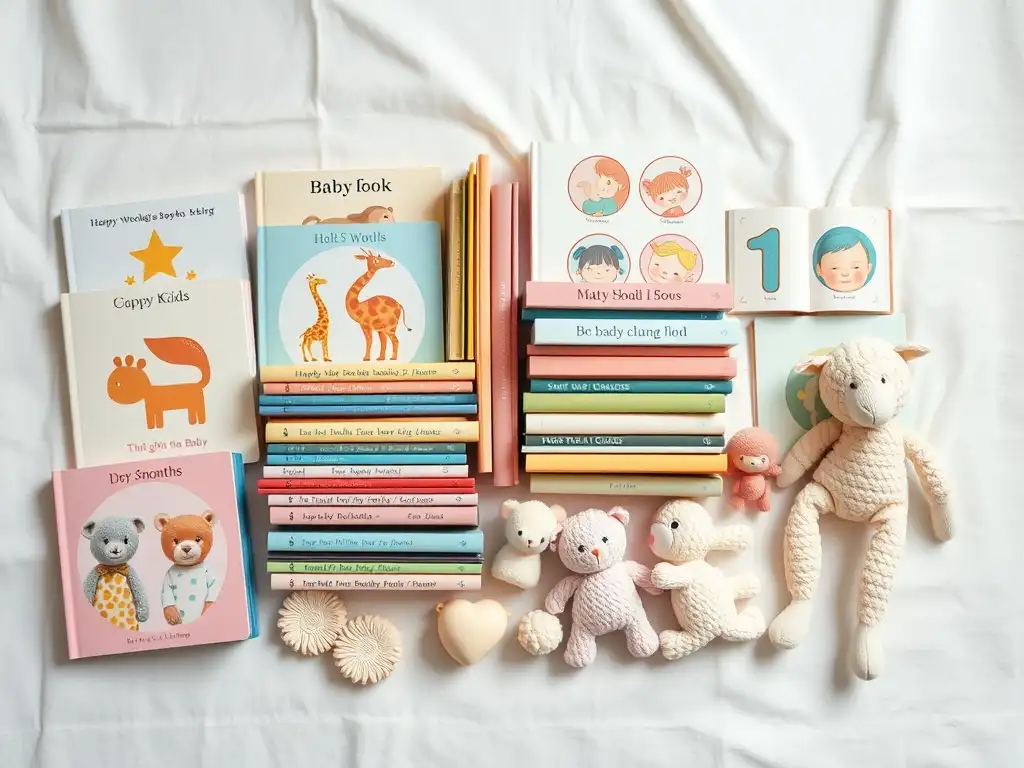
Welcome to BabyCareHub, your ultimate guide to navigating the incredible journey of parenthood! Are you ready to unlock the magic of early childhood development? We're diving deep into the world of baby book selection milestones, exploring how carefully curated themed book collections can stimulate your little one's growth and spark a lifelong love of reading. Discover how choosing the right books at the right time can make a significant difference – let's embark on this exciting adventure together!
- Understanding Baby Book Selection Milestones: A Developmental Approach
- Building Themed Collections Around Baby's Interests: A Practical Guide
- Maximizing the Benefits of Themed Book Collections for Baby's Development
- Creating a Personalized Library: Adapting to Baby's Individual Preferences
-
Frequently Asked Questions
- How can I choose books that match my baby's developmental milestones?
- What are some themes suitable for building themed book collections?
- At what age should I start introducing books to my baby?
- How many books should I aim to have in a themed collection?
- Where can I find information on age-appropriate books for different milestones?
- Final Reflection: Cultivating a Love of Reading from Day One
- Unleash Your Little One's Literary Adventure!
Understanding Baby Book Selection Milestones: A Developmental Approach
Choosing the right books for your baby isn't just about finding cute illustrations; it's about supporting their cognitive, emotional, and physical development. This developmental approach to baby book selection considers your little one's rapidly changing abilities and interests, ensuring that reading time is both engaging and beneficial.
From the earliest sensory experiences to the burgeoning understanding of language and storytelling, selecting age-appropriate books significantly impacts your baby's journey of learning and growth. This guide provides a framework for curating a themed book collection tailored to your baby's milestones, transforming reading time into a powerful tool for development.
We'll explore how to match books to your baby's evolving abilities, focusing on the crucial stages of early childhood and offering specific recommendations to help you build a library that nurtures your child's growth. Remember, the joy of reading isn't just about the books themselves; it's about the bond you create with your baby during this special time.
Age-Appropriate Books: 0-3 Months – Sensory Stimulation and Soothing Sounds
Newborns are primarily driven by sensory experiences. Their world is one of sights, sounds, and textures. During this crucial period, books should emphasize sensory stimulation and provide calming sounds to soothe and comfort. Focus on high-contrast images, soft textures, and simple sounds to capture their attention and promote early brain development. This stage is about creating positive associations with books and establishing a routine that fosters a love of reading from the very beginning. The goal is to introduce them to the world of books in a gentle, stimulating way.
Best Board Books for Newborn Sensory Development: Examples and Reviews
Board books are ideal for newborns due to their durability and easy handling. Look for books with simple, high-contrast images, bold colors, and sturdy construction. For example, books featuring black and white patterns or primary colors are excellent choices. Reviews highlight the importance of thick pages that are easy for tiny hands to grasp and turn. We need to add some specific book titles and brief reviews here. [Specific book titles and reviews pending]
Soft Books and Textures for Tactile Exploration: Soft Book Recommendations
Soft books offer a different sensory experience, providing tactile stimulation and encouraging exploration. The soft fabrics and various textures engage your baby's sense of touch, promoting fine motor skill development. Look for books with crinkly pages, different fabric patches, or even embedded rattles. These books offer a multi-sensory experience, adding another layer to the reading experience. We need to include specific soft book recommendations here. [Specific soft book recommendations pending]
Age-Appropriate Books: 3-6 Months – Exploring Colors and Shapes
As babies grow, their visual acuity improves, and they begin to recognize colors and shapes. Books at this stage should incorporate more complex visuals and introduce simple concepts. Interactive elements, such as crinkly pages and mirrors, further engage their developing senses. This period marks a shift towards more interactive reading experiences, encouraging active participation from your baby.
Interactive Books with Crinkly Pages and Mirrors: Crinkle Book Suggestions
Crinkly pages and mirrors add an element of surprise and intrigue, capturing your baby's attention and stimulating their curiosity. The sounds and reflections provide a dynamic reading experience that encourages engagement. Examples of books with these features should be included here, along with brief descriptions. [Specific crinkle book suggestions pending]
Books Featuring High-Contrast Images for Visual Development: Examples and Reviews
While high-contrast images remain beneficial, the complexity can increase. Introduce books with more varied colors and patterns. Books with simple shapes and repetitive patterns are also excellent for this age group, helping them to develop their visual discrimination skills. We need to add specific examples of books with high-contrast images and reviews here. [Specific book titles and reviews pending]
Age-Appropriate Books: 6-12 Months – Simple Stories and Object Recognition
This stage marks a significant leap in your baby's cognitive development. At 6-12 months, their ability to focus and understand simple narratives begins to emerge. Books designed for this age group typically feature:
- High-contrast images: Bold colors and simple shapes are visually stimulating and help babies distinguish objects. Think black and white patterns, primary colors, and clear outlines.
- Repetitive sounds and phrases: Predictable rhythms and rhymes aid language acquisition and make reading sessions more engaging. Babies love the familiarity and predictability. Books with onomatopoeia ("Quack! Quack!") are particularly effective.
- Durable materials: Given that babies at this age are exploring the world through their mouths and hands, sturdy board books are essential. Look for books that can withstand being dropped, chewed on, and generally handled enthusiastically.
- Simple storylines: Stories should be short, sweet, and focus on one or two key concepts. Avoid complex plots or characters; keep it simple and focused. Think about books that feature familiar objects like animals, food, or everyday items.
Examples of suitable books often include those featuring familiar animals, simple shapes, or everyday objects. The repetition of words and sounds aids in language development, and the bright, bold images capture their attention. Remember, at this age, the focus is on sensory exploration and building a foundation for language development, making interactive elements like textures crucial.
First Concept Books: Numbers, Shapes, and Colors: Concept Book Set Suggestions
Introducing basic concepts like numbers, shapes, and colors lays the groundwork for future learning. Around 9-12 months, babies begin to grasp these foundational ideas. Choosing a set of concept books can provide a structured approach to learning:
| Book Type | Description | Benefits | Example Titles (Illustrative) |
|---|---|---|---|
| Number Concept Books | Focus on counting objects, often using bright images and simple numbers. | Develops number sense and counting skills. | One, Two, Three, Counting Animals, Numbers for Babies |
| Shape Concept Books | Introduce basic shapes like circles, squares, and triangles, often using playful illustrations. | Builds spatial awareness and shape recognition. | Shapes for Babies, My Shape Book, Learning Shapes with Animals |
| Color Concept Books | Highlight primary and secondary colors using colorful images and simple descriptions. | Improves color recognition and vocabulary. | Rainbow Colors, My Color Book, Colorful Animals |
It's important to remember that these are simply starting points. Many books combine these concepts, making learning fun and engaging for your little one.
Lift-the-Flap Books to Encourage Interaction: Examples and Reviews
Lift-the-flap books are fantastic for this age group because they provide a hands-on element that stimulates curiosity and encourages interaction. The element of surprise and discovery makes reading an active experience rather than a passive one. These books often:
- Introduce simple cause-and-effect: Lifting a flap reveals a hidden image or object, teaching babies about actions and consequences.
- Enhance fine motor skills: The act of lifting the flaps develops hand-eye coordination and dexterity.
- Boost problem-solving skills: Babies learn to anticipate what might be hidden beneath the flaps.
- Offer opportunities for playful repetition: The surprise element encourages repeated engagement with the book.
Choosing lift-the-flap books with sturdy flaps and engaging illustrations is crucial. Look for books with a variety of textures and interactive elements. The more engaging the book, the more likely your baby is to enjoy the reading experience. Many such books focus on familiar animals or objects, making them easily relatable for your baby. Remember to always supervise your baby during reading time, ensuring they don't put small parts in their mouths. Positive reinforcement through praise and encouragement will foster a love of reading from a young age. 👶📚
Building Themed Collections Around Baby's Interests: A Practical Guide
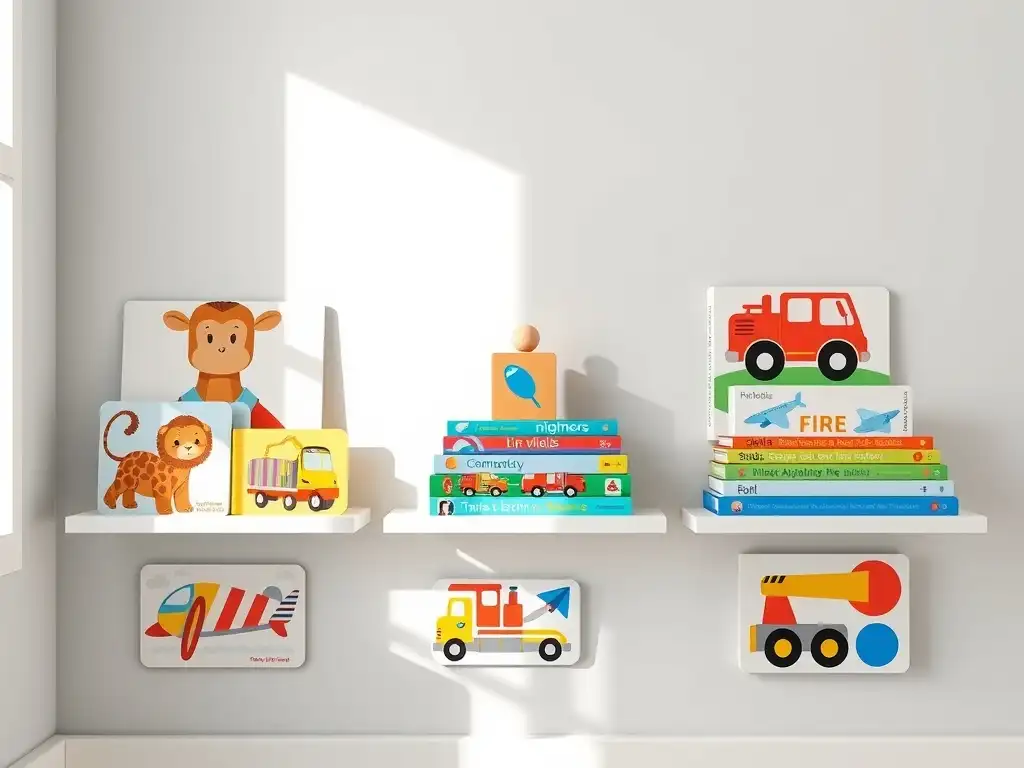
This section delves into the practical application of curating themed book collections tailored to your baby's developmental milestones and burgeoning interests. We'll explore how to build collections around specific themes, highlighting the educational benefits and suggesting specific book examples. Remember, consistent exposure to diverse themes is key for optimal baby book selection milestones.
Themed Collections: Animals and Nature – Engaging with the World
Introducing your baby to the wonders of the animal kingdom and the natural world fosters curiosity and a love for learning. Animal-themed books are visually stimulating, offering rich textures and vibrant colors that captivate young minds. These books often introduce simple vocabulary, sounds, and basic concepts like size and color, contributing significantly to early language development and cognitive skills. The tactile experience of holding and interacting with the books also enhances sensory development.
Recommended Books: Farm Animals, Ocean Creatures, Jungle Animals: Animal Book Set Suggestions
Creating a diverse collection within the animal theme is crucial. Consider building sets around specific environments:
- Farm Animals: Books featuring cows, pigs, sheep, and chickens can introduce farm sounds and routines, building vocabulary related to rural life. Look for books with lift-the-flaps, textures, or interactive elements.
- Ocean Creatures: Introduce your baby to the wonders of the underwater world with books about whales, dolphins, fish, and other sea creatures. Focus on books with bright colors and simple descriptions, emphasizing the diversity of marine life.
- Jungle Animals: Explore the exciting world of the jungle with books featuring lions, tigers, monkeys, and parrots. These books can introduce diverse animal characteristics and habitats, enriching your baby's understanding of different ecosystems.
Remember to choose books with sturdy pages, suitable for little hands. Consider board books for durability and easy handling.
Educational Value and Sensory Exploration in Animal-Themed Books
Beyond entertainment, animal-themed books offer significant educational value. They:
- Expand Vocabulary: Introduce new words related to animals, their sounds, and habitats.
- Develop Cognitive Skills: Help babies understand concepts like size, color, and shape.
- Stimulate Sensory Development: Colorful illustrations and textures engage multiple senses.
- Foster Emotional Development: Stories about animals can help babies develop empathy and understanding of different creatures.
For example, a book featuring a tactile sheep might encourage your baby to touch and feel the different textures, enhancing their sensory exploration. The repetitive sounds of animal calls in a book can help with early language acquisition and memory development. This aligns perfectly with key baby book selection milestones.
Themed Collections: Vehicles and Transportation – Sparkling Curiosity
Vehicles and transportation themes are incredibly engaging for babies, sparking their curiosity about the world around them. The vibrant colors, diverse shapes, and exciting sounds of cars, trains, planes, and boats capture their attention and encourage imaginative play. These books often introduce basic concepts of movement, speed, and direction, contributing to early spatial reasoning.
Recommended Books: Cars, Trains, Planes, and Boats: Vehicle Book Set Suggestions
Building a vehicle-themed collection allows you to introduce various modes of transportation:
- Cars: Books featuring different types of cars, from fire trucks to ambulances, introduce new vocabulary and concepts related to different vehicles and their functions.
- Trains: Train books can showcase different types of trains, train tracks, and train stations, introducing concepts like travel and transportation.
- Planes: Planes offer a chance to explore the sky and air travel, introducing new vocabulary and concepts related to airports and flying.
- Boats: Boats can introduce concepts related to water travel, different types of boats, and the ocean or rivers.
Again, prioritize books with durable pages and engaging visuals.
Connecting Books to Real-World Experiences: Trips to the Zoo or Airport
To enhance the learning experience, connect the books to real-world experiences. A trip to the zoo after reading animal books can make the learning experience more memorable and engaging. Similarly, a visit to the airport after reading a book about planes can reinforce the concepts learned. This active engagement significantly contributes to achieving optimal baby book selection milestones. These real-world connections bring the stories to life and deepen your baby's understanding and appreciation for the themes presented in the books.
Themed Collections: Colors and Shapes – Early Learning Through Play
Introducing colors and shapes early in a baby's development is crucial for fostering cognitive growth. These fundamental concepts form the building blocks for more complex spatial reasoning and problem-solving skills later in life. Themed book collections focusing on colors and shapes can make learning fun and engaging, transforming a potentially dry subject into a vibrant playtime experience. By choosing books with bright, contrasting colors and simple, easily recognizable shapes, you can capture your baby's attention and stimulate their visual development.
Remember, repetition is key at this stage. Reading the same books multiple times allows babies to become familiar with the vocabulary and concepts, strengthening their memory and comprehension. The tactile experience of handling board books also contributes to sensory development, further enriching the learning process.
Moreover, choosing books with sturdy pages is essential for the inevitable chewing and dropping that comes with this age group. Durability is a must-have when selecting books for your little one. This ensures that the investment in these learning tools lasts longer, maximizing their educational benefit.
Recommended Books: Rainbow Colors, Geometric Shapes: Shape and Color Book Set Suggestions
Many publishers offer excellent sets focused on colors and shapes. Look for books with large, clear images and simple, repetitive text. For example, a set might include a book dedicated to each color of the rainbow, featuring objects of that color in visually appealing scenes. Another book could introduce basic geometric shapes like circles, squares, and triangles, showing these shapes in everyday objects familiar to a baby, such as balls, blocks, and slices of fruit.
When choosing books, consider the overall quality – sturdy board books are ideal for little hands. Avoid books with small parts that could pose a choking hazard. Remember to check reviews from other parents to get an idea of the book’s popularity and effectiveness in engaging young children. Consider also the variety of textures and materials used in the book.
Some books incorporate different fabrics or textures, adding to the sensory experience for your child. Prioritize books with bright, bold colors that are easy for babies to recognize and differentiate. These details enhance the overall learning experience and make the books more appealing to your little one. The goal is to make learning fun and engaging, not a chore.
Interactive Activities to Reinforce Learning: Color Sorting and Shape Matching
Beyond simply reading books, you can reinforce learning through interactive play. Color sorting is a fantastic activity. Gather various toys or objects in different colors and have your baby sort them into corresponding color-coded containers. Start with two colors, then gradually increase the number as your baby's understanding develops. Shape matching games are equally beneficial.
Use shape sorters, or create your own using cut-out shapes and corresponding containers. You can even use household items like lids and containers to make a fun and educational game. Remember to keep the activities short and engaging, tailoring their complexity to your baby's developmental stage. Praise and encouragement are crucial, reinforcing their successes and building their confidence. These activities not only reinforce the concepts learned from the books but also develop crucial fine motor skills and problem-solving abilities.
It's important to make learning enjoyable. Using a playful and encouraging tone helps your baby associate learning with positive experiences, fostering a love of learning from a young age. Celebrate their successes, even the small ones. Positive reinforcement is key to their developmental progress.
Maximizing the Benefits of Themed Book Collections for Baby's Development
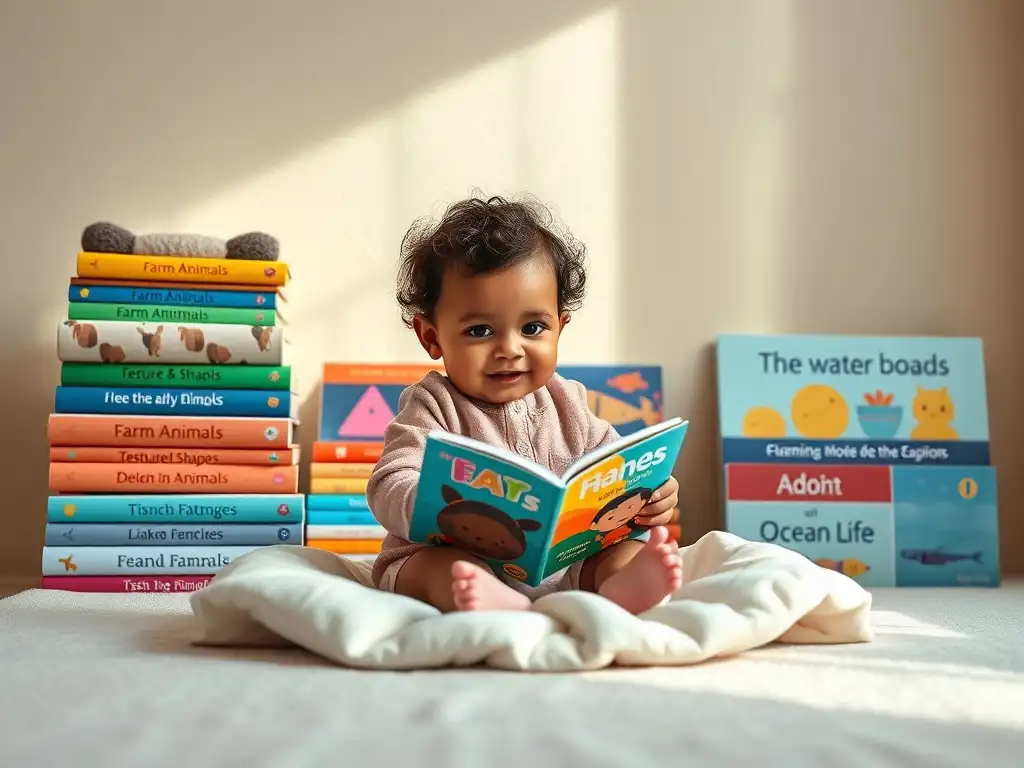
Themed book collections offer a powerful tool for fostering your baby's development, going beyond simple entertainment. By carefully curating books around specific themes, you can target various developmental milestones, enriching their cognitive, linguistic, and emotional growth. A collection focused on animals, for instance, not only introduces new vocabulary ("elephant," "giraffe," "lion") but also sparks curiosity about the natural world, enhancing their understanding of different species and habitats.
Similarly, a collection centered on shapes and colors helps build early math and visual discrimination skills. This targeted approach maximizes the impact of reading, transforming it from a passive activity into an active learning experience. The key is to select books that are age-appropriate and engaging, ensuring your baby remains interested and stimulated.
Consistent exposure to diverse themes across multiple books strengthens learning and retention. Remember, the goal isn't just to read to your baby, but to read with your baby, fostering interaction and creating a positive association with books and learning.
The Role of Reading Aloud in Language Development: Tips for Engaging Storytelling
Reading aloud is crucial for language development in babies and toddlers. It exposes them to a rich vocabulary, diverse sentence structures, and the rhythm and intonation of language. Even before they understand the words, babies respond to the sound of your voice and the emotional tone of the story. To maximize engagement:
- Use expressive voices: Vary your tone, pitch, and pace to bring the characters to life. Employ different voices for different characters.
- Engage your baby: Point to the pictures, ask simple questions ("Where's the doggy? "), and encourage them to interact with the book.
- Make it interactive: Use puppets, props, or sound effects to enhance the storytelling experience. Simple actions, like making animal sounds, can greatly increase engagement.
- Repeat familiar books: Repetition strengthens vocabulary acquisition and helps your baby build familiarity with the story and its characters. This familiarity fosters a sense of security and predictability.
- Read often: Aim for at least one reading session per day, even if it's just for a few minutes. Consistency is key.
Reading Strategies to Enhance Comprehension and Vocabulary: Effective Reading Strategies
To effectively enhance comprehension and vocabulary, consider these strategies:
- Point to pictures and name objects: Connect the visual with the spoken word. This helps build vocabulary and strengthens the link between words and their meanings.
- Use descriptive language: Don't just read the words; describe the pictures and the characters' actions. For example, instead of saying "The cat sat on the mat," you could say, "The fluffy, grey cat curled up on the soft, red mat."
- Ask open-ended questions: Instead of yes/no questions, ask questions that encourage your baby to think and respond. For example, "What do you think the bear will do next?"
- Pause and let your baby respond: Give your baby time to process the information and respond, even if it's just with a gurgle or a point.
- Extend the story: After reading, discuss the story, talk about the characters, and relate it to your baby's experiences.
Creating a Positive Reading Experience: A Calming Bedtime Routine
Integrating reading into a calming bedtime routine can create a positive association with books and sleep. A consistent routine reduces stress and helps your baby wind down. This could involve a warm bath, a lullaby, and then a quiet storytime. Choose calming books with soothing illustrations and gentle narratives.
Dim the lights, cuddle close, and speak in a soft, reassuring voice. The goal is to create a relaxing and predictable environment that signals it's time for sleep. This positive association will make bedtime reading a cherished part of your daily routine, fostering a love of books and a peaceful transition to sleep. The consistency and predictability are key for establishing a healthy sleep pattern.
Choosing High-Quality Books: Durability, Safety, and Engaging Illustrations
Selecting high-quality baby books is an investment in your baby's development and enjoyment. Durability, safety, and engaging illustrations are key considerations. Babies often put books in their mouths, so non-toxic materials and sturdy construction are crucial.
Factors to Consider When Selecting Baby Books: Material, Binding, and Size
- Material: Opt for books made from non-toxic, durable materials like thick cardboard or cloth. Avoid books with small, detachable parts that could pose a choking hazard. Look for certifications indicating the book is safe for babies.
- Binding: Choose books with strong bindings that can withstand repeated handling and chewing. Avoid books with flimsy bindings that can easily tear.
- Size: Select books that are appropriately sized for your baby's hands. Larger books with chunky pages are ideal for younger babies, while smaller books are suitable as they get older. Consider the age and developmental stage of your baby when selecting book size.
Where to Find High-Quality and Affordable Baby Books: Online and Offline Resources
High-quality baby books can be found both online and in physical bookstores. Online retailers often offer a wide selection and competitive prices. Check reviews and ratings before purchasing. Local bookstores frequently host events and offer personalized recommendations. Libraries are also an excellent resource, offering a wide variety of books at no cost. Consider exploring used bookstores or online marketplaces for affordable options. Remember to inspect used books carefully for any damage before purchasing. Don't hesitate to ask for recommendations from other parents or librarians; their advice can be invaluable.
Creating a Personalized Library: Adapting to Baby's Individual Preferences

Building a baby's library isn't just about accumulating books; it's about curating a collection that resonates with their unique personality and developmental stage. This personalized approach to baby book selection milestones ensures that reading time is engaging and enriching for your little one. Remember, the goal is to foster a love of reading from the earliest stages. This section focuses on how to observe your baby's preferences and adapt your book choices accordingly, ensuring a positive and enjoyable reading experience.
Observing Baby's Interests: Identifying Preferred Themes and Styles
Understanding what captures your baby's attention is crucial for building a successful library. Some babies are mesmerized by bright colors and simple shapes, while others are drawn to textures and interactive elements. Pay close attention to their reactions. Do they gaze longer at certain pictures? Do they reach out to touch specific textures? Do they babble more when hearing certain rhymes or sounds?
These subtle cues are invaluable in identifying their preferred themes and styles. For example, a baby fascinated by animals might respond well to books featuring farm animals, jungle creatures, or ocean life. A baby who enjoys bright colors might prefer books with bold illustrations and contrasting hues. Keep a mental note, or even a written log (as discussed below), of these observations. This will help you make informed choices when selecting new books.
Tracking Baby's Responses to Different Books: A Simple Log to Monitor Preferences
A simple log can significantly enhance your ability to tailor your baby book selection milestones. Consider creating a small notebook or using a digital document to track your baby’s reactions to different books. Include details like:
| Book Title | Date Read | Theme | Baby's Reaction | Notes |
|---|---|---|---|---|
| "Bright Baby Animals" | 2024-10-27 | Animals | Long gaze at pictures, touched pages gently. | Seemed particularly interested in the cows. |
| "Soft Shapes" | 2024-10-28 | Shapes & Textures | Reached for the textured pages repeatedly. | Enjoyed the crinkly pages the most. |
| "Rhyming Rainbows" | 2024-10-29 | Colors & Rhymes | Babbled enthusiastically during the rhymes. | Showed interest in the yellow and blue pages. |
This detailed record allows you to identify patterns in your baby's preferences, helping you refine your book selection strategy.
Adjusting Your Book Selection Based on Baby's Feedback: Tailoring the Experience
Once you've identified your baby's preferences, you can actively tailor your book selection to meet their needs and interests. If your baby shows a strong preference for animals, incorporate more animal-themed books into your reading routine. If they enjoy interactive elements, choose books with lift-the-flaps, textures, or sound effects.
This personalized approach ensures that reading time is enjoyable and stimulating for your baby, fostering a positive association with books and reading. Remember, this is an iterative process; continue to observe and adjust your selection as your baby grows and their interests evolve. This constant adaptation is key to successful baby book selection milestones.
While catering to your baby's immediate preferences is important, it's equally vital to expose them to a wide variety of genres and authors. This fosters a broader appreciation for literature and helps them develop a well-rounded understanding of the world.
The Importance of Diversity in Children's Literature: Representation and Inclusivity
Diversity in children's literature is not merely a trend; it's a necessity. Exposing your baby to books featuring characters from different backgrounds, cultures, and abilities promotes inclusivity and understanding. It teaches them to appreciate the richness and beauty of human diversity from a young age. Books that accurately represent different cultures and lifestyles can help broaden your baby's perspective and cultivate empathy and acceptance. Look for books that challenge stereotypes and promote positive representations of all people.
Finding Books that Reflect Baby's Cultural Background and Interests: Resources and Recommendations
[Specific information pending: This section requires a list of reliable resources and specific book recommendations for diverse cultural backgrounds. This could include online bookstores, libraries, and curated lists of diverse children's books.] Finding books that reflect your baby's heritage and interests can strengthen their sense of identity and belonging. This is a crucial aspect of creating a truly personalized and enriching reading experience. Remember, the goal is not only to entertain but also to educate and inspire. A diverse library helps achieve all three.
Frequently Asked Questions
How can I choose books that match my baby's developmental milestones?
Select books based on your baby's age and abilities. Look for books with simple text and bright, engaging images for younger babies, progressing to more complex stories and concepts as they grow. Consider developmental stages like object permanence, language acquisition, and social skills.
What are some themes suitable for building themed book collections?
Popular themes include animals, colors, shapes, and simple emotions. You can also create collections around specific interests your baby shows, such as transportation or music. Remember to consider age-appropriateness within each theme.
At what age should I start introducing books to my baby?
You can begin introducing books from birth. Even newborns respond to the sound of your voice and the feel of the pages. Focus on interactive elements like sounds and textures, gradually increasing complexity as your baby develops.
How many books should I aim to have in a themed collection?
There's no magic number! Start with 3-5 books per theme to avoid overwhelming your baby. The goal is to build a diverse and engaging collection that caters to their interests and allows for repeated readings. Add more as your baby's interests evolve.
Where can I find information on age-appropriate books for different milestones?
Many online resources, including BabyCareHub, offer guidance on age-appropriate books and developmental milestones. Look for lists and reviews that specify age ranges and skill levels. You can also consult your pediatrician or librarian for recommendations.
Final Reflection: Cultivating a Love of Reading from Day One
The carefully curated collection of books you build for your baby isn't just a collection; it's an investment in their future, a foundation for a lifelong love of reading and learning. The impact of early childhood literacy is undeniable, shaping cognitive development, language acquisition, and emotional intelligence in profound ways. This is more than just choosing cute board books; it's about actively shaping a child's world through the power of stories.
The journey of selecting books to match a baby's developmental milestones is a deeply personal one, filled with joy and discovery. It's about witnessing their engagement with different textures, colors, and sounds, and tailoring the reading experience to their ever-evolving understanding. This process allows for a unique connection between parent and child, fostering a bond built on shared experiences and the magic of storytelling. The more that you read, the more things you will know, the more that you learn, the more places you'll go.
- Dr. Seuss. This simple truth underscores the importance of starting this journey early.
Consider the books you've chosen for your little one, the stories you've shared, and the moments of wonder you've created together. Now, I invite you to continue this enriching journey. Don't just buy books; curate an experience. Think about your child's interests, their developmental stage, and the values you want to instill. Select books that spark their curiosity, expand their horizons, and nurture their imagination. Remember, every book you choose is a step towards building a future filled with the joy of reading.
Unleash Your Little One's Literary Adventure!
Thank you for exploring themed book collections with us! We hope you've discovered new ways to nurture your baby's love of reading and learning. Ready to take the next step?
- Create a personalized library for your baby: Begin building a collection based on their interests or developmental stage. Themes like animals, colors, or shapes offer endless possibilities!
- Share your curated collection: Show off your unique book collection on social media using #BabyCareHubBookworm and inspire other parents!
- Learn more: Explore our other articles on early childhood development and literacy to unlock even more amazing reading experiences for your little one.
What exciting theme will you choose to begin your baby's literary journey?