
Textured Toys: Why Sensory Exploration is Important for Baby

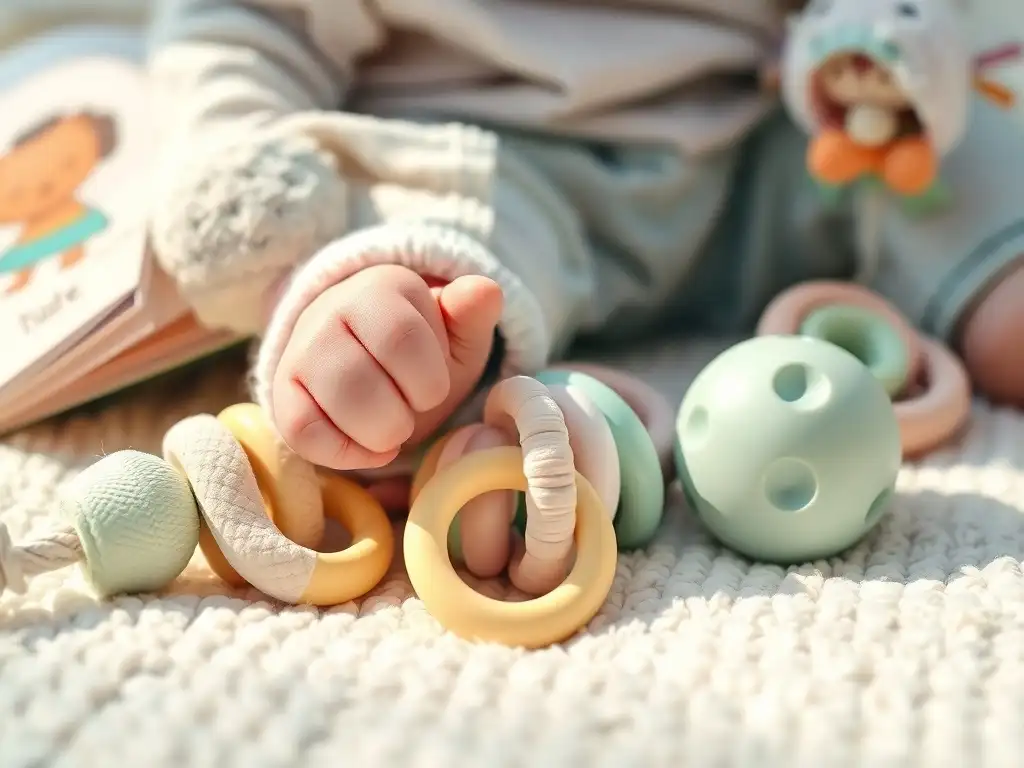
Welcome to BabyCareHub, your ultimate guide to navigating the incredible journey of parenthood! Are you ready to unlock the secrets to a happier, healthier baby? We've got you covered, from feeding schedules to soothing sleep routines. But did you know that simple things like textured toys can significantly impact your baby's development? Discover the amazing benefits of baby sensory toys and learn how to nurture your little one's growth in our insightful article, "Textured Toys: Why Sensory Exploration is Important for Baby." Let's embark on this exciting adventure together!
- Understanding the Importance of Sensory Play for Baby Development
-
Exploring Different Types of Textured Baby Toys
- Soft and Cuddly Toys for Calming Sensory Experiences
- Teethers and Rattle Toys: Promoting Oral Sensory Development
- Crinkle Toys and Fabric Books: Enhancing Auditory and Tactile Stimulation
- Wooden Toys with Varying Textures: Developing Fine Motor Skills
- Soft Toys with Different Fabrics: Comfort and Tactile Stimulation
- Water-Based Toys: Exploring Temperature and Texture
- Choosing the Right Textured Toys for Your Baby's Age and Stage
- Maximizing the Benefits of Textured Toys: Engaging in Sensory Play Activities
- Addressing Common Concerns About Sensory Toys
- Where to Find High-Quality Textured Baby Toys
- Frequently Asked Questions
- Final Reflection: The Enduring Power of Sensory Play
- Unlock Your Baby's Sensory World!
Understanding the Importance of Sensory Play for Baby Development
The first year of a baby's life is a period of explosive brain development. During this crucial time, sensory experiences play a pivotal role in shaping their cognitive, emotional, and physical growth. Sensory play, which involves engaging multiple senses simultaneously, is not simply fun and games; it's a fundamental building block for healthy development. This article will delve into the specific benefits of textured toys and how they contribute to a baby's sensory exploration, ultimately enhancing their overall development.
We’ll explore why choosing toys that stimulate touch, sight, and even sound is crucial for optimizing your baby's brain development and laying a strong foundation for future learning. Understanding the "Baby sensory toy benefits" is key to providing your little one with the best possible start in life. We'll examine the science behind sensory play and offer practical tips for selecting developmentally appropriate textured toys for your baby.
The Crucial Role of Touch in Early Brain Development
Touch is the first sense to develop in utero, and it remains incredibly important throughout infancy. The sense of touch is directly linked to the development of the somatosensory cortex, a part of the brain responsible for processing tactile information. Stimulating this area through varied textures helps to establish neural pathways and strengthens connections between different parts of the brain.
Babies explore the world through touch, learning about shapes, sizes, and temperatures. The more varied and rich the tactile experiences, the more robust these neural pathways become. Studies have shown that babies who experience a wider range of textures demonstrate improved fine motor skills, hand-eye coordination, and problem-solving abilities later in life.
Think of it this way: each time your baby touches a soft plush toy, a bumpy teething ring, or a crinkly fabric, they're actively building their brain! This early sensory stimulation is not just beneficial; it's essential for optimal neurodevelopment. The diversity of touch experiences is paramount; a soft blanket offers a different sensory input than a rough wooden block.
How Textured Toys Stimulate Sensory Integration in Infants
Textured toys are powerful tools for stimulating sensory integration in infants. Sensory integration is the process by which the brain organizes sensory information from the body and the environment. Babies with strong sensory integration skills are better able to process information, regulate their emotions, and interact with their surroundings effectively.
Textured toys offer a variety of tactile experiences, helping babies to discriminate between different textures and develop a deeper understanding of their physical world. For example, a soft, plush toy encourages gentle exploration, while a textured ball encourages grasping and manipulating. Babies learn to associate different textures with different sensations – the smoothness of a polished wooden block versus the roughness of a textured fabric.
This process helps them to develop their understanding of cause and effect and improves their hand-eye coordination as they reach, grasp, and manipulate the toys. Consider incorporating a variety of textures into your baby's playtime, including soft, hard, smooth, rough, bumpy, and fuzzy materials. This variety will stimulate multiple sensory receptors and promote better sensory integration.
Benefits of Sensory Play for Cognitive Development in Babies
The benefits of sensory play extend far beyond motor skill development. Sensory experiences are fundamental to cognitive development, impacting a baby's ability to learn, problem-solve, and understand the world around them. Textured toys, in particular, contribute significantly to this cognitive growth.
The act of exploring different textures enhances a baby's spatial awareness and understanding of object permanence (the understanding that objects continue to exist even when out of sight). As babies manipulate textured toys, they develop problem-solving skills, learning to figure out how to grasp, hold, and explore different objects. Furthermore, the stimulation provided by textured toys can help babies develop their attention spans and improve their focus.
The varied sensory input keeps them engaged and encourages them to explore and learn. These early cognitive gains lay the foundation for future academic success and overall intellectual development. Providing your baby with a rich environment of sensory experiences, including a variety of textured toys, is an investment in their future cognitive abilities.
Exploring Different Types of Textured Baby Toys
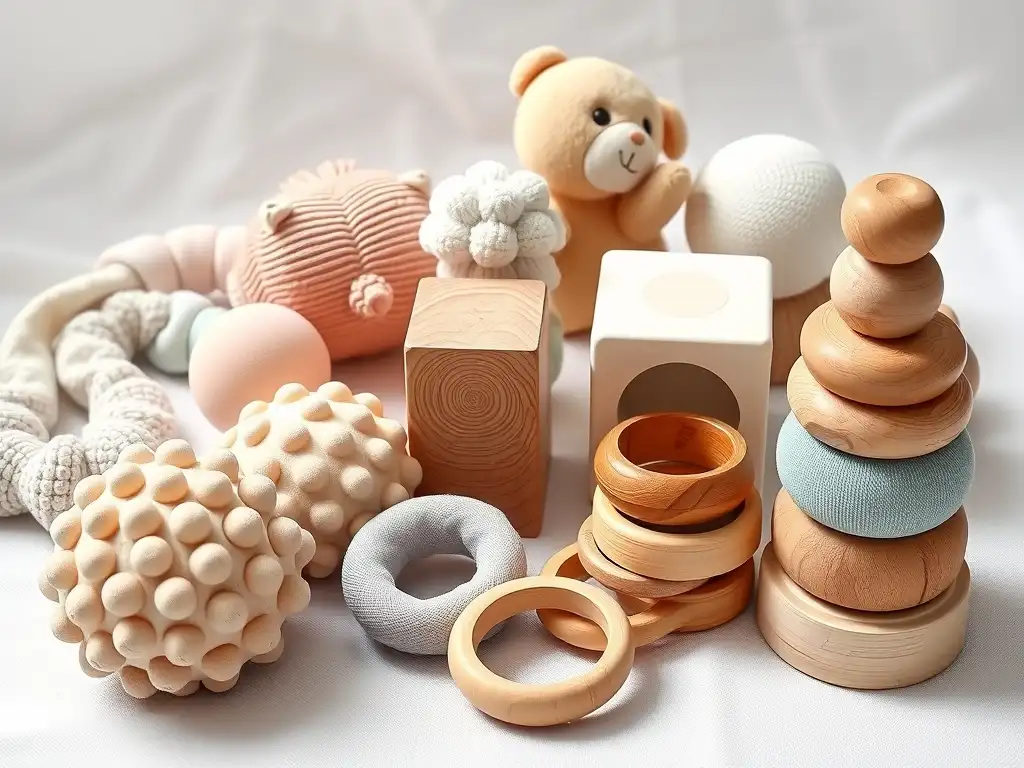
This section delves into the diverse world of textured baby toys, highlighting their crucial role in a baby's sensory development. Understanding the various textures and how they stimulate different senses is key to selecting toys that will benefit your little one's growth and development. We'll explore the specific benefits of different toy types, focusing on how they contribute to overall sensory enrichment and the positive impact on your baby's cognitive and motor skills.
Remember, the goal is to provide a rich sensory environment that encourages exploration and learning. This contributes significantly to healthy brain development, enhancing your baby's ability to process information and interact with the world around them. Optimal sensory stimulation during infancy lays the groundwork for future learning and development.
Soft and Cuddly Toys for Calming Sensory Experiences
Soft toys offer a comforting and calming sensory experience for babies. The gentle touch and yielding texture provide a sense of security and reduce anxiety. These toys are ideal for soothing fussy babies and promoting relaxation. The soft, plush materials often used in these toys also stimulate tactile receptors in the baby's skin, contributing to their sensory development. Consider the following when selecting soft toys:
- Material: Opt for soft, natural materials like cotton or organic fabrics whenever possible. Avoid toys with small parts that could pose a choking hazard.
- Texture: A variety of textures within a single toy can be beneficial. Look for toys with different levels of softness, perhaps incorporating patches of slightly rougher fabric for added stimulation.
- Size: Choose appropriately sized toys that are easy for your baby to grasp and cuddle.
Think about the calming effect of a soft, velvety bunny compared to a hard, plastic toy. The gentle pressure and yielding nature of the soft toy provide a more comforting sensory experience, promoting relaxation and reducing stress. This is particularly beneficial for babies who are easily overstimulated or anxious. The predictable response of the soft toy also helps babies develop a sense of control and mastery over their environment.
Teethers and Rattle Toys: Promoting Oral Sensory Development
Teethers and rattles play a vital role in a baby's oral sensory development. The varied textures and shapes stimulate the gums and mouth, providing relief during teething and encouraging exploration of different sensations. The sounds produced by rattles also add an auditory element to the sensory experience, further enhancing brain development.
| Toy Type | Texture Examples | Sensory Benefits | Developmental Advantages |
|---|---|---|---|
| Teethers | Silicone, rubber, wood, chilled | Gum massage, pain relief, temperature sensation | Oral motor skills development, self-soothing |
| Rattles | Plastic, fabric, wood, metal | Sound exploration, tactile exploration | Hand-eye coordination, auditory processing skills |
The act of shaking a rattle helps babies develop hand-eye coordination and strengthens their grip. The different sounds produced by different materials – a soft chime versus a harsh rattle – provide diverse auditory stimulation. Furthermore, the varying textures of teethers can help soothe sore gums during teething, providing comfort and relief to the baby.
Crinkle Toys and Fabric Books: Enhancing Auditory and Tactile Stimulation
Crinkle toys and fabric books combine auditory and tactile stimulation, engaging multiple senses simultaneously. The crinkling sound produced when squeezed or manipulated provides auditory stimulation, while the varied textures of the fabric stimulate tactile receptors in the baby's hands and fingers. These toys are excellent for encouraging exploration and discovery.
- Crinkle Toys: These toys often feature crinkly paper or plastic inside soft fabric coverings. The unpredictable crinkling sound keeps babies engaged and encourages them to repeatedly manipulate the toy, fostering fine motor skill development. The varied textures of the fabric itself also contribute to tactile exploration.
- Fabric Books: These books often feature different textures, colors, and shapes. They encourage babies to explore different materials and textures, improving their hand-eye coordination and tactile discrimination. The simple illustrations and tactile elements can help with early language development.
The combination of sound and touch in these toys provides a multi-sensory experience that is highly engaging for babies. This type of stimulation is crucial for brain development and helps babies learn to associate different sensations with specific actions and objects. For example, a baby learns that squeezing a crinkle toy produces a crinkling sound, strengthening cause-and-effect understanding. This contributes significantly to cognitive development and problem-solving skills later in life. Providing a range of crinkle toys and fabric books with varying textures and sounds is therefore essential for enriching your baby's sensory experiences and supporting their overall development.
Wooden Toys with Varying Textures: Developing Fine Motor Skills
Wooden toys offer a fantastic avenue for sensory exploration, particularly when they incorporate a variety of textures. The smooth, polished surface of a wooden block contrasts beautifully with the rough grain of a teething ring or the intricate carvings of a shape sorter. This tactile diversity is crucial for a baby's developing brain. Babies learn to differentiate between these textures through touch, strengthening their hand-eye coordination and enhancing their fine motor skills.
The act of grasping, manipulating, and exploring these diverse textures helps refine their pincer grasp – the ability to pick up small objects using the thumb and forefinger – a vital developmental milestone. Furthermore, the weight and solidity of wooden toys provide a different sensory experience compared to lighter, plastic alternatives. This helps babies develop a sense of weight and spatial awareness. Consider toys like stacking rings with varying surface treatments, wooden puzzles with textured pieces, or even simple wooden beads strung on a sturdy cord.
These toys not only stimulate sensory development but also lay the foundation for future problem-solving and cognitive skills. The natural, sustainable aspect of wooden toys is an added bonus, aligning with environmentally conscious parenting choices. Remember to always supervise your baby during playtime with wooden toys and ensure that they are appropriately sized and free from any potential hazards. The benefits extend beyond simple tactile stimulation; the inherent durability of well-made wooden toys means they can be passed down through generations, becoming cherished family heirlooms.
Soft Toys with Different Fabrics: Comfort and Tactile Stimulation
Soft toys are a staple in every baby's life, offering comfort and a sense of security. However, the diversity of textures within soft toys often gets overlooked. Consider the difference between a plush, velvety teddy bear and a crinkly, textured fabric book. This variation in tactile experience is incredibly important for a baby's sensory development.
The soft, yielding texture of some fabrics provides comfort and a sense of security, while the crinkling sounds and varied textures of others stimulate their senses and encourage exploration. Babies develop a preference for certain textures over others, and this exploration helps them understand and categorize different sensory inputs. The different fabrics also have varying degrees of elasticity and give, which contributes to a baby's understanding of object properties.
Look for toys that incorporate a variety of fabrics – fleece, cotton, silk, corduroy – to provide a rich sensory experience. Remember to check labels and ensure the fabrics are soft, safe, and washable to prevent allergies or irritations. The combination of comfort and tactile stimulation provided by these toys is invaluable in a baby's early development, helping them develop a better understanding of their world through touch.
Water-Based Toys: Exploring Temperature and Texture
Water-based toys offer a unique sensory experience, engaging multiple senses simultaneously. The coolness of the water itself is a contrasting sensation to the textures of the toys within it. A simple bath toy with various textures – smooth surfaces, bumpy knobs, textured patterns – can provide a stimulating bath time experience. The different temperatures of the water – as long as they remain within a safe range – can also contribute to sensory learning.
The fluidity of the water allows for a unique tactile experience, different from the firm textures of wooden or fabric toys. Babies can splash, pour, and explore the way water moves, further developing their understanding of cause and effect. The sound of the water adds another dimension, creating a multi-sensory experience that is both engaging and educational.
Safety is paramount when using water-based toys; always supervise your baby during bath time and ensure that the toys are appropriately sized and free from small parts that could pose a choking hazard. Choosing toys that float or sink can introduce concepts of buoyancy and density in a fun and playful way. Water-based sensory play is a fantastic way to introduce new textures and temperatures while making bath time more enjoyable.
Choosing the Right Textured Toys for Your Baby's Age and Stage
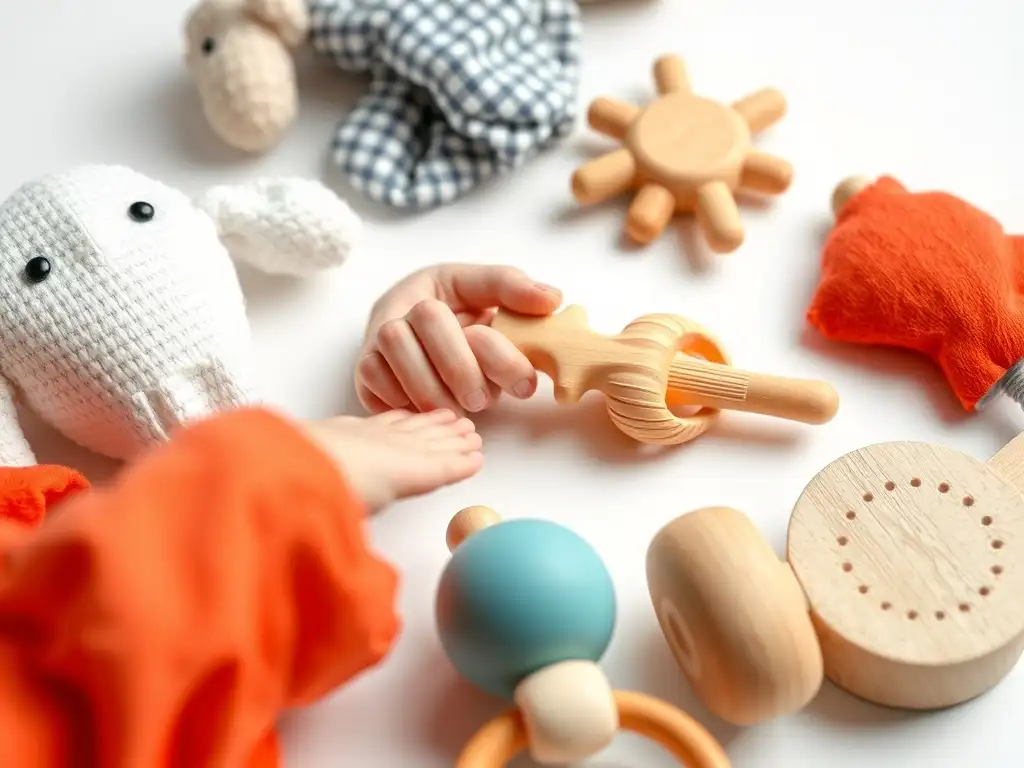
Selecting the perfect textured toys for your little one requires understanding their developmental stage. Babies' sensory perception and motor skills evolve rapidly during their first year, demanding a thoughtful approach to toy selection. The benefits of baby sensory toy engagement are numerous, contributing to cognitive, physical, and emotional growth. Choosing toys appropriate for their age ensures maximum engagement and minimizes frustration. We'll explore age-appropriate options and highlight the baby sensory toy benefits at each stage.
Selecting Sensory Toys for Newborns (0-3 Months)
Newborns have limited motor skills but are highly receptive to sensory stimulation. At this stage, baby sensory toy benefits focus on calming and soothing, stimulating basic reflexes, and encouraging visual tracking. Ideal textured toys for newborns should be:
- Soft and cuddly: Think plush toys with varying textures like soft fleece, satin ribbons (always securely sewn! ), and velvety materials. These provide comfort and tactile stimulation without overwhelming the baby.
- High-contrast patterns: Newborns respond well to strong visual contrasts, so consider toys with black and white or brightly colored patterns. These help with visual development.
- Simple shapes: Avoid complex designs. Simple shapes and patterns are easier for newborns to focus on and process.
- Easy to grasp: While newborns won't have a strong grip, consider toys with easy-to-grasp handles or loops.
Remember, safety is paramount. Always supervise your newborn during playtime and ensure all toys are age-appropriate and free of small parts that could pose a choking hazard. The focus here is on gentle exploration and comfort, laying the foundation for future sensory development. Early sensory experiences significantly contribute to brain development, setting the stage for later learning and cognitive skills. Consider toys that offer a variety of textures, even within a single item, to maximize sensory engagement.
Textured Toys for Infants (4-12 Months)
As infants grow, their motor skills develop rapidly. They begin reaching, grasping, and manipulating objects with increasing dexterity. Baby sensory toy benefits at this stage extend to fine motor skill development, problem-solving, and exploring cause and effect. Suitable textured toys for this age group include:
- Teethers: Teethers with a variety of textures, such as ribbed silicone, soft rubber, or textured wood, provide relief during teething and oral sensory exploration.
- Stacking toys: These toys encourage hand-eye coordination and problem-solving skills. Choose toys with varied textures and shapes for added sensory stimulation.
- Rattles: Rattles with different textures and sounds provide auditory and tactile stimulation.
- Fabric books: These are excellent for developing tactile skills and introducing early literacy concepts. Look for books with a variety of textures, from soft fabrics to crinkly materials.
- Balls: Balls of different sizes, textures, and weights provide opportunities for throwing, catching, and rolling, promoting gross motor skills.
During this period, the baby sensory toy benefits expand beyond simple sensory stimulation. Infants begin to understand cause and effect, and toys that offer interactive elements, such as those that make sounds or have moving parts, become increasingly engaging. The variety of textures helps refine their fine motor skills and hand-eye coordination.
Safety Considerations When Choosing Textured Baby Toys
Safety should always be the top priority when selecting toys for your baby. Here's a checklist to ensure you're choosing safe and developmentally appropriate textured toys:
| Feature | Safety Consideration |
|---|---|
| Materials | Choose toys made from non-toxic, durable materials. Avoid toys with small parts that could pose a choking hazard. Check for certifications like ASTM F963. |
| Construction | Ensure all parts are securely attached. Avoid toys with loose buttons, beads, or other small components. |
| Cleaning | Opt for toys that are easy to clean and disinfect. Many babies put toys in their mouths frequently. |
| Age Appropriateness | Always check the age recommendations on the toy packaging. Select toys appropriate for your baby's developmental stage. |
| Supervision | Always supervise your baby during playtime. Never leave a baby unattended with toys. |
Remember, regular inspection of toys is crucial. Discard any damaged or worn-out toys immediately to prevent potential hazards. By carefully considering these factors, you can ensure your baby enjoys safe and stimulating playtime, reaping the full baby sensory toy benefits. 🧸
Toy Safety Guide: Tips for Choosing Safe and Engaging Toys
Choosing safe toys is paramount for your baby's well-being. A seemingly harmless toy can pose a significant risk if not carefully selected. Always prioritize safety when browsing the vast array of baby sensory toys available. Here's a detailed guide to help you make informed decisions:
Material Matters: Opt for toys made from non-toxic materials. Look for labels indicating compliance with safety standards like ASTM F963 in the US or equivalent standards in your region. Avoid toys with small parts that could easily detach and become choking hazards. This is especially crucial during the first year, when babies are prone to mouthing everything. Natural materials like wood, carefully treated, are often a good choice, but always check for smooth surfaces and secure construction. Avoid toys with sharp edges or points.
Size and Shape: The size of the toy should be appropriate for your baby's age and developmental stage. Toys intended for newborns should be significantly larger than the baby's mouth to prevent choking. As your baby grows, you can introduce smaller toys, but always supervise playtime closely. Avoid toys with long strings or cords that could wrap around your baby's neck. Round shapes are generally safer than oddly shaped toys that might present a choking risk.
Durability is Key: Select durable toys that can withstand the rigors of enthusiastic play. A toy that easily breaks apart can present a hazard. Thoroughly inspect toys for loose parts or weak seams before giving them to your baby. Regularly check toys for damage during playtime and discard any that show signs of wear and tear. This proactive approach minimizes the risk of your baby ingesting small pieces.
Supervision is Non-Negotiable: Even the safest toy requires adult supervision. Never leave your baby unattended while playing with toys. Constant monitoring allows you to intervene if your baby attempts to put a small part in their mouth or if the toy breaks. Active engagement during playtime also enhances the sensory experience for your little one.
Beyond the Basics: Remember to consider the overall design of the toy. Avoid toys with intricate designs that may have small, detachable components. Look for toys with smooth, rounded edges. While textures are beneficial for sensory development, avoid excessively rough textures that could irritate your baby's skin. Always prioritize safety above all else when selecting baby sensory toy benefits. A safe and engaging toy will foster healthy development while minimizing risk. Remember, a happy and safe playtime is the best kind of playtime!
Maximizing the Benefits of Textured Toys: Engaging in Sensory Play Activities
This section delves into the practical application of textured toys, focusing on how to maximize their developmental benefits through engaging play activities. Remember, the goal isn't just to give your baby a toy; it's to foster their cognitive, physical, and emotional growth through sensory exploration. The key is interactive playtime.
Interactive Play with Textured Toys
Interactive play with textured toys goes beyond simply placing the toy in your baby's crib. It's about actively engaging with them, guiding their exploration, and responding to their cues. Here are some examples:
- The "Feel and Guess" Game: Blindfold yourself (partially, of course!) and let your baby hand you different textured toys. Describe the textures aloud ("This one is soft like a bunny's fur! ", "This is bumpy like a little hedgehog!"). Then, let your baby feel your face and guess what texture it is. This encourages language development and turn-taking.
- Texture Sorting: Once your baby is a little older (around 6-9 months), you can introduce simple sorting activities. Gather a collection of toys with distinct textures – soft fleece, rough burlap, smooth wood, etc. – and encourage your baby to sort them into different containers or piles based on texture. This enhances fine motor skills and categorization skills.
- Texture Matching: Present your baby with pairs of toys with matching textures. Guide them to match the textures, praising their efforts and celebrating their successes. This activity reinforces pattern recognition and problem-solving abilities.
Remember to always supervise your baby during playtime and ensure that all toys are safe and age-appropriate. The aim is to make playtime fun and educational, building a strong foundation for your baby's development. Observe your baby's reactions; they will let you know what textures they enjoy the most. This personalized approach is crucial for maximizing the baby sensory toy benefits.
Creating a Sensory-Rich Environment for Your Baby
Beyond individual playtime, consider how you can create a broader sensory-rich environment that complements the use of textured toys. This holistic approach significantly boosts the developmental impact.
The environment should stimulate multiple senses simultaneously. Consider:
- Texture Variety: Include a range of textures in your baby's surroundings, not just on their toys. Think soft blankets, crinkly fabrics, smooth wooden blocks, and even the textured surface of a wicker basket.
- Visual Stimulation: Pair textured toys with visually appealing elements. Bright colors, contrasting patterns, and mobiles can enhance the overall sensory experience.
- Auditory Stimulation: Introduce sounds that complement the textures. A rustling sound paired with a crinkly toy, or soft music during a cuddly session with a plush toy.
- Safe Exploration: Ensure the environment is safe for your baby to explore freely. Remove any hazards and provide ample space for movement.
By creating a stimulating and safe environment, you are essentially extending the baby sensory toy benefits beyond dedicated playtime, making sensory exploration a natural part of your baby's daily life. This consistent exposure is key to maximizing developmental gains.
Integrating Textured Toys into Daily Routines
The most effective way to maximize the benefits of textured toys is to seamlessly integrate them into your baby's daily routines. This makes sensory play less of a scheduled activity and more of a natural part of their world.
Here are some ideas:
- Bath Time: Introduce bath toys with varied textures. Sponges, textured washcloths, and rubber ducks with different surfaces can make bath time both fun and stimulating.
- Mealtimes: Use textured bibs and high chairs to engage your baby's sense of touch during mealtimes.
- Tummy Time: Place textured toys on the playmat during tummy time to encourage exploration and strengthen neck and back muscles.
- Diaper Changes: Use a soft, textured changing mat to make diaper changes a more engaging experience.
By incorporating textured toys into everyday routines, you create consistent sensory stimulation that promotes your baby's development naturally and effortlessly. This subtle integration maximizes the impact of sensory play, providing lasting baby sensory toy benefits. Remember, consistency is key! The more often your baby interacts with different textures, the better they will develop their sensory processing skills.
Addressing Common Concerns About Sensory Toys
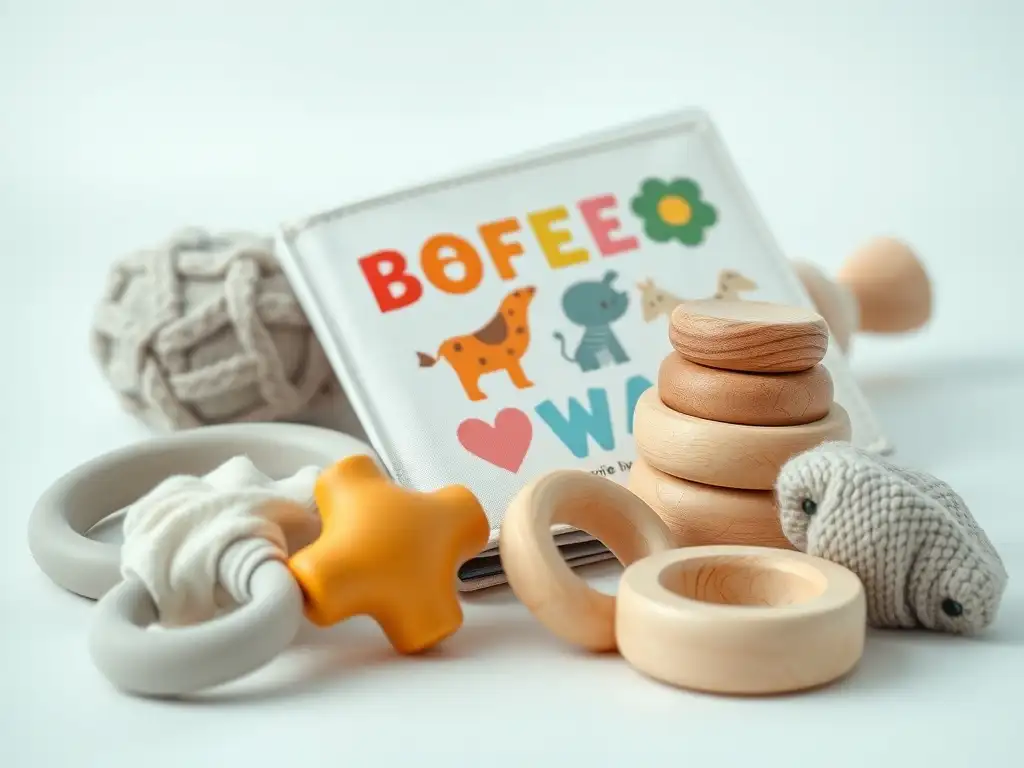
Many parents, especially first-time parents, harbor anxieties about introducing sensory toys to their babies. Concerns often revolve around the potential for sensory overload and the challenges of managing a baby's sensory sensitivities. Understanding these concerns and addressing them proactively is key to maximizing the benefits of sensory play for your little one's development.
This section will delve into common myths and realities surrounding sensory play, helping you navigate the world of textured toys and sensory exploration with confidence. The benefits of engaging your baby with varied textures, sounds, and sights far outweigh the potential risks, when approached thoughtfully. Remember, the goal is to foster healthy sensory development, not to overwhelm your baby.
Myths and Realities of Sensory Overload in Babies
A common fear is that sensory toys will overwhelm a baby, leading to fussiness, crying, or even developmental delays. While it's true that excessive stimulation can be detrimental, the reality is much more nuanced. Sensory overload isn't simply about the number of stimuli, but also the type, intensity, and the baby's individual temperament.
- Myth: All sensory toys are inherently overstimulating.
- Reality: Sensory toys come in a wide variety of forms, from soft, plush toys with subtle textures to toys with bright colors and engaging sounds. The key is choosing age-appropriate toys and observing your baby's reactions. Start with simpler toys and gradually introduce more complex ones.
- Myth: Sensory overload causes permanent damage.
- Reality: While excessive stimulation can be stressful for a baby, it's unlikely to cause permanent harm. Babies are remarkably resilient, and their nervous systems are constantly adapting. If your baby shows signs of being overwhelmed, simply remove the stimulus and offer comfort.
Consider this example: A baby might enjoy a soft, textured rattle for a few minutes, but become distressed by a brightly colored, noisy toy that also vibrates. The latter presents multiple sensory inputs simultaneously, potentially exceeding the baby's current processing capacity. This isn't a failure of the toy or the baby, but a natural response to overstimulation. Learning to recognize your baby's cues is crucial.
How to Recognize Signs of Sensory Sensitivity in Infants
Some babies are naturally more sensitive to sensory input than others. Recognizing these signs is crucial for adapting playtime to your baby's individual needs. Early identification allows parents to proactively adjust their approach to sensory play, ensuring a positive and beneficial experience.
Here's a checklist of potential signs of sensory sensitivity in infants:
| Sign | Description |
|---|---|
| Overwhelmed by bright lights | Turns away from bright lights, cries, or becomes fussy in brightly lit areas. |
| Distressed by loud noises | Startles easily, cries, or covers ears when exposed to loud sounds. |
| Avoids certain textures | Doesn't like the feel of certain fabrics, objects, or food textures. |
| Strong reactions to smells | Shows strong positive or negative reactions to various smells (e.g., strong perfumes). |
| Difficulty with transitions | Becomes upset when routines or activities change unexpectedly. |
| Unusual sensitivity to touch | Extremely sensitive or averse to being touched, hugged, or cuddled. |
| Increased fussiness/irritability | Generally more fussy, irritable, or difficult to soothe. |
Remember, these signs can overlap and manifest differently in each baby. If you're concerned, consult your pediatrician.
Tips for Managing Sensory Sensitivities During Playtime
Managing sensory sensitivities during playtime requires patience, observation, and a flexible approach. The key is to create a supportive and calming environment where your baby can explore at their own pace.
- Start slow and simple: Begin with one sensory toy at a time and observe your baby's reactions. Gradually introduce more complex toys as they become comfortable.
- Offer a variety of textures: Provide a range of textures, from soft and smooth to rough and bumpy, allowing your baby to explore different sensations.
- Control the environment: Reduce distractions and create a calm and quiet space for playtime. Minimize bright lights, loud noises, and strong smells.
- Observe your baby's cues: Pay attention to your baby's body language. If they seem overwhelmed, remove the stimulus and offer comfort.
- Short, frequent play sessions: Keep playtime sessions short and frequent, especially in the early months. A few minutes of focused play can be more beneficial than a longer, overwhelming session.
- Positive reinforcement: Praise and encourage your baby's exploration, creating a positive association with sensory play. Use gentle, soothing language and physical touch.
- Consult your pediatrician: If you have concerns about your baby's sensory sensitivities, consult your pediatrician for guidance and support. They can assess your baby's development and offer personalized recommendations.
By following these tips and focusing on your baby's individual needs, you can ensure that sensory play is a positive and enriching experience, contributing significantly to their healthy development and fostering a love for exploration. Remember, the goal is to nurture your baby's sensory development, not to stress them. Enjoy the process!
Where to Find High-Quality Textured Baby Toys
Finding the right textured baby toys is crucial for stimulating your little one's sensory development. But with so many options available, knowing where to look for high-quality, safe, and engaging products can be overwhelming. This section focuses on identifying reliable sources for baby sensory toys, ensuring you're providing your child with the best possible tools for exploration and growth. Remember, the goal is to find toys that are not only stimulating but also durable and safe, free from small parts that could pose a choking hazard.
Prioritizing safety is paramount when selecting toys for your baby. The benefits of choosing high-quality textured baby toys extend beyond just sensory stimulation; they also contribute to the overall development of your child’s fine motor skills and cognitive abilities. Let's explore some great places to start your search for the perfect sensory playthings.
Top Recommendations for Sensory Toys
Choosing the right sensory toy can significantly impact your baby's development. Here are some features to look for when selecting textured baby toys:
- Variety of Textures: Look for toys with a range of textures – soft, rough, smooth, bumpy, fuzzy, etc. This variety helps stimulate different nerve endings and enhances tactile learning. Think about incorporating different materials like soft cotton, crinkly fabrics, smooth wood, and textured rubber.
- Safe Materials: Always prioritize safety. Ensure the toys are made from non-toxic, baby-safe materials. Check for certifications like ASTM F963, which ensures the toy meets U.S. safety standards for children's products.
- Appropriate Size: Select toys that are appropriately sized for your baby's age and developmental stage. Avoid small parts that could be a choking hazard.
- Durability: Opt for durable toys that can withstand the rigors of baby play. A well-made toy will last longer, providing sustained sensory stimulation.
- Engaging Design: Choose toys with vibrant colors, interesting shapes, and appealing designs to capture your baby's attention and encourage exploration.
Retailer 1 – Wide Selection of Sensory Toys
Retailer 1 boasts a vast collection of sensory toys catering to different developmental stages. They offer a diverse range of textures, materials, and designs, ensuring you can find something that perfectly suits your baby's preferences. Their commitment to quality and safety is evident in their rigorous selection process, focusing on toys that meet or exceed safety standards. They frequently showcase new and innovative sensory toys, keeping their inventory fresh and exciting.
Their website often features detailed product descriptions, including information on materials, age appropriateness, and cleaning instructions. They also provide customer reviews, which can be incredibly helpful in making informed purchase decisions. This retailer is a valuable resource for parents seeking a wide array of high-quality textured baby toys to support their child's sensory development.
Retailer 2 – Organic and Eco-Friendly Sensory Toys
For parents prioritizing sustainability and eco-consciousness, Retailer 2 offers an excellent selection of organic and eco-friendly sensory toys. These toys are crafted from natural, sustainable materials, minimizing environmental impact while ensuring your baby's safety. They often use organic cotton, sustainable wood, and other ethically sourced materials. Their commitment to sustainability extends beyond the materials used; they also prioritize ethical manufacturing practices and fair labor standards.
The toys are often designed with simple, natural aesthetics, promoting a calming and nurturing play environment. While the selection might be smaller compared to Retailer 1, the focus on quality, safety, and environmental responsibility makes them a preferred choice for many environmentally conscious parents. The slightly higher price point reflects the commitment to premium, sustainable materials and ethical production. The benefits of choosing these toys include supporting sustainable businesses and reducing your baby's exposure to potentially harmful chemicals.
Frequently Asked Questions
What are the benefits of sensory toys for babies?
Sensory toys help stimulate a baby's development by engaging their senses of touch, sight, sound, smell, and taste. This promotes brain development, improves fine motor skills, and encourages exploration.
How do I choose the right sensory toys for my baby?
Choose toys that are safe, durable, and age-appropriate. Look for toys with a variety of textures, colors, and sounds. Consider your baby's developmental stage when selecting toys.
At what age should I start introducing sensory toys?
You can start introducing simple sensory toys from birth. Newborns respond well to high-contrast patterns and soft textures. More complex toys can be introduced as your baby grows and develops.
Are there any safety concerns with sensory toys?
Always supervise your baby while they are playing with sensory toys. Ensure that toys are free from small parts that could pose a choking hazard. Choose toys made from non-toxic materials.
How can I make sensory toys at home?
You can easily create homemade sensory toys using household items. For example, fill a container with dry beans or rice for tactile exploration, or create a textured mobile using fabric scraps. Safety is paramount, so ensure all materials are baby-safe.
Final Reflection: The Enduring Power of Sensory Play
The benefits of sensory play for babies are not merely fleeting trends; they are foundational to healthy development and lifelong learning. Understanding and embracing the power of textured toys and varied sensory experiences is crucial for nurturing well-rounded, confident individuals. The impact of these early interactions shapes the neural pathways that underpin future cognitive, emotional, and social skills.
The profound influence of sensory exploration on a child's development is something I've witnessed firsthand, not just through research but also in observing my own children's joyful engagement with the world. Play is the highest form of research.
- Albert Einstein. This quote perfectly encapsulates the importance of allowing babies the freedom to explore, experiment, and learn through sensory play. It's not just about entertainment; it's about building a strong foundation for future learning and understanding. The lasting impact of these early experiences underscores the critical role parents and caregivers play in fostering a rich sensory environment.
Consider the textures, sounds, and sights your baby encounters daily. Are you actively providing opportunities for exploration? Take a moment to reflect on your child's sensory experiences and how you can enrich them further. Introduce new textures, sounds, and sights. Engage with your baby during playtime, observing their reactions and responding with enthusiasm. By nurturing their sensory development, you are investing in their future, empowering them to become confident, curious, and capable individuals ready to embrace the world with open minds and hearts.
Unlock Your Baby's Sensory World!
Thank you for learning about the importance of sensory play for your baby! We hope this article has provided valuable insights into how textured toys can enrich your child's development. Now, let's put this knowledge into practice.
Here's how you can get started:
- Create a sensory bin! Gather safe, textured materials such as cotton balls, smooth stones, or fabric scraps and let your baby explore the different textures. This is a fantastic way to apply what you've learned!
- Share your baby's sensory exploration on social media! Use #BabyCareHubSensoryPlay to connect with other parents and inspire others to embrace the power of sensory play.
- Make your own textured toys using simple household items. It's a fun and rewarding project that will further engage your baby and provide unique sensory experiences.
What exciting textures will your baby discover today? What wonderful sensory moments will you share?