
The Power of Play: How Toys Support Baby's Emotional Development

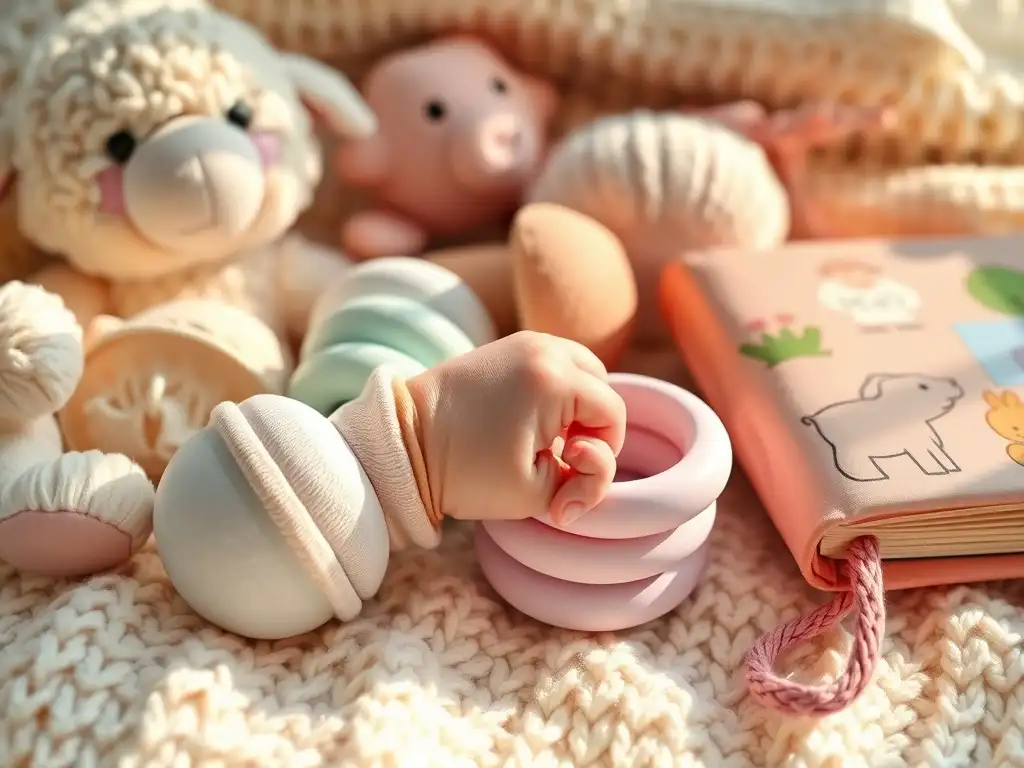
Welcome to BabyCareHub, your ultimate guide to navigating the incredible journey of parenthood! Are you ready to unlock the secrets to nurturing your little one's growth? We believe play is paramount, and our expert article on Baby toys emotional development reveals how the right toys can significantly impact your baby's emotional well-being and development. Discover how to foster a secure and happy child through the power of play – let's explore together!
- Understanding the Link Between Baby Toys and Emotional Growth
- Selecting Developmentally Appropriate Toys for Emotional Development
- Types of Baby Toys that Boost Emotional Intelligence
- Creating a Playful Environment for Emotional Growth
- Addressing Common Concerns: Choosing the Right Toys for Your Baby's Emotional Needs
-
Frequently Asked Questions
- What types of toys best support emotional development in babies?
- How early can I start using toys to foster my baby's emotional growth?
- Do all babies benefit equally from playing with toys?
- How much playtime is ideal for promoting emotional development?
- Are there any toys I should avoid for my baby's emotional well-being?
- Final Reflection: The Enduring Legacy of Play in Shaping Young Minds
- Unleash Your Baby's Inner Genius: Playful Steps to Emotional Growth
Understanding the Link Between Baby Toys and Emotional Growth
Navigating the world of parenthood, especially for first-timers, can feel overwhelming. Between feeding schedules, diaper changes, and sleep deprivation, it's easy to overlook the crucial role of play in your baby's development. This article explores the profound impact toys have on a baby's emotional growth during their first year, a period of rapid cognitive and emotional development.
We'll delve into how different types of play and toys contribute to emotional regulation, social skills, and overall well-being, equipping you with the knowledge to select developmentally appropriate toys that nurture your little one's emotional intelligence. Understanding this connection allows you to actively participate in shaping your baby's emotional landscape, fostering resilience, empathy, and a strong sense of self.
Choosing the right toys isn't just about entertainment; it's about investing in your baby's future emotional health. This guide will help you understand how to make those vital choices, providing a roadmap for selecting toys that support your baby's emotional development from birth to their first birthday.
The Importance of Play in Early Childhood Development
Play is not merely a pastime; it's the fundamental building block of a child's development. For infants, play is how they learn to interact with the world, process sensory information, and develop essential life skills. During the first year, babies are rapidly developing their brains and nervous systems, and play provides the crucial stimulation needed for optimal growth. Through playful interactions, they learn about cause and effect, problem-solving, and self-expression.
For example, shaking a rattle and listening to the sound helps develop hand-eye coordination and auditory processing. Soft toys provide tactile stimulation and comfort, fostering a sense of security. The simple act of exploring textures and shapes with their hands and mouth contributes to their understanding of their environment and their own bodies.
This early sensory exploration is directly linked to emotional development, as a secure and stimulated baby is more likely to develop healthy emotional regulation skills. The more opportunities for exploration and interaction, the better equipped your baby will be to navigate the emotional complexities of life. 👶
How Toys Foster Emotional Regulation in Infants
Emotional regulation, the ability to manage and respond to emotions appropriately, is a cornerstone of healthy emotional development. Toys can play a significant role in helping babies learn this crucial skill. For instance, soft, cuddly toys can provide comfort and security during times of distress, helping babies self-soothe.
Interactive toys that respond to a baby's actions, such as a toy that plays music when shaken, can help them understand cause and effect, building a sense of control and predictability. This predictability is vital for emotional stability. Toys that encourage repetitive actions, like stacking blocks or pushing and pulling toys, can help babies develop a sense of accomplishment and self-efficacy.
These positive experiences contribute to a sense of confidence and self-esteem, making them better equipped to handle challenging emotions. Furthermore, toys that involve social interaction, like peek-a-boo games or simple musical instruments, foster social-emotional development by encouraging turn-taking, communication, and emotional connection with caregivers. Remember, the goal is not to eliminate negative emotions, but to help your baby learn healthy coping mechanisms.
Recognizing Emotional Development Milestones in Babies (0-12 months)
Tracking your baby's emotional development is essential. While each baby is unique, there are general milestones to watch for. From birth to three months, you'll see basic emotional expressions like contentment, distress, and interest. By four to six months, babies start to show more complex emotions like surprise, anger, and joy.
They may also begin to exhibit social referencing, looking to their caregivers for cues on how to react to new situations. From seven to twelve months, babies become increasingly aware of their own emotions and the emotions of others. They might show empathy, comforting a crying sibling or showing concern for a distressed caregiver. They also start to develop self-awareness, recognizing themselves in a mirror and showing self-conscious emotions like embarrassment or shame.
Understanding these milestones can help you choose toys that are appropriate for your baby's developmental stage. For instance, a baby who is just starting to understand cause and effect might benefit from simple toys with clear actions and reactions, while a baby who is developing social skills might enjoy toys that encourage interaction and communication. Keep in mind that every baby develops at their own pace, and there's a wide range of normal variation. If you have any concerns about your baby's development, consult your pediatrician.
Selecting Developmentally Appropriate Toys for Emotional Development
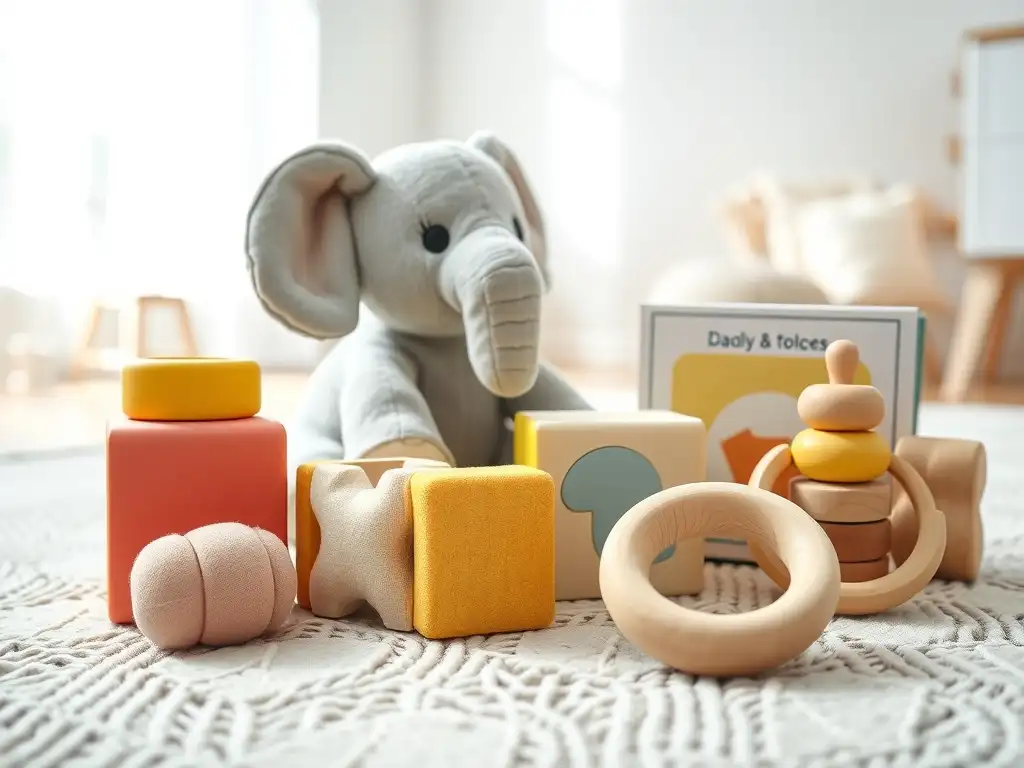
This section delves into the crucial role toys play in fostering your baby's emotional growth during their first year. Choosing the right toys isn't just about entertainment; it's about providing tools that nurture self-regulation, social interaction, and emotional understanding – keystones for healthy development. Remember, a baby's emotional development is as vital as their physical development, and toys can be powerful instruments in this journey. Selecting toys thoughtfully contributes to building a strong emotional foundation for your little one. This is a critical aspect of baby toys emotional development.
Toys for Promoting Self-Soothing and Comfort
From birth, babies begin to develop their ability to self-soothe. Providing toys that offer comfort and a sense of security can significantly aid this process. Think about textures, sounds, and visual elements that are calming and predictable.
- Soft, cuddly toys: These provide tactile comfort and a sense of security. Consider plush animals, soft blankets with different textures (think satin, fleece, corduroy), or weighted toys that mimic the feeling of being held. The familiar weight and softness can be incredibly reassuring during moments of distress.
- Quiet, soothing sounds: Toys that produce gentle sounds, like soft music boxes or lullabies, can help calm a fussy baby. Avoid toys with jarring noises or flashing lights, especially during naptime or bedtime.
- Visual stimulation without overstimulation: Simple, repetitive patterns or mobiles with slow, gentle movement can be captivating without being overwhelming. Avoid overly bright or fast-moving visuals, which can be stimulating and counterproductive to calming.
The key is to offer a variety of sensory experiences that promote relaxation and a feeling of safety. Observe your baby's reactions to different toys and adjust accordingly. Remember, what soothes one baby might not soothe another, so experimentation is key. This contributes significantly to healthy baby toys emotional development.
As your baby grows, they begin to interact more with their environment and other people. Toys can help nurture these crucial social-emotional skills.
- Interactive toys: Toys that encourage back-and-forth interaction, such as rattles, simple puppets, or brightly colored balls, are ideal. These encourage engagement and build communication skills, even before your baby can speak. The act of playing together strengthens the parent-child bond and develops social skills.
- Cause-and-effect toys: These toys teach babies about the relationship between actions and consequences. For example, a toy that makes a sound when pressed or a simple stacking toy helps them understand their influence on their surroundings, boosting confidence and self-esteem. This understanding is a cornerstone of developing healthy baby toys emotional development.
- Mirror play: Mirrors are surprisingly effective for developing self-awareness. Babies start recognizing themselves around 6 months, and seeing their own reflection helps them understand their individuality and build self-esteem.
The goal is to select toys that encourage interaction, communication, and a sense of agency. Remember to engage with your baby during playtime, making eye contact, talking, and responding to their cues. This shared experience is as vital as the toy itself in fostering social-emotional growth. This active participation is a key element of baby toys emotional development.
Toys for Developing Empathy and Understanding
Empathy, the ability to understand and share the feelings of others, is a complex skill that begins to develop in infancy. While it may seem early to focus on this, certain toys can lay the foundation for future empathetic development.
- Dolls and stuffed animals: These provide opportunities for pretend play, allowing babies to project emotions onto the toys and learn about different emotional states. For example, comforting a crying doll teaches empathy and caring behaviors.
- Books with simple stories: Stories that depict basic emotions, such as happiness, sadness, or anger, can help babies begin to understand and label these feelings in themselves and others. Look for books with colorful illustrations and repetitive phrases that are easy for babies to follow.
- Simple role-playing toys: Toys that allow for simple role-playing scenarios, such as feeding a doll or playing doctor, can help babies understand different social interactions and develop their capacity for empathy.
These toys, combined with consistent nurturing and responsive caregiving, provide the building blocks for emotional intelligence. Remember that the process of fostering empathy is gradual and requires patience and understanding. The role of baby toys emotional development is to provide the tools; the nurturing environment is what truly shapes the child's emotional understanding.
Types of Baby Toys that Boost Emotional Intelligence
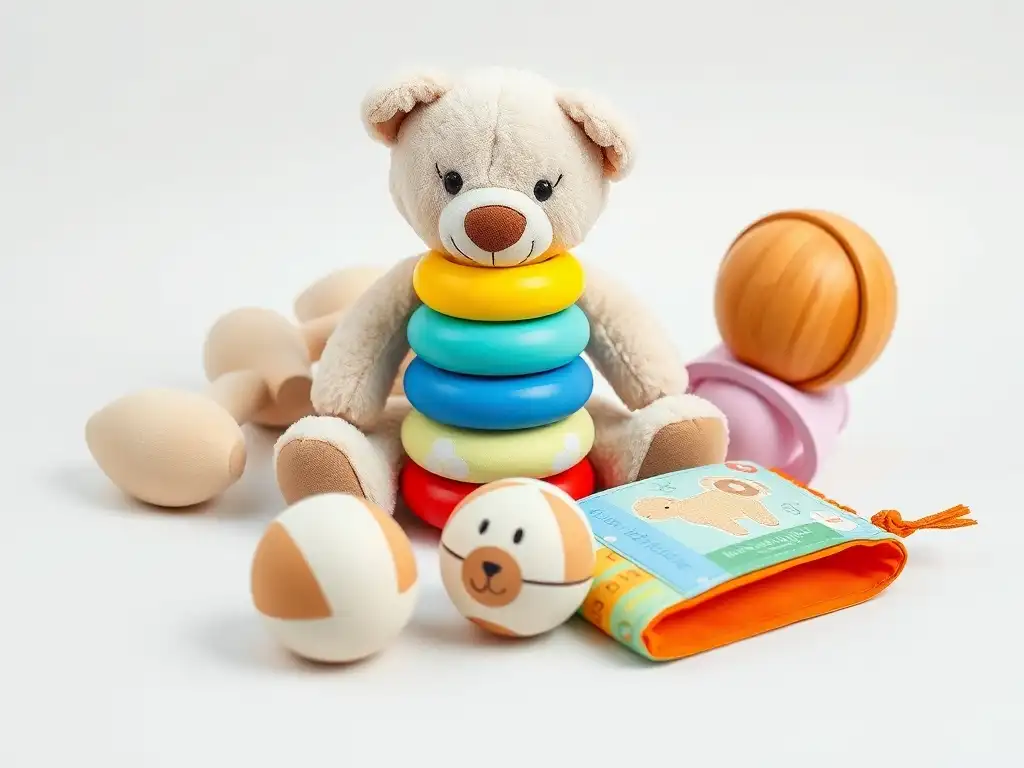
Choosing the right toys can significantly impact a baby's emotional development. It's not just about entertainment; the right toys can foster crucial skills like self-regulation, empathy, and social interaction. This section explores different toy categories that specifically target these emotional milestones, helping parents make informed choices to nurture their baby's emotional growth. Understanding how toys influence emotional intelligence is key to selecting enriching play experiences for your little one. The optimal selection of baby toys for emotional development requires careful consideration of age-appropriateness and the specific skills each toy promotes.
Sensory Toys for Calming and Stimulation
Sensory toys are fundamental in a baby's early emotional development. They help regulate their nervous system, providing calming effects during periods of stress or overstimulation, and offering exciting stimulation during quieter moments. Think about the soothing textures of a soft blanket or the mesmerizing movement of a mobile. These simple items offer a wealth of sensory input that helps babies learn to self-soothe and manage their emotions.
The benefits extend beyond immediate comfort. Exposure to a variety of textures, sounds, and sights helps babies develop their sensory processing skills, laying a foundation for future emotional regulation. A baby who can effectively process sensory information is better equipped to handle challenging situations and develop a sense of self-control. Consider offering a range of sensory experiences, such as:
- Soft, plush toys: These provide tactile comfort and a sense of security.
- Teethers with varied textures: These cater to oral exploration while providing sensory stimulation.
- Rattles with different sounds: These introduce auditory stimulation and help babies understand cause and effect.
- Brightly colored mobiles or activity gyms: These engage visual senses and stimulate curiosity.
Remember to introduce new sensory toys gradually, observing your baby's reactions and adjusting accordingly. Some babies might be overwhelmed by intense sensory input, while others thrive on it. The key is finding the right balance to promote healthy sensory development and emotional well-being. This careful approach to baby toys for emotional development is crucial in the early stages.
Cause-and-Effect Toys: Building Problem-Solving Skills and Confidence
Cause-and-effect toys are invaluable for building a baby's problem-solving skills and fostering a sense of accomplishment. These toys teach babies that their actions have consequences, a crucial step in developing emotional intelligence. By understanding that their actions can lead to predictable outcomes, babies begin to develop a sense of control over their environment and their own actions. This sense of control is directly linked to emotional regulation and self-esteem.
Examples of cause-and-effect toys include:
- Stacking cups or rings: These teach babies about size, order, and the satisfaction of completing a task.
- Shape sorters: These challenge babies to match shapes and develop spatial reasoning skills.
- Simple push-and-pull toys: These encourage gross motor development and a sense of agency.
- Toys with buttons that make sounds or lights: These help babies understand the connection between their actions and sensory feedback.
The feeling of success after solving a puzzle or activating a toy's function is incredibly rewarding for a baby. This positive reinforcement strengthens their confidence and encourages them to explore further, ultimately boosting their emotional resilience and self-efficacy. This type of play lays the groundwork for future problem-solving abilities and helps them develop a positive self-image, vital aspects of baby toys that foster emotional development.
Creative Toys for Self-Expression and Imagination
Creative toys are essential for nurturing a baby's self-expression and imagination. These toys provide opportunities for babies to explore their feelings and ideas through play, fostering creativity and emotional intelligence. While babies might not be able to articulate their emotions verbally, they can express themselves through actions, sounds, and creative play.
Examples of creative toys that support emotional development include:
- Finger paints: These allow babies to explore colors and textures, expressing themselves non-verbally.
- Building blocks: These encourage spatial reasoning and problem-solving while also allowing for imaginative play.
- Musical instruments: These help babies explore sounds and rhythms, developing their musicality and self-expression.
- Soft dolls or stuffed animals: These can become comforting companions and offer opportunities for role-playing and emotional exploration.
Through creative play, babies learn to communicate their emotions, experiment with different roles, and develop their imaginative thinking. This imaginative play is crucial for emotional development, allowing them to process experiences and develop empathy. The selection of these baby toys for emotional development should prioritize open-ended play that allows for a wide range of creative expression. The focus should be on enabling self-discovery and fostering a sense of self. 🧸
Creating a Playful Environment for Emotional Growth
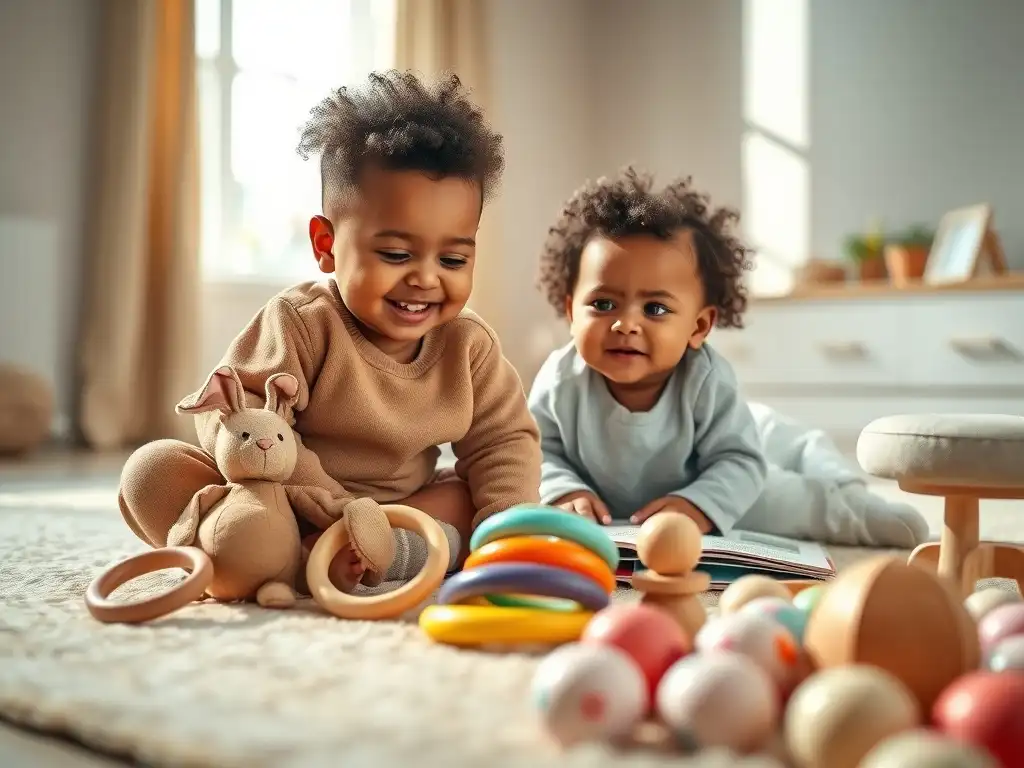
This section delves into the crucial role of the environment in fostering your baby's emotional development through play. A thoughtfully designed play space isn't just about providing toys; it's about creating a nurturing haven where your little one feels safe, secure, and encouraged to explore their emotions. The right environment significantly impacts a baby's capacity to regulate emotions, build self-esteem, and develop healthy social skills. We'll explore key aspects of building this supportive space.
Setting up a Safe and Stimulating Play Area for Your Baby
Creating a safe and stimulating play area is paramount. This doesn't require a large space; even a corner of a room can be transformed into a haven of playful learning. Safety should be the top priority. This means:
- Baby-proofing: Ensure all potential hazards are removed or secured. This includes electrical outlets, sharp corners, small objects that could be choking hazards, and anything that could be easily tipped over. Regular safety checks are essential as your baby grows and becomes more mobile.
- Soft surfaces: Provide soft, padded areas for your baby to play on, especially during tummy time. A playmat or rug can provide cushioning and a visually appealing surface.
- Age-appropriate toys: Select toys specifically designed for your baby's developmental stage. Avoid toys with small parts that could be swallowed or pose a choking risk. Consider toys that stimulate different senses – sight, sound, touch, and even taste (with safe, non-toxic materials).
- Organized space: Keep the play area organized to minimize clutter and potential hazards. This also makes it easier for your baby to focus on play and explore their toys.
- Natural light and ventilation: A well-lit and well-ventilated space is crucial for your baby's well-being. Natural light is preferable, but ensure that direct sunlight doesn't overheat the room.
Consider incorporating elements that stimulate different senses: a textured blanket for touch, colorful mobiles for sight, soft rattles for sound, and teethers for exploration. Remember, the goal is to create an environment that encourages exploration and self-expression while ensuring your baby's safety. Regularly rotate toys to maintain interest and prevent boredom. This ensures continued engagement and prevents the overstimulation that can sometimes occur with too many toys at once.
The Importance of Parent-Child Interaction During Playtime
While a stimulating environment is important, the quality of your interaction with your baby during playtime is even more crucial for their emotional development. It's not just about giving your baby toys; it's about engaging with them. This interaction fosters a strong emotional bond, teaches your baby about emotional expression, and helps them learn to regulate their emotions.
Think of playtime as a conversation. Respond to your baby's cues, whether it's a smile, a gurgle, or a cry. Engage with them through:
- Face-to-face interaction: Make eye contact, smile, and talk to your baby. Use simple words and sounds, and respond to their vocalizations. This helps build their language skills and emotional connection.
- Imitation and mirroring: Imitate your baby's actions and sounds, showing them that you are paying attention and understand their communication.
- Turn-taking: Engage in simple games that involve turn-taking, like peek-a-boo or rolling a ball back and forth. This teaches your baby about social interaction and turn-taking, an essential skill for later development.
- Positive reinforcement: Praise and encourage your baby's efforts, even if they are small. This builds their self-esteem and confidence.
- Emotional labeling: Name the emotions you see in your baby, such as "You seem happy," or "You look a little frustrated." This helps them understand and label their own emotions.
Remember, consistency is key. Regular, dedicated playtime provides a predictable and safe space for emotional exploration and bonding. Even short periods of focused interaction can significantly impact your baby's emotional development.
Understanding Your Baby's Cues and Responding Appropriately During Play
Observing and responding to your baby's cues is vital for successful playtime and emotional development. Babies communicate their needs and emotions through various signals, including:
- Facial expressions: Smiles, frowns, furrowed brows, and wide eyes all convey different emotions.
- Body language: Clenched fists, arched back, or relaxed limbs can indicate stress, comfort, or excitement.
- Vocalizations: Cries, gurgles, coos, and babbling provide valuable clues about your baby's mood and needs.
- Changes in activity level: Increased activity might indicate excitement, while decreased activity might suggest tiredness or discomfort.
Learning to interpret these cues is crucial. If your baby seems overwhelmed or distressed, it's important to adjust the playtime accordingly. This might involve reducing the stimulation, taking a break, or offering comfort. Conversely, if your baby is engaged and happy, you can extend the playtime or introduce new, age-appropriate challenges.
For example, if your baby is becoming fussy during playtime with a noisy toy, try switching to a quieter activity or offering a comforting cuddle. If they are showing signs of boredom, introduce a new toy or change the activity. This adaptability and sensitivity to your baby's cues is essential for fostering a positive and emotionally supportive play experience. Remember that every baby is unique, and their cues might vary. Pay close attention to your baby's individual signals to understand their needs and preferences. This responsiveness builds trust and strengthens your bond, creating a foundation for healthy emotional growth.
Addressing Common Concerns: Choosing the Right Toys for Your Baby's Emotional Needs
Choosing toys that foster healthy emotional development in babies can feel overwhelming. Many parents grapple with questions about appropriate toy selection and its impact on their little one's emotional well-being. This section addresses common concerns and provides practical strategies to help you navigate this important aspect of your baby's development. Remember, the goal is not to perfectly curate your baby's toy collection, but to thoughtfully introduce items that support their emotional growth and resilience. The right toys can be powerful tools in nurturing a secure and happy baby.
Dealing with Separation Anxiety Through Play
Separation anxiety is a normal phase of development, typically peaking between 8 and 15 months. However, it can be distressing for both parent and child. Toys can play a crucial role in mitigating this anxiety. Soft, cuddly toys, particularly those resembling familiar characters or animals, provide comfort and a sense of security when you are not physically present.
Consider these strategies:
- Familiarizing your baby with the toy before separation: Spend time playing with the toy together before you leave. This helps associate the toy with positive experiences and reduces the feeling of abandonment.
- Using a transitional object: A special blanket or soft toy can act as a "security blanket," providing comfort and a sense of connection to home.
- Choosing toys with familiar sounds or smells: Toys with a parent's voice recorded, or that have a familiar scent, can offer a comforting link to the parent's presence.
Remember, gradually increasing the time spent apart, while providing consistent reassurance and using comforting toys, can help your baby adjust to separation more easily. The key is patience and consistency. This process takes time, and setbacks are normal.
Using Toys to Help Babies Cope with Frustration and Anger
Babies experience a wide range of emotions, including frustration and anger, often expressed through crying, fussing, or even throwing toys. Providing age-appropriate toys that allow for exploration and problem-solving can help babies learn to manage these feelings in healthy ways.
- Stacking toys: These encourage problem-solving skills and a sense of accomplishment when the tower is successfully built (and then inevitably toppled!). The act of rebuilding fosters perseverance.
- Cause-and-effect toys: Toys that react to a baby's actions, like rattles or simple musical instruments, teach babies about consequences and provide immediate gratification. This helps them understand the relationship between their actions and the environment.
- Open-ended toys: Toys like building blocks or fabric scraps allow for creative expression and exploration. The lack of prescribed use encourages self-directed play, fostering independent problem-solving and emotional regulation.
This approach allows babies to experiment, experience success, and learn to cope with setbacks in a safe and controlled environment. Observe your baby's reactions and adjust the complexity of the toys accordingly.
Recognizing Signs of Over-Stimulation and Providing Calm Down Time
Over-stimulation can manifest in various ways, including fussiness, irritability, and difficulty sleeping. It's crucial to recognize these signs and provide opportunities for calm down time. Toys can also play a role here.
- Quiet toys: Soft toys, textured balls, or simple rattles can offer sensory stimulation without being overly exciting.
- Sensory toys with calming properties: Toys with soft textures or gentle sounds can help soothe an overstimulated baby. Think of a soft, weighted blanket or a toy that makes soothing sounds like ocean waves.
- Creating a calm environment: Dim lighting, quiet music, and a comfortable space can complement calming toys to create a relaxing atmosphere.
Remember, a calm and predictable routine, coupled with the careful selection of toys, can significantly reduce over-stimulation and promote healthy emotional regulation. Prioritizing calm down time is just as important as playtime. It's a crucial element in fostering emotional well-being in babies. Observing your baby's cues is key to identifying their need for a break. Pay attention to their signals and respond accordingly. The ability to self-regulate is a crucial developmental milestone.
Frequently Asked Questions
What types of toys best support emotional development in babies?
Toys that encourage interaction and emotional expression are ideal. Think soft dolls for nurturing, cause-and-effect toys to build self-efficacy, and musical instruments for emotional exploration. Avoid overly stimulating or complex toys at this age.
How early can I start using toys to foster my baby's emotional growth?
You can begin introducing age-appropriate toys from birth! Even simple rattles or textured fabrics can stimulate their senses and contribute to early emotional development. Focus on interaction and responding to your baby's cues.
Do all babies benefit equally from playing with toys?
While the benefits are widespread, individual responses vary. Observe your baby's preferences and adjust your toy choices accordingly. Consistency and positive interaction are key regardless of the specific toys used.
How much playtime is ideal for promoting emotional development?
There's no magic number, but aim for several short sessions throughout the day. Short, focused playtime is more effective than long, unstimulating periods. Follow your baby's cues – if they seem tired or overwhelmed, take a break.
Are there any toys I should avoid for my baby's emotional well-being?
Avoid toys with small parts that pose a choking hazard. Also, be mindful of overly violent or scary imagery, which can negatively affect a baby's emotional development. Prioritize safe and age-appropriate options.
Final Reflection: The Enduring Legacy of Play in Shaping Young Minds
The power of play in a child's emotional development isn't just a charming notion; it's a fundamental cornerstone of healthy growth, directly impacting their future well-being and societal contribution. Understanding this connection is crucial in today's fast-paced world, where structured activities often overshadow the simple joy and profound learning that comes from unstructured playtime. We must actively champion play as a vital component of early childhood education and family life.
The impact of play extends far beyond the immediate moment; it shapes a child's emotional intelligence, resilience, and capacity for empathy, influencing their relationships and interactions throughout their lives. Play is the highest form of research.
- Albert Einstein. This quote perfectly encapsulates the inherent value of play, not just as entertainment, but as a crucial process of discovery and self-understanding that lays the foundation for emotional maturity. The toys we choose, the environments we create, all contribute to this crucial developmental process, shaping the adults our children will become.
Consider the toys your child cherishes, the games they invent, the imaginative worlds they create. These aren't mere distractions; they are the building blocks of their emotional landscape. I urge you to reflect on your own childhood experiences with play, and how they shaped you. Then, actively cultivate a playful environment for the children in your life, providing them with the space, the time, and the resources to explore, experiment, and grow emotionally. Let's prioritize play, not just as a pastime, but as a powerful tool for nurturing the emotional well-being of the next generation.
Unleash Your Baby's Inner Genius: Playful Steps to Emotional Growth
Thank you for exploring the incredible link between play and your baby's emotional development! We hope you found valuable insights into nurturing their burgeoning inner world. Now, let's put this knowledge into practice:
- Create a stimulating sensory experience today! Engage your baby's senses with a variety of textures, sounds, and bright colors—anything that sparks curiosity and joy. This is a crucial step in building a strong emotional foundation.
- Share your favorite playtime moments and tips with other parents in our community forum! Let's build a supportive network where we can all learn and grow together.
- Explore our BabyCareHub resources for more age-appropriate play ideas tailored to your baby's developmental stage. Discover new ways to foster emotional intelligence through playful interaction.
What engaging activity will you share with your little one today to encourage their emotional growth?