
Play Mats and Baby's Emotional Wellbeing: BabyCareHub's Insights


Welcome to BabyCareHub, your ultimate guide to navigating the exciting yet challenging journey of parenthood. We understand the overwhelming feeling of raising a newborn, and we're here to provide the step-by-step support you need. Discover how even something as seemingly simple as a playmat can significantly impact your baby's emotional development. Curious to learn more about choosing the best playmat for emotional development? Explore our insightful article and unlock the secrets to nurturing your little one's growth!
- Understanding the Link Between Play Mats and Emotional Development
- Best Playmats for Emotional Development in Babies: Top Picks from BabyCareHub
- Creating a Stimulating Play Environment with Your Chosen Play Mat
- Addressing Common Concerns: Safety and Play Mat Selection for Emotional Wellbeing
- Beyond the Play Mat: Supporting Emotional Development Through Play
- BabyCareHub's Recommendation: Creating a Nurturing Environment for Emotional Growth
-
Frequently Asked Questions
- What is the link between play mats and emotional development?
- How do different features of a playmat help emotional development?
- What age range are playmats most beneficial for emotional development?
- Are there specific types of playmats better for emotional development?
- How can I maximize the emotional benefits of a playmat for my baby?
- Final Reflection: The Unsung Power of Play Mats in Early Childhood Development
- Unleash Your Little One's Playful Potential!
Understanding the Link Between Play Mats and Emotional Development
Choosing the right playmat for your baby isn't just about finding a soft, colorful surface; it's a crucial step in fostering their emotional wellbeing and development. This article explores the often-overlooked connection between playtime on a playmat and a baby's emotional growth, providing insights to help you select the best playmat to support your little one's journey. We'll delve into the importance of sensory stimulation, the impact of different playmat features on emotional development, and practical considerations for choosing a safe and developmentally appropriate playmat.
By understanding these factors, you can create a nurturing environment that helps your baby thrive emotionally and physically. This guide aims to equip first-time parents with the knowledge to make informed decisions, ultimately contributing to a happier and healthier baby. Remember, the seemingly simple act of choosing a playmat can have a profound impact on your baby's emotional landscape.
The Importance of Sensory Play for Emotional Regulation in Infants
Infants primarily experience the world through their senses. Sensory play, therefore, plays a pivotal role in their emotional development. A stimulating playmat provides a rich sensory environment, offering a variety of textures, colors, sounds, and even smells (depending on the materials used).
This sensory input helps regulate a baby's nervous system, promoting calmness and reducing stress. For example, the soft texture of a plush playmat can be soothing, while the bright colors can stimulate visual interest and engagement. The sounds of crinkling materials or the gentle movement of hanging toys offer auditory and kinesthetic stimulation, further contributing to sensory regulation.
Studies have shown a strong correlation between sufficient sensory input in early infancy and improved emotional regulation later in life. This early sensory experience builds neural pathways that are crucial for emotional processing and self-soothing behaviors. 👶 The ability to self-regulate emotions is a foundational skill for healthy emotional development, making sensory play an invaluable tool for parents.
How Play Mats Stimulate Sensory Development and Emotional Growth
Play mats aren't simply passive surfaces; they are active participants in a baby's developmental journey. Their design and features directly influence a baby's sensory exploration and, consequently, their emotional growth. Consider the following:
- Visual Stimulation: High-contrast colors and patterns are particularly engaging for newborns and help develop visual acuity. This visual engagement can lead to longer periods of focused attention, promoting a sense of calm and contentment.
- Tactile Exploration: Different textures, from soft plush to crinkly fabrics, encourage tactile exploration. This helps babies develop their sense of touch and body awareness, promoting a sense of security and control over their environment.
- Auditory Stimulation: Some playmats incorporate sounds, such as crinkling papers or rattles, which stimulate auditory development. These sounds can be both entertaining and soothing, helping babies to process auditory information and develop their listening skills.
- Kinesthetic Awareness: The movement of hanging toys or the baby's own movements on the mat encourage kinesthetic awareness, improving body coordination and promoting a sense of agency. This sense of control over their own actions is crucial for emotional security.
The combined effect of these sensory stimulations creates a positive feedback loop. As babies explore and interact with their playmat, they experience a sense of accomplishment and mastery, boosting their self-esteem and confidence. This positive emotional experience further encourages exploration and learning, creating a virtuous cycle of development. A well-chosen playmat can be a powerful tool in fostering a secure attachment between parent and child, enhancing the overall emotional wellbeing of the baby.
Choosing the Right Play Mat: Size, Texture, and Safety Considerations for Emotional Wellbeing
Selecting a play mat involves more than just aesthetics; safety and appropriate sensory stimulation are paramount for emotional wellbeing. Consider these factors:
| Feature | Considerations | Impact on Emotional Wellbeing |
|---|---|---|
| Size | Sufficient space for movement and exploration; consider room size. | Allows for freedom of movement, reducing frustration and promoting independence. |
| Texture | Variety of textures to stimulate tactile exploration; soft, plush materials for comfort. | Provides sensory input, promoting calmness and reducing overstimulation. |
| Safety | Non-toxic materials; securely attached toys; firm, non-slip base. | Ensures a safe and secure environment, reducing anxiety and promoting trust. |
| Cleanability | Easy to clean and maintain; consider hypoallergenic materials. | Maintains hygiene, reducing stress for both baby and parents. |
| Stimulation | Appropriate level of sensory stimulation; avoid overwhelming the baby. | Promotes engagement without causing overstimulation or anxiety. |
Choosing a playmat that considers these elements creates a nurturing and stimulating space where your baby can explore, learn, and develop emotionally. Remember that a safe, comfortable, and engaging playmat is an investment in your baby's emotional wellbeing and future development. Prioritizing these aspects ensures that the playmat becomes a positive and enriching element in your baby's life.
Best Playmats for Emotional Development in Babies: Top Picks from BabyCareHub
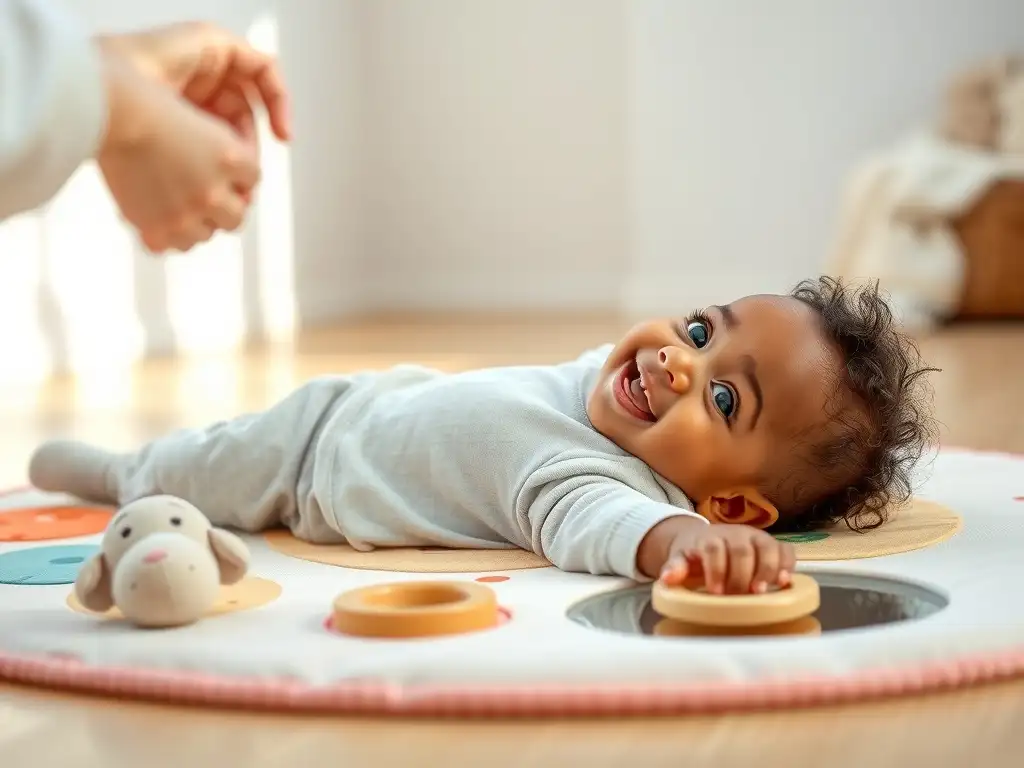
Choosing the best playmat for emotional development can feel overwhelming for first-time parents. This section dives deep into our top recommendations, analyzing how specific features contribute to a baby's emotional wellbeing. We'll explore how stimulating textures, engaging visuals, and interactive elements foster a sense of security, curiosity, and overall happiness. Remember, a happy baby is a healthy baby! This is a critical aspect of their early development, and choosing the right playmat can significantly contribute to their emotional growth. We consider factors like material safety, ease of cleaning, and, most importantly, their impact on your little one's emotional landscape.
Top 5 Play Mats for Promoting Emotional Security: A BabyCareHub Review
Finding the best playmat for emotional development involves considering a variety of factors. Our expert team has carefully curated this list, focusing on playmats that promote emotional security, sensory exploration, and cognitive development. We've assessed each mat based on its ability to soothe, stimulate, and engage your baby in a safe and fun environment. Our reviews consider parent feedback and expert opinions to bring you the most comprehensive analysis available. Below, we highlight five exceptional playmats that meet these crucial criteria.
Skip Hop Explore & More Baby Playmat: Features, Benefits, and Emotional Development Support
The Skip Hop Explore & More Baby Playmat boasts a vibrant design and a variety of textures, crucial for stimulating a baby's developing senses. The different sections offer diverse tactile experiences, promoting exploration and satisfying curiosity – a key component in building emotional security. Its soft, comfortable surface provides a safe and secure space for tummy time, encouraging independent play and fostering a sense of self-reliance.
The bright colors and engaging patterns visually stimulate the baby, promoting alertness and cognitive development, both linked to positive emotional regulation. Parents appreciate its easy-to-clean surface and its overall durability. This playmat is a strong contender for the title of best playmat for emotional development due to its holistic approach to early childhood stimulation.
Manhattan Toy Winkel Sensory Baby Playmat: A Review Focusing on Emotional Stimulation
The Manhattan Toy Winkel Sensory Baby Playmat stands out due to its focus on sensory integration. The various textures, crinkling sounds, and contrasting colors work together to create a stimulating yet calming environment. This helps babies develop their sensory processing skills, leading to better emotional regulation. The soft materials offer comfort and security, creating a safe haven for exploration.
The mat's design encourages both independent and interactive play, fostering a sense of self-discovery and promoting positive emotional responses. The inclusion of various textures promotes tactile exploration, a vital part of a baby's sensory development and consequently, their emotional development. The relatively simple design avoids overwhelming stimulation, making it ideal for babies who may be easily overstimulated.
Infantino Grow-with-Me Sensory Playmat: Analyzing its Impact on Emotional Development
The Infantino Grow-with-Me Sensory Playmat is designed to adapt to your baby's changing needs. This adaptability contributes significantly to their emotional security; as they grow and their developmental stage changes, the playmat evolves with them, providing continuous stimulation and comfort. Its various features, including arches, toys, and different textures, offer progressive sensory experiences, supporting the development of healthy emotional regulation.
The interactive elements encourage engagement and provide opportunities for bonding between parent and child, strengthening emotional connections. The durable and easy-to-clean design offers parents peace of mind, further contributing to a relaxed and positive environment for the baby. This adaptability makes it a strong contender among the best playmats for emotional development.
Baby Einstein Take Along Sensory Mat: Focus on visual stimulation and calming effects.
The Baby Einstein Take Along Sensory Mat prioritizes visual stimulation through high-contrast patterns and engaging characters. These visual elements are crucial in capturing a baby's attention and promoting cognitive development, indirectly impacting their emotional wellbeing. A calm and visually engaging environment can help reduce anxiety and promote relaxation, contributing to a positive emotional state.
Its compact and portable design offers added convenience for parents, allowing for a consistent and familiar play environment wherever they go. This consistency contributes to the baby's sense of security and routine, fostering emotional stability. The soft, comfortable material provides a safe and secure space for exploration and play.
Bright Starts Giggles N' Gags Sensory Mat: Highlighting the tactile exploration and its effect on emotional development.
The Bright Starts Giggles N' Gags Sensory Mat excels in promoting tactile exploration. Its diverse textures, from soft fabrics to crinkly materials, offer a rich sensory experience that contributes significantly to a baby's emotional and cognitive development. Tactile exploration helps babies understand their environment and develop a sense of body awareness, which in turn, promotes emotional regulation. The playful sounds and engaging characters further enhance the sensory experience, fostering curiosity and excitement.
The bright colors and contrasting patterns stimulate visual development, contributing to a positive and stimulating environment. The overall design promotes independent play, helping babies build confidence and self-reliance, vital elements in developing a positive self-image and emotional stability. The durable and easy-to-clean design offers added practicality for parents.
Creating a Stimulating Play Environment with Your Chosen Play Mat
Choosing the right play mat is crucial for creating a stimulating environment that supports your baby's emotional wellbeing. The "best playmat emotional development" isn't just about vibrant colors; it's about thoughtful design that caters to a baby's developmental stages. Consider these key factors when selecting a play mat:
Optimizing Play Time for Maximum Emotional Benefits
The effectiveness of a play mat in fostering emotional development hinges on how you utilize it. Simply placing your baby on the mat isn't enough. Optimal play time involves active engagement and interaction. Here’s how to maximize the benefits:
- Short, frequent sessions: Babies have short attention spans. Several 15-20 minute play sessions throughout the day are far more effective than one long session. This prevents overwhelming the baby and maintains their interest.
- Observe your baby's cues: Pay close attention to your baby's reactions. If they seem frustrated or disinterested, take a break. Forceful engagement can have the opposite effect, potentially hindering emotional development.
- Vary activities: Introduce different toys and activities during each session. This keeps things interesting and prevents boredom, which can lead to irritability and negative emotional responses. For example, one session might focus on tummy time with a textured toy, while another could involve gentle shaking of a rattle.
- Positive reinforcement: Praise and encouragement are crucial. Celebrate your baby's achievements, no matter how small. A simple smile and a soft "good job!" can boost their confidence and positive emotions. This positive reinforcement significantly contributes to their emotional security and self-esteem.
A well-structured play session, tailored to your baby’s needs, is key to unlocking the full emotional development potential of even the simplest playmat.
Incorporating Different Textures and Sensory Elements for Enhanced Emotional Engagement
The best playmats for emotional development stimulate multiple senses. This multi-sensory approach contributes to a richer learning experience and strengthens emotional connections.
- Tactile exploration: Different textures—soft plush, crinkly fabric, smooth surfaces—provide tactile stimulation, fostering curiosity and exploration. This exploration helps babies develop a sense of body awareness and control, leading to increased confidence. Consider a playmat with a variety of textures, perhaps even incorporating elements like ribbons or different fabric patches.
- Visual stimulation: Bright, contrasting colors and patterns are visually engaging for babies. High-contrast patterns, especially black and white or primary colors, are particularly effective in the early months. These visual stimuli help stimulate brain development and contribute to positive emotional responses.
- Auditory stimulation: Incorporate toys that make sounds—rattles, crinkle toys, musical elements—to stimulate auditory development. These sounds can be soothing or exciting, depending on the toy and your baby's response. The ability to anticipate and respond to sounds is an important part of emotional and social development.
The Role of Parent-Child Interaction in Fostering Emotional Development through Play
While a stimulating play mat provides the environment, it's the parent-child interaction that truly unlocks its emotional development potential. Your presence and engagement are paramount.
- Face-to-face interaction: Spend time interacting with your baby face-to-face while they're on the play mat. Make eye contact, smile, talk, and sing. This strengthens the parent-child bond, fostering feelings of security and love. These interactions are fundamental for building healthy emotional attachments.
- Responsive play: Respond to your baby's cues and actions. If they reach for a toy, give it to them. If they make a sound, acknowledge it. This responsive interaction teaches them that their actions have consequences and that their needs are met, contributing to a sense of security and trust.
- Turn-taking and imitation: Engage in simple games of turn-taking, such as rolling a ball back and forth. Imitate your baby's sounds and actions. This fosters social interaction skills and teaches them about communication, both crucial aspects of emotional development. These simple interactions build a strong foundation for future social and emotional skills.
Remember, the "best playmat emotional development" is the one that best suits your baby and encourages meaningful interaction between you and your little one. Prioritize quality time and responsive play above all else. The benefits extend far beyond the play mat itself, shaping your baby's emotional landscape for years to come.
Addressing Common Concerns: Safety and Play Mat Selection for Emotional Wellbeing
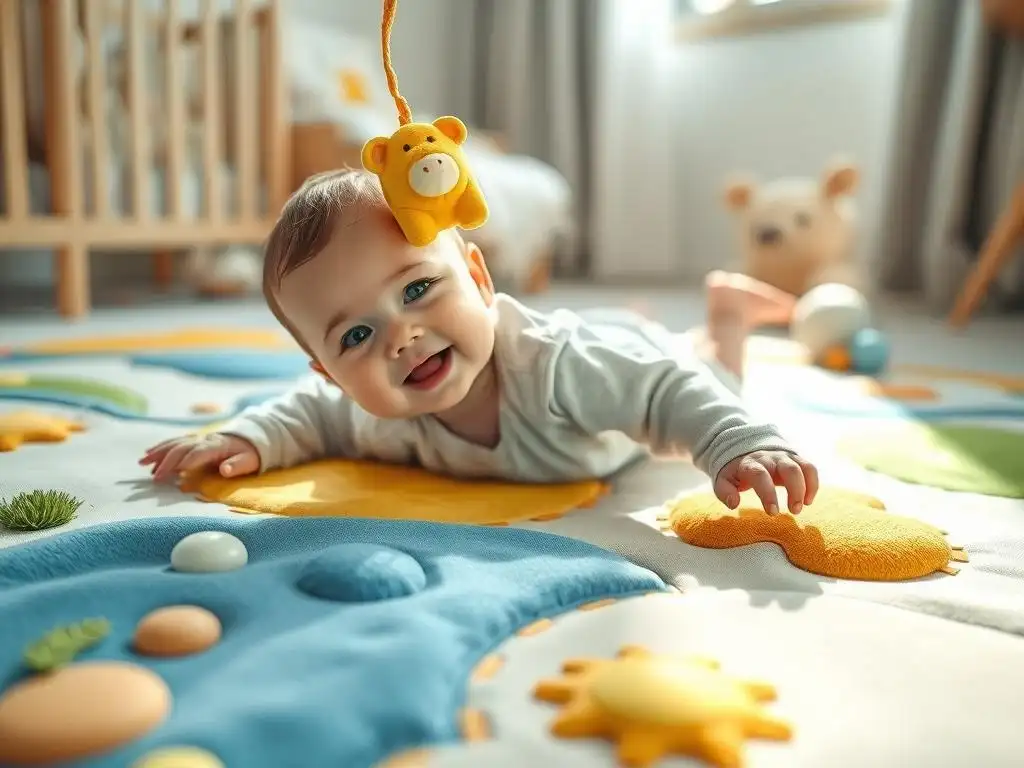
Selecting the best playmat for emotional development is a crucial step in nurturing your baby's well-being. Many parents grapple with concerns regarding safety and material selection, and rightfully so. A safe and stimulating play environment directly impacts a baby's emotional security and contributes significantly to their overall development. This section addresses those concerns, offering practical guidance to help you make an informed decision.
Choosing Safe and Non-Toxic Play Mats: Prioritizing Your Baby's Emotional and Physical Health
The emotional well-being of a baby is intrinsically linked to their physical safety. A play mat made from non-toxic materials is paramount. Babies explore their world through their mouths and hands, making the material composition a critical factor. Look for play mats explicitly labeled as non-toxic and free from harmful chemicals like phthalates, BPA, and lead. Many manufacturers boast certifications like OEKO-TEX Standard 100, which guarantees the absence of harmful substances. Don't hesitate to examine the product's label carefully and research the manufacturer's reputation for safety standards.
Furthermore, consider the mat's construction. Avoid mats with small, detachable parts that could pose a choking hazard. A sturdy, well-constructed mat is crucial for preventing accidents and ensuring your baby feels secure and safe while playing. A sense of security is fundamental for healthy emotional development; a safe play space directly contributes to this feeling.
Remember, a high-quality, safe play mat is an investment in your baby's long-term emotional and physical health. The peace of mind that comes with knowing your baby is playing in a safe environment is invaluable.
Addressing Allergic Reactions and Sensory Sensitivities: Selecting Appropriate Play Mats
For babies with allergies or sensory sensitivities, choosing the right play mat is even more critical. Certain materials can trigger allergic reactions or cause sensory overload, negatively impacting their emotional state. Consider the following factors:
- Material: Opt for hypoallergenic materials such as organic cotton, natural rubber, or other materials known for their low allergenicity. Avoid materials like synthetic fabrics or plastics that can irritate sensitive skin.
- Texture: The texture of the play mat can significantly impact a baby's sensory experience. Some babies might prefer a soft, plush surface, while others might prefer a firmer, textured surface. Observe your baby's preferences and choose a mat that aligns with their sensory needs. A mat that is too stimulating can lead to frustration and distress, hindering emotional development.
- Color and Pattern: Consider using a play mat with calming colors and patterns, especially for babies with sensory sensitivities. Avoid overly bright or busy patterns that could be overwhelming. A simple, visually soothing environment can contribute to a more peaceful and emotionally regulated playtime.
Maintaining Hygiene and Cleanliness: Ensuring a Safe and Emotionally Secure Play Space
Maintaining the hygiene of your baby's play mat is essential for their physical and emotional well-being. A clean play space promotes a sense of security and reduces the risk of illness. Babies often spend considerable time on their play mats, making regular cleaning crucial.
- Regular Cleaning: Many play mats can be easily wiped down with a damp cloth and mild detergent. Always check the manufacturer's instructions for specific cleaning recommendations. Regular cleaning prevents the buildup of germs and allergens, creating a healthier and more emotionally secure environment for your baby.
- Spot Cleaning: Address spills and messes promptly to prevent stains and the growth of bacteria. For tougher stains, you might need to consult the manufacturer's cleaning guidelines or use a specialized cleaning product suitable for baby products.
- Airing Out: Regularly air out the play mat to prevent the buildup of moisture and odors. This is particularly important if your baby often drools or spits up on the mat. Fresh air helps maintain a clean and pleasant environment, contributing to a sense of well-being.
Maintaining a clean and safe play space is not merely a matter of hygiene; it's a crucial element in nurturing your baby's emotional security and overall development. A clean and organized environment promotes calmness and contributes to a positive and enriching playtime experience. This directly supports your baby's emotional growth and development.
Beyond the Play Mat: Supporting Emotional Development Through Play
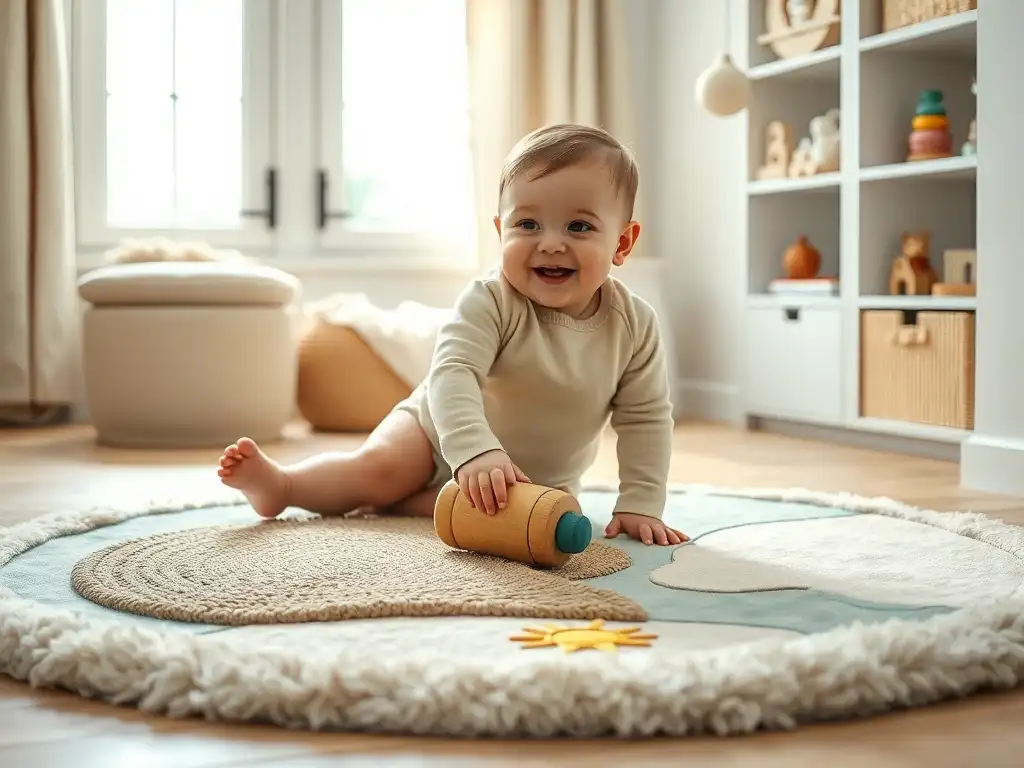
This section delves into the crucial role play mats play in fostering a baby's emotional wellbeing, extending beyond the purely physical benefits. Choosing the best playmat for emotional development isn't just about vibrant colors and stimulating textures; it's about creating an environment that nurtures crucial social-emotional learning. We'll explore how interactive play, integrated with other activities, can significantly contribute to your baby's emotional growth and resilience. Understanding your baby's emotional cues is paramount, and we'll provide guidance on recognizing signs of distress and adapting playtime accordingly.
Interactive play on a play mat is far more than mere entertainment; it's a cornerstone of social-emotional learning (SEL) in early childhood. During playtime, babies develop crucial skills such as:
- Emotional Regulation: As caregivers engage with their babies on the play mat, responding to their coos, giggles, and even cries, they learn to regulate their emotions. The consistency and predictability of this interaction create a sense of security and trust.
- Self-Awareness: Through exploration of different textures, sounds, and objects on the play mat, babies begin to understand their own capabilities and preferences. This self-discovery is fundamental to developing a positive self-image.
- Social Skills: Even solitary play on a play mat offers opportunities for social learning. Observing caregivers' reactions and imitating their actions fosters empathy and understanding of social cues. When multiple babies play together (with appropriate supervision), sharing and turn-taking skills are developed.
- Cognitive Development: While seemingly focused on emotional development, interactive play on a play mat significantly boosts cognitive skills. Problem-solving (like reaching for a toy), cause-and-effect understanding (shaking a rattle to hear a sound), and memory (remembering where a favorite toy is located) are all enhanced.
The impact of this early social-emotional learning is profound. Studies show a strong correlation between early SEL and later success in school, relationships, and overall well-being. A well-chosen play mat, combined with engaged and responsive caregiving, lays the foundation for a confident, emotionally intelligent child. Remember, the best playmat for emotional development is one that facilitates this kind of rich interaction.
Integrating Other Play Activities to Complement the Play Mat Experience
While the play mat provides a fantastic base for interactive play, it shouldn't be the sole source of stimulation. Integrating other activities complements the experience, offering a wider range of sensory input and developmental opportunities. Consider these additions:
- Singing and Rhyming: Simple songs and rhymes engage your baby's auditory senses and encourage language development. The repetitive nature of these activities can also be soothing and calming.
- Reading: Even at a young age, reading to your baby introduces them to language, storytelling, and the joy of books. The soft textures of board books can be incorporated into play mat time.
- Tummy Time: While not directly on the play mat, tummy time should be incorporated into the daily routine. This strengthens neck and back muscles, which are vital for later motor skill development and overall physical well-being.
- Sensory Exploration: Introduce different textures beyond those on the play mat—soft fabrics, smooth surfaces, crinkly paper—to expand your baby's sensory experience.
A balanced approach, combining the structured environment of the play mat with varied activities, creates a richer and more stimulating playtime experience, contributing to holistic development. This multifaceted approach enhances the overall benefits of choosing the best playmat for emotional development.
Recognizing Signs of Emotional Distress and Adjusting Play Accordingly
Even with careful planning, babies will inevitably experience moments of distress during playtime. Recognizing these signs is crucial for adapting the play session to meet their needs and promote emotional regulation. Look out for these cues:
| Sign of Distress | Description | Response |
|---|---|---|
| Crying | Loud, sustained crying, often accompanied by furrowed brows or clenched fists. | Offer comfort, check for physical needs (hunger, diaper change), and reduce stimulation. Try a calming activity. |
| Fussiness | Restlessness, whimpering, or general unhappiness. | Try changing the baby's position, offering a different toy, or taking a short break. |
| Overwhelmed | Looking away, turning their head, or showing signs of avoidance. | Reduce the level of stimulation, offer a quiet and calming environment. |
| Withdrawal | Becoming unusually quiet or unresponsive. | Check for any underlying physical issues and offer comfort. |
Remember, each baby is unique, and the way they express distress may vary. Learn to read your baby's cues and adjust playtime accordingly. Sometimes, a simple change in activity, a comforting cuddle, or a quiet break can make all the difference in transforming a stressful experience into a positive one. Knowing how to respond effectively is key to using a play mat for optimal emotional development. It's all about creating a nurturing and responsive environment that supports your baby's emotional growth and overall well-being.
BabyCareHub's Recommendation: Creating a Nurturing Environment for Emotional Growth
Choosing the right play mat is a significant step in fostering your baby's emotional development. But it's crucial to remember that a play mat is just one piece of the puzzle. A truly nurturing environment encompasses a multifaceted approach, combining physical stimulation with emotional support and consistent care. Think of the play mat as a foundation for enriching experiences, not the sole contributor to emotional wellbeing. The best playmat emotional development strategy involves a holistic view.
A Holistic Approach to Baby's Emotional Wellbeing: Combining Play Mats with other Strategies
The best playmats for emotional development aren't just about vibrant colors and engaging textures; they contribute to a broader strategy for nurturing your baby's emotional growth. While a stimulating play mat provides a safe space for exploration and sensory input, other factors play equally crucial roles. Consider these complementary strategies:
- Responsive Parenting: Consistent and attentive caregiving is paramount. Responding promptly to your baby's cues – whether it's hunger, discomfort, or a desire for interaction – fosters a sense of security and trust, fundamental building blocks of emotional wellbeing. This responsiveness is far more impactful than any single product.
- Skin-to-Skin Contact: The benefits of skin-to-skin contact are well-documented. This intimate physical connection releases oxytocin, the "love hormone," in both parent and child, promoting bonding and reducing stress. Combine this with playtime on the play mat for a powerful emotional boost.
- Positive Reinforcement and Encouragement: Celebrate your baby's milestones, no matter how small. A gentle smile, a soft word of praise, or a playful interaction during playtime on the mat reinforces positive behavior and builds self-esteem.
- Routine and Predictability: Babies thrive on routine. A predictable schedule for feeding, sleeping, and playtime, including dedicated time on the play mat, creates a sense of security and reduces anxiety. This consistency is a vital component of emotional stability.
- Age-Appropriate Stimulation: Select toys and activities that are suitable for your baby's developmental stage. Over-stimulation can be detrimental, while under-stimulation can lead to boredom and frustration. The play mat should be a source of engaging, but not overwhelming, sensory experiences.
Consider this example: A baby placed on a brightly colored play mat with various textures might initially show interest, but prolonged exposure without interaction from a caregiver might lead to frustration. However, if a parent engages with the baby on the mat, pointing out different textures, making playful sounds, and responding to the baby's coos and gurgles, the experience becomes far more enriching and emotionally positive. This interaction, coupled with the sensory stimulation of the play mat, significantly contributes to the baby's emotional development.
Resources and Further Reading on Baby's Emotional Development from BabyCareHub
BabyCareHub offers a wealth of information to help parents navigate the complexities of baby's emotional development. While selecting the best playmat emotional development is crucial, remember that it is only one part of a larger picture. We recommend exploring our additional resources on:
- Understanding Baby's Cues: Learn to decipher your baby's signals to provide the most appropriate response.
- Developing a Consistent Routine: Discover how establishing a daily routine can positively impact your baby's emotional wellbeing.
- Choosing Age-Appropriate Toys: Find guidance on selecting toys that support your baby's development at each stage.
- The Importance of Play: Understand the role of play in cognitive, physical, and emotional development.
We are committed to providing parents with the knowledge and tools they need to nurture their baby's healthy emotional growth. Remember, a supportive and loving environment, combined with thoughtful choices like a stimulating play mat, is the key to raising a happy and emotionally secure child. Check back often for more updates and insights from BabyCareHub!
Frequently Asked Questions
What is the link between play mats and emotional development?
Play mats provide a safe and stimulating environment for babies to explore, fostering sensory development which directly impacts emotional regulation and cognitive growth. A happy, engaged baby is a baby developing emotionally.
How do different features of a playmat help emotional development?
Textures, colors, sounds, and interactive elements on a playmat engage a baby's senses, promoting curiosity, exploration, and self-soothing. This sensory exploration is crucial for healthy emotional development.
What age range are playmats most beneficial for emotional development?
Playmats are beneficial from birth onwards, supporting early development. Their value continues through the first year and beyond, as babies' cognitive and emotional capabilities grow.
Are there specific types of playmats better for emotional development?
Playmats with varied textures, bright colors, and engaging features like crinkling fabrics or hanging toys are ideal. Look for durable, safe materials appropriate for babies to mouth and explore.
How can I maximize the emotional benefits of a playmat for my baby?
Supervise your baby during playmat time, engaging with them and naming the objects and sensations. Positive interactions build secure attachment and boost emotional wellbeing.
Final Reflection: The Unsung Power of Play Mats in Early Childhood Development
The seemingly simple play mat is far more than just a soft surface for a baby; it's a foundational element in fostering healthy emotional development. Its impact on a child's early years is profound and far-reaching, shaping their future capacity for connection, self-regulation, and resilience. This isn't just about choosing the "best" playmat; it's about understanding the crucial role play itself plays in building a strong emotional foundation.
The vibrant colors, varied textures, and engaging activities offered by a well-designed play mat stimulate a baby's senses, encouraging exploration and curiosity. This active engagement not only fosters cognitive development but also cultivates a sense of agency and self-efficacy. Play is the highest form of research.
- Albert Einstein. This quote perfectly encapsulates the importance of allowing babies the freedom to explore and learn through play, a process intrinsically linked to their emotional growth and understanding of the world. The impact of this early exploration extends far beyond infancy, shaping their approach to challenges and their ability to form secure attachments throughout their lives.
Consider the implications of this for your own child, or for the children in your life. Take a moment to reflect on the power of play and the environment you create for the little ones around you. Choose play mats thoughtfully, considering not just aesthetics but also the developmental benefits they offer. Engage with your baby during playtime, fostering a secure and loving connection that will serve as a bedrock for their emotional wellbeing. Remember, the investment in a stimulating play environment is an investment in a brighter, more emotionally resilient future.
Unleash Your Little One's Playful Potential!
Thank you for joining us on this exploration of play mats and their impact on your baby's emotional development! We hope you found valuable insights into creating a nurturing and stimulating play environment. Now, let's put that knowledge into action.
- Design your dream play zone: Don't limit yourself to a basic mat! Consider incorporating diverse textures, sounds, and even calming scents to enrich your baby's sensory experiences. Share a picture of your creation on social media and tag us!
- Engage in playful interaction: Dedicate special playtime each day, focusing on your baby's cues and interests. Remember, playful engagement strengthens crucial emotional bonds.
- Join the BabyCareHub community: Share your experiences and advice with other parents! Let's build a supportive network where we can all learn and grow together.
What unique sensory element will you add to your baby's play mat to spark joy and wonder? For example, you could incorporate soft fabrics, crinkly materials, or even small, safe, textured objects.