
Best Toy Brands for Baby's First Year: A Parent's Guide

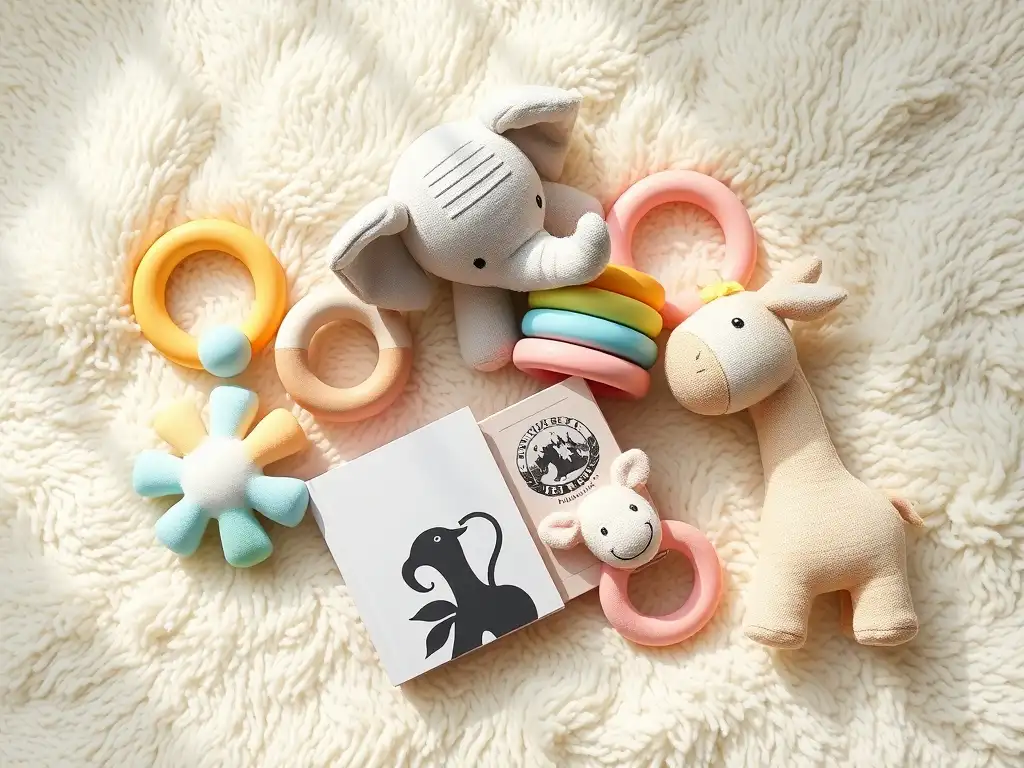
Welcome to BabyCareHub, your ultimate guide to navigating the exciting yet challenging world of parenthood! We understand the whirlwind of emotions and questions that come with welcoming a new baby, which is why we've created this comprehensive resource. Are you ready to discover the best baby toys for your little one's first year, fostering crucial development while making playtime both fun and enriching? Dive in and explore our expert advice on selecting the perfect toys to encourage your baby's growth and development.
- Choosing the Right Toys for Your Baby's First Year: Developmental Milestones and Toy Selection
- Top Baby Toy Brands for the First Year: A Comparative Review
- Creating a Safe and Engaging Play Environment for Your Baby
- Beyond Toys: Other Ways to Stimulate Your Baby's Development
- Frequently Asked Questions about Choosing Baby Toys
- Frequently Asked Questions
- Final Reflection: Nurturing Growth Through Play: A Legacy of Learning
- Unlock Your Baby's Play Potential!
Choosing the Right Toys for Your Baby's First Year: Developmental Milestones and Toy Selection
Navigating the world of baby toys can feel overwhelming for first-time parents. With countless options available, selecting the best baby toys first year can seem daunting. This comprehensive guide simplifies the process by focusing on developmental milestones and matching them with appropriate toys. We'll explore the crucial first year, breaking it down into stages and recommending suitable products from reputable brands, ensuring your little one receives the best stimulation while prioritizing safety.
We'll cover everything from sensory toys for newborns to interactive playthings for more mobile babies, all while emphasizing the importance of choosing safe and age-appropriate options. This guide will help you navigate the market effectively, selecting toys that foster your baby's growth and development in a fun and engaging way. Remember, the goal isn't just to entertain, but to stimulate learning and growth during this crucial period.
Understanding Your Baby's Developmental Stages (0-3 Months) and Suitable Toys
The first three months of your baby's life are a period of rapid sensory development. Their world is primarily experienced through sight, sound, touch, taste, and smell. Therefore, toys during this stage should focus on stimulating these senses.
Sensory Toys for Newborns: The Importance of Textures and Sounds
Newborns benefit immensely from toys offering a variety of textures and sounds. Think soft, crinkly fabrics, contrasting colors, and gentle, soothing sounds. These sensory experiences help develop their brains and enhance their awareness of the world around them. The key is to introduce simple, engaging stimuli that are not overwhelming. Avoid overly complex toys with flashing lights or loud noises during this early stage.
Best Baby Toys First Year (0-3 Months): Recommended Products
While specific product recommendations are beyond the scope of this introductory section, consider looking for toys featuring:
- Soft, textured mobiles with contrasting colors.
- Rattles with soft sounds and safe materials.
- Simple, high-contrast picture books.
- Teethers made of safe, non-toxic materials.
Safe Toy Materials: Avoiding Choking Hazards and Toxic Substances
Safety is paramount. During this stage, and throughout the first year, always choose toys made from non-toxic, durable materials. Avoid small parts that could pose a choking hazard. Look for toys that meet or exceed safety standards. 👶 Always supervise your baby while they are playing with toys.
Developmental Toys for Babies (3-6 Months): Encouraging Grasping and Reaching
As your baby grows, their motor skills develop rapidly. Between 3 and 6 months, they'll begin to reach, grasp, and explore their surroundings with their hands and mouths. Toys during this phase should encourage these developing skills.
Interactive Toys for 3-6 Month Olds: Promoting Motor Skill Development
Interactive toys that encourage grasping, reaching, and manipulating objects are ideal for this age group. Toys with different textures, shapes, and sizes can help develop fine motor skills and hand-eye coordination. Think about toys that encourage shaking, banging, and exploring different sounds and sensations.
Top Baby Toys First Year (3-6 Months): Recommended Products
This section will delve into specific recommendations for toys that promote grasping and reaching skills, focusing on safety and durability. Examples include:
- Soft blocks with various textures.
- Teethers with different shapes and sizes.
- Rattles with varying weights and sounds.
- Stacking cups or rings.
Choosing Age-Appropriate Toys: Safety and Suitability Guidelines
Remember to always check the age recommendations on toy packaging. Selecting age-appropriate toys is crucial for ensuring safety and providing the right level of stimulation for your baby's developmental stage. Consider the materials, size, and complexity of the toy to ensure it's suitable for your baby's abilities and prevents potential hazards.
Stimulating Toys for Babies (6-12 Months): Building Cognitive Skills and Creativity
Babies aged 6-12 months are experiencing rapid cognitive development. Their ability to grasp, manipulate objects, and understand cause-and-effect relationships is blossoming. Toys during this period should focus on stimulating these burgeoning skills. Think toys that encourage problem-solving, exploration, and fine motor skill development.
At this stage, babies are also beginning to understand object permanence – the understanding that objects continue to exist even when they are out of sight. Toys that incorporate this concept, such as peek-a-boo toys or toys that disappear and reappear, can be incredibly beneficial. The textures, sounds, and colors of the toys should also be varied and engaging to capture their attention and stimulate their senses. This age range also marks the beginning of symbolic play, where babies start to associate objects with actions or ideas.
Simple toys that represent everyday objects, like toy phones or blocks, can lay the groundwork for more complex imaginative play later on. Remember, the goal is to provide opportunities for exploration and discovery, fostering a sense of wonder and curiosity about the world around them. Choosing toys that are safe, durable, and easily cleaned is also crucial at this messy stage of development.
Interactive Toys for 6-12 Month Olds: Promoting Problem-Solving and Exploration
Interactive toys are particularly beneficial for 6-12 month olds because they encourage problem-solving and exploration. These toys often involve multiple steps or actions to achieve a desired outcome. For example, a shape sorter requires the baby to identify and manipulate shapes to fit them into their corresponding holes. This activity strengthens hand-eye coordination, spatial reasoning, and problem-solving skills.
Stacking toys, such as stacking cups or rings, are another excellent example. These toys teach babies about size relationships, sequencing, and cause-and-effect. Push-and-pull toys, like toy carts or walkers, encourage gross motor development and exploration of their environment. Toys with buttons, levers, or switches introduce the concept of cause-and-effect in a fun and engaging way.
The satisfaction of making something happen by their own actions is a significant developmental milestone. These interactive experiences help babies learn about their environment and build confidence in their ability to manipulate objects and solve simple problems. Remember to supervise your baby closely while they play with these toys to ensure their safety.
Best Baby Toys First Year (6-12 Months): Recommended Products
While specific product recommendations are beyond the scope of this general guide, parents should look for toys that meet certain criteria. For example, toys made from non-toxic materials are crucial for the safety of your little one. Look for toys that are brightly colored, have a variety of textures, and make interesting sounds. Consider toys that are easy to clean, as babies this age often put everything in their mouths.
Size and weight are also important considerations. Toys should be large enough to prevent choking hazards but not so large that they are difficult for your baby to handle. Durability is another key factor; you want toys that can withstand enthusiastic play. Finally, consider the developmental stage of your baby.
Choose toys that challenge their abilities but are not too frustrating. A good rule of thumb is to choose toys that are slightly beyond their current skill level to encourage growth and learning. Remember to always supervise your baby during playtime.
Educational Toys: Early Learning Through Play
Educational toys for 6-12-month-olds shouldn't feel like "schoolwork." Instead, they should integrate learning seamlessly into play. For example, shape sorters teach spatial reasoning and problem-solving skills while simultaneously improving fine motor skills. Stacking cups or rings enhance understanding of size and sequence, promoting early math concepts.
Simple musical instruments, like rattles or xylophones, introduce music and rhythm, stimulating auditory development. Books with bright colors, textures, and simple pictures encourage language development and a love of reading. Toys that feature animals or everyday objects can help expand your baby's vocabulary and understanding of the world. Remember that the best educational toys are engaging and fun.
They should capture your baby's attention and encourage them to explore, experiment, and discover. The focus should always be on playful learning, making the educational experience enjoyable and stimulating for your little one. This approach helps foster a positive attitude towards learning that will benefit them throughout their lives. The key is to find a balance between structured learning and free play, allowing your baby to explore their interests and develop at their own pace.
Top Baby Toy Brands for the First Year: A Comparative Review
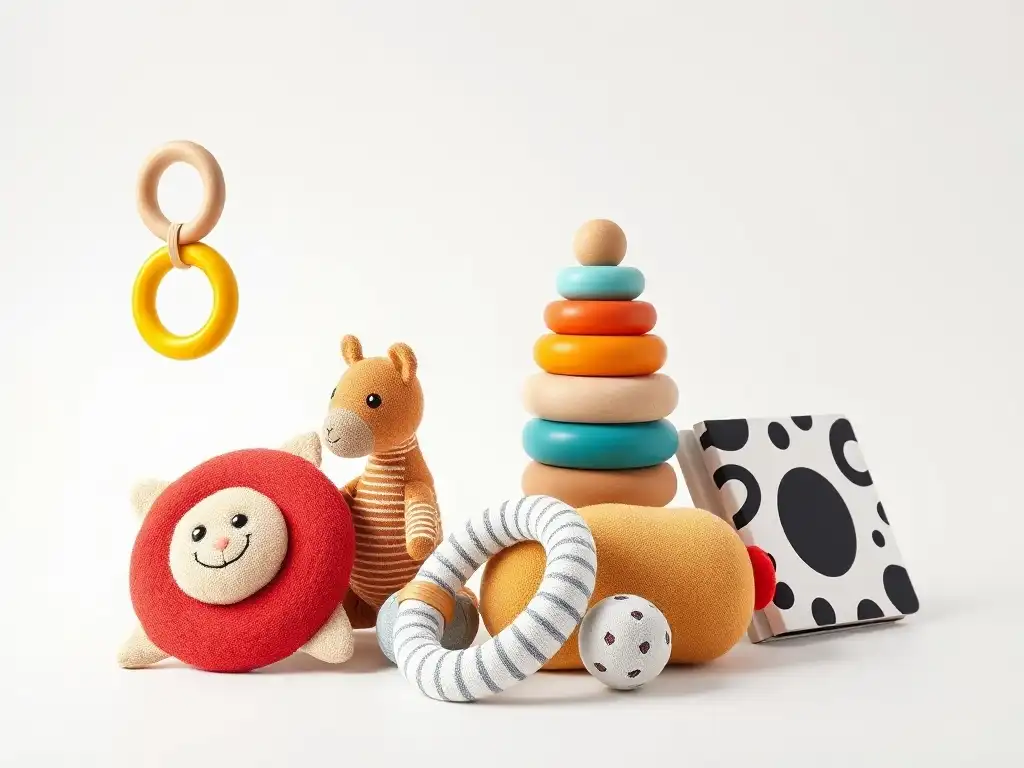
Choosing the right toys for your baby's first year is crucial for their development. This section delves into two leading brands, highlighting their strengths and helping you make informed decisions. Remember, the "best" toy depends on your baby's individual needs and preferences, but understanding brand philosophies can guide your selection process. This guide focuses on providing you with the tools to identify the best baby toys for your first year.
HABA: Focus on Sensory Development and Sustainability
HABA, a German company, prioritizes high-quality, sustainably sourced materials and designs focused on sensory exploration and fine motor skill development. Their toys often feature natural wood, soft fabrics, and simple, engaging designs that stimulate a baby's senses without overwhelming them. This commitment to sustainability and child safety is a key differentiator. HABA toys are often described as heirloom-quality, intended to be passed down through generations. This aligns with the growing parental focus on eco-friendly and durable products for their children.
HABA Product Highlights: Examples and Reviews
- HABA Kullerbü Marble Run: This classic toy introduces concepts of cause and effect, spatial reasoning, and problem-solving, all while engaging the baby's visual and auditory senses. Reviews consistently praise its durability and the joy it brings to babies. Many parents report their children playing with this toy for extended periods, indicating its inherent appeal and engaging design.
- HABA Stacking Rings: A simple yet effective toy that promotes fine motor skills, hand-eye coordination, and color recognition. The smooth, rounded edges ensure safety, while the vibrant colors stimulate visual development. The consistent positive reviews emphasize the toy's simplicity and effectiveness in promoting early development milestones.
- HABA Little Friends: These soft, cuddly toys are ideal for sensory exploration and comfort. Made from organic cotton, they are gentle on baby's skin and promote a sense of security. Parent feedback consistently highlights the softness and durability of these toys, perfect for cuddling and soothing.
The overall feedback on HABA products reflects a strong emphasis on quality, safety, and long-term value. Parents appreciate the thoughtful design and the durable construction, making them a worthwhile investment for the first year and beyond.
HABA Price Range and Value for Money
HABA toys are generally positioned in the mid-to-high price range. However, their durability, sustainable materials, and focus on developmental benefits often justify the cost for many parents. Considering the longevity of these toys and their contribution to a child's development, the investment is often seen as worthwhile by parents who prioritize quality and sustainability in their purchases. While not budget-friendly, the value proposition rests firmly on quality and longevity, offering a long-term return on investment.
Manhattan Toy: Emphasis on Educational and Interactive Play
Manhattan Toy offers a wide range of toys designed to stimulate cognitive development, encourage creativity, and promote interactive play. Their toys often incorporate textures, sounds, and engaging features to capture a baby's attention and promote exploration. Their focus is on creating toys that are fun, educational, and safe, incorporating various elements to stimulate different developmental aspects.
Manhattan Toy Product Highlights: Examples and Reviews
- Manhattan Toy Winkel Rattle & Sensory Ball: This toy combines the familiar rattle with textured surfaces and bright colors, stimulating both auditory and tactile senses. Reviews often praise its versatility and the baby's engagement with its various features. The stimulating nature of the toy has been highlighted by numerous parents in their reviews.
- Manhattan Toy Skwish: This flexible toy is designed to be squeezed, pulled, and manipulated, promoting fine motor skill development and sensory exploration. Its soft, pliable nature ensures safety and makes it ideal for babies of all ages within the first year. The durable construction has been praised by parents, who have reported its longevity despite extensive use.
- Manhattan Toy Baby Stella: This soft doll is designed to be a comforting companion for babies, promoting nurturing and imaginative play. The soft materials and simple design are ideal for babies, and many parents report its calming effect on their little ones. The durable construction ensures it can withstand the rigors of baby play.
Manhattan Toy Price Range and Value for Money
Manhattan Toy products generally fall within a mid-range price point. They offer a good balance of quality, features, and affordability, making them a popular choice for many parents. The wide variety of toys available caters to different developmental stages and interests, providing value through diverse play options. The price point is generally considered reasonable considering the quality and features offered, making them a good value option for parents.
Melissa & Doug: Specializing in Classic and Durable Toys
Melissa & Doug is a well-established brand synonymous with high-quality, classic toys designed to encourage imaginative play and development. Their commitment to using sustainable materials and creating durable products makes them a popular choice among parents seeking toys that will withstand the wear and tear of enthusiastic little ones. The brand's focus on simple, open-ended toys allows for creativity and fosters a child's natural curiosity.
Many of their toys are designed to be passed down through generations, reflecting a commitment to longevity and a reduced environmental impact. This approach aligns perfectly with the values of many environmentally conscious parents looking for toys that are both fun and responsible. The emphasis on classic designs often means the toys remain relevant and engaging even as child development progresses, offering sustained value for the price.
Their commitment to safety is also evident in the rigorous testing and use of non-toxic materials, providing parents with peace of mind. This brand truly understands the importance of fostering creativity while prioritizing safety and sustainability.
Melissa & Doug Product Highlights: Examples and Reviews
Melissa & Doug offers a vast range of toys suitable for the first year of a baby's life. Some standout examples include their wooden stacking toys, which help develop fine motor skills and hand-eye coordination. Reviews consistently praise the smooth, well-finished wood and the vibrant, non-toxic paints used. Their soft blocks are another popular choice, offering sensory stimulation and encouraging early building skills.
Parents appreciate the soft, safe materials, perfect for little ones who are still exploring the world through their mouths. Their activity cubes often receive glowing reviews for their engaging variety of textures, sounds, and activities, all designed to stimulate a baby's senses. Many parents highlight the durability of these cubes, noting that they've withstood countless hours of play and remain in excellent condition.
The brand's selection of shape sorters also consistently receives positive feedback, with parents praising their simple design, sturdy construction, and the inherent learning opportunities they provide. Many reviewers emphasize the value of these toys in assisting with problem-solving skills and hand-eye coordination development. 👶
Melissa & Doug Price Range and Value for Money
Melissa & Doug toys generally fall within the mid-range price bracket, reflecting their commitment to quality materials and manufacturing. While some individual items might be considered more expensive than comparable toys from other brands, the durability and longevity of their products often justify the cost. Parents frequently comment on the toys' ability to withstand extended use and remain engaging for months, even years, offering significant value for money in the long run.
The investment in a Melissa & Doug toy is often viewed as an investment in a child's development and playtime enjoyment. Considering the robust construction and the educational benefits, many parents find the price point acceptable, especially when comparing it to the potential cost of replacing cheaper, less durable toys more frequently.
The emphasis on sustainable materials and ethical manufacturing practices also contributes to the perceived value, aligning with the growing consumer demand for responsible and environmentally conscious products. Ultimately, the value proposition often comes down to prioritizing quality and longevity over immediate cost savings.
Creating a Safe and Engaging Play Environment for Your Baby
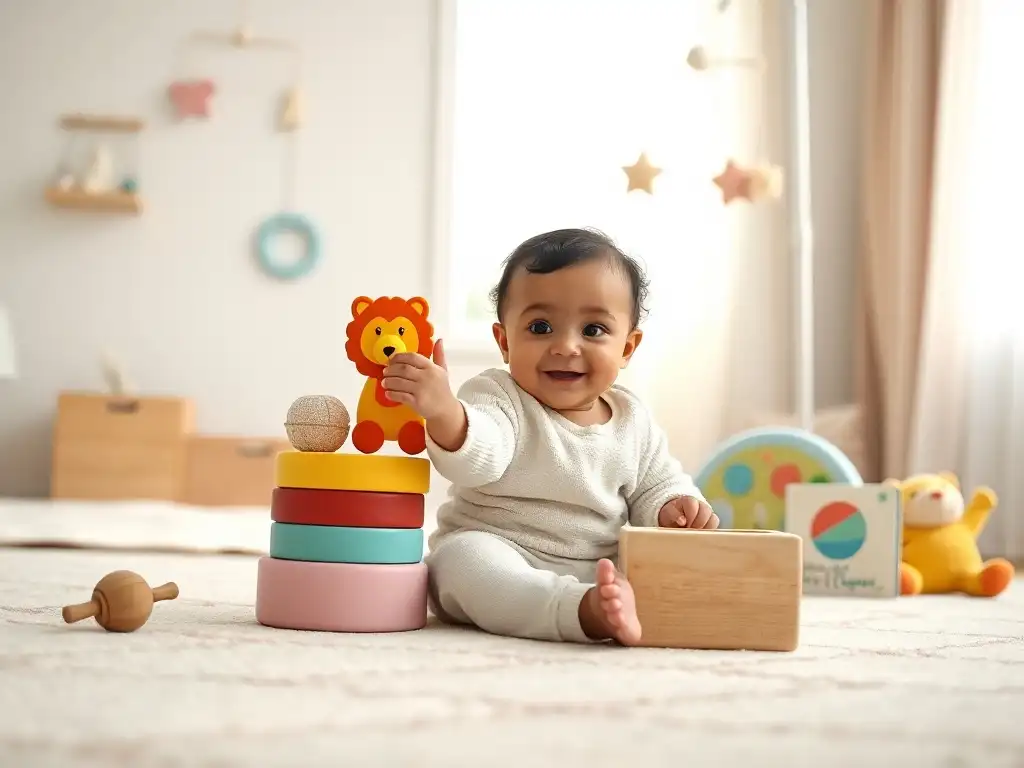
This section focuses on creating a stimulating yet safe play environment for your baby during their first year, a crucial period for their development. Choosing the best baby toys first year is only part of the equation; a secure and enriching space is equally vital. We'll explore how to balance safety with engagement, maximizing your baby's playtime experience.
Setting up a Baby-Safe Play Area: Essential Safety Tips
Creating a safe play area is paramount for your baby's well-being. This involves more than just picking the best baby toys first year; it's about proactively mitigating potential hazards. Here are some essential safety tips:
- Baby-proofing basics: Cover electrical outlets, secure loose cords, and install cabinet locks to prevent access to potentially harmful items. Consider using corner and edge protectors to cushion sharp furniture edges. Remember, babies are naturally curious and explore their environment through touch and taste! 👶
- Floor safety: Ensure the floor is free of small objects that your baby could choke on. Consider using a soft playmat or carpet to cushion falls and provide a comfortable surface for tummy time. Regularly check the play area for any hazards, such as broken toys or loose parts.
- Furniture safety: Anchor tall furniture to the wall to prevent tipping accidents. Keep heavy objects out of reach. Avoid placing your baby's play area near windows or other potential fall hazards.
- Toy selection: Always choose toys appropriate for your baby's age and developmental stage. Avoid toys with small parts that could be easily swallowed or inhaled. Check toys regularly for damage or wear and tear, discarding any that are broken or pose a safety risk. Choosing toys from reputable brands that adhere to safety standards is key.
- Supervision is key: Even with a baby-proofed environment, constant supervision is crucial, especially during playtime. Never leave your baby unattended, even for a short period.
Toy Rotation: Keeping Your Baby Engaged and Preventing Boredom
Even with the best baby toys first year, novelty is key to maintaining your baby's interest. Toy rotation is a simple yet effective strategy to prevent boredom and encourage continued exploration.
Here's how to effectively rotate your baby's toys:
- Storage solutions: Store toys in clearly labeled bins or containers. This makes it easy to swap out toys regularly and keeps the play area organized.
- Rotation schedule: A simple rotation schedule can be as easy as swapping out a few toys every week or two. You can even create a themed rotation, focusing on different sensory experiences or developmental skills.
- Introducing new toys gradually: Don't overwhelm your baby with too many new toys at once. Introduce one or two new toys at a time, allowing your baby ample time to explore each one before introducing more.
- Observing your baby's preferences: Pay attention to which toys your baby enjoys the most. This will help you select toys that are both engaging and developmentally appropriate. This also helps you understand your baby's interests and preferences, informing your future toy selections.
The Importance of Supervised Play: Ensuring Your Baby's Safety
This cannot be stressed enough: Supervised play is non-negotiable. Even with the safest play environment and the best baby toys first year, constant supervision is crucial to ensure your baby's safety.
Here's why supervised play is so important:
- Preventing accidents: Even seemingly safe toys can pose a risk if not supervised properly. A baby might accidentally choke on a small part or injure themselves while playing. Constant vigilance prevents these accidents.
- Encouraging interaction: Supervised play provides opportunities for interaction and engagement with your baby. You can talk to them, sing songs, and play games, fostering their cognitive and social-emotional development.
- Monitoring development: Observing your baby during playtime allows you to assess their developmental progress. You can see how they interact with toys, their problem-solving skills, and their fine and gross motor skills. This helps you tailor their play experiences to their individual needs and abilities.
- Building a bond: Supervised play creates a special bond between you and your baby. It's a time for connection, affection, and shared enjoyment. These moments are invaluable and contribute significantly to your baby's overall well-being. This interaction is crucial for their development and creates lasting memories.
Beyond Toys: Other Ways to Stimulate Your Baby's Development
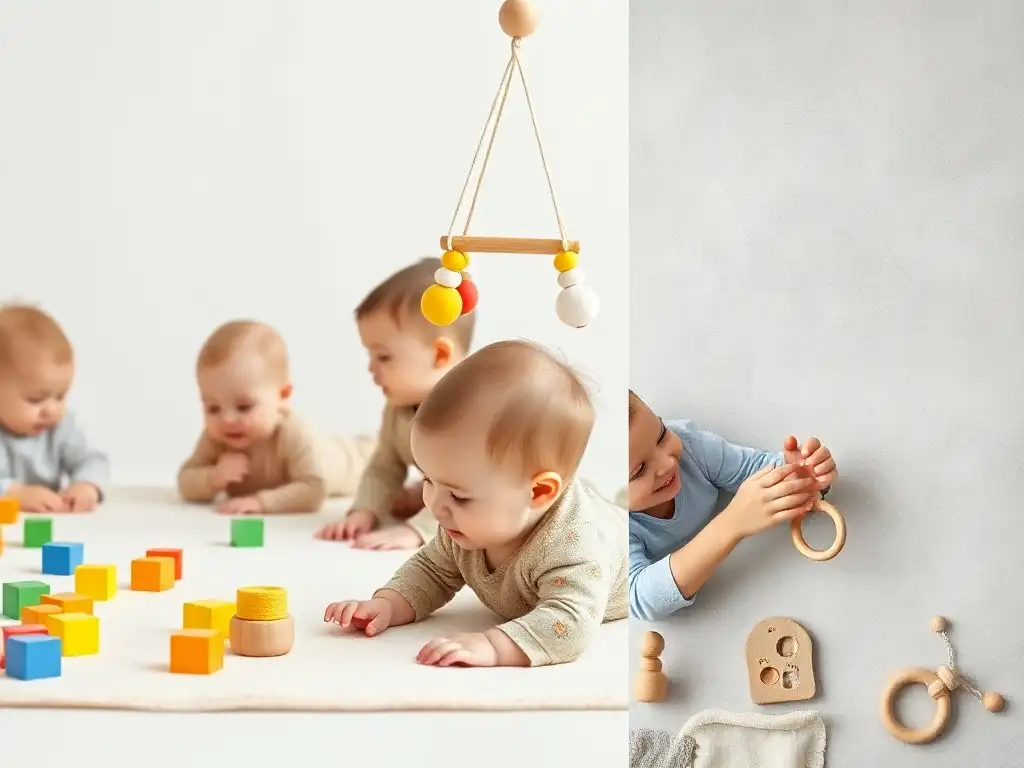
While toys play a significant role in a baby's development during their first year, it's crucial to remember that enriching experiences extend far beyond commercially produced items. Many simple, everyday activities can be just as, if not more, effective in stimulating your little one's growth. This section explores alternative methods to foster your baby's cognitive, social, and emotional development, complementing the benefits of carefully selected toys. Remember, the best "toys" are often the ones found in your everyday life.
Interactive Play: The Power of Parent-Child Interaction
Interactive play is paramount for a baby's development during their first year. It's not just about giving your baby a toy; it's about engaging with them actively. This strengthens the bond between parent and child and significantly boosts cognitive and social-emotional development. Think about simple games like peek-a-boo, which helps with object permanence (understanding that things still exist even when out of sight). Or try making silly faces and sounds to encourage imitation and language development. Even tummy time, while not strictly "play," offers crucial interactive moments as you encourage your baby and celebrate their achievements.
Consider these points for maximizing the impact of interactive play:
- Follow your baby's lead: Observe their interests and adjust your play accordingly. If they're fascinated by a spoon, let them explore it!
- Keep it simple: Babies don't need elaborate games. Simple, repetitive actions are often the most engaging.
- Make it responsive: Respond enthusiastically to your baby's actions and vocalizations. This positive reinforcement encourages further interaction.
- Vary your interactions: Introduce different types of sensory experiences, such as textures, sounds, and sights.
Data from the American Academy of Pediatrics highlights the crucial role of parent-child interaction in language acquisition and cognitive development. Studies show that babies whose parents engage in frequent interactive play often demonstrate advanced language skills and problem-solving abilities by their first birthday. This underscores the importance of making time for these crucial moments, even amidst the demands of daily life. Remember, even 15 minutes of focused, interactive play can have a significant positive impact.
Reading to Your Baby: Benefits of Early Literacy
Reading to your baby, even before they can understand the words, lays a strong foundation for future literacy. The sound of your voice, the rhythm of language, and the visual stimulation of colorful books all contribute to brain development. It's never too early to start!
The benefits extend beyond simple vocabulary acquisition:
- Bonding: Reading aloud creates a special time for connection and closeness.
- Language development: Hearing words and phrases repeatedly helps babies learn language patterns and sounds.
- Cognitive development: Books expose babies to new concepts and ideas, stimulating their imagination and curiosity.
- Emotional development: Stories can help babies understand and process emotions.
Choose board books with bright colors, simple illustrations, and repetitive phrases. Even if your baby doesn't seem to be paying attention, they are still absorbing information. Make it fun! Use different voices, point at the pictures, and interact with your baby as you read. The experience should be enjoyable for both of you. Consider incorporating different genres like rhyming books and interactive books with textures to further stimulate your baby's senses. Remember, consistency is key – aim for daily reading sessions, even if they’re short.
Singing and Music: Stimulating Language Development
Singing and playing music for your baby offers numerous developmental benefits, particularly in language acquisition. Babies respond positively to music from a very young age; the melodic quality of songs aids in language processing and memory development. Exposure to music early on can also improve cognitive skills and fine motor skills later in life.
Here's how music and singing help your baby's development:
- Language Acquisition: The rhythm and repetition in songs help babies learn language patterns and develop their vocabulary.
- Cognitive Development: Listening to music enhances memory, attention span, and problem-solving skills.
- Emotional Development: Music can soothe and comfort your baby, creating a sense of security and well-being.
- Social-Emotional Development: Singing and dancing together strengthens the parent-child bond and fosters social interaction.
Beyond nursery rhymes, experiment with different genres of music. Classical music, for instance, is often cited for its calming effect and potential cognitive benefits. However, any kind of music that you enjoy and find engaging will work wonders. The key is consistent exposure and interaction. Sing along, dance together, and make it a fun, shared experience. This positive association with music will have lasting developmental benefits for your child. Remember to create a playlist of your baby's favorite songs and sing along to them regularly. This simple act can make a significant difference in their overall development.
Frequently Asked Questions about Choosing Baby Toys
This section addresses common queries parents have when selecting toys for their little ones during their first year. Choosing the right toys can feel overwhelming, but understanding your baby's developmental stages and prioritizing safety and quality will make the process much easier. Remember, the best toys encourage exploration, interaction, and learning.
What are the best types of toys for a 6-month-old?
Six-month-olds are entering a period of rapid development. Their motor skills are improving, and they're becoming more aware of their surroundings. At this age, toys that encourage grasping, reaching, and exploring textures are ideal. Here are some suggestions:
- Soft toys with different textures: Think crinkly fabrics, soft plush animals with embroidered details (avoid small parts! ), and textured teethers. The variety stimulates their tactile senses.
- Rattles: Classic rattles are still fantastic! Look for rattles with varying sounds and weights to engage their auditory and motor skills.
- Stacking cups or rings: These help develop hand-eye coordination and problem-solving skills. Choose brightly colored, easy-to-grasp options.
- High-contrast books: Babies at this age are drawn to high-contrast images (black and white, or very bold colors). Simple board books with large, clear pictures are perfect.
- Activity gyms: These offer a range of textures, sounds, and visual stimulation, keeping your baby entertained for longer periods.
Remember to always supervise your baby during playtime and rotate toys regularly to maintain their interest. Avoid toys with small parts that could pose a choking hazard. The key is to provide a stimulating environment that encourages your baby's natural curiosity and exploration. This is a crucial stage for sensory development, so prioritize toys that engage multiple senses.
Are wooden toys better than plastic toys?
The "wooden vs. plastic" debate is a common one among parents. Both types of toys have their pros and cons. The best choice depends on your priorities and your baby's age and developmental stage.
| Feature | Wooden Toys | Plastic Toys |
|---|---|---|
| Durability | Generally more durable, but can chip/break | Can be durable, but may break or crack easier |
| Safety | Often considered safer (less risk of small parts) | Potential for small parts, check for BPA-free |
| Sustainability | More environmentally friendly | Often made from petroleum-based plastics |
| Cost | Typically more expensive | Generally less expensive |
| Sensory Input | Often have a more natural feel and weight | Wide variety of textures and colors available |
Ultimately, the best material is the one that's safe, durable, and appropriate for your child's age and stage of development. Look for toys that meet safety standards and are made from non-toxic materials, regardless of whether they're made of wood or plastic. Prioritize quality over material. A well-made plastic toy can be just as engaging and beneficial as a wooden one.
How many toys does my baby really need?
It's easy to get caught up in the excitement of buying lots of toys, but your baby doesn't need a mountain of them. Overwhelming your baby with too many toys can actually be counterproductive. A smaller selection of thoughtfully chosen toys allows for deeper engagement and exploration.
Instead of focusing on quantity, prioritize quality and variety. Rotate toys regularly to keep things fresh and interesting. A few well-chosen toys that encourage different types of play are far more beneficial than a large collection that your baby ignores.
Consider these factors:
- Developmental stage: Choose toys that are appropriate for your baby's current abilities.
- Interests: Observe what your baby enjoys playing with and choose toys that build upon those interests.
- Safety: Always prioritize safety when selecting toys.
- Storage: Don't buy so many toys that you can't store them safely and neatly.
A good rule of thumb is to have a rotating selection of 3-5 toys at a time, focusing on different types of play (sensory, motor, cognitive). As your baby grows and their interests change, you can gradually introduce new toys and rotate out the old ones. Quality over quantity is key when selecting toys for your baby's first year. Remember, your interaction with your baby during playtime is the most valuable toy of all! 🧸
Frequently Asked Questions
What makes a toy suitable for a baby's first year?
A toy suitable for a baby's first year should be safe, durable, and stimulating. Look for toys made of non-toxic materials, with no small parts that could be choking hazards, and that encourage development through sensory exploration.
What are some of the best toy brands for babies in their first year?
Many excellent brands cater to babies' needs. Some popular choices include Haba, Melissa & Doug, Manhattan Toy, and Green Toys. These brands are known for their high-quality, safe, and developmentally appropriate toys.
How can I choose toys that promote my baby's development?
Select toys that cater to your baby's developmental stage. For example, rattles and teethers are great for newborns, while stacking toys and shape sorters are ideal for older babies working on fine motor skills. Sensory toys are also beneficial.
Are electronic baby toys beneficial in the first year?
Electronic toys can be engaging, but they shouldn't replace interactive playtime. Prioritize toys that encourage physical interaction, exploration, and social engagement over those with excessive flashing lights or sounds. Limit screen time.
How many toys does my baby really need in their first year?
Your baby doesn't need many toys. Focus on a few high-quality, versatile toys that can be used in different ways. Rotation of toys can keep your baby engaged and prevent sensory overload. Remember that the best toy is often your interaction with your baby.
Final Reflection: Nurturing Growth Through Play: A Legacy of Learning
Choosing the right toys for your baby's first year is not just about entertainment; it's about investing in their development and shaping their future. The seemingly simple act of selecting a rattle or a teether can have profound and lasting effects on a child's cognitive, emotional, and physical growth. This journey of discovery, guided by thoughtful toy selection, lays the foundation for a lifetime of learning and exploration.
The impact of early childhood play on a child's development is undeniable, shaping their understanding of the world and their place within it. It's a privilege to witness this unfolding, to see the spark of curiosity ignite in their eyes as they grasp a new texture or solve a simple puzzle. As parents, we are entrusted with fostering this crucial period of growth, and the toys we choose play a significant role. Play is the highest form of research.
- Albert Einstein. This quote perfectly encapsulates the importance of allowing children the freedom to explore and learn through play, a process that is deeply intertwined with the toys we provide.
Now, consider your own journey as a parent. Reflect on the moments of joy and wonder you've shared with your little one through play. What toys have resonated most deeply? What have you learned about your child's preferences and developmental milestones through their interactions with toys? Take this opportunity to continue this journey of discovery, consciously choosing toys that stimulate your baby's senses, encourage their creativity, and foster their overall development. Remember, the best toys are not always the most expensive or technologically advanced; they are the ones that spark joy, encourage learning, and create lasting memories.
Unlock Your Baby's Play Potential!
Thank you for joining us on this exploration of baby toys! We hope you've gained valuable insights to help you select the perfect playthings for your baby's first year. Now it's time to put that knowledge into practice.
- Create a personalized toy list: Based on the toys and brands we've discussed, create a wish list of age-appropriate items to support your baby's development. Don't forget to add a few unexpected items that caught your eye!
- Share your top picks: Connect with other parents in our BabyCareHub community! Tell us which toy you loved most and why – let's inspire each other.
- Explore sensory play ideas: Go beyond store-bought toys and create enriching sensory experiences for your baby using everyday household items. Think about textures, sounds, and smells to stimulate your baby's senses.
Ready to begin this exciting playtime adventure with your little one? What unique sensory activity will you try first?