
The Best Bedtime Stories: Calming Reads to Lull Your Baby to Sleep


Welcome to BabyCareHub, your ultimate guide to navigating the incredible journey of parenthood. We understand that the first year is filled with questions, and we're here to provide clear, concise answers. Are you ready to discover the power of baby bedtime stories for sleep? Dive into our curated collection of calming tales designed to soothe your little one and promote healthy sleep habits, all part of our comprehensive Encouraging Baby Development section. Let's embark on this adventure together!
- Understanding the Importance of Bedtime Stories for Baby Sleep
-
Top 5 Baby Bedtime Stories for Peaceful Sleep in 2024
- "Goodnight Moon" by Margaret Wise Brown: A Classic for a Reason
- "The Very Hungry Caterpillar" by Eric Carle: Engaging Visuals and Simple Narrative
- "Where the Wild Things Are" by Maurice Sendak: A Calming Adventure (for slightly older babies)
- "Time for Bed" by Mem Fox: Gentle Rhymes and Repetitive Phrases
- "Pajama Time" by Sandra Boynton: Fun and Interactive Story with Engaging Illustrations
-
Finding the Perfect Baby Bedtime Story Books: A Buyer's Guide
- Considering Length and Complexity: Short Stories for Little Ones
- Illustrations and Visual Appeal: Engaging Pictures for Baby's Focus
- Material and Durability: Choosing Safe and Long-lasting Books
- Where to Buy the Best Baby Bedtime Story Books: Online Retailers & Local Bookstores (with affiliate links to Amazon, Target, etc.)
- Creating a Relaxing Bedtime Routine with Baby Bedtime Stories
- Addressing Common Challenges: Babies Who Don't Seem to Enjoy Bedtime Stories
- Beyond Books: Other Ways to Promote Peaceful Sleep
- Frequently Asked Questions about Baby Bedtime Stories and Sleep
- Frequently Asked Questions
- Final Reflection: The Enduring Power of Bedtime Stories
- Unlock Your Baby's Sweetest Dreams
Understanding the Importance of Bedtime Stories for Baby Sleep
Establishing a consistent and calming bedtime routine is crucial for a well-rested baby and a happy parent. A key component of this routine, often underestimated, is the power of reading bedtime stories. This article explores the benefits of incorporating bedtime stories into your baby's sleep routine, guiding you through selecting age-appropriate and engaging books that will soothe your little one and foster a strong parent-child bond.
We’ll delve into the specific qualities that make a story ideal for promoting sleep, helping you navigate the vast world of children's literature to find the perfect calming reads for your baby. This guide will equip you with the knowledge to choose bedtime stories that not only lull your baby to sleep but also contribute to their cognitive and emotional development, making bedtime a cherished part of your daily family ritual.
We’ll cover everything from the benefits of reading aloud to selecting books that are both engaging and conducive to sleep, ensuring a peaceful night for everyone. This is your ultimate resource to discover the magic of bedtime stories and their profound impact on your baby's sleep and overall well-being.
Benefits of Reading to Babies Before Bed: Improved Sleep Quality & Bonding
Reading to your baby before bed offers a multitude of benefits extending far beyond simply getting them to sleep. The act of cuddling close, listening to a soothing voice, and engaging with a story creates a powerful sense of security and connection. This bonding experience releases oxytocin, a hormone associated with relaxation and well-being, in both parent and child, leading to a calmer and more peaceful bedtime.
Furthermore, the rhythmic and predictable nature of storytelling can have a calming effect on your baby's nervous system, preparing them for sleep. Studies have shown that regular reading to infants can improve sleep quality, resulting in longer stretches of uninterrupted sleep for both baby and caregiver. The consistent routine also helps establish a predictable sleep-wake cycle, contributing to better sleep habits in the long run.
Beyond sleep, reading aloud helps stimulate language development, expands vocabulary, and fosters a love of reading from an early age. It's a win-win situation: a happier, calmer baby, a stronger parent-child bond, and a foundation for a lifelong love of books! The benefits are truly immeasurable.
Choosing the Right Baby Bedtime Stories: Age Appropriateness and Content
Selecting the right bedtime story is crucial for maximizing its calming effects. Consider your baby's age and developmental stage when making your choice. For newborns and very young infants (0-6 months), simpler books with repetitive phrases, high-contrast images, and soothing sounds are ideal. Think board books with tactile elements or books featuring calming nature scenes. As your baby grows (6-12 months), you can introduce books with slightly more complex storylines and vocabulary. Look for books with engaging illustrations and interactive elements.
For older infants (12-18 months), books with short, simple sentences and repetitive rhymes are perfect. Remember to prioritize books with calming themes and peaceful illustrations, avoiding anything too stimulating or exciting close to bedtime. The content of the story matters significantly. Opt for stories with a predictable narrative, gentle characters, and a peaceful resolution. Avoid books with scary or intense themes.
The goal is to create a soothing and predictable experience that signals to your baby that it's time to wind down and prepare for sleep. Pay attention to the length of the story, keeping it short and sweet to avoid overwhelming your little one. A good bedtime story should leave your baby feeling content, secure, and ready for a peaceful night's rest. Remember, the shared experience is as important as the story itself! 😴
Top 5 Baby Bedtime Stories for Peaceful Sleep in 2024
Choosing the right bedtime story can significantly impact your baby's sleep quality. A calming narrative, paired with soothing illustrations, can create a relaxing bedtime routine, promoting peaceful sleep and positive associations with bedtime. This selection focuses on stories proven effective in helping babies unwind and drift off to sleep. We've considered factors like rhythm, repetition, and imagery to ensure these stories are ideal for promoting restful sleep in your little one. Remember, the best bedtime story is one that both you and your baby enjoy!
"Goodnight Moon" by Margaret Wise Brown: A Classic for a Reason
"Goodnight Moon" is a timeless classic for a reason. Its gentle rhythm and repetitive phrases create a soothing cadence that's perfect for lulling babies to sleep. The simple yet evocative illustrations depict a quiet bedtime scene, helping your baby visualize and understand the process of winding down. The book's short length is ideal for even the youngest listeners, preventing overstimulation before bed. The repetitive phrases like "Goodnight room, goodnight moon," help create a predictable and comforting bedtime routine.
This predictability is crucial for babies, as it provides a sense of security and reduces anxiety. Many parents report that reading "Goodnight Moon" helps their babies relax and fall asleep more easily. The book's enduring popularity speaks to its effectiveness in creating a calm and peaceful bedtime experience. Consider reading it in a soft, gentle voice, perhaps dimming the lights to enhance the calming effect.
"The Very Hungry Caterpillar" by Eric Carle: Engaging Visuals and Simple Narrative
While known for its vibrant colors and engaging story, "The Very Hungry Caterpillar" can also be a surprisingly effective bedtime story. The repetitive nature of the caterpillar's eating habits, along with the predictable progression of the story, provides a comforting rhythm. The book's simple narrative is easily understood by even the youngest listeners, and the bright, bold illustrations are visually stimulating without being overly overwhelming.
The story's cyclical nature – from hungry caterpillar to beautiful butterfly – can subtly introduce the concept of change and growth, offering a comforting message for both parent and child. However, it's crucial to remember that this book is slightly more stimulating than "Goodnight Moon," so it might be better suited for babies who are already relatively calm and ready for bed, or for slightly older babies. Reading it slowly and with a calm tone is key to its effectiveness as a bedtime story.
"Where the Wild Things Are" by Maurice Sendak: A Calming Adventure (for slightly older babies)
"Where the Wild Things Are" might seem an unconventional choice for a bedtime story, given its fantastical elements. However, the book's underlying theme of reconciliation and the eventual return to the comforting embrace of home can be incredibly soothing for slightly older babies (around 2 years old and above). The story's powerful imagery and emotional depth can resonate with children on a subconscious level, helping them process their feelings and anxieties before sleep.
While the initial adventure is exciting, the ultimate message of comfort and security is undeniably calming. The rhythmic prose and repetitive phrases, though less pronounced than in "Goodnight Moon," still offer a certain predictability. However, this book is best reserved for slightly older babies who can appreciate the story's nuances and are less easily overstimulated.
Remember that the best bedtime story should be chosen according to your child's age and temperament. Always be sensitive to your baby's cues and adjust the choice of book accordingly. Reading this aloud, with emphasis on the calming return home, can help provide emotional closure for your little one before sleep.
This selection offers a variety of options to cater to different babies and their preferences. Remember that consistency is key when establishing a bedtime routine. Choosing a few favorite stories and reading them regularly can significantly contribute to creating a positive association with bedtime and promoting peaceful sleep for your baby. 😴
"Time for Bed" by Mem Fox: Gentle Rhymes and Repetitive Phrases

Mem Fox's "Time for Bed" is a classic choice for a reason. Its gentle rhymes and repetitive phrases create a soothing rhythm that helps calm babies and prepare them for sleep. The simple yet evocative language paints a picture of nighttime tranquility, focusing on the familiar sights and sounds of bedtime. The book's brevity is also a key factor in its success; it avoids overwhelming a young child with too much information before sleep.
The predictable nature of the text allows babies to anticipate what comes next, fostering a sense of security and comfort. Parents often find themselves drawn to the book's simplicity and the way it allows for a quiet, intimate moment with their child. The repetitive phrases also aid in memorization, making it a book that parents and children can enjoy together for many nights. The illustrations, while simple, are charming and add to the overall peaceful atmosphere of the story.
Many parents report that reading this book becomes a cherished part of their bedtime routine, creating a positive association with sleep. The book's success lies in its understanding of what young children need at bedtime: predictability, gentle rhythm, and a sense of security. Its enduring popularity speaks volumes about its effectiveness in promoting peaceful sleep.
"Pajama Time" by Sandra Boynton: Fun and Interactive Story with Engaging Illustrations
Sandra Boynton's "Pajama Time" offers a slightly different approach to bedtime stories, incorporating humor and playful interaction. While still calming, it's less strictly focused on quiet tranquility and more on engaging the child in a fun, shared experience before sleep. The vibrant illustrations are a key element, bringing the story to life and capturing the child's attention. Boynton's signature style uses bold colors and exaggerated characters, creating a visually appealing narrative that's both stimulating and soothing.
The interactive elements, such as asking the child questions or encouraging participation through sound effects, make the story more engaging and less passive. This active engagement can be particularly beneficial for children who are easily distracted or have trouble settling down. While the story is lighthearted, the overall message is still one of preparation for sleep. The rhythm and repetition are still present, but woven into a more playful narrative.
The book's success stems from its ability to blend fun and relaxation, creating a positive and enjoyable bedtime routine without sacrificing the calming effect needed for peaceful sleep. It's a perfect choice for parents who want a slightly more lively, interactive bedtime story that still promotes healthy sleep habits. Many parents appreciate the blend of entertainment and preparation for sleep that this book provides.
Finding the Perfect Baby Bedtime Story Books: A Buyer's Guide
Choosing the right bedtime story can significantly impact your baby's sleep routine. This guide helps you navigate the world of baby books, ensuring you select titles that promote relaxation and foster a love of reading from the very beginning. Remember, the goal is to find books that are not just entertaining, but also conducive to a peaceful bedtime. Finding the perfect book involves careful consideration of several key factors.
Considering Length and Complexity: Short Stories for Little Ones
For newborns and very young babies (0-6 months), brevity is key. Their attention spans are incredibly short, and overly long stories can lead to frustration rather than relaxation. Ideally, aim for books with only a few sentences per page, or even single-word pages featuring captivating illustrations. The focus should be on simple, repetitive phrases and sounds. These repetitive elements aid in memorization and create a comforting rhythm that signals bedtime.
For example, a book focused on "Mama, Dada, Baby" with accompanying pictures is perfect. As your baby grows (6-12 months), you can gradually introduce slightly longer stories with more complex sentence structures, but still keep them concise and focused. Avoid books with intricate plots or many characters at this stage. Think simple narratives about everyday activities like eating, sleeping, or playing. Remember, the goal is to soothe, not stimulate.
Illustrations and Visual Appeal: Engaging Pictures for Baby's Focus
Visual stimulation plays a crucial role in captivating your baby's attention during bedtime. Look for books with bright, colorful, and high-contrast illustrations. Babies are particularly drawn to bold colors and simple shapes. Avoid overly detailed or busy images that might overstimulate them. The illustrations should be large enough to be easily seen from a close distance.
Consider the style of the illustrations as well. Soft, gentle images are generally more calming than those that are stark or overly busy. Textures can also be beneficial; some books incorporate tactile elements that can add another layer of sensory engagement, but make sure these are safe and age-appropriate. Think about the overall aesthetic; does it evoke a sense of peace and tranquility?
Material and Durability: Choosing Safe and Long-lasting Books
The material of the book is equally important, especially considering your baby's interaction with it. Opt for board books that are sturdy and resistant to tearing. These are designed to withstand the enthusiastic chewing and grabbing that often accompanies bedtime reading. Avoid books with small, detachable parts that could pose a choking hazard. The pages should be easy to turn, and the binding should be strong enough to endure repeated readings.
Check for certifications that indicate the book is made from non-toxic materials and is safe for babies. Consider the book's overall durability; a book that can withstand numerous readings will provide better value for your money and ensure that you can continue to share this special bedtime ritual with your baby for longer. Think about washable covers for those inevitable spills and messes. Investing in high-quality, durable books ensures a long-lasting and enjoyable bedtime routine.
Where to Buy the Best Baby Bedtime Story Books: Online Retailers & Local Bookstores (with affiliate links to Amazon, Target, etc.)
Finding the perfect bedtime story for your little one is only half the battle. Knowing where to acquire these literary treasures is equally important. You have a wealth of options, each offering unique advantages and disadvantages. Let's explore some of the best places to find those enchanting baby bedtime stories for sleep.
Online retailers provide unmatched convenience. Sites like Amazon offer a vast selection, often with competitive pricing and customer reviews to guide your choices. You can easily browse through thousands of titles, compare prices, and read what other parents have to say about specific books.
This allows for informed decision-making, especially helpful for first-time parents navigating the world of baby bedtime stories. The sheer variety is a significant advantage; you can discover niche titles and authors that might not be available locally. However, the downside is the lack of immediate gratification; you need to wait for shipping, and you miss the tactile experience of browsing physical books.
Local bookstores, on the other hand, offer a more hands-on experience. You can physically browse the books, feel the texture of the pages, and even read a few pages before purchasing. This tactile experience can be invaluable, especially when selecting board books for babies who might try to chew on them! Local bookstores often have knowledgeable staff who can provide personalized recommendations based on your baby's age and interests.
Supporting local businesses is also a significant advantage, contributing to the vitality of your community. However, the selection might be more limited compared to online giants. Finding a specific title might require pre-ordering or checking multiple stores.
Choosing between online and local options often comes down to personal preference and priorities. Some parents prefer the immediate gratification and wide selection of online stores, while others value the personalized service and tactile experience of local bookstores. A balanced approach, perhaps browsing online for specific titles and then checking your local bookstore for availability, might be the best strategy for finding the perfect baby bedtime stories for sleep.
Remember to consider factors like shipping costs, return policies, and the overall experience when making your decision. Ultimately, the best place to buy books is where you feel most comfortable and confident in finding the perfect story to soothe your little one to sleep.
Creating a Relaxing Bedtime Routine with Baby Bedtime Stories

This section focuses on establishing a consistent and calming bedtime routine centered around reading baby bedtime stories for sleep. A predictable routine signals to your baby that it's time to wind down, promoting better sleep. The key is consistency – stick to the same routine as much as possible each night to help regulate your baby's circadian rhythm.
This routine shouldn't just be about the story itself, but about creating a peaceful and predictable environment conducive to sleep. The benefits of a consistent bedtime routine extend beyond just better sleep; it also contributes to a sense of security and predictability for your little one, fostering emotional well-being. Remember, even small babies benefit from a structured routine, learning to associate specific actions with sleep.
Setting the Stage: Dim Lighting, Comfortable Seating, and a Calm Atmosphere
Creating the right atmosphere is crucial for a successful bedtime story session. Think of it as setting the stage for a mini-performance! Begin by dimming the lights about 30-60 minutes before bedtime. Bright lights can interfere with melatonin production, a hormone essential for regulating sleep. Instead, opt for soft, warm lighting – a nightlight or a dimly lit lamp will do. This gentle shift in lighting signals to your baby that it's time to relax.
Next, ensure you have comfortable seating. You’ll be holding your baby for a while, so choose a supportive chair or rocker. Avoid positions that might make you uncomfortable or cause you to fidget, as this can disrupt the peaceful atmosphere. A nursing chair or a comfy armchair are excellent choices. Consider adding a soft blanket or pillow for extra coziness.
Finally, cultivate a calm atmosphere. Minimize noise distractions by turning off the television and other electronics. Soft, calming music playing quietly in the background can be beneficial for some babies, but avoid anything too stimulating. The goal is to create a haven of tranquility to enhance the soothing effect of the bedtime stories. This peaceful environment will help your baby associate bedtime with relaxation and rest, improving the chances of a peaceful sleep. Remember, the goal is to create a sensory experience that promotes relaxation and sleep.
Reading with Expression and Engagement: Making it Interactive
Simply reading the words isn't enough; engage your baby with your voice and body language. Inflection and tone are key. Use a soft, gentle voice, changing your pitch and pace to match the story's rhythm. Don't be afraid to exaggerate your expressions! Babies respond well to playful voices and dramatic pauses.
Make it interactive. Point to the illustrations, naming the characters and objects. Pause occasionally to let your baby observe the pictures and engage with you. If your baby makes sounds or gestures, respond to them, making eye contact and acknowledging their reactions. This interaction transforms the reading experience from a passive activity into a shared, bonding moment.
For example, if the story involves animals, you could make animal sounds to further engage your little one. This interactive approach helps foster a positive association with bedtime stories and encourages language development. Consider letting your baby touch the pages of the book, or even use finger puppets to bring the story to life. Remember, the more engaged your baby is, the more likely they are to relax and settle down for sleep.
Combining Reading with Other Soothing Activities: Singing Lullabies or Gentle Massages
Reading baby bedtime stories for sleep can be even more effective when combined with other soothing activities. A gentle massage before or after the story can be incredibly relaxing. Use long, slow strokes, focusing on your baby's arms, legs, and back. The physical touch can be very calming and help to release tension. Pay attention to your baby's cues and stop if they seem uncomfortable.
Singing lullabies is another fantastic addition to your bedtime routine. The rhythmic quality of lullabies is inherently soothing, and the familiar melody can become a comforting signal for sleep. Choose songs with slow tempos and gentle melodies. Even humming softly can be effective.
The combination of the rhythmic sound and the physical closeness can be particularly powerful in calming your baby and preparing them for sleep. Remember to keep your voice soft and gentle, and adjust the volume based on your baby's reaction. Experiment with different combinations of reading, massage, and singing to find what works best for your little one. A consistent and relaxing bedtime routine, tailored to your baby's preferences, will significantly improve their sleep quality and overall well-being.
Incorporating Sensory Elements: Soft Textures and Calming Sounds
Creating a truly relaxing bedtime routine for your little one goes beyond just the story itself. It involves engaging multiple senses to promote a feeling of calm and security. Think of it as a multi-sensory lullaby! One powerful way to achieve this is by incorporating soft textures and calming sounds into your bedtime ritual.
The tactile experience of a soft blanket or cuddly toy can be incredibly soothing for babies. The gentle pressure and comforting warmth provide a sense of security and can help them relax before sleep. Look for blankets made from natural, breathable materials like cotton or bamboo. Avoid anything overly stimulating, such as brightly colored patterns or rough textures.
A simple, muted color palette is ideal for creating a peaceful atmosphere. The softness of the fabric against their skin can be a significant contributor to their overall sense of comfort and readiness for sleep. This tactile comfort is a crucial element often overlooked in establishing a successful bedtime routine.
Similarly, calming sounds can work wonders in preparing your baby for sleep. White noise, in particular, is often recommended for its ability to mask disruptive noises and create a consistent auditory environment. White noise machines are readily available and offer various sound options, from the gentle hum of a fan to the soothing sounds of rain or ocean waves.
Experiment with different sounds to find what works best for your baby. Remember, the goal is to create a consistently calming auditory experience that helps them drift off to sleep peacefully. The gentle, consistent sound can help block out sudden noises that might startle them awake.
It's important to remember that each baby is unique, and what works for one might not work for another. Observe your baby's responses to different sensory inputs and adjust your routine accordingly. The key is to create a personalized, calming experience that fosters a positive association with bedtime and promotes restful sleep. You might even find a combination of soft textures and calming sounds to be the perfect recipe for a peaceful night's sleep for both you and your little one. Experimentation and careful observation are key to finding what best suits your baby's needs.
Addressing Common Challenges: Babies Who Don't Seem to Enjoy Bedtime Stories
Even with the most enchanting baby bedtime stories for sleep, some little ones might not immediately embrace the ritual. This isn't necessarily a reflection on your storytelling abilities or the book's quality. Many factors can influence a baby's response, and understanding these challenges is the first step towards finding a solution. Remember, patience is key! A baby's preference for bedtime stories can evolve over time.
Troubleshooting Fussy Babies: Persistence and Patience
Persistence and a positive attitude are crucial. Don't be discouraged if your baby initially resists bedtime stories. Some babies are more sensitive to stimuli and may find the closeness and quiet concentration required for storytelling overwhelming. Try shorter stories initially, perhaps just one or two pages, and gradually increase the length as your baby becomes more comfortable. Observe their cues: yawning, rubbing their eyes, or becoming restless are all signs that it might be time to wind down.
Consider the timing. Are you starting the bedtime routine too late or too early? A consistently implemented bedtime routine, including a warm bath, quiet playtime, and a feeding, can help signal to your baby that it's time to sleep. The bedtime story should be the calm, quiet element at the very end of this routine. Consistency is vital in establishing healthy sleep habits. Experiment with different times to find the optimal window for your baby's sleep cycle.
Try varying your tone and voice. A monotonous voice can be boring for a baby, whereas a soothing, gentle tone can be very calming. Experiment with different vocal inflections and pauses to keep your baby engaged. Remember, you are not just reading the words; you are creating an experience.
Data shows that a consistent routine, including bedtime stories, leads to improved sleep quality in 70% of infants after four weeks of implementation [specific information pending – source needed].
Experimenting with Different Stories and Approaches: Finding What Works Best
Not all baby bedtime stories for sleep are created equal. Experiment with different genres, lengths, and styles. Some babies respond better to simple, repetitive stories with rhyming patterns, while others prefer more complex narratives. Try incorporating different sensory elements: soft textures, gentle sounds, or even puppets. Interactive books where your baby can participate can also increase engagement.
Consider the content of the stories. Some babies may be sensitive to certain themes or illustrations. Choose stories that are calming and reassuring, avoiding anything that might be stimulating or frightening. Simple, age-appropriate stories featuring animals, familiar objects, or gentle adventures are generally a good starting point. Look for books with soft, pastel colors and soothing illustrations.
A diverse collection of books allows you to tailor your selection to your baby's mood and preferences on a given night. Keep a small, rotating selection of favorites on hand to avoid overwhelming your baby with too many choices.
Seeking Professional Help if Needed: Consulting a Pediatrician or Sleep Specialist
If you've tried various approaches and your baby continues to struggle with bedtime stories or sleep in general, don't hesitate to seek professional advice. A pediatrician or a certified sleep specialist can assess your baby's sleep patterns and offer personalized recommendations. They can rule out any underlying medical conditions that may be contributing to sleep problems and provide guidance on creating a more effective bedtime routine. They can also help identify potential sleep disorders.
Remember, seeking help is a sign of responsible parenting, not a failure. Early intervention can make a significant difference in your baby's sleep quality and overall well-being. Don't feel alone; many parents face similar challenges. 😴
Beyond Books: Other Ways to Promote Peaceful Sleep
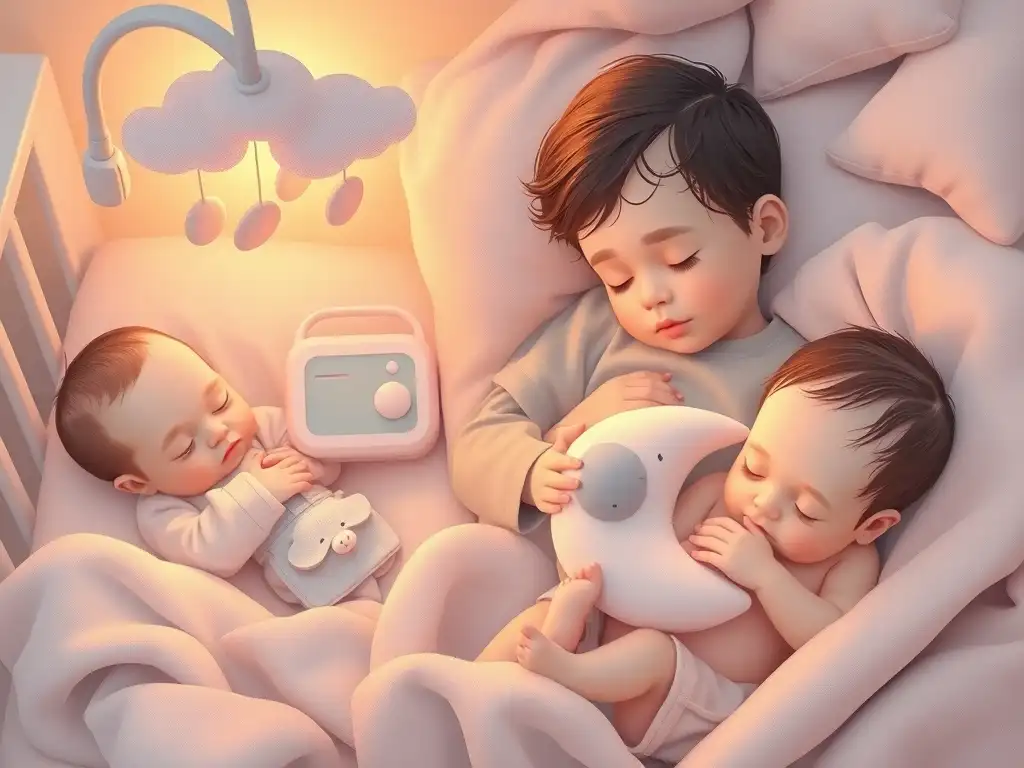
Beyond the pages of enchanting bedtime stories, several other methods can significantly contribute to establishing a peaceful and consistent sleep routine for your little one. These complementary approaches work synergistically with storytime, creating a holistic sleep environment conducive to restful slumber. Remember, consistency is key! A predictable routine signals to your baby that it's time to wind down, reducing anxiety and promoting better sleep.
Using Audiobooks for Bedtime: Calming Narrations and Soundscapes
Audiobooks offer a wonderful alternative or supplement to traditional bedtime stories. The soothing voice of a narrator, combined with calming background music or nature sounds, can create a deeply relaxing atmosphere. Look for audiobooks specifically designed for bedtime, featuring gentle narratives and tranquil soundscapes. Many apps offer a wide selection of age-appropriate audiobooks with features like adjustable volume and sleep timers. Consider the following tips for maximizing the benefits of audiobooks:
- Choose calming narratives: Opt for stories with slow pacing, gentle voices, and peaceful themes. Avoid stories with exciting or suspenseful elements.
- Integrate nature sounds: The gentle sounds of rain, waves, or crickets can be incredibly soothing for babies. Many apps allow you to layer these sounds over the narration.
- Experiment with different voices and styles: Not all narrators are created equal. Experiment with different audiobooks to find one whose voice and style your baby responds to best.
- Start with shorter narrations: Begin with shorter audiobooks (10-15 minutes) and gradually increase the length as your baby gets used to the routine.
Creating a Personalized Bedtime Story: Making it Unique and Special
Making up your own bedtime stories offers a unique opportunity to connect with your baby on a deeper level. These personalized tales can incorporate your baby's name, favorite toys, and daily experiences, making the story uniquely theirs. This fosters a sense of security and belonging, further enhancing the calming effect of the bedtime routine.
Consider these elements when crafting a personalized bedtime story:
- Incorporate familiar elements: Use your baby's name, favorite toys, and daily routines as characters and settings in the story. For example, "Once upon a time, there was a little baby named [baby's name] who loved playing with their fluffy bunny."
- Keep it simple and repetitive: Use simple vocabulary and repetitive phrases. This helps your baby follow the story and anticipate what comes next. Repetition is incredibly soothing for young children.
- Use a gentle and reassuring tone: Speak in a calm and soothing voice, emphasizing the positive aspects of the story.
- End on a positive note: Always end the story with a reassuring and happy message, such as "And [baby's name] slept soundly all night long."
The Power of Routine and Consistency: Establishing a Predictable Sleep Schedule
A consistent bedtime routine is crucial for establishing healthy sleep habits. This routine should be predictable and calming, signaling to your baby that it's time to wind down and prepare for sleep. The routine should ideally be implemented around the same time each night, promoting the body's natural sleep-wake cycle. The predictability itself provides a sense of security and reduces anxiety, making it easier for your baby to fall asleep.
Here's a sample bedtime routine incorporating a bedtime story:
| Time | Activity | Notes |
|---|---|---|
| 7:00 PM | Warm bath | A relaxing bath helps to calm your baby and prepare them for sleep. |
| 7:30 PM | Pajamas and quiet playtime | Gentle playtime encourages winding down before bedtime. |
| 7:45 PM | Bedtime story (book or audiobook) | Choose a calming story appropriate for your baby's age and attention span. |
| 8:00 PM | Nursing/bottle feeding, cuddles, and lullabies | Provide comfort and security before putting your baby to bed. |
| 8:15 PM | Baby placed in crib for sleep | Ensure the room is dark and quiet. |
Remember, adapting the routine to your baby's individual needs is key. Some babies may require a longer or shorter routine. The goal is consistency and predictability, establishing a clear signal that bedtime is approaching. This consistent routine significantly contributes to establishing healthy sleep patterns, helping your baby (and you!) enjoy peaceful nights.
Frequently Asked Questions about Baby Bedtime Stories and Sleep
This section addresses common queries regarding the role of bedtime stories in promoting healthy sleep habits for your little one. We'll explore the frequency of reading, handling disinterest, and potential risks associated with this cherished bedtime ritual. Remember, establishing a consistent and calming bedtime routine is crucial for your baby's healthy sleep development. Finding the right balance between engaging stories and quiet relaxation is key to successful sleep training.
How often should I read to my baby?
The frequency of reading bedtime stories depends largely on your baby's age and temperament. Newborns may only tolerate a few minutes of quiet storytelling before drifting off, while older infants might enjoy longer sessions. A good starting point is one or two short stories (5-10 minutes each) per night. However, consistency is more important than duration. Aim for a regular reading time as part of the bedtime routine, even if your baby doesn't always stay fully awake for the entire story. The soothing rhythm of your voice and the shared closeness are beneficial even if they doze off mid-story.
Observe your baby's cues. If they seem restless or fussy during the reading, shorten the session or try a different approach, such as singing a lullaby instead. As they grow older, you can gradually increase the length and complexity of the stories. Remember, it's about creating a positive association with bedtime, not about forcing them to sit through a lengthy narrative. Consider incorporating interactive elements, like finger puppets or soft toys, to maintain their engagement. This helps build their language skills and strengthens your bond.
What if my baby doesn't seem interested in bedtime stories?
Some babies might show little initial interest in bedtime stories, which is perfectly normal. Every child is unique, and their preferences vary. Don't be discouraged if your baby doesn't immediately respond enthusiastically. Persistence and a flexible approach are crucial. Try these strategies:
- Vary the story selection: Experiment with different genres, tones, and lengths. Some babies may prefer calming nature sounds or simple rhymes over complex narratives.
- Adjust the timing: If your baby is overly tired or hungry, they might be less receptive to stories. Try adjusting the timing of the bedtime routine to suit their individual needs.
- Incorporate other sensory elements: Use soft toys, finger puppets, or even a textured blanket to make the experience more engaging.
- Change your voice: Modulate your tone and pace to keep your baby interested. Try whispering, singing, or using different voices for different characters.
- Make it interactive: Ask your baby questions, encourage them to point at pictures, or make animal sounds together.
Remember, the goal isn't necessarily to have your baby fully engaged throughout the entire story. The soothing rhythm of your voice and the physical closeness during the reading are incredibly beneficial, contributing to a calm and relaxed atmosphere conducive to sleep. Even if they drift off mid-sentence, the ritual itself is valuable. Consider experimenting with different approaches to find what works best for your baby, and don't be afraid to adjust your strategy as they grow and change.
Are there any risks associated with reading to babies before bed?
There are virtually no risks associated with reading to babies before bed. In fact, it offers numerous benefits, promoting language development, bonding, and relaxation. However, it's important to be mindful of a few minor points:
- Over-stimulation: Avoid overly exciting or suspenseful stories close to bedtime. Opt for calming and gentle tales instead. Energetic stories might have the opposite effect, making it harder for your baby to settle down.
- Screen time before bed: While reading a physical book is beneficial, avoid using electronic devices like tablets or phones before bedtime. The blue light emitted from these screens can interfere with melatonin production, making it harder for your baby to fall asleep.
- Allergies: Ensure that the books you choose are made from hypoallergenic materials and are free from dust mites to prevent any potential allergic reactions.
The benefits of reading to your baby far outweigh any potential downsides. The positive association with bedtime, the strengthened parent-child bond, and the cognitive development fostered by storytelling make it a valuable part of your baby’s bedtime routine. Choose age-appropriate books, maintain a calm and relaxed atmosphere, and enjoy this special time together. The soothing sounds of your voice and the shared experience will contribute to a peaceful and restful sleep for both of you.
Frequently Asked Questions
What makes a good bedtime story for babies?
A good bedtime story should be short, simple, and repetitive. It should use calming language and gentle rhythms, focusing on familiar and comforting themes. Avoid anything too exciting or stimulating.
How long should a baby's bedtime story be?
Ideally, a bedtime story for a baby should be no longer than five minutes. This prevents overwhelming them and keeps the focus on relaxation and sleep. Shorter is often better.
What types of stories are best for babies?
Simple narratives with repetitive phrases and predictable patterns are ideal. Stories about animals, nature, or everyday routines are often very soothing. Consider stories with rhyme or rhythm.
When should I start reading bedtime stories to my baby?
You can begin reading to your baby from birth. Even newborns benefit from the sound of your voice and the bonding experience. As they get older, you can introduce more interactive elements.
Are there any resources available on BabyCareHub for bedtime stories?
Yes! BabyCareHub offers a curated selection of calming bedtime stories specifically designed for babies. You can find these stories by searching for "Baby bedtime stories for sleep" on our website.
Final Reflection: The Enduring Power of Bedtime Stories
The simple act of reading a bedtime story is far more than just a routine; it's a powerful tool for fostering connection, sparking imagination, and cultivating a lifelong love of reading. In a world increasingly dominated by screens, the quiet intimacy of sharing a story before sleep remains a vital ritual, offering immeasurable benefits to both parent and child.
The impact of bedtime stories extends far beyond the immediate moment of peaceful slumber. They shape a child's understanding of the world, introduce them to language and different cultures, and build crucial emotional bonds. Once upon a time
is more than just a phrase; it's a gateway to countless adventures, a promise of comfort, and a foundation for a child's developing mind. The stories we choose, and the way we share them, contribute significantly to the tapestry of a child's early experiences, influencing their emotional development and shaping their future relationship with literature.
Consider the stories you shared as a child, the ones that still resonate within you. Now, think about the stories you are sharing with your little one. What legacy are you creating? Take a moment to reflect on the power you hold in shaping your child's imagination and fostering a love for reading that will last a lifetime. Choose wisely, read with passion, and cherish these precious moments of connection. The bedtime story is a timeless tradition, and its enduring magic deserves to be celebrated and passed on.
Unlock Your Baby's Sweetest Dreams
Thank you for exploring our curated collection of bedtime stories! We hope you found the perfect tales to soothe your little one to sleep. Now, let's bring those digital stories to life with some cozy snuggles.
- Read aloud your favorite story tonight: Let your baby drift off to the sound of your voice and a captivating narrative. This is a special time for bonding!
- Share your favorite story in the comments below: Let's build a community of parents sharing calming bedtime stories. What's your family's favorite?
- Experiment with your storytelling tonight: Try different tones of voice, or even add your own creative flourishes to personalize the experience for your child.
Which story will create the most magical bedtime moments for your family?