
BabyCareHub's Guide to Choosing the Perfect Play Mat: Safety, Size, and Surface

Welcome to BabyCareHub, your ultimate guide to navigating the incredible journey of parenthood! We understand that the first year is filled with both joy and countless questions. That's why we've created this comprehensive resource, packed with expert advice and practical tips to help you thrive.
But before you dive into the world of baby development, let's tackle a crucial element of your little one's safe and stimulating environment: discover the best baby playmat safety guide and learn how to choose the perfect play mat for your precious baby. Read on to unlock the secrets to creating a safe and enriching play space!
- Understanding the Importance of a Safe Baby Play Mat
- Baby Play Mat Size: Finding the Perfect Fit for Your Space and Baby
- The Best Surfaces for Baby Play Mats: Comfort, Cleanliness, and Stimulation
- Top Picks: Best Baby Play Mats for Safety and Development in 2024
- Frequently Asked Questions (FAQs) about Baby Play Mats and Safety
- Conclusion: Ensuring Your Baby's Safe and Happy Playtime
-
Frequently Asked Questions
- What are the key safety features to look for in a baby playmat?
- How do I determine the appropriate size of a baby playmat?
- What types of surfaces are best for baby playmats?
- How can I ensure my baby's safety while they are playing on the mat?
- Are there any specific safety standards I should look for when purchasing a baby playmat?
- Final Reflection: Nurturing Safe Play: A Foundation for Growth
- Ready to Create Your Baby's Happy Place?
Understanding the Importance of a Safe Baby Play Mat
Choosing the right play mat for your little one is a crucial decision for first-time parents. This isn't just about providing a soft, comfortable space for tummy time and playtime; it's about creating a safe and stimulating environment that supports your baby's physical, cognitive, and emotional development. A safe play mat acts as a foundational element in your baby's early exploration of the world, offering a dedicated area where they can safely roll, reach, and discover new textures and sensations.
This BabyCareHub guide will walk you through the essential considerations when selecting a play mat, focusing on safety, size, and surface material to ensure you choose the perfect haven for your baby's growth. We'll delve into the specific safety features you should prioritize, equipping you with the knowledge to make an informed decision that prioritizes your baby's well-being.
This comprehensive guide will help you confidently navigate the market and select a play mat that not only meets your needs but most importantly, guarantees your baby's safety and fosters their development. Choosing the best baby playmat is a significant step in ensuring a happy and healthy start for your little one, and this guide will serve as your ultimate resource to achieve just that.
Why a Safe Play Mat is Crucial for Baby's Development
A safe play mat is far more than just a cushioned surface; it's an integral part of your baby's early development. From the moment they begin tummy time, a play mat provides a dedicated space for exploration and learning. The right mat offers crucial benefits, including:
- Safe Space for Exploration: A soft, padded surface protects your baby from hard floors, reducing the risk of bumps and bruises during their active movements. This encourages independent play and exploration without the fear of injury.
- Stimulation and Development: Many play mats feature vibrant colors, textures, and interactive elements that stimulate your baby's senses and promote cognitive development. This sensory input is vital for brain development in these crucial early months.
- Support for Motor Skill Development: The firm yet yielding surface of a good play mat provides the perfect support for your baby as they practice rolling, crawling, and eventually sitting up. This facilitates crucial motor skill development.
- Hygiene and Cleanliness: A washable and easily cleanable play mat maintains a hygienic environment for your baby, minimizing exposure to germs and allergens. This is especially important during their vulnerable early stages.
- Peace of Mind for Parents: Knowing your baby is playing on a safe and hygienic surface provides parents with peace of mind, allowing them to relax and enjoy watching their child grow and learn.
This safe and stimulating environment contributes significantly to your baby's overall well-being and healthy development. Choosing a play mat that prioritizes safety isn't just a precaution—it's an investment in your baby's future.
Choosing a Play Mat: Prioritizing Safety Features for Your Little One
When selecting a baby play mat, safety should be your paramount concern. Avoid mats with small detachable parts that could pose a choking hazard. Look for materials that are non-toxic and free from harmful chemicals. Consider the following crucial safety aspects:
- Material: Opt for non-toxic, hypoallergenic materials that are easy to clean and maintain. Avoid materials that contain harmful chemicals like phthalates or BPA. Check for certifications like OEKO-TEX Standard 100, which guarantees the absence of harmful substances.
- Thickness and Cushioning: The mat should be sufficiently thick and padded to provide adequate cushioning and protection against impacts. A thicker mat will offer better protection during falls and tumbles.
- Edge Design: The edges of the mat should be smooth and free from sharp corners or edges to prevent injuries. Rounded edges are preferable for added safety.
- Size and Stability: Choose a mat that is large enough to accommodate your baby's movements and growth, providing ample space for play and exploration. The mat should also be stable and non-slip to prevent accidental falls.
- Washability: Select a play mat that is easy to clean and maintain. Ideally, it should be machine washable or easily wiped clean to maintain hygiene.
By carefully considering these aspects, you can significantly reduce the risk of accidents and ensure your baby's safety while playing.
Top Safety Features to Look for in a Baby Play Mat: A Comprehensive Checklist
To help you make an informed decision, we've compiled a comprehensive checklist of essential safety features to consider when buying a baby play mat:
| Feature | Description | Importance |
|---|---|---|
| Non-Toxic Materials | Free from phthalates, BPA, and other harmful chemicals. | Prevents exposure to toxins that can harm your baby's health. |
| Sufficient Thickness | Provides adequate cushioning to protect against impacts. | Reduces the risk of injuries from falls. |
| Secure Edges | Smooth, rounded edges to prevent injuries. | Prevents cuts and scrapes. |
| Easy to Clean | Machine washable or easily wipeable surface. | Maintains hygiene and prevents the buildup of germs and allergens. |
| Non-Slip Surface | Prevents the mat from sliding or shifting, reducing the risk of falls. | Ensures stability and safety during playtime. |
| Appropriate Size | Large enough to accommodate your baby's movements and growth. | Provides ample space for play and exploration. |
| Certifications | Look for certifications like OEKO-TEX Standard 100 for safety assurance. | Provides independent verification of safety and quality. |
| Durable Construction | Can withstand regular use and wear and tear. | Ensures the mat remains safe and effective for a longer period. |
Remember, prioritizing safety when choosing a baby play mat is crucial for your baby's well-being and development. Using this checklist and the information provided will help you select the best and safest play mat for your little one. 🧸
Baby Play Mat Size: Finding the Perfect Fit for Your Space and Baby

Choosing the right size baby play mat is crucial for both your baby's comfort and your home's aesthetic. A play mat that's too small can restrict your baby's movement and limit playtime opportunities, while one that's too large can overwhelm a small space, making it feel cluttered. This section will guide you through the key considerations in selecting the perfect size.
We'll cover how to match the play mat size to your baby's age and developmental stage, and discuss how much space you need to accommodate the mat comfortably. Finally, we'll compare the advantages and disadvantages of large versus smaller play mats to help you make an informed decision that best suits your needs and your baby's needs. Remember, finding the best baby playmat safety guide also involves considering the appropriate dimensions.
Matching Play Mat Size to Baby's Age and Developmental Stage
The ideal size of a play mat will change as your baby grows. A newborn will primarily need a smaller space, while a more mobile infant will require a larger area to explore.
- Newborns (0-3 months): A smaller play mat, approximately 30" x 30" or 36" x 36", is generally sufficient for this stage. The focus at this age is on tummy time and gentle interaction with toys within their immediate reach. A larger mat isn't necessary as their movement is limited.
- Infants (3-6 months): As your baby starts to roll over and reach for toys, a slightly larger mat, around 48" x 48", becomes more suitable. This allows them more space to explore their surroundings safely and independently.
- Active Babies (6-12 months): By 6 months, many babies are crawling and pulling themselves up. A large play mat, 60" x 60" or even larger, provides ample room for crawling, playing, and exploring. This is crucial for their developing gross motor skills.
- Toddlers (12+ months): At this stage, the play mat might transition from a primary play area to a supplementary one. A smaller mat might be sufficient, or you might choose to move to a larger play area rug.
Consider your baby's current developmental stage and anticipated milestones when choosing the size. Remember, safety is paramount; a larger mat ensures plenty of space for your little one to play without bumping into furniture or walls.
Space Considerations: How Much Room Do You Need for a Baby Play Mat?
Before purchasing a play mat, carefully measure the space where you plan to place it. Consider not only the mat's dimensions but also the surrounding area. You'll need enough clearance around the mat to safely retrieve your baby and to prevent them from bumping into furniture.
Example Scenario:
Let's say you're considering a 60" x 60" play mat. You'll need at least 2-3 feet of clear space around all sides of the mat to ensure safe access and prevent accidents. This means you need a minimum of 6-7 feet of floor space in each direction for comfortable use.
Think about other furniture in the room. Is there a sofa nearby? A coffee table? Ensure there's enough space to prevent your little explorer from attempting to climb onto or pull themselves up on nearby objects. A well-placed play mat should enhance the room's functionality, not make it feel cramped. This is a key aspect of choosing the best baby playmat safety guide.
Large Play Mats vs. Smaller Play Mats: A Comparative Analysis
The choice between a large and a smaller play mat is a matter of balancing space requirements with your baby's needs.
| Feature | Large Play Mat (e.g., 60" x 60") | Smaller Play Mat (e.g., 36" x 36") |
|---|---|---|
| Space Needed | Significantly more space required | Less space required |
| Mobility | Allows for greater freedom of movement and play | Restricts movement, suitable for younger babies |
| Cost | Generally more expensive | Typically less expensive |
| Portability | Less portable, more difficult to store | More portable and easier to store |
| Suitability | Ideal for active babies and toddlers | Best for newborns and infants with limited mobility |
Ultimately, the best size for your baby play mat depends on your individual circumstances. Consider your baby's age, developmental stage, available space, and budget when making your decision. Remember, prioritizing safety and providing ample space for your baby to play freely is paramount. A well-chosen play mat contributes significantly to a safe and stimulating playtime environment, aligning perfectly with your search for the best baby playmat safety guide.
The Best Surfaces for Baby Play Mats: Comfort, Cleanliness, and Stimulation
Choosing the right surface for your baby's play mat is crucial for their comfort, safety, and development. The material directly impacts their experience, influencing everything from tummy time comfort to the ease of cleaning up inevitable spills. This section explores the best surface options, focusing on factors like cushioning, hygiene, and sensory stimulation, all key components of a truly best baby playmat safety guide.
Soft Play Mats: Comfort and Cushioning for Tummy Time
Soft play mats are essential for providing a comfortable and safe surface for your little one's tummy time. Newborns and infants spend a significant amount of time on their stomachs, developing crucial neck and upper body strength. A soft, padded surface minimizes the risk of injury from falls or bumps. Look for mats made from materials like:
- Foam: Foam play mats offer excellent cushioning and are relatively lightweight and easy to store. They often come in interlocking tiles, allowing for customization of size and shape. Consider the density of the foam; higher density generally means better cushioning and durability.
- Plush Fabrics: Plush fabrics like fleece or velvet provide a soft and comforting surface for your baby. However, these materials may not offer the same level of cushioning as foam and can be more difficult to clean thoroughly. Always check the care instructions to ensure easy cleaning.
- Cotton: Cotton is a natural, breathable material that is soft against baby's skin. However, cotton mats may not offer as much cushioning as foam or plush options and may need more frequent cleaning.
The thickness of the mat is also a critical factor. A thicker mat provides better cushioning and protection against hard floors. Aim for a mat that is at least ½ inch thick, ideally more for added safety and comfort during extended tummy time sessions. This contributes significantly to a comprehensive best baby playmat safety guide.
Waterproof Play Mats: Easy Cleaning and Hygiene for Messy Play
Let's face it: babies are messy! Spills, drool, and even the occasional accident are all part of the parenting experience. A waterproof play mat is a lifesaver, simplifying cleanup and maintaining hygiene. These mats often feature:
- PVC or Vinyl: These materials are highly durable, waterproof, and easy to wipe clean. They are also generally less expensive than other options. However, some parents prefer to avoid PVC due to potential concerns about chemicals. Always check for certifications and safety standards.
- Polyester with Waterproof Backing: This combines the softness of a fabric top with the practicality of a waterproof backing. It provides a more comfortable surface than pure PVC while still being easy to clean.
- Silicone: Silicone mats are another excellent option, known for their durability, flexibility, and ease of cleaning. They are also often BPA-free and non-toxic.
Choosing a waterproof mat significantly reduces the stress of cleaning up after playtime. The ease of cleaning is a key aspect of a thorough best baby playmat safety guide. Regular cleaning prevents the accumulation of bacteria and germs, contributing to a healthier environment for your baby.
Textured Play Mats: Sensory Stimulation and Development
Beyond comfort and cleanliness, the surface texture of your baby's play mat can play a significant role in their sensory development. Different textures stimulate their tactile senses, helping them learn and explore their world. Consider mats with:
- Different Fabrics: Combining various textures like soft plush, crinkly fabrics, and smooth surfaces provides a stimulating and engaging experience. This variety helps develop their tactile discrimination skills.
- Embroidered or Raised Designs: Embroidered or raised designs add another layer of tactile stimulation, encouraging exploration and hand-eye coordination.
- Textured Foam: Some foam mats incorporate different textures into their design, providing a multi-sensory experience without being overly complex.
The right textured play mat can enhance your baby's cognitive development. The diverse sensory inputs contribute to a richer playtime experience, fostering exploration and learning. This is a crucial element to consider when constructing a best baby playmat safety guide. Remember to prioritize safety and always supervise your baby during playtime.
Choosing the Right Material: Non-Toxic, BPA-Free, and Hypoallergenic Options
Selecting the right material for your baby's play mat is paramount for their safety and well-being. Babies spend considerable time interacting with their play mats, often putting things in their mouths, so choosing non-toxic and hypoallergenic options is crucial. This section will guide you through the most suitable materials, highlighting their pros and cons.
One of the most important factors to consider is the material's toxicity. Look for play mats explicitly labeled as non-toxic and BPA-free. BPA (Bisphenol A) is a chemical used in the production of some plastics and has been linked to potential health concerns in infants. Many reputable brands now offer BPA-free alternatives, so it's essential to check the product labeling carefully before purchasing.
You should also be wary of materials containing phthalates, another group of chemicals that can pose potential health risks. Look for certifications like those from organizations dedicated to testing for harmful chemicals in children's products. These certifications provide assurance that the product meets specific safety standards.
Hypoallergenic materials are another critical consideration, especially for babies with sensitive skin or a family history of allergies. Materials like organic cotton, natural rubber, and certain types of foam are often better choices than synthetic fabrics that might trigger allergic reactions. Organic cotton, in particular, is grown without the use of pesticides and herbicides, reducing the risk of exposure to harmful chemicals.
However, even organic materials can cause reactions in some babies, so always monitor your baby for any signs of irritation or rash after introducing a new play mat. If you notice any adverse reactions, discontinue use immediately and consult your pediatrician.
The texture of the material is also important. While a soft, plush surface might seem inviting, it’s crucial to balance comfort with easy cleaning. A material that is too plush can trap dirt, dust mites, and bacteria, potentially leading to hygiene issues. Consider play mats made from materials that are easy to wipe clean or machine wash, ensuring that your baby's play area remains hygienic.
Think about the long-term practicality of cleaning the chosen material; some materials might require more frequent cleaning than others, impacting your time commitment. Choosing a material that strikes a balance between comfort, safety, and easy maintenance is key to ensuring a clean and stimulating environment for your baby. Always check the manufacturer's cleaning instructions to ensure proper care and maintenance of the play mat.
Top Picks: Best Baby Play Mats for Safety and Development in 2024
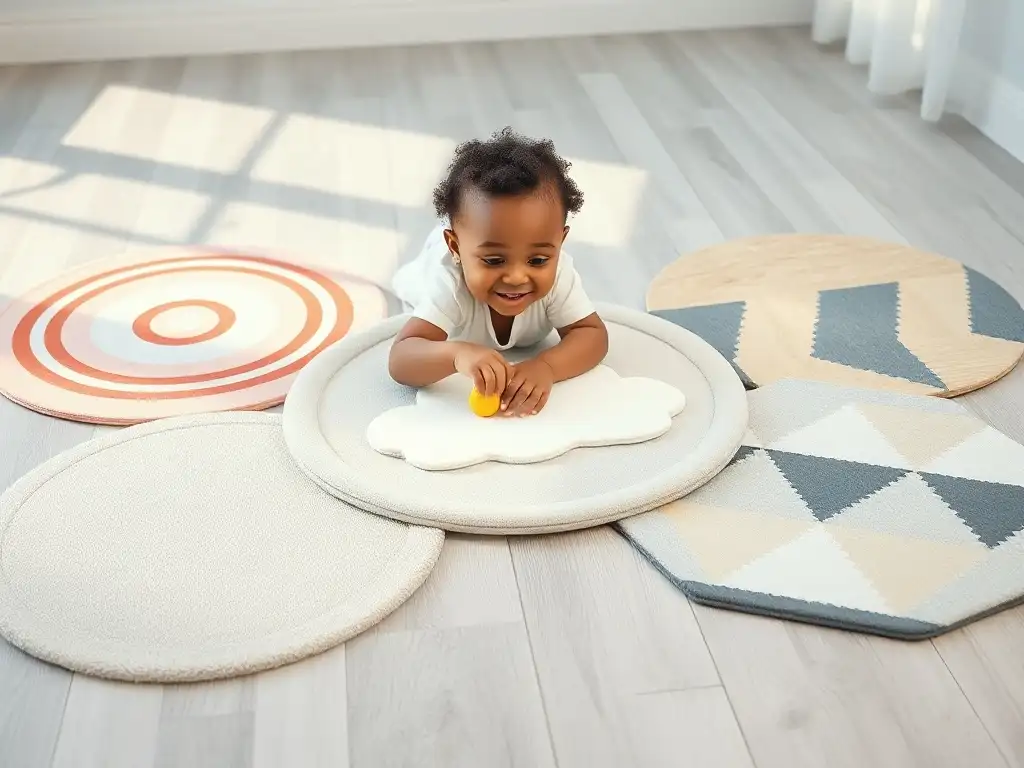
This section highlights top-performing baby play mats excelling in safety, developmental features, and overall value. Choosing the right play mat is crucial for your baby's safety and stimulation, contributing significantly to their early development. Our expert reviews consider factors crucial for a "best baby playmat safety guide," such as material composition, edge finishing, and overall durability. We've analyzed numerous models to bring you this curated selection, focusing on products that consistently receive high marks for safety and functionality. Remember, always supervise your baby during playtime.
[Brand Name A] Play Mat Review: Safety, Features, and Price Comparison
The [Brand Name A] play mat boasts a soft, padded surface made of [Specific Material, e.g., non-toxic EVA foam] that cushions falls and provides ample comfort for tummy time. Its vibrant colors and engaging patterns stimulate visual development. The mat is also designed with raised edges to prevent toys from rolling away, a clever feature appreciated by many parents.
Safety features are a priority: The [Brand Name A] mat is free from BPA, phthalates, and other harmful chemicals, meeting stringent safety standards like [mention specific safety standard, e.g., ASTM F963]. The large size (approximately [Dimensions]) provides ample space for your baby to play and explore.
| Feature | Description |
|---|---|
| Material | [Specific Material, e.g., Non-toxic EVA foam] |
| Dimensions | [Dimensions, e.g., 6ft x 4ft] |
| Thickness | [Thickness, e.g., 1 inch] |
| Cleaning | [Cleaning method, e.g., Wipe clean with damp cloth] |
| Price | [Price range, e.g., $50-$70] |
| Safety Standards | [List any relevant standards, e.g., ASTM F963] |
The price point is competitive, offering excellent value for its safety features and overall quality. However, some users have noted that the mat can be slightly less durable than some higher-priced alternatives after prolonged use. 👶
[Brand Name B] Activity Gym and Play Mat Combo Review: Value and Functionality
The [Brand Name B] combo cleverly integrates an activity gym with a large play mat, offering a comprehensive play solution. This all-in-one approach saves space and provides a variety of activities to stimulate your baby's development. The activity gym features detachable toys with different textures and sounds, encouraging sensory exploration.
The mat itself is made of [Specific Material, e.g., durable, water-resistant fabric] and is easy to clean. Its design incorporates a soft, padded surface, ensuring your baby's safety during playtime. The included toys are designed to be easily removed and repositioned, allowing for custom configurations to maintain your baby's interest.
The [Brand Name B] combo’s value proposition is strong, particularly for parents seeking a versatile and space-saving solution. However, some parents might find the included toys somewhat limited in terms of variety and longevity compared to separate, higher-end activity gyms. The overall durability appears to be excellent, as reported by many users.
[Brand Name C] Extra-Large Play Mat Review: Ideal for Crawling and Playing
For parents seeking a spacious play area, the [Brand Name C] extra-large play mat stands out. Its generous dimensions (approximately [Dimensions]) provide ample room for your baby to crawl, roll, and play freely, promoting gross motor skill development. The extra space is especially beneficial for active babies who enjoy exploring their surroundings.
The mat's surface is made from [Specific Material, e.g., thick, cushioned foam] providing superior comfort and impact absorption. The material is also designed for easy cleaning, a crucial feature for dealing with inevitable spills and messes. Its vibrant design and appealing visuals contribute to creating a stimulating environment for your little one.
The [Brand Name C] mat prioritizes safety with [mention specific safety features, e.g., non-toxic materials, reinforced seams]. However, its larger size may be a disadvantage for smaller living spaces. The price reflects its superior size and quality, placing it at the higher end of the market.
Budget-Friendly Options: Affordable and Safe Baby Play Mats
Finding a safe and engaging play mat doesn't require breaking the bank. Several excellent budget-friendly options provide a stimulating environment for your little one without compromising on safety features. These mats often prioritize essential safety aspects like non-toxic materials and sufficient cushioning, while offering playful designs and textures to encourage exploration. Parents on a tighter budget shouldn't feel forced to sacrifice quality or safety; many affordable options boast features comparable to their more expensive counterparts.
One key aspect to consider when choosing a budget-friendly play mat is the material. Look for mats made from phthalate-free PVC or EVA foam, materials known for their durability and ease of cleaning. These materials are generally considered safe for babies, but always check the manufacturer's specifications to ensure they meet relevant safety standards. Avoid mats made from materials that might contain harmful chemicals or pose a choking hazard.
Another important factor is the thickness of the mat. A thicker mat provides better cushioning and protection against impact, which is crucial for protecting your baby's head and body during tumbles and playtime activities. While thicker mats are often associated with higher price points, several budget-friendly options offer adequate thickness for safe and comfortable play. Aim for at least ½ inch thickness, but thicker is always better for added protection.
Furthermore, consider the ease of cleaning. Babies can be messy, and a play mat that's easy to clean is a must-have, especially on a budget. Look for mats that are wipeable, washable, or easily spot-cleaned. This will save you time and money in the long run, preventing the need for frequent replacements due to stains or damage. Many budget-friendly mats are designed with easy cleaning in mind, making them a practical and cost-effective choice for busy parents. Remember to always check the manufacturer’s cleaning instructions to avoid damaging the mat.
Finally, don't underestimate the importance of engaging designs. Even budget-friendly mats can feature vibrant colors, interesting textures, and stimulating patterns that capture your baby's attention and encourage exploration. A visually appealing mat can significantly enhance your baby's playtime experience, making it more enjoyable and enriching. While the design might be a secondary concern for some parents, it can greatly contribute to the overall value and enjoyment of the play mat. Choosing wisely within your budget can ensure a safe and stimulating environment for your baby's development.
Frequently Asked Questions (FAQs) about Baby Play Mats and Safety
This section addresses common concerns parents have regarding baby play mat safety and selection, aiming to provide a comprehensive guide for choosing the best baby playmat for your little one. We'll delve into cleaning, potential hazards, and the key differences between various play mats on the market. Remember, selecting the right play mat contributes significantly to your baby's safe and stimulating development. This is a crucial aspect of ensuring your baby's well-being, and our goal is to help you navigate this process confidently. This guide helps you understand what makes a playmat safe and suitable for your baby.
How to Clean and Maintain Your Baby's Play Mat
Maintaining a clean and hygienic play mat is vital for your baby's health. Different materials require different cleaning methods. For example, a fabric play mat might be machine washable (always check the manufacturer's label! ), while a foam play mat often needs spot cleaning with a mild detergent and damp cloth. Avoid harsh chemicals and bleaches, as these can be irritating to your baby's skin and potentially harmful if ingested.
Here's a breakdown of cleaning procedures for common play mat materials:
| Material Type | Cleaning Method | Frequency | Precautions |
|---|---|---|---|
| Fabric (Cotton, etc.) | Machine wash (cold, gentle cycle); air dry | Weekly or as needed | Check manufacturer's instructions; avoid harsh detergents |
| Foam | Spot clean with mild detergent and damp cloth; air dry | As needed | Avoid submerging; ensure completely dry before use |
| PVC/Vinyl | Wipe clean with damp cloth; mild soap if necessary | Regularly | Avoid abrasive cleaners; dry thoroughly |
Remember to always thoroughly dry the play mat before allowing your baby to use it again. Regular cleaning prevents the buildup of bacteria, germs, and allergens, contributing to a healthier environment for your baby's playtime. This is a key element of the best baby playmat safety guide. Regular maintenance, tailored to your specific playmat's material, is essential.
What are the potential hazards associated with unsafe baby play mats?
Unsafe baby play mats pose several potential hazards to your child. These hazards can range from minor inconveniences to serious injuries. Therefore, understanding these risks is crucial in making an informed decision.
- Choking Hazards: Small parts, such as detachable toys or loose pieces of material, can become choking hazards for babies who are exploring their environment through mouthing.
- Suffocation Risk: Some poorly designed mats might have inadequate ventilation, creating a suffocation risk if a baby were to accidentally cover their face while playing.
- Chemical Exposure: Low-quality materials may contain harmful chemicals that can leach into the environment and potentially harm your baby's health through skin contact or ingestion. Look for certifications indicating adherence to safety standards.
- Trip Hazards: Uneven surfaces or raised edges can present a trip hazard, leading to falls and injuries.
- Falling Hazards: Mats that are not stable or lack adequate support can increase the risk of your baby falling, causing injury.
Choosing a play mat from a reputable brand, constructed from safe, non-toxic materials, and designed with safety features in mind is paramount. This is a key aspect of the best baby playmat safety guide. Always carefully inspect the play mat before allowing your baby to use it.
Are all baby play mats created equal? What are the key differences?
No, all baby play mats are not created equal. Significant differences exist in terms of materials, design, size, features, and safety. Understanding these differences is critical for selecting a play mat that meets your baby's needs and ensures their safety.
Consider these key aspects:
- Material: Materials range from soft fabrics like cotton to firmer foam or PVC. Each has its pros and cons regarding comfort, durability, and cleanability. Some are better suited for sensitive skin.
- Size and Shape: Play mats vary significantly in size and shape, impacting the space available for baby's play. Consider the available space in your home and your baby's developmental stage.
- Features: Some mats incorporate additional features like activity gyms, arches, or built-in toys, offering increased stimulation and engagement. However, these features must be securely attached to avoid becoming choking hazards.
- Safety Certifications: Look for certifications from reputable organizations indicating that the mat meets relevant safety standards. This provides assurance of the mat's safety and quality.
- Thickness and Cushioning: The thickness and cushioning of the mat affect its ability to protect your baby from impact during falls. A thicker mat provides better protection.
By carefully considering these differences, you can choose a play mat that prioritizes safety, durability, and provides a stimulating environment for your baby's development. Remember, this is about finding the best baby playmat for your unique needs and your baby's safety.
How to choose a playmat based on your baby's age and developmental needs?
Choosing the right playmat depends heavily on your baby's age and stage of development. Newborns, for example, primarily need a safe, comfortable, and stimulating surface for tummy time. A playmat with a soft, padded surface and minimal hanging toys is ideal. The focus here is on providing a safe space for the baby to explore their own body and develop neck and head control. Avoid mats with small detachable parts that could pose a choking hazard.
As your baby grows and begins to roll over, sit up, and crawl (typically between 4 and 9 months), you'll want a playmat that offers more stimulation and encourages movement. Look for mats with a variety of textures, colors, and sounds. Arch-shaped play gyms, with hanging toys at different heights, are excellent for this age group, prompting them to reach, grasp, and pull themselves up. The increased activity level necessitates a playmat that's still padded for safety but allows for easy movement.
Once your baby starts to pull themselves up and even take their first steps (around 9 months and beyond), the focus shifts to larger, more spacious playmats. Consider a larger, thicker mat that provides ample room for them to explore their newfound mobility. You might even consider foam interlocking tiles that can be expanded as your child grows. At this stage, durability and easy cleaning become even more important considerations, as active toddlers can be quite messy!
The focus is less on small, individual toys and more on creating a safe and spacious environment for their increasing mobility. Remember to always supervise your child during playtime, regardless of their age or the type of playmat you choose. This ensures their safety and allows you to engage with them in their play, enriching their experience.
Conclusion: Ensuring Your Baby's Safe and Happy Playtime
Choosing the right play mat is a crucial step in creating a safe and stimulating environment for your baby's development. This decision impacts not only their physical safety but also their cognitive and sensory experiences. By carefully considering the factors outlined in this guide – safety features, appropriate size, and suitable surface material – you can significantly contribute to your little one's well-being and enjoyment during playtime. Remember, a well-chosen play mat is an investment in your baby's healthy growth and development.
Prioritizing safety should always be paramount, ensuring your baby enjoys a happy and secure playtime experience. A safe play environment fosters confidence and allows your baby to explore their world with freedom and delight. This careful selection process ultimately translates to peace of mind for you, as a parent.
Recap of Key Considerations for Choosing a Safe and Suitable Play Mat
Let's summarize the key elements to remember when selecting a baby play mat, reinforcing the importance of each aspect for your baby's safety and enjoyment:
- Safety First: Always opt for a play mat that meets or exceeds all relevant safety standards. Check for certifications and look for features like non-toxic materials, secure stitching, and a design that minimizes choking hazards. Avoid mats with small detachable parts that a baby could easily swallow. This is the most crucial aspect of your decision-making process.
- Size Matters: The size of the play mat should be appropriate for your baby's current age and developmental stage, providing ample space for movement and play without feeling cramped. Consider the space available in your home and choose a mat that fits comfortably without obstructing walkways or posing a tripping hazard for other family members. Larger mats offer more flexibility as your baby grows.
- Surface Selection: The surface material should be soft, comfortable, and easy to clean. Consider the cushioning provided; thicker mats offer better protection against impact, especially for active babies. Choose materials that are hypoallergenic and resistant to stains and odors. Regular cleaning is essential to maintain hygiene.
- Additional Features: While not mandatory, certain features can enhance the play mat's functionality and appeal. These could include built-in toys, different textures, or foldable designs for easy storage. However, always prioritize safety over additional features.
Resources for Further Information on Baby Safety and Development
While this guide provides comprehensive information on choosing a safe play mat, remember that continuous learning is key to responsible parenthood. To further enhance your knowledge and ensure your baby's well-being, consider exploring additional resources focused on baby safety and development. These resources may include books, online articles from reputable sources, and advice from your pediatrician or other qualified healthcare professionals.
Remember to always prioritize reliable sources when seeking information about your baby's health and safety. Seeking guidance from experts ensures you're making informed decisions that support your child's growth and development. A proactive approach to learning will equip you with the knowledge and confidence to create a nurturing and safe environment for your child.
Frequently Asked Questions
What are the key safety features to look for in a baby playmat?
A safe playmat should be free of small parts that could be choking hazards. It should also be made of non-toxic materials, and be firm enough to prevent babies from sinking or getting trapped. Finally, ensure it has stable edges to prevent tipping.
How do I determine the appropriate size of a baby playmat?
The ideal size depends on your baby's age and the space available. A larger playmat (around 5x4 feet) offers more room for play as your baby grows, while a smaller one may suffice initially. Consider the area where you plan to use it.
What types of surfaces are best for baby playmats?
Soft, cushioned surfaces are ideal for protecting your baby from hard falls. Look for materials like foam or padded fabrics. Avoid hard surfaces that don't provide adequate cushioning.
How can I ensure my baby's safety while they are playing on the mat?
Always supervise your baby while they are on the playmat. Regularly check the mat for any damage or loose parts. Choose a playmat appropriate for your baby's developmental stage.
Are there any specific safety standards I should look for when purchasing a baby playmat?
Look for playmats that meet relevant safety standards such as those set by organizations like ASTM International (American Society for Testing and Materials). Check for labels indicating compliance with these standards.
Final Reflection: Nurturing Safe Play: A Foundation for Growth
The choice of a baby play mat might seem trivial, but it's a cornerstone of a safe and stimulating environment for a child's crucial developmental years. A seemingly small decision, selecting the right play mat, has profound implications for a baby's physical safety and cognitive development. The right mat provides a safe haven for exploration, crucial for healthy growth.
The impact of a safe and engaging play space extends far beyond the immediate comfort it provides. It shapes a child's early experiences, influencing their sensory development, motor skills, and overall well-being. This isn't just about avoiding accidents; it's about fostering a sense of security and encouraging curiosity. As the saying goes, Play is the highest form of research.
This simple truth underscores the importance of creating a play environment that is both safe and stimulating, setting the stage for a lifetime of learning and discovery.
Consider the choices you make when creating your baby's play space. Are you prioritizing safety and comfort? Are you providing a stimulating environment that encourages exploration and learning? Take a moment to reflect on the power of your choices and how they contribute to your child's development. Remember, the seemingly small details, like choosing the perfect play mat, can have a significant impact on your child's journey. Invest in their future, one safe and engaging play session at a time.
Ready to Create Your Baby's Happy Place?
Thank you for exploring BabyCareHub's guide to choosing the perfect play mat! We hope you feel confident in creating a safe and stimulating environment for your little one. Ready to take the next step?
- Find the ideal play mat: Use our recommended criteria to compare brands and features, ensuring you select a mat that perfectly suits your baby's needs and your home's style. This is a crucial decision!
- Share your favorite play mats: Connect with other parents in our community forum and share your discoveries – pictures are welcome! Let's build a valuable resource together!
- Explore more baby safety guides: We offer resources to help you create a safe and fun environment in every room of your home.
What features are you most excited to find in your baby's new play mat? Let us know in the comments below!