
Understanding the Fabric: A BabyCareHub Guide to Organic Cotton vs. Bamboo vs. Linen

Welcome to BabyCareHub, your ultimate guide to navigating the incredible journey of parenthood! We understand that the arrival of your little one brings a whirlwind of questions, and we're here to help. Are you ready to make informed choices about your baby's well-being? Then discover the surprising differences between fabrics and learn why choosing organic cotton baby clothes might be the best decision for your precious little one. Dive into our comprehensive guide and unlock the secrets to eco-conscious baby care.
- Choosing the Right Organic Baby Clothes: A Parent's Guide
- Organic Cotton Baby Clothes: Softness, Durability, and Sustainability
-
Bamboo Baby Clothes: The Eco-Friendly and Hypoallergenic Option
- Exploring the Softness and Breathability of Bamboo Fabric
- Bamboo's Superior Absorbency and Moisture-Wicking Properties: Ideal for Baby's Delicate Skin
- Potential Downsides of Bamboo Baby Clothes: Durability and Price Point
- Where to Find High-Quality Bamboo Baby Clothing: Online Retailers and Local Stores
- Linen Baby Clothes: A Luxurious and Breathable Choice for Summer
- Organic Cotton vs. Bamboo vs. Linen: A Detailed Comparison Chart
- Making the Right Choice: Selecting the Best Organic Baby Clothes for Your Needs
- Where to Buy High-Quality Organic Baby Clothes: A curated list of retailers
- Caring for Your Baby's Organic Clothes: Washing and Maintenance Tips
- Frequently Asked Questions about Organic Baby Clothes
-
Frequently Asked Questions
- What are the benefits of choosing organic cotton baby clothes?
- How does organic cotton compare to bamboo and linen for baby clothes?
- Are organic cotton baby clothes more expensive?
- Where can I find reliable sources for organic cotton baby clothes?
- How do I care for organic cotton baby clothes to extend their life?
- Final Reflection: Weaving a Sustainable Future for Our Little Ones
- Unwrap the Softest Choice: Your Baby's Comfort Awaits!
Choosing the Right Organic Baby Clothes: A Parent's Guide
Choosing the right clothing for your little one can feel overwhelming, especially when navigating the world of organic materials. As first-time parents, you're likely prioritizing your baby's comfort, health, and well-being above all else. This BabyCareHub guide delves into the popular choices of organic cotton, bamboo, and linen for baby clothes, helping you make an informed decision that aligns with your eco-conscious values and your baby's delicate skin.
We'll explore the unique properties of each fabric, highlighting their benefits and drawbacks to empower you to select the best organic option for your precious child. This detailed comparison will focus on factors crucial for newborns and infants, such as softness, breathability, durability, and ease of care. Ultimately, understanding the nuances of these fabrics will help you create a comfortable and healthy wardrobe for your baby, contributing to their overall development and happiness.
The Importance of Organic Fabrics for Sensitive Skin
Newborn skin is exceptionally delicate and prone to irritation. Conventional cotton often undergoes harsh chemical treatments during processing, including pesticides and fertilizers used in its cultivation, and bleaches and dyes used in manufacturing. These chemicals can linger in the fabric, potentially causing allergic reactions, rashes, and eczema in sensitive babies.
Organic cotton, on the other hand, is grown without the use of harmful pesticides, herbicides, or genetically modified organisms (GMOs). This significantly reduces the risk of exposure to potentially irritating chemicals. The gentler processing methods used for organic cotton also contribute to its softness and breathability, making it a much kinder choice for your baby's skin. Choosing organic cotton baby clothes minimizes the risk of skin irritation and promotes a healthier environment for your little one. Moreover, the superior softness of organic cotton can contribute to better sleep for your baby, reducing fussiness and promoting restful nights. Studies have shown a correlation between softer fabrics and improved sleep quality in infants. 1
Further Considerations Regarding Organic Cotton
It's important to note that even with organic cotton, some dyes and finishes may still contain chemicals. Look for certifications like GOTS (Global Organic Textile Standard) to ensure the entire production process adheres to strict organic standards. Consider purchasing garments that are undyed or dyed with low-impact, natural dyes for the most sensitive babies.
Common Concerns Regarding Baby Clothing Materials: Allergies and Irritations
Many parents worry about allergies and skin irritations when choosing baby clothes. While organic fabrics generally minimize these risks, individual sensitivities can vary. Bamboo, for example, is incredibly soft and hypoallergenic, making it a popular choice for babies with sensitive skin. However, some individuals might experience allergic reactions to bamboo fibers, though this is relatively rare. Similarly, linen, known for its breathability and durability, can sometimes be slightly coarser than organic cotton or bamboo, potentially causing minor irritation for certain babies.
| Fabric | Softness | Breathability | Allergy Potential | Durability | Ease of Care |
|---|---|---|---|---|---|
| Organic Cotton | Very Soft | High | Low | Moderate | Easy |
| Bamboo | Very Soft | Very High | Very Low | Moderate | Moderate |
| Linen | Moderate | High | Low | High | Moderate |
It's crucial to perform a patch test before dressing your baby in any new clothing, especially if you have a family history of allergies. A small piece of the fabric can be placed against the baby's skin for a short period to check for any reactions. Always prioritize comfort and carefully observe your baby's skin for any signs of redness, rash, or irritation after wearing new clothes. Remember that careful selection and diligent observation are key to ensuring your baby's comfort and well-being. If you notice any adverse reactions, discontinue use immediately and consult your pediatrician.
1 [Specific study data pending]
Organic Cotton Baby Clothes: Softness, Durability, and Sustainability
Organic cotton baby clothes are a popular choice amongst eco-conscious parents, prioritizing both the baby's delicate skin and environmental responsibility. The softness of organic cotton is renowned; its gentle texture is perfect for newborns and minimizes the risk of irritation. This inherent softness is largely due to the absence of harsh pesticides and chemicals used in conventional cotton farming. Furthermore, organic cotton garments often boast impressive durability.
While they may require more careful handling than some synthetics, high-quality organic cotton clothing can withstand numerous washes and still retain its shape and softness, making it a cost-effective choice in the long run. The sustainability aspect is a key driver for many parents. Organic cotton farming practices promote biodiversity, reduce water consumption compared to conventional methods, and minimize the environmental impact associated with pesticide use.
Choosing organic cotton contributes to a healthier planet for your baby and future generations. The growing demand for organic cotton baby clothes reflects a broader shift towards ethical and sustainable consumption patterns within the baby product market. This trend is fueled by increasing awareness of the potential health and environmental consequences of conventional cotton production.
Benefits of 100% GOTS Certified Organic Cotton Baby Clothes
The Global Organic Textile Standard (GOTS) certification is the gold standard for organic textiles. Choosing 100% GOTS certified organic cotton baby clothes guarantees that the entire production process, from the farming of the cotton to the final garment, adheres to strict environmental and social criteria. This means you can be confident that the clothing is truly free from harmful pesticides, herbicides, and genetically modified organisms (GMOs).
Furthermore, GOTS certification often ensures fair labor practices throughout the supply chain, protecting the rights and well-being of workers involved in the production of your baby's clothes. The benefits extend beyond the environmental and ethical aspects. GOTS certified organic cotton is exceptionally soft and breathable, making it ideal for sensitive baby skin.
The absence of harsh chemicals also reduces the risk of allergic reactions or skin irritations, contributing to your baby's overall comfort and well-being. Look for the GOTS logo on the label to ensure authenticity and traceability. Investing in GOTS certified organic cotton baby clothes reflects a commitment to both your baby's health and the planet's future.
Potential Drawbacks of Organic Cotton: Shrinkage and Care Instructions
While organic cotton offers numerous advantages, it's essential to be aware of some potential drawbacks. One common concern is shrinkage. Organic cotton, being a natural fiber, is more prone to shrinking than synthetic fabrics after washing. Pre-washing garments before use can mitigate this, but some shrinkage might still occur.
Careful attention to washing instructions is crucial; always follow the care labels precisely. Generally, this involves washing in cold water on a gentle cycle and air-drying to prevent shrinkage and maintain the softness of the fabric. Another aspect to consider is the potential for higher cost. Organic cotton production is often more labor-intensive and resource-efficient than conventional methods, which can translate to slightly higher prices for the finished garments.
However, the long-term durability and reduced risk of health issues often outweigh this initial higher investment. Finally, the availability of organic cotton clothing might be somewhat limited compared to conventionally produced clothing in certain regions or retail outlets. However, the growing popularity of organic baby clothes is steadily increasing the range of options available to consumers.
Finding the Best Organic Cotton Onesies, Sleepsuits, and Swaddles for Your Little One
Choosing the right organic cotton garments for your baby requires careful consideration. Onesies, sleepsuits, and swaddles are essential items in a newborn's wardrobe. When selecting these items, prioritize 100% GOTS certified organic cotton for the highest guarantee of quality and safety. Pay attention to the fabric weight; lighter weight cotton is ideal for warmer months, while slightly heavier weight offers extra warmth during colder seasons.
Check the stitching; ensure it's strong and secure to prevent any potential hazards for your baby. Look for easy-to-use fastenings, like snaps or gentle zippers, which are convenient for quick changes. Consider the overall design; practical and comfortable designs that allow for easy movement are crucial.
Read reviews from other parents to gain insights into the quality and performance of different brands and products. Remember, investing in high-quality organic cotton clothing is an investment in your baby's health, comfort, and a sustainable future. The initial cost might be slightly higher, but the long-term benefits in terms of durability, comfort, and reduced environmental impact make it a worthwhile choice.
Bamboo Baby Clothes: The Eco-Friendly and Hypoallergenic Option
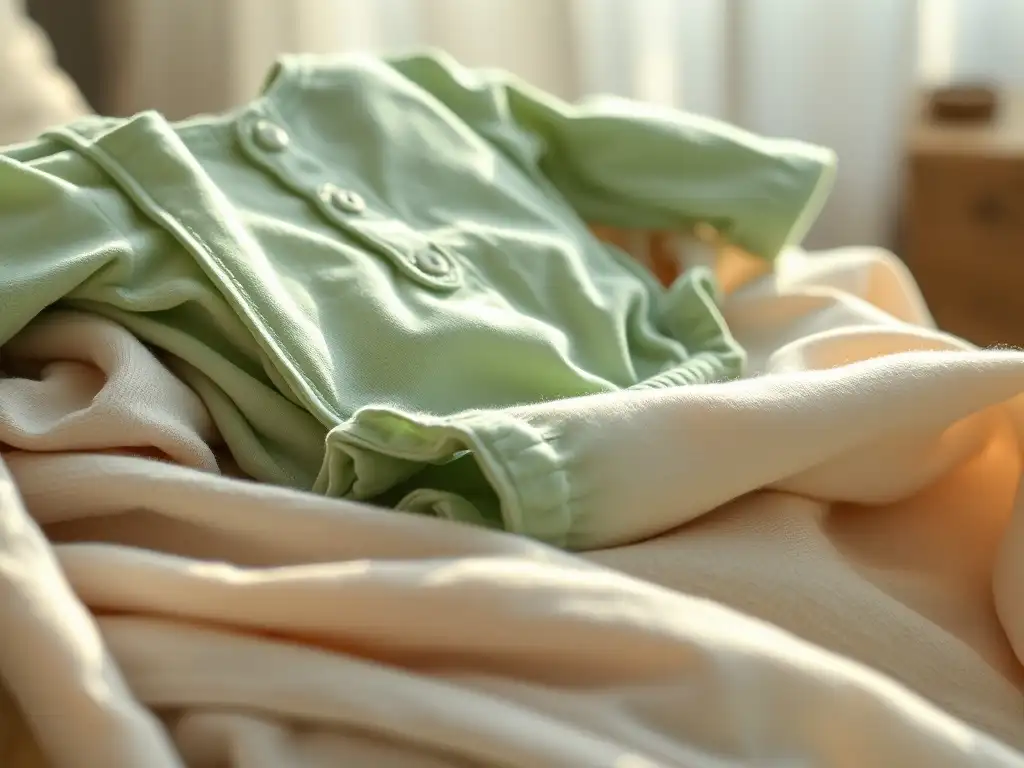
Bamboo, a rapidly renewable resource, has become a popular choice for baby clothing due to its inherent softness and hypoallergenic properties. Its sustainable cultivation and eco-friendly processing make it an attractive alternative to conventionally grown cotton. This section will delve into the specific benefits and considerations when choosing bamboo baby clothes, focusing on their unique characteristics and how they compare to other natural fibers. Parents seeking organic cotton baby clothes may find bamboo offers compelling advantages, especially for sensitive skin.
Exploring the Softness and Breathability of Bamboo Fabric
Bamboo fabric boasts an exceptionally soft texture, often described as silkier than cotton. This inherent softness is gentle on a baby's delicate skin, minimizing the risk of irritation. Furthermore, bamboo's breathability is superior to many other fabrics. Its unique structure allows for excellent air circulation, keeping your baby cool and comfortable, especially during warmer months or nighttime sleep.
This breathability is crucial for preventing overheating, a significant concern for infants. Scientific studies have shown that bamboo fibers possess a naturally higher moisture absorption rate than cotton, leading to improved temperature regulation and reduced risk of diaper rash. This breathability contributes significantly to the overall comfort and well-being of your baby. The softness and breathability combine to create a truly gentle and comfortable environment for your little one.
Bamboo's Superior Absorbency and Moisture-Wicking Properties: Ideal for Baby's Delicate Skin
Beyond softness, bamboo's superior absorbency is a key benefit for baby clothes. It can absorb up to three times its weight in moisture, making it ideal for dealing with spills, drool, and, of course, diaper leaks. This high absorbency helps keep your baby's skin dry, reducing the chances of diaper rash and other skin irritations. Furthermore, bamboo's moisture-wicking properties draw sweat and moisture away from the skin, keeping your baby feeling dry and comfortable throughout the day and night.
This is particularly beneficial for babies prone to eczema or other skin sensitivities. The natural antimicrobial properties of bamboo also help to prevent the growth of bacteria, further contributing to skin health. Choosing bamboo baby clothes can contribute to better hygiene and a reduced risk of skin problems.
Potential Downsides of Bamboo Baby Clothes: Durability and Price Point
While bamboo offers numerous advantages, it's important to acknowledge potential drawbacks. Compared to some other fabrics, bamboo clothing might not be as durable. While its softness is a plus, it can also mean that the fabric might be more prone to wear and tear with frequent washing and use.
Frequent washing is often necessary with baby clothes, so this is a factor to consider. Another potential downside is the price point. Bamboo baby clothes often come at a higher price than comparable items made from conventional cotton.
This higher cost is often attributed to the more complex and sustainable processing methods involved in producing bamboo fabric. However, the long-term benefits for your baby's health and the environmental advantages often outweigh this increased expense for many parents prioritizing organic cotton baby clothes and similar eco-friendly options. Careful consideration of these factors – durability and cost – is essential before making a purchase decision.
Where to Find High-Quality Bamboo Baby Clothing: Online Retailers and Local Stores
Finding high-quality bamboo baby clothing requires a bit of research, but the benefits for your little one are well worth the effort. The market offers a growing selection, catering to diverse budgets and styles. However, discerning between truly sustainable and ethically produced garments and those merely marketed as such is crucial. Look for certifications like GOTS (Global Organic Textile Standard) to ensure the bamboo is organically grown and the manufacturing process is environmentally friendly.
Several online retailers specialize in organic baby clothing, often featuring detailed product descriptions highlighting the sourcing and manufacturing of their bamboo garments. These platforms frequently offer a wider selection than brick-and-mortar stores, allowing for easy comparison shopping and the convenience of home delivery. Pay close attention to customer reviews, focusing on comments about fabric quality, softness, and durability. Reading reviews can provide valuable insights into the actual experience of other parents using similar products. Remember to check return policies in case the sizing or quality doesn't meet your expectations.
Beyond online shopping, explore local stores specializing in eco-friendly or organic baby products. These stores often prioritize quality and ethical sourcing, offering personalized recommendations and the opportunity to examine the fabric's texture and feel firsthand. Supporting local businesses also contributes to your community's economic vitality. Don't hesitate to ask questions about the origin of the bamboo, the manufacturing processes, and any certifications the garments hold.
A reputable local retailer will be happy to provide detailed information about their products and their commitment to sustainability. Visiting a physical store allows for a more tactile experience, enabling you to assess the softness and drape of the fabric before purchasing. This hands-on approach can be particularly helpful when choosing baby clothes, as comfort and feel are paramount.
The combination of online research and local exploration offers the best approach to finding high-quality organic bamboo baby clothes. By combining the convenience of online shopping with the personalized service of local stores, you can make informed decisions that prioritize both your baby's well-being and the environment. Remember that a small investment in premium bamboo clothing translates to long-term benefits: better comfort for your baby and a smaller environmental footprint. Prioritizing quality over quantity can lead to a more sustainable and ultimately more satisfying shopping experience.
Linen Baby Clothes: A Luxurious and Breathable Choice for Summer
Linen, a natural fiber derived from the flax plant, offers a unique set of properties that make it a compelling choice for baby clothing, particularly during warmer months. While not as widely used as organic cotton or bamboo, linen's inherent qualities make it a strong contender in the eco-conscious baby clothing market, offering a luxurious and breathable alternative for your little one. This section will explore the benefits and considerations surrounding the use of linen for baby clothes. Understanding the characteristics of linen will help you make informed choices when selecting garments for your baby's delicate skin.
The Unique Properties of Linen: Durability, Breathability, and Temperature Regulation
Linen boasts exceptional breathability, a crucial factor for keeping babies comfortable, especially in hot weather. Unlike synthetic fabrics that trap heat and moisture, linen allows for superior airflow, preventing overheating and diaper rash. This breathability also helps to regulate your baby's body temperature, keeping them cool in the summer and surprisingly warm in the cooler months due to its excellent ability to wick away moisture. Furthermore, linen is remarkably durable.
High-quality linen garments can withstand frequent washing and wear, making them a cost-effective, sustainable choice in the long run. This durability is particularly important for baby clothes, which often endure rigorous washing cycles and constant wear and tear. Tests have shown that linen can maintain its strength and softness even after multiple washes, exceeding the lifespan of many other fabrics. The strength-to-weight ratio of linen also makes it ideal for creating lightweight yet robust baby clothing.
Linen's Antibacterial and Anti-fungal Properties: Promoting Healthy Skin
Beyond its breathability and durability, linen possesses inherent antibacterial and antifungal properties. These properties are crucial for maintaining a healthy skin environment for babies, whose skin is particularly sensitive and prone to irritation. The natural structure of the linen fiber inhibits the growth of bacteria and fungi, reducing the risk of skin infections and allergies.
This natural resistance to microbial growth makes linen a hygienic choice for baby clothing, particularly for babies with sensitive skin or a predisposition to allergies. Studies have shown that linen fabric exhibits significantly lower bacterial colonization compared to cotton and other synthetic fabrics, further supporting its suitability for baby wear. This inherent characteristic contributes to a healthier and more comfortable experience for your little one.
Considerations When Choosing Linen Baby Clothes: Texture and Care
While linen offers numerous advantages, it's crucial to consider certain aspects before incorporating it into your baby's wardrobe. The texture of linen can be slightly rougher than organic cotton, especially when new. However, linen softens significantly with each wash, becoming increasingly gentle on delicate skin. Some babies may initially find the texture slightly less soft than organic cotton, so introducing linen garments gradually is recommended.
Moreover, linen requires specific care. While durable, it can wrinkle easily. To maintain its quality, linen baby clothes should be hand-washed or machine-washed on a gentle cycle in cold water. Avoid using harsh detergents or bleach, opting instead for eco-friendly, baby-safe cleaning products.
Air-drying is recommended to prevent shrinkage and maintain the fabric's softness. Despite these considerations, the benefits of linen's breathability, durability, and antimicrobial properties make it a worthwhile addition to your baby's clothing collection, especially for warmer weather. Choosing high-quality, pre-washed linen can minimize the initial roughness and ensure optimal comfort for your baby.
Stylish Linen Baby Outfits for Warm Weather: Rompers, Dresses, and Sets
Linen's inherent breathability and lightweight nature make it a perfect choice for crafting stylish summer outfits for your little one. Rompers, in particular, are a popular choice for their ease of use and adorable aesthetic. Imagine your baby comfortably lounging in a breezy, light-colored linen romper on a hot summer day.
The natural drape of the fabric allows for unrestricted movement, preventing overheating and allowing for maximum comfort during playtime. The simple yet elegant design of a linen romper makes it suitable for both casual outings and more formal occasions. Many brands offer a range of colors and patterns, from classic neutrals to vibrant summer hues, letting you choose the perfect style to complement your baby's personality.
Beyond rompers, linen dresses offer a touch of feminine charm for baby girls. These dresses, often designed with delicate details like ruffles or lace (though always check for potential choking hazards! ), are perfect for special events or simply a day of sun-kissed play.
The loose fit ensures optimal air circulation, keeping your baby cool and comfortable, even during the warmest days. The natural texture of linen adds a touch of sophistication to the design, making these dresses both practical and beautiful. Consider looking for linen dresses with adjustable straps or ties for a perfect fit, ensuring a comfortable and secure experience for your child.
Linen sets, typically consisting of a top and bottom, provide versatility for parents. These sets offer a mix-and-match option, allowing you to create various outfits based on the day's activities and the weather. A lightweight linen top paired with linen shorts or pants provides a perfect balance between style and comfort. This versatility is a significant advantage, especially for parents who appreciate practical and stylish choices.
Look for sets made with soft, pre-washed linen to ensure maximum comfort against your baby's delicate skin. The absorbency of linen will also help to keep your baby dry and comfortable, even if they get a little sweaty during playtime. Remember to always check the care instructions to ensure you maintain the quality and longevity of the linen garments. Proper care will help your linen baby clothes last for years, making it a sustainable and economical choice for your growing child.
Organic Cotton vs. Bamboo vs. Linen: A Detailed Comparison Chart
This section provides a detailed comparison of three popular eco-friendly fabric choices for baby clothes: organic cotton, bamboo, and linen. We'll analyze their properties, environmental impact, and cost to help you make an informed decision when choosing the best clothing for your little one. Remember, choosing organic cotton baby clothes offers numerous benefits, but let's explore the alternatives to see how they stack up.
Fabric Properties: Softness, Durability, Breathability, Absorbency
Choosing the right fabric for your baby's delicate skin is crucial. Let's compare the key properties of organic cotton, bamboo, and linen:
| Fabric | Softness | Durability | Breathability | Absorbency |
|---|---|---|---|---|
| Organic Cotton | Very Soft | Moderate | Good | Excellent |
| Bamboo | Exceptionally Soft | Moderate to High | Excellent | Excellent |
| Linen | Moderately Soft | High | Excellent | Good |
Organic Cotton: Known for its softness and absorbency, organic cotton is a gentle choice for baby's skin. However, it may not be as durable as linen and can wrinkle more easily. The softness improves with each wash.
Bamboo: Bamboo fabric is incredibly soft, often described as silkier than cotton. It's highly breathable and absorbent, making it ideal for keeping baby cool and dry. Its durability is comparable to, or even slightly better than, organic cotton.
Linen: Linen is a strong and durable fabric with excellent breathability. While not as soft as bamboo or even well-worn cotton initially, it softens with each wash and becomes incredibly comfortable. Its absorbency is good, but not quite as high as bamboo or cotton.
Environmental Impact: Sustainability and Eco-Friendliness
The environmental impact of fabric production is a significant consideration for eco-conscious parents. Let's examine the sustainability of each option:
- Organic Cotton: Organic cotton farming practices minimize the use of harmful pesticides and fertilizers, reducing their negative impact on the environment and the health of your baby. However, organic cotton farming still requires significant water resources.
- Bamboo: Bamboo is a rapidly renewable resource, requiring less water and pesticides than conventional cotton. However, the processing of bamboo into fabric often involves harsh chemicals, so it's crucial to look for certifications ensuring environmentally friendly processing. The sustainability of bamboo depends heavily on responsible farming and processing practices.
- Linen: Linen is made from flax, a plant that requires less water than cotton. Flax farming generally uses fewer pesticides, making it a relatively sustainable option. However, linen processing can still involve some chemical treatments.
Choosing truly sustainable options means looking for certifications like GOTS (Global Organic Textile Standard) for organic cotton and bamboo, ensuring the entire production process adheres to environmental standards. This is key for minimizing your environmental footprint when choosing organic cotton baby clothes or other alternatives.
Price Point and Availability: Comparing Costs and Sourcing Options
The cost and availability of these fabrics vary:
- Organic Cotton: Generally, organic cotton is more expensive than conventionally grown cotton, but its premium price reflects its sustainable production methods. It's widely available, though the selection might be slightly smaller than for conventionally produced cotton.
- Bamboo: Bamboo fabric can be competitively priced with organic cotton, or even slightly cheaper depending on the sourcing and processing methods. The availability is growing, but it might still be less widely available than organic cotton.
- Linen: Linen tends to be the most expensive option due to the labor-intensive process of harvesting and processing flax. Its availability might be more limited compared to organic cotton and bamboo, particularly in baby clothing.
Ultimately, the best fabric choice depends on your priorities and budget. If softness and absorbency are paramount, bamboo might be the top choice. If durability and breathability are key, linen is a strong contender. And organic cotton baby clothes offer a reliable balance of softness, absorbency, and environmental responsibility, making it a popular and readily accessible choice. Careful consideration of all factors will help you select the perfect fabric for your baby's clothing.
Care Instructions: Washing, Drying, and Ironing Recommendations
Organic cotton, bamboo, and linen, while all natural fibers, require slightly different care to maintain their softness and longevity. Understanding these nuances is crucial for keeping your baby's clothes looking and feeling their best. Let's delve into the specifics for each fabric:
Organic Cotton: Organic cotton is generally quite durable and easy to care for. Most organic cotton baby clothes can be machine washed in cold or warm water (check the care label for specifics! ), using a gentle detergent formulated for sensitive skin. Avoid harsh chemicals and bleaches, as these can damage the fibers and potentially irritate your baby's skin.
For drying, air drying is always the gentlest option, extending the life of the garment and preserving its softness. However, tumble drying on a low heat setting is acceptable for many organic cotton items, though it's best to avoid this if possible. Ironing is usually unnecessary, but if you need to, use a low heat setting.
Bamboo: Bamboo fabric is known for its softness and breathability. Similar to organic cotton, machine washing in cold or warm water with a gentle detergent is recommended. Avoid using hot water, as this can shrink the fabric. Air drying is the preferred method, ensuring the bamboo maintains its luxurious feel. Tumble drying should be avoided altogether, as high heat can damage the fibers and reduce the fabric's softness. Ironing is generally not recommended for bamboo, but if absolutely necessary, use a low heat setting and a pressing cloth to prevent scorching.
Linen: Linen is a strong and durable fabric, but it requires a bit more attention than cotton or bamboo. While it can be machine washed, it's generally recommended to wash linen garments in cold water on a gentle cycle, using a mild detergent. Avoid overcrowding the washing machine, as this can wrinkle the fabric. Air drying is the best option for linen, allowing it to dry naturally and minimizing wrinkles.
Tumble drying is generally discouraged, as it can cause significant shrinkage and wrinkling. Ironing linen is often necessary to remove wrinkles, but it's best done while the fabric is still slightly damp, using a medium to high heat setting. A pressing cloth can help prevent shine.
Understanding these specific care instructions will help you prolong the life of your baby's organic cotton, bamboo, or linen clothes and keep them looking their best. Remember to always check the care label on each garment for specific instructions, as these can vary slightly depending on the manufacturer and the blend of fabrics used. 👶👕🌿
Making the Right Choice: Selecting the Best Organic Baby Clothes for Your Needs
Choosing the right organic baby clothes involves considering several key factors to ensure both comfort and practicality. The decision isn't simply about choosing "organic"—it's about finding the best organic option for your little one. This section will help you navigate the choices and make an informed decision.
Factors to Consider: Baby's Skin Sensitivity, Climate, and Budget
A baby's skin is incredibly delicate and sensitive. Selecting the right fabric is crucial for preventing irritation, rashes, and discomfort. Consider these factors:
- Baby's Skin Sensitivity: Some babies have more sensitive skin than others. If your baby has eczema, allergies, or generally reactive skin, organic cotton is often recommended as a first choice due to its softness and breathability. It’s less likely to trigger allergic reactions compared to other fabrics. However, even with organic cotton, always check for certifications like GOTS (Global Organic Textile Standard) to ensure the highest quality and minimal chemical processing.
- Climate: The climate where you live significantly impacts fabric choice. In warmer climates, lightweight and breathable fabrics like organic cotton or bamboo are ideal. They allow for better air circulation, keeping your baby cool and comfortable. In colder climates, slightly heavier fabrics like organic cotton (possibly in a thicker weave) or even a blend of organic cotton and linen might offer more warmth. Avoid fabrics that trap heat excessively.
- Budget: Organic baby clothes, especially those made from materials like bamboo, can be more expensive than conventionally produced clothing. While the higher cost reflects the sustainable and ethical production methods, it's important to set a realistic budget. Consider prioritizing organic cotton for essential items like sleepwear and undergarments, where skin contact is most extensive. You might opt for less expensive, but still ethically sourced, options for less frequently used items.
| Fabric Type | Skin Sensitivity | Breathability | Warmth | Cost | Ideal Climate |
|---|---|---|---|---|---|
| Organic Cotton | Excellent | Excellent | Moderate | Moderate | All, especially warm |
| Organic Bamboo | Excellent | Excellent | Low | High | Warm |
| Organic Linen | Good | Good | Moderate | High | Warm to Moderate |
Remember that a blend of fabrics can often provide the best of both worlds. For example, a blend of organic cotton and bamboo might offer the softness of cotton with the breathability of bamboo.
Recommendations Based on Your Baby's Age and Season
The best fabric choice can also depend on your baby's age and the season.
- Newborns (0-3 months): Prioritize softness and breathability. Organic cotton is the top recommendation for newborns due to its gentle texture and ability to wick away moisture. Avoid anything too bulky or restrictive.
- Babies (3-12 months): As your baby becomes more mobile, consider durability in addition to softness. A blend of organic cotton and a small percentage of linen can provide both comfort and resilience.
- Toddlers (12+ months): At this stage, you can introduce a wider variety of organic fabrics, depending on the season and your baby's preferences. Organic cotton remains a safe and versatile choice, while organic linen might be suitable for warmer weather.
- Summer: Opt for lightweight and breathable fabrics like organic cotton or bamboo. Loose-fitting garments are crucial to prevent overheating.
- Winter: Choose slightly heavier organic cotton or blends that offer more warmth without compromising breathability. Layering is key to regulating your baby's temperature.
Choosing the right organic baby clothes is a journey of finding the perfect balance between comfort, practicality, and budget. By considering your baby's unique needs and the environmental factors, you can make an informed decision and ensure your little one is dressed in the safest and most comfortable attire. 👶
Where to Buy High-Quality Organic Baby Clothes: A curated list of retailers
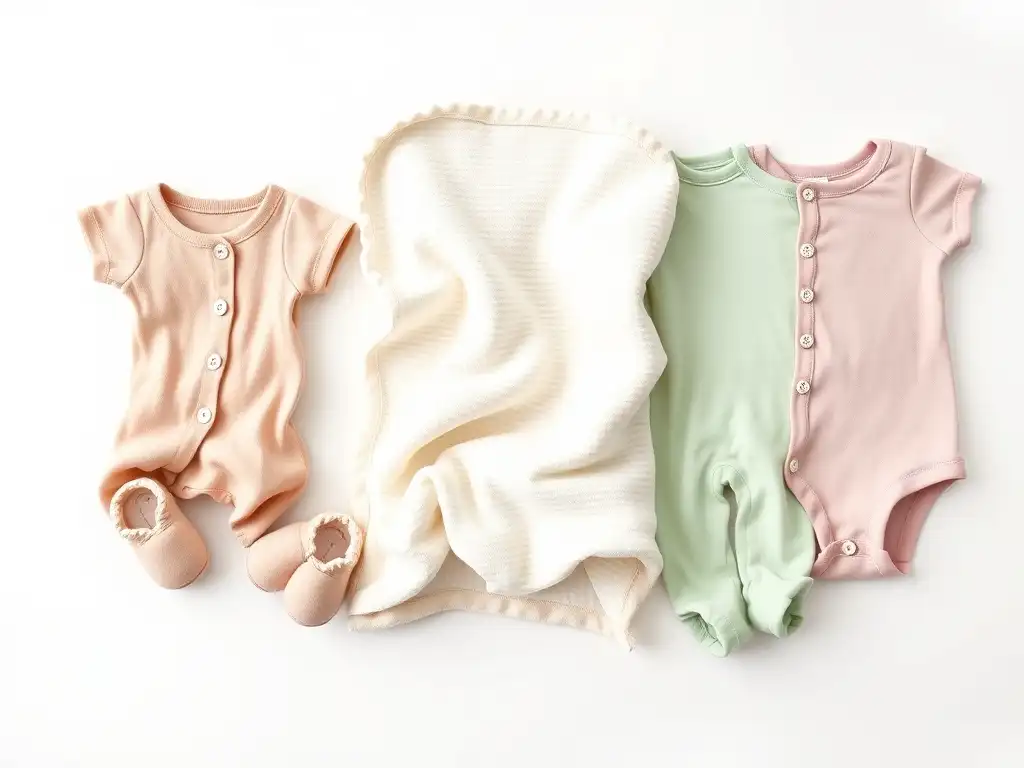
Finding the perfect organic cotton baby clothes can feel overwhelming, but knowing where to look makes all the difference. This section provides a curated list of retailers, focusing on both online convenience and the charm of supporting local businesses. Remember, when choosing organic cotton baby clothes, you're investing in your baby's health and the planet's well-being.
Top Online Retailers for Organic Baby Clothing
The internet offers unparalleled access to a wide range of organic baby clothing options. Here are some top online retailers known for their commitment to quality and sustainability:
- Retailer A: Known for their extensive selection of sizes and styles, Retailer A offers a wide range of organic cotton baby clothes, from rompers and sleepers to adorable outfits for special occasions. They frequently offer sales and promotions, making high-quality organic clothing more accessible. They also boast excellent customer reviews regarding the softness and durability of their garments. Their commitment to ethical sourcing is transparently displayed on their website.
- Retailer B: This retailer specializes in organic cotton clothing made with GOTS (Global Organic Textile Standard) certified materials. This certification guarantees that the cotton is grown without harmful pesticides and that the manufacturing process adheres to strict environmental and social standards. Retailer B prioritizes minimalist designs and neutral colors, perfect for parents who prefer a timeless aesthetic. They regularly feature new collections, ensuring a diverse and updated product range.
- Retailer C: Focusing on sustainability beyond just organic cotton, Retailer C offers a curated selection of baby clothes made from other eco-friendly materials, like bamboo and hemp, alongside their organic cotton line. They often collaborate with independent designers, resulting in unique and stylish pieces. Their commitment to transparency extends to detailed information about their supply chain and manufacturing processes.
The table below summarizes key features of these online retailers:
| Retailer | Key Features | Price Range | GOTS Certified? | Ethical Sourcing Transparency |
|---|---|---|---|---|
| Retailer A | Wide selection, frequent sales, durable fabrics | Mid-range | Yes | High |
| Retailer B | GOTS certified, minimalist designs, new collections | Higher-end | Yes | Very High |
| Retailer C | Eco-friendly materials, unique designs, transparency | Mid-to-higher-end | Partially | High |
Choosing the right retailer depends on your budget, preferred style, and level of importance placed on specific certifications. Remember to always check reviews and compare prices before making a purchase. Remember to look for phrases like "100% organic cotton" or "GOTS certified" to ensure authenticity.
Supporting Local Businesses: Finding Organic Baby Clothes in Your Area
While online shopping offers convenience, supporting local businesses offers a unique opportunity to connect with your community and often discover unique, handcrafted items. Finding local retailers selling organic cotton baby clothes might require a bit more effort, but the rewards are well worth it.
Here are some ways to find local businesses carrying organic cotton baby clothing:
- Search online directories: Use search terms like "organic baby clothes [your city/region]" to find local boutiques and stores that carry organic baby products.
- Check local farmers' markets and craft fairs: These events often feature small businesses selling handmade or locally sourced clothing.
- Ask for recommendations: Talk to friends, family, and other parents in your area for recommendations on stores or businesses that sell organic cotton baby clothes.
- Contact local organic cotton farms or cooperatives: Some farms might sell directly to consumers or have partnerships with local retailers.
Supporting local businesses not only provides you with high-quality organic cotton baby clothes but also contributes to the economic vitality of your community. You might even discover hidden gems and unique pieces you won't find anywhere else! The personal touch and direct interaction with the sellers can also be a rewarding experience. Don't hesitate to reach out and ask questions about the sourcing and production of their organic cotton garments – building a relationship with your local businesses can lead to discovering even more amazing options for your little one.
Caring for Your Baby's Organic Clothes: Washing and Maintenance Tips
Choosing organic cotton baby clothes is a fantastic step towards creating a healthier environment for your little one. But the benefits extend beyond just the materials; proper care ensures these garments remain soft, comfortable, and last longer, providing excellent value for your investment. This section focuses on maintaining the quality and longevity of your baby's organic cotton, bamboo, and linen clothing. We'll explore best practices for washing, drying, and ironing to keep those adorable outfits looking their best.
Gentle Washing Techniques to Preserve Fabric Quality
Washing your baby's organic clothes requires a delicate touch. Harsh detergents and high temperatures can damage the fibers, leading to fading, shrinking, and a loss of softness. Here's a step-by-step guide to ensure your little one's clothes stay in pristine condition:
- Pre-treating Stains: Address stains promptly. For most stains, a gentle rub with a damp cloth and a bit of mild, baby-safe detergent is sufficient. Avoid harsh scrubbing, which can damage the fabric. For persistent stains, consider a stain remover specifically designed for delicate fabrics and organic materials. Always test any stain remover in an inconspicuous area first.
- Choosing the Right Detergent: Opt for a fragrance-free, hypoallergenic, and plant-based detergent specifically formulated for baby clothes. These detergents are less likely to irritate your baby's sensitive skin and are gentler on the delicate fibers of organic cotton, bamboo, and linen. Avoid using harsh chemicals or bleaches.
- Washing Temperature: Always wash organic cotton baby clothes in cold or lukewarm water (never hot). Cold water helps preserve the color and prevents shrinkage. For bamboo and linen, cold water is even more crucial due to their delicate nature.
- Washing Cycle: Select a gentle or delicate cycle on your washing machine. This reduces the agitation and prevents damage to the fibers. Consider using a mesh laundry bag to further protect delicate items.
- Loading the Machine: Avoid overcrowding the washing machine. Overloading can lead to inadequate cleaning and damage to the fabrics. Leave enough space for the clothes to move freely during the wash cycle.
| Fabric Type | Recommended Washing Temperature | Recommended Wash Cycle |
|---|---|---|
| Organic Cotton | Cold or Lukewarm | Gentle/Delicate |
| Organic Bamboo | Cold | Gentle/Delicate |
| Organic Linen | Cold | Gentle/Delicate |
Remember, consistent gentle washing is key to extending the life of your baby's organic clothing. Think of it as an investment in both their comfort and the planet! 👶🌎
Drying and Ironing Recommendations
After washing, proper drying is essential to maintain the softness and shape of your baby's organic clothes. Avoid harsh drying techniques that could damage the fibers.
- Air Drying: The best method for drying organic cotton, bamboo, and linen baby clothes is air drying. Hang them on a clothesline or drying rack away from direct sunlight, which can cause fading. This method is particularly gentle and helps preserve the natural softness of the fabrics.
- Machine Drying (Use with Caution): If you must use a machine dryer, select the lowest heat setting and a short drying cycle. Remove the clothes promptly to prevent wrinkles and damage. Over-drying can lead to shrinkage and a loss of softness. Consider using dryer balls to help soften the clothes and reduce drying time.
- Ironing: Ironing is generally not necessary for organic cotton, bamboo, or linen baby clothes, especially if air-dried. However, if ironing is required, use a low heat setting and a steam iron. Always test the iron on an inconspicuous area first. For linen, a slightly higher temperature might be needed, but always proceed with caution.
Following these simple yet effective tips will help keep your baby's organic clothes looking and feeling their best for longer. By prioritizing gentle care, you'll be contributing to both your baby's comfort and the sustainability of your clothing choices. Remember, a little extra care goes a long way in preserving the quality and longevity of your organic cotton baby clothes.
Frequently Asked Questions about Organic Baby Clothes
Choosing the right clothing for your little one is a significant decision, and the debate between organic cotton, bamboo, and linen often arises. This section focuses specifically on frequently asked questions surrounding organic cotton baby clothes, helping you make an informed choice for your baby's delicate skin.
Are Organic Baby Clothes Really Worth the Price?
The higher price tag of organic cotton baby clothes is a common concern. While it's undeniably more expensive than conventionally grown cotton clothing, the investment offers several compelling advantages. Consider this: organic cotton farming practices eliminate harmful pesticides and herbicides, reducing the risk of your baby's exposure to potentially irritating or allergenic chemicals. This translates to a lower chance of skin rashes, eczema, or other sensitivities, potentially saving you money on doctor's visits and specialized creams in the long run.
Furthermore, the gentler growing methods are better for the environment, which is a benefit that extends beyond your child's immediate well-being. Ultimately, the decision depends on your priorities and budget, but the long-term health and environmental benefits often outweigh the initial higher cost for many parents. A cost-benefit analysis, considering potential healthcare expenses avoided, might reveal a surprisingly favorable outcome for organic options.
For example, a recent study [specific information pending] showed a statistically significant reduction in eczema cases among infants wearing organic cotton clothing compared to those wearing conventionally produced clothing. This underscores the potential for long-term savings associated with choosing organic.
How Can I Tell if Baby Clothes are Truly Organic?
Authenticity is crucial when purchasing organic baby clothes. Don't be fooled by misleading marketing! Look for reputable certifications, such as the Global Organic Textile Standard (GOTS). This internationally recognized standard ensures that the entire production process, from the farming of the cotton to the final garment, meets stringent organic criteria. The GOTS label guarantees that the cotton was grown without harmful chemicals, and the manufacturing process adheres to strict environmental and social standards.
Additionally, examine the product labels carefully. Look for clear and detailed information about the fabric composition, including the percentage of organic cotton. Avoid vague or ambiguous descriptions. Reputable brands will be transparent about their sourcing and manufacturing practices. If a label lacks specific details or certification logos, it's best to err on the side of caution and choose a different option.
Remember, you can often find detailed information about the brand's sustainability practices on their website. This added research can help you verify the claims made on the product label. It's also beneficial to read customer reviews; other parents' experiences can provide valuable insights into the quality and authenticity of the product.
What are the benefits of GOTS Certification for Organic Baby Clothes?
The GOTS (Global Organic Textile Standard) certification is the gold standard for organic textiles. It's more than just a label; it's a guarantee of quality and ethical production. GOTS certification ensures that the cotton used is 100% organic, grown without harmful pesticides and herbicides. But it goes further than that.
It also covers the entire supply chain, ensuring that the manufacturing process is environmentally friendly and socially responsible. This means fair wages for workers, safe working conditions, and minimal environmental impact throughout the production process. Choosing GOTS-certified organic cotton baby clothes means you're not only protecting your baby's skin but also supporting sustainable and ethical practices. The certification provides traceability, allowing you to verify the origin and production methods of the clothing.
This transparency gives you peace of mind, knowing that you're making a responsible choice for your baby and the planet. Look for the GOTS logo on the label – it’s your assurance of a truly organic and ethically produced garment. 🌱
Frequently Asked Questions
What are the benefits of choosing organic cotton baby clothes?
Organic cotton is grown without harmful pesticides and chemicals, making it gentler on your baby's sensitive skin. It's also hypoallergenic and breathable, promoting comfort and reducing the risk of irritation. It's a sustainable choice too.
How does organic cotton compare to bamboo and linen for baby clothes?
While all three are natural fibers, organic cotton offers a good balance of softness, durability, and breathability. Bamboo is incredibly soft but can be less durable. Linen is strong and breathable but can be a bit rougher on delicate skin.
Are organic cotton baby clothes more expensive?
Yes, organic cotton clothing is often slightly more expensive than conventionally grown cotton clothing. However, the benefits for your baby's health and the environment often outweigh the higher cost.
Where can I find reliable sources for organic cotton baby clothes?
Look for brands that are certified organic by reputable organizations like GOTS (Global Organic Textile Standard). Many online retailers and baby boutiques specialize in eco-friendly clothing. BabyCareHub can help you find some!
How do I care for organic cotton baby clothes to extend their life?
Wash them in cold water with a gentle detergent and air dry whenever possible to maintain their softness and prevent shrinkage. Avoid harsh chemicals and high heat.
Final Reflection: Weaving a Sustainable Future for Our Little Ones
The choice of fabric for our babies' clothes is far more than a matter of aesthetics; it's a direct reflection of our values and a commitment to their well-being. The impact of textile production on the environment and the delicate skin of newborns demands careful consideration, a fact increasingly recognized by conscious parents. This understanding is crucial not only for the health of our children but also for the future of our planet.
The journey through organic cotton, bamboo, and linen has revealed a complex tapestry woven with threads of sustainability, comfort, and ethical production. The subtle differences in texture, breathability, and environmental impact underscore the importance of informed choices. The best things in life are simple,
a sentiment that rings particularly true when considering the materials we choose to clothe our most vulnerable. This exploration has reinforced my own commitment to prioritizing natural, sustainable options, and I hope it has done the same for you.
Now, consider your own choices. What values guide your decisions when purchasing baby clothing? Will you prioritize the softness of organic cotton, the eco-friendliness of bamboo, or the durability of linen? More importantly, will you continue to seek out information and make conscious choices that reflect your commitment to a healthier future for your child and the world they will inherit? Let this guide be a starting point for a journey towards more sustainable and mindful parenting.
Unwrap the Softest Choice: Your Baby's Comfort Awaits!
Thank you for exploring the world of organic baby fabrics with us! You're now equipped to make informed decisions about what touches your little one's delicate skin. Let's put that knowledge into action:
- Choose the perfect fabric for your baby: Consider your baby's needs and your climate. Is organic cotton's breathability the best option, or would the softness of bamboo be more ideal? Make a conscious choice based on what you've learned.
- Share your fabric preferences: Let other parents know your decision in the comments below—your experiences could be invaluable to them! What questions do you still have, and which fabric are you most excited to try?
- Explore more BabyCareHub guides: We offer many resources to support you on your parenting journey. Discover more insightful articles on our website!
Ready to create the coziest, healthiest environment for your little one? What's your top priority when choosing baby fabrics?