
Organic Baby Hats and Beanies: BabyCareHub's Guide to Protecting Little Heads

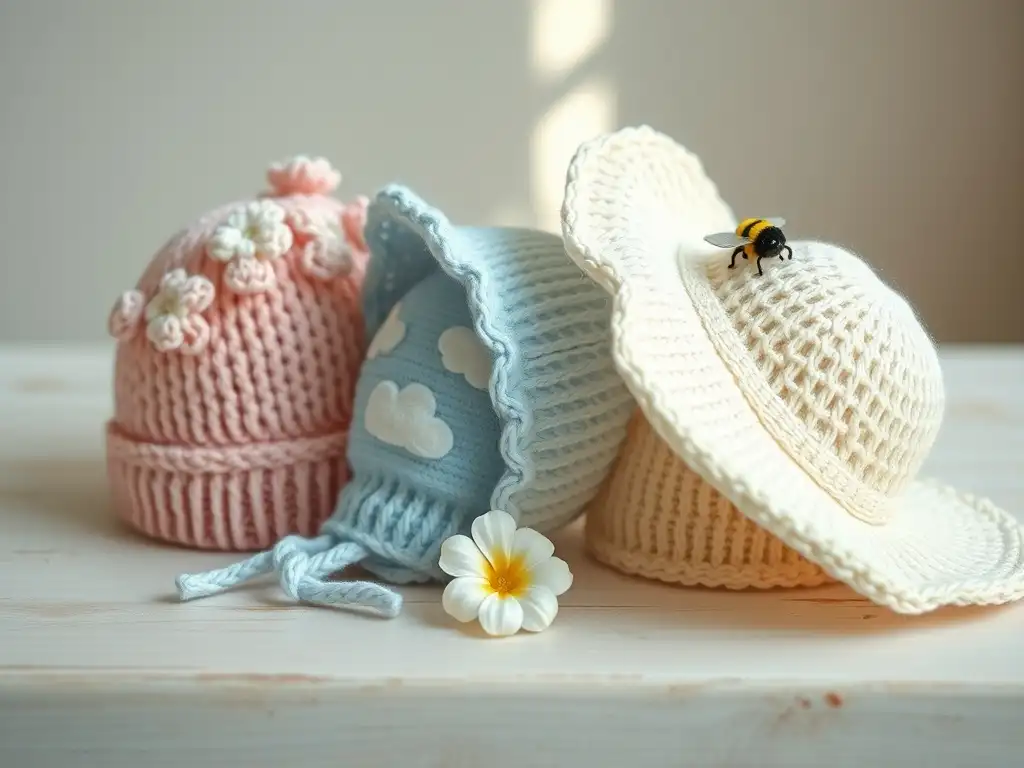
Welcome to BabyCareHub, your ultimate guide to navigating the exciting yet challenging world of parenthood! Are you ready to embark on a journey filled with love, laughter, and a few sleepless nights? We're here to support you every step of the way.
This comprehensive resource is designed to empower first-time parents with the knowledge and confidence they need. But first, let's talk about something crucial for your little one's well-being: organic baby hat safety. Discover why choosing the right headwear is vital, and learn how to ensure your baby stays snug, safe, and stylish – read on to explore our expert guide!
- Understanding the Importance of Organic Baby Hats for Safety
- The Best Organic Baby Hats & Beanies for Every Season
- Buying Guide: Selecting the Perfect Organic Baby Hat
- Maintaining Your Organic Baby Hat: Cleaning and Care
- Frequently Asked Questions about Organic Baby Hat Safety
- Recommended Organic Baby Hat Brands
- Frequently Asked Questions
- Final Reflection: Weaving a Safer World, One Organic Baby Hat at a Time
- Knit Your Way to Cozy: Start Crafting Today!
Understanding the Importance of Organic Baby Hats for Safety
Choosing the right clothing for your newborn is a crucial aspect of ensuring their health and well-being. This extends beyond just comfort and cuteness; it delves into the materials used and their potential impact on your baby's delicate skin. This guide focuses specifically on the importance of choosing organic baby hats and beanies, highlighting the benefits of organic materials for protecting your little one's head and overall health.
We'll explore the reasons why organic cotton is a superior choice, the dangers lurking in non-organic alternatives, and how to identify truly safe and eco-friendly baby headwear. Understanding the potential risks associated with conventional baby hats is the first step in making informed choices that prioritize your baby's safety and contribute to a healthier planet.
This is especially pertinent when considering the keyword "organic baby hat safety," as many parents seek assurance regarding the materials touching their infant's sensitive skin. Choosing organic ensures a safer, healthier environment for your baby's development.
Protecting Delicate Scalps: Why Organic Cotton Matters for Baby Hats
A baby's scalp is incredibly sensitive. Unlike adult skin, a newborn's skin barrier is still developing, making it more susceptible to irritation and allergies. Conventional baby hats are often made with cotton treated with pesticides and herbicides, which can come into direct contact with your baby's skin. Organic cotton, on the other hand, is grown without these harmful chemicals, reducing the risk of skin reactions like eczema, rashes, and irritation.
The softness of organic cotton also provides superior comfort, preventing chafing and rubbing. Furthermore, the breathability of organic cotton is crucial for regulating your baby's head temperature, preventing overheating and promoting healthy sleep. Choosing organic cotton for your baby's hat is a simple yet powerful way to protect their delicate scalp from potentially harmful chemicals and ensure optimal comfort. This is a significant factor contributing to overall "organic baby hat safety."
Avoiding Harmful Chemicals: The Risks of Non-Organic Baby Headwear
Non-organic baby hats often contain a cocktail of potentially harmful chemicals. These chemicals can include pesticides, herbicides, and dyes used in the growing and processing of conventional cotton. Exposure to these chemicals can lead to a range of health problems for your baby, from skin irritation and allergies to more serious long-term health concerns. Moreover, many non-organic baby hats are treated with flame retardants and other finishing agents that can also release harmful chemicals.
These chemicals can be absorbed through the skin, inhaled, or even ingested if your baby puts the hat in their mouth. The long-term effects of exposure to these chemicals are still being researched, but the potential risks are undeniable. Prioritizing "organic baby hat safety" means actively avoiding these risks by choosing organic alternatives. This proactive approach contributes significantly to a healthier environment for your child.
Choosing Safe Dyes and Fabrics: A Guide to Eco-Friendly Baby Hat Materials
Beyond the cotton itself, the dyes used in baby hats can also pose risks. Many conventional dyes contain heavy metals and other toxic substances that can leach into the fabric and come into contact with your baby's skin. Organic baby hats use dyes that are certified to be free from these harmful chemicals.
Look for certifications like GOTS (Global Organic Textile Standard) to ensure the hat is made with organically grown cotton and dyed with safe, eco-friendly dyes. Additionally, consider the overall fabric composition. Pure organic cotton is ideal, but blends with other organic materials like bamboo or hemp can also be a safe and sustainable choice.
When selecting a baby hat, always check the care label carefully and prioritize materials with clear certifications for organic content and safe dyes. Remember, "organic baby hat safety" encompasses the entire production process, from the growing of the cotton to the final dyeing and finishing. By making informed choices, you're creating a healthier and safer environment for your little one.
The Best Organic Baby Hats & Beanies for Every Season
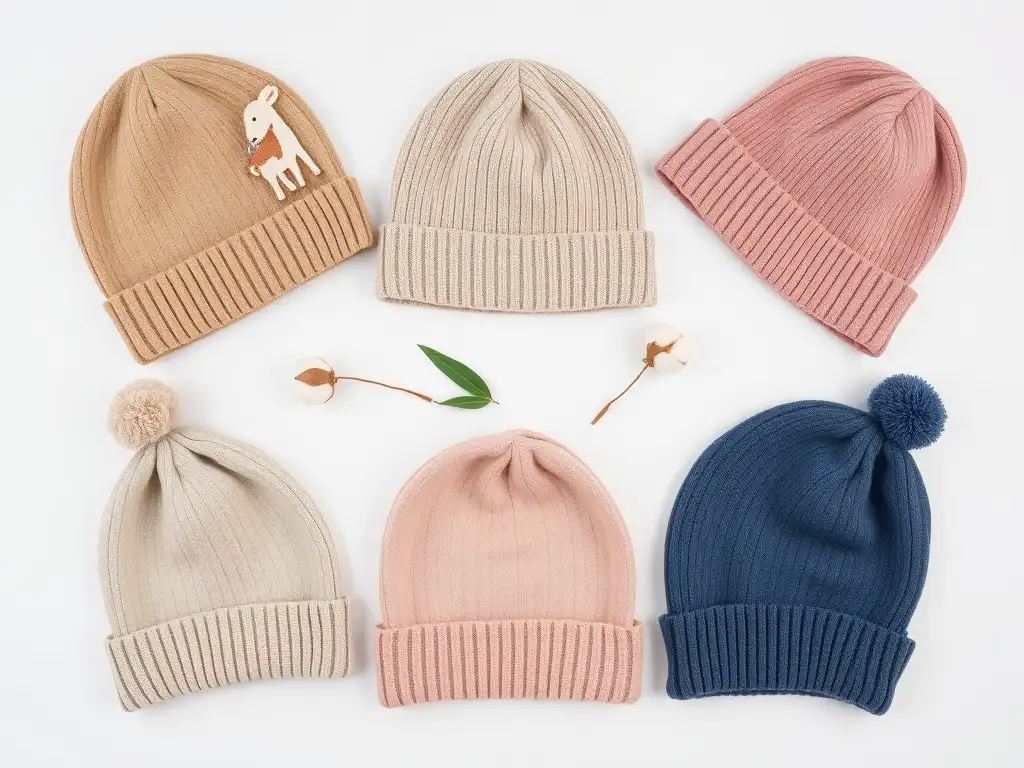
Choosing the right headwear for your little one is crucial, especially when prioritizing organic baby hat safety. This section explores the best organic baby hats and beanies for different seasons, ensuring your baby stays comfortable and protected from the elements. We'll focus on materials, features, and considerations for maintaining optimal safety and health. Remember, always check the care instructions before washing to ensure the hat maintains its shape and softness.
Spring & Summer Organic Baby Hats: Breathable Fabrics for Warm Weather
Spring and summer necessitate lightweight, breathable fabrics to prevent overheating. Opting for organic materials ensures your baby's delicate skin remains protected from harsh chemicals often found in conventionally produced clothing. Prioritizing organic baby hat safety means selecting materials that are gentle and won't irritate sensitive skin.
Lightweight Organic Cotton Hats
Lightweight organic cotton hats are ideal for warmer days. The breathable nature of organic cotton allows for proper air circulation, preventing overheating and keeping your baby comfortable. Look for hats with a loose fit to avoid restricting airflow. Many brands offer a variety of styles, from simple caps to sun hats with wider brims for enhanced sun protection. Remember to always supervise your baby while wearing a hat, ensuring it's not too tight and doesn't obstruct their vision. Consider the hat's breathability—a higher thread count often indicates better breathability.
Mesh Organic Baby Hats for Ventilation
For particularly hot and humid days, mesh organic baby hats provide superior ventilation. The open weave of the mesh allows for maximum airflow, keeping your baby's head cool and dry. These hats are perfect for outdoor activities or simply for keeping your baby comfortable indoors during a heatwave. However, mesh hats offer less sun protection than solid cotton hats, so consider using them in combination with sunscreen or seeking shade during peak sun hours. Always check the mesh size to ensure it's fine enough to prevent any potential snags on your baby's skin.
Autumn & Winter Organic Baby Hats: Cozy and Warm Protection
As the weather turns colder, choosing warm and cozy organic baby hats becomes essential. Prioritizing organic baby hat safety in winter means selecting materials that are not only warm but also gentle and hypoallergenic. Avoid hats with small, detachable parts that could pose a choking hazard.
Organic Wool Beanies for Cold Weather
Organic wool beanies provide excellent warmth and insulation during colder months. Wool is naturally breathable and moisture-wicking, helping to regulate your baby's temperature and prevent overheating. Look for beanies made from soft, ethically sourced organic wool, ensuring they are free from harsh chemicals and dyes. The natural elasticity of wool makes it comfortable and adaptable to your baby's head shape. Check for any potential irritants in the wool, as some babies might have sensitivities.
Fleece-Lined Organic Cotton Hats
For added warmth, consider fleece-lined organic cotton hats. The cotton provides a soft base layer, while the fleece lining adds extra insulation, protecting your baby's head from the cold wind and low temperatures. Ensure the fleece lining is made from organic materials to maintain the integrity of organic baby hat safety. These hats offer a good balance of warmth and breathability, making them suitable for a variety of winter conditions. Always ensure the seams are well-finished to prevent any irritation. Pay close attention to the fit; a hat that's too tight can restrict blood flow.
Remember, selecting the right organic baby hat ensures both comfort and safety for your little one. By prioritizing breathable fabrics and appropriate warmth for each season, you can contribute to a healthy and happy baby. Always check labels for certifications and materials to guarantee the quality and safety of the product you purchase. Prioritize **organic baby hat safety** by carefully considering the materials and construction of each hat.
All-Season Organic Baby Hats: Versatile Options for Year-Round Use
Choosing the right organic baby hat can be tricky, especially when considering the ever-changing weather. Fortunately, several versatile options provide excellent protection throughout the year. The key lies in selecting materials that are breathable yet offer sufficient warmth and sun protection. Lightweight organic cotton hats are ideal for spring and fall, offering a comfortable layer without overheating your little one.
During the summer months, a wide-brimmed organic cotton hat with UPF protection is crucial for shielding your baby's delicate skin from harmful UV rays. For winter, consider layering – perhaps a thinner organic cotton beanie underneath a slightly thicker wool or fleece hat (ensure it's made with certified organic materials to avoid harsh chemicals). Remember, always prioritize breathability to prevent overheating, a significant concern for infants.
The best all-season strategy involves having a few different hats on hand, allowing you to adapt to shifting temperatures and weather conditions. Prioritizing organic materials ensures your baby's sensitive skin remains protected from potentially harmful pesticides and chemicals often found in conventionally grown cotton. This commitment to organic baby hat safety is paramount for their well-being.
Soft Organic Cotton Hats
Soft organic cotton hats are a staple in any baby's wardrobe. Their gentle texture is incredibly soft against delicate skin, minimizing the risk of irritation or allergic reactions. Unlike conventional cotton, organic cotton is grown without the use of harmful pesticides and herbicides, reducing the chances of exposure to toxins. This makes organic cotton hats a safer choice, especially for babies with sensitive skin or a history of allergies.
The breathability of organic cotton is also a significant advantage. It allows for proper air circulation, helping to regulate your baby's temperature and prevent overheating, particularly important during warmer months. Look for hats made from 100% certified organic cotton, indicated by certifications like GOTS (Global Organic Textile Standard) or OEKO-TEX Standard 100. These certifications guarantee that the cotton was grown and processed sustainably, without the use of harmful chemicals.
Consider the style too; simpler designs with minimal seams are often preferable for newborns to reduce potential chafing. Investing in several soft organic cotton hats in various colors and styles will ensure you always have a clean, comfortable hat on hand for your little one, contributing to their overall organic baby hat safety. Remember to check the care instructions and wash the hats gently to preserve their softness and quality.
Buying Guide: Selecting the Perfect Organic Baby Hat
Choosing the right organic baby hat can feel overwhelming, but with a little guidance, you can find the perfect headwear to protect your little one. This buying guide focuses on key factors to consider when prioritizing organic baby hat safety. Remember, a safe and comfortable hat is crucial for your baby's well-being, especially in various weather conditions. We'll explore sizing, fabric choices, and essential features to ensure you make an informed decision. Prioritizing organic materials minimizes exposure to harmful chemicals, contributing to a healthier environment for your baby.
Sizing Your Baby's Organic Hat: A Step-by-Step Guide
Accurately sizing your baby's organic hat is paramount for comfort and effectiveness. A hat that's too small can restrict blood flow and cause discomfort, while one that's too large might slip off easily, failing to provide adequate protection.
Here's a step-by-step guide:
- Measure your baby's head circumference: Use a soft measuring tape, placing it gently around the widest part of your baby's head, just above the eyebrows. Ensure the tape is snug but not tight. Record the measurement in centimeters or inches.
- Consult the size chart: Most retailers provide detailed size charts for their organic baby hats. Carefully compare your baby's head circumference measurement to the chart to determine the appropriate size. Remember, babies grow quickly, so regular checks are necessary.
- Consider future growth: While an accurate measurement is important, consider purchasing a slightly larger size, especially if your baby is nearing the upper end of a size range. This allows for some growth and ensures the hat remains comfortable for a longer period.
- Check the fit: Once you receive the hat, try it on your baby. It should fit snugly but not tightly. You should be able to comfortably fit one or two fingers between the hat and your baby's head. If it feels too tight or too loose, exchange it for the correct size.
Fabric Considerations for Organic Baby Hats: Cotton, Wool, and More
The fabric composition of your baby's hat significantly impacts its comfort, breathability, and overall safety. When choosing organic baby hats, prioritize natural, breathable materials that are gentle on delicate skin and minimize the risk of allergic reactions.
- Organic Cotton: A popular choice, organic cotton is soft, breathable, and hypoallergenic. It's ideal for warmer weather and provides gentle protection from the sun. Look for hats made from 100% organic cotton for optimal safety.
- Organic Wool: Organic wool offers excellent insulation, making it perfect for colder weather. It's naturally breathable and moisture-wicking, helping to regulate your baby's temperature. Ensure the wool is processed without harsh chemicals for optimal gentleness on sensitive skin.
- Organic Hemp: A sustainable and durable option, organic hemp is naturally antimicrobial and resistant to odors. It's a good choice for warmer weather, offering breathability and protection.
- Organic Bamboo: Known for its softness and breathability, organic bamboo is a hypoallergenic and sustainable choice. It's a good option for both warm and cool weather.
Choosing the right fabric depends on the season and your baby's individual needs. Always check the care instructions to ensure proper cleaning and maintenance of the hat. Remember, avoiding synthetic fabrics and prioritizing organic materials is key to organic baby hat safety.
Features to Look for in Safe Organic Baby Hats: Seams, Fit, and Durability
Beyond fabric and size, several key features contribute to a safe and comfortable organic baby hat. These details ensure the hat not only looks good but also performs its protective function effectively.
- Seamless construction: Look for hats with minimal seams or flatlock seams. These reduce the risk of irritating your baby's delicate skin. Avoid hats with rough or protruding seams.
- Secure fit: The hat should fit snugly but not tightly, preventing it from easily slipping off. Consider hats with adjustable straps or ties for a customizable fit.
- Durable materials: Opt for hats made from durable, high-quality organic materials that can withstand regular wear and washing. Durability ensures the hat lasts longer, providing consistent protection.
- Soft and stretchy materials: The fabric should be soft and stretchy to allow for comfortable movement and prevent any chafing or irritation.
- Sun protection (UPF rating): For sun protection, look for hats with a high Ultraviolet Protection Factor (UPF) rating. This indicates how effectively the hat blocks harmful UV rays. A higher UPF rating offers better protection.
By paying attention to these details, you can ensure your baby's organic hat is not only safe but also comfortable and provides effective protection from the elements. Remember, a well-fitting, well-made hat is a crucial part of your baby's overall safety and well-being. Prioritizing organic baby hat safety means considering all these aspects for a healthy and happy baby.
Checking for Certifications: GOTS, OEKO-TEX, and Other Standards for Organic Baby Products
Choosing an organic baby hat means prioritizing your little one's delicate skin and the environment. However, the term "organic" isn't strictly regulated everywhere. Therefore, verifying certifications is crucial to ensure the product truly meets organic standards and is free from harmful chemicals. This isn't just about marketing; it's about safeguarding your baby's health. Several certifications signify a commitment to organic practices and rigorous testing.
One of the most widely recognized certifications is GOTS (Global Organic Textile Standard). GOTS certified products guarantee that the entire production process, from raw material to finished product, adheres to strict organic criteria. This includes limitations on pesticide use, water conservation, and fair labor practices. Look for the GOTS logo on the packaging—it's your assurance of a truly organic and ethically produced baby hat.
Another prominent certification is OEKO-TEX Standard 100. While not exclusively focused on organic farming, OEKO-TEX Standard 100 ensures that textiles are free from harmful substances. This is a critical aspect of organic baby hat safety, as it addresses potential irritants and allergens that could affect your baby's sensitive skin. The OEKO-TEX certification process involves rigorous testing to identify and eliminate harmful chemicals. The absence of harmful chemicals is as important as the organic cultivation of the cotton itself.
Beyond GOTS and OEKO-TEX, other certifications might exist depending on the country of origin and specific production methods. For example, some regions have their own organic textile standards. Always check the product label carefully for any certification logos and research the specific organization to understand its criteria. Don't hesitate to contact the manufacturer directly if you have any questions about the certifications or the production process.
Transparency is key when it comes to protecting your baby's health. Prioritizing certified organic baby hats significantly reduces the risk of exposure to potentially harmful chemicals and ensures a safer, more comfortable experience for your little one. Remember, a certified organic hat is an investment in your baby's well-being and a step towards a more sustainable future.
Maintaining Your Organic Baby Hat: Cleaning and Care
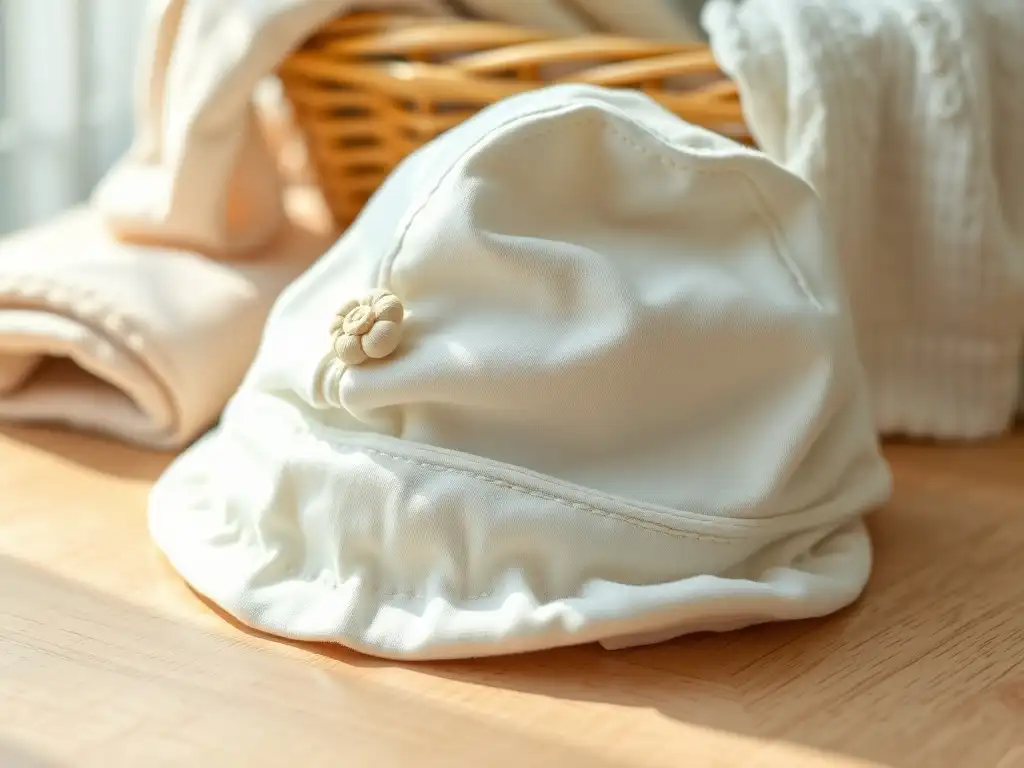
Protecting your little one's delicate head with an organic baby hat is a thoughtful choice, but ensuring its longevity requires proper care. Organic materials, while gentle on baby's skin, can be more delicate than synthetic fabrics. Understanding how to clean and store your organic baby hat will significantly extend its lifespan and maintain its softness and protective qualities.
This section focuses on the best practices for maintaining the quality and safety of your organic baby hat, ensuring it remains a reliable part of your baby's wardrobe. Remember, consistent gentle care is key to maximizing the benefits of choosing organic for your baby.
Washing Organic Baby Hats: Gentle Methods to Preserve Quality
Washing your baby's organic hat should always be a gentle process. Harsh detergents and aggressive washing methods can damage the delicate fibers and reduce the hat's effectiveness. Here's a step-by-step guide to ensure your organic baby hat remains soft and safe:
- Pre-Treatment (Optional): For minor stains, gently spot-clean the area with a small amount of mild, fragrance-free baby detergent and lukewarm water. Avoid rubbing vigorously.
- Hand Washing: The ideal method is hand washing. Fill a basin with lukewarm water and add a tiny amount of a plant-based, hypoallergenic baby laundry detergent. Submerge the hat and gently swish it around for a few minutes. Avoid harsh scrubbing.
- Rinsing: Thoroughly rinse the hat under cool, running water until all traces of soap are gone. Gently squeeze out excess water – avoid wringing or twisting, which can distort the shape.
- Drying: Lay the hat flat on a clean, dry towel. Reshape it gently to its original form. Air drying is the best method; direct sunlight can fade the color. Avoid using a dryer, as the high heat can damage the organic fibers.
Table 1: Comparing Washing Methods for Organic Baby Hats
| Method | Advantages | Disadvantages | Suitable for |
|---|---|---|---|
| Hand Washing | Gentle, preserves fabric quality | Time-consuming | All organic baby hats |
| Machine Washing | Convenient | Potential for shrinkage or damage to fibers | Only sturdy, well-constructed organic hats |
Remember, always check the care label on your specific organic baby hat for manufacturer recommendations. Prioritizing gentle care ensures your baby's hat remains soft, safe, and ready for many happy adventures. The use of organic detergents is crucial for maintaining the integrity of the fabric and avoiding potential skin irritations.
Storing Your Organic Baby Hats: Keeping Them Clean and Ready to Use
Proper storage is just as important as proper washing. A well-stored hat will remain clean, free from damage, and ready to use when needed. Here are some tips for keeping your organic baby hats in optimal condition:
- Cleanliness: Before storing, ensure the hat is completely dry and clean. Any lingering moisture can lead to mildew or odor.
- Folding: Gently fold the hat neatly, avoiding sharp creases that might damage the fabric.
- Storage Container: Store the hat in a clean, dry container or drawer. A breathable fabric bag is ideal. Avoid plastic bags, which can trap moisture.
- Organization: Consider using small containers or dividers to keep hats separated and organized, especially if you have multiple hats.
- Location: Store the hats in a cool, dry place away from direct sunlight and excessive heat or humidity. A dresser drawer or a shelf in a closet works well.
Storing your baby's organic hat correctly prevents damage and ensures it remains a reliable and comfortable accessory for your baby. This simple practice contributes significantly to the hat's longevity and overall usefulness.
Repairing Minor Damages: Extending the Life of Your Organic Baby Hat
While organic baby hats are durable, minor damages like small snags or loose threads can occur. Addressing these issues promptly can prevent larger problems and extend the hat's lifespan.
- Loose Threads: Carefully trim any loose threads with sharp scissors. Avoid pulling on the threads, which could cause further damage.
- Small Snags: If a small snag occurs, gently try to work the thread back into the fabric using a needle. For more stubborn snags, a small amount of fabric glue may be used, but always test it on an inconspicuous area first.
- Larger Tears: For larger tears or more significant damage, professional repair might be necessary. Seek the services of a tailor or seamstress specializing in delicate fabrics.
Addressing minor damages promptly helps maintain the integrity and appearance of your organic baby hat. By acting quickly and using gentle repair methods, you can extend the life of your beloved baby accessory, maximizing its usefulness and minimizing waste. Remember, prevention is key – careful handling and proper washing and storage techniques can significantly reduce the chance of damage.
Frequently Asked Questions about Organic Baby Hat Safety
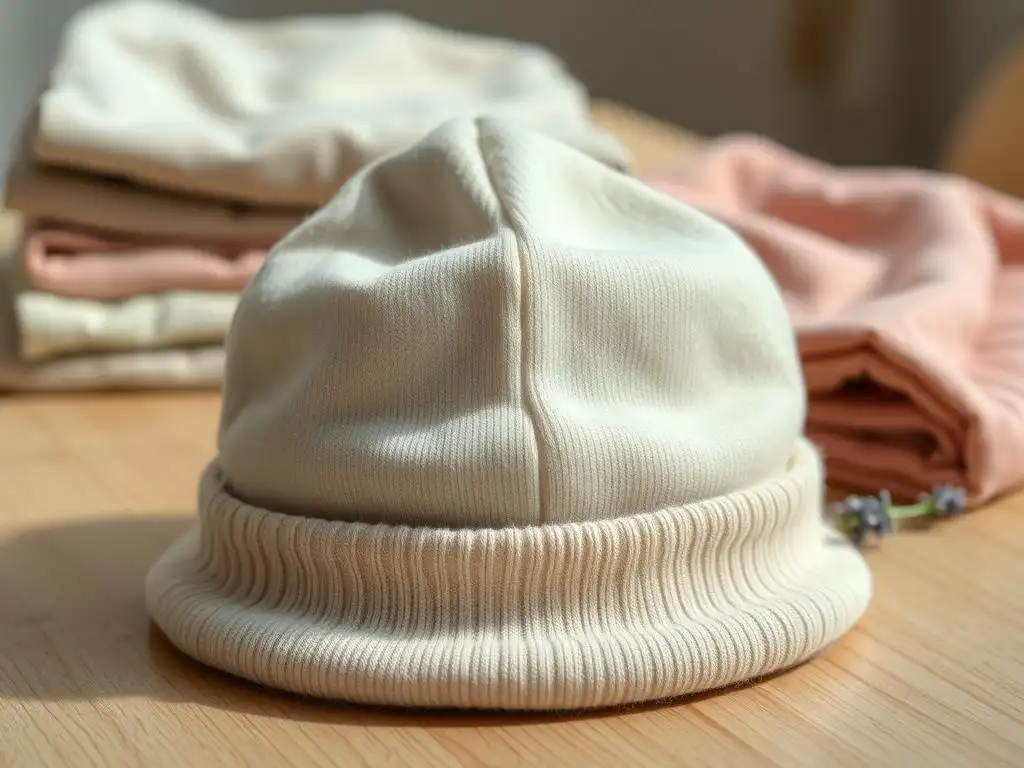
This section addresses common concerns regarding the safety and benefits of choosing organic baby hats over conventionally produced ones. We'll explore the advantages of organic materials and how to ensure you're purchasing authentic organic products for your little one. Protecting your baby's delicate skin is paramount, and understanding the nuances of organic baby hat safety is a crucial step in providing the best possible care.
Are organic baby hats truly safer than conventional ones?
The short answer is: potentially, yes. Organic baby hats offer several potential safety advantages compared to conventionally produced hats. Conventional cotton production often involves the use of pesticides, herbicides, and fertilizers. These chemicals can leave residues on the fabric, potentially irritating a baby's sensitive skin and causing allergic reactions or other health problems. Furthermore, the dyeing process for conventional hats frequently employs harsh chemicals that can also pose risks to your baby's health.
Organic cotton, on the other hand, is grown without these harmful chemicals. This reduces the risk of exposure to potentially harmful substances through direct skin contact. While not all organic baby hats eliminate all potential risks (such as potential dye allergies, even with organic dyes), the reduced exposure to pesticides and herbicides makes them a safer option for many parents concerned about their baby's health. The absence of these chemicals significantly minimizes the likelihood of skin irritations and allergic reactions. However, always check the care label for any potential allergens in the dye used.
It's important to note that "organic" doesn't automatically mean completely risk-free. Even organic cotton can contain trace amounts of pesticides, though these levels are significantly lower than in conventionally grown cotton. Therefore, selecting hats from reputable brands committed to rigorous organic standards is crucial.
What are the benefits of choosing GOTS certified organic baby hats?
The Global Organic Textile Standard (GOTS) is a globally recognized certification for organic textiles. Choosing a GOTS certified organic baby hat provides an extra layer of assurance regarding its safety and environmental impact. The GOTS certification ensures that the entire supply chain, from the farming of the cotton to the final product, adheres to strict environmental and social criteria.
Here's a breakdown of the key benefits:
- Reduced Chemical Exposure: GOTS certification guarantees that the cotton was grown organically, without the use of harmful pesticides, herbicides, or fertilizers. This minimizes your baby's exposure to potentially harmful chemicals.
- Improved Skin Health: The absence of harsh chemicals makes GOTS certified organic baby hats gentler on sensitive baby skin, reducing the risk of irritation, allergies, and eczema.
- Environmental Responsibility: GOTS certification supports sustainable farming practices, protecting biodiversity and reducing the environmental impact of textile production. This is a significant benefit for environmentally conscious parents.
- Transparency and Traceability: GOTS certified products come with clear traceability information, allowing you to verify the origin and production process of the hat. This transparency builds consumer trust and accountability.
- Higher Quality: Often, GOTS certified products are produced with a higher standard of quality control and manufacturing processes.
How can I tell if a baby hat is truly organic?
Identifying a genuinely organic baby hat requires careful attention to detail. Don't rely solely on marketing claims. Look for the following indicators:
- GOTS Certification: The most reliable indicator is the GOTS certification label. This label provides independent verification of the organic status of the product.
- Detailed Ingredient List: Check the care label for a detailed list of materials. It should clearly state that the material is 100% organic cotton (or a similar organic fiber). Be wary of vague or unclear labeling.
- Reputable Brands: Choose baby hats from reputable brands known for their commitment to organic and sustainable practices. Research brands before purchasing to ensure their commitment to transparency and ethical sourcing.
- Price: While not a definitive indicator, genuinely organic baby hats tend to be slightly more expensive than conventionally produced ones due to the higher production costs associated with organic farming. Be wary of exceptionally cheap "organic" hats, as they might be counterfeit.
- Third-Party Certification: Look for other certifications besides GOTS, such as OEKO-TEX Standard 100, which ensures that textiles are free from harmful substances. While not specifically for organic farming, it adds another layer of safety.
By carefully examining these aspects, you can significantly increase your chances of selecting a truly organic and safe baby hat for your precious little one. Remember, investing in organic baby products is an investment in your child's health and well-being.
Where can I find the best deals on high-quality organic baby hats?
Finding the best deals on high-quality organic baby hats requires a bit of savvy shopping. Don't automatically assume that the cheapest option is the best; prioritize quality materials and ethical production practices. Look for sales and discounts on reputable online retailers specializing in organic baby clothing. Many offer seasonal sales or flash discounts, allowing you to snag a bargain on already reasonably priced items. Consider signing up for email newsletters from your favorite brands; this often grants access to exclusive promotions and early bird offers.
Another excellent strategy is to check out smaller, independent boutiques or online shops specializing in organic baby products. While they might not always have the lowest prices, they often carry unique designs and may run promotions throughout the year. Furthermore, supporting these smaller businesses helps to bolster the sustainable fashion movement and ensures ethical sourcing practices. Always carefully examine the product descriptions for details on the materials used (e.g., 100% GOTS-certified organic cotton), the manufacturing process, and any relevant certifications. Reading customer reviews can also help you gauge the quality and value of a particular brand or retailer.
Finally, don't forget about secondhand options! Sites dedicated to gently used baby clothing can be a treasure trove of affordable organic baby hats. Just be sure to thoroughly inspect any secondhand items before purchasing to ensure they are in good condition and free from any damage. By combining smart shopping strategies with careful consideration of quality and ethical sourcing, you can find excellent deals on high-quality organic baby hats without compromising on safety or sustainability. Remember, investing in durable, well-made organic baby hats can save you money in the long run by reducing the need for frequent replacements.
Recommended Organic Baby Hat Brands
Choosing the right organic baby hat can feel overwhelming with so many options available. This section highlights some reputable brands known for their commitment to organic materials, safe manufacturing practices, and adorable designs. Remember, always check the care instructions before washing to ensure the longevity and safety of your baby's hat. Prioritizing "organic baby hat safety" means considering not just the materials but also the overall quality and construction.
Burt's Bees Baby: A Review of their Organic Baby Hat Collection
Burt's Bees Baby is a well-established brand synonymous with natural and gentle products for babies. Their organic baby hat collection reflects this commitment. They utilize 100% organic cotton, a soft and breathable fabric ideal for delicate baby skin. This minimizes the risk of skin irritation and allergies, a crucial aspect of organic baby hat safety. Furthermore, their manufacturing processes adhere to strict safety standards, ensuring freedom from harmful chemicals.
Their hats come in a variety of adorable styles and colors, catering to different preferences. One standout feature is their attention to detail – the seams are carefully constructed to be soft and flat against the baby's head, preventing chafing. They also offer different sizes to accommodate babies of varying ages, ensuring a proper fit for optimal comfort and protection from the elements.
Many parents appreciate the ease of washing and drying; these hats generally hold up well after multiple washes, making them a cost-effective choice in the long run. The simple designs and neutral color palettes also make them easy to coordinate with various outfits. While pricing might be slightly higher than non-organic options, the investment in organic baby hat safety and quality is worth it for many parents.
Kate Quinn Organics: Why We Love Their Sustainable Practices
Kate Quinn Organics stands out not only for its high-quality organic baby hats but also for its strong commitment to sustainable practices. Beyond using GOTS-certified organic cotton (a globally recognized standard for organic textiles), they prioritize ethical manufacturing and fair labor practices throughout their supply chain. This commitment extends to minimizing their environmental footprint, focusing on water conservation and reducing waste. This transparency and dedication to sustainability are key selling points for environmentally conscious parents.
Their organic baby hats feature charming designs and often incorporate unique details. The soft, breathable fabric provides excellent comfort and protection from the sun, wind, and cold. The quality is evident in the durability of the hats, which often withstand numerous washes and still maintain their shape and softness. While slightly pricier than some other brands, Kate Quinn Organics justifies its cost through a commitment to quality, ethical production, and lasting value. Investing in their hats is not just about buying a product; it's about supporting a brand aligned with values of organic baby hat safety and social responsibility.
Aden + Anais: High-Quality Organic Baby Hats at Affordable Prices
Aden + Anais offers a compelling blend of high-quality organic baby hats and affordability. While maintaining a focus on organic cotton, they manage to provide excellent value for money. Their hats are known for their softness, breathability, and practicality. The designs are usually simple and classic, ensuring that they remain stylish and versatile across different seasons and trends.
Their commitment to organic baby hat safety is evident in their material selection and manufacturing processes. They clearly state their commitment to organic materials and often provide detailed information on their sourcing and production methods. Many parents appreciate the ease of care—these hats are generally machine washable and dryable, making them convenient for busy parents.
The range of sizes also caters to different age groups, making them a practical choice for parents who want a reliable and affordable option for protecting their baby's head throughout their first year. While the designs might not be as elaborate as some other brands, their focus on functionality and affordability makes them a popular and trustworthy choice.
Frequently Asked Questions
Are organic baby hats safer than conventional ones?
Yes, organic cotton hats are often considered safer because they are grown without pesticides and harmful chemicals, reducing the risk of skin irritation and allergies in sensitive babies. Reduced exposure to toxins is a key benefit.
What should I look for when buying an organic baby hat?
Look for certifications like GOTS (Global Organic Textile Standard) to ensure the hat is genuinely organic. Check for soft, breathable fabrics, and snug but not tight fitting to prevent overheating or suffocation.
How can I ensure my organic baby hat is safe for my baby's delicate skin?
Always pre-wash the hat before your baby wears it, using a gentle, fragrance-free detergent. Check the seams for any loose threads or potentially hazardous elements before each use.
Are there any specific safety concerns with organic baby hats?
While generally safer, ensure the hat is properly sized to prevent it from covering the baby's face and obstructing breathing. Avoid hats with small, detachable parts that could pose a choking hazard.
How often should I wash my baby's organic hat?
Wash your baby's organic hat regularly, especially after it gets soiled or sweaty. Frequent washing helps maintain hygiene and prevents the build-up of bacteria.
Final Reflection: Weaving a Safer World, One Organic Baby Hat at a Time
The choice of an organic baby hat isn't merely a fashion statement; it's a conscious decision to prioritize the health and well-being of our most vulnerable members of society. Protecting delicate infant skin from harsh chemicals and irritants is paramount, and the growing awareness of this need reflects a positive shift in parental priorities. This commitment to safety extends far beyond the individual child, shaping a future where conscious consumerism safeguards the health of generations to come.
The journey into the world of organic baby hats has been a fascinating exploration of both practicality and principle. It's highlighted the crucial intersection of environmental responsibility and child safety, reminding us that our choices have far-reaching consequences. The best way to predict the future is to create it.
- Abraham Lincoln. This quote resonates deeply, as our collective commitment to safer products actively shapes a healthier future for our children. The increasing demand for organic alternatives demonstrates a growing understanding of this responsibility, fostering a positive feedback loop of innovation and ethical production.
Consider, for a moment, the impact of your next purchase. Will you choose convenience over conscious consumption? Or will you actively seek out products that prioritize the health and well-being of your child and the planet? You have the power to make a difference. By choosing organic baby hats, you're not just protecting your little one; you're contributing to a larger movement that champions sustainability, ethical production, and a healthier future for all. Let's continue to weave a safer world, one organic baby hat at a time.
Knit Your Way to Cozy: Start Crafting Today!
Thank you for learning about organic baby hats and beanies! We hope you feel confident choosing the perfect headwear to protect your little one. Ready to put your new knowledge to the test?
- Design your own adorable organic beanie: Let your creativity shine! Use our guide as inspiration to create a unique and personalized hat for your baby.
- Share your creations: Post photos of your finished beanies on social media using #BabyCareHubKnitting to inspire other parents!
- Explore different organic yarns, discovering new textures and colors to enhance your knitting projects.
What's your favorite yarn to work with, and why? Let's discuss in the comments!