
The Joy of Choosing Organic Baby Clothing: BabyCareHub's Personal Insights


Welcome to BabyCareHub, your ultimate guide to navigating the incredible journey of parenthood! Are you ready to discover the surprising world of organic baby clothes benefits? We understand the overwhelming choices new parents face, and that's why we've created this comprehensive resource. From feeding schedules to soothing sleep techniques, and now exploring the eco-conscious choice of organic clothing, we're here to provide the step-by-step guidance you need to confidently embrace every stage of your baby's development. Dive in and uncover the secrets to a healthier, happier baby – starting with the clothes they wear!
- Understanding the Benefits of Organic Baby Clothes
- Top Organic Baby Clothing Brands: A BabyCareHub Review
- Choosing the Right Organic Baby Clothes: A Practical Guide
- Addressing Common Concerns About Organic Baby Clothes
- BabyCareHub's Recommendations: Building Your Organic Baby Wardrobe
- Beyond the Clothes: Completing Your Eco-Conscious Baby Nursery
- Frequently Asked Questions
- Final Reflection: A Legacy of Softness: Choosing Organic for Our Little Ones
- Unwrap the Softness: Embrace Organic for Your Little One
Understanding the Benefits of Organic Baby Clothes
Choosing the right clothing for your newborn can feel overwhelming. Navigating the vast array of options, from adorable prints to practical designs, requires careful consideration. But beyond the aesthetics, a crucial factor often overlooked is the material itself.
This article delves into the numerous benefits of choosing organic baby clothes, focusing on the positive impacts on your baby's delicate skin, the environment, and your family's overall well-being. We'll explore why organic cotton reigns supreme and how opting for organic clothing contributes to a healthier planet and a happier baby. Choosing organic baby clothes isn't just a trend; it's a conscious decision that reflects your commitment to your child's health and a sustainable future.
This guide, tailored for first-time parents navigating the exciting yet sometimes daunting world of baby care, aims to provide clarity and empower you to make informed choices. Let's unpack the numerous advantages of embracing organic baby clothes and discover why it's a choice you won't regret.
Why Choose Organic Cotton for Your Little One?
Organic cotton, unlike conventionally grown cotton, is cultivated without the use of harmful pesticides, herbicides, or genetically modified organisms (GMOs). This translates directly to a gentler fabric for your baby's sensitive skin. Newborns have incredibly delicate skin, prone to irritation and allergies. Conventional cotton farming often involves harsh chemicals that can linger in the fabric, potentially leading to:
- Skin rashes and irritations: Exposure to pesticide residues can trigger allergic reactions, eczema, and other skin problems.
- Respiratory issues: Tiny particles of pesticides can be inhaled, potentially affecting your baby's respiratory system.
- Increased risk of chemical exposure: Prolonged contact with chemically treated fabrics can lead to long-term health concerns.
In contrast, organic cotton clothing offers a soft, breathable, and hypoallergenic alternative. The absence of harmful chemicals ensures a safer and more comfortable experience for your little one, minimizing the risk of skin irritation and promoting healthy skin development. Many parents report a noticeable difference in their baby's skin health after switching to organic clothing – fewer rashes, less itching, and overall happier, healthier skin. The investment in organic cotton is an investment in your baby's well-being.
The Environmental Impact of Organic Baby Clothing
Choosing organic baby clothes isn't just beneficial for your baby; it's a significant step towards environmental sustainability. Conventional cotton farming is a notoriously water-intensive and pesticide-heavy process. The extensive use of pesticides contaminates soil and water sources, harming beneficial insects and wildlife. Furthermore, the manufacturing process of conventional clothing often involves energy-intensive practices that contribute to greenhouse gas emissions.
Organic cotton farming, on the other hand, prioritizes environmentally friendly practices. It reduces water consumption, minimizes pesticide use, and promotes biodiversity. By choosing organic baby clothes, you actively contribute to:
- Reduced water pollution: Organic farming practices significantly reduce water contamination from harmful chemicals.
- Protection of biodiversity: Organic farms support a healthier ecosystem, protecting beneficial insects and wildlife.
- Lower carbon footprint: The reduced use of pesticides and fertilizers, along with more sustainable manufacturing processes, lead to a lower carbon footprint.
Making environmentally conscious choices, even in something as seemingly small as baby clothing, has a cumulative effect, contributing to a healthier planet for generations to come. 🌱
Avoiding Harmful Chemicals
The benefits of organic baby clothes extend beyond just the softness of the fabric. It's about actively avoiding exposure to potentially harmful chemicals. Conventional cotton is often treated with a range of chemicals during the growing, processing, and manufacturing stages. These chemicals can include:
- Pesticides: These are designed to kill pests, but they can also be harmful to humans, particularly infants with developing immune systems.
- Herbicides: Used to control weeds, these chemicals can also have negative health consequences.
- Formaldehyde: A common textile finishing agent used to prevent wrinkles, formaldehyde is a known carcinogen.
- Heavy metals: Trace amounts of heavy metals can sometimes be found in conventionally grown cotton.
By choosing organic baby clothes, you eliminate the risk of exposure to these potentially harmful substances, providing a safer and healthier environment for your baby's development. The peace of mind knowing your baby is not exposed to these chemicals is invaluable. It's a small change that can make a big difference in protecting your child's health and well-being.
Healthier Baby, Healthier Planet
Choosing organic baby clothes offers a powerful one-two punch: it benefits your baby's health and the environment. Conventional cotton farming is a significant consumer of pesticides and insecticides. These chemicals, while potentially minimized during the manufacturing process, can still leave residues on clothing. Exposure to these residues, even in small amounts, can irritate a baby's sensitive skin, potentially leading to rashes, eczema, or other allergic reactions.
Babies, with their developing immune systems, are particularly vulnerable to the effects of these chemicals. Organic cotton, on the other hand, is grown without these harmful pesticides and insecticides, reducing the risk of exposure and promoting healthier skin for your little one. This translates to fewer skin irritations, less discomfort, and a happier, healthier baby. 👶
The environmental benefits are equally compelling. Organic cotton farming practices significantly reduce water pollution and soil degradation compared to conventional methods. This is because organic farming eschews synthetic fertilizers and pesticides, preserving the health of the soil and the surrounding ecosystems. Furthermore, organic cotton production often involves sustainable water management techniques, conserving this precious resource.
By choosing organic baby clothes, you're not only protecting your baby's delicate skin but also contributing to a healthier planet for future generations. This conscious choice reflects a commitment to sustainability and responsible consumption, aligning with the growing movement towards eco-friendly parenting. You're making a statement about your values and contributing to a more sustainable future, one tiny organic onesie at a time. 🌎
Top Organic Baby Clothing Brands: A BabyCareHub Review
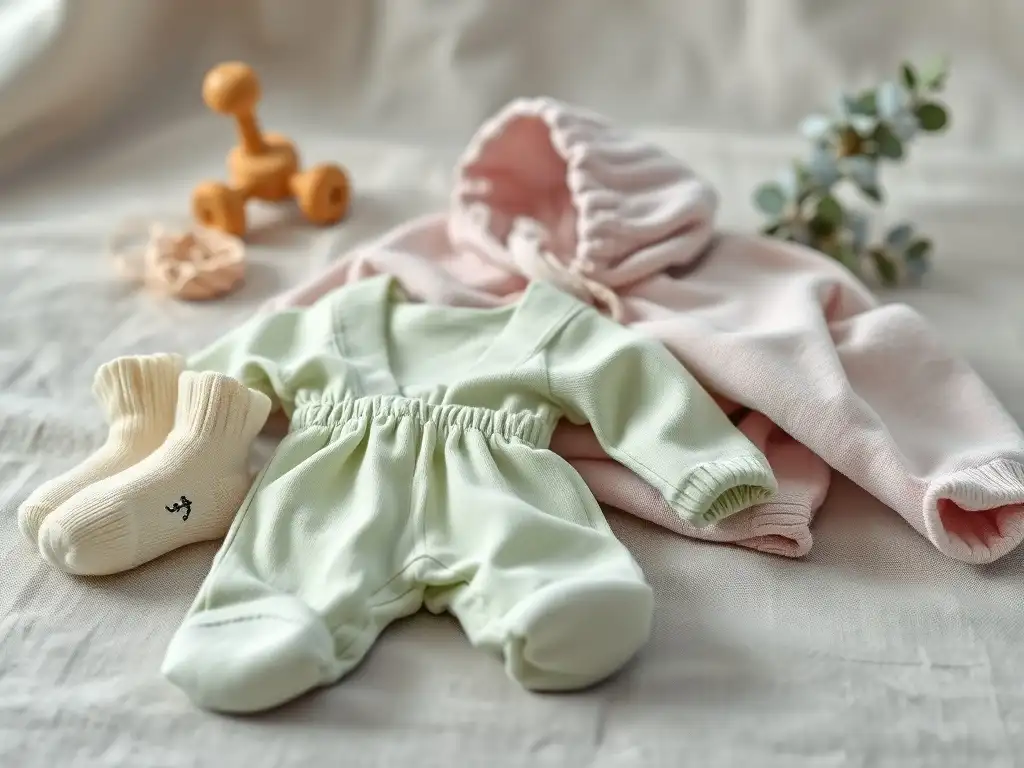
Choosing organic baby clothes offers numerous benefits for your little one's delicate skin and the environment. But with so many brands available, navigating the market can feel overwhelming. This section provides a BabyCareHub review of top brands, focusing on the key aspects parents often prioritize: softness, durability, style, affordability, and commitment to truly organic practices. Understanding these factors will help you make an informed decision when selecting organic baby clothes benefits your family.
Brand A: Softness, Durability, and Eco-Friendly Practices
Brand A consistently receives high praise for the exceptional softness of its organic cotton clothing. The garments feel incredibly gentle against a baby's sensitive skin, minimizing the risk of irritation and allergies. Many parents appreciate the durability of Brand A's clothing; items often withstand numerous washes and remain in excellent condition, making them a cost-effective choice in the long run.
Beyond softness and durability, Brand A distinguishes itself through its transparent and rigorous eco-friendly practices. They detail their sourcing of organic cotton, emphasizing fair labor practices and sustainable farming methods. Their commitment to reducing their environmental footprint extends to their packaging, often using recycled and biodegradable materials.
The price point tends to be slightly higher than some competitors, reflecting their commitment to quality and ethical production. However, many parents consider the superior quality and peace of mind to be well worth the investment. They frequently cite the longevity of the garments as a significant factor contributing to the overall value.
Brand B: Stylish Designs and Commitment to Organic Materials
Brand B offers a compelling blend of stylish designs and a firm commitment to using organic materials. While many organic clothing lines prioritize functionality over fashion, Brand B successfully balances both. Their collections feature adorable prints, trendy colors, and modern cuts, appealing to parents who want their baby to look stylish while wearing clothes made from ethically sourced organic cotton.
Their website clearly outlines their sourcing and production processes, emphasizing their dedication to organic farming and fair labor standards. They provide detailed information about their certifications, ensuring transparency and building trust with consumers. While the price is competitive within the organic baby clothing market, they occasionally offer sales and discounts, making their stylish organic options more accessible to a wider range of budgets.
Customer reviews frequently highlight the soft feel of the fabrics and the flattering styles. Many parents appreciate the ability to dress their babies in comfortable, environmentally responsible clothing that also looks great.
Brand C: Affordable Organic Options Without Compromising Quality
Finding truly affordable organic baby clothes can be challenging, but Brand C effectively addresses this need. They offer a range of organic cotton garments at a more accessible price point without sacrificing quality. While they may not have the same level of brand recognition as some competitors, their commitment to organic materials and ethical manufacturing is evident in their product descriptions and online presence.
Brand C focuses on providing essential items, such as onesies, sleepsuits, and bodysuits, in a variety of colors and sizes. Their straightforward approach to design and marketing contributes to their affordability. While the designs might be slightly less elaborate than some higher-priced brands, the softness and durability of the clothing are consistently praised in customer reviews.
Many parents view Brand C as a perfect entry point into the world of organic baby clothing, allowing them to experience the benefits without a significant increase in their budget. The brand's emphasis on value for money makes it a popular choice for budget-conscious parents seeking the organic baby clothes benefits.
Comparing Prices and Quality
Choosing organic baby clothes often involves navigating a price range that differs significantly from conventional options. While the upfront cost might seem higher, it's crucial to consider the long-term value and benefits. Higher-priced organic brands frequently utilize superior materials like GOTS-certified organic cotton, which is softer on delicate skin and more durable, leading to longer-lasting garments. This durability translates to cost savings in the long run, as you won't need to replace items as frequently. Lower-priced organic brands might use less-stringent certifications or slightly different materials, impacting both the feel and longevity of the clothing.
A key aspect to consider when comparing prices is the quality of the manufacturing process. Ethically sourced and produced organic clothing often commands a premium, reflecting fair wages for workers and sustainable manufacturing practices. Look for brands that are transparent about their supply chain and production methods.
This transparency often indicates a commitment to higher quality control, resulting in better-constructed garments that are less prone to tearing or shrinking. Remember, investing in fewer, higher-quality items can be more economical than buying numerous cheaper garments that may need replacing sooner. The true cost per wear is often lower with higher-quality organic clothing.
It's important to avoid solely focusing on the lowest price point. The cheapest organic options might compromise on several factors, such as the softness of the fabric, the strength of the stitching, or the use of potentially harmful dyes or chemicals. Researching brands and reading reviews can help you identify brands that offer a good balance between price and quality, ensuring your baby receives the best possible clothing while staying within your budget.
Consider the overall value proposition: a slightly higher upfront cost often translates to longer-lasting, more comfortable, and ethically produced garments. This makes the investment worthwhile in the long term for the well-being of your baby and the environment.
Choosing the Right Organic Baby Clothes: A Practical Guide
Choosing organic baby clothes offers numerous benefits for your little one's delicate skin and the environment. But navigating the world of organic fabrics and sizing can feel overwhelming. This guide provides practical advice to help you make informed decisions when selecting organic baby clothes. Understanding the nuances of fabric types, sizing, and care instructions will ensure you choose garments that are both comfortable and sustainable. This empowers you to prioritize your baby's well-being while minimizing your environmental impact, aligning perfectly with the benefits of organic baby clothes.
Fabric Types: Organic Cotton, Bamboo, and Other Natural Fibers
Organic baby clothes are often made from a variety of natural fibers, each offering unique properties. Let's explore some popular choices:
- Organic Cotton: This remains the most prevalent fabric for organic baby clothes. It's incredibly soft, breathable, and hypoallergenic, making it ideal for sensitive skin. Look for certifications like GOTS (Global Organic Textile Standard) to ensure the cotton was grown without harmful pesticides and fertilizers. The softness of organic cotton contributes significantly to the overall comfort and well-being of your baby. Choosing 100% organic cotton guarantees minimal exposure to potentially irritating chemicals.
- Organic Bamboo: Known for its exceptional softness and absorbency, bamboo is another excellent choice. It's naturally antimicrobial and temperature-regulating, keeping your baby comfortable in various climates. Bamboo fabric is also incredibly gentle on delicate skin, reducing the risk of rashes or irritations. However, some bamboo fabrics may be processed with chemicals, so always check for certifications to ensure it's truly organic. The inherent softness and breathability of bamboo fiber make it a superior choice for sensitive skin.
- Other Natural Fibers: You might also encounter organic hemp, linen, or wool in baby clothing. Hemp is durable and breathable, while linen is lightweight and absorbent. Organic wool offers excellent insulation but requires careful washing to maintain its shape and softness. Each of these fibers presents unique advantages, allowing you to select the perfect fabric for your baby's needs and the climate you live in. The diversity of options reflects the growing demand for eco-friendly and baby-safe clothing materials.
Sizing and Fit: Ensuring Comfort and Avoiding Waste
Proper sizing is crucial for both comfort and practicality. Babies grow rapidly, so buying clothes that are too large can lead to unnecessary waste. Conversely, clothes that are too small will be uncomfortable and may need to be replaced sooner.
Here are some key considerations:
- Check the size chart carefully: Every brand has its own size chart. Always refer to the manufacturer's chart before purchasing, paying close attention to measurements like chest, waist, and length. Don't rely solely on age recommendations, as babies vary greatly in size. Accurate measurements are paramount to ensure a proper fit.
- Consider the style: Some styles, like rompers or onesies, offer more room for growth than others. This allows for a longer period of use, minimizing the need for frequent replacements. Consider purchasing a few sizes up for these particular styles.
- Opt for adjustable features: Look for clothes with features like adjustable cuffs or snaps, which allow you to customize the fit as your baby grows. This adaptability extends the lifespan of the garment, contributing to reduced textile waste.
- Buy a few essentials in multiple sizes: Begin with a small selection of essential items in a few different sizes to accommodate your baby's rapid growth. This strategic approach ensures you have the right size available at each stage of development.
Care Instructions: Washing and Maintaining Organic Baby Clothes
Maintaining the quality and longevity of your organic baby clothes requires gentle care. Harsh detergents and high temperatures can damage the delicate fibers and diminish their softness.
Here are some helpful tips:
| Washing Method | Temperature (°C) | Detergent Type | Drying Method |
|---|---|---|---|
| Machine Wash | 30-40 | Baby-specific, fragrance-free | Air dry or low tumble dry |
| Hand Wash | Cold | Baby-specific, fragrance-free | Air dry |
- Always pre-wash new clothes: This removes any excess dyes or finishes that may irritate your baby's skin. This essential step ensures the garment is safe and comfortable for your baby.
- Use a fragrance-free and hypoallergenic detergent: Harsh chemicals can strip the fabric of its natural softness and may cause allergic reactions. A baby-specific detergent is best. Prioritizing gentle detergents preserves the integrity of the fabric and protects your baby's sensitive skin.
- Avoid harsh chemicals: Bleaches and fabric softeners can damage the fibers and reduce the lifespan of the clothes. Opt for natural alternatives if necessary. Natural stain removal techniques are also recommended to further preserve the garment's quality.
- Air dry whenever possible: Tumble drying can shrink or damage the fabric. Air drying is gentler and helps preserve the softness and quality of the organic materials. Air drying is the most eco-friendly and gentle method for maintaining the quality of organic baby clothes.
By following these guidelines, you can ensure your baby enjoys the many benefits of organic baby clothes while minimizing waste and maximizing the life of each garment. Remember, choosing organic baby clothes is an investment in your baby's health and the planet's future. 👶🌎
Creating a Sustainable Wardrobe
Building a sustainable wardrobe for your little one goes beyond simply choosing organic cotton. It's about mindful consumption and extending the lifespan of each garment. Consider buying versatile pieces in neutral colors that can be mixed and matched, avoiding trends that might quickly become outdated. Think about layering options – a few well-chosen organic cotton bodysuits, rompers, and sweaters can create a multitude of outfits. Hand-me-downs are another fantastic way to reduce your environmental footprint and save money.
If you're receiving used clothing, ensure they are thoroughly cleaned before your baby wears them. Remember, quality over quantity is key when it comes to building a sustainable wardrobe. Invest in durable, well-made organic baby clothes that will withstand multiple washes and last through several growth spurts. This approach minimizes the need for frequent replacements, contributing to a more environmentally friendly and economically responsible approach to baby clothing.
Choosing organic baby clothes benefits not only your child's health but also the planet. By opting for sustainable practices like buying less, buying better quality, and embracing hand-me-downs, you can minimize textile waste and reduce the environmental impact associated with clothing production. This conscious approach contributes to a healthier environment for your baby and future generations. Furthermore, supporting brands committed to ethical and sustainable practices reinforces positive change within the industry. Consider brands that are transparent about their sourcing and manufacturing processes and those that actively work towards minimizing their environmental impact.
Remember, building a sustainable wardrobe is a journey, not a destination. Start with small changes and gradually integrate more sustainable practices into your baby's clothing choices. Every conscious decision you make contributes to a healthier planet and a more responsible approach to consumption. The long-term benefits for both your child and the environment are immeasurable. Consider also exploring clothing rental services or swapping clothes with other parents, further reducing textile waste and the consumption of new resources. These additional strategies contribute significantly to a more environmentally friendly approach to baby clothing.
Addressing Common Concerns About Organic Baby Clothes
Choosing organic baby clothes is a decision many parents grapple with. The benefits are often touted, but concerns about cost, durability, and certification authenticity naturally arise. Let's address these common anxieties head-on, separating fact from fiction.
Myth vs. Reality: Are Organic Baby Clothes More Expensive?
The perception that organic baby clothes are significantly pricier than conventionally produced ones is a common myth. While it's true that organic cotton, the most popular fabric for baby clothes, often commands a higher price than conventionally grown cotton, the difference isn't always as dramatic as some believe. Several factors contribute to the overall cost:
- Farming Practices: Organic cotton farming necessitates more labor-intensive methods, avoiding pesticides and synthetic fertilizers. This increases production costs.
- Processing and Manufacturing: Organic certification requires adherence to strict standards throughout the entire supply chain, from farming to manufacturing, adding to the overall expense.
- Demand and Supply: The demand for organic baby clothes is growing, but the supply remains relatively limited, impacting pricing.
However, the price difference isn't always exorbitant. Many brands offer organic baby clothes at competitive price points. Consider these factors:
| Factor | Impact on Price |
|---|---|
| Brand Reputation | Premium brands often command higher prices. |
| Fabric Type | Organic bamboo or hemp might be more expensive than cotton. |
| Retailer | Different retailers offer varying price points. |
| Sales and Discounts | Taking advantage of sales can significantly reduce costs. |
It's crucial to shop around and compare prices from different retailers to find the best deals. Prioritizing quality and ethical sourcing often outweighs a small price difference, especially considering the potential health and environmental benefits. Ultimately, the cost of organic baby clothes should be weighed against the long-term value of protecting your baby's delicate skin and contributing to a more sustainable future.
Myth vs. Reality: Are Organic Clothes Less Durable?
Another misconception is that organic clothing is less durable than conventionally produced clothing. This is largely untrue. The durability of clothing depends more on the quality of the fabric, the manufacturing process, and proper care than on whether it's organically produced.
While some might argue that organic cotton might feel softer initially, leading to a perception of less durability, this isn't necessarily the case. High-quality organic cotton, when properly woven and constructed, can be just as robust and long-lasting as conventionally grown cotton. In fact, some argue that the absence of harsh chemicals in organic cotton can actually contribute to a longer lifespan, preventing premature wear and tear.
Proper care, such as gentle washing and air-drying, is crucial for extending the life of any baby clothing, regardless of its origin. Choosing well-made garments with reinforced seams and durable stitching will further enhance their longevity. Think of it this way: a poorly made conventional garment will wear out faster than a well-made organic one.
Myth vs. Reality: Is Organic Certification Always Reliable?
The reliability of organic certifications is a valid concern. Several organizations worldwide certify organic products, each with its own standards and verification processes. While reputable certifications provide assurance of adherence to rigorous standards, it's essential to be aware of potential inconsistencies. Look for certifications from well-established and respected organizations that conduct thorough inspections and testing. Some certifications are more stringent than others.
The presence of a certification logo doesn't automatically guarantee absolute perfection. However, it does indicate that the product has undergone a process of verification, reducing the risk of misleading claims. Doing your research and choosing brands known for their commitment to transparency and ethical sourcing can further enhance your confidence in the authenticity of organic certifications. Remember, informed choices empower you to make the best decisions for your baby and the environment.
BabyCareHub's Recommendations: Building Your Organic Baby Wardrobe
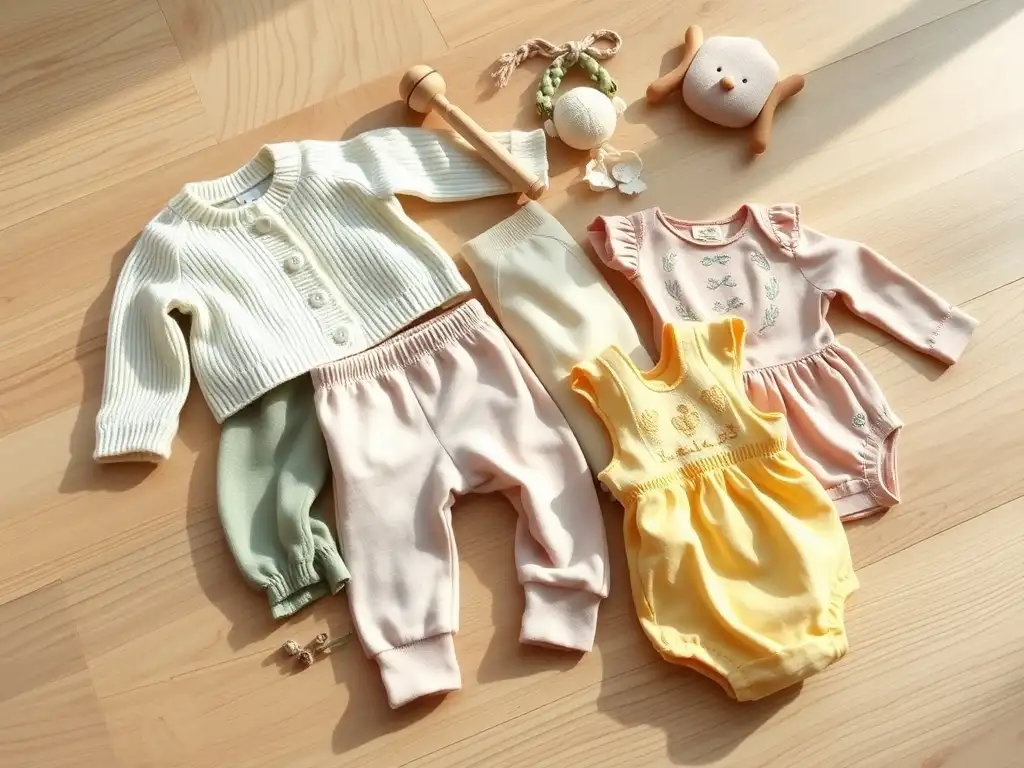
This section offers practical advice on building a functional and stylish organic baby wardrobe, maximizing the benefits of organic baby clothes for your little one. We'll explore essential items, seasonal considerations, and strategies for creating a versatile capsule wardrobe that minimizes textile waste. Remember, choosing organic baby clothes benefits your baby's health and the environment.
Essential Organic Baby Clothing Items for Newborns
Newborns require a specific set of garments designed for comfort, ease of changing, and temperature regulation. Prioritizing organic materials ensures gentle contact with your baby's delicate skin, minimizing the risk of irritation from harsh chemicals.
Here's a list of essential organic baby clothing items for newborns:
- Onesies (5-7): These are the workhorses of a newborn wardrobe. Look for snaps or zippers for easy changes, especially during those frequent nighttime feedings. Choose organic cotton onesies for optimal breathability.
- Sleep sacks (2-3): Safe sleep is paramount. Organic cotton sleep sacks provide warmth without the risk of loose blankets. Consider different weights for varying temperatures.
- Receiving blankets (3-4): These soft, lightweight blankets are perfect for swaddling, tummy time, or simply cuddling. Opt for organic muslin for breathability and softness.
- HATS (2): Newborns lose heat through their heads, so organic cotton hats are essential, particularly in cooler environments.
- Socks (several pairs): Tiny toes need to stay warm! Choose organic cotton socks that are soft and stretchy.
- Mittens (optional): Newborns often scratch their faces, so mittens can be helpful, especially in the first few weeks. Organic cotton mittens are a gentle alternative.
Consider the number of outfits you'll need based on the frequency of laundry you plan to do. Remember, frequent washing is important, especially with newborns, so having several sets of each item ensures you always have clean clothes on hand. The benefits of organic baby clothes extend to reducing the exposure to harsh detergents and chemicals during washing.
Seasonal Organic Clothing Choices: Preparing for Different Weather Conditions
The climate where you live significantly influences your baby's clothing needs. Organic clothing offers the advantage of natural breathability, helping to regulate your baby's temperature effectively across various seasons.
Here's a seasonal breakdown:
| Season | Clothing Essentials | Considerations |
|---|---|---|
| Summer | Lightweight organic cotton onesies, breathable sleep sacks, shorts, sun hats 👒 | Prioritize breathability to prevent overheating. Opt for lighter-weight organic fabrics. |
| Autumn | Long-sleeved organic cotton onesies, lightweight organic cotton sweaters, pants | Layer clothing to adapt to fluctuating temperatures. |
| Winter | Fleece-lined organic cotton onesies, heavier organic cotton sweaters, warm pants 🧤 | Prioritize warmth while ensuring breathability to prevent overheating. |
| Spring | Lightweight organic cotton jackets, pants, and long-sleeved onesies | Layer clothing to adapt to changing temperatures. |
Remember to always check the temperature and dress your baby in layers to avoid overheating or chills. The softness and natural breathability of organic baby clothes make them ideal for all seasons.
Building a Capsule Wardrobe: Maximizing Versatility and Minimizing Waste
A capsule wardrobe focuses on versatile items that can be mixed and matched to create various outfits. This approach minimizes the number of clothes you need, reducing waste and simplifying laundry. For organic baby clothes, this approach maximizes the benefits of sustainable and eco-friendly materials.
Here are some tips for building an effective capsule wardrobe for your baby:
- Choose neutral colors: Neutral colors like white, beige, grey, and navy can be easily mixed and matched.
- Select versatile styles: Focus on simple designs that can be worn for various occasions.
- Prioritize quality over quantity: Invest in high-quality organic baby clothes that will last longer.
- Consider growth spurts: Buy a few sizes larger to extend the lifespan of the clothes.
By carefully selecting versatile items, you can create a functional and stylish wardrobe for your baby while minimizing textile waste and maximizing the benefits of organic baby clothes. This approach is environmentally conscious and cost-effective in the long run. Remember, the joy of choosing organic baby clothes extends beyond your baby's comfort—it's a choice for a healthier planet.
Where to Find the Best Deals on Organic Baby Clothes
Finding high-quality organic baby clothes without breaking the bank requires a strategic approach. Many parents prioritize organic cotton for its softness, breathability, and reduced exposure to harmful chemicals, but the cost can sometimes be a deterrent. However, several avenues exist to acquire these beneficial garments at reasonable prices.
One excellent strategy is to shop seasonally. Stores often offer significant discounts on organic baby clothes during off-peak seasons, such as after the holiday rush or during the transition between summer and fall collections. Keeping an eye out for these sales can lead to substantial savings. Think of it as a smart way to stockpile essentials for your little one's growth spurts.
Another effective approach involves utilizing online marketplaces and outlet stores. Websites specializing in discounted or overstocked merchandise frequently feature organic clothing lines. While it's crucial to carefully check the certifications and quality of the items, these platforms can offer surprisingly good deals. Remember to compare prices across different sellers before making a purchase. Reading reviews from other parents can also provide valuable insights into the quality and value of the products offered.
Beyond online platforms, consider consignment shops and secondhand stores. These often carry gently used organic baby clothes in excellent condition at significantly reduced prices. This is a particularly eco-friendly and budget-conscious option, as it extends the life cycle of the clothing while saving you money. However, always thoroughly inspect any secondhand clothing before purchasing it to ensure it's clean and free from damage.
Finally, don't underestimate the power of subscription boxes and loyalty programs. Some companies offer subscription boxes filled with organic baby clothing, and many retailers have loyalty programs that offer discounts or exclusive deals to repeat customers. Joining these programs can provide additional savings over time, making organic clothing more accessible. By taking advantage of these options, you can effectively manage your budget and still clothe your baby in comfortable, safe, and environmentally friendly organic garments.
Beyond the Clothes: Completing Your Eco-Conscious Baby Nursery
Choosing organic baby clothes is a fantastic first step towards creating a healthier environment for your little one. However, the benefits of organic materials extend far beyond just clothing. To truly embrace an eco-conscious nursery, you need to consider all the elements contributing to your baby's well-being and the impact on the planet. This section explores how to expand your commitment to sustainability beyond clothing, creating a truly holistic and healthy space for your baby.
Organic Bedding and Accessories: Creating a Safe and Healthy Sleep Environment
Your baby spends a significant portion of their day sleeping, making the choice of bedding incredibly important. Organic cotton sheets, blankets, and crib mattresses offer several advantages. Firstly, they minimize exposure to harmful pesticides and chemicals often found in conventionally grown cotton. This is crucial for babies' delicate skin, which is more susceptible to irritation and allergies. Secondly, organic cotton is often softer and more breathable than conventional cotton, leading to a more comfortable sleep for your baby. Think of the gentle touch of organic muslin swaddles – a true delight for both parent and child!
Beyond sheets and mattresses, consider organic crib bumpers, pillows (if appropriate for your baby’s age), and stuffed animals. Look for certifications like GOTS (Global Organic Textile Standard) to ensure the products meet stringent organic standards. Remember, the goal is to create a haven of natural materials that promote a healthy and peaceful sleep environment. This is a significant investment in your baby's health and well-being, reducing the risk of exposure to toxins and promoting better sleep quality.
Eco-Friendly Baby Products: Completing Your Sustainable Baby Registry
Expanding your eco-conscious choices beyond clothing and bedding involves curating a sustainable baby registry. This includes looking for organic or sustainably sourced products across the board:
- Diapers: Consider cloth diapers, which significantly reduce waste compared to disposable options. While they require more effort, the environmental benefits are substantial. Alternatively, explore eco-friendly disposable diapers made from plant-based materials and minimizing plastic packaging.
- Feeding Supplies: Opt for BPA-free bottles and silicone teethers. Look for feeding sets made from bamboo or other sustainable materials. Avoid plastic whenever possible.
- Toys: Choose wooden toys or toys made from recycled materials whenever possible. Avoid toys with excessive plastic packaging. Consider heirloom toys that can be passed down through generations.
- Bath Products: Select baby wash, shampoo, and lotions that are organic, plant-based, and free from harsh chemicals and artificial fragrances. Look for brands committed to sustainable packaging.
Creating a truly sustainable baby registry requires careful consideration and research, but the long-term benefits for your baby and the environment are invaluable. Remember to prioritize products with minimal packaging and those made from renewable resources.
Supporting Sustainable Practices: Making Informed Choices for Your Baby and the Planet
Choosing organic baby clothes and eco-friendly products is more than just a trend; it's a commitment to a healthier future for your baby and the planet. By making informed choices, you actively support sustainable practices and contribute to reducing the environmental impact of your baby's consumption. This commitment extends beyond simply purchasing organic products.
Consider these additional steps:
- Supporting ethical brands: Look for companies that prioritize fair labor practices and environmental responsibility.
- Reducing consumption: Avoid over-buying. Borrow or buy secondhand whenever possible to minimize waste.
- Recycling and composting: Dispose of baby products responsibly, recycling materials whenever possible and composting organic waste.
- Educating yourself: Stay informed about sustainable practices and support organizations working towards environmental protection.
The journey towards a truly sustainable nursery is an ongoing process of learning and refinement. Every conscious choice you make contributes to a healthier future for your baby and the planet. Embrace the journey, and enjoy the rewards of knowing that you are making a positive impact. The benefits of choosing organic baby clothes, coupled with a holistic approach to sustainable parenting, extend far beyond the immediate needs of your child; they contribute to a healthier and more sustainable world for generations to come. 🌎
Frequently Asked Questions
What are the benefits of choosing organic baby clothes?
Organic baby clothes are made from natural fibers like organic cotton, which are grown without harmful pesticides and chemicals. This reduces the risk of skin irritation and allergic reactions in your baby's sensitive skin. They are also often softer and more breathable.
Are organic baby clothes more expensive than conventional clothes?
Yes, generally organic baby clothes are more expensive than conventionally produced clothing. However, the higher price reflects the sustainable farming practices and the better quality of the materials used.
How can I tell if baby clothes are truly organic?
Look for certifications like GOTS (Global Organic Textile Standard) or OEKO-TEX Standard 100. These certifications ensure that the clothes meet strict standards for organic production and are free from harmful chemicals. Check the labels carefully.
Are organic baby clothes better for the environment?
Yes, organic cotton farming uses fewer pesticides and less water compared to conventional cotton farming. This makes organic baby clothes a more environmentally friendly choice.
How do I care for organic baby clothes?
Organic baby clothes are generally cared for in the same way as conventional clothes. However, gentle washing is recommended to maintain their softness and prolong their lifespan. Avoid harsh detergents and opt for eco-friendly options.
Final Reflection: A Legacy of Softness: Choosing Organic for Our Little Ones
The conscious choice to clothe our babies in organic materials is more than a trend; it's a testament to our commitment to their well-being and a healthier planet. This commitment extends beyond simply avoiding harsh chemicals; it's about embracing a gentler, more sustainable approach to parenting that prioritizes the delicate skin and developing bodies of our most precious gifts.
The impact of this choice resonates far beyond the individual child. By demanding organic options, we collectively influence the textile industry to adopt more ethical and environmentally responsible practices. The best way to predict the future is to create it,
and by choosing organic baby clothes, we are actively shaping a future where sustainability and child health are paramount. This isn't just about our children; it's about the legacy we leave for generations to come. The softness of organic cotton against their skin is a tangible representation of a larger commitment to a kinder world.
Consider the implications of your choices. Will you continue to prioritize the health and well-being of your child, opting for the gentle touch of organic fabrics? Will you advocate for greater transparency and sustainability within the fashion industry? You have the power to make a difference, one soft, organic garment at a time. Embrace the joy of choosing organic, not just for the immediate comfort of your little one, but for the lasting impact it has on their future and the future of our planet.
Unwrap the Softness: Embrace Organic for Your Little One
Thank you for joining us on this journey into the wonderful world of organic baby clothing! We hope you feel empowered to make informed choices about your baby's wardrobe. Ready to take the next step?
- Transition your baby's wardrobe to organic materials gradually. Start with a few key items, such as sleepsuits or vests, to see the difference and minimize costs while experiencing the benefits firsthand.
- Share your experiences with organic baby clothing! Join the conversation in the comments below – what are your favorite brands or tips for sustainable shopping?
- Discover new organic brands and ethical retailers in your area or online, and let us know about any favorites you find!
Ready to embrace the softness and purity of organic baby clothing? What will be the first organic item you add to your baby's wardrobe?