
BabyCareHub's Guide to Finding Organic Baby Clothing Made in the USA

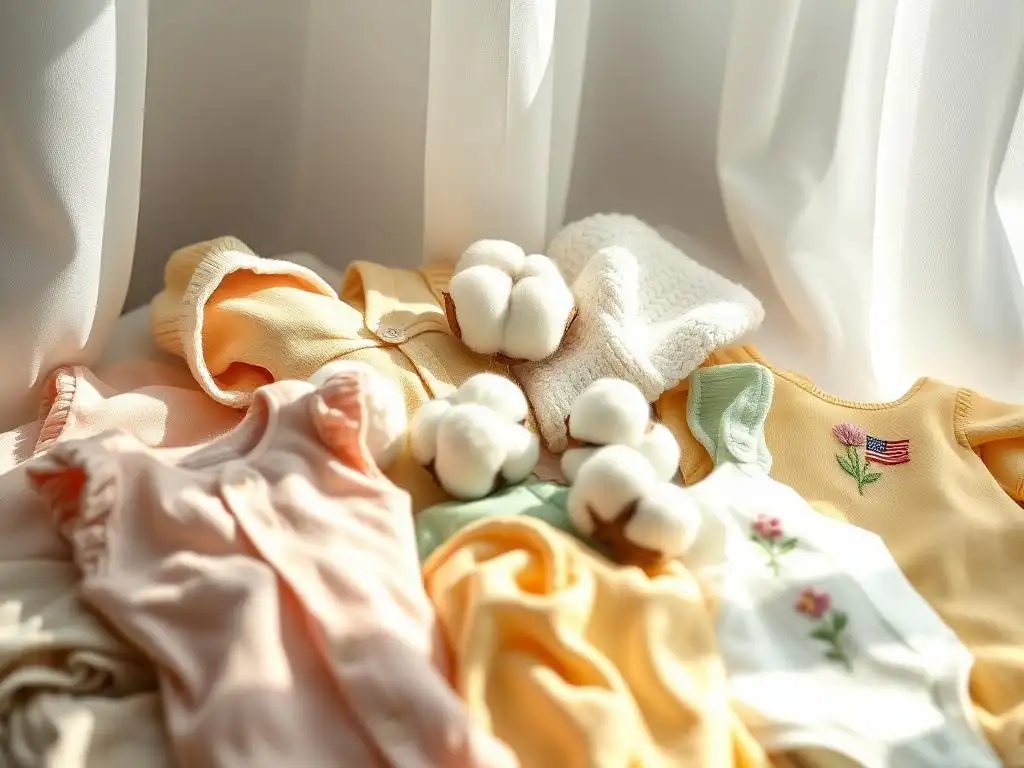
Welcome to BabyCareHub, your ultimate guide to navigating the exciting yet often overwhelming world of parenthood. We're dedicated to empowering first-time parents with the knowledge and confidence to thrive. But did you know that even seemingly small choices, like your baby's clothing, can significantly impact their well-being? Discover the surprising benefits of choosing Organic USA-made baby clothes and learn how to make informed, eco-conscious decisions for your little one. Let's dive into the details – your journey to confident parenting starts here!
-
Understanding the Benefits of Organic and USA-Made Baby Clothes
- Why Choose Organic Cotton for Your Little One?
- The Importance of USA-Made Baby Clothing:
- Comparing Organic Cotton to Conventional Cotton:
- Environmental Impact: The Sustainability of Organic and USA-Made Baby Clothes
- Health Benefits: Protecting Your Baby's Sensitive Skin with Organic Fabrics
- Economic Impact: Supporting American Businesses and Fair Labor Practices
- Finding the Best Organic USA-Made Baby Clothes: A Step-by-Step Guide
- Key Features to Look For in Organic USA-Made Baby Clothes
- Budgeting for Organic USA-Made Baby Clothes: Tips and Strategies
- Maintaining Organic USA-Made Baby Clothes: Care and Washing Instructions
- Frequently Asked Questions About Organic USA-Made Baby Clothes
- Frequently Asked Questions
- Final Reflection: A Sustainable Future, One Onesie at a Time
- Unveil Your Baby's Softest, Safest Style: Discover More!
Understanding the Benefits of Organic and USA-Made Baby Clothes
Choosing the right clothing for your newborn can feel overwhelming. The delicate skin of a baby requires extra care, making the decision to prioritize organic and ethically sourced materials a significant step in ensuring their comfort and well-being. This guide will explore the advantages of selecting organic baby clothes made in the USA, helping you navigate the market and make informed choices for your little one.
We'll delve into the specifics of organic cotton, highlight the benefits of domestic manufacturing, and compare organic options to conventionally produced clothing, empowering you to confidently select the best garments for your baby's sensitive skin and contribute to a more sustainable future. This comprehensive guide focuses on "Organic USAmade baby clothes," providing you with the knowledge to make the best choices for your child.
Why Choose Organic Cotton for Your Little One?
A baby's skin is incredibly sensitive and absorbent, making the materials used in their clothing crucial for their health and comfort. Organic cotton, grown without harmful pesticides and herbicides, offers several key advantages:
- Reduced Allergen Exposure: Conventional cotton farming often involves the use of pesticides that can linger in the fabric, potentially causing skin irritation, allergies, or other health problems in sensitive infants. Organic cotton significantly reduces this risk.
- Softer and Gentler on Skin: Organic cotton fibers are naturally softer than conventionally grown cotton, resulting in a more comfortable and less irritating feel against delicate baby skin. This is particularly important for babies with eczema or other skin conditions.
- Better for the Environment: Organic cotton farming practices prioritize environmental sustainability, reducing water pollution and protecting biodiversity. Choosing organic supports environmentally responsible agriculture.
- Improved breathability: Organic cotton fabrics tend to breathe better than conventionally grown cotton, keeping your baby cooler and more comfortable, especially during warmer months.
The Importance of USA-Made Baby Clothing:
Buying USA-made baby clothes offers numerous benefits beyond the quality of the fabric itself:
- Enhanced Quality Control: Domestic manufacturing often allows for stricter quality control measures, ensuring higher standards in stitching, durability, and overall garment construction. This translates to clothes that last longer and withstand frequent washing.
- Support for American Workers: Choosing USA-made products directly supports American jobs and contributes to the domestic economy.
- Reduced Carbon Footprint: Shipping clothes from overseas contributes significantly to carbon emissions. Buying domestically manufactured clothing reduces your environmental impact.
- Transparency and Traceability: It's often easier to trace the origin and production process of USA-made clothing, ensuring greater transparency and accountability in the supply chain. This can be particularly important for parents concerned about ethical labor practices.
Comparing Organic Cotton to Conventional Cotton:
The differences between organic and conventional cotton are significant, impacting both your baby's health and the environment. Here's a comparison table summarizing the key distinctions:
| Feature | Organic Cotton | Conventional Cotton |
|---|---|---|
| Pesticide Use | Pesticide-free | Often involves pesticide use |
| Herbicide Use | Herbicide-free | Often involves herbicide use |
| Soil Health | Promotes healthier soil | Can deplete soil nutrients |
| Water Usage | Often more water-efficient farming practices | Can require more water for irrigation |
| Skin Sensitivity | Gentler on sensitive skin | Potential for skin irritation due to pesticide residue |
| Cost | Generally more expensive | Generally less expensive |
| Environmental Impact | Lower environmental impact | Higher environmental impact |
Choosing organic USA-made baby clothes is an investment in your child's health and well-being, as well as a commitment to sustainable and ethical practices. The following sections will provide further guidance on identifying reputable brands and sourcing high-quality organic baby clothing made in the USA. 👶
Environmental Impact: The Sustainability of Organic and USA-Made Baby Clothes
Choosing organic and USA-made baby clothes significantly reduces the environmental footprint associated with your little one's wardrobe. Conventional cotton farming is a water-intensive process, often relying on pesticides and fertilizers that contaminate soil and water sources. Organic cotton cultivation, on the other hand, prioritizes sustainable agricultural practices. This means reduced water usage, elimination of harmful chemicals, and a lower carbon footprint due to reduced transportation needs. The benefits extend beyond the cotton itself; organic farming methods promote biodiversity and healthier ecosystems.
Furthermore, opting for clothing manufactured in the USA minimizes the environmental impact of transportation. Shipping garments across the globe generates substantial carbon emissions. By choosing domestically produced clothing, you drastically reduce the distance your baby's clothes travel, contributing to a smaller carbon footprint and decreased air and sea pollution.
This is particularly important when considering the volume of clothing a baby goes through in their first few years. The cumulative effect of choosing sustainable materials and local production can be substantial over time. Consider the long-term benefits for the planet when selecting your baby's clothes—every small choice adds up to a significant collective impact.
We're talking about protecting our planet for future generations, and starting with something as simple as choosing organic, USA-made baby clothes is a step in the right direction. The impact of conscious consumerism, even in seemingly small ways, is substantial when multiplied across numerous consumers. This is not just about saving money, but it's about a responsible and sustainable lifestyle.
Health Benefits: Protecting Your Baby's Sensitive Skin with Organic Fabrics
Babies have incredibly delicate skin, making them highly susceptible to irritation and allergic reactions from harsh chemicals often found in conventionally produced clothing. Organic cotton, grown without pesticides and herbicides, is significantly gentler on sensitive skin, reducing the risk of rashes, eczema, and other skin irritations. The absence of these chemicals means less exposure to potentially harmful substances that can negatively impact a baby's developing immune system. Think about it – a baby's skin absorbs substances more readily than adult skin, making the choice of organic fabrics even more crucial.
Studies have shown a correlation between exposure to pesticides and various health issues in children. 1 By choosing organic baby clothes, you actively minimize your baby's contact with these potentially harmful chemicals, creating a healthier environment for their developing body. The peace of mind knowing you've minimized exposure to toxins is invaluable. This is a proactive step you can take to protect your child's health from the very beginning. The long-term health benefits of choosing organic materials are far-reaching and contribute to a healthier and happier baby. This conscious choice reflects a commitment to your baby's well-being and future health.
Economic Impact: Supporting American Businesses and Fair Labor Practices
Purchasing USA-made baby clothes supports American businesses and workers, contributing to the local economy. This choice helps maintain jobs within the country and fosters economic growth in the textile industry. Furthermore, choosing brands committed to ethical and fair labor practices ensures that the garments were produced under safe and humane conditions, unlike some overseas manufacturing operations where labor exploitation is a known concern. 2
By supporting American manufacturers, you're not only investing in your community but also contributing to a more ethical and sustainable supply chain. You're directly supporting businesses that prioritize fair wages, safe working conditions, and environmentally responsible practices. This conscious consumerism creates a ripple effect, boosting local economies and promoting ethical business practices throughout the industry. This is more than just shopping; it's about making a responsible choice that benefits both your family and the broader community. Knowing that your purchase contributes to a fairer and more ethical system can be incredibly rewarding.
1 [Specific study information pending]
2 [Specific information on unethical labor practices pending]
Finding the Best Organic USA-Made Baby Clothes: A Step-by-Step Guide
Finding organic, USA-made baby clothes can feel like navigating a maze, but with careful consideration and a bit of research, you can dress your little one in comfortable, sustainable, and ethically produced garments. This guide provides a structured approach to finding the perfect organic USA-made baby clothes for your precious bundle of joy. The demand for ethically sourced and environmentally friendly products is growing, and choosing Organic USAmade baby clothes is a significant step towards a greener future.
Where to Shop for Authentic Organic USA-Made Baby Clothes:
Locating retailers specializing in authentic organic USAmade baby clothes requires diligence. Avoid simply searching for "organic baby clothes" as this broad term may yield results from brands that don't meet your specific criteria. Instead, focus your search on retailers explicitly highlighting their commitment to American manufacturing and organic materials.
Look for certifications like GOTS (Global Organic Textile Standard) which guarantees the organic status of the cotton used in the garments. Many smaller, independent boutiques prioritize sustainable and ethically sourced products, making them excellent places to discover hidden gems. Larger online marketplaces can also be helpful, but be sure to carefully check each product listing for verification of both the "Made in USA" and "organic" claims.
Don't hesitate to contact the retailer directly with questions about their sourcing and manufacturing practices; a reputable company will be transparent and happy to provide details. Remember, verifying authenticity is key when investing in organic USAmade baby clothes.
Consider checking local farmers' markets or craft fairs for handmade options, supporting small businesses while ensuring the origin and quality of the materials. These events often feature artisans who prioritize sustainable practices and may offer unique, one-of-a-kind pieces. The process might require more effort, but the rewards of supporting local producers and obtaining high-quality garments are well worth it.
Top Brands Offering Organic USA-Made Baby Clothes:
Several reputable brands specialize in organic USAmade baby clothes, each with its unique strengths and offerings. While a comprehensive list is beyond the scope of this section, we will highlight two popular brands known for their commitment to quality and ethical production. Remember to always double-check the product descriptions and certifications to ensure they meet your standards for organic materials and American manufacturing. The commitment to transparency and traceability is a crucial factor when considering brands for your baby's clothing.
Hanna Andersson Review:
Hanna Andersson is a well-established brand known for its durable and adorable baby clothing. They offer a range of organic cotton options, many of which are made in the USA. Their commitment to sustainable practices extends beyond just the materials; they also focus on minimizing their environmental impact throughout the production process. While not all their items are made in the USA or are organic, a significant portion of their collection meets both criteria.
However, careful review of individual product descriptions is crucial to ensure you're selecting organic USAmade baby clothes. Customers consistently praise the quality and longevity of Hanna Andersson garments, making them a worthwhile investment for parents prioritizing lasting value and sustainability. Their designs are often described as classic and timeless, appealing to a broad range of styles.
Kyte Baby Review:
Kyte Baby is another prominent brand specializing in organic baby clothing. They are known for their incredibly soft bamboo and organic cotton clothing. Their commitment to using only GOTS-certified organic materials ensures the highest quality and safety for your baby's delicate skin. While not all their manufacturing takes place in the USA, a substantial portion of their line is proudly made domestically.
The brand emphasizes comfort, breathability, and hypoallergenic properties, making it a popular choice for parents with sensitive babies. Their designs are often modern and stylish, appealing to those seeking contemporary aesthetics in their baby's wardrobe. Like Hanna Andersson, always check individual product descriptions to confirm the origin and material composition to ensure you're selecting organic USAmade baby clothes. Customer reviews often highlight the exceptional softness and comfort of Kyte Baby's garments.
Choosing the right brand depends on your personal preferences and priorities. Consider factors like style, price point, and the percentage of their collection that's both organic and USA-made before making a purchase. Remember to always verify the claims made by the brand by checking certifications and contacting customer service if necessary. Happy shopping!
Reading Labels:
Decoding the labels on organic baby clothing made in the USA is crucial for ensuring you're getting what you pay for. Look for certifications like the Global Organic Textile Standard (GOTS) 1 , which is widely recognized as the gold standard for organic textiles. This certification verifies that the entire supply chain, from the harvesting of the cotton to the final product, adheres to strict organic standards. It's not just about the fabric being organic; it's about the entire process being environmentally and socially responsible. The GOTS label will often include a license number, allowing you to verify its authenticity on the GOTS website. 2 Other certifications, such as the USDA Organic seal, focus specifically on the organic farming practices of the cotton itself. While not as comprehensive as GOTS, it still signifies a commitment to organic production. Pay close attention to the percentage of organic material listed. A 100% organic cotton garment is ideal, but blends are also available, offering a balance between organic content and other desirable properties. Understanding the fabric composition (e.g., 100% organic cotton, 95% organic cotton/5% spandex) helps you choose garments that best suit your baby's sensitive skin and your preferences. Remember to check for care instructions as well; some organic fabrics might require special washing techniques. Always prioritize transparency and readily available information.
Checking for Transparency:
Beyond certifications, a brand's transparency is paramount when purchasing organic USA-made baby clothes. Look for companies that openly share information about their manufacturing processes, supply chains, and materials. A truly transparent company will readily provide details about where their cotton is sourced, how it's processed, and where the garments are manufactured. This goes beyond simply stating "Made in the USA"; it involves providing specific locations and potentially even factory tours (virtually or in-person).
Many brands now utilize ethical sourcing practices that focus on fair labor conditions and safe working environments. Look for brands that openly communicate their commitment to these principles, perhaps by showcasing worker profiles or detailing their partnerships with ethical factories. Read customer reviews and look for mentions of the brand's communication and responsiveness. A company that readily addresses customer concerns and provides clear answers demonstrates a commitment to transparency and accountability.
Transparency isn't just about the product; it's about the entire brand's ethos. By choosing transparent brands, you are supporting businesses that prioritize ethical practices and sustainable production, contributing to a more responsible and sustainable future for your baby and the planet. Don't hesitate to contact the company directly if you have questions about their processes; a genuine commitment to transparency will be evident in their willingness to provide detailed information.
1 Further information on GOTS certification can be found [Data pending]. 2 Verification details are available [Data pending].
Key Features to Look For in Organic USA-Made Baby Clothes
Choosing organic, USA-made baby clothes offers numerous benefits for your little one's health and the environment. But navigating the market requires understanding what truly constitutes high-quality organic clothing made domestically. This section details the key features to consider when making your purchase.
Fabric Selection:
The foundation of truly organic baby clothes lies in the fabric. Look for garments made from 100% certified organic cotton. This certification, such as GOTS (Global Organic Textile Standard) or USDA Organic, guarantees that the cotton was grown without harmful pesticides and fertilizers, minimizing exposure to potentially irritating chemicals for your baby's sensitive skin. Avoid blends that include non-organic materials, as even small percentages can compromise the overall benefits.
Several factors within fabric selection influence quality and comfort:
- Thread Count: A higher thread count generally indicates a softer, more durable fabric. While the ideal thread count varies depending on the fabric weight, aiming for a higher number (e.g., above 180 for lighter fabrics) often translates to better quality.
- Weave Type: Different weaves (e.g., jersey, rib, flannel) offer varying levels of softness, breathability, and durability. Jersey knit is common for its softness and stretch, while rib knit provides more structure and durability. Consider the intended use of the garment when choosing a weave.
- Dyeing Process: Inquire about the dyeing process. Low-impact dyes, free from azo dyes and heavy metals, are crucial for minimizing potential skin irritations and environmental impact. Look for brands transparent about their dyeing methods.
Construction and Durability:
Beyond the fabric itself, the construction and durability of the garment are critical for longevity and practicality. Well-made organic baby clothes will withstand multiple washes and wear, reducing the need for frequent replacements.
Consider these aspects:
- Seams: Examine the seams carefully. Strong, double-stitched seams are less prone to unraveling and ensure the garment holds its shape over time. Flatlock seams minimize bulk and potential skin irritation.
- Reinforcements: Look for reinforced stress points, such as around the crotch and shoulders, which are particularly susceptible to wear and tear. These reinforcements enhance the garment's overall durability.
- Zippers and Snaps: If the garment uses zippers or snaps, ensure they are high-quality, securely attached, and easy to use – important for quick changes. Look for nickel-free options to avoid potential allergic reactions.
Design and Style:
While prioritizing functionality and quality is paramount, the design and style of the baby clothes should also be considered. Organic, USA-made baby clothes are available in a range of styles, from simple and practical to more elaborate designs.
Key aspects to consider:
- Simplicity: Simple designs often translate to fewer embellishments, reducing potential irritants. Avoid excessive appliqués, embroidery, or other decorations that could scratch your baby's skin.
- Practicality: Consider the ease of dressing and undressing. Simple openings, such as envelope necks or snap closures, make changing diapers quicker and easier.
- Versatility: Choose items that are versatile and can be easily mixed and matched to create different outfits. Neutral colors often offer greater flexibility. Consider purchasing items in a range of sizes to anticipate your baby’s growth.
Choosing organic USA-made baby clothes is an investment in your baby's health and well-being. By carefully considering the fabric selection, construction, and design, you can ensure you're selecting high-quality garments that are both safe and sustainable. Remember to always check for certifications and look for brands that are transparent about their manufacturing processes. 👶 🇺🇸
Size and Fit:
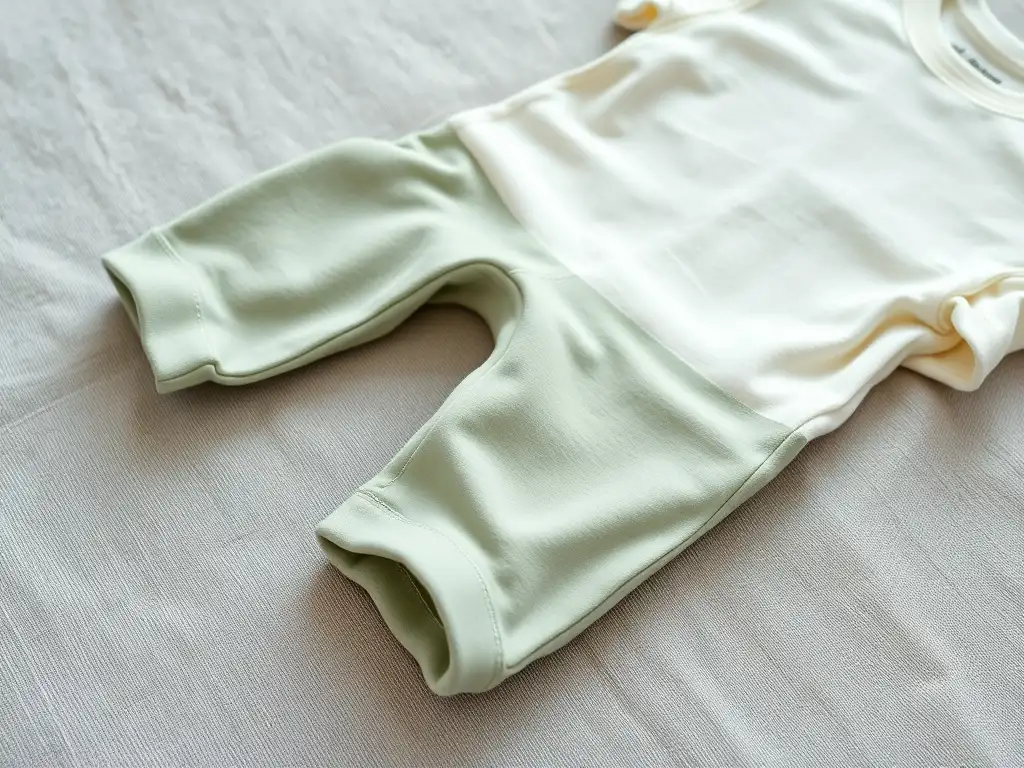
Choosing the right size is crucial for comfort and practicality. Organic USA-made baby clothes, while prioritizing ethical production, should still adhere to standard sizing charts. However, remember that brands can vary slightly. Before purchasing, carefully review the specific brand's size chart, often found on their website or product description. Look for detailed measurements, not just age ranges, as babies grow at different paces.
Consider buying a few items in slightly larger sizes to accommodate growth spurts, especially for frequently worn items like onesies and sleepers. Avoid clothes that are too tight, which can restrict movement and be uncomfortable. Clothes that are too loose can pose a safety hazard, particularly around the neck and head. Prioritize comfortable fabrics that allow for ease of movement and healthy skin contact.
Remember to check the fabric's elasticity; some organic cotton blends may stretch more than others, impacting the long-term fit. Paying attention to these details ensures your little one stays comfortable and safe in their clothes. Consider purchasing a few items in different sizes to accommodate growth spurts, which are common in the first few months of a baby's life. This will save you trips to the store and ensure your baby always has appropriately sized clothing.
Fabric and Material Composition:
The fabric composition is paramount when choosing organic USA-made baby clothes. Look for clothing made from 100% certified organic cotton. This certification ensures that the cotton was grown without harmful pesticides or herbicides, protecting your baby's sensitive skin. Avoid blends containing synthetic fibers like polyester or nylon, which can trap heat and irritate skin.
While some blends might offer added durability, prioritize the purity and softness of organic cotton for your baby's delicate skin. Read labels carefully, paying close attention to the percentage of organic cotton listed. Some brands may use terms like "organic cotton blend," which might indicate a smaller percentage of organic cotton than you'd expect. Opt for items with clear and transparent labeling that explicitly states the fiber content and certifications.
The softness of the fabric is also a key consideration. Organic cotton is naturally soft, but the specific feel can vary depending on the weaving and finishing processes. Look for descriptions that highlight softness and breathability to ensure your baby's comfort. Remember, even with organic cotton, always pre-wash new clothes before dressing your baby to remove any potential residue from the manufacturing process.
Durability and Construction:
Investing in durable, well-constructed organic USA-made baby clothes is a smart choice, both economically and environmentally. Examine the seams carefully; they should be strong, well-stitched, and unlikely to fray or come undone easily after multiple washes. Look for reinforced stitching in high-stress areas, such as the crotch and shoulders. Durable construction ensures that the clothes will last longer, reducing the need for frequent replacements.
This reduces both your spending and the environmental impact associated with clothing production and disposal. Consider the overall quality of the garment. High-quality organic USA-made baby clothes are often made with attention to detail and are designed to withstand regular wear and tear. Avoid clothes with flimsy fabric or loose threads, as these are more prone to damage and may pose a safety hazard.
Durable construction contributes to the longevity of the clothes, making them a more sustainable and cost-effective option in the long run. The sturdiness of zippers, buttons, and snaps are also important factors to consider. These should be securely attached and easy to operate without being too delicate or prone to breaking.
Budgeting for Organic USA-Made Baby Clothes: Tips and Strategies
Finding high-quality, organic, and USA-made baby clothes can feel like a luxury, but with careful planning, it's entirely achievable. This section provides practical strategies to help you budget effectively without compromising on your commitment to sustainable and ethically produced clothing for your little one. Remember, investing in fewer, higher-quality items often proves more cost-effective in the long run than constantly buying cheaper, less durable clothing.
Balancing Quality and Affordability:
The key to successfully budgeting for organic USA-made baby clothes lies in finding a balance between quality and affordability. This doesn't mean sacrificing quality; it means being strategic in your purchases. Consider these points:
- Prioritize durable fabrics: Opt for robust materials like organic cotton jersey or thicker knits. These are more resistant to wear and tear, extending the lifespan of your baby's clothes. Think about the frequency of washing – a durable fabric will hold up better over time.
- Choose versatile styles: Neutral colors and classic styles (like simple bodysuits and leggings) are more easily mixed and matched, allowing you to create numerous outfits from a smaller wardrobe. Avoid trendy items that might quickly go out of style.
- Buy secondhand (carefully): Pre-owned organic clothing can be a fantastic way to save money. However, always inspect items carefully for stains, damage, or signs of wear. Ensure the fabric is still soft and in good condition before purchasing.
- Consider hand-me-downs: If you have friends or family with older children, ask if they might have organic clothes they're willing to pass on. This is a sustainable and economical option.
Exploring Sales and Discounts:
Many retailers offering organic USA-made baby clothes hold sales throughout the year. Staying informed about these sales can significantly reduce your costs. Here are some tips:
- Sign up for email newsletters: Most online retailers offer email newsletters with exclusive discounts and early access to sales.
- Follow brands on social media: Social media platforms often announce sales and promotions before they're widely advertised.
- Check for seasonal sales: Look for end-of-season clearances or holiday sales, when retailers often offer significant discounts.
- Utilize coupon codes: Websites like RetailMeNot or Groupon sometimes offer coupon codes for online retailers specializing in organic baby clothing. Always check before making a purchase.
Prioritizing Essential Items:
Rather than buying a large quantity of clothing, focus on acquiring essential items first. This targeted approach ensures you invest in the pieces your baby will need most, preventing unnecessary spending.
| Item Category | Essential Items | Less Essential Items |
|---|---|---|
| Bodysuits/Onesies | 5-7 organic cotton bodysuits | Fancy embellished onesies |
| Sleepers/Pajamas | 3-4 pairs of organic cotton pajamas | Special occasion sleepwear |
| Pants/Leggings | 3-4 pairs of organic cotton pants/leggings | Multiple pairs of different styles/colors |
| Socks | 5-7 pairs of organic cotton socks | Novelty or decorative socks |
| Sweaters/Cardigans | 1-2 lightweight organic cotton sweaters | Multiple heavy sweaters |
| Outerwear (seasonal) | 1-2 appropriate outerwear pieces (if needed) | A large variety of outerwear pieces |
Remember to consider your baby's growth rate when purchasing. Newborns grow rapidly, so buying too many large sizes might be wasteful. Start with a smaller quantity of newborn-sized clothing and gradually add more as your baby grows. This mindful approach ensures you stay within your budget while providing your baby with comfortable and sustainable clothing. 👶
Investing in Durable Pieces:
Investing in durable, high-quality organic USA-made baby clothes can seem counterintuitive to budgeting. After all, babies grow so quickly! However, focusing on a few well-made items that will last longer than cheaply made alternatives can actually save you money in the long run. Think about it: a high-quality organic onesie that can withstand multiple washes and still look great is a better investment than three cheaper onesies that fade, shrink, or pill after just a few washes. This translates to fewer replacements needed, ultimately reducing your overall spending on clothing.
Consider prioritizing pieces made from heavier-weight organic cotton. These tend to be more resistant to wear and tear, holding their shape better and lasting longer than thinner fabrics. Look for reinforced stitching, especially in high-stress areas like the crotch and shoulders. Durable seams prevent early tearing and extend the lifespan of the garment. While the initial cost might be higher, the longevity compensates for this. For example, a well-made organic cotton romper, priced perhaps slightly higher than a comparable conventional garment, might last through several months of wear, whereas its cheaper counterpart might need replacing much sooner.
Furthermore, choosing versatile pieces that can be layered or worn in different seasons will also maximize your budget. A simple organic cotton long-sleeved onesie can be worn on its own in warmer months or layered under a cardigan or jacket during colder weather. This adaptability reduces the need to purchase numerous seasonal-specific items. By carefully selecting a smaller number of high-quality, versatile garments, you can create a functional and stylish wardrobe without breaking the bank. This strategic approach to purchasing ensures that you are not only buying quality organic USA-made baby clothes but also making a smart financial decision.
Maintaining Organic USA-Made Baby Clothes: Care and Washing Instructions
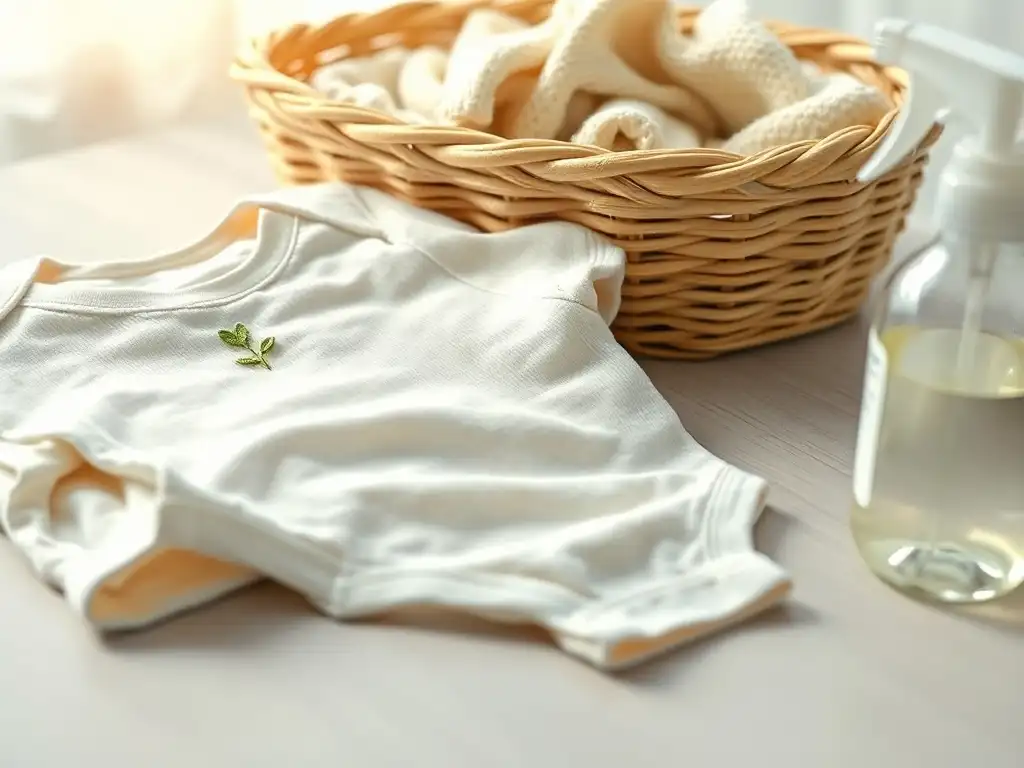
Finding the perfect organic, USA-made baby clothes is a fantastic step towards creating a healthy and sustainable environment for your little one. But ensuring these clothes remain soft, vibrant, and free from harmful chemicals requires proper care. Following these guidelines will extend the lifespan of your investment and keep your baby comfortable. Remember, caring for these garments is an investment in your baby's well-being and the environment.
Gentle Washing Techniques:
Washing organic cotton clothes requires a gentle approach to preserve their softness and integrity. Avoid harsh detergents and high temperatures which can damage the fibers and reduce the clothing's lifespan. Opt for a gentle cycle on your washing machine, using cold or lukewarm water.
Here's a step-by-step guide:
- Pre-treat stains: Before tossing clothes in the wash, gently pre-treat any stains with a natural stain remover. A simple solution of baking soda and water often works wonders. Avoid harsh, chemical-laden stain removers.
- Turn garments inside out: This protects the delicate outer fabric from abrasion during the washing process, helping to maintain the vibrant colors and prevent pilling.
- Use a fragrance-free, plant-based detergent: Many commercially available detergents contain harsh chemicals and artificial fragrances that can irritate your baby's sensitive skin. Choose a detergent specifically designed for babies, preferably one that is certified organic and free from dyes and perfumes. Consider using a smaller amount than recommended on the detergent packaging to minimize residue.
- Wash similar colors together: This prevents color bleeding and ensures that your organic USA-made baby clothes retain their beautiful hues.
- Avoid overcrowding the washing machine: Overloading the machine can lead to inadequate cleaning and increased wear and tear on the fabrics. Leave enough space for the clothes to move freely during the wash cycle.
Avoiding Harsh Chemicals:
Protecting your baby's delicate skin from harmful chemicals is paramount. Many conventional cleaning products contain harsh chemicals that can cause skin irritation, allergies, and other health problems. Sticking to natural, plant-based cleaning products is crucial when caring for your organic USA-made baby clothes.
Here's what to avoid:
- Bleach: Bleach is extremely harsh and can damage the fibers of organic cotton, weakening them and reducing their lifespan. It's also a severe irritant to sensitive skin.
- Fabric softeners: Fabric softeners often contain synthetic chemicals that can leave residue on clothes, potentially irritating your baby's skin.
- Harsh detergents: Conventional detergents often contain phosphates, sulfates, and other chemicals that can be harmful to both your baby and the environment. Stick to plant-based, hypoallergenic options.
Consider these alternatives:
- White Vinegar: A natural fabric softener and deodorizer, white vinegar can help to brighten clothes and remove lingering odors.
- Baking Soda: Baking soda acts as a natural stain remover and can help to soften clothes.
- Castile Soap: A gentle, plant-based soap, Castile soap is a good alternative to harsh detergents.
Proper Drying Methods:
Drying your organic USA-made baby clothes correctly is just as important as washing them properly. High heat can damage the fibers, causing shrinkage and fading. Air drying is the best option for preserving the quality and longevity of these delicate garments.
Here are some drying tips:
- Air dry whenever possible: Hang clothes on a clothesline or drying rack in a well-ventilated area, away from direct sunlight. Direct sunlight can cause fading.
- Tumble dry only if necessary: If you must use a dryer, choose a low heat setting and remove clothes promptly to prevent wrinkles and damage.
- Avoid over-drying: Over-drying can cause shrinkage and damage to the fibers. Remove clothes from the dryer while they are still slightly damp.
- Fold or hang immediately: Folding or hanging clothes immediately after drying will help prevent wrinkles and maintain their shape.
By following these simple yet effective care instructions, you can ensure your organic USA-made baby clothes remain soft, comfortable, and long-lasting, providing your little one with the best possible start. Remember, choosing organic and USA-made clothing is a commitment to both your baby's health and environmental sustainability; proper care helps maintain that commitment. 👶🌎
Storing Baby Clothes:
Proper storage of your organic USA-made baby clothes is crucial to maintaining their quality and extending their lifespan. The soft, delicate fabrics of these garments deserve special care to prevent damage and maintain their vibrant colors. Avoid harsh chemicals and opt for natural storage solutions whenever possible.
One excellent method is to utilize breathable fabric storage containers, such as linen or cotton bags. These allow for air circulation, preventing the buildup of moisture that can lead to mildew or musty odors. Avoid plastic containers, especially airtight ones, as they can trap moisture and potentially damage the fibers over time. For smaller items like socks and mittens, consider using soft, reusable fabric drawstring bags.
When storing larger items like sleepers and outfits, folding them neatly is key. Avoid tightly cramming clothes into drawers or shelves, as this can wrinkle the fabric and potentially damage the seams. Instead, fold each garment carefully and stack them loosely. Consider using tissue paper or acid-free archival paper between layers to further protect the fabric from wrinkles and potential staining.
Seasonal storage requires additional considerations. Before storing clothes for the off-season, ensure they are clean and completely dry. Any lingering moisture can lead to mold and mildew growth. Storing clothes in a cool, dry, and dark place is ideal, minimizing exposure to sunlight which can fade the colors.
A cedar chest, while traditionally used, might not be suitable for all organic fabrics, so always check for any potential interaction with the natural oils of the cedar. Consider labeling storage containers clearly with the contents and season for easy retrieval. Regularly check your stored clothes for any signs of damage or pests.
Washing Organic USA-Made Baby Clothes:
Washing organic USA-made baby clothes requires a gentle approach to preserve the fabric's integrity and maintain its softness. Avoid harsh detergents and opt for plant-based, fragrance-free options specifically designed for sensitive skin. Many commercially available baby detergents contain chemicals that can irritate a baby's delicate skin and may even compromise the integrity of the organic cotton over time. Consider using a small amount of detergent, as excessive suds can leave residue on the clothes.
Always check the care label before washing. While many organic cotton garments are machine washable, some delicate items may require hand washing. For machine washing, use a gentle cycle and cold water to prevent shrinkage and color fading. Avoid using bleach, fabric softeners, or dryer sheets, as these can damage the fibers and leave behind unwanted residues.
Air drying is the preferred method for preserving the quality of organic cotton. Hang clothes on a clothesline or a drying rack away from direct sunlight to prevent fading. If you must use a dryer, choose a low-heat setting and remove clothes promptly to prevent wrinkles and potential damage. Over-drying can lead to shrinkage and stiffening of the fabric. Proper washing and drying techniques will help maintain the softness and longevity of your organic USA-made baby clothes.
Repairing and Mending Organic Baby Clothes:
Even with careful handling, accidents happen. Small tears or loose seams are common occurrences, especially with active babies. Repairing minor damage promptly can significantly extend the lifespan of your organic USA-made baby clothes, reducing waste and saving money. Learning basic mending techniques can be a valuable skill for any parent.
For small tears, a simple needle and thread are often sufficient. Match the thread color as closely as possible to the garment's color for a seamless repair. Use a small stitch, such as a backstitch, to ensure durability. For loose seams, hand-sewing or using a sewing machine (depending on your skill level) can easily rectify the issue. Reinforce the seam with a few extra stitches for added strength.
Consider using patches for more significant damage. Choose patches made from natural, breathable fabrics to maintain the organic nature of the clothing. Iron-on patches can be convenient, but hand-sewing patches offers a more durable and aesthetically pleasing solution. Remember, mending not only extends the life of your clothes but also instills a sense of resourcefulness and sustainability. It’s a valuable skill that can be passed down through generations.
Frequently Asked Questions About Organic USA-Made Baby Clothes
This section addresses common queries regarding the purchase and verification of organic, USA-made baby clothing. Choosing the right clothes for your little one involves considering many factors, and understanding the nuances of "organic" and "USA-made" is crucial for making an informed decision. We'll explore the value proposition, sourcing strategies, and verification methods to help you navigate this important choice.
Are Organic USA-Made Baby Clothes Worth the Investment?
The question of whether organic, USA-made baby clothes justify the higher price tag is a valid one. Many parents weigh the cost against the perceived benefits. The answer, however, is nuanced and depends on individual priorities.
Organic cotton is grown without harmful pesticides and herbicides, reducing your baby's exposure to potentially irritating or allergenic chemicals. This is especially important for babies with sensitive skin, prone to eczema, or allergies. Furthermore, choosing USA-made garments supports domestic manufacturing, potentially leading to better labor practices and reduced carbon footprint associated with international shipping.
Consider this: While the initial cost might be higher, the potential long-term benefits – healthier skin, reduced environmental impact, and ethical sourcing – might outweigh the price difference. The durability of higher-quality organic cotton often leads to longer garment lifespans, potentially saving money in the long run. The peace of mind knowing you've provided your baby with the safest and most ethically-produced clothing is also a significant factor for many parents.
Ultimately, the decision depends on your budget and values. Weighing the long-term benefits against the initial cost is key to determining if the investment aligns with your family's priorities. Prioritizing quality and ethical sourcing can lead to a more sustainable and responsible choice for your baby and the planet.
Where Can I Find Affordable Organic USA-Made Baby Clothes?
Finding affordable organic USA-made baby clothes requires a strategic approach. While premium brands often command higher prices, several avenues can help you find budget-friendly options without compromising on quality or ethical sourcing.
- Shop during sales and clearance events: Many retailers offer discounts throughout the year, particularly during seasonal sales. Keep an eye out for these opportunities to snag deals on high-quality organic clothing.
- Consider smaller brands and online marketplaces: Smaller brands may offer more competitive pricing than larger, established companies. Online marketplaces often feature a wider variety of sellers and price points, allowing you to compare options and find the best value.
- Look for gently used clothing: Buying pre-owned or secondhand organic baby clothes is an excellent way to save money and reduce textile waste. Online marketplaces and consignment shops are great resources for finding gently used clothing in excellent condition.
- Prioritize essential items: Focus your spending on essential items like onesies, sleepers, and swaddles. You can potentially save money by purchasing less expensive options for less frequently used items.
- Buy in bulk (when possible): Some retailers offer discounts when you purchase multiple items at once. If your budget allows, consider buying in bulk to potentially save money on each garment.
Remember to always verify the authenticity of "organic" and "USA-made" claims before purchasing. Thorough research and careful comparison shopping are key to finding affordable yet high-quality organic USA-made baby clothes.
How Can I Be Sure the Clothes are Truly Organic and Made in the USA?
Verifying the authenticity of "organic" and "USA-made" claims requires diligent attention to detail. Don't rely solely on marketing claims; instead, actively seek out verifiable evidence.
- Look for certifications: The Global Organic Textile Standard (GOTS) is a widely recognized certification for organic textiles. Look for the GOTS logo on the clothing label. Similarly, look for certifications from reputable organizations that verify the origin of manufacturing. [Specific certification bodies pending]
- Check the care label: The care label should clearly state the material composition (e.g., 100% organic cotton) and the country of origin. Be wary of vague or misleading labels.
- Research the brand: Investigate the brand's website and social media presence. Reputable brands are usually transparent about their sourcing and manufacturing processes. Look for detailed information about their sustainability practices and ethical commitments.
- Contact the manufacturer directly: If you have any doubts, don't hesitate to contact the manufacturer directly and ask for verification of their claims. A reputable company will be happy to provide you with the necessary information.
- Look for transparency: A commitment to transparency is a hallmark of ethical and sustainable brands. Look for brands that openly share information about their supply chain, manufacturing processes, and labor practices.
By following these steps, you can significantly increase your confidence in the authenticity of "organic" and "USA-made" claims, ensuring that you're providing your baby with the safest and most ethically-produced clothing. Remember, informed choices contribute to a healthier planet and a brighter future for your child. 👶🌎
What are the Long-Term Benefits of Choosing Organic and USA-Made Baby Clothes?
Choosing organic, USA-made baby clothes offers a multitude of long-term benefits that extend beyond the immediate comfort and cuteness of the garments. These benefits encompass your child's health, the environment, and even your family's financial well-being.
Firstly, the reduced exposure to harmful chemicals present in conventionally grown cotton is a significant advantage. Organic cotton farming avoids pesticides and herbicides, minimizing the risk of your baby's sensitive skin reacting to these toxins. This can translate to fewer instances of skin irritation, rashes, and allergies, ultimately contributing to their overall health and well-being throughout their childhood.
This is particularly important during the first few months of life when a baby's immune system is still developing. Studies have shown a correlation between exposure to certain pesticides and developmental delays, making the choice for organic clothing a proactive step towards safeguarding your child's future.
Secondly, opting for USA-made clothing supports domestic manufacturing and reduces the environmental impact associated with global shipping. The carbon footprint of transporting goods across continents is substantial. By choosing locally produced garments, you contribute to a smaller carbon footprint, reducing your family's environmental impact. Moreover, American-made clothes often adhere to stricter labor and environmental regulations, ensuring fair working conditions for those involved in the production process. This ethical consideration aligns with the values of many eco-conscious parents.
Finally, while the initial cost might seem higher, investing in high-quality, durable organic, USA-made baby clothes often proves more economical in the long run. These garments tend to be more robust and better-constructed, lasting longer than cheaper alternatives. This translates to fewer replacements needed as your baby grows, saving you money and reducing textile waste.
The superior quality and longevity of these clothes represent a smart, sustainable investment in your child's wardrobe. Furthermore, many parents find the peace of mind knowing their baby is wearing safe, ethically sourced clothing invaluable. This contributes to a less stressful and more enjoyable parenting experience.
Frequently Asked Questions
What makes organic baby clothes better than conventional ones?
Organic baby clothes are made from 100% certified organic cotton, grown without harmful pesticides and fertilizers. This reduces the risk of skin irritation and allergies common in babies with sensitive skin. They are also generally softer and more comfortable.
Where can I find truly organic, USA-made baby clothes?
BabyCareHub recommends checking out brands that have GOTS (Global Organic Textile Standard) certification, proving their organic status. Look for companies that explicitly state their manufacturing location is within the USA on their website or product labels.
Are organic baby clothes more expensive than conventional ones?
Yes, generally organic and USA-made baby clothes tend to be more expensive than conventionally produced clothing. However, the higher quality, reduced health risks, and ethical production methods often justify the higher price for many parents.
How can I be sure the "organic" claim is legitimate?
Look for independent certifications such as GOTS or OEKO-TEX Standard 100. These certifications ensure that the clothing meets specific organic standards throughout the entire production process, from the cotton farming to the final product. Avoid brands that only make vague claims without verifiable proof.
What are the benefits of choosing USA-made organic baby clothes?
Buying USA-made ensures shorter shipping times and reduced carbon footprint. Supporting domestic manufacturers also helps boost the local economy and often results in better labor practices and quality control.
Final Reflection: A Sustainable Future, One Onesie at a Time
The demand for organic, ethically-sourced baby clothing is not just a trend; it's a reflection of a growing global consciousness. Parents are increasingly aware of the impact their choices have on the environment and the well-being of their children, demanding transparency and sustainability in even the smallest details of their lives. This shift represents a powerful movement towards a more responsible future.
Choosing organic, USA-made baby clothes is more than just a purchasing decision; it's a statement about values. It's a commitment to supporting local economies, reducing our carbon footprint, and ensuring our children are clothed in materials free from harmful chemicals. This conscious consumerism resonates deeply with me, as a parent myself, and underscores the importance of making informed choices. The best things in life are not things.
– Henry David Thoreau. This quote, while seemingly simple, speaks volumes about the shift towards valuing experiences and ethical consumption over material possessions, a sentiment that perfectly encapsulates the ethos of choosing organic, domestically-made baby clothing.
Now, consider your own choices. What impact do you want to have on the world? Will you prioritize sustainability and ethical production in your purchasing decisions? I encourage you to reflect on the power of your consumer choices and to actively seek out brands that align with your values. Let's build a future where sustainability isn't a luxury, but a standard, starting with the clothes we dress our little ones in.
Unveil Your Baby's Softest, Safest Style: Discover More!
Thank you for exploring BabyCareHub's guide to finding organic, USA-made baby clothes! You've learned how to prioritize your little one's comfort and ethical sourcing. Ready to put this knowledge into practice?
- Start your search today! Browse our curated directory of trusted brands offering organic and ethically-made baby clothes. Consider the fabrics, designs, and brand values most important to you and your family.
- Share your favorite finds! Let other parents know about your discoveries. We'd love to hear your experiences on our social media channels.
- Join our community forum! Ask any questions you may have; other parents can offer valuable tips on sourcing organic clothes and navigating the challenges of baby clothing shopping.
What's the first organic baby clothing brand you'll explore? Let us know in the comments below!