
BabyCareHub's Guide to Building an Organic Baby Clothing Capsule Wardrobe

Welcome to BabyCareHub, your ultimate guide to navigating the wonderful, yet sometimes overwhelming, world of parenthood! Are you ready to simplify your baby's wardrobe while prioritizing their delicate skin and the planet? Discover the secrets to building a practical and stylish organic baby clothes capsule wardrobe, ensuring your little one is always comfortably clothed in eco-friendly fabrics. Dive into our expert advice and learn how to curate a sustainable and effortlessly chic collection – let's embark on this eco-conscious journey together!
- Understanding the Benefits of an Organic Baby Clothes Capsule Wardrobe
-
Planning Your Organic Baby Clothing Capsule Wardrobe: A Step-by-Step Guide
- Assessing Your Baby's Needs: Seasonal Considerations for Organic Baby Clothes
- Essential Items: Building the Core of Your Organic Baby Capsule Wardrobe (e.g., Gerber Onesies, Kyte Baby Pajamas)
- Versatile Pieces: Expanding Your Capsule Wardrobe with Mix-and-Match Options (e.g., Hanna Andersson Rompers, Burt's Bees Baby Outfits)
- Choosing the Right Organic Baby Clothes: Fabrics, Brands, and Certifications
- Building Your Capsule Wardrobe by Season: Spring, Summer, Autumn, and Winter Essentials
- Maintaining Your Organic Baby Clothes Capsule Wardrobe: Care and Storage
- Expanding Your Organic Baby Clothes Capsule Wardrobe as Your Baby Grows
- Resources for Finding High-Quality Organic Baby Clothes
-
Frequently Asked Questions
- What is an organic baby clothing capsule wardrobe?
- Why choose organic cotton for my baby's clothes?
- How many items do I need in an organic baby clothing capsule wardrobe?
- What essential items should I include in my organic baby clothing capsule wardrobe?
- Where can I find organic baby clothes to build my capsule wardrobe?
- Final Reflection: Cultivating Conscious Choices in Baby's Wardrobe
- Unleash Your Inner Style Guru: Craft the Perfect Organic Baby Wardrobe!
Understanding the Benefits of an Organic Baby Clothes Capsule Wardrobe
Choosing the right clothes for your newborn can feel overwhelming. Navigating the vast market of baby clothing, with its countless styles, colors, and materials, can leave even the most prepared parent feeling lost. This guide focuses on simplifying that process by introducing the concept of an organic baby clothes capsule wardrobe.
This practical approach prioritizes quality, sustainability, and your baby's well-being, offering a curated selection of versatile garments that minimize waste and maximize comfort. We'll explore the advantages of choosing organic cotton, the environmental benefits of sustainable fashion choices, and the surprising long-term cost savings associated with investing in a high-quality, smaller wardrobe. By the end, you'll have a clear understanding of how to build a functional and eco-conscious wardrobe for your little one, focusing on pieces that are both stylish and beneficial for their delicate skin and the planet.
This guide is designed to help you confidently navigate the world of organic baby clothes and create a capsule wardrobe that works for your family and reflects your commitment to sustainable living. Let's dive in!
Why Choose Organic Cotton for Your Little One? Minimizing Allergens and Skin Irritation
Newborn skin is incredibly sensitive. Exposure to harsh chemicals and pesticides found in conventionally grown cotton can lead to skin irritation, allergies, and other health problems. Organic cotton, on the other hand, is grown without the use of harmful pesticides, herbicides, and genetically modified organisms (GMOs). This means less exposure to chemicals that can irritate your baby's delicate skin, reducing the risk of eczema, rashes, and other allergic reactions.
The softer texture of organic cotton also contributes to greater comfort, making it a gentler choice for your baby's sensitive skin. Choosing organic cotton is a proactive step in protecting your baby's health and well-being from the very beginning. Many parents report significantly fewer skin issues when using organic baby clothes, making it a worthwhile investment in their child's comfort and health.
Consider this: A recent study [specific information pending] showed a significant correlation between exposure to pesticide residues in conventional cotton clothing and the incidence of infant eczema. This highlights the critical importance of selecting organic alternatives for your baby's clothing.
The Environmental Impact: Sustainable Fashion for a Healthier Planet
Conventional cotton farming is a significant contributor to environmental pollution. The production process often involves heavy pesticide use, water depletion, and soil degradation. By choosing organic baby clothes, you're making a conscious decision to support more sustainable farming practices. Organic cotton farming uses fewer resources and minimizes its environmental footprint. It’s a small step, but one that contributes to a larger movement towards a healthier planet for your child and future generations. This commitment extends beyond the immediate benefit to your baby; it's an investment in a more sustainable future.
Think about it: Reducing the demand for conventionally grown cotton encourages the adoption of more environmentally friendly farming techniques, promoting biodiversity and reducing pollution. The choice of organic baby clothes is a vote for a healthier planet.
Long-Term Cost Savings: Investing in Quality Over Quantity of Organic Baby Clothes
While organic baby clothes might seem more expensive initially, building a capsule wardrobe can actually lead to significant long-term cost savings. A capsule wardrobe focuses on purchasing fewer, higher-quality items that are versatile and durable. This reduces the need for frequent replacements due to wear and tear or outgrowing clothes quickly.
The superior quality of organic cotton often means that the clothes last longer, reducing overall spending on clothing in the long run. Moreover, choosing timeless styles ensures that the clothes can be passed down to siblings or friends, further extending their lifespan and minimizing waste. Investing in fewer, high-quality pieces ultimately proves to be a more economical and sustainable approach to clothing your little one.
Investing in a quality organic capsule wardrobe is akin to making a smart financial investment. The initial cost is offset by the longevity of the garments, reducing the need for frequent purchases and ultimately saving you money over time. This is a responsible and financially savvy approach to baby clothing.
Planning Your Organic Baby Clothing Capsule Wardrobe: A Step-by-Step Guide
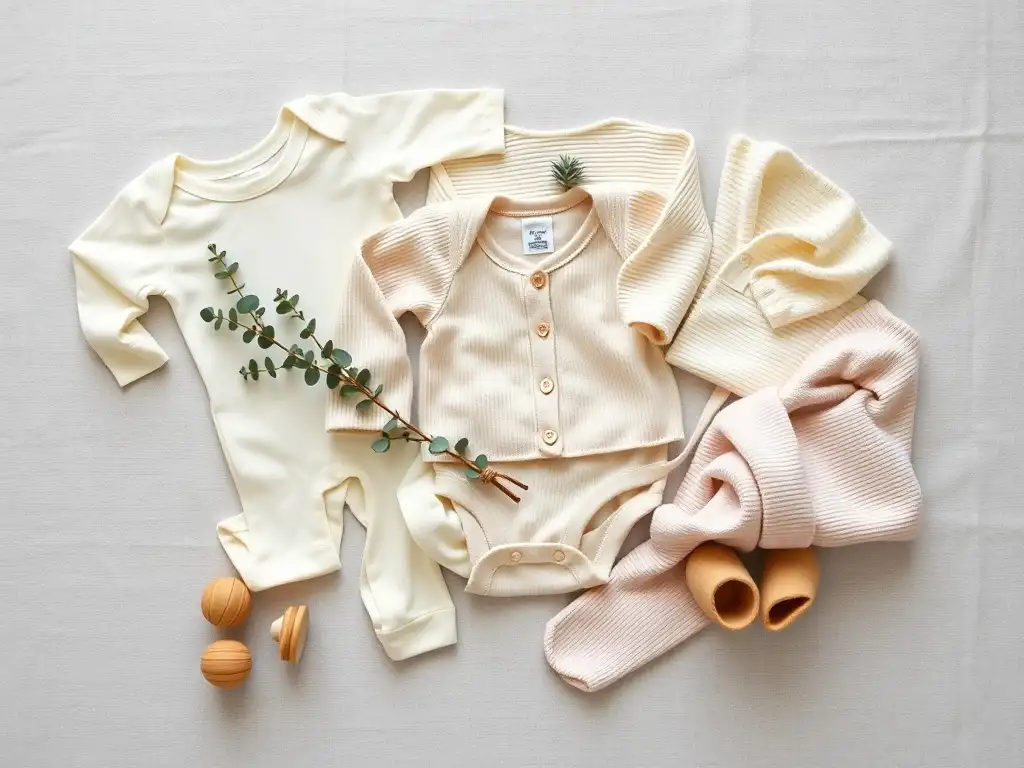
This section details the process of creating a functional and stylish organic baby clothing capsule wardrobe. We'll cover assessing your baby's needs, selecting essential items, and adding versatile pieces to create a collection that's both practical and environmentally conscious. Remember, a capsule wardrobe prioritizes quality over quantity, focusing on versatile items that can be mixed and matched. This approach minimizes laundry and reduces textile waste, aligning perfectly with the eco-conscious ethos of organic baby clothes.
Assessing Your Baby's Needs: Seasonal Considerations for Organic Baby Clothes
Building your organic baby clothes capsule wardrobe begins with understanding your baby's needs based on the climate and season. The number of items you'll need will vary depending on factors like temperature and laundry frequency. For example, a baby in a hot climate will require fewer layers than one in a colder region.
Consider these seasonal differences when planning your wardrobe:
- Summer: Focus on lightweight organic cotton onesies, short-sleeved shirts, and breathable rompers. Opt for lighter colors to reflect heat. A few lightweight swaddles are also essential. Remember, organic cotton's breathability is a significant advantage in warmer months.
- Winter: Include warmer layers like organic wool or cotton long-sleeved onesies, fleece pajamas, and possibly a lightweight organic wool or cotton cardigan. Consider footed pajamas for extra warmth. A warm organic cotton or wool hat is also crucial.
- Transitional Seasons: Spring and autumn require a mix of lightweight and heavier clothing. Layering is key. Having a few organic cotton long-sleeved onesies and lightweight cardigans allows for adaptability to changing temperatures.
It's beneficial to plan for growth spurts. Newborns grow rapidly, so purchasing too many items in one size might lead to waste. A good rule of thumb is to buy a few more items in the next size up, especially if you're buying secondhand organic baby clothes. This ensures you always have options as your baby grows. Consider keeping a list of sizes and quantities to manage your growing collection effectively.
Essential Items: Building the Core of Your Organic Baby Capsule Wardrobe (e.g., Gerber Onesies, Kyte Baby Pajamas)
The core of your organic baby clothing capsule wardrobe consists of essential items that form the foundation of your baby's outfits. These are the pieces you'll reach for most frequently. Prioritize quality organic materials like GOTS-certified cotton for superior comfort and reduced exposure to harmful chemicals.
Here's a suggested list of essential items:
| Item Category | Quantity (Example) | Material Suggestions | Notes |
|---|---|---|---|
| Organic Cotton Onesies | 7-10 | 100% GOTS-certified organic cotton | Choose a mix of short and long sleeves depending on the season. |
| Organic Pajamas | 5-7 | 100% GOTS-certified organic cotton or wool | Opt for footed pajamas for added warmth in colder months. |
| Organic Socks | 5-7 pairs | 100% GOTS-certified organic cotton | Essential for warmth and comfort. |
| Organic Hats | 2-3 | 100% GOTS-certified organic cotton or wool | Crucial for sun protection in summer and warmth in winter. |
| Organic Swaddles | 3-4 | 100% GOTS-certified organic cotton muslin | Useful for newborns and for soothing during sleep. |
Remember that these are just examples, and the exact quantities will depend on your individual needs and preferences. Consider the frequency of laundry and your baby’s growth rate when determining the optimal number of items. Prioritizing quality organic materials ensures your baby’s comfort and minimizes environmental impact.
Versatile Pieces: Expanding Your Capsule Wardrobe with Mix-and-Match Options (e.g., Hanna Andersson Rompers, Burt's Bees Baby Outfits)
Once you have the essential items, you can expand your organic baby clothes capsule wardrobe with versatile pieces that can be mixed and matched to create a variety of outfits. These items add style and functionality, maximizing the use of your existing core pieces.
Consider these versatile additions:
- Organic Cotton Rompers: These are excellent for warmer weather and can be easily layered with a cardigan or onesie in cooler temperatures. Their one-piece design is convenient for diaper changes.
- Organic Cotton Cardigans or Sweaters: These provide an extra layer of warmth without being bulky. They can be paired with onesies or rompers to create different outfits.
- Organic Cotton Bibs: Essential for mealtimes, choose bibs made from absorbent, easy-to-clean organic cotton.
- Organic Cotton Leggings or Pants: These can be worn under dresses or rompers for added warmth or on their own with a shirt.
Remember to prioritize organic materials and choose neutral colors that can easily be mixed and matched. Investing in high-quality, versatile pieces will ensure your baby's wardrobe remains stylish and functional throughout the year. Consider purchasing slightly larger sizes to account for growth spurts, thereby extending the lifespan of the clothes and reducing textile waste. A well-planned organic baby clothes capsule wardrobe is not only practical but also environmentally responsible.
Choosing the Right Organic Baby Clothes: Fabrics, Brands, and Certifications
Building an organic baby clothes capsule wardrobe requires careful consideration of several factors. Choosing the right fabrics, understanding certifications, and selecting reputable brands are crucial steps in ensuring your baby's comfort, safety, and well-being while minimizing environmental impact. This section will delve into these key aspects, providing you with the information needed to make informed decisions when purchasing organic baby clothes. Remember, prioritizing quality and ethical sourcing is paramount when building a sustainable and healthy wardrobe for your little one.
Understanding Organic Cotton Certifications: GOTS, OEKO-TEX, and More
Navigating the world of organic baby clothing certifications can be confusing. Several certifications guarantee the organic nature of the cotton and the safety of the manufacturing process. Understanding these distinctions is vital for ensuring you're purchasing genuinely organic and ethically produced clothing.
The most widely recognized certification is Global Organic Textile Standard (GOTS). GOTS sets stringent standards for organic fiber processing, manufacturing, packaging, labeling, trading, and distribution. This certification ensures not only that the cotton is organically grown but also that the entire production process adheres to strict environmental and social criteria. Look for the GOTS logo—it's your assurance of a truly sustainable product.
Another important certification is OEKO-TEX Standard 100. While it doesn't specifically certify organic cotton farming, OEKO-TEX verifies that textiles are free from harmful substances. This is crucial for baby's delicate skin, as it ensures the absence of potentially irritating or allergenic chemicals. Products with the OEKO-TEX Standard 100 label have undergone rigorous testing to meet strict safety standards.
While GOTS and OEKO-TEX are the most prominent, other certifications exist. Always check the labels carefully and research any unfamiliar certifications to ensure they meet your standards for sustainability and safety. The presence of multiple certifications often indicates a higher level of commitment to ethical and sustainable practices. Don't hesitate to contact the brand directly if you have any questions about their certifications and manufacturing processes.
Top Organic Baby Clothing Brands: A Comparative Look at Quality and Price (e.g., Pact Organic, Little Green Radicals)
Choosing the right brand is as important as choosing the right fabric and certification. Several reputable brands specialize in creating high-quality, organic baby clothing, but they vary in price and style. This section will provide a brief overview of some popular choices, highlighting their strengths and weaknesses. Remember that individual experiences may vary, so reading customer reviews can be beneficial before making a purchase.
Several brands, such as Pact Organic and Little Green Radicals, are known for their commitment to using certified organic cotton and sustainable manufacturing practices. They offer diverse styles and price points, catering to different preferences and budgets. Pact Organic, for instance, is often praised for its affordability and basic, versatile designs, while Little Green Radicals stands out with more unique and stylish pieces, albeit at a slightly higher price.
Other brands, such as [Brand Name Pending], [Brand Name Pending], and [Brand Name Pending], also offer high-quality organic baby clothes. Researching different brands and comparing their price points, styles, and certifications will help you find the best fit for your needs and budget. Consider factors like durability, ease of care, and design aesthetic when making your selection.
Fabric Considerations: Choosing the Best Materials for Sensitive Skin (e.g., 100% Organic Cotton, Bamboo)
Your baby's skin is exceptionally sensitive, so choosing the right fabric is paramount. While organic cotton is a popular choice, other sustainable materials also offer excellent comfort and breathability.
100% Organic Cotton: This remains the gold standard for baby clothing. Its softness, breathability, and hypoallergenic nature make it ideal for delicate skin. Look for tightly woven fabrics to ensure durability and prevent pilling. GOTS-certified organic cotton guarantees the absence of harmful pesticides and chemicals throughout the entire production process.
Bamboo: Bamboo is another excellent option known for its softness and absorbency. Bamboo fabric is often touted for its antimicrobial properties, making it a hygienic choice for baby clothing. However, ensure the bamboo fabric is organically produced and processed to avoid potential chemical treatments.
Other Fabrics: Other organic fabrics, such as hemp and Tencel (Lyocell), are also gaining popularity due to their sustainability and softness. Research these materials to determine if they align with your preferences and the needs of your baby. Always prioritize fabrics that are soft against the skin, breathable, and free from harmful chemicals. Avoid fabrics that contain synthetic materials or harsh dyes, as these can irritate your baby's sensitive skin. Prioritize natural, breathable fabrics to ensure your baby's comfort and well-being.
Building Your Capsule Wardrobe by Season: Spring, Summer, Autumn, and Winter Essentials
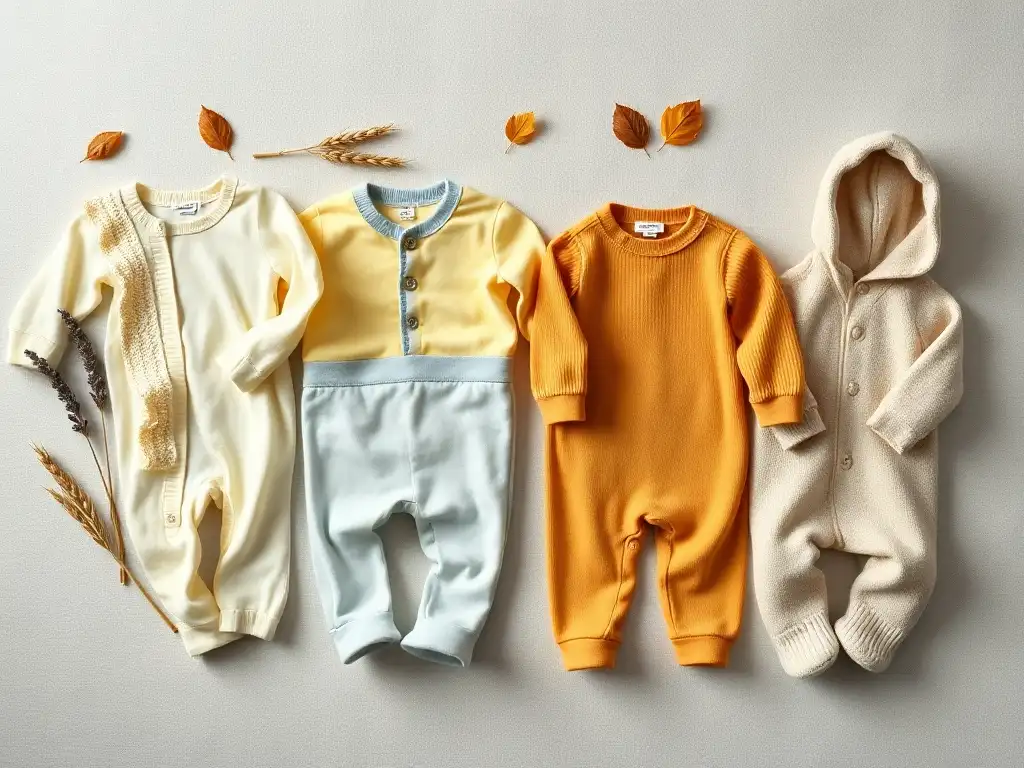
Building an organic baby clothes capsule wardrobe requires careful consideration of the changing seasons. A successful capsule wardrobe prioritizes versatility and functionality, allowing you to maximize the use of each garment while minimizing laundry and storage needs. This approach ensures your little one stays comfortable and stylish throughout the year, all while embracing eco-conscious choices. Let's explore how to curate the perfect capsule wardrobe for each season.
Spring/Summer Organic Baby Clothes Capsule: Lightweight Fabrics and Breathable Styles
Spring and summer call for lightweight, breathable fabrics that keep your baby cool and comfortable. Prioritize organic cotton, linen, and bamboo—naturally soft and hypoallergenic options. A well-curated spring/summer capsule wardrobe might include:
- Bodysuits: 5-7 organic cotton short-sleeved bodysuits in neutral colors (white, cream, light grey) and 1-2 in a fun print or color.
- Sleepers: 3-4 lightweight organic cotton sleepers or sleep suits for nighttime. Consider a mix of short-sleeved and sleeveless options.
- Rompers/Playsuits: 2-3 organic cotton rompers or playsuits are perfect for warmer days.
- Shorts & Tops: 2 pairs of organic cotton shorts and 2-3 organic cotton short-sleeved tops for daytime wear.
- Light cardigan or jacket: 1 lightweight organic cotton cardigan or jacket for cooler evenings or air-conditioned environments.
- Sun hat: 1-2 wide-brimmed organic cotton sun hats for sun protection.
Consider the practicality of snaps vs. zippers for easy changes. Remember to prioritize organic materials certified by reputable organizations to ensure the highest quality and safety for your baby's delicate skin. The use of natural dyes is also a plus, avoiding harsh chemicals that could irritate your baby's skin. For example, brands specializing in GOTS (Global Organic Textile Standard) certified clothing provide peace of mind regarding the organic nature of their products.
Autumn/Winter Organic Baby Clothes Capsule: Layering and Warmth for Colder Months
As the weather turns colder, layering becomes crucial to keep your baby warm and cozy. The autumn/winter capsule wardrobe focuses on warmth without sacrificing comfort or style. Here's a suggested list:
- Long-sleeved Bodysuits: 5-7 organic cotton long-sleeved bodysuits in neutral colors.
- Sleepers: 3-4 organic cotton footed sleepers or sleep sacks for warmth.
- Sweaters: 2-3 organic wool or cotton sweaters for extra warmth.
- Pants/Leggings: 3-4 pairs of organic cotton pants or leggings.
- Warm jacket: 1 warm organic wool or cotton jacket for outdoor adventures.
- Mittens and booties: 1 pair of organic cotton mittens and booties to protect tiny hands and feet.
Remember that layering is key. Instead of one bulky outfit, opt for several thinner layers that can be easily added or removed as needed. Organic wool is an excellent choice for its natural warmth and breathability, while organic cotton provides a softer, more comfortable base layer. Consider the climate in your area when determining the exact number of items needed. For example, a colder climate might require more layers and warmer fabrics compared to a milder one.
Transitioning Between Seasons: Adapting Your Capsule Wardrobe for Changing Weather
Transitional periods like spring/autumn require a flexible approach to your baby's clothing. The key is to choose versatile items that can be layered or worn alone, depending on the temperature. Here are some tips for seamless transitions:
- Layering: Utilize lightweight layers like cardigans, vests, or light jackets to add warmth as needed.
- Versatile fabrics: Opt for fabrics that can be worn in both warmer and cooler temperatures, such as organic cotton.
- Mix and match: Choose items in neutral colors that can be easily mixed and matched to create different outfits.
- Seasonal swaps: Gradually swap out summer items for autumn/winter clothes as the weather changes. This avoids a sudden wardrobe overhaul.
By carefully selecting versatile garments and prioritizing layering, you can easily adapt your organic baby clothes capsule wardrobe to meet the demands of each season, ensuring your baby stays comfortable and stylish throughout the year. Remember to regularly assess your baby's needs and adjust your wardrobe accordingly. This mindful approach will help you reduce waste and make the most of your organic baby clothing investments.
Maintaining Your Organic Baby Clothes Capsule Wardrobe: Care and Storage
Building an organic baby clothes capsule wardrobe is a fantastic step towards eco-conscious parenting, but maintaining it requires mindful care and storage. This section details practical strategies to ensure your carefully curated collection remains in top condition for longer, saving you money and reducing textile waste. We'll explore washing, drying, repairing, and storage solutions specifically designed for organic baby clothes.
Washing and Drying Organic Baby Clothes: Gentle Care for Longer Lifespan
Organic cotton, while incredibly soft and gentle on baby's skin, is often more delicate than conventionally produced fabrics. To maximize the lifespan of your organic baby clothes capsule wardrobe, adopt a gentle washing and drying routine. Always pre-treat stains immediately with a gentle stain remover, avoiding harsh chemicals. For washing, opt for a cold or lukewarm water cycle using a plant-based, fragrance-free detergent specifically designed for sensitive skin. Avoid using bleach, fabric softeners, or dryer sheets, as these can damage the fibers and irritate your baby's skin.
Consider washing similar colors together to prevent color bleeding. Overloading the washing machine can also lead to damage, so ensure there's enough space for the clothes to move freely. After washing, avoid harsh wringing; instead, gently squeeze out excess water.
Drying your organic baby clothes is equally important. Air drying is the most gentle method, extending the life of your garments considerably. Hang delicate items on padded hangers or lay them flat on a clean, dry surface. If using a dryer, opt for the lowest heat setting and remove the clothes promptly to avoid wrinkling and damage. For best results, consider using dryer balls instead of dryer sheets to soften clothes naturally.
Repairing and Mending: Extending the Life of Your Organic Garments
Even with careful washing and drying, minor repairs may be necessary over time. Small tears, loose seams, or missing buttons are common occurrences, especially with active babies. Learning basic mending techniques can significantly extend the life of your organic baby clothes. Investing in a basic sewing kit with needles, thread (matching the color of your garments), and scissors is worthwhile.
A simple running stitch can easily repair small tears. For loose seams, a backstitch provides a stronger, more durable repair. Learning to sew on buttons is also a valuable skill. There are numerous online tutorials and videos available to guide you through these basic mending techniques. Remember, a small amount of time invested in repair can save you money and reduce textile waste in the long run. Consider this a sustainable practice that strengthens your commitment to your organic baby clothes capsule wardrobe.
Storage Solutions: Keeping Your Organic Baby Clothes Organized and Fresh
Proper storage is key to preserving the quality and freshness of your organic baby clothes. Avoid storing clothes in damp or humid environments, as this can encourage mildew and mold growth. Opt for breathable storage solutions like cotton or linen bags, rather than plastic containers that trap moisture.
Organize your clothes by size and season. Folding clothes neatly helps prevent wrinkles and makes it easier to find specific items. Consider using drawer dividers or shelf organizers to maximize space and maintain order. For out-of-season clothes, store them in breathable containers or garment bags in a cool, dry location.
Regularly inspect stored clothes for any signs of damage or pests, and air them out occasionally to keep them fresh. This systematic approach to storage will ensure your organic baby clothes remain in excellent condition for future use, or for donation when your little one outgrows them. This helps you achieve the goals of sustainability and cost-effectiveness inherent in creating an organic baby clothes capsule wardrobe.
Expanding Your Organic Baby Clothes Capsule Wardrobe as Your Baby Grows
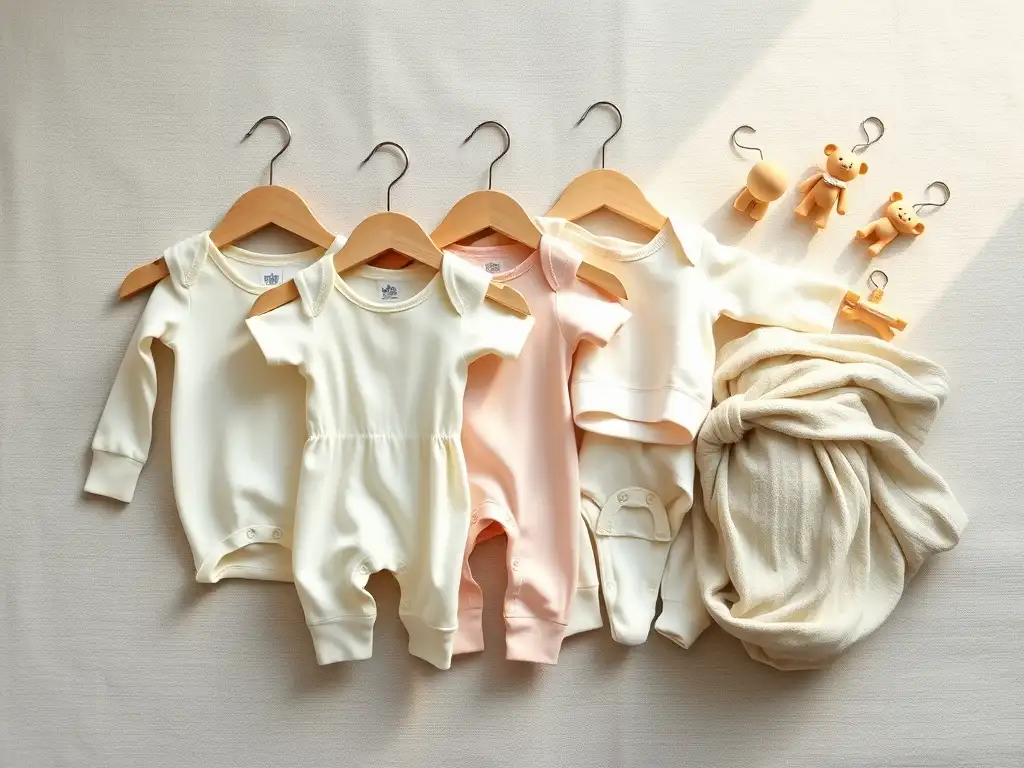
This section focuses on the practicalities of maintaining your carefully curated organic baby clothes capsule wardrobe as your little one grows. Rapid growth spurts can make it feel like you're constantly buying new clothes, but with a strategic approach, you can minimize waste and maximize the lifespan of your organic garments.
Transitioning Sizes: Seamlessly Moving to the Next Size in Organic Baby Clothes
Successfully transitioning to larger sizes within your organic baby clothes capsule wardrobe requires planning and a keen eye for versatile pieces. Avoid buying clothes that only fit for a very short period. Instead, focus on items with adjustable features like elastic waistbands or expandable shoulders. Look for brands known for their generous sizing. Consider purchasing one size up for items like sleepsuits or rompers, particularly during periods of rapid growth. This allows for a longer period of wear.
Remember, you don't need to replace every item when your baby outgrows a size. Prioritize essential items like basic bodysuits and sleepsuits, replacing those first. Accessories like hats and mittens can often be used for longer, provided they are in good condition.
A helpful strategy is to keep a growth chart alongside your baby's clothing. This allows you to track their progress and anticipate when you'll need to start looking for the next size. This proactive approach prevents last-minute shopping sprees and ensures you have time to find high-quality organic options.
Hand-Me-Downs and Secondhand Shopping: Sustainable Options for Organic Baby Clothes
Extending the lifespan of your organic baby clothes capsule wardrobe doesn't necessarily mean buying new. Hand-me-downs and secondhand shopping are fantastically sustainable options that align perfectly with the ethos of an organic capsule wardrobe. This approach significantly reduces textile waste and can save you considerable money.
Before accepting hand-me-downs, thoroughly inspect the clothing for any damage or stains. Prioritize items made from durable, high-quality organic materials. Organic cotton, for example, tends to hold up better than some synthetic fabrics. Look for items that still align with your capsule wardrobe's aesthetic and color palette.
When shopping secondhand, platforms dedicated to children's clothing or organic products are great places to start your search. Check for signs of wear and tear, and remember to wash all secondhand clothes thoroughly before your baby wears them. This double-duty approach, combining hand-me-downs and smart secondhand shopping, can keep your wardrobe refreshed while staying environmentally conscious.
Introducing New Styles and Colors: Maintaining a Fresh and Functional Wardrobe
Even with a capsule wardrobe, your baby's style might need a refresh as they grow. This doesn't necessitate a complete overhaul. Instead, introduce new items strategically, focusing on versatility and coordination.
Consider adding a few new pieces seasonally, perhaps a lighter weight outfit for summer or warmer layers for winter. Choose items that complement your existing wardrobe. A few new colors or patterns can add visual interest without disrupting the overall cohesiveness of the capsule. This gradual approach prevents overwhelming your wardrobe and ensures it remains functional and aesthetically pleasing.
A well-planned organic baby clothes capsule wardrobe, expanded thoughtfully, allows for growth and change without compromising on sustainability or style. Remember to prioritize quality, versatility, and mindful purchasing decisions to keep your little one looking and feeling their best while minimizing your environmental impact. This sustainable approach will allow you to enjoy the journey of raising your baby while making eco-conscious choices.
Resources for Finding High-Quality Organic Baby Clothes
Finding the perfect organic baby clothes capsule wardrobe requires knowing where to look. This section details various resources, ensuring you find high-quality, sustainable garments for your little one. Remember, prioritizing organic cotton and GOTS (Global Organic Textile Standard) certification guarantees minimal exposure to harmful chemicals. Let's explore your options!
Online Retailers Specializing in Organic Baby Clothes (e.g., Amazon Handmade, Etsy)
The internet offers a vast selection of organic baby clothes. Many online retailers specialize in organic and sustainable products, providing convenience and a wide range of styles. However, careful vetting is crucial. Look for retailers who clearly state their commitment to organic materials and ethical production. Some platforms, like Amazon Handmade and Etsy, offer opportunities to support smaller businesses and independent designers specializing in organic baby clothing. These platforms often feature unique designs and smaller batch production, reducing environmental impact.
Consider these factors when shopping online:
- Transparency: Does the retailer clearly state the origin of their materials and manufacturing processes? Look for detailed information about certifications like GOTS.
- Reviews: Check customer reviews carefully to gauge the quality of the clothing, sizing accuracy, and the retailer's customer service.
- Shipping and Returns: Understand the retailer's shipping policies, costs, and return procedures before purchasing. Sustainable shipping options are a plus!
- Variety: Assess the range of styles, sizes, and colors offered. A capsule wardrobe requires versatile pieces, so a diverse selection is beneficial.
While online shopping offers convenience, it's essential to be a discerning consumer. Prioritize transparency and ethical practices when selecting your online retailer for organic baby clothes. Remember, reading detailed product descriptions and checking certifications is key to ensuring you're making a truly sustainable purchase.
Local Boutiques and Shops: Supporting Small Businesses and Finding Unique Pieces
Supporting local businesses offers numerous advantages when building your organic baby clothes capsule wardrobe. Local boutiques and shops often carry unique, high-quality organic clothing lines that you won't find in larger chain stores. Shopping locally reduces your carbon footprint associated with transportation and often allows you to interact directly with the people who create the clothes.
This personal connection provides valuable insights into the sourcing of materials and the ethical practices employed. You can ask questions about the specific organic cotton used, the dyeing processes, and the overall sustainability of the production. This direct engagement fosters a sense of community and supports local economies. Furthermore, you might discover hidden gems and unique pieces that perfectly complement your capsule wardrobe vision. Local shops frequently offer personalized service and advice, potentially guiding you toward the best options for your baby's needs.
Consider visiting local farmers' markets or craft fairs, as these events often feature artisans selling handmade organic baby clothes. This is an excellent opportunity to find one-of-a-kind items and support local creators directly. The personal touch and unique style offered by local businesses make them a valuable resource for building a truly special organic baby clothing capsule wardrobe.
Consignment Shops and Secondhand Options: Sustainable and Budget-Friendly Choices
Embracing secondhand options is a highly sustainable way to build an organic baby clothes capsule wardrobe. Consignment shops and thrift stores often offer gently used organic baby clothes at significantly lower prices than new items. This approach reduces textile waste and minimizes the environmental impact associated with clothing production. Moreover, it's a budget-friendly alternative, allowing you to invest in more high-quality pieces without breaking the bank.
When shopping secondhand, carefully inspect the clothes for any damage or stains before purchasing. Pay close attention to the fabric's condition to ensure it remains soft and comfortable for your baby's delicate skin. Consider the overall quality and durability of the clothing to ensure it will last through multiple washes and wear.
Secondhand options offer a fantastic opportunity to find unique items not readily available in new collections, potentially adding a touch of individuality to your capsule wardrobe. This sustainable and economical approach aligns perfectly with the principles of mindful consumption and responsible parenting. Remember to wash all secondhand clothing thoroughly before your baby wears it.
Frequently Asked Questions
What is an organic baby clothing capsule wardrobe?
An organic baby clothing capsule wardrobe is a small, carefully curated collection of organic cotton clothing items that are versatile and can be easily mixed and matched to create a variety of outfits. This simplifies laundry and minimizes waste.
Why choose organic cotton for my baby's clothes?
Organic cotton is grown without harmful pesticides and chemicals, making it a safer and gentler option for your baby's sensitive skin. It's also often softer and more breathable.
How many items do I need in an organic baby clothing capsule wardrobe?
The number of items depends on your baby's age and your washing habits, but a good starting point is around 20-30 pieces. This includes bodysuits, sleepsuits, trousers, and outerwear.
What essential items should I include in my organic baby clothing capsule wardrobe?
Essential items include bodysuits, sleepsuits, leggings or trousers, cardigans or jackets, and socks. Consider the season and your baby's needs when selecting items.
Where can I find organic baby clothes to build my capsule wardrobe?
Many online retailers and specialty baby stores sell organic baby clothes. Look for brands certified by organizations like GOTS (Global Organic Textile Standard) to ensure authenticity and quality.
Final Reflection: Cultivating Conscious Choices in Baby's Wardrobe
The pursuit of a sustainable and stylish wardrobe for your little one is not merely a trend; it's a conscious commitment to a healthier planet and a happier baby. Creating an organic baby clothing capsule wardrobe, as explored throughout this guide, offers a practical and impactful way to minimize environmental impact while maximizing style and functionality. This isn't just about clothes; it's about building a foundation of mindful consumption for the future.
The shift towards organic baby clothes reflects a growing awareness of the importance of protecting our children from harmful chemicals and supporting ethical production practices. This conscious consumerism extends beyond the individual; it impacts entire communities and ecosystems. We do not inherit the earth from our ancestors, we borrow it from our children.
This quote encapsulates the responsibility we bear in making choices that benefit future generations, and choosing organic clothing is a tangible step in that direction. The journey towards a more sustainable lifestyle begins with small, deliberate actions, and building an organic capsule wardrobe is a powerful example of this.
Now, consider your own approach to baby clothing. What steps can you take to integrate the principles of sustainability and mindful consumption into your choices? Perhaps you'll start by swapping out a few key items for organic alternatives, or explore ethical brands committed to fair labor practices. Remember, every conscious choice, no matter how small, contributes to a larger movement towards a healthier and more equitable world for our children and the generations to come. Embrace the journey, and enjoy the process of building a beautiful and responsible wardrobe for your little one.
Unleash Your Inner Style Guru: Craft the Perfect Organic Baby Wardrobe!
Thank you for exploring BabyCareHub's guide to creating a stylish and sustainable organic baby clothing capsule wardrobe! We hope you found valuable advice. Now, let's put that knowledge into practice!
- Design your dream capsule wardrobe: Begin by envisioning your ideal collection, considering your baby's needs, the season, and your personal style. Let your creativity shine!
- Share your designs: Show us your ideas on social media! Use #BabyCareHubCapsuleWardrobe and tag us to inspire other parents and showcase your unique approach to sustainable baby fashion.
- Discover more organic baby essentials: Explore BabyCareHub's resources on organic baby products and eco-friendly parenting to create a healthy and happy home for your little one.
Ready to transform your baby's wardrobe and embrace a more sustainable lifestyle? What's the first organic clothing item you'll add?