
EcoFriendly Nursery Gliders: Sustainable Choices for Your Baby

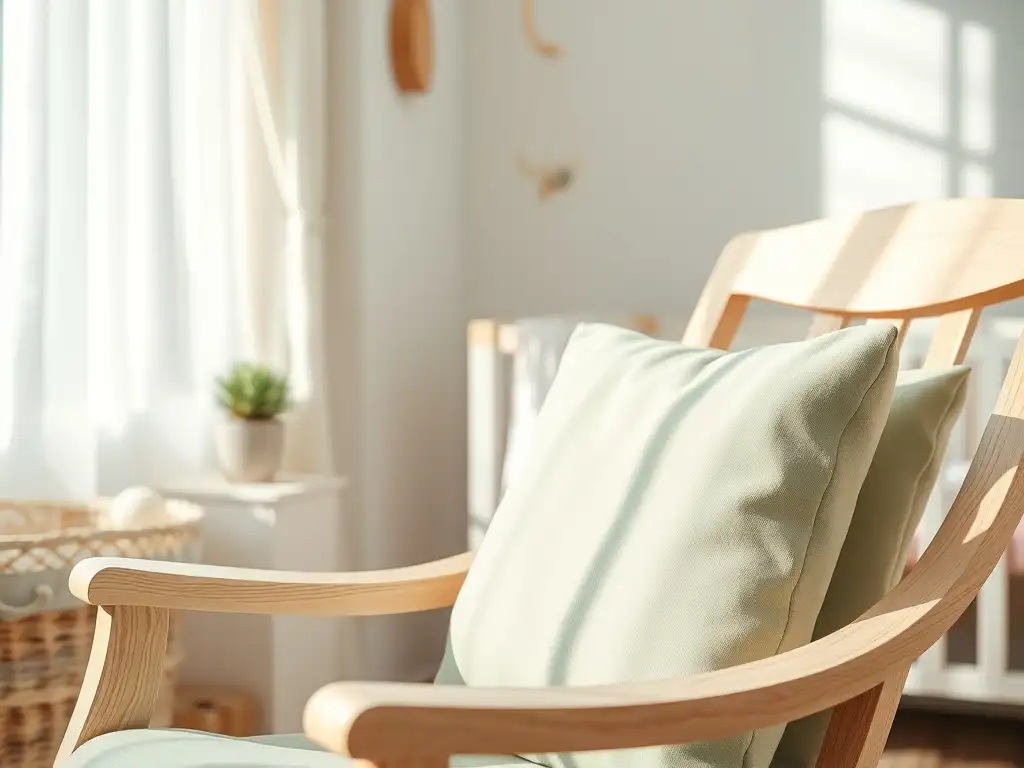
Welcome to BabyCareHub, your ultimate guide to navigating the incredible journey of parenthood! We understand that becoming a first-time parent can feel overwhelming, which is why we've created this comprehensive resource to support you every step of the way. From feeding schedules to developmental milestones, we cover it all. But first, let's talk about creating a sanctuary for your little one. Discover our curated selection of eco-friendly baby glider reviews – because choosing sustainable options for your nursery doesn't mean compromising on comfort or style. Ready to build a nurturing and environmentally conscious haven? Let's dive in!
- Understanding the Importance of Eco-Friendly Baby Products
- Top Eco-Friendly Baby Glider Reviews: A Comparative Look
- Choosing the Right Eco-Friendly Baby Glider: A Buying Guide
-
Frequently Asked Questions about Eco-Friendly Baby Gliders
- What materials are considered eco-friendly for baby gliders? (e.g., Organic Cotton, Bamboo, Reclaimed Wood)
- How can I ensure the glider is truly sustainable and ethically sourced?
- How to clean and maintain an eco-friendly baby glider for optimal hygiene?
- What are the long-term benefits of choosing sustainable nursery furniture?
- Frequently Asked Questions
- Final Reflection: Rocking Towards a Greener Future for Our Little Ones
- Unveil Your Eco-Conscious Nursery: Start Rocking Sustainably Today!
Understanding the Importance of Eco-Friendly Baby Products
Choosing furniture for your nursery is an exciting step in preparing for your baby's arrival. However, beyond aesthetics and comfort, selecting eco-friendly options carries significant weight, impacting both your baby's well-being and the planet's future.
This guide focuses on eco-friendly baby gliders, exploring the benefits of sustainable choices and helping you navigate the market to find the perfect balance of comfort, style, and environmental responsibility. We'll delve into the specific advantages of opting for sustainable nursery furniture, examining the health implications of material choices and the long-term value of investing in durable, eco-conscious gliders.
Making informed decisions about your baby's environment is crucial, and this article aims to equip you with the knowledge to do just that, providing you with insights to help you confidently select an eco-friendly baby glider that meets your needs and aligns with your values. Choosing an eco-friendly glider is not just a trend; it's a commitment to a healthier future for your baby and the world.
Why Choose Sustainable Nursery Furniture? Minimizing Environmental Impact for Your Little One
Selecting sustainable nursery furniture, such as an eco-friendly baby glider, significantly reduces your environmental footprint. Traditional nursery furniture often involves the use of materials with high carbon footprints, including unsustainable wood sourcing and the release of harmful volatile organic compounds (VOCs) during manufacturing and use. Opting for sustainably sourced wood, like bamboo or reclaimed wood, drastically reduces deforestation and minimizes carbon emissions. Furthermore, many eco-friendly gliders use organic cotton or other non-toxic fabrics, avoiding the use of harmful pesticides and chemicals that can contaminate your baby's environment.
Consider the lifecycle of the product; a durable, well-made glider will last longer, reducing the need for frequent replacements and associated waste. By choosing sustainable materials and construction methods, you actively contribute to preserving our planet's resources for future generations. This conscious choice reflects a commitment to creating a healthier and safer environment for your little one to grow up in.
Health Benefits of Organic and Non-Toxic Materials in Baby Gliders
Babies are particularly vulnerable to the effects of toxins due to their developing immune systems. Eco-friendly baby gliders often utilize organic and non-toxic materials, minimizing exposure to harmful chemicals. These chemicals, found in many conventional gliders, can include VOCs, flame retardants, and pesticides. Exposure to these substances can lead to respiratory problems, skin irritations, and other health issues.
Organic cotton, for instance, is grown without the use of harmful pesticides, providing a safer and healthier surface for your baby to be near. Similarly, gliders constructed from sustainably harvested wood are free from the treatments and preservatives often found in conventionally sourced timber. Choosing a glider made with non-toxic finishes and fabrics ensures a healthier and safer environment for your baby, reducing their exposure to potentially harmful substances. The peace of mind knowing your baby is in a safe and healthy space is invaluable.
Long-Term Value: Investing in Durable, Eco-Friendly Nursery Gliders
While the initial cost of an eco-friendly baby glider might seem higher, the long-term value often outweighs the price. Sustainable materials and construction methods tend to result in more durable and longer-lasting products. A well-made, eco-friendly glider can withstand years of use, becoming a cherished piece of furniture that can even be passed down to future generations. This contrasts sharply with cheaper, less durable gliders that may break down quickly, requiring replacement and contributing to landfill waste.
The durability translates to a lower overall cost in the long run, avoiding the need for frequent replacements. Moreover, the inherent quality of eco-friendly materials often ensures the glider retains its aesthetic appeal over time, making it a worthwhile investment that continues to provide comfort and style for years to come. Investing in quality and sustainability is an investment in your family's well-being and future.
Top Eco-Friendly Baby Glider Reviews: A Comparative Look
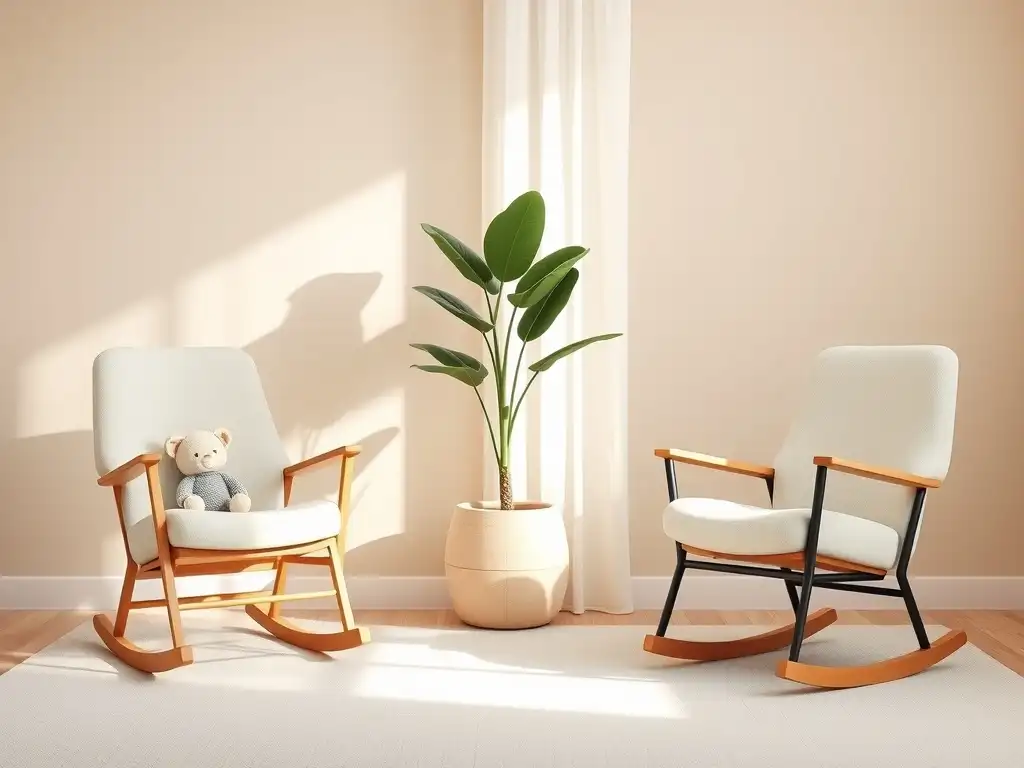
This section provides in-depth reviews of two popular eco-friendly baby gliders, focusing on their features, sustainability credentials, and user feedback. We analyze their sustainability practices, from material sourcing to manufacturing processes, to help you make an informed decision when choosing a glider for your nursery. Our goal is to provide you with the best "ecofriendly baby glider reviews" available.
Little Seeds Monarch Glider: Features, Sustainability Certifications, and Price Analysis
The Little Seeds Monarch Glider is a popular choice among eco-conscious parents. Its design emphasizes simplicity and functionality, while its commitment to sustainable materials is a key selling point. It typically features a gently curved silhouette, smooth gliding motion, and a comfortable seat. Pricing is generally in the mid-range for baby gliders.
Specific pricing varies depending on retailer and sales. [Specific price range pending]. While it doesn't boast specific certifications like Forest Stewardship Council (FSC) certification on all its components, the manufacturer highlights the use of sustainably harvested wood in its construction. This commitment to sourcing materials responsibly is a significant factor for environmentally aware parents.
Pros and Cons of Little Seeds Monarch Glider – User Reviews and Feedback
User reviews generally praise the Little Seeds Monarch Glider for its smooth gliding action and comfortable seating. Many appreciate its stylish design and the perceived durability of the wood. However, some users have noted that the glider may squeak after extended use, and the assembly process can be slightly challenging for some. Here's a summary of common feedback:
| Feature | Positive Feedback | Negative Feedback |
|---|---|---|
| Gliding Action | Smooth, quiet (initially), relaxing | Can squeak after prolonged use |
| Comfort | Comfortable seat, good back support | Some find the seat a bit firm |
| Durability | Sturdy construction, seems long-lasting | Potential for wear and tear over many years |
| Assembly | Relatively straightforward for most users | Can be challenging for some, requires patience |
| Style | Simple, attractive design, fits various nursery styles | Some may find the design too basic |
| Price | Mid-range pricing, generally considered reasonable | May be slightly expensive compared to non-eco options |
Little Seeds Monarch Glider Sustainability Practices: Materials and Manufacturing
The Little Seeds Monarch Glider's commitment to sustainability is primarily reflected in its use of wood. The manufacturer emphasizes the sourcing of wood from responsibly managed forests, though specific certifications beyond general statements need further clarification. [Specific details on wood sourcing and certifications pending]. Additional information on manufacturing processes and their environmental impact would further enhance the assessment of its overall sustainability. Information regarding packaging and its recyclability is also needed for a comprehensive evaluation. Transparency in these areas would significantly boost consumer confidence in the product's eco-friendliness.
Nomi Baby Glider: A Deep Dive into Sustainable Design and Functionality
The Nomi Baby Glider presents itself as a premium option within the eco-friendly baby glider market. It often features a more modern and minimalist design compared to the Little Seeds Monarch Glider. The focus is on clean lines and high-quality, sustainable materials. The price point is generally higher than the Little Seeds glider, reflecting its premium positioning and material choices. [Specific price range pending]
Pros and Cons of Nomi Baby Glider – User Reviews and Feedback
User reviews for the Nomi Baby Glider often highlight its sleek design and superior comfort. Many appreciate the glider's smooth and quiet operation and the high-quality feel of the materials. However, the higher price point is a frequent point of discussion, and some users have commented on the relatively smaller seating area compared to other models.
| Feature | Positive Feedback | Negative Feedback |
|---|---|---|
| Gliding Action | Exceptionally smooth, quiet, and effortless gliding | None reported significantly |
| Comfort | Very comfortable, supportive seating, high-quality materials | Smaller seating area than some other models |
| Durability | High-quality materials suggest excellent durability | Long-term durability data needs further observation |
| Assembly | Simple and straightforward assembly process | None reported significantly |
| Style | Modern, minimalist, stylish design | May not appeal to those preferring more traditional styles |
| Price | Premium pricing, reflecting high-quality materials | Expensive compared to other gliders |
Nomi Baby Glider Sustainability Practices: Materials and Manufacturing
The Nomi Baby Glider often emphasizes the use of sustainably sourced and certified wood, along with other eco-friendly materials. [Specific details on materials and certifications pending]. A detailed breakdown of the manufacturing process and its environmental footprint would strengthen the brand's sustainability claims. Further information on packaging and its recyclability is also crucial for a complete assessment of the glider's environmental impact. Transparency regarding the supply chain and manufacturing practices is vital for building trust and credibility with environmentally conscious consumers. Knowing the carbon footprint associated with production and transportation would further solidify its eco-friendly reputation.
DaVinci Kalani Glider: Budget-Friendly Eco-Friendly Options for Nursery Gliders
The DaVinci Kalani Glider presents a compelling option for parents seeking an eco-friendly glider without breaking the bank. Its affordability doesn't compromise on comfort or style, making it a popular choice among budget-conscious families. The design prioritizes functionality and simplicity, featuring clean lines and a sturdy build. Many users appreciate its compact size, making it suitable for even smaller nurseries.
While it might not boast the same level of luxurious features as some higher-priced models, the Kalani delivers on its promise of providing a comfortable and sustainable seating solution for soothing your little one. Its straightforward design also makes it easy to clean and maintain, a significant advantage for busy parents. The neutral color palette complements a variety of nursery styles, ensuring it integrates seamlessly into your chosen aesthetic.
The availability of replacement parts also contributes to its longevity, reducing overall environmental impact. This focus on durability and repairability is a key aspect of its eco-conscious design philosophy. The DaVinci Kalani represents a thoughtful balance between sustainability and affordability, making it an attractive choice for eco-minded parents on a budget.
Pros and Cons of DaVinci Kalani Glider – User Reviews and Feedback
Analyzing user reviews across various platforms reveals a generally positive reception for the DaVinci Kalani Glider. Many parents praise its comfort and ease of use, highlighting the smooth gliding motion and supportive back rest. The glider's relatively small footprint is frequently mentioned as a significant advantage, especially for smaller nurseries. However, some users have noted that the cushioning might not be as plush as in higher-end models, and the fabric might show wear and tear more quickly with heavy use.
These are common trade-offs associated with budget-friendly options. Several reviews mention the glider's sturdiness and stability, emphasizing its ability to withstand the rigors of daily use. One common criticism revolves around the assembly process, which some users find slightly challenging.
Overall, the feedback suggests that the DaVinci Kalani Glider offers excellent value for its price point, providing a comfortable and functional glider with a few minor drawbacks that are often outweighed by its affordability and sustainability features. A careful review of the pros and cons, alongside independent testing data, allows for an informed decision-making process. The abundance of user feedback online provides a wealth of information regarding the long-term performance and durability of the product.
DaVinci Kalani Glider Sustainability Practices: Materials and Manufacturing
DaVinci's commitment to sustainability is reflected in the materials and manufacturing processes used for the Kalani Glider. While specific details about the sourcing of materials and manufacturing processes may require further investigation from the manufacturer, the company generally emphasizes the use of responsibly sourced wood and eco-friendly fabrics. The use of sustainable wood is a key feature for many eco-conscious consumers. The company's website usually provides some information about their sustainability initiatives.
Furthermore, the focus on durability and the availability of replacement parts significantly contribute to the glider's overall environmental footprint. By extending the product's lifespan and reducing the need for frequent replacements, DaVinci aims to minimize waste and resource consumption. Understanding the specific certifications and materials used is crucial for a complete assessment of the glider's environmental impact.
Further research into the specifics of their supply chain and manufacturing practices would provide a more comprehensive understanding of their sustainability claims. [Specific information pending: Detailed breakdown of materials used, sourcing information, and manufacturing certifications]. Independent verification of these claims would bolster consumer confidence in the product's eco-friendly credentials.
Choosing the Right Eco-Friendly Baby Glider: A Buying Guide
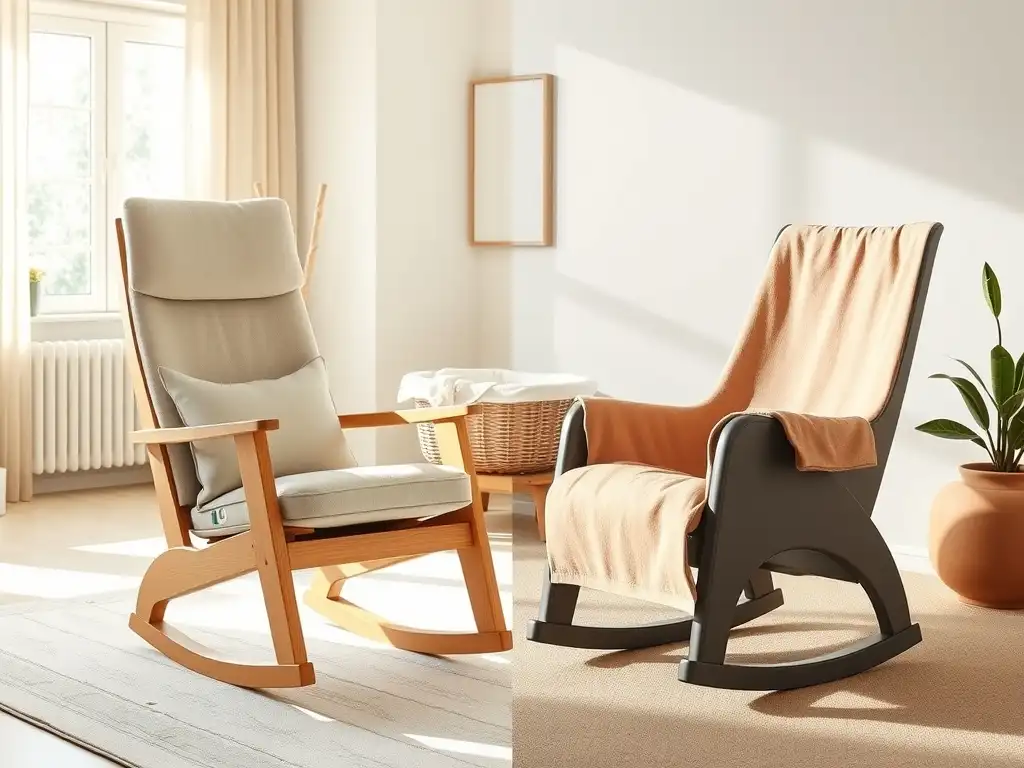
Choosing a baby glider is a significant decision for new parents. It's a piece of furniture that will likely see heavy use during those precious first months and years. But in today's world, many parents are also prioritizing sustainability and eco-consciousness. This guide helps navigate the world of eco-friendly baby gliders, ensuring you find the perfect blend of comfort, durability, and environmental responsibility. Finding the right ecofriendly baby glider is easier than you think when you know what to look for!
Essential Features to Consider in an Eco-Friendly Glider
Selecting an ecofriendly baby glider requires careful consideration of several key features. It's not just about the materials; it's about the overall design and its impact on your family and the planet.
Comfort and Support for Both Parent and Baby
Comfort is paramount. You'll be spending many hours in this glider, likely nursing, reading, or simply soothing your baby. Look for gliders with:
- Ergonomic design: A well-designed glider should provide excellent lumbar support for your back, preventing strain during extended periods of use.
- Plush cushioning: Opt for gliders with comfortable, supportive cushioning. Consider the fill material; organic cotton or sustainably sourced foam are excellent choices.
- Wide seat: A sufficiently wide seat will comfortably accommodate both you and your baby.
- Smooth gliding mechanism: A smooth, quiet gliding mechanism is essential for undisturbed relaxation and baby's sleep. Avoid gliders with jerky or noisy movements.
Durability and Longevity of Eco-Friendly Materials
Eco-friendly doesn't have to mean flimsy. Investing in a durable glider ensures you get years of use, reducing the environmental impact of frequent replacements. Look for gliders made from:
- Sustainable wood: Hardwoods like sustainably harvested oak or maple are excellent choices. Look for certifications like the Forest Stewardship Council (FSC) label, guaranteeing responsible forestry practices.
- Recycled materials: Some manufacturers use recycled metals in their glider frames or recycled fabrics in upholstery.
- Organic cotton: Organic cotton upholstery is a great option, ensuring the absence of harmful pesticides and fertilizers.
- Natural fibers: Other natural fibers such as hemp or linen can offer durability and a beautiful aesthetic. Consider the fiber's resilience and ease of cleaning.
Here's a sample comparison of material durability:
| Material | Durability Rating | Ease of Cleaning | Sustainability Concerns |
|---|---|---|---|
| Organic Cotton | 7/10 | 8/10 | Minimal |
| Recycled Polyester | 6/10 | 9/10 | Lower than virgin polyester |
| Sustainably Harvested Wood | 9/10 | 6/10 | Minimal |
Easy Cleaning and Maintenance for Hygienic Practices
Babies are messy! An easily cleanable glider is essential for maintaining hygiene. Consider these factors:
- Upholstery type: Choose upholstery that is easily wiped clean or machine washable. Avoid delicate fabrics that require dry cleaning.
- Removable covers: Gliders with removable and washable covers are highly recommended for easy cleaning and sanitization.
- Stain resistance: Look for upholstery fabrics treated with natural stain-resistant finishes.
Regular cleaning and maintenance will prolong the life of your glider and keep it in optimal condition for your baby. A simple wipe-down with a damp cloth is often sufficient for regular cleaning.
Understanding Sustainability Certifications and Labels (e.g., GOTS, FSC)
Several certifications and labels ensure the eco-friendly claims of manufacturers are legitimate. Familiarize yourself with these:
- GOTS (Global Organic Textile Standard): This certification guarantees that the textiles used in the glider's upholstery are organically produced and meet strict environmental and social criteria.
- FSC (Forest Stewardship Council): This label verifies that the wood used in the glider's frame comes from responsibly managed forests.
- OEKO-TEX Standard 100: This certification ensures that the textiles used are free from harmful chemicals.
Look for these labels when shopping for an eco-friendly glider. They provide assurance that the product meets high environmental and social standards. Choosing a glider with these certifications helps you make a truly sustainable choice for your baby and the planet. 🌎
Budget Considerations: Balancing Eco-Friendliness with Affordability
Choosing an eco-friendly baby glider doesn't automatically mean breaking the bank. While some sustainably sourced materials and manufacturing processes may command a higher price, there are options available across various price points. The key is to prioritize your needs and budget effectively. Don't assume that "eco-friendly" equates to "expensive." Many brands offer budget-friendly gliders made from reclaimed wood or recycled materials, proving that sustainability and affordability can coexist.
Consider setting a realistic budget before you start your search. This will help you narrow down your options and prevent decision fatigue. Remember to factor in not just the initial cost of the glider but also potential future costs, such as reupholstering or repairs. A slightly more expensive glider made with durable, high-quality materials might ultimately be more cost-effective in the long run than a cheaper glider that needs replacing sooner.
Look for sales and discounts. Many retailers offer seasonal sales or clearance events where you can find eco-friendly gliders at reduced prices. Checking online marketplaces and secondhand stores can also unearth hidden gems – a gently used glider in excellent condition can save you a significant amount of money while still providing a sustainable alternative to buying new. Remember to thoroughly inspect any secondhand glider for safety and structural integrity before purchasing.
Prioritize features. Decide which features are essential to you and which are nice-to-haves. For example, while a rocking function might be desirable, it's not strictly necessary. Focusing on the core features – comfort, durability, and eco-friendly materials – will help you make an informed decision without overspending on unnecessary extras. This strategic approach ensures you get the most value for your money while staying true to your commitment to eco-conscious parenting. By carefully weighing your options, you can find an eco-friendly baby glider that fits both your budget and your sustainability goals.
Frequently Asked Questions about Eco-Friendly Baby Gliders
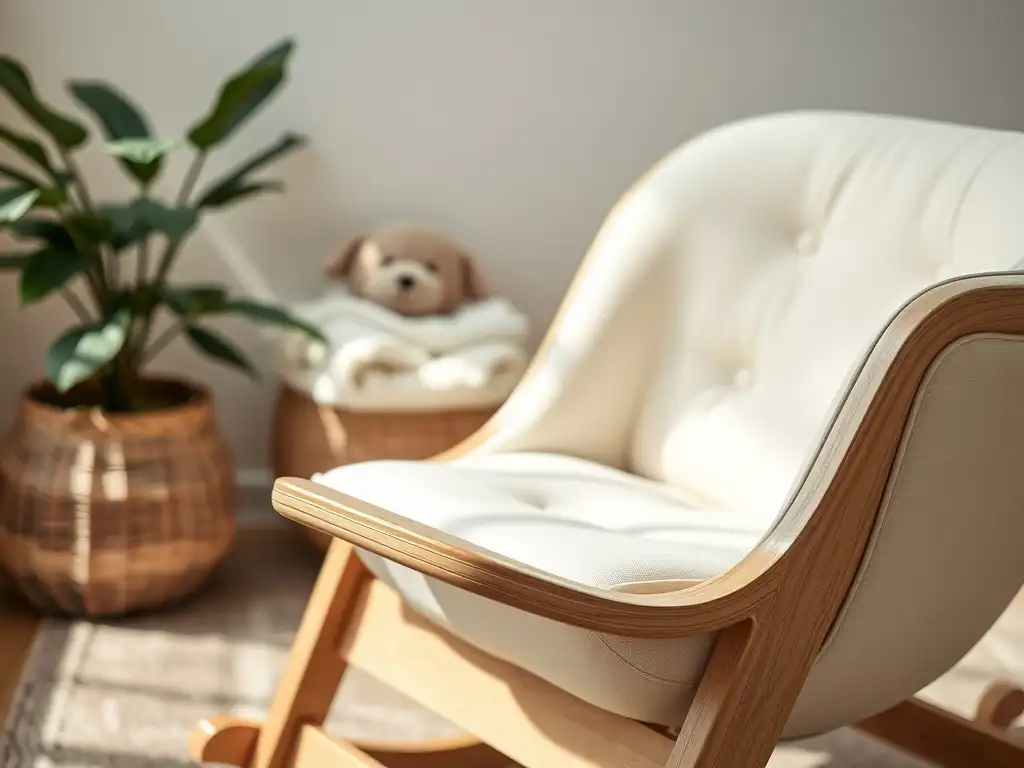
Choosing an eco-friendly baby glider is a fantastic way to prioritize both your baby's well-being and environmental responsibility. But with so many options available, some questions naturally arise. This section aims to address your most pressing concerns, providing you with the information you need to make an informed decision.
What materials are considered eco-friendly for baby gliders? (e.g., Organic Cotton, Bamboo, Reclaimed Wood)
Several materials contribute to an eco-friendly baby glider. The most sustainable options often prioritize organically grown and responsibly harvested resources, minimizing environmental impact. Let's explore some key examples:
- Organic Cotton: Organic cotton is grown without harmful pesticides and synthetic fertilizers, reducing water pollution and soil degradation. Look for certifications like GOTS (Global Organic Textile Standard) to ensure authenticity. Using organic cotton upholstery on your glider minimizes exposure to potentially harmful chemicals for your baby.
- Bamboo: Bamboo is a rapidly renewable resource, requiring less water and pesticides than many other fabrics. Bamboo fabric is also naturally soft, breathable, and hypoallergenic—ideal for sensitive baby skin. However, ensure the bamboo fabric is processed sustainably, as some treatments can negate its eco-friendly benefits.
- Reclaimed Wood: Gliders constructed from reclaimed wood offer a significant environmental advantage. Reclaimed wood diverts waste from landfills, reducing deforestation and the energy consumption associated with new lumber production. The unique character of reclaimed wood also adds a touch of rustic charm to your nursery.
- Recycled Materials: Some manufacturers incorporate recycled materials into their glider construction. This might include recycled metal for the frame or recycled plastic for components. These choices actively reduce reliance on virgin resources.
Choosing a glider made with these materials significantly reduces your environmental footprint compared to conventional options using synthetic materials and unsustainable wood sources. Remember to always check the manufacturer's information for detailed material sourcing and processing information.
How can I ensure the glider is truly sustainable and ethically sourced?
Verifying the sustainability and ethical sourcing of your eco-friendly baby glider requires diligent research. Don't rely solely on marketing claims; delve deeper to understand the entire supply chain. Here are some key steps:
- Look for Certifications: Seek out reputable certifications such as the Forest Stewardship Council (FSC) for wood, Global Organic Textile Standard (GOTS) for organic cotton, and Fair Trade certifications for ethical labor practices. These certifications provide third-party verification of sustainable and responsible sourcing.
- Read Manufacturer Information: Carefully review the manufacturer's website and product descriptions. Look for detailed information about the sourcing of materials, manufacturing processes, and labor practices. Transparency is a key indicator of ethical and sustainable production.
- Check Reviews and Ratings: Read independent reviews from other parents who have purchased the glider. Their experiences can provide valuable insights into the quality, durability, and overall sustainability of the product.
- Contact the Manufacturer Directly: Don't hesitate to contact the manufacturer directly with questions about their sourcing and production practices. A reputable company will be happy to provide detailed information about their commitment to sustainability and ethical labor.
How to clean and maintain an eco-friendly baby glider for optimal hygiene?
Maintaining the hygiene of your eco-friendly baby glider is crucial for your baby's health and the longevity of the product. The cleaning methods will vary depending on the materials used. Always check the manufacturer's care instructions before attempting any cleaning. Here are some general guidelines:
- Regular Dusting: Regular dusting with a soft cloth or vacuum cleaner with a brush attachment will prevent dust and dirt buildup.
- Spot Cleaning: For minor spills or stains, use a damp cloth with a mild, eco-friendly cleaning solution. Avoid harsh chemicals that could damage the fabric or wood. Test any cleaning solution on a hidden area first.
- Upholstery Cleaning: For deeper cleaning of fabric upholstery, consider using a natural upholstery cleaner or hiring a professional cleaning service specializing in eco-friendly cleaning methods.
- Wood Cleaning: For wood gliders, use a gentle wood cleaner specifically designed for the type of wood used. Avoid excessive moisture, which can damage the wood. Regular polishing with a natural wood polish can help maintain the shine and protect the wood.
By following these simple maintenance tips, you can ensure your eco-friendly baby glider remains clean, hygienic, and lasts for years to come, providing comfort and support for your little one. Remember, proactive maintenance is key to preserving both the quality and sustainability of your chosen glider.
What are the long-term benefits of choosing sustainable nursery furniture?
Choosing sustainable nursery furniture, like eco-friendly baby gliders, offers a multitude of long-term benefits that extend far beyond the initial purchase. Firstly, you're contributing to a healthier environment for your child and future generations. Sustainable materials, such as sustainably harvested wood or recycled materials, minimize the environmental impact associated with manufacturing and transportation.
This reduces exposure to harmful chemicals and toxins often found in conventionally produced furniture, creating a safer space for your baby's development. Think about the air quality in the nursery – opting for low-VOC (volatile organic compound) paints and finishes ensures cleaner air for your little one to breathe.
Secondly, sustainable furniture is often built to last. Manufacturers prioritize quality and durability, using robust materials and construction techniques. This means your glider will likely withstand the wear and tear of daily use for many years, potentially even passing it down to future children or grandchildren. This longevity translates to cost savings in the long run, avoiding the need for frequent replacements. A well-made, sustainable glider can become a cherished family heirloom, imbued with memories and lasting value.
Thirdly, the ethical sourcing of materials often associated with sustainable furniture aligns with responsible consumerism. Supporting companies committed to fair labor practices and environmental stewardship contributes to a more equitable and sustainable global economy. You can feel good about your purchase knowing it didn't come at the expense of workers' rights or environmental degradation.
This peace of mind is invaluable, especially when making decisions about your baby's environment. In essence, investing in sustainable nursery furniture is an investment in your child's health, the planet's well-being, and your family's future. It's a decision that resonates with both your values and your bottom line.
Frequently Asked Questions
What makes a baby glider "eco-friendly"?
Eco-friendly baby gliders are made using sustainable materials like organic cotton, bamboo, or reclaimed wood. They often prioritize low-VOC (volatile organic compound) finishes and reduced packaging. This minimizes the environmental impact during manufacturing and use.
Are eco-friendly gliders as durable as traditional ones?
Yes, many eco-friendly gliders are built to be just as durable and long-lasting as their conventionally made counterparts. Look for gliders made with high-quality, sustainably sourced materials. Solid construction is key regardless of the materials used.
Where can I find eco-friendly baby glider reviews?
You can find reviews on various websites, including BabyCareHub, and online retailers like Amazon. Look for reviews that specifically mention the glider's sustainability features and overall quality.
How much more expensive are eco-friendly gliders?
The price varies depending on the brand and materials. While some may be slightly more expensive, many offer comparable pricing to traditional gliders. Consider the long-term value and reduced environmental impact.
What are some key features to look for in an eco-friendly glider?
Look for gliders made with certified organic materials, low-VOC finishes, and durable construction. Consider features like easy cleaning and a comfortable design for both you and your baby.
Final Reflection: Rocking Towards a Greener Future for Our Little Ones
The demand for eco-friendly products is no longer a niche trend; it's a necessity. Choosing sustainable options for our children isn't just about reducing our carbon footprint; it's about building a healthier, safer world for them to inherit. The journey towards eco-conscious parenting begins with small, impactful choices, like selecting a sustainably-made nursery glider.
The shift towards eco-friendly baby products reflects a growing awareness of the long-term consequences of our consumption habits. We're increasingly recognizing that the choices we make today directly impact future generations. This conscious shift extends beyond simply choosing "green" products; it's about supporting companies committed to ethical sourcing, sustainable manufacturing, and minimizing environmental impact. The best way to predict the future is to create it.
- Abraham Lincoln. This rings true when considering the future we're building for our children through our purchasing decisions.
Consider the impact of your choices. Will you prioritize convenience over sustainability? Or will you actively seek out brands committed to ethical practices and environmentally responsible materials? The nursery glider is just one example; this conscious approach can be applied to every aspect of your baby's life. Take the time to research, to compare, and to choose wisely. Your choices matter, and they will shape the future.
Unveil Your Eco-Conscious Nursery: Start Rocking Sustainably Today!
Thank you for joining us on this journey to a greener nursery! We hope you've discovered amazing, sustainable options to ensure your little one's comfort and well-being. Now it's time to put your knowledge into action and create the perfect eco-friendly haven.
- Choose a Sustainable Glider: Select a glider that fits your style and budget, considering the materials used, how it was manufactured, and whether it can be repurposed or recycled later.
- Share the Inspiration: Spread the word! Share this article with other expectant parents and new moms on social media, inspiring them to create more sustainable nurseries.
- Explore More Eco-Friendly Options: Continue your research into sustainable baby products. Consider eco-friendly cribs, bedding, toys, and clothing for your nursery.
Ready to transform your nursery into an eco-haven for your baby? What sustainable features are most important to you in your nursery design?