
Celebrating Small Victories: Encouraging Your Child's Development

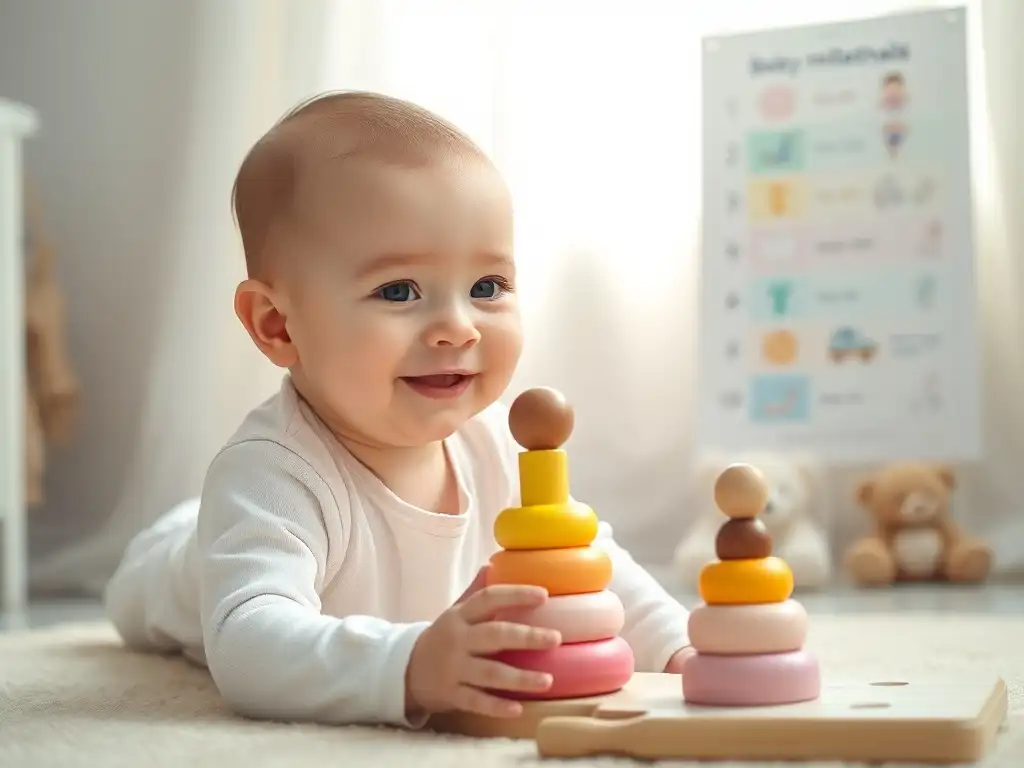
Welcome to BabyCareHub, your ultimate guide to navigating the incredible journey of parenthood. Are you ready to unlock the secrets to nurturing your little one's growth? We understand the challenges and joys of raising a child, especially when it comes to understanding crucial developmental milestones. Dive into our comprehensive resource, starting with our insightful Baby development milestones chart, designed to help you celebrate every small victory along the way. Discover expert advice and practical tips to support your baby's unique development, ensuring a healthy and happy future. Let's embark on this adventure together!
- Understanding Your Baby's Development Milestones
- The Importance of Positive Reinforcement in Early Childhood Development
- Practical Strategies for Celebrating Small Victories
- Addressing Challenges and Seeking Support
- Long-Term Benefits of Celebrating Small Victories
- Frequently Asked Questions
- Final Reflection: The Enduring Power of Small Steps
- Unleash Your Child's Potential: Celebrate Their Growth!
Understanding Your Baby's Development Milestones
Navigating the world of parenthood, especially for first-time parents, can feel like traversing a vast, uncharted territory. One of the most rewarding, yet sometimes daunting, aspects of this journey is witnessing your baby's incredible development. Understanding your baby's developmental milestones is crucial for ensuring their healthy growth and identifying any potential areas requiring attention. This article serves as your guide, providing a detailed look at key developmental milestones, helping you celebrate those small victories along the way, and recognizing when professional guidance may be beneficial.
We'll delve into specific age ranges, highlighting the typical achievements and offering insights into fostering your child's development. Remember, while this serves as a helpful reference, every child develops at their own pace, and individual variations are perfectly normal. This is not a substitute for professional advice; always consult your pediatrician with any concerns.
This guide focuses on providing a framework for understanding typical progress, enabling you to better support your child's unique journey. Let's embark on this enriching exploration together! 🎉
Baby Development Milestones Chart: 0-3 Months
The first three months of your baby's life are a whirlwind of rapid change and development. During this period, you'll witness incredible advancements in their physical, cognitive, and social-emotional skills. Let's break down some key milestones to look out for, keeping in mind that each baby develops at their own pace.
- Physical Development: Newborns typically gain weight and grow in length steadily. They start to lift their heads briefly when lying on their tummy, and their reflexes, such as the rooting and sucking reflexes, become more coordinated. Expect some involuntary movements and jerky arm and leg movements. They may also begin to show some preference for one side of their body, favoring one hand over the other.
- Cognitive Development: Your little one will start to focus their gaze on objects and faces, especially yours! They'll begin to track moving objects with their eyes, showing increasing visual awareness. They'll also start to respond to sounds, turning their heads towards noise. Expect to see a developing sense of curiosity as they explore their surroundings through their senses.
- Social-Emotional Development: Babies at this age are highly responsive to human interaction. They'll enjoy being held and cuddled, showing comfort through calming and quiet behavior. They might start to smile spontaneously, creating a truly heartwarming connection. Their crying patterns will start to change, becoming more nuanced, reflecting different needs.
Baby Development Milestones Chart: 4-6 Months
Months 4-6 mark a period of significant leaps in your baby's development. They become more mobile, interactive, and expressive. Let's explore the key milestones during this exciting phase.
- Physical Development: This is the age of rolling! Many babies master rolling from tummy to back and back to tummy. They'll start to sit with support and eventually, without support. Reaching for and grasping objects becomes more refined, demonstrating improved hand-eye coordination. They might also start to babble and coo more frequently.
- Cognitive Development: Cognitive development accelerates. Babies begin to understand object permanence—the understanding that an object still exists even when it's out of sight. They show increased interest in exploring their environment, reaching for and examining toys. Their attention span also increases, allowing them to engage with activities for longer periods.
- Social-Emotional Development: Social interactions become more pronounced. Babies start to show preferences for certain people, exhibiting clear signs of affection and attachment. They'll respond to their name and show increasing awareness of their surroundings. Their laughter and babbling become more frequent and expressive. Stranger anxiety might also start to emerge during this phase.
Baby Development Milestones Chart: 7-12 Months
The final six months of the first year witness remarkable progress in your baby's development, setting the stage for the exciting toddler years ahead. Let's examine the crucial milestones during this period.
- Physical Development: Many babies start crawling, pulling themselves up to stand, and eventually cruising (walking while holding onto furniture). Fine motor skills improve significantly, with babies able to pick up small objects with a pincer grasp (using thumb and index finger). They might even start to say their first words!
- Cognitive Development: Problem-solving abilities emerge. Babies understand cause and effect, realizing that their actions have consequences. They actively explore their environment, showing increased curiosity and independence. Their memory improves, allowing them to recall past experiences.
- Social-Emotional Development: Babies become more independent and assertive. They demonstrate a growing understanding of social cues and interactions. Separation anxiety may be more pronounced as their attachment to caregivers strengthens. They show a wider range of emotions, expressing joy, sadness, anger, and frustration more clearly. They also understand simple instructions and respond to their name consistently. This stage is marked by a strong desire for exploration, often leading to some playful mischief! 😜
Recognizing Developmental Delays: Early Warning Signs
Recognizing developmental delays in your baby can be challenging, as every child develops at their own pace. However, understanding some key warning signs can help you identify potential issues early on, leading to timely interventions and support. It's crucial to remember that these are just indicators, and a single missed milestone doesn't necessarily signify a problem. However, a persistent pattern of delays across multiple developmental areas warrants professional evaluation.
One critical area to observe is gross motor skills, which relate to large muscle movements. If your baby isn't meeting milestones like rolling over by 6 months, sitting unsupported by 8 months, or crawling by 10 months, it could be a cause for concern. Remember that these are averages; some babies may achieve these milestones earlier or later. However, significant delays beyond these ranges should be discussed with your pediatrician. For example, a child who consistently shows difficulty maintaining balance while sitting or standing, even after reaching the typical age range, might warrant further investigation.
Another important area to monitor is fine motor skills, which involve smaller muscle movements. Delays in this area might include difficulties grasping objects, bringing objects to their mouth, or using pincer grasp (thumb and forefinger) by the expected age. For example, if your child struggles to pick up small objects like cheerios between 9-12 months, or shows difficulty with self-feeding around 12-18 months, it's important to observe their progress carefully. This could indicate potential fine motor skill challenges that may need further assessment.
Communication and social-emotional development are equally crucial to observe. While babies communicate differently, consistent lack of babbling by 12 months, limited response to their name, or lack of eye contact can be warning signs. Similarly, significant difficulties in engaging in social interactions, showing limited interest in others, or displaying unusual emotional reactions should be discussed with a healthcare professional. For example, a child consistently exhibiting excessive fear or anxiety in social situations, or showing an unusually low level of engagement with caregivers, could be a sign of a potential underlying issue.
Finally, cognitive development should be assessed. While measuring cognitive development in babies can be complex, significant delays in understanding simple instructions, lack of interest in exploring their environment, or an inability to engage in simple play activities at the expected age can be concerning. For instance, a child who consistently shows little interest in playing interactive games, or fails to respond to simple requests like "give me the toy" after a reasonable period, might require further evaluation.
Remember, early intervention is key. If you have any concerns about your baby's development, don't hesitate to reach out to your pediatrician or a developmental specialist. They can conduct a thorough assessment and provide guidance and support tailored to your child's specific needs. Early identification and intervention significantly improve outcomes for children experiencing developmental delays.
A comprehensive developmental assessment can help pinpoint specific areas needing attention and create a personalized plan for intervention. This might involve therapies such as physical therapy, occupational therapy, speech therapy, or other specialized interventions. The goal is to support your child's development and help them reach their full potential.
The Importance of Positive Reinforcement in Early Childhood Development
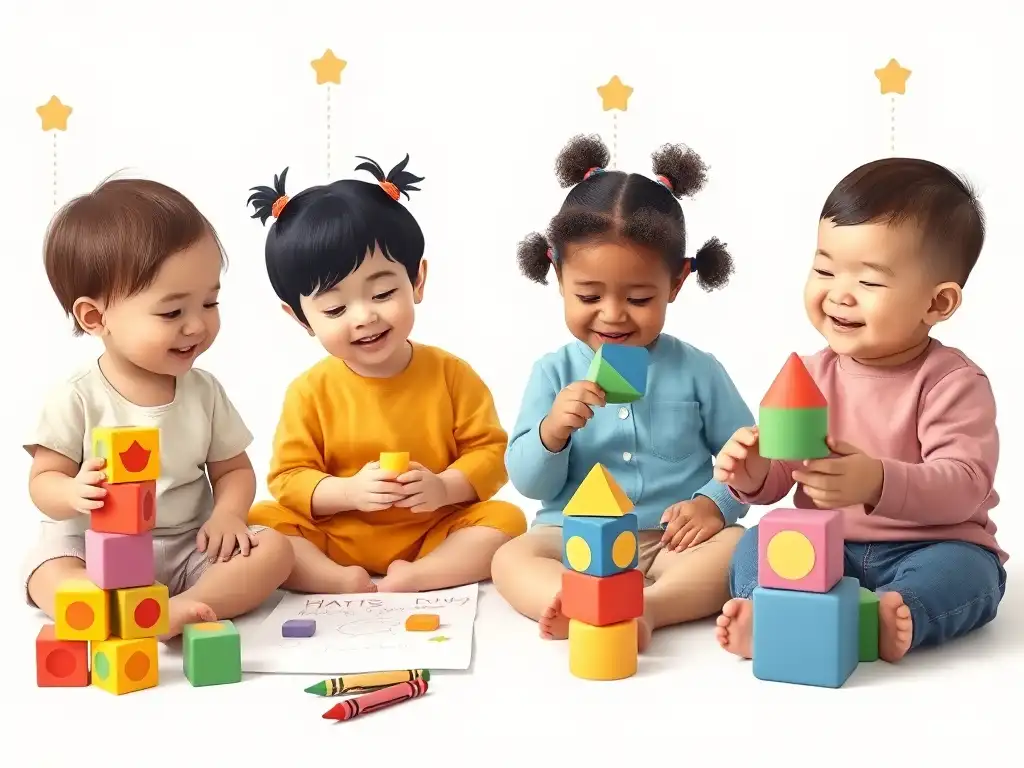
Positive reinforcement plays a crucial role in a child's development, particularly during the critical early years. It's not just about rewarding good behavior; it's about fostering a growth mindset and building a strong foundation for future learning and success. A child's brain is incredibly plastic during this period, meaning it's highly adaptable and responsive to environmental stimuli. Positive reinforcement harnesses this plasticity, shaping neural pathways that support healthy development.
This approach is particularly vital when addressing potential developmental delays, as it can significantly boost a child's confidence and motivation to learn and overcome challenges. Early intervention, coupled with consistent positive reinforcement, can make a substantial difference in a child's progress. Think of it as nurturing a delicate seedling – consistent care and encouragement are key to its growth and flourishing.
Ignoring developmental delays or adopting a punitive approach can have detrimental effects, hindering a child’s progress and potentially leading to long-term difficulties. The focus should always be on fostering a positive and supportive environment where the child feels safe to explore, experiment, and learn from both successes and setbacks. This is especially critical when referring to a Baby development milestones chart, as it allows parents to track progress and celebrate each achievement along the way.
Praising Effort Over Outcome: Building Confidence
Focusing on effort rather than solely on the outcome is a cornerstone of effective positive reinforcement. Instead of solely praising a perfectly drawn picture, praise the child's focus and persistence in completing the task. Phrases like, "Wow, you worked so hard on that drawing! I can see how much effort you put into it," are far more impactful than simply saying, "That's a beautiful picture!" The former fosters a growth mindset, emphasizing the process of learning and improvement over achieving immediate perfection.
This is particularly important for children who might be experiencing developmental delays, as it prevents them from feeling discouraged by setbacks and encourages them to keep trying. Consider this example: a child is learning to stack blocks. Instead of only praising a successful tower, celebrate their attempts, even if they fail. Say, "I see you're trying to make a tall tower!
That's fantastic! Keep practicing, and you'll get even better." This positive reinforcement builds resilience and confidence, essential components for overcoming challenges associated with developmental delays. Remember, the goal is to nurture a love of learning and a belief in their own capabilities.
Celebrating Small Wins: Encouraging Persistence
Celebrating small victories is crucial for maintaining motivation and encouraging persistence. Developmental milestones are not always achieved in a linear fashion. There will be ups and downs. Focusing on the small achievements along the way helps children to stay engaged and motivated.
For example, if a child is learning to write their name, celebrating the successful formation of one letter is just as important as completing the entire name. Using a baby development milestones chart can help parents identify these small wins and celebrate them accordingly. This approach is especially valuable for children who are facing developmental delays, as it helps them to recognize their progress and build confidence. Regularly acknowledging their efforts, no matter how small, reinforces their self-efficacy and encourages them to continue striving for their goals.
A simple "high five" or a sticker chart can be incredibly effective tools for celebrating these small wins. The key is consistency and genuine enthusiasm. This positive reinforcement fosters a positive association with learning and creates a cycle of success, motivating the child to continue progressing.
Creating a Supportive and Stimulating Environment
Creating a supportive and stimulating environment is paramount for a child's development. This involves providing opportunities for exploration, play, and interaction while ensuring a safe and secure space. A stimulating environment should cater to a child's developmental stage and interests, offering a variety of age-appropriate activities that encourage learning and growth. For example, providing colorful blocks for a toddler, age-appropriate books, puzzles, and music for a preschooler, or engaging them in creative activities such as drawing, painting, or playing with playdough.
This nurturing environment is particularly critical for children with developmental delays. A structured routine combined with play-based learning can help them to develop essential skills and build confidence. The environment should be free of judgment and pressure, allowing the child to explore their abilities at their own pace. Remember, patience and understanding are key.
A supportive environment fosters a secure attachment, which is essential for healthy emotional and social development. This, in turn, creates a positive feedback loop, further enhancing the effectiveness of positive reinforcement strategies. Using a baby development milestones chart as a guide helps parents create a tailored environment that addresses the child's specific needs and celebrates their unique progress. The ultimate goal is to create a loving and supportive atmosphere where the child feels encouraged to learn, grow, and reach their full potential.
Practical Strategies for Celebrating Small Victories

This section focuses on practical methods for celebrating developmental achievements in your child, emphasizing the importance of positive reinforcement and consistent monitoring. We'll explore how to effectively utilize a baby development milestones chart to track progress and identify areas needing extra attention. Remember, every milestone reached, no matter how small, is a significant victory deserving of celebration! This approach fosters a positive and encouraging environment crucial for your child's healthy development. Early intervention, guided by consistent observation and a proactive approach, is key.
Using a Baby Development Milestones Chart Effectively
A baby development milestones chart is an invaluable tool for tracking your child's progress. It provides a structured framework for observing key developmental milestones across various domains, including gross motor skills (like rolling over and crawling), fine motor skills (like grasping objects and using pincer grasp), language development (babbling, first words), and social-emotional development (smiling, engaging in social interactions).
However, it's crucial to remember that these charts are guidelines, not rigid rules. While they provide a helpful benchmark, every child develops at their own pace. Don't get discouraged if your child doesn't hit every milestone precisely on schedule. The chart should be used as a tool for observation and proactive engagement, not as a source of anxiety or comparison.
Here's how to use a baby development milestones chart effectively:
- Regular Monitoring: Aim to observe and record your child's progress at least once a week. Note down any new skills acquired or noticeable changes in behavior.
- Focus on Progress, Not Perfection: Celebrate every small achievement. Did your baby finally roll over? Did they babble a new sound? Acknowledge these moments with praise and affection.
- Identify Potential Areas for Support: If you notice any significant delays or concerns compared to the chart's guidelines, don't hesitate to seek professional advice from your pediatrician or a developmental specialist. Early intervention is crucial.
- Personalized Approach: Remember that each chart is a general guideline. Adapt it to your child's unique personality and development trajectory. What might be a significant milestone for one child might be less so for another.
- Documenting Progress: Keep detailed notes of your observations. This information can be invaluable during future check-ups with your pediatrician or other healthcare professionals.
Age-Appropriate Activities to Encourage Development
Engaging in age-appropriate activities is a fantastic way to stimulate your child's development and celebrate their progress. These activities should be fun and interactive, promoting a positive learning environment. Remember to adapt activities to your child's individual interests and capabilities.
Here are some examples, categorized by developmental area:
| Developmental Area | Age (Months) | Activity Examples |
|---|---|---|
| Gross Motor Skills | 3-6 | Tummy time, supported sitting, reaching for toys |
| 6-12 | Crawling, pulling to stand, cruising along furniture | |
| Fine Motor Skills | 3-6 | Reaching, grasping, mouthing toys |
| 6-12 | Picking up small objects, stacking blocks | |
| Language Development | 3-6 | Babbling, responding to sounds |
| 6-12 | Pointing, understanding simple words, saying first words | |
| Social-Emotional | 3-6 | Smiling, eye contact, showing affection |
| 6-12 | Playing simple games, interacting with others |
Remember to always supervise your child during playtime and ensure the environment is safe. The key is to make learning fun and engaging! 🎉
Creating a Routine for Consistent Progress Tracking
Establishing a consistent routine for tracking your child's development is crucial for early identification of potential delays and celebrating milestones. This routine doesn't need to be overly structured; a simple, manageable system will suffice.
Here's a suggested approach:
- Dedicated Time: Set aside a specific time each week (e.g., Sunday evening) to review your child's progress. This dedicated time ensures consistency and prevents overlooking important observations.
- Observation Checklist: Create a simple checklist based on your baby development milestones chart, noting key skills and behaviors to observe. This structured approach makes tracking progress much easier.
- Detailed Notes: Maintain a detailed journal or digital document recording your observations. Include dates, specific behaviors, and any relevant details. This detailed record provides valuable insights into your child's developmental trajectory.
- Photo/Video Documentation: Consider taking photos or videos of your child demonstrating new skills. This visual record serves as a wonderful keepsake and provides concrete evidence of progress. This visual documentation can also be invaluable during discussions with healthcare professionals.
- Regular Check-ups: Schedule regular check-ups with your pediatrician to discuss your observations and address any concerns. These check-ups provide a valuable opportunity for professional assessment and guidance.
By implementing this routine, you'll not only effectively track your child's development but also create a positive and supportive environment conducive to their growth and learning. Remember, celebrating small victories is a crucial part of nurturing your child's overall well-being and development.
Positive Communication: Talking, Singing, and Reading
Positive communication is a cornerstone of your baby's development, fostering language acquisition, cognitive growth, and emotional bonding. From the earliest days, your interactions lay the foundation for their future communication skills. Don't underestimate the power of simple, everyday conversations. Even newborns respond to the sound of your voice, and these early auditory experiences are crucial for brain development. Narrate your actions as you change their diaper, describing what you’re doing: "Now, we're taking off your diaper. See the clean one? It's soft and fluffy!" This constant verbal interaction introduces them to the rhythm and cadence of language.
Singing lullabies and nursery rhymes is another fantastic way to stimulate language development. The repetitive nature of these songs helps babies learn patterns and sounds, building a foundation for future vocabulary acquisition. Singing also creates a calming and loving atmosphere, strengthening the parent-child bond. Many studies show a direct correlation between exposure to music and improved cognitive development in infants. Try incorporating different musical styles and rhythms to broaden their auditory experiences.
Reading aloud, even to newborns, is incredibly beneficial. While they may not understand the words, they're absorbing the rhythm, intonation, and the comforting presence of you near them. Choose books with colorful illustrations and engaging textures. Point to the pictures as you read, naming the objects and describing their features.
This visual and auditory stimulation enhances their cognitive and language development. Remember to vary your tone and expression to keep them engaged. Even simple board books with a few words can be a source of immense learning and joy. The act of sharing a book together cultivates a love of reading that will last a lifetime.
Make it a regular part of your daily routine, creating a positive association with books and learning. This consistent interaction will significantly contribute to their overall development and help them reach their baby development milestones chart targets more easily. Regular reading also indirectly supports the development of fine motor skills as they eventually start to turn pages themselves.
Addressing Challenges and Seeking Support

Navigating the world of baby development can be both exhilarating and challenging. While every child develops at their own pace, understanding typical developmental milestones – often visualized in a Baby development milestones chart – is crucial. However, recognizing potential delays and knowing when to seek professional help is equally important. This section provides guidance on identifying potential developmental delays, working with professionals, and building a supportive network. Early intervention is key to maximizing your child's potential.
When to Seek Professional Help: Identifying Potential Delays
Identifying potential developmental delays requires careful observation and a realistic understanding of typical development. While variations exist, significant lags behind expected milestones warrant professional attention. A Baby development milestones chart can be a helpful tool, but should not be the sole determinant. Consider seeking professional help if your child consistently exhibits several of the following signs, depending on their age:
- For infants (0-12 months):
- Persistent difficulty feeding or sucking.
- Failure to meet visual milestones, such as following objects with their eyes or responding to faces.
- Lack of response to sounds or voices.
- Inability to hold their head up or roll over by the expected ages.
- Limited or absent social interaction, such as smiling or babbling.
- For toddlers (12-24 months):
- Significant delays in walking or talking.
- Difficulty with simple instructions or following basic commands.
- Lack of interest in playing with toys or engaging in interactive activities.
- Persistent irritability or unusual behavior patterns.
- Failure to develop age-appropriate social skills, such as sharing or playing with other children.
- For preschoolers (24-60 months):
- Difficulties with speech articulation and understanding language.
- Problems with fine motor skills, such as holding a crayon or using scissors.
- Challenges with gross motor skills, such as jumping, hopping, or running.
- Persistent difficulties with social interactions and making friends.
- Significant emotional or behavioral issues.
Remember, this list is not exhaustive. If you have any concerns whatsoever about your child's development, it's always best to consult a pediatrician or other qualified healthcare professional. Early intervention can significantly improve outcomes. Don't hesitate to reach out – your instincts are important! Early detection is crucial for maximizing your child's potential and improving their quality of life. A proactive approach is vital.
Working with Professionals: Therapists and Developmental Specialists
Once a developmental delay is suspected or diagnosed, working with a team of professionals is often essential. This team may include:
- Pediatrician: Your child's primary care physician will play a crucial role in coordinating care and making referrals to specialists.
- Developmental Pediatrician: Specializes in diagnosing and treating developmental delays and disabilities in children.
- Occupational Therapist (OT): Helps your child develop fine motor skills, such as hand-eye coordination and self-care skills.
- Physical Therapist (PT): Focuses on gross motor skills, such as balance, coordination, and movement.
- Speech-Language Pathologist (SLP): Addresses communication delays and difficulties with speech, language, and feeding.
- Special Education Teacher: Works with your child in a school setting to provide individualized instruction and support.
The specific professionals involved will depend on your child's individual needs and the nature of the delay. Open communication and collaboration with these professionals are key to creating a comprehensive intervention plan tailored to your child's unique circumstances. Regular check-ins and progress reviews will help to track your child's development and adjust the plan as needed. This collaborative approach is vital for optimal outcomes.
Building a Support Network: Connecting with Other Parents
Raising a child with developmental delays can be emotionally and physically demanding. Building a strong support network is crucial for both you and your child. Connecting with other parents facing similar challenges can provide invaluable emotional support, practical advice, and a sense of community.
Consider joining support groups, either online or in person. These groups offer a safe space to share experiences, ask questions, and learn from others. The shared experiences can be incredibly validating and empowering. You are not alone in this journey. Moreover, connecting with other parents can provide access to resources, information, and advocacy opportunities that might not be readily available otherwise. This sense of community can significantly impact your well-being and your child's development. Remember, seeking and accepting support is a sign of strength, not weakness. The journey is easier when shared.
Long-Term Benefits of Celebrating Small Victories
Celebrating your child's achievements, no matter how small, offers profound long-term benefits that extend far beyond immediate gratification. These seemingly insignificant victories lay the groundwork for a positive self-image, resilience in the face of challenges, and a proactive approach to learning and growth. A consistent pattern of acknowledging and praising effort fosters a healthy developmental trajectory, significantly impacting their future success.
This section will delve into the lasting impact of this approach, providing insights into how celebrating small wins can significantly contribute to your child's overall well-being and future prospects. The focus on positive reinforcement directly correlates with improved cognitive development, social-emotional growth, and overall academic achievement, making it a crucial component of a nurturing and supportive parenting style. This is especially important when considering the nuances of a Baby development milestones chart, as recognizing progress, even if it's slightly off schedule, is key.
Fostering a Growth Mindset in Your Child
A growth mindset, the belief that abilities and intelligence can be developed through dedication and hard work, is crucial for long-term success. By celebrating small victories, you subtly communicate to your child that effort and perseverance are valued more than innate ability. For example, instead of solely focusing on the final result of a puzzle, praise their persistence in trying different pieces and their problem-solving skills.
This approach encourages them to embrace challenges as opportunities for learning and growth, rather than viewing them as threats to their self-worth. This positive feedback loop reinforces the idea that mistakes are stepping stones to mastery, fostering a more resilient and adaptable personality. Research consistently demonstrates a strong correlation between a growth mindset and academic achievement, as well as overall life satisfaction.
The earlier you instill this mindset, the greater the long-term benefits for your child. This is particularly relevant when navigating potential developmental delays, as focusing on progress, however small, helps to build confidence and prevents feelings of inadequacy.
Building Resilience and Self-Esteem
Celebrating small victories significantly contributes to building your child's resilience and self-esteem. Each accomplishment, no matter how minor, boosts their confidence and reinforces their belief in their capabilities. This positive reinforcement creates a sense of self-efficacy, empowering them to tackle future challenges with greater courage and determination. When a child experiences repeated success, even in small tasks, they develop a stronger sense of self-worth and a belief in their ability to overcome obstacles.
This is especially important during periods of frustration or setbacks, which are inevitable throughout childhood. For instance, mastering a new skill, like stacking blocks or saying a new word, provides a tangible sense of achievement, boosting their self-esteem and fostering a positive self-image. Consider keeping a visual record of these achievements – a simple chart or scrapbook can serve as a powerful reminder of their progress and accomplishments, further reinforcing their sense of self-efficacy.
Preparing Your Child for Future Success
The consistent practice of celebrating small victories lays a strong foundation for future success in various aspects of life. By fostering a growth mindset and building resilience, you equip your child with the essential tools to navigate the complexities of school, relationships, and their future career. The ability to persevere through challenges, learn from setbacks, and maintain a positive self-image are invaluable assets that contribute to long-term well-being and achievement.
The proactive approach instilled by celebrating small wins translates to a greater willingness to take on new challenges and embrace opportunities for growth. This proactive attitude is a key ingredient in achieving both personal and professional goals. Moreover, this approach helps children develop essential problem-solving skills and a positive attitude toward learning, which are crucial for academic success and future career prospects.
By consistently acknowledging and celebrating their effort and progress, you are empowering your child to become a confident, resilient, and successful individual. Remember, even the smallest steps on a Baby development milestones chart represent significant progress and deserve to be celebrated.
Frequently Asked Questions
What is a baby development milestones chart?
A baby development milestones chart is a tool that tracks your baby's progress in various areas like physical skills (e.g., rolling over, crawling), language development (e.g., babbling, saying first words), and cognitive skills (e.g., problem-solving). It helps identify potential delays or concerns.
Why is tracking my baby's development important?
Tracking your baby's development is crucial for early identification of potential developmental delays. Early intervention is key to providing support and maximizing your child's potential. It also provides reassurance and celebrates milestones.
Where can I find a reliable baby development milestones chart?
Many reliable sources offer baby development milestones charts, including your pediatrician's office, the CDC website, and reputable parenting websites like BabyCareHub. Always consult your pediatrician with any concerns.
What should I do if my baby isn't meeting the milestones on the chart?
If your baby isn't meeting certain milestones, don't panic. Each child develops at their own pace. However, it's important to discuss your concerns with your pediatrician for a professional assessment and guidance.
How can I encourage my baby's development?
You can encourage your baby's development through interactive play, providing a stimulating environment, reading to them, singing songs, and talking to them frequently. Remember to follow their lead and focus on positive interactions.
Final Reflection: The Enduring Power of Small Steps
Celebrating the small victories in your child's development isn't just about ticking boxes on a milestone chart; it's about fostering a lifelong love of learning and building unshakeable self-esteem. These seemingly insignificant achievements—a first smile, a wobbly step, the utterance of a first word—are monumental building blocks in a child's journey, shaping their future confidence and resilience. Understanding this profound impact shifts our perspective from simply tracking progress to actively nurturing growth.
The journey of watching a child develop is a deeply personal and profoundly moving experience. It's a constant reminder of the incredible capacity for growth and learning inherent in every human being. The greatest discovery of all time is that a person can change his future by merely changing his attitude.
- Oprah Winfrey. This quote rings true not only for the child but also for the parent, reminding us to approach each milestone with patience, understanding, and unwavering support. The subtle shifts in behavior, the gradual accumulation of skills, all contribute to a tapestry of growth that is uniquely beautiful and deeply rewarding.
Now, consider how you can apply this understanding to your own interactions with your child. Take a moment to appreciate the small wins, to celebrate the effort, and to foster a positive and encouraging environment. Don't just focus on the chart; focus on the joy of the journey. Remember, every tiny step forward is a victory worth celebrating, a testament to your child's potential, and a building block for a bright and fulfilling future. Embrace the process, cherish the moments, and watch your child flourish.
Unleash Your Child's Potential: Celebrate Their Growth!
Thank you for exploring ways to nurture your child's development! We hope you found valuable insights into celebrating even the smallest achievements. Now, let's put that knowledge into practice:
- Create a "Victory Jar": Designate a special jar to collect notes about your child's accomplishments, both big and small. This visual reminder will boost their confidence and yours!
- Share this inspiring approach with other parents! Discuss your experiences and learn from one another in the comments below.
- Consider documenting your child's journey with photos or videos—a wonderful keepsake to cherish as they grow.
What will you celebrate with your child today?