
The Truth About Humidifiers: Debunking Common Misconceptions

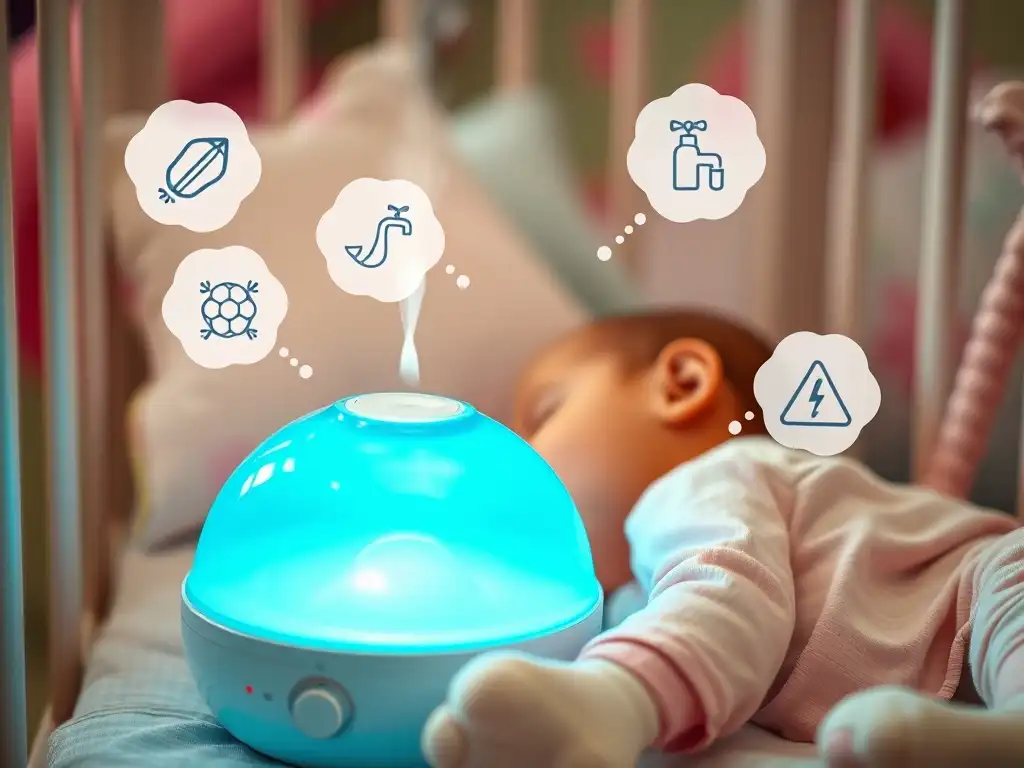
Welcome to BabyCareHub, your ultimate guide to navigating the incredible journey of parenthood! Are you overwhelmed by conflicting advice on newborn care? We understand. That's why we've created this comprehensive resource, packed with practical tips and expert insights. But first, let's tackle a common concern: are you using a baby humidifier correctly, or are you falling for some pervasive myths? Discover the truth in our insightful article, " Baby humidifier myths debunked," and gain confidence in caring for your little one's health and well-being. Let's explore together!
- Understanding Humidity and Your Baby's Respiratory Health
-
Myth #1: All Humidifiers are Created Equal – Exploring Different Types
- Cool Mist Humidifiers vs. Warm Mist Humidifiers: A Detailed Comparison
- Ultrasonic Humidifiers: Benefits, Drawbacks, and Best Practices
- Vicks V3700 Ultrasonic Humidifier Review: Features and Performance
- Evaporative Humidifiers: A Natural Approach to Humidification
- Crane Drop Humidifier: Pros and Cons for Baby's Room
- Myth #2: Humidifiers are Only Necessary in Winter – Year-Round Benefits
- Myth #3: Larger is Always Better – Choosing the Right Humidifier Size for Your Nursery
- Myth #4: Humidifiers are a Cure-All – Addressing Underlying Respiratory Issues
- Myth #5: Cleaning a Humidifier is Optional – Preventing Mold and Bacteria Growth
- Choosing the Right Baby Humidifier: A Buying Guide
- Frequently Asked Questions
- Final Reflection: Breathing Easier: The Lasting Impact of Humidifier Truths
- Breathe Easier: Take Control of Your Home's Humidity
Understanding Humidity and Your Baby's Respiratory Health
Navigating the world of newborn care can feel overwhelming, and understanding the nuances of your baby's environment is crucial for their well-being. This article delves into the often-misunderstood topic of humidifiers for babies, separating fact from fiction and providing you with evidence-based information to make informed decisions about your little one's nursery. We'll debunk common myths surrounding baby humidifiers and equip you with the knowledge to create a healthy and comfortable environment for your infant.
This guide is designed to help you understand the importance of humidity control in preventing respiratory issues and promoting your baby's overall health. Learn how to maintain the ideal humidity levels in your baby's nursery, contributing to their healthy development and peaceful sleep. By the end, you'll be confident in your ability to address the concerns surrounding humidity and your baby's respiratory health, contributing to a healthier and happier home.
The Importance of Proper Humidity for Infants
Maintaining the right humidity levels in your baby's nursery is paramount for their respiratory health. Infants, with their delicate and still-developing airways, are particularly susceptible to the negative effects of both excessively dry and overly humid air. Dry air can irritate their nasal passages and tiny lungs, leading to increased susceptibility to infections and discomfort.
Conversely, excessively humid air can create a breeding ground for mold and mildew, potentially triggering allergies and respiratory problems. Think of it like this: just as Goldilocks needed porridge that was "just right," your baby's nursery needs a humidity level that's neither too high nor too low. Finding that "just right" spot is key to supporting their healthy respiratory development.
This delicate balance ensures that your baby's airways remain comfortably moist, facilitating easier breathing and reducing the risk of common respiratory ailments. The benefits of properly humidified air extend beyond simply preventing illness; it also contributes to a more comfortable and restful sleep environment for your little one.
Dry Air and Baby's Sensitive Airways: Symptoms and Risks
Dry air is a common culprit behind many infant respiratory issues. Symptoms of dry air exposure in babies can include a dry, persistent cough; frequent nosebleeds; irritated nasal passages leading to congestion; and cracked or dry skin. These seemingly minor symptoms can escalate into more serious problems if left unaddressed. Prolonged exposure to dry air can increase the risk of respiratory infections like bronchitis and pneumonia, as the dry air can weaken the natural defenses of the respiratory system. Furthermore, dry air can worsen existing conditions such as eczema or asthma.
Recognizing these symptoms early is crucial. If your baby exhibits any of these symptoms, consulting a pediatrician is always recommended. Remember, prevention is key, and maintaining optimal humidity levels is a significant step in protecting your baby's sensitive airways. Early intervention can help prevent minor issues from developing into more serious health concerns.
Ideal Humidity Levels for a Baby's Nursery: Maintaining a Healthy Environment
The ideal humidity level for a baby's nursery generally falls within the range of 40-50%. Maintaining this range helps prevent both dryness and excessive moisture, creating a comfortable and healthy environment for your little one. Using a reliable hygrometer, a device that measures humidity, is essential for monitoring and adjusting the humidity levels in your baby's room. There are various methods to achieve and maintain the ideal humidity, including the use of humidifiers (cool-mist is generally recommended for safety reasons), proper ventilation, and even strategically placing houseplants.
However, remember to regularly clean humidifiers to prevent the growth of mold and bacteria. Regularly cleaning and maintaining your humidifier is crucial to preventing the very problems you're trying to avoid. By consistently monitoring and adjusting humidity levels, you contribute significantly to your baby's respiratory health and overall well-being.
This proactive approach will help ensure a healthy and comfortable environment for your precious little one. Remember, a well-maintained nursery is a happy and healthy nursery! 👶
Myth #1: All Humidifiers are Created Equal – Exploring Different Types
The market offers a diverse range of humidifiers, each with its own set of features, benefits, and drawbacks. Assuming all humidifiers perform identically is a common misconception that can lead to ineffective or even harmful outcomes for your baby. Understanding the differences is crucial for selecting the best humidifier for your nursery. This section will delve into the specifics of different humidifier types, helping you make an informed decision based on your individual needs and preferences. Proper humidifier selection is key to effectively addressing dry air issues and promoting your baby's respiratory health. Let's explore the most popular types.
Cool Mist Humidifiers vs. Warm Mist Humidifiers: A Detailed Comparison
Cool mist humidifiers, as their name suggests, disperse a cool vapor into the air. These are generally considered safer than warm mist humidifiers, particularly around children, as they eliminate the risk of burns. They operate using either evaporative or ultrasonic technology. Evaporative models use a fan to draw air over a water-soaked filter, producing a cool, moisture-laden breeze. Ultrasonic models use high-frequency vibrations to create a fine mist.
Warm mist humidifiers, on the other hand, heat water to create a warm steam. While effective at adding moisture to the air, they pose a higher burn risk and require more careful supervision. They are generally less energy-efficient than cool mist alternatives.
| Feature | Cool Mist Humidifier | Warm Mist Humidifier |
|---|---|---|
| Safety | Generally safer, lower burn risk | Higher burn risk, requires close supervision |
| Operation | Evaporative or Ultrasonic | Heats water to create steam |
| Maintenance | Requires regular cleaning and filter replacement | Requires regular cleaning and descaling |
| Noise Level | Can vary depending on the type; ultrasonic models can be quieter | Generally louder than cool mist humidifiers |
| Energy Use | Generally more energy-efficient | Generally less energy-efficient |
| Effectiveness | Effective for adding moisture to the air | Very effective for adding moisture to the air |
Choosing between cool and warm mist depends on your priorities. If safety and energy efficiency are paramount, a cool mist humidifier is the better choice. If you prioritize rapid humidification, a warm mist model might be considered, but only with extreme caution and awareness of the safety risks. Always prioritize safety when selecting a humidifier for your baby's nursery.
Ultrasonic Humidifiers: Benefits, Drawbacks, and Best Practices
Ultrasonic humidifiers are a popular choice for their quiet operation and efficient moisture delivery. They utilize high-frequency vibrations to turn water into a fine mist. However, they also present some potential drawbacks. Some models can produce a white dust, which is essentially mineral deposits from the water. This can be minimized by using distilled or filtered water. Additionally, some studies suggest that ultrasonic humidifiers may release small amounts of volatile organic compounds (VOCs) depending on the quality of the unit. It's crucial to choose a reputable brand and follow cleaning instructions carefully to mitigate these risks.
Regular cleaning is paramount with ultrasonic humidifiers. Mineral buildup can clog the unit and reduce its effectiveness. Cleaning should be done at least weekly, following the manufacturer’s instructions. Using distilled water significantly reduces mineral buildup and the possibility of white dust. Regular maintenance ensures optimal performance and minimizes the risk of potential health concerns. Prioritize models with easy-to-clean designs for convenient upkeep.
Vicks V3700 Ultrasonic Humidifier Review: Features and Performance
The Vicks V3700 is a popular ultrasonic humidifier often recommended for nurseries. It features a large tank capacity, reducing the frequency of refills. It also includes a digital display and adjustable mist settings, allowing for precise control over humidity levels. User reviews generally praise its quiet operation and ease of use.
However, some users report occasional issues with mineral buildup, highlighting the importance of regular cleaning and the use of filtered water, as discussed previously. Remember that individual experiences can vary, and thorough research before purchase is always recommended. This review is not an endorsement, but rather a data point in your research process. Consider reading multiple independent reviews before making a purchasing decision.
Evaporative Humidifiers: A Natural Approach to Humidification
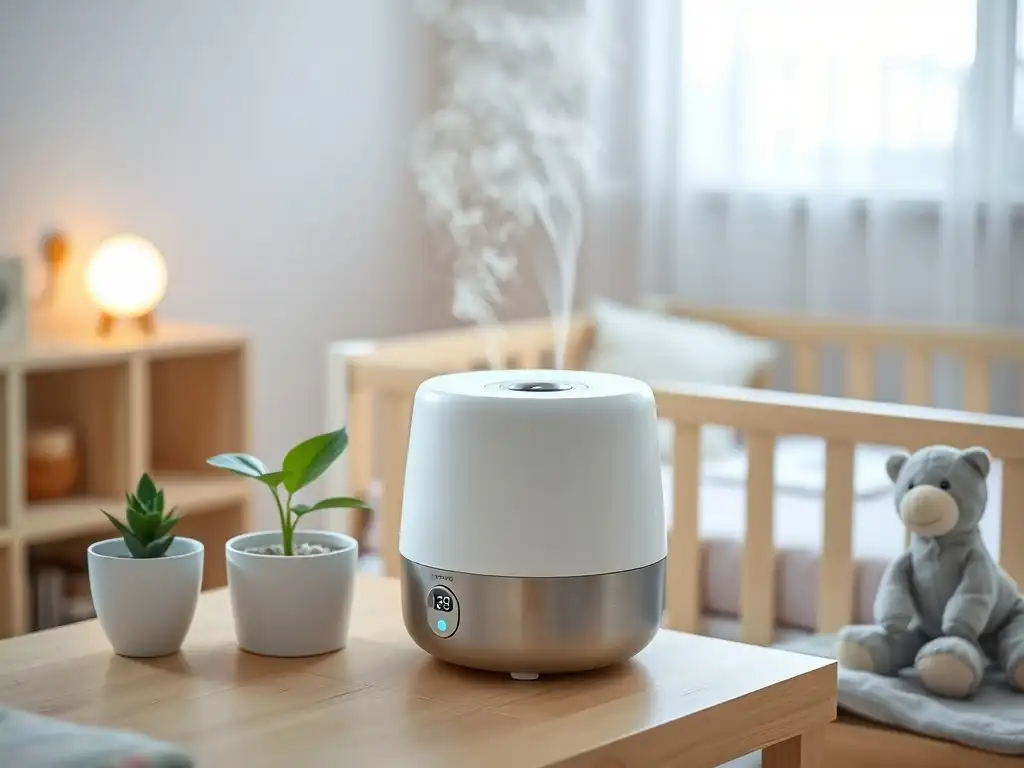
Evaporative humidifiers work by drawing water into a filter, where it's then dispersed into the air as a cool mist. This method is considered gentler and safer than other types, making them a popular choice for nurseries. The lack of heat significantly reduces the risk of burns, a crucial safety factor when dealing with curious little ones.
Furthermore, evaporative humidifiers tend to be quieter than ultrasonic models, contributing to a more peaceful sleep environment for your baby. However, they do require more frequent cleaning and maintenance than some other types because mineral buildup can occur within the filter. Regular cleaning, ideally daily, is essential to prevent the growth of mold and mildew, which could trigger allergies or respiratory problems in your baby.
The output of moisture is also generally lower compared to ultrasonic models, meaning they might be less effective in extremely dry climates. Choosing the right size evaporative humidifier for your baby's room is crucial; a unit that's too small won't sufficiently humidify the space, whereas one that's too large could lead to excessive moisture. Always refer to the manufacturer's recommendations regarding room size and usage.
Crane Drop Humidifier: Pros and Cons for Baby's Room
The Crane Drop humidifier is a popular choice among parents, but like any product, it has its advantages and disadvantages. One of its significant pros is its compact and stylish design, which fits seamlessly into most nurseries without looking bulky or out of place. Many parents appreciate its ease of use; the simple controls and large water tank make it convenient for daily use. The Crane Drop is also lauded for its quiet operation, contributing to a peaceful atmosphere for both baby and parents.
The cool mist output is generally considered gentle and safe, reducing the risk of burns compared to warm mist humidifiers. However, some users report that the humidifier's output can be inconsistent, sometimes producing a weaker mist than expected, especially after prolonged use. Regular cleaning and filter replacement are essential to maintain optimal performance and prevent mineral buildup.
Another potential drawback is the relatively small water tank capacity, requiring more frequent refills, particularly in dry climates or larger rooms. While generally considered reliable, occasional malfunctions have been reported by some users, highlighting the importance of reading reviews and considering warranty options before purchasing. Ultimately, the Crane Drop humidifier's suitability depends on your specific needs and preferences; consider the size of your baby's room and your tolerance for frequent refills when making your decision.
Myth #2: Humidifiers are Only Necessary in Winter – Year-Round Benefits
Many parents believe that humidifiers are solely a winter necessity, combating the dry air caused by central heating. This is a common misconception. While winter's low humidity is undeniably harsh on delicate baby skin and respiratory systems, the truth is that maintaining optimal humidity levels is crucial throughout the entire year. Ignoring this year-round need can lead to various health issues for your little one.
This section will explore the importance of humidification beyond the cold winter months. Understanding the year-round benefits of a baby humidifier will help you make informed decisions about your baby's well-being, dispelling the myth that humidifiers are only needed during winter. Proper humidity management is a key aspect of baby health and wellness, contributing to better sleep, reduced illness, and improved overall comfort for your baby.
Maintaining Optimal Humidity During Summer Months
While summer is associated with higher humidity, air conditioning can drastically reduce moisture levels in the air, leading to dryness similar to that experienced in winter. Air conditioners work by removing moisture from the air, often creating an environment that's too dry, especially in homes with central air conditioning systems. This dryness can irritate your baby's delicate skin, causing dryness, flakiness, and even eczema flare-ups. Similarly, dry air can also exacerbate nasal congestion and respiratory issues, making it harder for your baby to breathe comfortably.
Maintaining a comfortable humidity level in the summer can combat these effects, ensuring your baby's skin stays hydrated and their breathing remains unimpeded. The ideal humidity level for a baby's nursery is generally between 40% and 60%, regardless of the season. Regularly monitoring humidity levels with a hygrometer is recommended to ensure the humidifier is operating effectively and maintaining the optimal range.
The Impact of Central Heating and Air Conditioning on Humidity Levels
Both central heating and air conditioning significantly impact the humidity levels within your home. Central heating systems, prevalent in colder climates, drastically reduce humidity levels by drying out the air. This is due to the heating process itself, which removes moisture from the air. Conversely, central air conditioning, used to cool homes during warmer months, also reduces humidity through the process of dehumidification.
While this can be beneficial in very humid climates, it often leads to excessively dry air in most environments. The combined effect of these climate-control systems can create a consistently dry indoor environment, potentially harming your baby's health. Using a humidifier helps mitigate the negative effects of both heating and cooling systems, maintaining a comfortable and healthy humidity level year-round. Consider investing in a humidifier with a humidistat to automate the process and maintain a consistent level of humidity.
Preventing Dry Skin and Nasal Congestion Year-Round
Dry air is a major contributor to dry skin and nasal congestion in babies. This is because dry air draws moisture from the skin and mucous membranes, leading to irritation and discomfort. In babies, this can manifest as dry, flaky skin, eczema flare-ups, and increased susceptibility to respiratory infections.
Dry nasal passages can also make it difficult for babies to breathe comfortably, leading to increased fussiness and sleep disturbances. A humidifier adds moisture to the air, preventing these dryness-related problems. By maintaining optimal humidity levels, you can help your baby's skin stay hydrated and their nasal passages stay moist, reducing the risk of irritation and infection.
This is crucial not only in winter but also throughout the year, especially in homes with central heating and air conditioning. The benefits extend beyond simply preventing dryness; a properly humidified environment can also contribute to better sleep and overall improved well-being for your baby. Remember, a happy, healthy baby sleeps better, and a humidifier can play a significant role in achieving that.
Myth #3: Larger is Always Better – Choosing the Right Humidifier Size for Your Nursery
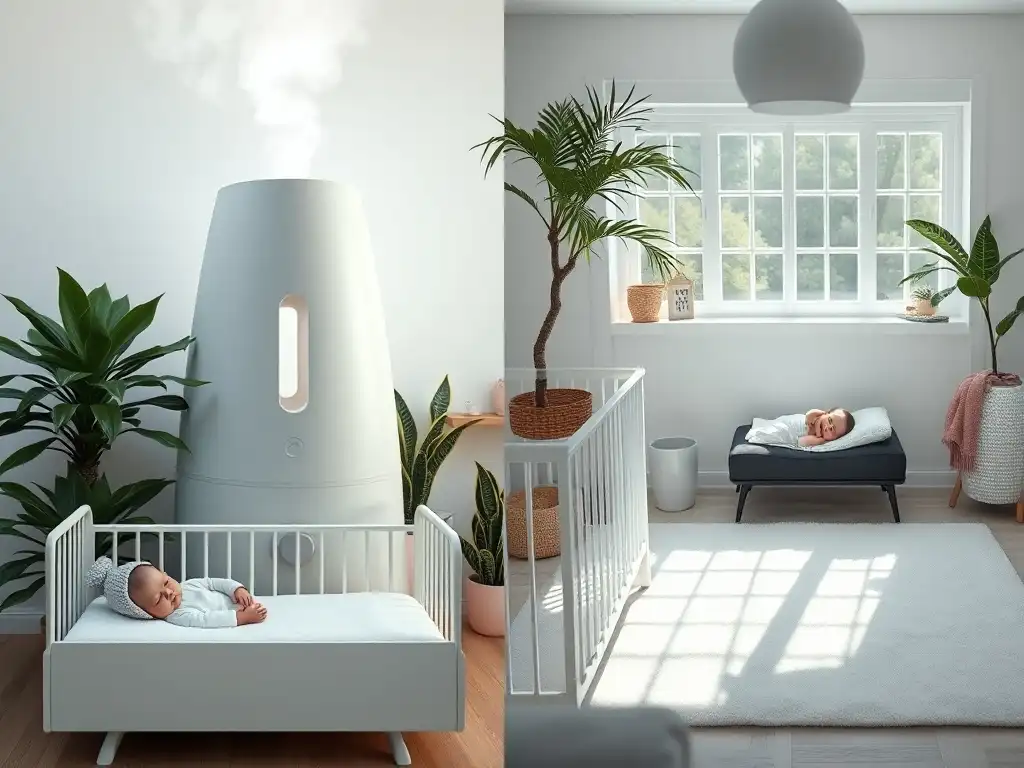
Many parents assume that a larger humidifier is automatically better, believing it will provide more effective humidification and last longer. This is a common misconception. In reality, choosing the right size humidifier is crucial for your baby's health and safety, and a larger-than-necessary unit can lead to several problems. Over-humidification, as we'll discuss, is a significant concern.
The optimal humidifier size depends entirely on the square footage of your baby's nursery. Using a humidifier that's too large can lead to excessive moisture, increasing the risk of mold growth and respiratory problems for your little one. Conversely, one that's too small may not effectively raise the humidity to the recommended level. Finding the sweet spot is key to ensuring a comfortable and healthy environment.
Calculating the Appropriate Humidifier Capacity for Your Room Size
Determining the correct humidifier size requires a simple calculation based on your nursery's dimensions. First, measure the length and width of the room in feet. Multiply these figures to obtain the square footage. For example, a nursery measuring 10 feet by 12 feet has a total area of 120 square feet.
Manufacturers typically provide guidelines on the appropriate square footage coverage for their humidifiers. These recommendations often fall within a range, accounting for differences in ceiling height and room insulation. For instance, a humidifier might be rated for rooms between 200 and 300 square feet. Always check the manufacturer's specifications before purchasing. Avoid solely relying on the humidifier's water tank capacity; this is not a reliable indicator of its effectiveness for a specific room size.
Here's a helpful table to illustrate the relationship between room size and humidifier capacity:
| Room Size (sq ft) | Recommended Humidifier Capacity (sq ft) | Notes |
|---|---|---|
| 100 - 200 | 100 - 250 | Suitable for smaller nurseries |
| 200 - 300 | 200 - 350 | Ideal for average-sized nurseries |
| 300 - 400 | 300 - 450 | Suitable for larger nurseries |
| >400 | Consider multiple smaller humidifiers | Avoid over-humidification in large spaces |
Remember to always prioritize the square footage coverage rating provided by the manufacturer over other factors when selecting a humidifier.
Over-humidification: Risks and Prevention
Over-humidification, caused by using a humidifier that's too large or running it for extended periods, creates a breeding ground for mold and mildew. These can trigger or exacerbate respiratory problems in babies, leading to coughing, wheezing, and other respiratory distress. A humid environment also promotes the growth of dust mites, another common allergen for infants. Furthermore, excessively high humidity can make your baby feel uncomfortable and even lead to skin irritations.
Preventing over-humidification is paramount. Always follow the manufacturer's instructions regarding runtime and water tank refills. Regularly clean your humidifier to prevent bacterial growth. Consider using a hygrometer – a device that measures humidity levels – to monitor the humidity in your baby's room.
The ideal humidity level for a nursery generally falls between 30% and 50%. Maintaining this range will help create a healthy environment for your little one. Regularly airing out the room, even in colder months, can also help to balance humidity levels. Don't be afraid to open a window for a short period each day to allow for proper ventilation.
Honeywell HCM350 Cool Mist Humidifier: Perfect for Smaller Nurseries
The Honeywell HCM350 Cool Mist Humidifier is a compact and efficient option, particularly well-suited for smaller nurseries. Its relatively small footprint makes it ideal for rooms with limited space. While specific square footage coverage should always be verified on the manufacturer’s website or packaging, the HCM350 is generally recommended for rooms up to a certain size (this data is pending). This model utilizes cool mist technology, minimizing the risk of burns associated with warm mist humidifiers.
Its ease of use and cleaning, coupled with its quiet operation, makes it a popular choice among parents. However, remember that even this smaller model can lead to over-humidification if not used correctly. Always monitor the humidity levels in your baby's room using a hygrometer to ensure a safe and comfortable environment. Remember, the size of the humidifier is just one factor; proper usage and maintenance are equally crucial.
Levoit Classic 300S Smart Ultrasonic Humidifier: Ideal for Larger Spaces
The Levoit Classic 300S is a popular choice for parents seeking to humidify larger nurseries or even open-plan living spaces incorporating the nursery. Its larger tank capacity means fewer refills, a significant advantage during those sleep-deprived first few months. This model boasts a coverage area of up to 750 square feet, making it suitable for generously sized rooms.
However, it's crucial to remember that the actual effective humidification area might vary depending on factors such as room layout, ceiling height, and the presence of any air vents or drafts. Always consider these variables when choosing a humidifier for your baby's room. Over-humidification can be as detrimental as under-humidification, potentially contributing to mold growth or respiratory issues.
The smart features of the Levoit Classic 300S, such as its app control and automatic shutoff, are appealing for busy parents. These features allow for precise control over humidity levels, ensuring the environment remains consistently comfortable and safe for your little one. The app also provides real-time humidity readings, offering valuable data to help you monitor and adjust the humidifier's settings as needed.
Furthermore, regular cleaning and maintenance are essential for all humidifiers to prevent the growth of bacteria and mold. The Levoit Classic 300S, despite its size, is designed with relatively easy-to-clean components. However, always consult the manufacturer's instructions for specific cleaning procedures.
While its larger size and capacity might seem ideal, remember that a humidifier's size should always be proportionate to the room's dimensions. A humidifier that’s too powerful for a small nursery could lead to excessive humidity, which, as mentioned earlier, presents its own set of health risks. Therefore, carefully consider your nursery's size and layout before investing in a large-capacity humidifier like the Levoit Classic 300S. Choosing the right humidifier involves careful consideration of your needs and the specific environment of your baby's room.
Don't be swayed solely by size; prioritize functionality, safety, and ease of maintenance. Consider smaller, more compact options if your nursery is relatively small. The key is to find the perfect balance between effective humidification and a safe, healthy environment for your baby.
Myth #4: Humidifiers are a Cure-All – Addressing Underlying Respiratory Issues
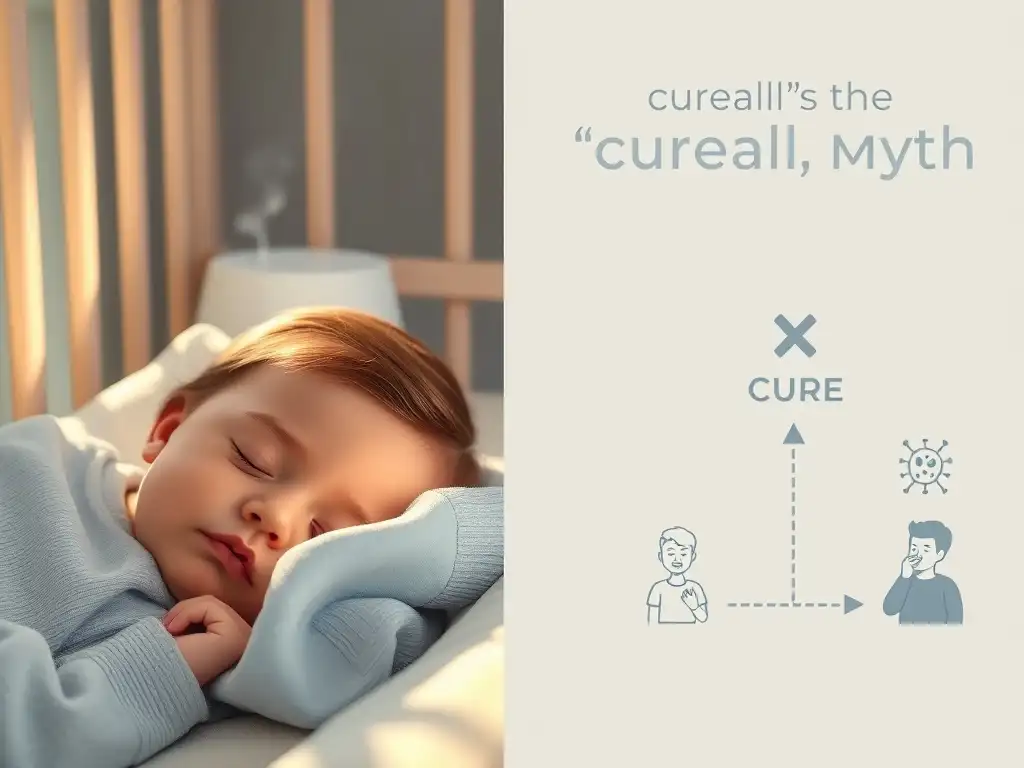
Humidifiers, while beneficial in alleviating dry air-related discomfort, are not a panacea for all respiratory problems. Thinking of a humidifier as a cure-all for coughs, congestion, or other respiratory issues in babies is a dangerous misconception. While added moisture can soothe irritated airways, it does not address the root cause of the problem. For example, a humidifier won't cure a viral infection like the common cold or influenza.
It simply helps to manage some of the symptoms. Over-reliance on humidifiers without proper medical attention can delay appropriate treatment for serious underlying conditions. This is especially crucial for infants, whose respiratory systems are still developing and more vulnerable. Understanding the limitations of humidifiers is vital for responsible baby care.
When to Consult a Pediatrician Regarding Baby's Respiratory Health
It's crucial to understand when a humidifier is insufficient and professional medical attention is necessary. Parents should contact their pediatrician immediately if their baby exhibits any of the following symptoms, even in conjunction with humidifier use:
- Persistent cough: A cough that lasts for more than two weeks or worsens despite humidifier use warrants a doctor's visit.
- Wheezing: A whistling sound during breathing indicates potential airway obstruction and requires immediate evaluation.
- Difficulty breathing: Rapid breathing, nasal flaring, or grunting are signs of respiratory distress and necessitate immediate medical attention.
- Fever: A high fever, especially accompanied by other respiratory symptoms, indicates a potential infection requiring medical intervention.
- Changes in feeding patterns: If your baby is feeding less frequently or showing signs of discomfort during feeding, it could be linked to respiratory issues.
- Lethargy or irritability: Unusual sleepiness or increased fussiness could signal underlying health problems.
- Blueish discoloration of skin (cyanosis): This is a serious sign of oxygen deprivation and requires immediate emergency medical care.
Remember, early intervention is key. Don't hesitate to contact your pediatrician if you have any concerns about your baby's respiratory health, even if you're already using a humidifier. Early diagnosis and treatment can significantly improve outcomes. A humidifier is a supportive tool, not a replacement for professional medical advice.
Humidifier Use in Conjunction with Other Treatments for Colds and Flu
While a humidifier can ease congestion and soothe a dry cough associated with colds and the flu, it should be used in conjunction with, not instead of, other recommended treatments. This might include saline nasal drops to clear nasal passages, elevating the baby's head while sleeping to improve drainage, and ensuring adequate hydration. For infants, always follow your pediatrician's advice on the appropriate course of treatment. Using a humidifier alongside these methods can create a more comfortable environment for your baby while they recover.
It's important to remember that humidifiers don't fight viral infections; they simply manage some symptoms. Focusing solely on humidifier use while neglecting other necessary treatments could prolong illness and potentially lead to complications. A holistic approach that combines environmental management (like humidifier use) with medical advice is the most effective strategy.
Distinguishing Between a Dry Cough and Other Respiratory Problems
A dry cough can be a symptom of various conditions, ranging from a simple dry throat to more serious respiratory illnesses. Understanding the difference is crucial. A dry cough due to dry air is typically relieved with humidifier use. However, a cough accompanied by other symptoms like fever, wheezing, or difficulty breathing indicates a more significant issue.
Consider this table to help distinguish between a simple dry cough and potentially more serious problems:
| Symptom | Dry Cough (Dry Air) | Other Respiratory Problems |
|---|---|---|
| Cough | Dry, hacking | May be dry, wet, or rattling |
| Fever | Usually absent | Often present |
| Wheezing | Absent | Often present |
| Difficulty Breathing | Absent | Often present |
| Nasal Congestion | May be present, but mild | Often severe |
| Other Symptoms | None or minimal | May include lethargy, irritability, poor feeding |
If your baby's cough is accompanied by any of the symptoms listed in the "Other Respiratory Problems" column, seek immediate medical attention. Don't rely solely on a humidifier to address the underlying issue. Early diagnosis and appropriate treatment are essential for your baby's well-being. Remember, a humidifier is a helpful tool, but not a replacement for professional medical care.
Myth #5: Cleaning a Humidifier is Optional – Preventing Mold and Bacteria Growth
This couldn't be further from the truth! Failing to clean your baby's humidifier regularly can create a breeding ground for mold, mildew, and bacteria. These microorganisms can be inhaled by your baby, potentially leading to respiratory infections and other health problems. Think of it this way: a humidifier, while intended to improve air quality, can become a significant source of contamination if neglected.
The moist environment inside the humidifier is a perfect incubator for harmful microorganisms, especially if you're using tap water which contains minerals and other impurities. Ignoring regular cleaning is a serious risk to your little one's health and well-being. Remember, a clean humidifier is a safe humidifier.
Regular Cleaning and Maintenance of Your Baby's Humidifier
Regular cleaning is paramount for maintaining a hygienic environment for your baby. Aim for a thorough cleaning at least once a week, or more frequently if you notice any signs of mineral buildup, discoloration, or a musty odor. Here's a step-by-step guide for effective cleaning:
- Power Off and Disconnect: Always unplug the humidifier before cleaning to prevent electrical shock.
- Empty and Rinse: Empty the water reservoir and thoroughly rinse it with clean water. Use a soft brush or sponge to remove any visible debris.
- Disassemble: If possible, disassemble the humidifier into its individual parts for easier cleaning.
- Wash with Soap and Water: Wash all removable parts with warm soapy water. Avoid using harsh chemicals or abrasive cleaners. A mild dish soap is usually sufficient.
- Rinse Thoroughly: Rinse all parts thoroughly to remove any soap residue.
- Air Dry: Allow all parts to air dry completely before reassembling and refilling the humidifier. Never use a towel to dry the components as this can leave behind lint.
- Weekly Cleaning is Key: Establishing a weekly cleaning routine is crucial for preventing the growth of harmful bacteria and mold. Think of it as part of your baby's routine healthcare.
Regular cleaning not only prevents the growth of harmful microorganisms but also ensures the optimal performance of the humidifier. A clean humidifier will effectively moisturize the air without introducing contaminants.
Best Practices for Cleaning Different Types of Humidifiers
Cleaning procedures vary slightly depending on the type of humidifier you own. Ultrasonic humidifiers, for instance, often require more frequent cleaning due to their delicate components. Here's a breakdown:
| Humidifier Type | Cleaning Frequency | Specific Considerations |
|---|---|---|
| Ultrasonic | Weekly, sometimes more frequently | Carefully clean the vibrating plate to avoid damage. Avoid harsh scrubbing. |
| Cool-Mist Evaporative | Weekly | Thoroughly clean the wick filter or pad, replacing it as needed. |
| Warm-Mist | Weekly | Ensure the unit is completely cool before cleaning. Avoid submerging electrical parts. |
Always refer to your humidifier's user manual for specific cleaning instructions. Different models may have unique components and cleaning requirements. Ignoring manufacturer guidelines can void your warranty and potentially damage your humidifier.
Using Distilled Water to Prevent Mineral Builup
Using distilled water in your baby's humidifier is highly recommended. Tap water contains minerals like calcium and magnesium that can build up inside the humidifier, leading to white residue and clogging. This residue not only affects the humidifier's performance but can also become a breeding ground for bacteria. Distilled water is purified and free from these minerals, preventing buildup and extending the lifespan of your humidifier.
The clearer water will also ensure your baby is breathing in the cleanest possible air. Investing in distilled water is a small price to pay for your baby's health and the longevity of your humidifier. Think of it as a small investment in a healthier home environment.
Choosing the Right Baby Humidifier: A Buying Guide
Choosing the right humidifier for your baby's nursery can feel overwhelming, but understanding key factors simplifies the process. This guide helps you navigate the market and select a safe and effective model. Remember, the goal is to improve your baby's breathing comfort, not introduce potential hazards. This section focuses on helping you debunk common myths surrounding baby humidifiers and find the best fit for your needs.
Factors to Consider When Purchasing a Baby Humidifier
Several crucial factors influence the suitability of a humidifier for your baby. Let's explore these in detail to make an informed decision.
- Humidification Type: There are two main types: cool-mist and warm-mist humidifiers. Cool-mist humidifiers are generally considered safer for babies as they eliminate the risk of burns. Ultrasonic cool-mist humidifiers are popular for their quiet operation and ease of use. However, some parents prefer warm-mist humidifiers believing they are more effective at adding moisture to the air, although the evidence supporting this is limited. Always prioritize safety, especially with young children.
- Size and Capacity: The humidifier's size should be appropriate for the nursery's dimensions. A larger room requires a humidifier with a greater capacity to effectively humidify the air. Consider the square footage of the nursery and choose a humidifier with an output suitable for that space. Check the manufacturer's specifications for recommended room sizes. Larger tanks mean less frequent refills, adding to convenience.
- Ease of Cleaning and Maintenance: Regular cleaning is essential to prevent mold and bacteria growth. Choose a humidifier with easily accessible parts for cleaning and a design that minimizes crevices where microorganisms can accumulate. Look for models with simple instructions and readily available replacement filters. Proper cleaning is vital to avoid potential respiratory issues for your little one.
- Noise Level: Babies are sensitive to noise, especially at night. Opt for a humidifier with a low operational noise level, ensuring a peaceful sleep environment for your baby. Ultrasonic humidifiers are generally quieter than warm-mist models. Check product reviews for user feedback on noise levels. A quiet humidifier contributes to a better night's sleep for both parent and child.
- Automatic Shut-off Feature: This critical safety feature prevents accidents by automatically turning off the humidifier when the water tank is empty. This avoids overheating and potential fire hazards, a crucial factor for peace of mind. Prioritize models with this essential safety feature.
Top Recommendations for Safe and Effective Baby Humidifiers
While specific product endorsements are outside the scope of this article, consider these features when comparing humidifiers:
| Feature | Importance | Considerations |
|---|---|---|
| Humidification Type | Safety and effectiveness | Cool-mist is generally safer; ultrasonic is quiet and convenient. |
| Tank Capacity | Frequency of refills | Larger tanks are more convenient but may be bulkier. |
| Ease of Cleaning | Prevents mold and bacteria growth | Easy-to-access parts and straightforward cleaning instructions are crucial. |
| Noise Level | Baby's sleep quality | Look for models with low decibel ratings and positive user reviews on quietness. |
| Automatic Shut-off | Safety | An absolute must-have safety feature to prevent accidents. |
Remember to always check for safety certifications and read user reviews before making a purchase.
Safety Features to Look for in a Baby Humidifier
Safety should be your top priority when choosing a baby humidifier. Here’s a breakdown of essential safety features to look for:
- Automatic Shut-Off: As mentioned earlier, this is paramount. An automatic shut-off prevents the humidifier from overheating and potentially causing a fire if the water tank runs dry. This single feature mitigates many potential risks.
- Cool-Mist Technology: Cool-mist humidifiers significantly reduce the risk of burns compared to warm-mist models. This is especially crucial for households with young children who might touch the device. This eliminates a significant safety concern.
- Durable and Stable Base: A wide, stable base prevents accidental tipping, which could lead to spills or electrical hazards. A sturdy base adds to the overall safety profile.
- Water Level Indicator: A clear indicator helps monitor the water level, preventing the tank from running dry and triggering the automatic shut-off. This simple addition enhances safety and convenience.
- No Exposed Wires or Electrical Parts: A well-designed humidifier will have all electrical components securely housed, minimizing the risk of electric shock. This simple design element is crucial for safety.
By carefully considering these factors and prioritizing safety features, you can choose a humidifier that effectively improves your baby’s breathing comfort while minimizing any potential risks. Remember to always follow the manufacturer’s instructions for use and maintenance. Choosing the right humidifier is a key step in creating a healthy and comfortable environment for your little one.
Frequently Asked Questions
What are the benefits of using a humidifier for my baby?
Using a humidifier can relieve congestion and coughs caused by dry air, making it easier for your baby to breathe. It can also help soothe dry skin and improve sleep quality. However, it's crucial to use it correctly to avoid potential problems.
Is it true that humidifiers can worsen allergies or asthma?
While some believe humidifiers worsen allergies, this isn't always true. Over-humidification can create a breeding ground for mold and dust mites, exacerbating these conditions. Maintaining the correct humidity level is key; consult your pediatrician.
How often should I clean my baby's humidifier?
Cleaning is crucial! Daily cleaning is recommended to prevent the growth of mold and bacteria. Refer to your humidifier's instructions for specific cleaning steps and frequency. Regular cleaning prevents potential health risks for your baby.
What is the ideal humidity level for my baby's room?
The ideal humidity level is generally between 30% and 50%. Using a hygrometer to monitor the humidity level ensures you don't over-humidify the room. Over-humidification can be just as harmful as under-humidification.
Are all types of humidifiers safe for babies?
No, not all humidifiers are created equal. Cool-mist humidifiers are generally considered safer for babies than warm-mist humidifiers, which pose a burn risk. Always choose a model that's specifically designed for baby's safety and is easy to clean.
Final Reflection: Breathing Easier: The Lasting Impact of Humidifier Truths
The information presented in this article is not just about clearing the air—literally and figuratively—but about safeguarding the health and well-being of our most vulnerable, especially infants. Misinformation surrounding humidifier use can have serious consequences, leading to improper usage and potentially harmful outcomes. Understanding the truth about humidifiers is crucial for creating healthier homes and ensuring the safety of our loved ones.
The pervasive nature of humidifier myths highlights a larger issue: the ease with which misinformation spreads, particularly in the digital age. This underscores the importance of critical thinking and verifying information from reliable sources. The impact of these myths extends beyond individual families; they influence healthcare decisions and contribute to unnecessary medical expenses. Doubt is not a pleasant condition, but certainty is absurd.
– Voltaire. This quote perfectly encapsulates the need for a balanced approach, questioning assumptions and seeking evidence-based solutions.
Now, consider your own home environment. Are you using a humidifier? Do you understand its proper use and limitations? Take a moment to reflect on the information presented here and make informed choices about your family's health. Don't let myths dictate your decisions; empower yourself with knowledge and create a healthier, safer space for everyone to breathe easy.
Breathe Easier: Take Control of Your Home's Humidity
Thanks for learning about humidifiers! You now have the knowledge to create a healthier, more comfortable home environment for your baby. Ready to put this knowledge into practice?
- Prioritize your baby's comfort: Adjust your humidifier settings based on your baby's room temperature and the humidity level. Think of it as creating a perfectly comfortable climate for them!
- Share your humidifier expertise: Share your knowledge with friends and family, advising them on safe humidifier use and common mistakes to avoid. Let's work together to create healthier homes!
- Explore the impact of humidity: Consider how home humidity affects your baby's overall health, including sleep, skin health, and immune system development. Do you have any further questions about creating the ideal environment for your baby?