
Sun Safety for Sensitive Skin: Protecting Your Baby from Harmful Rays

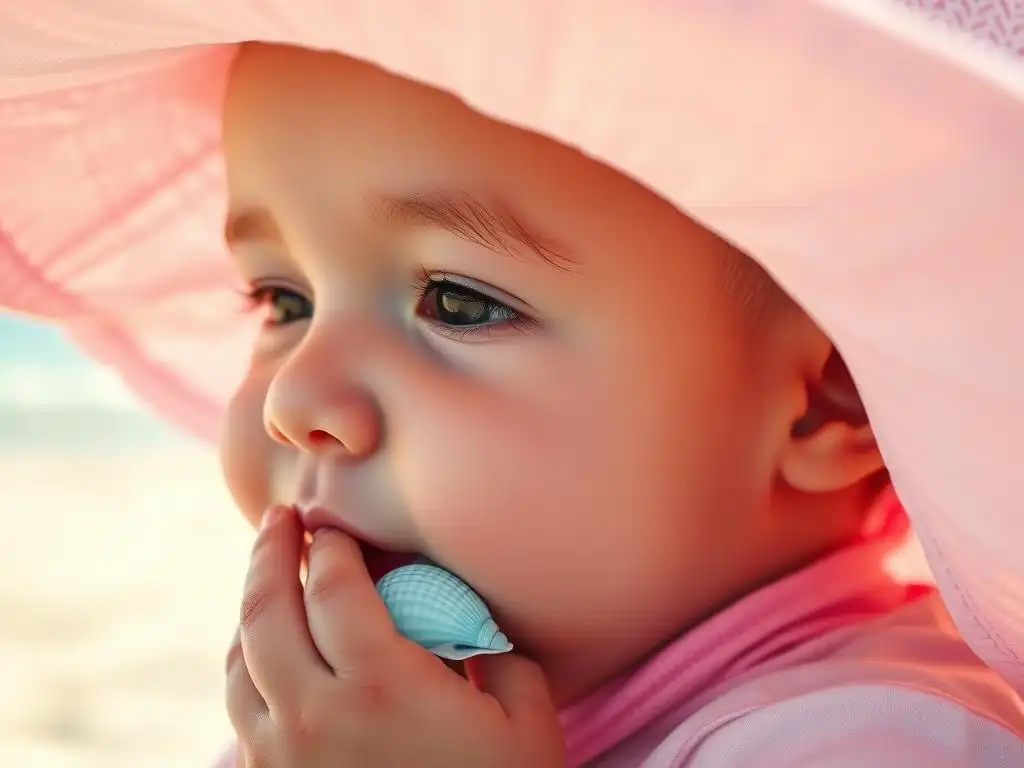
Welcome to BabyCareHub, your ultimate guide to navigating the incredible journey of parenthood! We understand that caring for a newborn can feel overwhelming, especially when it comes to their delicate health. That's why we've created this comprehensive resource to support you every step of the way.
Learn how to safeguard your little one from the sun's harmful rays with our expert advice on baby sun protection for sensitive skin – a crucial aspect of your baby's well-being. Discover practical tips and essential information to ensure your baby's healthy development and thrive. Dive in and explore the wealth of knowledge awaiting you!
Understanding Sun Sensitivity in Babies

Protecting your baby's delicate skin from the sun's harmful ultraviolet (UV) rays is crucial, especially for those with sensitive skin. Newborn and infant skin is significantly thinner and more vulnerable to sun damage than adult skin. This increased vulnerability stems from a less developed stratum corneum (the outermost layer of skin), making it more susceptible to sunburn and long-term damage like premature aging and an increased risk of skin cancer later in life.
This article provides a comprehensive guide to sun safety for babies, focusing on practical strategies and product choices to safeguard your little one's sensitive skin. We will explore the unique challenges of protecting babies from the sun, delve into effective sun protection methods, and address common misconceptions regarding baby sunscreens.
Understanding these factors empowers you to make informed decisions that prioritize your baby's health and well-being. Remember, consistent and appropriate sun protection is key to preventing sun damage and fostering healthy skin development.
Recognizing the Signs of Sunburn in Babies
Sunburn in babies manifests differently than in adults. Instead of a noticeable reddening, you might observe:
- Redness: While common, it may be less intense than in adults.
- Blistering: Although less frequent, blistering can occur in severe cases.
- Irritability: Sunburned babies often become fussy and irritable.
- Fever: In some cases, a slight fever might accompany a sunburn.
- Warm to the touch: The affected area will feel warmer than the surrounding skin.
It's crucial to act quickly if you suspect sunburn. Cool compresses and gentle hydration can help soothe the discomfort. If the sunburn is severe or accompanied by fever, consult your pediatrician immediately. Early intervention is vital in minimizing damage and preventing complications. Remember, preventing sunburn is always preferable to treating it.
Choosing the Right Sunscreen for Sensitive Baby Skin
Selecting a sunscreen specifically formulated for babies is paramount. Look for these key features:
- Broad-spectrum protection: This means the sunscreen protects against both UVA and UVB rays.
- SPF 30 or higher: A higher SPF offers greater protection.
- Mineral-based ingredients: Zinc oxide and titanium dioxide are gentle on sensitive skin and are considered safer alternatives to chemical filters. Avoid products containing oxybenzone and octinoxate, as these chemicals are under scrutiny for potential health concerns.
- Water-resistant: Choose a water-resistant formula, especially if your baby will be playing in water.
- Fragrance-free and hypoallergenic: These features minimize the risk of allergic reactions.
- Pediatrician-approved: Look for recommendations from dermatologists or pediatricians.
Always perform a patch test before applying sunscreen to your baby's entire body, applying a small amount to a less sensitive area like the inner arm. Wait 24 hours to check for any adverse reactions. Remember, even with the best sunscreen, limiting sun exposure is the most effective preventative measure.
Practical Tips for Sun Protection During Outdoor Activities
Protecting your baby from the sun requires a multi-faceted approach. Consider these practical tips:
- Seek shade: Keep your baby in the shade whenever possible, especially during peak sun hours (10 am to 4 pm). Use a stroller with a canopy or a large umbrella for added protection.
- Dress your baby appropriately: Loose, lightweight clothing that covers the skin is highly effective. Opt for fabrics with a UPF (Ultraviolet Protection Factor) rating for superior sun protection.
- Hats and sunglasses: A wide-brimmed hat will protect your baby's face and neck, and sunglasses will shield their sensitive eyes. Ensure the sunglasses offer UV protection.
- Limit sun exposure: Even with sunscreen, prolonged sun exposure is harmful. Keep outings short, particularly during peak sun hours.
- Timing of application: Apply sunscreen liberally 15-30 minutes before sun exposure. Reapply frequently, especially after swimming or sweating.
Remember that even on cloudy days, UV rays can penetrate clouds and reach your baby's skin. Consistent vigilance is key to ensuring their safety. 👶☀️
Addressing Common Myths About Baby Sun Protection
Several misconceptions surround baby sun protection. Let's debunk some of them:
- Myth: "Babies don't need sunscreen before six months." Fact: While some sources previously suggested delaying sunscreen use until six months, current recommendations emphasize the importance of sun protection from birth, particularly during periods of significant sun exposure. However, always consult your pediatrician for personalized advice.
- Myth: "Clouds block UV rays." Fact: Clouds filter some UV rays but don't block them entirely. UV radiation can still penetrate clouds and cause sunburn.
- Myth: "A little sun is good for babies." Fact: Excessive sun exposure is harmful at any age. It's crucial to minimize sun exposure and use appropriate sun protection measures.
By understanding and addressing these myths, you can make informed choices to protect your baby's sensitive skin effectively. Remember, prevention is the best approach to ensure your baby's skin health.
Frequently Asked Questions
What SPF should I use on my baby's sensitive skin?
For babies with sensitive skin, choose a broad-spectrum sunscreen with an SPF of 30 or higher. Ensure it's specifically formulated for babies and is free of harsh chemicals.
When can I start using sunscreen on my baby?
The American Academy of Pediatrics recommends using sunscreen on babies six months and older. For babies younger than six months, shade and protective clothing are the best options.
Are there any natural sunscreens suitable for babies with sensitive skin?
Yes, some natural sunscreens containing ingredients like zinc oxide or titanium dioxide are suitable. Always check the ingredients list to ensure it's hypoallergenic and free from irritants.
How often should I reapply sunscreen to my baby?
Reapply sunscreen to your baby every two hours, or more frequently if they're swimming or sweating. Generously apply to all exposed skin.
What are some other ways to protect my baby's sensitive skin from the sun?
Besides sunscreen, use protective clothing like hats with wide brims and lightweight, loose-fitting clothing. Seek shade, especially during peak sun hours (10 a.m. to 4 p.m.).
Final Reflection: A Legacy of Sun-Kissed Memories, Safely Made
Protecting our babies from the sun's harmful rays isn't just about preventing sunburn; it's about safeguarding their long-term skin health and well-being. The delicate skin of a newborn is incredibly vulnerable, and the damage inflicted by the sun's ultraviolet radiation can have lasting consequences, impacting their future risk of skin cancer and premature aging. This is a responsibility we must take seriously, ensuring our children enjoy a lifetime of healthy skin.
The impact of sun safety education is profound, extending far beyond individual families. It's about creating a culture of awareness and responsible sun behavior, shaping future generations' understanding of skin health. We are not just protecting our children's skin; we are shaping their relationship with the sun, teaching them the importance of preventative care and self-love. The best time to plant a tree was 20 years ago. The second best time is today.
This applies equally to sun safety; starting early establishes lifelong habits.
Now, consider your own approach to sun protection. Think about the habits you've formed, and how you can enhance them to better protect your little one. Are you consistently applying sunscreen with a high SPF, seeking shade during peak hours, and dressing your baby in protective clothing? Take a moment to reflect on your practices, and commit to making sun safety a non-negotiable part of your daily routine. Your dedication today will create a legacy of sun-kissed memories, safely made, for your child and for generations to come.
Unlock Your Baby's Sun-Safe Summer!
Thank you for learning about protecting your baby from the sun's harmful rays. We hope you feel confident keeping your little one safe and comfortable outdoors. Ready to put this knowledge into practice?
- Prioritize shade and protective clothing: Identify shady spots in your neighborhood for outings and dress your baby in UPF sun-protective clothing. This is the most effective way to protect your child.
- Share your sun-safe tips: Connect with other parents on our BabyCareHub community forums and share your favorite sun protection strategies!
- Explore our resource library: Discover more insightful articles and guides on baby health and safety to make parenting easier.
Ready to create a sun-safe summer for your precious one? What's your best sun protection tip for new parents?