
Making Sense of Baby Thermometer Packaging: What All Those Symbols Mean

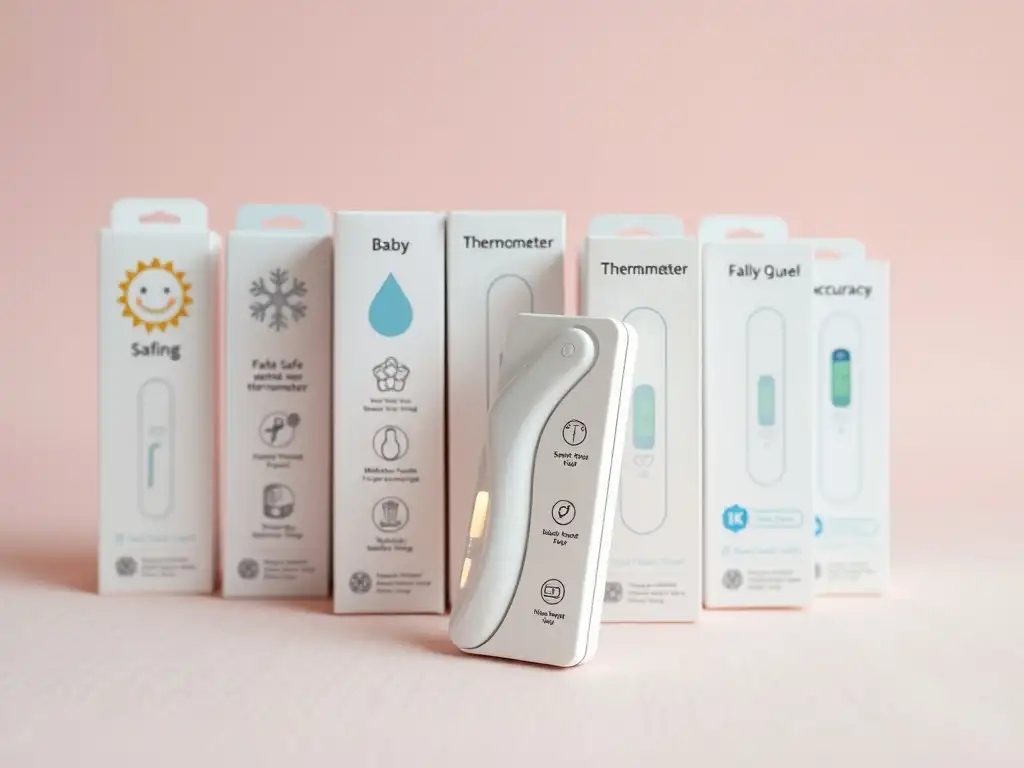
Welcome to BabyCareHub, your ultimate guide to navigating the exciting yet challenging world of parenthood! Are you puzzled by the array of symbols on your baby's thermometer packaging? Understanding these markings is crucial for accurate readings and ensuring your little one's well-being. This is why we've created a detailed Baby Thermometer Symbol Guide to demystify those cryptic icons and empower you with the knowledge to confidently monitor your baby's health. Dive in and unlock the secrets to interpreting those symbols – your baby's comfort and safety depend on it!
-
Decoding Baby Thermometer Symbols: A Comprehensive Guide
- Understanding Common Baby Thermometer Symbols: A Quick Reference for New Parents
- Interpreting the Symbols on Your Digital Baby Thermometer: Braun ThermoScan
- Understanding the Symbols: Vicks SpeedRead Thermometer Explained
- Reading Your Baby's Temperature: Understanding Different Temperature Scales (Celsius vs. Fahrenheit)
-
Common Symbols and Their Meanings: A Detailed Breakdown
- The Battery Symbol: Knowing When to Replace Your Baby Thermometer's Battery
- The Power On/Off Symbol: A Simple Guide to Operating Your Baby Thermometer
- The Measurement Symbol: Understanding the Display on Your Digital Thermometer
- The Memory/Recall Symbol: Accessing Previous Temperature Readings
- Cleaning and Care Symbols: Maintaining Your Thermometer for Accurate Readings
- Choosing the Right Baby Thermometer: Features to Consider
- Safety Precautions When Using a Baby Thermometer
- Troubleshooting Common Issues with Baby Thermometers
- Frequently Asked Questions (FAQs) about Baby Thermometer Symbols
-
Frequently Asked Questions
- What do the different color zones on my baby thermometer mean?
- How do I know which type of baby thermometer is best for my baby?
- What is the normal temperature range for a baby?
- My baby thermometer shows a high temperature. What should I do?
- What does the symbol of a drop of water mean on my baby's thermometer packaging?
- Final Reflection: Deciphering the Silent Language of Baby Thermometers
- Unlock Your Baby's Comfort: Mastering Thermometer Readings!
Decoding Baby Thermometer Symbols: A Comprehensive Guide
Taking your baby's temperature can be a nerve-wracking experience, especially for first-time parents. Knowing whether your little one has a fever is crucial for their health and well-being, but deciphering the symbols and indicators on a baby thermometer can often feel like navigating a foreign language. This comprehensive guide aims to demystify those confusing symbols, providing a clear and easy-to-understand explanation of common markings found on various baby thermometers. We will explore different thermometer types, focusing on the meaning of the symbols displayed to ensure you confidently interpret your baby's temperature readings and make informed decisions about their care.
This guide will serve as your ultimate “Baby thermometer symbol guide,” empowering you to navigate the world of baby thermometers with ease and confidence. Accurate temperature readings are a cornerstone of effective baby health management, and understanding the symbols is the first step towards mastering this essential skill. 👶🌡️
Understanding Common Baby Thermometer Symbols: A Quick Reference for New Parents
Before diving into specific brands, let's cover some universally understood symbols frequently found on various baby thermometers. These symbols typically indicate the following:
- Power Symbol (often a circle with a line through it): This indicates the thermometer is either off or requires new batteries. Look for this symbol when the screen is blank or unresponsive.
- Battery Low Indicator (often a battery symbol with one or more segments depleted): This warns you that the battery is running low. Replace the batteries promptly to ensure accurate readings.
- Memory Recall Symbol (often a small arrow pointing to a curved line): This function allows you to review previous temperature readings. Consult your thermometer's instruction manual for specific instructions on how to access this feature.
- Celsius (°C) and Fahrenheit (°F) Symbols: These indicate the temperature scale used. Most thermometers allow you to switch between Celsius and Fahrenheit.
- Beep or Sound Indication (often a speaker icon): This symbol indicates that the thermometer will emit a beep or sound once a reading is complete or when an alert is triggered.
- Fever Indicator (often a red exclamation mark or a thermometer with a high temperature reading): This alerts you to a potentially elevated temperature. The exact temperature threshold for a fever will vary, so always refer to your pediatrician's guidelines.
This table summarizes the common symbols and their meanings:
| Symbol | Meaning | Action |
|---|---|---|
| ⚪️ with ̶ | Power Off / Requires Batteries | Replace batteries or turn the device on. |
| 🔋 (partially depleted) | Low Battery | Replace batteries. |
| 🔄 | Memory Recall | Refer to your thermometer's manual for instructions. |
| °C / °F | Celsius / Fahrenheit Temperature Scale | Select your preferred scale. |
| 🔊 | Beep/Sound Indication | Check your thermometer's settings. |
| ⚠️/🌡️ (high reading) | Fever Indicator | Consult your pediatrician. |
Remember to always consult your thermometer's instruction manual for specific details on symbol interpretations.
Interpreting the Symbols on Your Digital Baby Thermometer: Braun ThermoScan
The Braun ThermoScan is a popular choice among parents. Its digital display typically shows a clear temperature reading, but it also includes important symbols:
- A stable temperature reading: The display shows a steady number, indicating a reliable temperature measurement. This is the primary information you need to assess your baby's health.
- Error Symbol (often an "E" or similar): This appears if the thermometer detects an error during the measurement process. Consult your instruction manual for troubleshooting steps. Common causes may include incorrect placement or a malfunctioning device.
- Memory Recall Symbol (as above): This allows access to previous readings.
- Battery Indicator (as above): Indicates the battery level.
Specific details regarding the exact symbols and their meanings should be cross-referenced with the Braun ThermoScan user manual for your specific model. Always prioritize using the manufacturer's instructions as the primary source of information.
Understanding the Symbols: Vicks SpeedRead Thermometer Explained
The Vicks SpeedRead thermometer, another popular option, often displays a simpler set of symbols. While the specific symbols might vary slightly depending on the model, common symbols include:
- Temperature Reading: The large, central number displays the temperature.
- Power Symbol (as above): Indicates the power status.
- Battery Indicator (as above): Warns of low battery.
- Fever Indicator (as above): Alerts you to a potentially elevated temperature. This usually involves a color change or specific symbol.
Again, it’s crucial to refer to the specific instruction manual included with your Vicks SpeedRead thermometer to accurately interpret all symbols displayed. The user manual will provide detailed explanations and troubleshooting information. Always prioritize the instructions provided by the manufacturer for the most accurate interpretation.
Reading Your Baby's Temperature: Understanding Different Temperature Scales (Celsius vs. Fahrenheit)
Understanding temperature scales is crucial for accurately interpreting your baby's temperature reading. Most baby thermometers will display readings in either Celsius (°C) or Fahrenheit (°F). Knowing the difference and how to convert between the two is essential for effective baby care and communicating clearly with healthcare professionals.
Celsius (°C) is the metric unit of temperature, used predominantly worldwide. Water freezes at 0°C and boils at 100°C. Fahrenheit (°F), on the other hand, is primarily used in the United States. Water freezes at 32°F and boils at 212°F.
A normal body temperature for a baby typically ranges from 36.5°C to 37.5°C (97.7°F to 99.5°F). However, it's important to note that this is a general guideline, and slight variations can be normal depending on the time of day, activity level, and even the method of temperature measurement. Always consult your pediatrician for specific guidance on your baby's temperature range.
Converting between Celsius and Fahrenheit is straightforward using these formulas:
- Celsius to Fahrenheit: (°C × 9/5) + 32 = °F
- Fahrenheit to Celsius: (°F - 32) × 5/9 = °C
For example, a baby's temperature of 37°C is equivalent to (37 × 9/5) + 32 = 98.6°F. Conversely, a temperature of 100°F is equivalent to (100 - 32) × 5/9 = 37.8°C. While these conversions are helpful, relying on your thermometer's built-in scale is often simpler and less prone to errors.
It's vital to remember that a slight temperature variation doesn't always indicate illness. However, understanding the difference between Celsius and Fahrenheit allows you to accurately assess your baby's temperature and communicate effectively with medical professionals should you have any concerns. Always consult your pediatrician if you have any questions or if your baby's temperature is outside the normal range or accompanied by other symptoms like lethargy, poor feeding, or unusual fussiness.
Accurate temperature readings are a crucial aspect of responsible baby care, and understanding the temperature scales is a key component of that process. Don't hesitate to ask your doctor or nurse for clarification if you are unsure about interpreting the readings on your baby's thermometer. 👶🌡️
Common Symbols and Their Meanings: A Detailed Breakdown
This section provides a comprehensive guide to understanding the common symbols found on baby thermometer packaging and displays. Navigating the various symbols can be confusing for first-time parents, but this detailed breakdown will equip you with the knowledge to confidently choose and use a baby thermometer. We'll cover essential symbols related to battery life, power operation, and measurement readings, ensuring you're well-prepared for accurate temperature checks. This guide serves as your ultimate Baby thermometer symbol guide.
The Battery Symbol: Knowing When to Replace Your Baby Thermometer's Battery
The battery symbol is crucial for ensuring your baby thermometer functions correctly. It typically depicts a battery icon, sometimes with a plus (+) or minus (-) symbol indicating low battery. The exact representation varies depending on the manufacturer, but the message is consistent: low battery power.
When you see this symbol, it's a clear signal to replace the batteries promptly. Using a thermometer with low batteries can lead to inaccurate readings, which could have significant implications for your baby's health. Inaccurate temperature readings could delay appropriate medical attention if your baby has a fever.
Different thermometers use different battery types. Some utilize common button cell batteries like CR2032, while others might require AA or AAA batteries. Always check your thermometer's manual for the specific battery type required. Remember to always use fresh batteries of the correct type to ensure accurate and reliable readings.
A depleted battery can not only affect the accuracy of the reading but also the overall lifespan of the thermometer. Replacing the battery promptly is a critical step in ensuring the continued safe and effective use of your baby thermometer. Don't wait until the thermometer completely shuts down; replace the batteries when the low-battery symbol appears.
The Power On/Off Symbol: A Simple Guide to Operating Your Baby Thermometer
The power on/off symbol, usually a circle with a line through it (indicating "off") or a circle with a line extending from it (indicating "on"), is fundamental to operating your baby thermometer. Understanding this symbol will enable you to quickly and easily turn your device on and off. This is essential for conserving battery power and ensuring the thermometer is ready when needed.
Some thermometers might have a dedicated button for power, while others might require a longer press to activate. Consult your thermometer's instruction manual for specific operating procedures. This manual will provide a step-by-step guide on how to turn the device on and off, ensuring you understand the process.
Properly using the power on/off function is vital for extending the life of your thermometer's battery. Leaving the thermometer on unnecessarily will drain the battery more quickly. Remember to turn off your baby thermometer after each use to conserve battery life and ensure it's ready when you need it next.
The Measurement Symbol: Understanding the Display on Your Digital Thermometer
The measurement symbol, often displayed as °C (Celsius) or °F (Fahrenheit), indicates the unit of measurement used by your baby thermometer. Understanding this symbol is critical for interpreting the temperature reading accurately. Knowing whether the reading is in Celsius or Fahrenheit will prevent misinterpretations and ensure you provide the correct information to your pediatrician.
Most digital baby thermometers will clearly display either °C or °F on the screen. Some thermometers allow you to switch between Celsius and Fahrenheit. Check your thermometer's manual to learn how to change the temperature units if needed. It's crucial to be consistent with your unit of measurement to ensure accurate tracking of your baby's temperature over time.
Inconsistent units can lead to confusion and potentially inaccurate assessments of your baby's health. Always double-check the unit displayed to avoid errors in interpretation. If you're unsure, consult your thermometer's instruction manual for clarification. This will help ensure you accurately understand and interpret your baby's temperature readings.
The Memory/Recall Symbol: Accessing Previous Temperature Readings
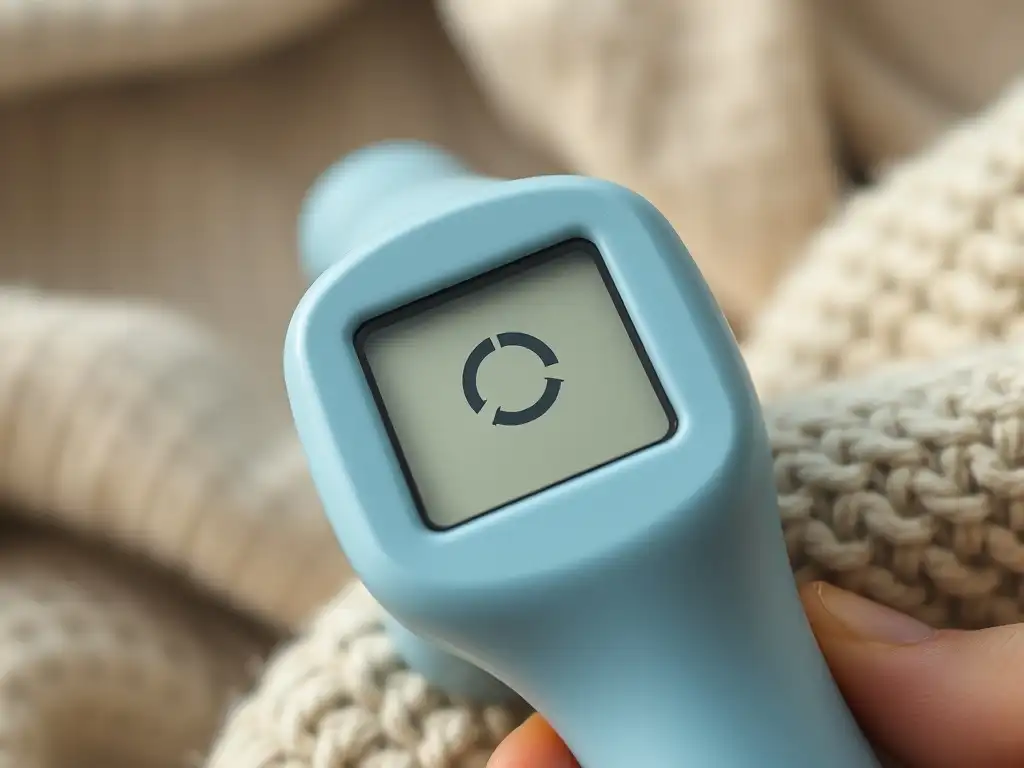
Many digital thermometers include a memory function, allowing you to recall previous temperature readings. This is incredibly useful for tracking your baby's temperature over time, especially if you're monitoring a fever or illness. The symbol indicating this feature varies between manufacturers, but it often resembles a small square or rectangle with an arrow pointing towards it, suggesting the storage and retrieval of data. Some thermometers might display a "M" or "MEM" abbreviation.
Understanding this symbol is key to utilizing this helpful feature. For example, if your baby's temperature fluctuates throughout the day, you can easily access past readings to see the trend. This can be invaluable in deciding whether to contact your pediatrician. Furthermore, this feature is particularly beneficial when you need to share temperature information with healthcare professionals; having a record of previous readings provides a more complete picture of your baby's health status.
Knowing how to access and interpret this data empowers you to make informed decisions regarding your baby's well-being. Don't hesitate to consult your thermometer's instruction manual if you're unsure about how to use the memory function. Efficiently using the memory feature can contribute significantly to effective baby health monitoring.
Cleaning and Care Symbols: Maintaining Your Thermometer for Accurate Readings
Accurate temperature readings are crucial for your baby's health. Maintaining your thermometer properly is essential to ensure its accuracy and longevity. Cleaning symbols, often depicted as a drop of water or a wipe, indicate how to clean your thermometer. These symbols are vital; neglecting proper cleaning can lead to inaccurate readings or even the spread of germs.
Manufacturers often specify whether the thermometer is waterproof, water-resistant, or requires only a simple wipe-down. Some thermometers might have a specific cleaning solution recommended, while others might simply suggest using a damp cloth with mild soap. Always refer to the manufacturer's instructions for precise cleaning guidelines. Ignoring these symbols could compromise the hygiene and accuracy of your device.
For instance, a symbol of a crossed-out liquid might indicate that submerging the thermometer is prohibited. Understanding these care instructions is critical for maintaining the hygiene and accuracy of the device, ultimately contributing to your baby's health and safety. Pay close attention to these symbols to ensure your thermometer remains a reliable tool for monitoring your baby's temperature. Regular cleaning according to the manufacturer’s instructions is crucial for accurate and safe use.
Choosing the Right Baby Thermometer: Features to Consider
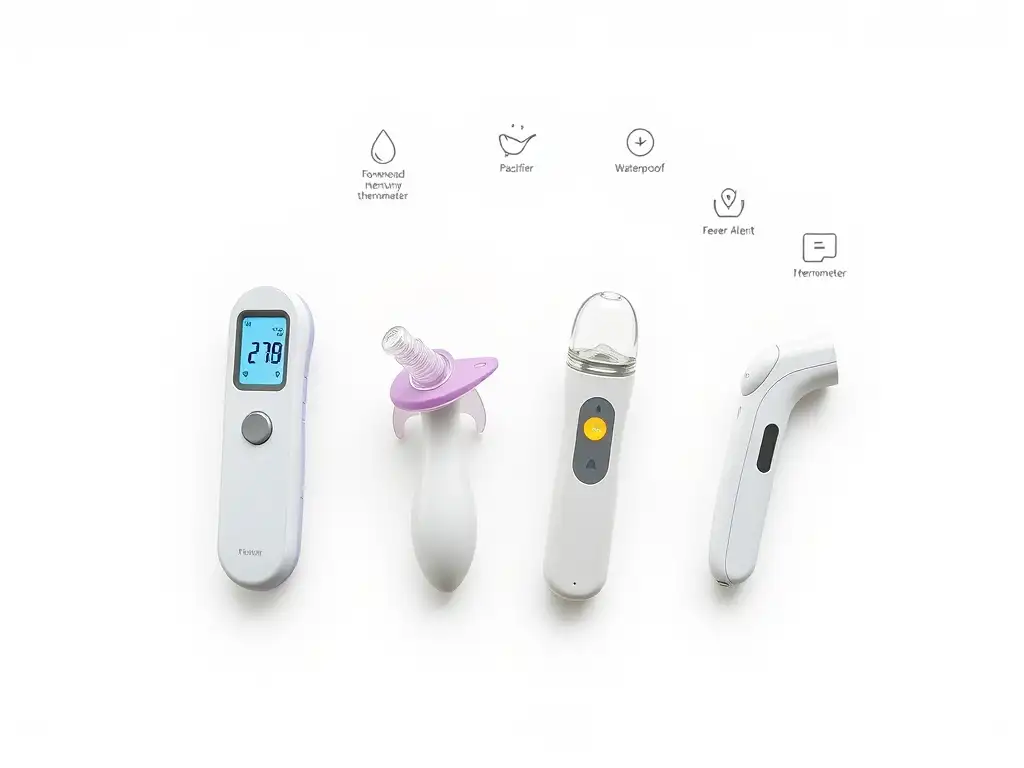
This section delves into the crucial aspects to consider when selecting a baby thermometer, ensuring accurate and safe temperature readings for your little one. Choosing the right thermometer can significantly impact your ability to quickly and accurately assess your baby's health. A reliable thermometer is an essential part of your baby's healthcare toolkit. Let's explore the key features that differentiate thermometers and help you make an informed decision.
Digital vs. Traditional Thermometers: Pros and Cons of Each Type
The market offers a variety of baby thermometers, primarily categorized as digital and traditional (e.g., glass mercury or pacifier thermometers). Understanding their pros and cons is essential for making the right choice.
Digital thermometers, prevalent today, offer several advantages: they are generally faster, providing readings in seconds; they are easier to read, displaying the temperature digitally; and they are often more hygienic, being easily wipeable and disposable in some cases. However, they require batteries, which can be inconvenient if they run out unexpectedly. The accuracy can also vary slightly depending on the brand and model.
Traditional thermometers, while less common now, were once the standard. Glass mercury thermometers, although offering high accuracy, pose a significant safety risk due to the potential for breakage and mercury exposure. Pacifier thermometers, while convenient, often provide less accurate readings than digital options. The slower reading time is also a drawback compared to digital counterparts.
| Thermometer Type | Pros | Cons | Accuracy | Speed |
|---|---|---|---|---|
| Digital | Fast, easy to read, hygienic | Requires batteries, accuracy can vary slightly | Generally High | Very Fast |
| Traditional (Glass) | Highly accurate (when intact) | Risk of breakage, mercury exposure, slow readings | Very High | Very Slow |
| Traditional (Pacifier) | Convenient for fussy babies | Less accurate than digital, slow readings | Moderate | Slow |
Choosing between digital and traditional thermometers involves weighing the benefits of speed and convenience against the potential drawbacks of battery dependence or safety concerns. For most parents, the speed and safety of a digital thermometer make it the preferred choice.
Features to Look For in a Baby Thermometer: Accuracy, Ease of Use, and Safety
Beyond the digital vs. traditional debate, several key features should guide your thermometer selection. Accuracy is paramount. Look for thermometers with a high degree of precision, ideally within ±0.1°C or ±0.2°F. A thermometer with a questionable reputation for accuracy is essentially useless. Ease of use is crucial, especially during nighttime emergencies. A simple interface with clear instructions is essential for quick and stress-free readings.
The thermometer should be easy to clean and maintain. Finally, safety is non-negotiable. Avoid mercury thermometers, and opt for designs that minimize the risk of injury. Consider features like automatic shutoff and protective casings. Some thermometers also offer memory functions to record previous readings, which can be useful for tracking trends. Always check for age-appropriateness and follow the manufacturer's instructions carefully.
Top Recommended Baby Thermometers: Braun ThermoScan 7, Vicks SpeedRead, FridaBaby SmartTemp - Reviews and Comparisons
While specific product endorsements are beyond the scope of this section, consider researching highly-rated models like the Braun ThermoScan 7, Vicks SpeedRead, and FridaBaby SmartTemp. These are frequently recommended for their accuracy, ease of use, and safety features. However, remember to thoroughly research reviews and compare features before making a purchase, paying close attention to user feedback on accuracy and reliability. Remember that user experience can vary, so checking multiple reviews is advisable.
Consider factors like the type of thermometer (temporal artery, rectal, axillary), ease of cleaning, and the display. The best thermometer for your family will depend on your individual needs and preferences. Always prioritize accuracy and safety when making your decision. Don't hesitate to consult your pediatrician for recommendations tailored to your specific circumstances.
Safety Precautions When Using a Baby Thermometer
Using a baby thermometer correctly and safely is paramount to ensuring accurate readings and avoiding potential harm to your little one. Remember, a baby's temperature regulation is less efficient than an adult's, making them more susceptible to temperature fluctuations. Therefore, understanding and following safety guidelines is crucial.
Proper Technique for Taking a Baby's Temperature: Rectal, Oral, Axillary, and Tympanic Methods
Accurately measuring your baby's temperature depends heavily on the method used. Each method has its own set of instructions and precautions. Let's explore the common methods:
- Rectal: This method is generally considered the most accurate, especially for infants under three months old. However, it requires careful handling to avoid injury. Use a lubricated, blunt-tipped rectal thermometer. Insert the thermometer gently about ½ inch into the rectum. Hold the thermometer firmly in place for the duration recommended by the manufacturer. Always supervise your baby closely during this process. Never force the thermometer. A struggling baby should be soothed and the attempt postponed until a more calm moment.
- Oral: This method is suitable for older babies and toddlers who can hold the thermometer under their tongue. Ensure the thermometer is placed correctly under the tongue, at the base, and instruct the child to keep their mouth closed. This method is less accurate than rectal and should be avoided in young infants.
- Axillary (Armpit): This is a less accurate but non-invasive method. Place the thermometer securely in the armpit, ensuring good contact with the skin. Keep the baby's arm held firmly against their body to maintain contact. This method often yields lower readings than other methods.
- Tympanic (Ear): Tympanic thermometers are quick and convenient, but accuracy can vary depending on the proper placement of the probe in the ear canal. Follow the manufacturer's instructions carefully. Ensure the ear canal is clear of any obstructions before taking a reading. Multiple readings are often recommended to ensure accuracy.
Cleaning and Disinfecting Your Baby Thermometer: Preventing Cross-Contamination
Hygiene is crucial when using a baby thermometer. Proper cleaning and disinfection prevent the spread of germs and ensure accurate readings. Always follow the manufacturer's instructions for cleaning and disinfecting. Generally, this involves:
- Wiping: After each use, wipe the thermometer with a clean, damp cloth or alcohol wipe. For digital thermometers, ensure the probe is completely dry before storing. For glass thermometers, handle with care to avoid breakage.
- Disinfection: For a more thorough disinfection, use a solution of 70% isopropyl alcohol. Submerge the thermometer (if applicable per manufacturer's instructions) and allow it to soak for the recommended time. Rinse thoroughly with clean water and dry completely before storing. Never submerge a glass thermometer unless specifically instructed by the manufacturer.
Remember, thorough cleaning after each use is essential for preventing the spread of bacteria and viruses. This is a key element of maintaining your baby's health and well-being.
Storing Your Baby Thermometer Safely: Ensuring Accuracy and Longevity
Proper storage safeguards the accuracy and longevity of your baby's thermometer. Keep it in a clean, dry place, away from extreme temperatures and direct sunlight. Avoid storing the thermometer in areas that might expose it to damage or contamination.
- Digital Thermometers: These typically come with a protective case. Use it to prevent damage or accidental breakage.
- Glass Thermometers: Store these carefully to avoid breakage. Consider storing them in a case or container designed to protect fragile items. Remember to always handle with extreme care to avoid injury from broken glass.
Proper storage protects your thermometer from damage and ensures it remains accurate and ready for use when needed. Regularly inspect the thermometer for any signs of damage or malfunction. Replace it if needed. This simple precaution contributes significantly to your baby's healthcare.
Troubleshooting Common Issues with Baby Thermometers
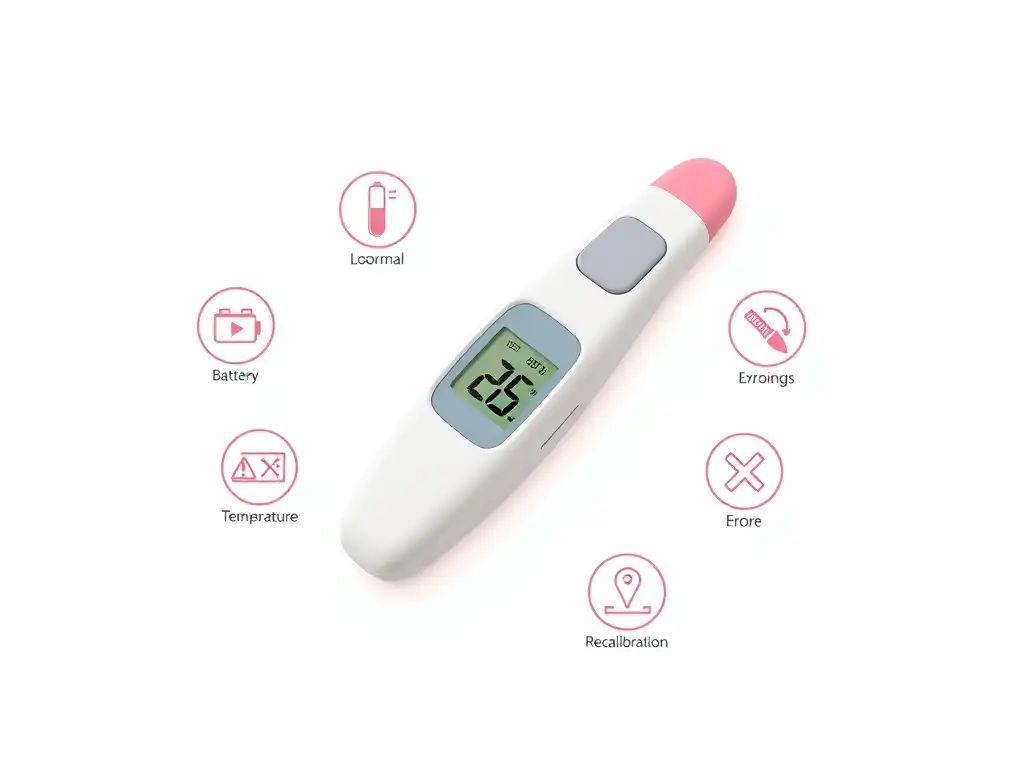
This section delves into the practical aspects of using baby thermometers, addressing common problems and offering solutions. Accurate temperature readings are crucial for your baby's health, so understanding how to troubleshoot issues is essential. This guide will help you become a confident thermometer user, ensuring you always get reliable readings. We'll cover malfunctions and inaccurate readings, empowering you to confidently monitor your little one's temperature.
What to Do When Your Baby Thermometer Malfunctions: Troubleshooting Tips and Tricks
A malfunctioning baby thermometer can be incredibly frustrating, especially when your baby is unwell. Before discarding a seemingly broken thermometer, try these troubleshooting steps:
- Check the Battery: Many digital thermometers require batteries. A low battery can lead to erratic readings or complete failure. Replace the batteries with fresh ones of the correct type and voltage. Always refer to your thermometer's manual for specific battery requirements. This is often overlooked, yet it's the simplest fix!
- Clean the Sensor: The sensor tip (the part that touches your baby) can accumulate debris, affecting accuracy. Gently clean the sensor with a soft, damp cloth and mild soap. Thoroughly dry it before using the thermometer again. Avoid harsh chemicals or abrasive cleaners.
- Reset the Thermometer: Some digital thermometers have a reset button or function. Consult your thermometer's instruction manual to locate and use this feature. This can resolve minor software glitches.
- Test the Thermometer: After trying the above steps, test the thermometer against a known accurate source, such as a second thermometer or a thermometer used by a healthcare professional. This helps determine if the issue is truly a malfunction or a user error. If the discrepancy persists, it's time to consider replacement.
- Consider the Thermometer Type: Different types of thermometers have different potential problems. For example, a rectal thermometer might require more careful insertion, while a temporal artery thermometer might be sensitive to hair or sweat. Understanding your thermometer's type and its specific requirements is key to proper use and troubleshooting.
Understanding Inaccurate Readings: Causes and Solutions
Inaccurate readings can stem from various sources. It's crucial to identify the cause to ensure you are getting the most accurate temperature reading for your baby. Here are some of the most common reasons for inaccurate readings and how to address them:
- Improper Technique: The method of using the thermometer is crucial for accuracy. For example, a rectal thermometer must be inserted to the correct depth, while a temporal artery thermometer needs to be scanned across the forehead in the proper manner. Always consult your thermometer's instruction manual for precise instructions.
- External Factors: Environmental factors like ambient temperature or drafts can affect the reading, especially with less robust thermometers. Try to take the reading in a calm, controlled environment.
- Recent Activities: Factors like bathing, feeding, or crying can temporarily affect your baby's temperature. Wait for a short time before taking a reading to allow for stabilization.
| Cause of Inaccurate Reading | Solution |
|---|---|
| Improper Technique | Carefully review and follow the instructions. |
| External Factors | Take reading in a calm, temperature-controlled environment |
| Recent Activities | Wait 15-20 minutes before re-measuring. |
| Faulty Thermometer | Replace the thermometer with a new one. |
Remember, if you have any concerns about your baby's temperature, always consult your pediatrician. This guide provides general troubleshooting; it doesn't replace professional medical advice. 👶 Accurate temperature readings are a vital part of your baby's healthcare routine, so understanding these issues is paramount to ensuring your little one's well-being.
Frequently Asked Questions (FAQs) about Baby Thermometer Symbols
This section addresses common queries regarding the symbols displayed on baby thermometers, helping you interpret readings accurately and confidently. Understanding these symbols is crucial for ensuring your baby's health and well-being. This guide focuses on interpreting common symbols, offering practical advice and troubleshooting tips. Remember, always consult your pediatrician if you have any concerns about your baby's temperature.
What does the flashing symbol on my baby thermometer mean?
A flashing symbol on your baby thermometer typically indicates one of several issues:
- Low Battery: The most frequent cause. A flashing battery symbol 🔋 or a general flashing indicator often signals that the thermometer's battery needs replacing. This is a simple fix; just replace the batteries according to the manufacturer's instructions. Ensure you use the correct battery type to avoid damage.
- Error in Measurement: A flashing symbol, sometimes accompanied by an error code, suggests a problem with the reading. This could be due to improper use (e.g., insufficient contact with the body), a malfunctioning sensor, or interference from external factors. Consult your thermometer's user manual for specific error code interpretations. If the problem persists after checking the manual and troubleshooting basic issues, contact the manufacturer.
- Calibration Issue: Some thermometers have self-calibration features. A flashing symbol might indicate the thermometer is performing a self-calibration process. Allow the process to complete; this usually takes a short time. If the flashing persists after a reasonable period, consult the manufacturer's instructions.
- Overheating: Less common, but possible. If the thermometer has been exposed to extreme temperatures (e.g., left in direct sunlight), it might show a flashing symbol indicating overheating. Allow the thermometer to cool down to room temperature before attempting another reading.
It's vital to refer to your specific thermometer's manual as the flashing symbol's meaning varies across brands and models. The manual should contain a detailed explanation of all symbols and error codes. Remember, a flashing symbol doesn't necessarily mean your thermometer is broken; often, it points to a simple, easily resolved issue.
Why is my baby thermometer showing an error message?
Error messages on baby thermometers typically stem from several factors:
| Error Message Type | Possible Cause | Solution |
|---|---|---|
| "Err 1" or similar | Sensor malfunction, low battery, improper use | Check the battery, ensure correct use (refer to the manual), contact manufacturer. |
| "High Temp" | Thermometer overheated, faulty sensor | Allow the thermometer to cool down, check for sensor damage, contact manufacturer. |
| "Lo Bat" | Low battery power | Replace the batteries. |
| "No Signal" | Sensor problem, interference | Check the sensor connection, eliminate interference (e.g., move away from electronics). |
Remember, the specific error messages and their meanings differ significantly between manufacturers and thermometer models. Always consult the user manual for a detailed explanation of the error codes displayed on your specific device. If the error persists after troubleshooting, consider contacting customer support or replacing the thermometer.
How do I know if my baby thermometer is accurate?
Ensuring accuracy is paramount when using a baby thermometer. Several methods can help you assess its reliability:
- Compare Readings: Take multiple readings at short intervals using the same thermometer and method (e.g., rectal, axillary, temporal). Consistent readings suggest accuracy. Significant variations warrant further investigation.
- Cross-Check with Another Thermometer: Compare readings obtained from your thermometer with those from a different, reliable thermometer. Discrepancies may signal a problem with your primary thermometer.
- Calibration: Some thermometers offer self-calibration features. Utilize this function as per the manufacturer's instructions to ensure optimal accuracy. If your thermometer lacks a self-calibration feature, consider professional calibration if accuracy is questionable.
- Regular Maintenance: Clean your thermometer regularly according to the manufacturer's guidelines. Proper cleaning helps maintain the sensor's integrity and prevents inaccurate readings.
- Check the Expiration Date: Like many medical devices, baby thermometers may have an expiration date. Using an expired thermometer can compromise accuracy.
Accurate temperature readings are crucial for your baby's well-being. If you have any doubts about your thermometer's accuracy, don't hesitate to consult your pediatrician or replace the thermometer with a new one. Prevention is key to ensuring you have reliable readings when needed.
Frequently Asked Questions
What do the different color zones on my baby thermometer mean?
Most baby thermometers use a color-coded system to indicate temperature ranges. Green usually signifies a normal temperature, yellow indicates a mildly elevated temperature, and red signifies a high temperature requiring attention. Always refer to your thermometer's specific instructions.
How do I know which type of baby thermometer is best for my baby?
The best type depends on your preference and baby's age. Digital thermometers (rectal, axillary, or temporal artery) are generally accurate and quick. Pacifier thermometers are convenient but may not be as accurate. Tympanic (ear) thermometers are fast but can be less accurate if not used correctly.
What is the normal temperature range for a baby?
A normal baby's temperature generally ranges between 97.9°F (36.6°C) and 100.4°F (38°C), but this can vary slightly depending on the method of measurement and time of day. Consult your pediatrician if you have concerns.
My baby thermometer shows a high temperature. What should I do?
If your baby's temperature is high, dress them in light clothing, offer plenty of fluids, and monitor them closely. Contact your pediatrician or seek immediate medical attention if the fever is very high, persistent, or accompanied by other symptoms like lethargy or difficulty breathing.
What does the symbol of a drop of water mean on my baby's thermometer packaging?
This symbol usually indicates that the thermometer is waterproof or water-resistant, making it easier to clean. Always check the specific instructions to confirm the level of water resistance and appropriate cleaning methods.
Final Reflection: Deciphering the Silent Language of Baby Thermometers
Understanding the symbols on a baby thermometer isn't just about reading instructions; it's about ensuring the safety and well-being of your little one. A seemingly small detail, like a misinterpreted symbol, can lead to delays in treatment or unnecessary worry. This knowledge empowers parents to navigate a crucial aspect of childcare with confidence and precision.
The impact of clear, accessible information on healthcare products is profound. We often overlook the importance of simple, well-designed packaging, yet it plays a vital role in bridging the gap between complex medical devices and everyday users. The best medicine is prevention,
and understanding the symbols on your baby's thermometer is a crucial preventative measure. This article aims to contribute to a more informed and empowered parenting experience, fostering a sense of calm and control during moments of potential anxiety. The ongoing need for clear communication in healthcare extends far beyond thermometers, highlighting the importance of accessible design for all medical products.
Now, consider the symbols you've learned today. Think about how this newfound knowledge can not only benefit your family but also empower you to advocate for clearer communication in other areas of your life. Take a moment to examine the packaging of other healthcare products you use – are the instructions clear? Are the symbols intuitive? By actively engaging with the information presented, you become a more informed consumer and a more confident caregiver. Let's work together to create a world where clear communication is the norm, not the exception, in healthcare.
Unlock Your Baby's Comfort: Mastering Thermometer Readings!
Thank you for learning how to interpret thermometer readings. Understanding your baby's temperature is crucial for their comfort and well-being. Let's put your new knowledge into practice:
- Take your baby's temperature now! Practice makes perfect. The more familiar you are with your thermometer, the quicker and more confident you'll become in using it. Experiment with different methods, if your thermometer allows, to find your preferred technique.
- Share this article with other parents! Help them feel more confident caring for their children by sharing this information. A quick share on social media can be incredibly helpful.
- Explore BabyCareHub.org for more expert advice on baby health and well-being! We regularly add new content to support you throughout your parenting journey.
What will you do differently next time you take your baby's temperature?