
Baby Humidifier and Nighttime Comfort: Creating a Soothing Environment

Welcome to BabyCareHub, your ultimate guide to navigating the incredible journey of parenthood! Are you ready to unlock the secrets to a peaceful night's sleep for your little one? We understand the challenges of newborn care, and that's why we've compiled expert advice on everything from feeding schedules to developmental milestones. Discover our in-depth article on finding the best humidifier for baby sleep, and learn how to create a soothing and healthy sleep environment for your baby. Let's embark on this adventure together, one step at a time.
- Understanding the Benefits of Humidifiers for Baby Sleep
- Best Humidifier for Baby Sleep: Types and Features to Consider
- Top Picks: Best Humidifiers for Baby's Room in 2024
- Setting Up Your Baby's Humidifier: A Step-by-Step Guide
- Beyond Humidifiers: Creating a Soothing Sleep Environment for Your Baby
- Frequently Asked Questions about Baby Humidifiers and Sleep
- Frequently Asked Questions
- Final Reflection: Breathing Easy: The Lasting Impact of a Peaceful Night's Sleep
- Breathe Easy: Create Your Baby's Perfect Sleep Sanctuary
Understanding the Benefits of Humidifiers for Baby Sleep
Finding the best humidifier for baby sleep is a crucial step in creating a nurturing and comfortable environment for your little one. New parents often grapple with the challenges of ensuring their baby sleeps soundly, and the role of humidity in achieving this is often overlooked. This article delves into the significant benefits of using a humidifier in your baby's nursery, exploring the connection between humidity levels, respiratory health, and improved sleep quality.
We'll guide you through understanding the importance of proper humidity, selecting the appropriate humidifier, and establishing a soothing nighttime routine to promote restful sleep for both you and your baby. Choosing the right humidifier can significantly impact your baby's well-being and contribute to a more peaceful and enjoyable parenting experience.
This is especially important in drier climates or during specific seasons where low humidity can exacerbate respiratory issues. Let's explore how a properly humidified nursery can improve your baby's sleep and overall health.
Dry Air and Baby's Respiratory Health: Why Humidity Matters
Dry air is a common culprit behind several infant respiratory problems. Babies, with their delicate respiratory systems, are particularly susceptible to the effects of low humidity. Dry air can irritate the mucous membranes lining the nasal passages and airways, leading to dryness, congestion, and even coughing. This irritation can interfere with your baby's ability to breathe comfortably and can lead to disrupted sleep. Infants are prone to conditions like:
- Nasal congestion: Dry air thickens mucus, making it harder for babies to breathe easily.
- Coughing: Dry air can trigger coughing fits, especially at night.
- Increased risk of respiratory infections: Low humidity can weaken the body's natural defenses against viruses and bacteria, increasing the likelihood of colds and other respiratory illnesses.
- Exacerbation of existing conditions: For babies with asthma or other respiratory conditions, dry air can worsen symptoms significantly.
Maintaining optimal humidity levels helps to keep your baby's nasal passages moist, preventing dryness and reducing irritation. This leads to easier breathing, less coughing, and a greater chance of uninterrupted sleep. Think of it as providing a soothing balm for their delicate airways. The benefits are particularly noticeable during cold and flu season when respiratory infections are more prevalent.
The Link Between Humidity and Better Sleep for Infants
The impact of humidity on baby's sleep is multifaceted. As mentioned, easier breathing due to moisturized airways directly contributes to more peaceful sleep. A baby struggling to breathe due to dry air will naturally wake up more frequently, leading to disrupted sleep cycles for both the baby and parents.
Beyond respiratory comfort, a properly humidified environment can contribute to a more overall calming atmosphere. A comfortable and soothing environment is crucial for promoting restful sleep in infants. The right humidity levels can also help to reduce skin dryness, another common issue in babies, contributing to their overall comfort and reducing nighttime fussiness. The resulting improved sleep quality benefits not just the baby but the entire family, creating a more positive and less stressful environment. Studies have shown a correlation between improved sleep quality and overall well-being in infants, highlighting the importance of creating an optimal sleep environment.
Choosing the Right Humidity Level for Your Nursery
The ideal humidity level for a baby's nursery is generally between 40% and 60%. Going above 60% can increase the risk of mold and mildew growth, which is harmful to your baby's health. Using a hygrometer (a device that measures humidity) is crucial to monitor the humidity levels in your baby's room. This allows you to adjust your humidifier as needed to maintain the optimal range. Regularly cleaning your humidifier is also important to prevent the growth of bacteria and mold.
Remember that the best humidifier for baby sleep is one that effectively maintains the ideal humidity range while being safe and easy to use and clean. Prioritize features like automatic shut-off, cool mist technology, and a large water tank for uninterrupted use throughout the night. Consider the size of your nursery when selecting a humidifier to ensure adequate coverage.
Best Humidifier for Baby Sleep: Types and Features to Consider
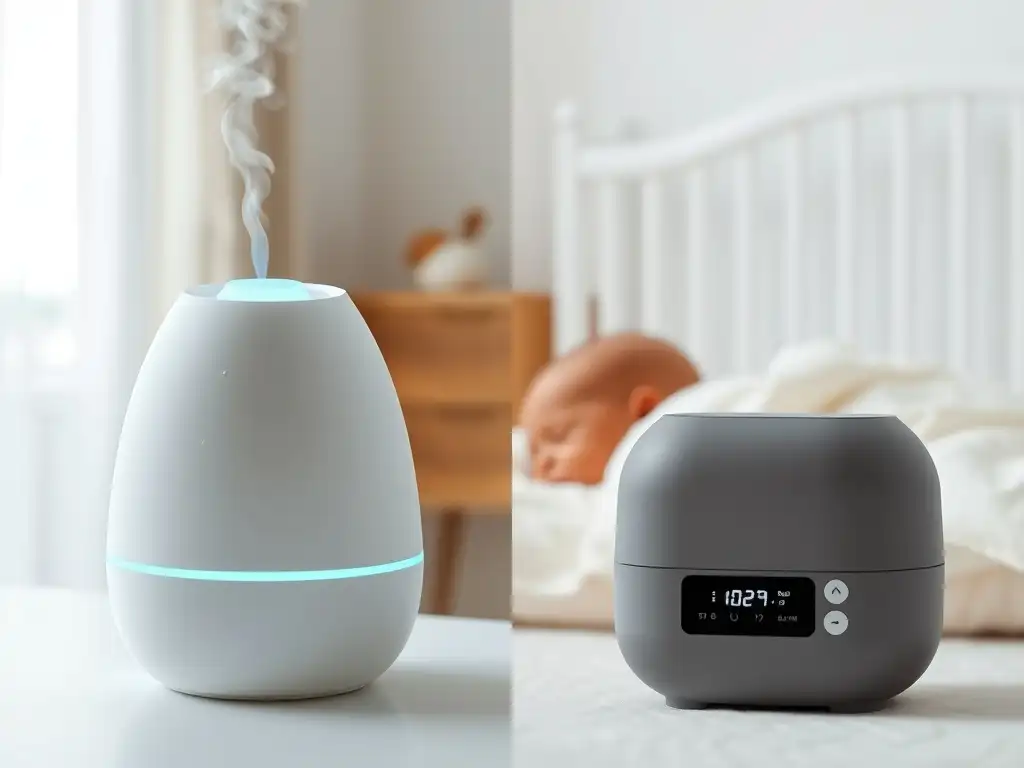
Finding the best humidifier for baby sleep can significantly improve your little one's nighttime comfort and respiratory health. The ideal humidifier will depend on several factors, including your budget, the size of your nursery, and your personal preferences. However, understanding the different types and features available is crucial for making an informed decision. Choosing the right humidifier can contribute to a healthier and more restful sleep environment for your baby, leading to improved overall well-being. Let's explore the key aspects to consider.
Cool Mist Humidifiers: Safety and Effectiveness for Babies
Cool mist humidifiers are generally considered safer for babies than warm mist humidifiers, as they eliminate the risk of burns. They work by using a fan to disperse a fine mist of cool water into the air, increasing the humidity level without heating the water. This makes them a popular choice for parents concerned about safety. Many cool mist humidifiers are also relatively quiet, which is essential for maintaining a peaceful sleep environment for your baby.
However, some models can be more prone to mineral buildup, requiring more frequent cleaning. Regular cleaning is paramount to prevent the growth of mold and bacteria. Let's examine a couple of popular options.
Vicks V3700 Cool Mist Humidifier Review: Features and Benefits
The Vicks V3700 is a popular choice known for its simplicity and effectiveness. It features a large tank capacity, minimizing the need for frequent refills, a crucial feature for nighttime use. Its filter-free design simplifies maintenance, although this also means more frequent cleaning is needed to prevent mineral buildup.
The V3700 is relatively quiet in operation, a key consideration for a baby's sleep environment. One potential drawback is its relatively larger footprint compared to some ultrasonic models. However, its reliability and ease of use make it a strong contender for the title of "best humidifier for baby sleep" for many parents.
Crane Drop Ultrasonic Cool Mist Humidifier Review: Pros and Cons
The Crane Drop Ultrasonic Cool Mist Humidifier is known for its compact and stylish design. Its ultrasonic technology creates a very fine mist, which is less likely to leave visible residue on surfaces. The quiet operation is another significant advantage. However, it has a smaller tank capacity than the Vicks V3700, requiring more frequent refills. Moreover, some users have reported issues with mineral buildup despite regular cleaning, highlighting the importance of diligent maintenance regardless of the model. While aesthetically pleasing and relatively quiet, the smaller tank size might be a deal-breaker for parents who prefer less frequent refills.
Warm Mist Humidifiers: Advantages and Potential Drawbacks
Warm mist humidifiers use heat to evaporate water, creating a warm, moist mist. While they can be very effective at increasing humidity, they pose a greater safety risk than cool mist humidifiers due to the hot water. It's crucial to ensure the humidifier is placed out of reach of your baby and to follow all safety precautions. They are also typically more energy-intensive and can be louder than cool mist models. Despite these drawbacks, some parents find the warm mist more soothing. Let's look at a couple of examples.
Honeywell HCM-350 Warm Mist Humidifier Review: Features and Benefits
The Honeywell HCM-350 is a robust warm mist humidifier with a large tank capacity and adjustable mist settings. Its auto-shut-off feature enhances safety. The larger tank minimizes the need for frequent refills, a significant advantage during overnight use. The adjustable mist output allows you to customize the humidity level to your needs. However, it is noticeably louder than many cool mist models and consumes more energy. Its size is also a factor to consider, as it requires more space than smaller, compact models.
Levoit Classic 300S Warm Mist Humidifier Review: Pros and Cons
The Levoit Classic 300S offers a blend of features, including a warm mist output and a relatively compact design. It boasts a decent tank capacity and adjustable mist settings. However, some users report that the warm mist can be slightly less consistent than other models.
Additionally, it's crucial to follow safety guidelines meticulously due to the use of heated water. While it offers a good balance between features and size, it's essential to weigh the safety concerns associated with warm mist humidifiers before making a purchase. Ultimately, the "best humidifier for baby sleep" is subjective and depends on individual needs and priorities.
Ultrasonic Humidifiers: Quiet Operation and Energy Efficiency
Ultrasonic humidifiers are a popular choice for nurseries due to their quiet operation and energy efficiency. These humidifiers use ultrasonic vibrations to create a fine mist, making them much quieter than other types, such as impeller humidifiers. This quiet operation is crucial for creating a peaceful sleep environment for your baby, minimizing disruptions throughout the night. The gentle hum of an ultrasonic humidifier is often barely perceptible, unlike the whirring sound of some impeller models.
Furthermore, ultrasonic humidifiers are generally more energy-efficient than other types. They consume less power to produce the same amount of humidity, leading to lower energy bills and a smaller environmental footprint. This is a significant advantage, especially considering that humidifiers are often run for extended periods, particularly during dry seasons or in climates with low humidity. The energy savings can add up over time, making them a cost-effective solution for maintaining a comfortable nursery environment.
However, it's important to note that the energy consumption can vary depending on the model and its settings. Always check the specifications before purchasing to ensure it aligns with your energy-saving goals. Regular cleaning is also essential for maintaining efficiency and preventing mineral buildup that can impact performance.
Honeywell HEV320 Ultrasonic Humidifier Review: Features and Benefits
The Honeywell HEV320 Ultrasonic Humidifier is a widely-regarded option frequently cited among the best humidifiers for baby sleep. One of its key features is its large tank capacity, allowing for extended periods of humidification without the need for frequent refills – a significant advantage during nighttime use when interruptions are best avoided. This model also boasts a built-in timer, enabling you to program the humidifier to run for a specific duration and automatically shut off, conserving energy and ensuring safe operation.
Many parents appreciate the digital controls, allowing for precise humidity level adjustments. The Honeywell HEV320 also incorporates an automatic shut-off feature when the water tank is empty, preventing damage to the unit and ensuring safety. While generally quiet, some users have reported a slight humming sound at higher settings.
User reviews consistently praise its ease of cleaning and maintenance. However, potential drawbacks could include the size, which some might find bulky for smaller nurseries.
Levoit Classic 300S Ultrasonic Humidifier Review: Pros and Cons
The Levoit Classic 300S Ultrasonic Humidifier presents a compelling alternative in the search for the best humidifier for baby sleep. A notable pro is its relatively compact size, making it suitable for smaller rooms and nightstands. This humidifier utilizes ultrasonic technology, delivering a whisper-quiet operation that won't disturb your baby's sleep. Many appreciate the Levoit Classic 300S's sleek design and intuitive controls.
Its features include adjustable mist levels, allowing you to customize the humidity output to your preferred level. The built-in filter helps to reduce white dust, a common concern with ultrasonic humidifiers. However, some users have reported that the filter requires relatively frequent replacement.
The water tank capacity might be considered smaller compared to other models, requiring more frequent refills. While generally lauded for its quiet operation, some users have reported a slight increase in noise levels at maximum settings. The cost is another factor to consider; it sits at a slightly higher price point compared to some competitors.
Top Picks: Best Humidifiers for Baby's Room in 2024
Finding the best humidifier for baby sleep can feel overwhelming with so many options on the market. This section highlights three top contenders, categorized by budget and features, to help you make an informed decision for your little one's nursery. We've considered factors crucial for nighttime comfort, including noise levels, tank size, ease of cleaning, and safety features. Remember, a properly humidified environment can significantly improve your baby's sleep quality and respiratory health. 👶
Top Choice: Honeywell HEV320 Ultrasonic Humidifier - Quiet Operation & Large Tank
The Honeywell HEV320 stands out for its quiet operation, a critical feature for undisturbed baby sleep. Its ultrasonic technology creates a gentle mist, minimizing disruptive noises often associated with other humidifier types. The large 1-gallon tank provides extended run time, meaning fewer nighttime refills and less disruption to your baby's sleep cycle.
This model also boasts several user-friendly features:
- Variable mist control: Allows you to adjust the humidity level to your baby's needs and the room's climate.
- Automatic shut-off: Prevents accidents by switching off when the tank is empty. This is a key safety feature for peace of mind.
- Easy-to-clean design: Simple to disassemble and clean, preventing the build-up of mold and bacteria crucial for maintaining hygiene.
While slightly pricier than some alternatives, the Honeywell HEV320's combination of quiet operation, large tank capacity, and safety features makes it a top choice for many parents seeking the best humidifier for baby sleep. The peace of mind it provides is invaluable.
Best Value: Crane Drop Ultrasonic Cool Mist Humidifier - Affordable & Effective
For parents looking for an effective and budget-friendly option, the Crane Drop Ultrasonic Cool Mist Humidifier offers excellent value. It provides a consistent cool mist, effectively increasing the humidity in your baby's room without breaking the bank. Its compact size makes it perfect for smaller nurseries.
This humidifier shines in its simplicity:
- Easy to use: Simple controls make operation straightforward, even for first-time parents.
- Affordable price point: Provides excellent performance without the high price tag of premium models.
- Cute design: The appealing design complements various nursery aesthetics.
While the tank capacity is smaller than the Honeywell HEV320, requiring more frequent refills, its affordability and ease of use make it a strong contender for those on a tighter budget. It still delivers on its promise of providing a comfortable sleeping environment, a key factor when considering the best humidifier for baby sleep.
The Levoit Classic 300S represents a premium option, incorporating advanced features and smart technology for ultimate control and convenience. This humidifier offers precise humidity control, allowing you to set and maintain a specific humidity level in your baby's room. Its smart features allow for remote control and scheduling via a mobile app.
Key features that differentiate this model include:
- Smart app control: Allows you to monitor and adjust humidity remotely, providing ultimate convenience and control.
- Precise humidity control: Maintains a consistent humidity level, optimizing your baby's sleep environment.
- Air purification: Some models include an air purification function, improving air quality beyond just humidity.
While the Levoit Classic 300S carries a higher price tag, its advanced features and precise control offer significant benefits for those seeking a technologically advanced solution for creating the perfect sleep environment. Its focus on precise humidity control makes it a strong contender in the race for the title of best humidifier for baby sleep. The added features, such as air purification in some models, may be a significant selling point for those prioritizing air quality.
Setting Up Your Baby's Humidifier: A Step-by-Step Guide
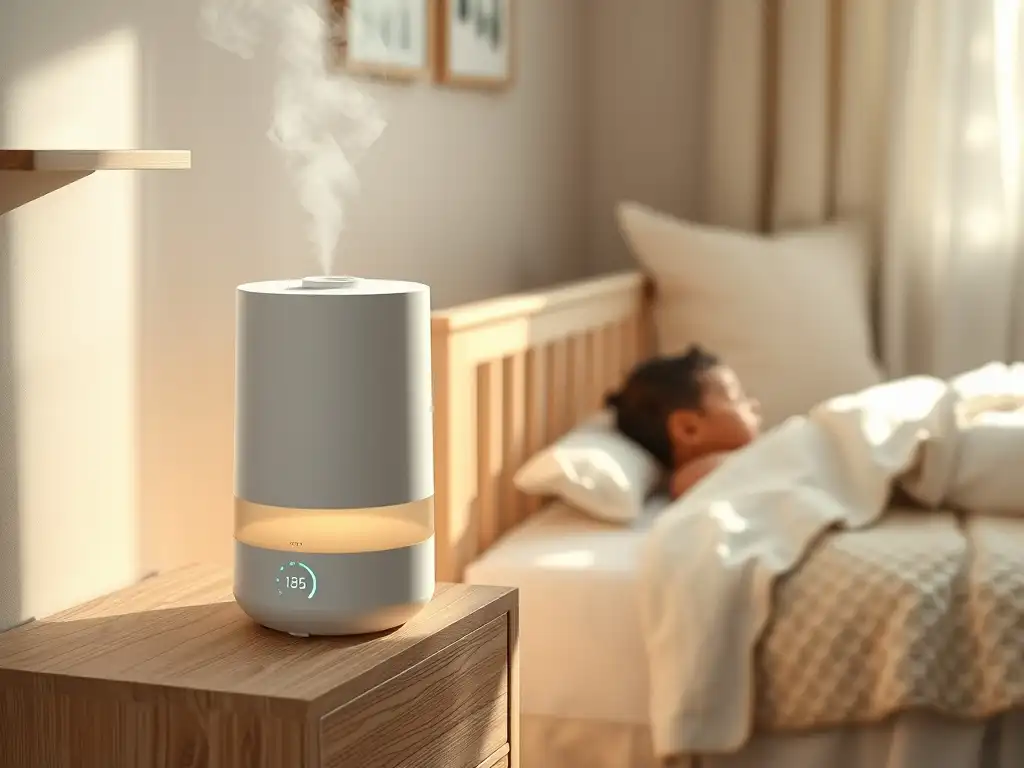
This section provides a detailed guide on setting up a humidifier for your baby's nursery, focusing on safety and efficacy. Choosing the best humidifier for baby sleep involves more than just selecting a model; proper setup is crucial for maximizing its benefits.
Cleaning and Maintaining Your Baby Humidifier for Optimal Hygiene
Maintaining a clean humidifier is paramount for preventing the growth of mold and bacteria, which can be detrimental to your baby's respiratory health. Regular cleaning is vital, irrespective of the type of humidifier you've chosen – cool-mist, warm-mist, or ultrasonic. Failure to clean your humidifier regularly can negate its benefits and potentially introduce harmful substances into the air your baby breathes.
The frequency of cleaning depends on the humidifier's usage and the manufacturer's recommendations. However, a general guideline is to clean it at least once a week. Here's a step-by-step process:
- Unplug the humidifier: Always disconnect the humidifier from the power source before cleaning to prevent electrical shocks.
- Disassemble the humidifier: Carefully separate all the components, including the tank, filter (if applicable), and base.
- Wash the components: Wash all removable parts with warm, soapy water. Use a non-abrasive sponge or cloth to avoid scratching the surfaces. Avoid harsh chemicals, as these can leave residues that are harmful to your baby.
- Rinse thoroughly: Rinse all parts thoroughly with clean water to remove all traces of soap.
- Dry completely: Allow all parts to air dry completely before reassembling the humidifier. Do not use towels, as these can leave lint behind.
- Replace the filter (if applicable): If your humidifier uses a filter, replace it according to the manufacturer's instructions. Using a dirty filter can reduce the humidifier's effectiveness and potentially introduce contaminants.
- Reassemble and refill: Once all parts are dry, reassemble the humidifier and refill the tank with fresh, clean water.
Regular cleaning, using only water and mild soap, helps ensure that your humidifier remains a valuable asset in creating a healthy and comfortable environment for your baby's sleep. Remember, a clean humidifier is the best humidifier for baby sleep in terms of hygiene.
Safe Placement and Operation of a Baby Humidifier in the Nursery
Proper placement and operation of your baby's humidifier are crucial for safety and effectiveness. Avoid placing the humidifier directly near your baby's crib or changing table. Maintaining a safe distance minimizes the risk of burns (for warm-mist humidifiers) or accidental spills.
Here are some key safety considerations:
- Stable surface: Place the humidifier on a stable, level surface away from electrical outlets and cords.
- Out of reach: Keep the humidifier out of your baby's reach to prevent accidental spills or tampering.
- Proper ventilation: Ensure adequate ventilation in the room to prevent the build-up of moisture.
- Regular checks: Regularly check the water level and ensure the humidifier is functioning correctly.
- Follow manufacturer's instructions: Always adhere to the manufacturer's instructions for operation and maintenance.
Additionally, consider these points for optimal performance:
- Room size: Choose a humidifier appropriate for the size of your baby's room. A humidifier that is too small may not adequately humidify the air, while one that is too large may lead to excessive moisture.
- Humidity level: Monitor the room's humidity level using a hygrometer to ensure it remains within the recommended range (typically between 40% and 60%). Excessive humidity can promote mold growth.
- Regular maintenance: As mentioned previously, regular cleaning and maintenance are crucial for optimal performance and safety.
Addressing Common Humidifier Problems: Troubleshooting Tips
Even with careful setup and maintenance, you might encounter some common humidifier problems. This section outlines troubleshooting tips to address these issues effectively.
| Problem | Possible Cause | Solution |
|---|---|---|
| White dust/powder | Mineral deposits in the water | Use distilled or filtered water; clean the humidifier regularly. |
| Noisy operation | Air bubbles in the tank; faulty components | Check for air bubbles; contact the manufacturer if the problem persists. |
| Low humidity output | Clogged filter; low water level; improper placement | Clean or replace the filter; refill the tank; ensure proper placement. |
| Water leaking | Damaged tank; improper assembly | Check for cracks or damage; reassemble carefully. |
| Mold or mildew growth | Lack of cleaning; excessive humidity | Clean the humidifier thoroughly; reduce humidity levels if necessary. |
Addressing these common problems proactively ensures the continued effectiveness and safety of your baby's humidifier, contributing to a restful night's sleep for both you and your little one. Remember, a well-maintained humidifier is key to achieving the best humidifier for baby sleep. Always prioritize safety and hygiene when operating any baby product.
Beyond Humidifiers: Creating a Soothing Sleep Environment for Your Baby
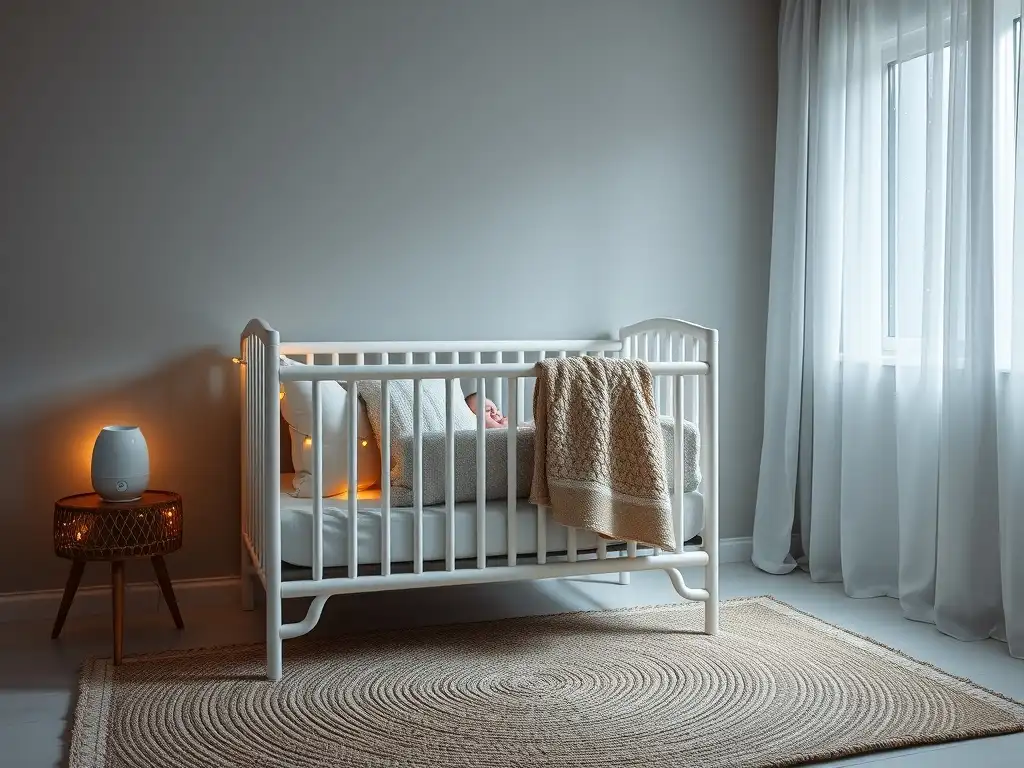
This section delves into creating the optimal sleep environment for your baby, extending beyond simply using a humidifier. While a humidifier addresses dryness and potential respiratory issues, a holistic approach to sleep hygiene significantly impacts your baby's sleep quality and overall well-being. Finding the best humidifier for baby sleep is just one piece of the puzzle. Let's explore other crucial elements to ensure your little one sleeps soundly.
The Importance of Temperature Control for Baby Sleep
Maintaining the ideal room temperature is paramount for comfortable baby sleep. A slightly cool room, between 68°F and 72°F (20°C and 22°C), is generally recommended by pediatricians. This temperature range prevents overheating, a significant risk factor for Sudden Infant Death Syndrome (SIDS). Overheating can cause your baby to sweat excessively, leading to discomfort and disrupted sleep.
Overly warm rooms can also contribute to dehydration, further impacting sleep quality. Conversely, a room that's too cold can cause shivering and discomfort, making it difficult for your baby to fall asleep and stay asleep. Use a reliable room thermometer to monitor the temperature consistently. Consider using a digital thermometer with a remote sensor for accurate readings from your baby's crib area. Remember to dress your baby appropriately for the room temperature – light sleep sacks or swaddles are usually sufficient in a well-regulated environment. Avoid excessive layering, which can lead to overheating.
White Noise Machines: Calming Sounds for Peaceful Nights
White noise machines can be incredibly beneficial in creating a soothing sleep environment for your baby. The consistent, low-level noise helps mask disruptive sounds – such as household noises, traffic, or other siblings – that might otherwise startle your baby awake. This consistent background noise can promote deeper, more restful sleep.
There's a wide variety of white noise machines available, from simple fan-based models to sophisticated devices offering a range of sounds, including white noise, pink noise, ocean waves, and even lullabies. Consider the features that best suit your needs. Some machines offer timers, allowing you to set the duration of the noise. Others have volume controls, allowing you to adjust the intensity to your baby's preference.
Remember to place the machine at a safe distance from the crib and ensure it meets safety standards. Always check the volume level; it should be low enough not to be disruptive to your baby's hearing. Some parents find that the sound of a fan provides a similar calming effect and is a more budget-friendly option.
Creating a Dark and Comfortable Sleep Space for Your Baby
A dark and comfortable sleep space is crucial for promoting healthy sleep patterns. Darkness triggers the release of melatonin, a hormone that regulates sleep. A dark room helps your baby's body understand it's time to sleep and enhances the quality of their sleep. Consider using blackout curtains or blinds to minimize light intrusion, especially during daytime naps.
Beyond darkness, consider the comfort of the sleeping environment. A firm mattress, fitted sheet, and a breathable sleep sack or swaddle are essential. Avoid loose bedding or toys in the crib to minimize the risk of SIDS. A clean, well-ventilated room is also crucial for a comfortable sleep space.
Regular airing of the room helps to maintain good air quality and reduce allergens. Remember, creating a soothing and safe sleep space is a crucial aspect of ensuring your baby gets the restful sleep they need to thrive. This contributes significantly to their overall health and development. The best humidifier for baby sleep is only effective within a well-designed sleep environment.
Frequently Asked Questions about Baby Humidifiers and Sleep
This section addresses common queries regarding the use of humidifiers to improve your baby's sleep and overall well-being. Choosing the best humidifier for baby sleep involves understanding not just the features, but also the practical aspects of maintenance and potential risks. Let's delve into some frequently asked questions.
How often should I change the water in my baby's humidifier?
The frequency of water changes in your baby's humidifier is crucial for preventing the growth of mold and bacteria, which can be detrimental to your little one's respiratory health. A general guideline is to change the water at least once a day, preferably twice if you live in a particularly humid climate or if the humidifier is used extensively. Failing to do so can lead to the growth of harmful microorganisms, defeating the purpose of having a humidifier in the first place.
Think of it like this: stagnant water is a breeding ground for unwelcome guests. Regular water changes ensure a clean and healthy environment for your baby. Always use distilled or filtered water to minimize mineral buildup and further reduce the risk of bacterial growth.
Using tap water can leave mineral deposits that can be difficult to clean and can potentially irritate your baby's delicate respiratory system. Remember to thoroughly clean the humidifier according to the manufacturer's instructions, ideally with a mild detergent and warm water, after each water change. This helps maintain the hygiene and effectiveness of your device, keeping your baby breathing easy.
What are the signs of too much humidity in a baby's room?
While a humidifier can be beneficial for baby's sleep, using it excessively can lead to an environment that's too humid. Overly humid air can create a breeding ground for mold and mildew, and can also exacerbate respiratory problems like asthma. Recognizing the signs of excessive humidity is therefore critical.
Some key indicators include:
- Visible condensation: You might notice condensation forming on windows, walls, or even the humidifier itself. This is a clear sign that the humidity level is too high.
- Musty smell: A musty or damp odor in the room suggests mold or mildew growth, a direct result of excessive moisture.
- Baby's discomfort: Your baby might exhibit signs of discomfort, such as increased fussiness, coughing, or a runny nose. This could indicate that the humid air is irritating their respiratory system.
- Peeling paint or wallpaper: In severe cases, you might see signs of damage to the walls, such as peeling paint or wallpaper, due to prolonged exposure to high humidity.
Using a hygrometer, a device that measures humidity, is a highly recommended way to monitor the humidity levels in your baby's room. Maintaining an ideal humidity level between 40% and 50% is generally considered optimal for baby's health and sleep. If you notice any of these signs, reduce the humidifier's run time or consider turning it off altogether for a while to allow the room to dry out.
Can humidifiers help with other baby health issues like congestion?
Yes, humidifiers can indeed provide relief from certain baby health issues, particularly those related to congestion. The added moisture in the air can help loosen mucus and make it easier for your baby to breathe, thereby easing congestion associated with colds, the flu, or other respiratory infections. This can lead to improved sleep and overall comfort for your little one.
However, it's crucial to remember that a humidifier is supportive care, not a cure. If your baby is suffering from persistent congestion, a high fever, or other concerning symptoms, it's essential to consult a pediatrician. They can properly diagnose the underlying issue and recommend appropriate treatment. Humidifiers are most effective when used in conjunction with other recommended treatments and as part of a holistic approach to managing your baby's health.
Never rely solely on a humidifier to address serious health problems. Always seek professional medical advice when needed. The best humidifier for baby sleep is one that complements, not replaces, proper medical care.
Frequently Asked Questions
What is the best humidifier for my baby's sleep?
The "best" humidifier depends on your needs and budget. Look for a cool-mist humidifier with automatic shut-off features for safety and ease of use. Consider features like large tank capacity and easy cleaning.
Why is a humidifier beneficial for my baby's sleep?
Dry air can irritate your baby's delicate respiratory system, leading to coughs and congestion. A humidifier adds moisture to the air, alleviating these symptoms and promoting better sleep.
Are there any risks associated with using a humidifier?
Yes, improper use can lead to mold growth or burns. Always follow manufacturer instructions, clean the humidifier regularly, and opt for a cool-mist model to avoid scalding.
How often should I clean my baby's humidifier?
You should clean your humidifier daily, or at least every other day, to prevent the growth of mold and bacteria. Refer to your humidifier's manual for specific cleaning instructions.
At what humidity level should I set my humidifier?
Aim for a humidity level between 40-50%. Using a hygrometer will help you monitor and maintain the optimal level for your baby's room. Over-humidification can also be harmful.
Final Reflection: Breathing Easy: The Lasting Impact of a Peaceful Night's Sleep
The quest for a good night's sleep for your little one is a universal parental experience, and the right humidifier can be a game-changer. Finding the best humidifier for baby sleep isn't just about convenience; it's about fostering a healthy and happy environment that promotes restful nights for both parent and child, impacting overall well-being and development.
The impact of a consistently comfortable sleep environment extends far beyond the immediate relief from dry air and congestion. It shapes a child's development, influencing their mood, learning abilities, and overall health. A well-rested baby is a happier, healthier baby. Sleep is the golden chain that ties health and our bodies together.
– Thomas Dekker. This simple truth underscores the importance of investing in the right tools, like a quality humidifier, to create that optimal sleep environment. The peace of mind it provides parents is invaluable.
Now, consider your own family's sleep patterns. Think about the impact of even one consistently restful night. What small changes can you implement to create a more soothing bedtime routine for your child? Perhaps it's investing in a humidifier, experimenting with different white noise options, or simply establishing a consistent and calming bedtime ritual. Remember, the journey to a peaceful night's sleep is a journey worth taking, and the rewards are immeasurable.
Breathe Easy: Create Your Baby's Perfect Sleep Sanctuary
Thank you for learning about creating a soothing sleep environment for your baby! We hope you found our information on the benefits of humidifiers helpful. Now, let's put that knowledge into practice!
- Prioritize a humidifier: Choosing the right humidifier for your baby's room is crucial. Consider factors like the room's size, the humidifier's noise level, and its safety features to ensure a comfortable and safe sleeping space.
- Share your experience: We'd love to hear which humidifier you chose and how it's working for your family! Please share your tips and tricks in the comments below.
- Explore further: Creating a peaceful and comfortable sleep environment involves more than just a humidifier. You might also consider establishing a consistent sleep routine, using a white noise machine, and selecting comfortable and safe bedding.
Ready to give your little one the best night's sleep ever? What small step will you take today to improve their sleep environment?