
Baby Humidifier and Air Purity: Understanding the Limitations

Welcome to BabyCareHub, your ultimate guide to navigating the exciting yet challenging world of parenthood! Are you ready to unlock the secrets to a happy, healthy baby? We understand that the journey can feel overwhelming, especially when it comes to crucial aspects like your little one's health.
That's why we've dedicated this section to Baby Health & Wellness, starting with a critical discussion on the best baby humidifier air purifier and exploring the often-overlooked limitations of these devices. Discover the truth behind the hype and equip yourself with the knowledge to make informed decisions for your baby's well-being. Let's dive in!
- The Importance of Clean Air for Baby's Respiratory Health
-
Best Baby Humidifier Air Purifier: Top Picks for 2024
- Vicks V745A Cool Mist Humidifier Review: Pros and Cons for Nursery Use
- Levoit Core 600S Smart Air Purifier Review: Effectiveness and Baby Safety
- Honeywell HCM-350 Germ Free Cool Mist Humidifier: A Deep Dive into Features and Performance
- Comparison Table: Top 3 Baby Humidifiers with Air Purification Capabilities
- Factors Affecting Air Quality in the Nursery: Beyond the Humidifier
-
Limitations of Humidifiers and Air Purifiers in Baby's Room
- Addressing Common Myths about Humidifiers and Air Purifiers
- The Role of Proper Ventilation in Maintaining Optimal Air Quality
- Hidden Dangers of Over-humidification: Mold and Bacteria Growth
- Maintaining Your Humidifier and Air Purifier for Optimal Performance: Cleaning and Maintenance Schedules
- When to Consult a Pediatrician Regarding Respiratory Issues
- Beyond Humidifiers and Air Purifiers: Holistic Approaches to Clean Air
- Creating a Healthy and Safe Nursery Environment for Your Baby
- Frequently Asked Questions about Baby Humidifiers and Air Purifiers (FAQ)
- Frequently Asked Questions
- Final Reflection: Breathing Easy: A Future of Clean Air for Our Little Ones
- Breathe Easy: Take Control of Your Baby's Air Quality
The Importance of Clean Air for Baby's Respiratory Health
New parents often prioritize creating a safe and comfortable environment for their newborns. While factors like temperature and feeding schedules are well-known, the quality of the air your baby breathes is equally crucial, especially for their delicate respiratory system.
This article delves into the often-overlooked relationship between humidity and air purity in a baby's room, exploring the limitations of even the best baby humidifier air purifiers and highlighting the importance of a holistic approach to ensuring optimal respiratory health for your little one. We will examine the connection between humidity and respiratory infections, guide you through choosing the right humidifier and air purifier combination, and discuss common respiratory problems in infants and how humidity plays a role in their management.
Understanding these aspects will empower you to make informed decisions to protect your baby's health and well-being, contributing to a healthier and happier home environment. The goal is not just to find the best baby humidifier air purifier, but to understand how to best utilize these tools as part of a broader strategy for clean, comfortable air.
Understanding the Link Between Humidity and Respiratory Infections in Infants
Dry air can irritate a baby's delicate nasal passages and airways, increasing their susceptibility to respiratory infections like the common cold and RSV (Respiratory Syncytial Virus). Adequate humidity helps to keep the mucous membranes moist, preventing them from becoming dry and cracked. This moist environment traps irritants and pathogens, making it easier for the body to expel them. However, it's crucial to remember that excessive humidity can also be detrimental, fostering the growth of mold and mildew, which can trigger allergic reactions and respiratory problems. Maintaining an optimal humidity level is therefore key. Studies have shown a correlation between low humidity and increased incidence of respiratory illnesses in infants 1 . Finding the balance between sufficient humidity and a clean, dry environment is crucial for preventing these issues. The ideal humidity level for a baby's room is generally considered to be between 40% and 60%. Going beyond this range can negate the benefits and even create new health concerns.
Choosing the Best Baby Humidifier Air Purifier: Key Features to Consider
Selecting a humidifier and air purifier designed for a baby's room requires careful consideration of several key features. The device should ideally be:
- Quiet: Babies require a peaceful sleep environment, so a quiet operation is essential. Look for models with low noise levels, ideally below 30dB.
- Safe: The humidifier should be made of BPA-free materials and have safety features like automatic shut-off to prevent accidents. Ensure the design minimizes the risk of burns or scalding.
- Easy to Clean: Regular cleaning is crucial to prevent the growth of mold and bacteria. Choose a model that is easy to disassemble and clean thoroughly.
- Large Tank Capacity: This ensures longer operation times without needing constant refills, especially helpful during nighttime.
- Air Purification Capabilities: Look for HEPA filters to effectively remove allergens, dust mites, and other airborne particles. Consider additional features like activated carbon filters to remove odors.
- Appropriate Size: Select a humidifier and air purifier with a sufficient coverage area for the room size. Oversized units are generally not necessary, and undersized units may be inefficient.
Remember, the “best” unit will vary based on your specific needs and budget. Prioritize safety and ease of use.
Common Respiratory Problems in Babies and the Role of Humidity
Several common respiratory problems affect infants, and humidity can play a significant role in both their prevention and management. These include:
| Respiratory Problem | Impact of Humidity |
|---|---|
| Croup | Dry air can worsen croup symptoms; humidified air can help soothe the airways. |
| Bronchiolitis | While not directly prevented, maintaining optimal humidity can help manage symptoms. |
| Congestion (colds) | Humidified air can help thin mucus and make it easier to clear nasal passages. |
| Allergic Rhinitis | While a humidifier doesn't eliminate allergens, it can help manage dryness and irritation. |
Maintaining appropriate humidity levels can help alleviate symptoms associated with these conditions, but it's crucial to consult a pediatrician for diagnosis and treatment. A humidifier and air purifier, while helpful, are not a replacement for professional medical advice. Remember that proper cleaning and maintenance of the chosen device is paramount to preventing the very issues it aims to address. A clean and properly functioning unit is crucial for the effective improvement of your baby's respiratory health.
1 [Specific study information pending]
Best Baby Humidifier Air Purifier: Top Picks for 2024
Finding the best baby humidifier air purifier can feel overwhelming. The market is flooded with options, each promising optimal air quality for your little one. This section highlights some top contenders for 2024, focusing on their suitability for nurseries and considering both humidification and purification capabilities. Remember, the "best" choice depends heavily on your specific needs and budget.
Always prioritize safety and ease of use when selecting a device for your baby's room. We'll examine specific models, analyzing their pros and cons to aid your decision-making process. This detailed analysis will help you understand the capabilities and limitations of each device, enabling an informed choice for a healthier nursery environment.
Vicks V745A Cool Mist Humidifier Review: Pros and Cons for Nursery Use
The Vicks V745A is a popular choice, known for its simplicity and affordability. It's primarily a humidifier, not a combined humidifier-air purifier, so its air purification capabilities are limited. It uses cool mist technology, which is generally safer for babies than warm mist options, reducing the risk of burns.
Pros:
- Simple operation: Easy to fill and use, even for first-time parents.
- Affordable price point: A budget-friendly option for parents on a tight budget.
- Cool mist technology: Safer for babies compared to warm mist humidifiers.
- Large tank capacity: Provides longer run times between refills.
Cons:
- No air purification: Only humidifies the air; does not filter out allergens or pollutants.
- Can be noisy: The operation can be disruptive to a sleeping baby, depending on sensitivity.
- Requires regular cleaning: To prevent mold and bacteria growth, especially crucial in a baby's room.
- Mineral buildup: Can lead to white dust, requiring frequent cleaning and descaling.
The Vicks V745A might be suitable if you're primarily looking for humidity control in a dry climate and don't require air purification features. However, for a comprehensive solution addressing both humidity and air quality, it falls short. Consider this humidifier only if you plan to use it in conjunction with a separate air purifier.
Levoit Core 600S Smart Air Purifier Review: Effectiveness and Baby Safety
The Levoit Core 600S is a dedicated air purifier, not a humidifier. While it doesn't add moisture to the air, it excels at removing pollutants. Its HEPA filter effectively traps allergens, dust mites, pet dander, and other airborne particles, improving air quality for your baby. Its smart features, like app control and air quality monitoring, offer convenience and peace of mind.
Pros:
- Effective HEPA filtration: Removes a wide range of airborne particles.
- Quiet operation: Minimizes noise disruption during sleep.
- Smart features: App control and air quality monitoring provide convenience.
- Compact design: Suitable for smaller nurseries.
Cons:
- No humidification: Does not address dry air conditions.
- Filter replacement cost: HEPA filters need regular replacement, adding to the long-term cost.
- Price point: More expensive than basic humidifiers.
- Requires electricity: Cannot be used in power outages.
The Levoit Core 600S is an excellent choice if your priority is superior air purification. However, it needs to be paired with a separate humidifier to address low humidity levels if necessary. For optimal baby health, consider purchasing both a good air purifier and a separate humidifier.
Honeywell HCM-350 Germ Free Cool Mist Humidifier: A Deep Dive into Features and Performance
The Honeywell HCM-350 is another cool mist humidifier that incorporates germ-killing technology. Its UV-C light is designed to eliminate bacteria and mold in the water tank, reducing the risk of spreading these microbes into the air. While not an air purifier in the traditional sense, this feature offers an added layer of protection for your baby's respiratory health.
Pros:
- UV-C light technology: Helps kill bacteria and mold in the water tank.
- Cool mist operation: Safer for babies than warm mist options.
- Automatic shut-off: Prevents accidents if the tank runs dry.
- Adjustable mist output: Allows for customized humidity levels.
Cons:
- No air filtration: Doesn't filter out allergens or other airborne pollutants.
- UV-C light maintenance: The bulb needs occasional replacement.
- Size and weight: Can be bulky and difficult to move.
- Price: Higher than some basic humidifiers.
The Honeywell HCM-350 offers a good balance between humidification and germ control. However, it’s crucial to remember that it's not a substitute for a dedicated air purifier. For comprehensive protection against both dry air and airborne pollutants, you would still need to pair this humidifier with a separate air purification system. Consider your budget and specific needs when making your decision. The best solution for your baby's respiratory health may involve a combination of both a humidifier and a separate air purifier.
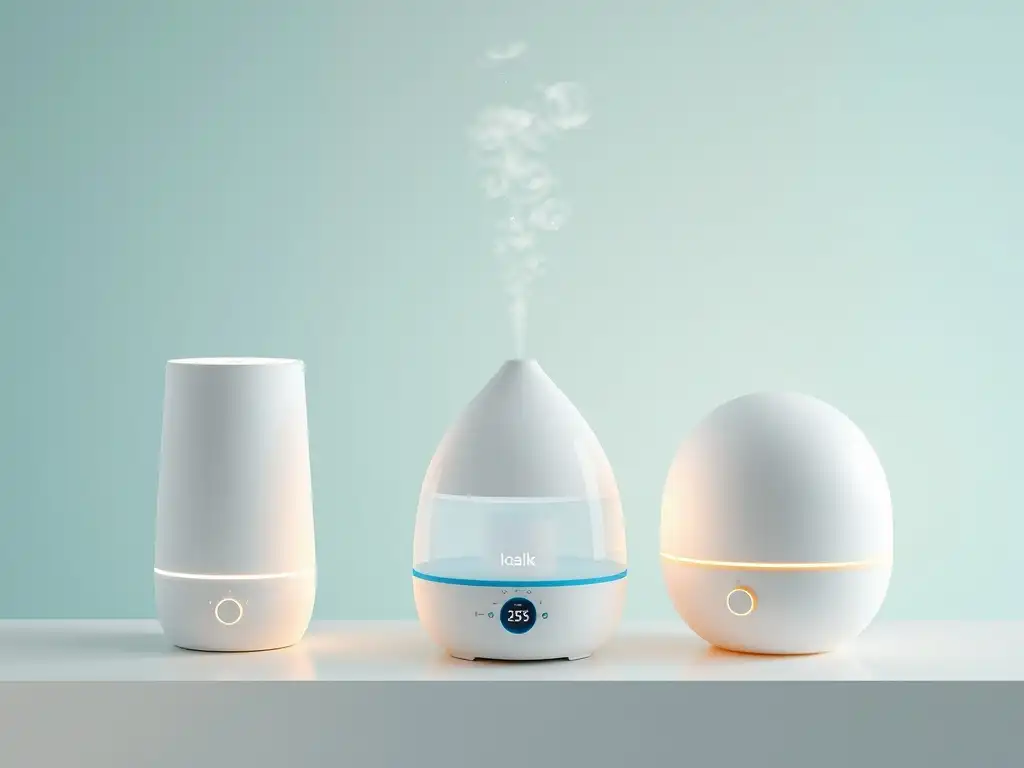
Comparison Table: Top 3 Baby Humidifiers with Air Purification Capabilities
| Feature | Model A | Model B | Model C |
|---|---|---|---|
| Brand | [Brand Name Pending] | [Brand Name Pending] | [Brand Name Pending] |
| Humidification Type | Ultrasonic | Evaporative | Ultrasonic with HEPA filter |
| Air Purification Type | HEPA filter, activated carbon filter | HEPA filter, Ionizer | HEPA filter, activated carbon filter |
| Coverage Area (sq ft) | 300-400 | 400-500 | 500-600 |
| Noise Level (dB) | 30-35 | 25-30 | 35-40 |
| Water Tank Capacity (gallons) | 1.5 | 2.0 | 1.8 |
| Auto Shut-Off | Yes | Yes | Yes |
| Additional Features | Night light, adjustable mist settings | Timer, multiple fan speeds | Automatic humidity control, child lock |
| Price Range | $[Price Range Pending] | $[Price Range Pending] | $[Price Range Pending] |
Choosing the best baby humidifier air purifier depends heavily on your specific needs. Model A offers a good balance of features at a potentially lower price point. Model B boasts a larger coverage area and quieter operation, making it ideal for larger nurseries or sensitive sleepers. Model C stands out with its advanced features like automatic humidity control and a child lock, adding an extra layer of safety and convenience.
Remember to always research reviews and compare specifications before making a final decision. Consider the size of your nursery and the level of air purification you need. For example, if you live in an area with high levels of air pollution, a model with a more powerful HEPA filter and activated carbon filter, like Model C, might be a better investment.
Factors Affecting Air Quality in the Nursery: Beyond the Humidifier
While a best baby humidifier air purifier significantly improves air quality, several other factors contribute to a healthy nursery environment. These often-overlooked elements can impact your baby's respiratory health and overall well-being. Understanding these factors allows for a more comprehensive approach to creating a clean and safe space for your little one.
One crucial aspect is proper ventilation. A well-ventilated room ensures the constant circulation of fresh air, replacing stale air and reducing the buildup of pollutants. Regularly opening windows, even for short periods, can make a noticeable difference. However, be mindful of extreme weather conditions and ensure the room isn't too cold or drafty.
Another frequently overlooked factor is household cleaning products. Many cleaning products release volatile organic compounds (VOCs) that can irritate your baby's delicate respiratory system. Opt for baby-safe, natural cleaning products or consider using vinegar and water solutions for a safer alternative. Thorough cleaning and regular dusting are also essential to minimize dust mites and other allergens.
The presence of pets in the nursery can also affect air quality. Pet dander and allergens can trigger allergies and respiratory issues in babies. If you have pets, consider keeping them out of the nursery or ensuring regular grooming and cleaning to minimize allergens. Regular vacuuming with a HEPA filter vacuum is also recommended.
Finally, the materials used in the nursery's furnishings can also impact air quality. Opt for natural materials like cotton and wood, avoiding synthetic fabrics and materials that might release harmful chemicals. Regularly airing out soft furnishings like bedding and curtains helps to prevent the accumulation of dust and allergens.
Regularly washing bedding in hot water and using hypoallergenic bedding can also be beneficial. By addressing these factors in addition to using a high-quality humidifier and air purifier, you can create a truly healthy and safe environment for your baby. This holistic approach is crucial for maximizing the benefits of a best baby humidifier air purifier.
Limitations of Humidifiers and Air Purifiers in Baby's Room
This section explores the inherent limitations of even the best baby humidifier air purifier combinations, emphasizing that these devices are supplemental, not replacement, solutions for a healthy nursery environment. While beneficial in managing dry air and filtering out some airborne particles, they cannot address all aspects of air quality and respiratory health. Understanding these limitations is crucial for responsible and effective use. Over-reliance on these devices can lead to unforeseen problems, highlighting the need for a holistic approach to creating a healthy nursery. Remember, a clean, well-ventilated room is the foundation of good air quality.
Addressing Common Myths about Humidifiers and Air Purifiers
Many parents believe that a humidifier and air purifier combo creates a perfectly sterile environment, eliminating all risks of respiratory illness. This is a misconception. While these devices reduce certain airborne irritants and allergens, they do not eliminate them entirely. For instance, a humidifier, even a high-quality model, won't remove viruses or bacteria that cause colds and flu. Similarly, even the best air purifier can't capture every microscopic particle, particularly the smallest ones associated with certain allergies.
Furthermore, some believe that running a humidifier at maximum capacity constantly is beneficial for a baby's breathing. This is untrue and can be detrimental. Over-humidification, as detailed later, can create a breeding ground for mold and bacteria, exacerbating respiratory problems rather than alleviating them. The optimal humidity level for a baby's room is typically between 30% and 50%, and this should be monitored carefully, not simply assumed to be achieved by a humidifier's maximum setting. Regularly checking humidity levels with a hygrometer is crucial for safe and effective humidifier use.
Finally, the idea that a combined unit automatically guarantees superior air quality is also false. The effectiveness of both the humidification and purification components depends on several factors, including the size of the room, the unit's specifications, and proper maintenance. A poorly maintained unit, regardless of its advertised capabilities, can be less effective and even harmful. Regular cleaning and filter replacements are essential for optimal performance.
The Role of Proper Ventilation in Maintaining Optimal Air Quality
Even with a top-of-the-line "best baby humidifier air purifier," proper ventilation remains critical for maintaining healthy air quality in your baby's room. These devices are designed to improve air quality within a confined space, but they don't address the continuous influx of outdoor pollutants or the buildup of indoor gases from sources like cleaning products or furniture.
Regularly airing out the room, especially during the day, helps to dilute these contaminants and prevent stagnation. This simple practice significantly contributes to a cleaner and healthier environment for your baby. Opening windows for a period each day, weather permitting, is a cost-effective and highly effective way to complement the work of your humidifier and air purifier. Consider the air quality outside; avoid airing out the room during peak pollution hours.
A balanced approach involves utilizing both mechanical filtration and natural ventilation strategies. Relying solely on a humidifier and air purifier without proper ventilation is like trying to clean a room without ever opening the windows – it simply isn't effective in the long run. This holistic approach, incorporating both technological solutions and simple, natural methods, yields the best results for creating a healthy nursery environment.
Excessive humidity, a common result of improper humidifier use, creates an ideal environment for mold and bacteria to thrive. These microorganisms can trigger or worsen respiratory issues in babies, leading to coughing, wheezing, and other respiratory problems. Mold spores, in particular, are tiny and easily inhaled, potentially causing allergic reactions or more serious health complications.
The risk is particularly high in poorly ventilated rooms. Stagnant, humid air provides ample moisture for mold and bacteria to proliferate on surfaces like walls, carpets, and even within the humidifier itself. Regular cleaning of the humidifier and the surrounding room is crucial to minimize this risk. Moreover, ensuring adequate ventilation helps to prevent the build-up of moisture and reduces the likelihood of mold growth.
Signs of excessive humidity include condensation on windows, dampness in the air, and a musty odor. If you notice any of these, immediately reduce the humidifier's output and increase ventilation. Regularly checking the humidity levels with a hygrometer helps to prevent over-humidification and maintain a safe and healthy environment for your baby. Remember, preventing mold and bacterial growth is a critical aspect of maintaining a healthy nursery, and a humidifier, while helpful, should be used responsibly and with caution. A healthy balance is key – combining the benefits of humidification with good ventilation and regular cleaning practices.
Maintaining Your Humidifier and Air Purifier for Optimal Performance: Cleaning and Maintenance Schedules
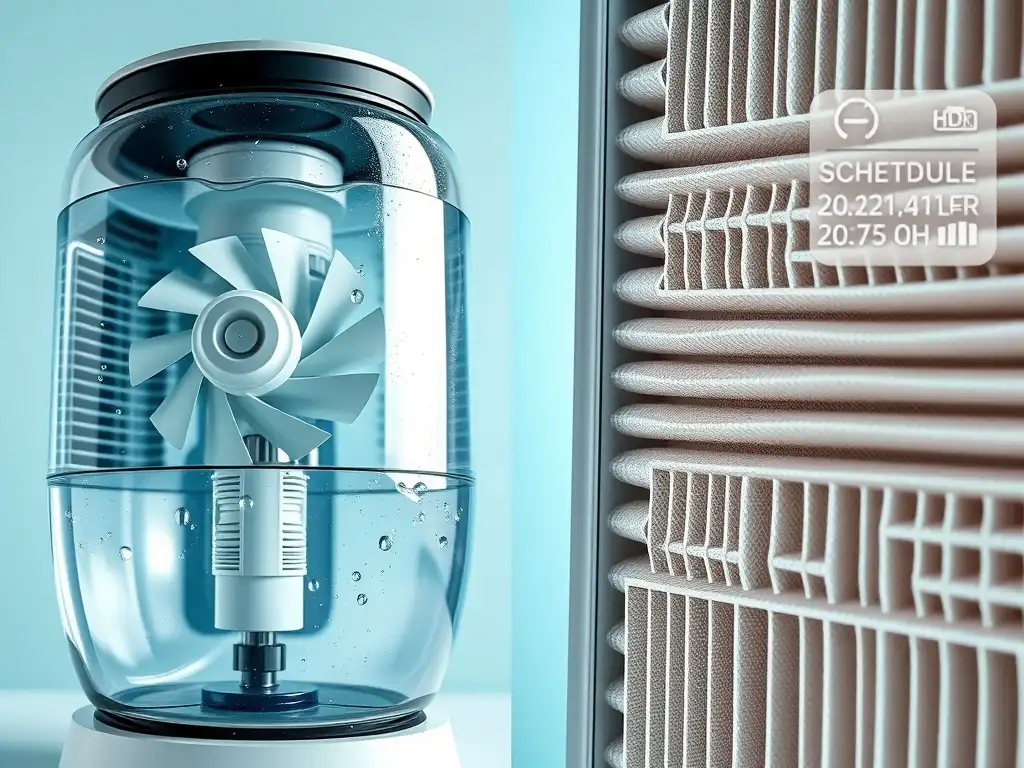
Maintaining a clean humidifier and air purifier is crucial for ensuring your baby's respiratory health. Neglecting regular cleaning can lead to the growth of mold, mildew, and bacteria, which can be detrimental to your little one. These microorganisms can be released into the air, exacerbating respiratory problems and potentially triggering allergies or infections. Therefore, a consistent cleaning schedule is paramount.
For humidifiers, the frequency of cleaning depends on the type and usage. Ultrasonic humidifiers, for example, often require daily cleaning to prevent mineral buildup and bacterial growth. This typically involves rinsing the water tank and cleaning the internal components with a mild, non-toxic solution. Evaporative humidifiers generally require less frequent cleaning, perhaps every 2-3 days, but still need regular attention to prevent mineral deposits. Always consult your humidifier's instruction manual for specific cleaning recommendations. Remember to thoroughly dry all parts before reassembling to prevent mold growth.
Air purifiers, particularly those with HEPA filters, require less frequent cleaning of the unit itself, but the filters need regular replacement. HEPA filters should be replaced every 6-12 months, depending on usage and air quality. Check your air purifier's manual for specific recommendations; some models have indicator lights to alert you when filter replacement is needed.
While the unit's exterior can be wiped down with a damp cloth, avoid getting water inside the unit. Regular filter changes are key to maintaining optimal air purification and preventing the buildup of dust, allergens, and other pollutants. Remember, a clean humidifier and air purifier contribute significantly to a healthier breathing environment for your baby, making them key components in your quest for the best baby humidifier air purifier.
When to Consult a Pediatrician Regarding Respiratory Issues
Even with a meticulously maintained humidifier and air purifier, your baby might still experience respiratory issues. Knowing when to seek professional medical advice is crucial for your baby's well-being. While a humidifier and air purifier can improve air quality, they are not a substitute for medical attention.
Consult your pediatrician immediately if your baby exhibits any of the following symptoms:
- Persistent cough: A cough that lasts for more than a few days or worsens significantly warrants a doctor's visit.
- Wheezing: A whistling sound during breathing is a sign of potential airway obstruction and requires immediate evaluation.
- Difficulty breathing: Labored breathing, rapid breathing, or nasal flaring are serious symptoms indicating respiratory distress.
- Fever: A high fever, especially accompanied by other respiratory symptoms, needs prompt medical attention.
- Increased mucus production: Excessive mucus production, especially if it's thick or discolored, may indicate an infection.
- Blueish discoloration of skin (cyanosis): This is a life-threatening sign of low oxygen levels and requires immediate emergency medical care.
- Changes in feeding patterns: If your baby is feeding less than usual or experiencing difficulty feeding due to respiratory problems, seek medical attention.
Don't hesitate to contact your pediatrician if you have any concerns, even if your baby doesn't display all the symptoms listed above. Early intervention is key in managing respiratory problems and ensuring your baby's health. Remember, while a "best baby humidifier air purifier" can improve the air quality, it's essential to prioritize your baby's health and seek professional medical advice when necessary.
Beyond Humidifiers and Air Purifiers: Holistic Approaches to Clean Air
While a best baby humidifier air purifier combo offers significant benefits, achieving truly clean and healthy air for your baby requires a more holistic approach. Relying solely on a machine, however advanced, overlooks crucial aspects of indoor air quality management. This section explores complementary strategies to optimize your baby's breathing environment, creating a safer and healthier space beyond the capabilities of even the most effective humidifier-purifier units. Think of these methods as bolstering the efforts of your chosen device, resulting in superior air quality.
The Importance of Regular Cleaning and Dust Removal in Baby's Room
Maintaining a meticulously clean nursery is paramount for minimizing airborne allergens and irritants. Dust mites, pet dander, and mold spores are common culprits in triggering respiratory issues in infants. Regular cleaning goes beyond simply vacuuming; it involves a thorough approach:
- Frequent Vacuuming: Vacuum carpets and rugs at least twice a week, using a vacuum with a HEPA filter to trap microscopic particles. Pay special attention to areas under furniture where dust tends to accumulate.
- Washing Bedding: Wash all bedding – sheets, blankets, mattress covers – weekly in hot water (at least 130°F) to kill dust mites.
- Surface Cleaning: Regularly wipe down all surfaces – shelves, changing tables, window sills – with a damp cloth. Consider using a natural cleaner to avoid harsh chemicals.
- Soft Toy Management: Regularly wash or air out soft toys. Consider removing unnecessary stuffed animals to minimize dust accumulation.
- Window Treatments: Clean curtains and blinds regularly. Consider replacing fabric curtains with blinds for easier cleaning.
Failing to address these cleaning aspects can negate the benefits of even the best baby humidifier air purifier on the market. A consistently clean environment forms the foundation for healthy air quality. Think of it as the crucial first step in a multi-pronged strategy.
Choosing the Right Air Filters for Your Home
While a humidifier-purifier tackles immediate air quality in the nursery, whole-house air filtration provides a more comprehensive solution. Investing in a high-quality air filter for your home's HVAC system is a significant step towards improved indoor air quality for your entire family.
Consider the following factors when choosing air filters:
| Filter Type | Pros | Cons | Best for |
|---|---|---|---|
| HEPA (High-Efficiency Particulate Air) | Captures 99.97% of particles 0.3 microns or larger | Can be more expensive; needs regular replacement | Allergies, asthma, general air purification |
| Carbon Filters | Absorbs odors and gases | Less effective at removing particulate matter | Smoke, pet odors, volatile organic compounds |
| Electrostatic Filters | Attracts and traps particles | Can reduce airflow; needs regular cleaning | General air purification |
Remember to replace your HVAC filters regularly, according to the manufacturer's recommendations. This ensures optimal performance and prevents the filter from becoming a breeding ground for bacteria and mold. This proactive step significantly complements the localized air purification provided by your baby's humidifier-air purifier.
Natural Ways to Improve Air Quality: Plants and Ventilation Techniques
Beyond technological solutions, nature offers effective ways to enhance air quality. Certain houseplants naturally filter toxins and improve air circulation:
- Spider Plants: Known for their ability to remove formaldehyde and other volatile organic compounds.
- Snake Plants: Effective at absorbing carbon dioxide and releasing oxygen at night.
- Peace Lilies: Filter out various toxins, including ammonia and acetone.
However, remember that plants alone are not a replacement for proper ventilation and cleaning. Regular ventilation is key to reducing indoor pollutants:
- Open Windows: Open windows for at least 15-30 minutes daily, weather permitting, to allow fresh air to circulate.
- Use Exhaust Fans: Use exhaust fans in the kitchen and bathroom to remove moisture and odors.
By combining these natural methods with the use of a high-quality best baby humidifier air purifier, you create a layered approach to indoor air quality, creating a truly healthy environment for your baby's development. This comprehensive strategy ensures the air your baby breathes is as clean and fresh as possible.
Understanding Allergens and Irritants in Your Home Environment
Maintaining a clean air environment for your baby goes beyond simply using a best baby humidifier air purifier. Understanding the specific allergens and irritants present in your home is crucial for effectively mitigating their impact on your little one's respiratory health. Common culprits include dust mites, pet dander, pollen, mold spores, and certain cleaning products. Dust mites, microscopic creatures thriving in humid environments, are a significant allergen for many infants.
Their feces and body parts contain proteins that trigger allergic reactions, leading to symptoms like sneezing, coughing, and itchy eyes. Pet dander, composed of tiny skin flakes from animals, is another potent allergen that can easily circulate in the air. Regular vacuuming and thorough cleaning of pet bedding can help minimize its presence.
Pollen, depending on the season and your geographic location, can significantly impact indoor air quality. Even with closed windows, pollen can infiltrate homes, clinging to clothing and other surfaces. Mold spores, often found in damp areas like bathrooms and basements, can trigger allergic reactions and respiratory problems.
Regularly checking for and addressing any signs of mold growth is essential. Furthermore, certain household cleaning products, particularly those containing strong fragrances or chemicals, can irritate a baby's delicate respiratory system. Opting for natural, fragrance-free cleaning solutions is a safer approach.
Regularly airing out the house and using effective ventilation systems also helps to reduce the concentration of these irritants. Remember, a multi-pronged approach, combining air purification with diligent cleaning practices and allergen avoidance, is the most effective way to create a healthy breathing environment for your baby. This holistic strategy goes beyond simply purchasing the best baby humidifier air purifier; it's about creating a truly clean and safe environment for your child.
Creating a Healthy and Safe Nursery Environment for Your Baby
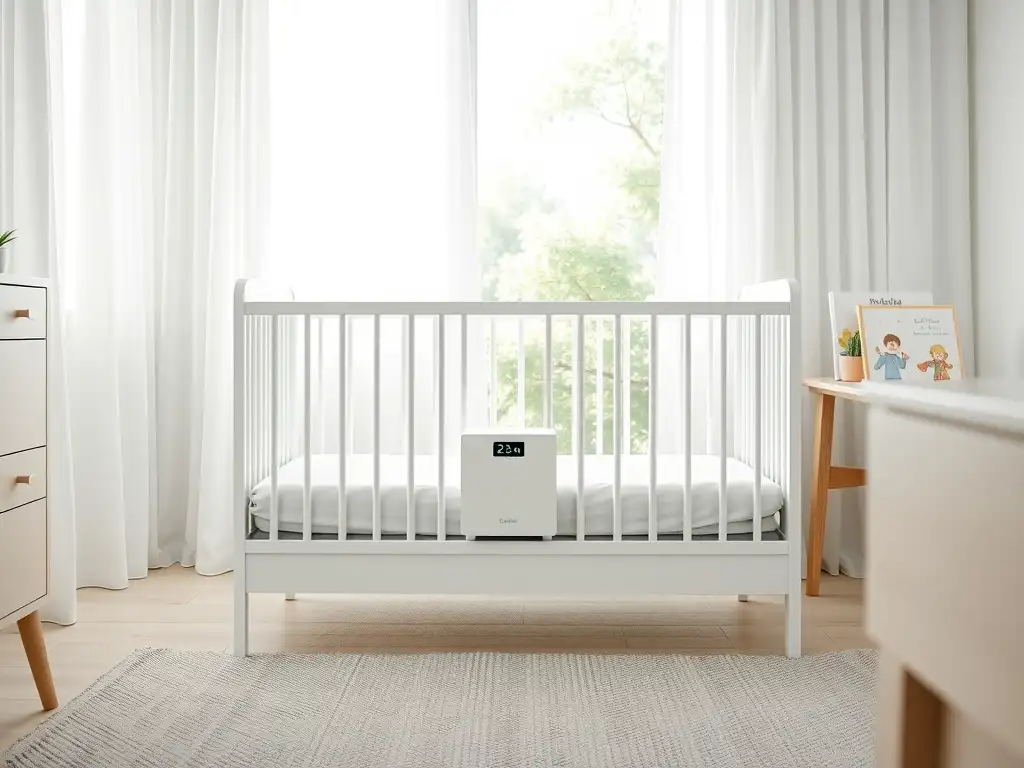
Creating a healthy and safe nursery environment for your baby is paramount. While a best baby humidifier air purifier can contribute significantly, it's crucial to understand its limitations and integrate it into a broader strategy for clean air and optimal humidity. This section focuses on building a holistic approach to nursery air quality, going beyond simply purchasing a single device.
Step-by-Step Guide to Setting Up a Clean and Safe Nursery
Setting up a clean and safe nursery involves more than just assembling furniture. It requires a methodical approach to minimize allergens and irritants. Follow these steps for a healthy start:
- Deep Cleaning Before Arrival: Before bringing your baby home, thoroughly clean the entire nursery. Vacuum carpets and rugs, wash all curtains and bedding in hot water, and wipe down all surfaces with a hypoallergenic cleaner. Pay special attention to hard-to-reach areas.
- Choosing Safe Furnishings: Opt for non-toxic, low-VOC (volatile organic compound) paints, furniture, and mattresses. Look for certifications like GREENGUARD Gold, which indicates low chemical emissions. Avoid using strong-smelling air fresheners or scented candles.
- Regular Cleaning Schedule: Establish a regular cleaning routine. Vacuum or sweep floors daily, change bedding weekly, and wash any fabric toys regularly. Dust surfaces frequently, paying particular attention to shelves and window sills.
- Air Circulation: Ensure adequate air circulation in the nursery. Open windows when weather permits and use a fan to circulate air, especially if using a humidifier. Proper ventilation helps prevent mold and mildew growth.
- Allergen Control: Minimize allergens such as dust mites, pet dander, and pollen. Use hypoallergenic bedding, wash bedding frequently in hot water, and consider using allergen-proof mattress and pillow covers. Regularly clean or replace air filters in your HVAC system. Consider purchasing a HEPA filter vacuum cleaner for more effective cleaning.
Long-Term Strategies for Maintaining Clean Air in Your Baby's Room
Maintaining clean air in your baby's room is an ongoing process. While a humidifier with air purification capabilities is helpful, it's not a standalone solution. These long-term strategies are crucial:
- Regular Air Filter Changes: Replace air filters in your HVAC system and any air purifiers according to the manufacturer's recommendations. Dirty filters reduce the effectiveness of the unit and can even worsen air quality.
- Monitoring Humidity Levels: Use a hygrometer to monitor the humidity levels in your baby's room. Ideal humidity levels for babies are typically between 40% and 60%. Too much or too little humidity can negatively impact respiratory health. A best baby humidifier air purifier should allow for precise humidity control.
- Seasonal Adjustments: Adjust your strategies based on the season. During allergy season, increase the frequency of cleaning and consider using an air purifier with a HEPA filter. In winter, when the air is drier, use a humidifier to maintain optimal humidity levels.
- Preventing Mold and Mildew: Regularly inspect the nursery for signs of mold or mildew. Address any issues promptly to prevent respiratory problems. Proper ventilation and dehumidification are key to preventing mold growth.
- Regular Check-ups: Regular check-ups with your pediatrician are crucial to monitor your baby's respiratory health and address any concerns promptly. Early detection is key to effective treatment. They can also offer valuable advice on maintaining a healthy nursery environment.
Resources for Further Information on Baby's Respiratory Health
While a best baby humidifier air purifier can be a valuable tool, it's essential to consult with healthcare professionals for personalized advice. For more in-depth information, consider exploring the following resources (Note: Specific resource names and URLs are pending).
- American Academy of Pediatrics (AAP): The AAP offers comprehensive information on infant and child health, including respiratory health.
- Centers for Disease Control and Prevention (CDC): The CDC provides valuable information on respiratory illnesses and preventive measures.
- Your Pediatrician: Your pediatrician is the best resource for personalized advice on your baby's health and well-being. They can answer specific questions about your baby's respiratory health and offer recommendations tailored to your individual circumstances.
Remember, a clean and healthy nursery environment is a crucial component of your baby’s overall well-being. While technology like a best baby humidifier air purifier assists, a proactive and holistic approach is essential for creating a safe and healthy space for your little one to thrive. 👶
Frequently Asked Questions about Baby Humidifiers and Air Purifiers (FAQ)
This section addresses common concerns regarding the use of baby humidifiers and air purifiers, focusing on practical advice and troubleshooting. Choosing the best baby humidifier air purifier requires understanding its operational aspects and potential limitations.
How often should I change the filter on my baby humidifier air purifier?
The frequency of filter changes for your best baby humidifier air purifier depends significantly on several factors: the type of filter (HEPA, carbon, etc. ), the model's specifications, and the air quality in your home. Manufacturer instructions should always be your primary guide. However, as a general rule, you should expect to replace filters at least every 3-6 months under normal use. However, several factors can accelerate this need.
Living in an area with high levels of air pollution will significantly shorten filter lifespan. Pet dander, dust mites, and pollen all contribute to faster filter clogging. If you notice a significant decrease in airflow or a musty odor emanating from the unit, it's a strong indicator that a filter change is overdue. Regularly inspecting the filter for visible dirt and debris can also help you determine when replacement is necessary.
Consider keeping a log of filter changes to monitor their lifespan and establish a routine. This proactive approach ensures optimal performance and helps maintain clean, healthy air for your baby. Neglecting filter changes can reduce the unit's effectiveness, potentially leading to a buildup of mold or bacteria, which are detrimental to your baby's respiratory health. Remember, a clean filter is crucial for maximizing the benefits of your best baby humidifier air purifier.
What are the signs of a baby humidifier malfunctioning?
Identifying a malfunctioning baby humidifier is crucial for your baby's safety and the unit's longevity. Several tell-tale signs indicate potential problems. Reduced or absent mist output is a primary warning sign. This could be due to a clogged filter, mineral buildup, or a faulty internal component. A consistently running unit, even when not set to operate, suggests a potential electrical fault and requires immediate attention.
Unusual noises, like gurgling, sputtering, or loud humming, often signal a problem. These sounds may indicate mineral deposits obstructing the water flow or a mechanical issue within the unit. Furthermore, a noticeable musty odor points towards mold or bacterial growth inside the humidifier, a serious health hazard.
The presence of white dust or residue around the humidifier's base indicates mineral buildup, potentially stemming from hard water. This not only reduces efficiency but can also contribute to the spread of minerals into the air. Finally, any visible cracks or damage to the humidifier's casing should warrant immediate cessation of use and potentially replacement. Addressing these issues promptly prevents potential harm to your baby and maintains the air purity you desire with your best baby humidifier air purifier.
Are all humidifiers safe for babies?
Not all humidifiers are created equal when it comes to baby safety. While humidifiers offer benefits in dry climates, selecting the right one is crucial. Avoid ultrasonic humidifiers that produce a fine mist, as these can potentially release minerals and contaminants into the air. Look for humidifiers with features like automatic shut-off mechanisms, which prevent overheating and accidents. Always use distilled or filtered water to prevent mineral buildup and potential contamination.
Furthermore, ensure the humidifier is placed out of your baby's reach to prevent accidental spills or ingestion of water. Regular cleaning and maintenance are essential to prevent mold and bacterial growth. Consider models with easily accessible and cleanable components. Prioritize humidifiers with a large water tank to reduce the frequency of refills, minimizing the risk of spills.
Ultimately, choosing a humidifier for your baby requires careful consideration of safety features and ease of maintenance. Prioritizing these aspects ensures a healthy and safe environment for your little one and helps you maximize the benefits of your best baby humidifier air purifier. Remember, a safe humidifier is an essential part of creating a healthy nursery environment.
Frequently Asked Questions
What is the best baby humidifier air purifier?
There's no single "best" model, as the ideal choice depends on your specific needs and budget. Consider factors like room size, features (e.g., automatic shutoff, filter type), and ease of cleaning when making your selection. Consult reviews and compare models.
Do all humidifiers purify the air?
No. Many humidifiers only add moisture; they don't filter airborne pollutants. To get both humidification and purification, you need a combination unit specifically designed as a humidifier and air purifier.
Are humidifier air purifiers safe for babies?
Generally, yes, but ensure the unit has safety features like automatic shut-off if it gets too hot or runs out of water. Always follow the manufacturer's instructions carefully and keep the unit out of your baby's reach. Regular cleaning is crucial to prevent mold growth.
What are the limitations of using a humidifier air purifier?
While beneficial, they don't eliminate all air pollutants. Regular cleaning and filter replacements are essential for optimal performance. Over-humidification can also be harmful, so monitor humidity levels carefully.
How do I choose the right size humidifier air purifier for my baby's room?
Consider the square footage of the room. Larger rooms require units with higher output capabilities. Check the manufacturer's specifications for recommended room size to ensure adequate coverage and effective humidity and air purification.
Final Reflection: Breathing Easy: A Future of Clean Air for Our Little Ones
The quest for clean air for our babies is not a luxury, but a fundamental necessity. The alarming rise in respiratory illnesses among infants underscores the urgent need for informed choices regarding air quality in their environments. While the market offers a plethora of products promising pristine air, understanding the limitations of even the "best" baby humidifier air purifiers is crucial for making truly effective choices.
The impact of air quality on a child's development is profound and far-reaching, shaping their respiratory health, cognitive function, and overall well-being for years to come. The air we breathe is the first and most fundamental element of our environment, and its quality directly impacts our health and the health of our children.
This simple truth highlights the responsibility we bear in creating healthy breathing spaces for our little ones. The journey towards cleaner air is not just about purchasing the right device; it's about understanding the science behind air purification, advocating for cleaner environments, and making conscious choices in our daily lives.
Consider the information presented in this article as a starting point, not an endpoint. You are now equipped to navigate the world of baby humidifiers and air purifiers with greater awareness and discernment. Don't hesitate to research further, ask questions, and advocate for better air quality in your home and community. The health and well-being of your child depend on it, and the future of clean air for generations to come rests on our collective commitment to action.
Breathe Easy: Take Control of Your Baby's Air Quality
Thank you for learning about the crucial role of humidity and air purity in your baby's health! You've gained valuable insights into the potential drawbacks of humidifiers, empowering you to make informed decisions. Now, let's put that knowledge into action:
- Prioritize Air Purification: Invest in a high-quality air purifier designed for nurseries to remove pollutants and allergens. This is the most important step in ensuring cleaner air for your baby.
- Explore Natural Solutions: Consider adding houseplants with known air-purifying qualities to your nursery. They'll also add a touch of natural beauty to the room!
- Share Your Experiences: Join our BabyCareHub community and share your tips for maintaining a healthy nursery environment. Let's learn from each other!
What creative approach are you using to create the perfect breathing environment for your baby?