
Understanding the Different Bouncer Vibration Options

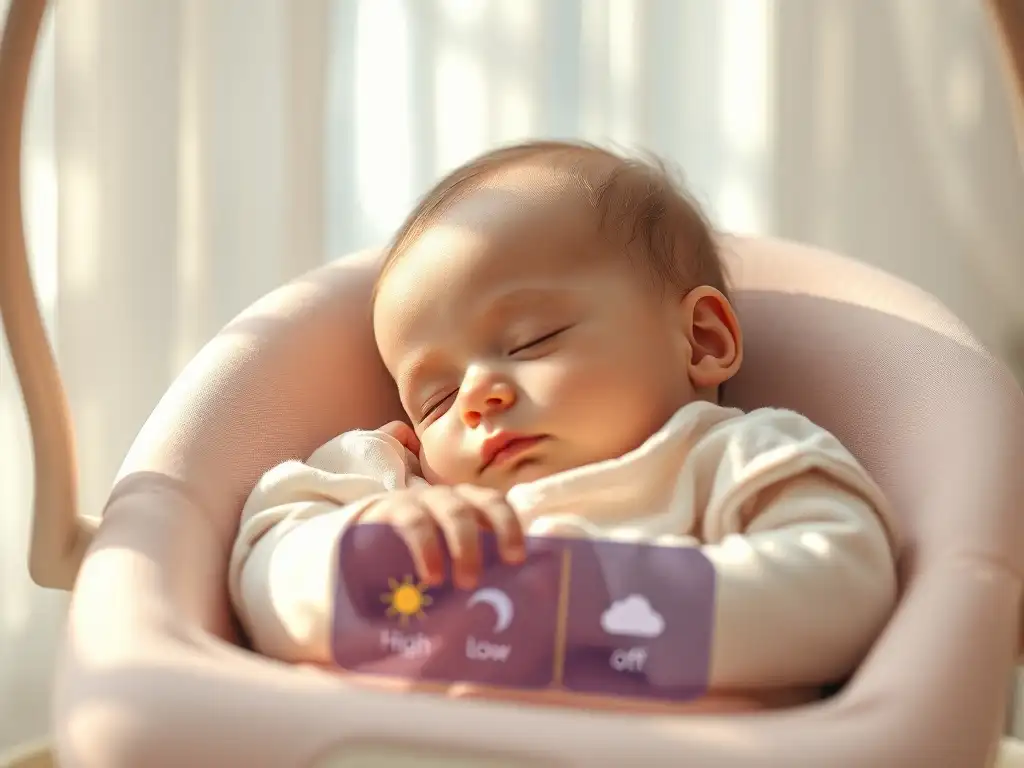
Welcome to BabyCareHub, your ultimate guide to navigating the exciting yet challenging world of parenthood! Are you ready to unlock the secrets to a happier, healthier baby? We've got you covered, from feeding schedules to soothing techniques. But first, let's delve into the often-overlooked world of baby bouncer vibration settings – discovering the right settings can make a world of difference in your baby's comfort and your sanity. Explore our expert advice and learn how to maximize the benefits of this essential baby gear. Read on to uncover the perfect vibration for your little one!
- Baby Bouncer Vibration Settings: A Comprehensive Guide
- Baby Bouncer Vibration: Safety Considerations and Precautions
- Troubleshooting Common Baby Bouncer Vibration Issues
- Baby Bouncer Vibration vs. Other Soothing Methods
- The Combined Benefits of Vibration and Other Soothing Techniques
- Selecting the Best Baby Bouncer with Vibrations
- Frequently Asked Questions
- Final Reflection: The Gentle Hum of Connection
- Unlock Your Baby's Happy Dance: Mastering Bouncer Vibrations
Baby Bouncer Vibration Settings: A Comprehensive Guide
Choosing the right baby bouncer can feel overwhelming for first-time parents. With so many features and options available, understanding the nuances of each can significantly impact your baby's comfort and, ultimately, your peace of mind. This guide focuses specifically on baby bouncer vibration settings, a feature many parents find incredibly helpful in soothing fussy infants and encouraging restful sleep.
We'll delve into the different intensity levels, how to interpret your baby's responses, and ultimately, how to select the optimal vibration setting for your little one. Understanding these settings is crucial for maximizing the benefits of your baby bouncer and ensuring a safe and enjoyable experience for both you and your baby.
This guide aims to provide a clear and comprehensive understanding of baby bouncer vibration, helping you navigate this aspect of baby gear with confidence. We'll explore the different vibration options available and how to choose the best settings based on your baby's individual needs and preferences.
Choosing the Right Vibration Intensity for Your Baby
Baby bouncers often offer a range of vibration intensities, typically controlled via buttons or a dial. These settings usually range from low to high, sometimes with additional options like "pulse" or "lullaby" modes. The intensity you choose will depend largely on your baby's individual preferences and temperament. Some babies are highly sensitive to vibrations and may prefer a gentle, low setting, while others might find a stronger vibration more soothing.
It's crucial to start with the lowest setting and gradually increase the intensity as needed. Observe your baby's reactions closely. Signs of discomfort might include fussiness, crying, or turning away from the vibrations. If you notice any negative reactions, immediately reduce the intensity or turn the vibration off.
Remember that every baby is unique. What works for one infant might not work for another. Experimentation and careful observation are key to finding the perfect vibration setting for your little one. A good rule of thumb is to always prioritize your baby's comfort and well-being.
| Vibration Setting | Description | Potential Baby Response |
|---|---|---|
| Low | Gentle, barely perceptible vibrations | May promote relaxation and calm; good for sensitive babies |
| Medium | Noticeable but not strong vibrations | Can be soothing for some babies; may help with fussiness |
| High | Strong, noticeable vibrations | May be too stimulating for some; use cautiously |
| Pulse | Intermittent bursts of vibrations | Can be engaging for some babies; may help with alertness |
| Lullaby (if available) | Vibrations combined with soothing sounds | Often the most effective for promoting sleep |
Understanding Your Baby's Response to Vibrations
Monitoring your baby's response to the bouncer's vibrations is paramount. A positive response usually involves signs of relaxation, such as calmer breathing, quieter fussing, or even falling asleep. However, it’s just as important to recognize negative responses. These might include increased crying, arching of the back, or turning their head away from the source of vibration.
Some babies may initially show a negative response but might later become accustomed to the sensation. If this happens, try restarting with a very low setting and gradually increasing the intensity over several sessions. Remember, consistency is crucial. If your baby consistently shows a negative reaction, it's best to discontinue using the vibration feature altogether.
Pay close attention to your baby's cues. Their nonverbal communication is your best guide in determining the appropriate vibration setting. If in doubt, always err on the side of caution and choose a lower intensity. The goal is to create a calming and comfortable environment, not to overstimulate your baby. 👶
Remember to always supervise your baby while they are in the bouncer, regardless of the vibration setting.
Different Vibration Patterns and Their Effects
Baby bouncers often offer a variety of vibration patterns, each designed to achieve a different outcome for your little one. Understanding these differences is key to maximizing the bouncer's benefits. The intensity and type of vibration can significantly impact your baby's mood and engagement. Some bouncers offer simple on/off settings, while others boast multiple speed levels and distinct vibration patterns, ranging from gentle pulses to more rhythmic oscillations.
The key is to observe your baby's response and adjust the settings accordingly. A baby who is overly stimulated might respond better to a slower, gentler vibration, while a less active baby might benefit from a slightly more stimulating setting to encourage engagement. Remember, every baby is unique, and what works for one may not work for another. Experimentation and careful observation are crucial.
Calming Vibrations for Soothing Fussy Babies
Many parents find that a gentle, low-intensity vibration setting can be incredibly effective in soothing a fussy baby. These calming vibrations often mimic the feeling of being held and rocked, providing a sense of security and comfort. The rhythmic pulsing can help to regulate your baby's breathing and heart rate, promoting relaxation and reducing stress. The subtle movements can also help to alleviate gas or discomfort.
Look for bouncers that offer a dedicated "calm" or "soothe" setting, often characterized by slow, gentle vibrations. Some models even incorporate soft, lulling sounds in conjunction with these vibrations for an added soothing effect. It's important to note that the effectiveness of calming vibrations can vary depending on the baby's individual needs and temperament. Some babies might find even the gentlest vibrations too stimulating, while others may find them incredibly comforting.
Stimulating Vibrations for Engaging Playtime
In contrast to calming vibrations, stimulating vibrations can be used to engage your baby during playtime. These vibrations are typically more intense and have a faster rhythm. They can help to keep your baby alert and interested, especially during periods of wakefulness. The increased movement can encourage your baby to reach, kick, and explore their surroundings. This can be particularly useful for babies who are prone to becoming lethargic or easily bored.
However, it's crucial to monitor your baby's response closely. If they appear overwhelmed or distressed, reduce the intensity or duration of the stimulating vibrations. Always prioritize your baby's comfort and well-being. The goal is to provide engaging stimulation, not overstimulation. Consider using stimulating vibrations in conjunction with colorful toys or interactive features to enhance the playtime experience.
Nature Sounds and Vibration Combinations
Some advanced baby bouncers incorporate a combination of vibrations and nature sounds, such as white noise, ocean waves, or rainfall. This combination can be particularly effective in creating a calming and relaxing atmosphere. The gentle vibrations, paired with the soothing sounds, can help to mask distracting noises and create a sense of tranquility. This feature can be beneficial for babies who are sensitive to noise or easily startled.
The combination of nature sounds and vibrations can create a synergistic effect, enhancing the overall calming or stimulating experience. For example, a slow vibration paired with white noise might be ideal for sleep, while a slightly faster vibration with bird song could be suitable for playtime. Always check the manufacturer's instructions to ensure you are using the features correctly and safely. Remember, the right combination will vary depending on your baby's individual preferences and the desired outcome.
Baby Bouncer Vibration: Safety Considerations and Precautions
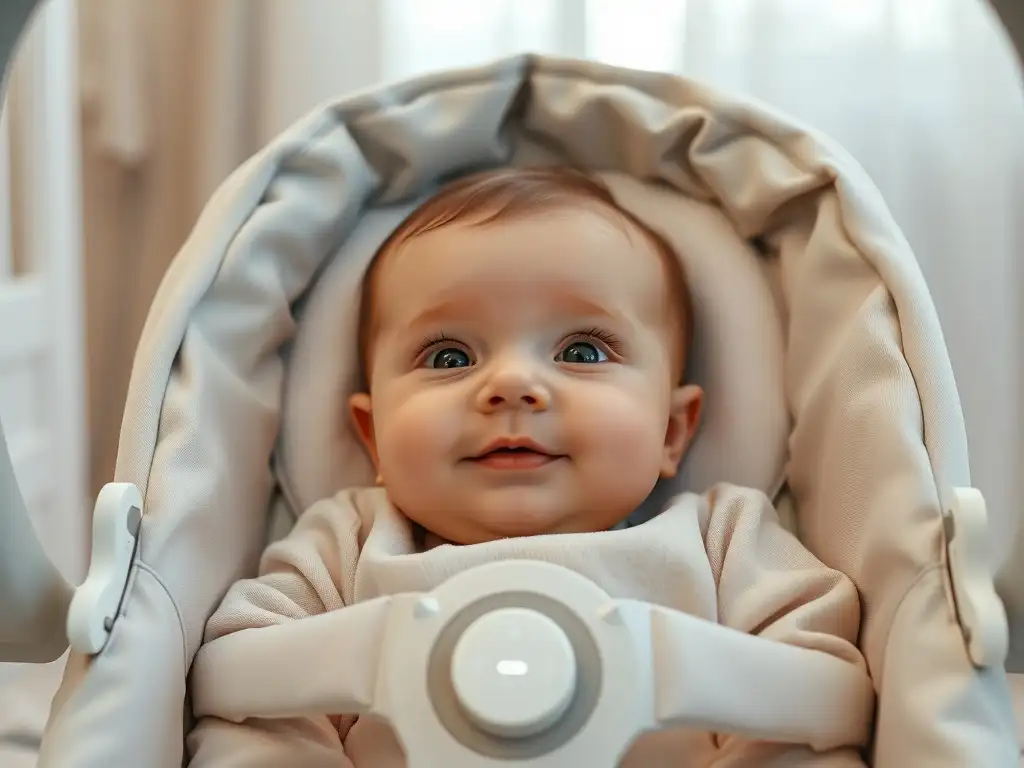
Baby bouncer vibration settings offer a soothing experience for many infants, but safety should always be the top priority. Understanding the potential risks and implementing proper safety measures is crucial for responsible use. This section delves into the essential safety guidelines and precautions to ensure your baby's well-being while using a vibrating baby bouncer. Remember, always refer to your specific bouncer's instruction manual for detailed safety information.
Safe Usage Guidelines for Baby Bouncer Vibrations
Always prioritize your baby's safety when using a vibrating bouncer. Here's a checklist of safe usage guidelines:
- Never leave your baby unattended: Even for short periods. A baby can easily shift position, leading to potential hazards. Always supervise your child directly while the bouncer is vibrating.
- Use the bouncer only on a stable, level surface: Avoid placing the bouncer on uneven ground or inclined surfaces. This prevents tipping and ensures stability.
- Check the weight limit: Ensure your baby's weight is within the manufacturer's specified weight limit for the bouncer. Exceeding the limit can compromise the bouncer's stability and safety.
- Inspect the bouncer regularly: Check for any signs of wear and tear, loose parts, or damage before each use. A damaged bouncer can pose a significant safety risk.
- Start with lower vibration settings: Gradually increase the vibration intensity as your baby gets used to it. Observe your baby's reaction; if they seem distressed, reduce or turn off the vibration.
- Use the bouncer for short periods: Prolonged use of the vibration feature is not recommended. Give your baby breaks and alternate between using the bouncer with and without vibration.
- Never use the vibration feature while your baby is sleeping: The vibration could startle your baby awake or even be potentially harmful during sleep.
Following these guidelines will minimize risks and ensure a safe and enjoyable experience for your little one. Remember, your baby's comfort and safety are paramount.
Monitoring Your Baby During Vibration Use
Constant monitoring is essential when using the vibration function. Pay close attention to your baby's cues. Signs of discomfort might include:
- Fussiness or crying: If your baby becomes upset, immediately turn off the vibration.
- Excessive sweating: Vibration can lead to overheating, especially in warmer environments. Dress your baby appropriately and monitor their temperature.
- Changes in breathing: Observe your baby's breathing pattern. If you notice any irregularities, stop using the vibration and seek medical advice if necessary.
- Unusual body movements: If your baby displays unusual or jerky movements, turn off the vibration and assess the situation.
Remember, every baby is different. What soothes one baby might not soothe another. Observe your baby’s reactions closely and adjust the vibration settings accordingly. If you have any concerns, consult your pediatrician. Regular monitoring is key to ensuring the safe and beneficial use of the baby bouncer's vibration feature.
When to Avoid Using the Vibration Feature
There are certain situations where using the vibration feature of a baby bouncer should be avoided altogether. These include:
- Premature babies: Premature infants are more vulnerable and may be negatively affected by the vibrations. Consult your pediatrician before using a vibrating bouncer with a premature baby.
- Babies with medical conditions: Babies with certain medical conditions, such as neurological disorders or heart conditions, may be sensitive to vibrations. Always consult your pediatrician before using a vibrating bouncer if your baby has any health concerns.
- Babies who show signs of discomfort: If your baby consistently shows signs of distress or discomfort while using the vibration feature, discontinue its use.
- If the bouncer is damaged: Never use a vibrating bouncer if it is damaged or malfunctioning. This could pose a significant safety risk to your baby.
Prioritizing your baby’s well-being is crucial. By understanding when to avoid using the vibration feature, you can ensure a safe and comfortable environment for your little one. Remember, a parent's intuition is invaluable. If you have any doubts or concerns, err on the side of caution and consult your pediatrician.
Troubleshooting Common Baby Bouncer Vibration Issues
Choosing the right baby bouncer with the perfect vibration settings can significantly impact your baby's comfort and soothe them during fussy periods. Understanding the different vibration options available is crucial, but equally important is knowing how to troubleshoot any issues that may arise. This section focuses on common problems with baby bouncer vibrations and provides practical solutions to get your bouncer working optimally again.
Mastering these troubleshooting techniques will ensure your little one enjoys the calming effects of their bouncer for longer. Remember, regular maintenance is key to prolonging the lifespan of your baby bouncer and ensuring its continued smooth operation, maximizing its value and ensuring your baby's comfort and safety.
Addressing Power and Battery Problems
Many baby bouncers utilize batteries or require plugging into a power source to activate the vibration function. Problems in this area can stem from several sources.
First, ensure you're using the correct type and number of batteries. Consult your bouncer's manual; incorrect batteries can lead to weak vibrations or complete failure. Using rechargeable batteries? Make sure they are fully charged before use. Low battery warnings are often indicated by a dimming light or a change in vibration intensity. Replace or recharge as needed. If using a plug-in bouncer, check the power cord for any damage, loose connections, or improper wall socket insertion. A simple visual inspection can often identify these problems.
Sometimes, the issue isn't with the power source itself, but rather with the internal electrical connections within the bouncer. Over time, these connections can loosen or corrode. In such cases, attempting to fix the problem yourself may void the warranty. It's best to contact the manufacturer or a qualified repair technician for assistance. Remember to always prioritize safety; never attempt repairs that could risk electrical shock or damage to the product.
Fixing Faulty Vibration Mechanisms
Even with a strong power source, the vibration mechanism itself might malfunction. This could manifest as weak vibrations, inconsistent vibrations, or no vibrations at all. Several factors could contribute to this.
One common cause is a build-up of debris or dust within the vibration motor. Over time, small particles can interfere with the motor's smooth operation. Consult your bouncer's manual to see if it's possible to carefully clean the motor area. Use a soft brush or compressed air to remove any dust or debris. Never submerge the bouncer in water or use harsh cleaning chemicals. If cleaning doesn't resolve the issue, the motor itself might be faulty. Again, contacting the manufacturer or a repair professional is the best course of action.
Another possibility is a problem with the vibration motor's internal components. This is a more complex issue requiring professional repair. Symptoms might include unusual noises from the motor or a burning smell. If you notice any of these signs, immediately cease using the bouncer and contact the manufacturer for assistance. This is crucial for both the safety of your child and to prevent further damage to the appliance.
Maintaining Your Baby Bouncer for Optimal Performance
Preventative maintenance is key to ensuring your baby bouncer's vibration function remains reliable. Regular cleaning, as mentioned before, is crucial. Wipe down the surface with a damp cloth and mild detergent. Avoid using harsh chemicals or abrasive cleaners, as these could damage the material. Always disconnect the power source or remove the batteries before cleaning.
Beyond cleaning, storing your bouncer correctly when not in use can also extend its lifespan. Keep it in a cool, dry place, away from direct sunlight and extreme temperatures. Avoid leaving it in damp conditions which can promote the growth of mold and mildew and damage the internal components. Proper storage will help prevent premature wear and tear on the vibration mechanism and other sensitive parts.
Remember, a well-maintained baby bouncer is a safe and effective tool for soothing your baby and giving you some much-needed hands-free time. Following these simple maintenance tips can significantly extend the useful life of your bouncer, providing many months of reliable service and helping you create a calm and comfortable environment for your baby. 👶
Baby Bouncer Vibration vs. Other Soothing Methods
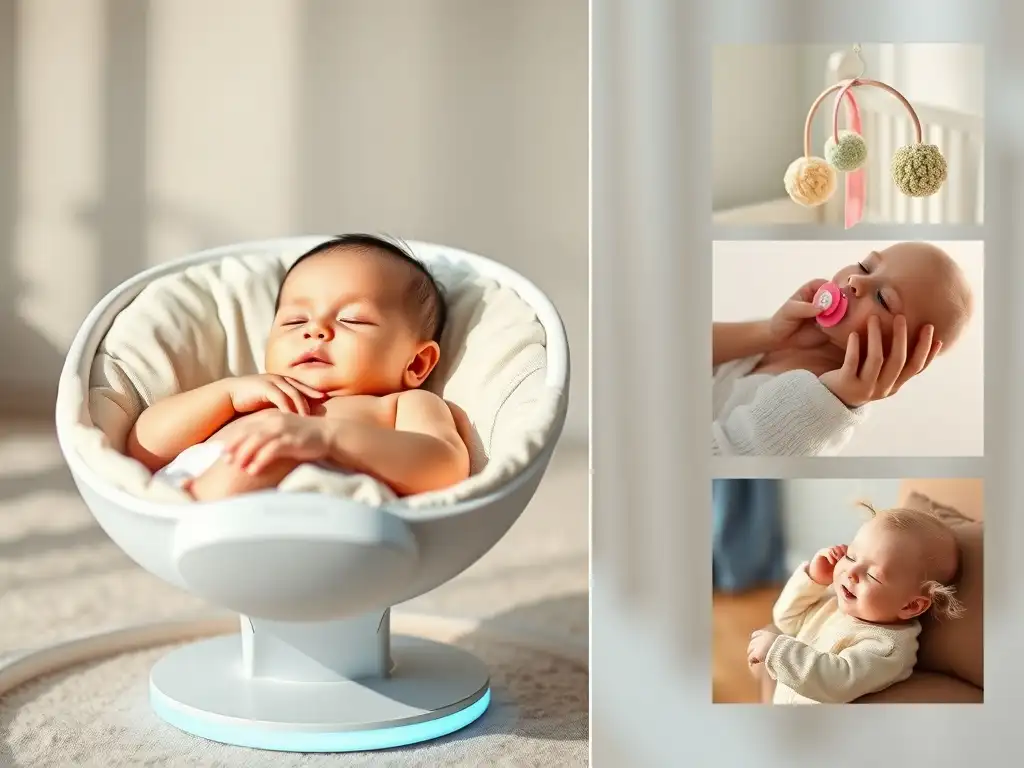
This section delves into the effectiveness of baby bouncer vibration compared to other popular soothing methods for infants. Understanding the nuances of each approach helps parents make informed choices about which method, or combination of methods, best suits their baby's needs. Many parents find that a multi-pronged approach is most effective. Let's explore the comparative benefits.
Comparing Vibration with White Noise and Rocking
Baby bouncer vibration offers a unique soothing mechanism compared to white noise and rocking. While all three aim to calm and comfort a fussy baby, they achieve this through different sensory inputs.
White noise, such as the sound of a fan or a white noise machine, masks distracting environmental sounds, creating a consistent auditory backdrop that can help babies relax and fall asleep. Its effectiveness relies on reducing auditory stimulation.
Rocking, whether in a cradle, swing, or by hand, provides rhythmic movement that mimics the sensation of being held and comforted. This gentle motion can be incredibly soothing, particularly for babies who enjoy the feeling of movement. The benefit lies in the kinesthetic stimulation.
Vibration, on the other hand, offers a subtle, continuous tactile stimulation. The gentle vibrations can be particularly effective for babies experiencing colic or gas, as the vibrations can help to ease discomfort. The key advantage here is the direct physical comfort it provides.
| Soothing Method | Sensory Input | Effectiveness | Potential Downsides |
|---|---|---|---|
| Vibration | Tactile | Effective for gas, colic, and general fussiness | May not be effective for all babies; potential for overstimulation |
| White Noise | Auditory | Effective for masking distracting sounds | May not be effective for all babies; potential for hearing damage at high volumes |
| Rocking | Kinesthetic | Effective for mimicking the feeling of being held | Requires consistent physical attention; may not be practical for all situations |
It's important to note that the effectiveness of each method varies significantly from baby to baby. Some infants respond exceptionally well to white noise, while others find vibration more comforting. Experimentation is key to discovering what works best for your little one. Many parents find that combining these methods yields the best results.
The Combined Benefits of Vibration and Other Soothing Techniques
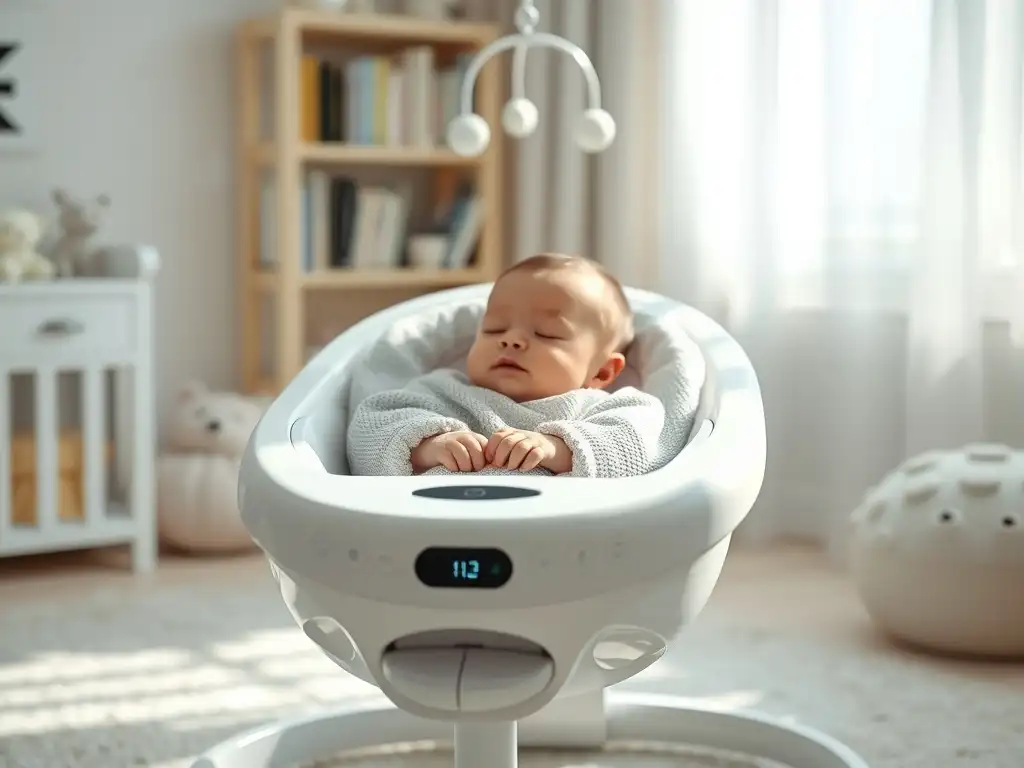
The true power of baby bouncer vibration often lies in its ability to complement other soothing techniques. A multi-sensory approach can be particularly effective in calming a crying baby. For instance, combining the gentle vibrations with white noise creates a synergistic effect, often leading to quicker and more restful sleep.
Consider this scenario: a baby is fussy due to gas pain. The gentle vibrations of the bouncer can help alleviate the discomfort. Simultaneously, playing soft white noise can mask other household sounds, creating a more peaceful environment, further promoting relaxation.
This combination approach addresses both physical (gas pain) and environmental (noise) factors contributing to the baby's distress. Similarly, combining vibration with rocking can create a soothing rhythm that is particularly effective in calming highly sensitive babies. The gentle rocking provides the kinesthetic comfort, while the vibration adds an additional layer of physical stimulation.
The key is to experiment and observe your baby's response. Some babies may prefer a gentle vibration on its own, while others may benefit from a combination of techniques. Pay close attention to your baby's cues to determine the most effective approach. Remember that consistency is key to success. Finding a soothing routine helps your baby feel safe and secure, contributing to better sleep and overall well-being. The goal is to establish a predictable and calming nighttime routine. This consistent approach will help your baby learn to associate the bouncer with relaxation and sleep. 😴
Selecting the Best Baby Bouncer with Vibrations
Choosing a baby bouncer with vibration can significantly impact your baby's comfort and your own sanity! Understanding the nuances of vibration settings is key to making an informed decision. This section focuses on helping you identify the key features to prioritize when selecting a vibrating baby bouncer for your little one.
We'll explore how different vibration features can soothe a fussy baby and what to look for in terms of safety and ease of use. Finding the perfect bouncer with the right vibration settings can be a game-changer in managing your baby's moods and promoting peaceful moments. This is particularly relevant for parents searching for "baby bouncer vibration settings".
Key Features to Look for in a Vibrating Baby Bouncer
Several crucial features differentiate high-quality vibrating baby bouncers from less effective ones. Consider these factors when making your purchase:
- Intensity Levels: Look for a bouncer offering multiple vibration intensity settings. This allows you to adjust the vibration strength to match your baby's needs and preferences. A gentle hum might suffice for a lightly fussy baby, while a stronger vibration might be necessary to soothe a more distressed infant. Some bouncers offer a range from low to high, while others might have specific pre-programmed settings like "calm," "soothe," or "energize".
- Vibration Duration: Bouncers with adjustable vibration timers are incredibly useful. This prevents the vibrations from running continuously, potentially overstimulating your baby. The ability to set the vibration to run for 15, 30, or even 60 minutes, with an automatic shut-off, is a valuable safety and convenience feature.
- Noise Level: While vibration is the primary focus, the noise level produced by the motor is important. A quiet motor ensures the bouncer doesn't add to your baby's discomfort or disrupt their sleep. Look for models that advertise low noise operation or have user reviews mentioning quiet performance.
- Safety Features: Prioritize bouncers with robust safety features. This includes sturdy construction, non-slip bases, and easy-to-clean materials. Check for certifications from reputable safety organizations to ensure your baby's safety. A five-point harness is a must-have for security. Remember, safety is paramount when choosing any baby product.
- Ease of Use: The bouncer should be easy to assemble, operate, and clean. Intuitive controls and simple battery replacement (if applicable) are essential for ease of use. The easier it is to use, the more likely you are to utilize the vibration feature effectively.
Top-Rated Baby Bouncers with Adjustable Vibration Settings
Several brands consistently receive high ratings for their baby bouncers with adjustable vibration settings. These models often incorporate advanced features and superior quality, although they usually come with a higher price tag. Remember that "top-rated" can vary depending on individual preferences and reviews, so it's always best to consult recent user feedback. Researching specific models and reading detailed reviews is crucial before making a purchase.
- Example Brand A: This brand often features multiple vibration settings, timers, and usually boasts a very quiet motor. They typically incorporate high-quality materials and advanced safety features. However, [specific information pending] regarding current models and their exact features.
- Example Brand B: Known for its innovative designs, this brand's bouncers frequently offer unique vibration patterns and soothing sounds in addition to the standard adjustable settings. [Specific information pending] regarding specific vibration intensity ranges and timer options.
- Example Brand C: This brand prioritizes ease of use and affordability while still providing effective vibration features. Their models generally offer a good balance between features and price. [Specific information pending] on the specific details of their vibration technology and safety certifications.
Budget-Friendly Options with Effective Vibration Features
Finding a baby bouncer with vibration on a budget is absolutely possible. While some features might be simplified or less advanced, several brands offer effective vibration features without breaking the bank. These bouncers might have fewer vibration intensity levels or a simpler timer system, but they still provide the soothing benefits of vibration to calm your baby. Here are some points to consider when looking for budget-friendly options:
- Focus on Essential Features: Prioritize the core features: adjustable vibration intensity (even if it's only a few levels), a timer, and a secure harness. Don't feel pressured to purchase every extra feature offered by high-end models.
- Check for Sales and Discounts: Keep an eye out for sales and discounts on baby products. Retailers often offer significant price reductions during promotional periods.
- Read Reviews Carefully: Pay close attention to user reviews of budget-friendly models. Look for feedback on the effectiveness of the vibration, the noise level, and the overall durability of the bouncer.
Remember, choosing a baby bouncer is a personal decision. The best option will depend on your baby's needs, your budget, and your personal preferences. Prioritize safety and effectiveness, and remember that even a simple vibrating bouncer can provide significant comfort and soothing for both baby and parent. By carefully considering the factors discussed above, you can find the perfect vibrating baby bouncer to enhance your baby's comfort and your parenting experience.
Frequently Asked Questions
What are the benefits of using a baby bouncer with vibration?
The vibrations can soothe a fussy baby, helping them relax and fall asleep. It can also provide gentle stimulation and entertainment for your little one.
How many vibration settings are typically available on baby bouncers?
Most bouncers offer two to three vibration settings, ranging from low to high intensity. Some models may have additional features like different vibration patterns.
Are all vibration settings suitable for newborns?
It's generally recommended to start with the lowest vibration setting for newborns. Always monitor your baby's reaction and adjust accordingly. Never leave your baby unattended in a bouncer.
How long should I use the vibration setting for my baby?
Experts recommend using the vibration feature for short periods only, especially for newborns. Never use it as a replacement for proper attention and interaction.
Can the vibrations harm my baby?
When used correctly and in moderation, the vibrations from a baby bouncer are generally safe. However, excessively high settings or prolonged use should be avoided. Always consult your pediatrician if you have any concerns.
Final Reflection: The Gentle Hum of Connection
Understanding a baby's comfort is paramount, and the subtle science of bouncer vibration settings offers a surprisingly profound pathway to achieving it. The seemingly simple act of choosing a vibration setting on a baby bouncer speaks volumes about our evolving understanding of infant development and the crucial role of sensory stimulation in their early lives. This seemingly small detail can significantly impact a baby's overall well-being and contribute to a more peaceful and harmonious environment for both parent and child.
The impact of this seemingly simple technology extends far beyond mere convenience; it reflects a growing awareness of the importance of soothing sensory input in a baby's development. The gentle hum of a vibrating bouncer can mimic the rhythmic movements felt in the womb, providing a sense of security and familiarity that calms and comforts. The first three years of a child's life are the most important,
a pediatrician once told me, "and even the smallest details can have a lasting impact." This statement underscores the significance of thoughtful choices, even when selecting a baby bouncer's vibration setting.
Consider the possibilities: the right vibration setting can soothe a fussy baby, encourage restful sleep, or even stimulate gentle movement and development. You, as a parent or caregiver, hold the power to harness this technology to create a more nurturing and responsive environment for your little one. Take a moment to reflect on how you can best utilize these settings to foster a deeper connection with your baby, recognizing the profound influence even the smallest details can have on their well-being and development. Choose wisely, and enjoy the journey.
Unlock Your Baby's Happy Dance: Mastering Bouncer Vibrations
Thanks for exploring the world of bouncer vibrations with us! We hope you feel confident choosing the right setting to comfort your little one. Ready to put your new knowledge into practice?
- Find the Perfect Vibration: Experiment with your baby's bouncer to discover which vibration setting soothes them best. Remember, every baby is unique!
- Share Your Successes: Tell us (and other parents!) which vibration settings work best for your baby. Share your experiences in the comments below!
- Enhance Your Bouncing Routine: Combine different vibration levels with other calming techniques, such as singing lullabies or gentle rocking, for an even more effective soothing experience.
Have you noticed any patterns in the types of vibrations that soothe your baby best? How has this discovery improved their comfort and your bonding time?