
The Ultimate Guide to High Chair Cleaning: Keeping Baby's Space GermFree

Welcome to BabyCareHub, your ultimate resource for navigating the exciting yet challenging world of parenthood! Are you ready to conquer the daily battles against unseen enemies? We're diving deep into the crucial topic of Clean high chair baby germs, exploring effective strategies to safeguard your little one's health and well-being. Discover our expert advice and practical tips to create a germ-free haven for your baby, ensuring they thrive in a safe and healthy environment. Let's get started on this essential journey together!
- Understanding the Importance of Clean High Chair for Baby's Health
- Essential High Chair Cleaning Supplies: What You'll Need
-
Step-by-Step Guide to Cleaning Your Baby's High Chair
- Daily Cleaning Routine: Quick Wipe-Down for Everyday Use
- Weekly Deep Cleaning: Removing Stubborn Stains and Food Residue
- Monthly Sanitization: Eliminating Germs and Bacteria Effectively
- Cleaning Specific High Chair Parts: Tray, Seat, and Straps
- Dealing with Vomit and Other Messes: Quick and Effective Cleanup
- High Chair Cleaning Tips for Different Materials
- Maintaining a Germ-Free High Chair: Ongoing Strategies
- Troubleshooting Common High Chair Cleaning Problems
- Frequently Asked Questions
- Final Reflection: A Germ-Free Future Starts with a Clean High Chair
- Unlock Germ-Free Dinners: Take Charge of Your High Chair!
Understanding the Importance of Clean High Chair for Baby's Health
Maintaining a clean high chair is paramount for your baby's health and well-being. This seemingly simple task plays a crucial role in preventing the spread of germs and protecting your little one from various illnesses. Babies, especially newborns, have developing immune systems that are particularly vulnerable to infections.
A high chair, being a surface frequently exposed to food, saliva, and potentially even fecal matter (depending on your little one's developmental stage! ), becomes a breeding ground for bacteria and viruses if not properly cleaned and sanitized. This guide will provide a comprehensive, step-by-step approach to ensure your baby's high chair remains a germ-free zone, contributing significantly to their overall health and happiness.
We'll delve into the specific types of germs commonly found on high chairs and explain how diligent cleaning can prevent foodborne illnesses and infections, ultimately safeguarding your baby's health. This guide is essential reading for all first-time parents striving to create a safe and hygienic environment for their child. Let's dive in!
Germ Transmission and Baby's Vulnerable Immune System
Babies are incredibly susceptible to infections due to their still-developing immune systems. Their bodies haven't yet built up the defenses necessary to fight off many common bacteria and viruses. Germs can easily transfer from contaminated surfaces, like a high chair, to a baby's hands and then to their mouth, leading to various illnesses. This is particularly concerning given that babies frequently touch their faces and mouths, and explore their surroundings by putting things in their mouths.
A contaminated high chair can therefore be a significant vector for disease transmission. The consequences of such infections can range from mild discomfort to severe illness, emphasizing the need for meticulous cleaning. Think of it this way: every crumb, every spilled drop of juice, presents an opportunity for germ growth. Regular and thorough cleaning minimizes this risk dramatically.
Common Germs Found on High Chairs: Bacteria and Viruses
High chairs are surprisingly germ-laden environments. Common culprits include E. coli, Salmonella, Staphylococcus aureus (Staph), and various rotaviruses and noroviruses. These microorganisms can survive on surfaces for extended periods, waiting to infect your vulnerable little one. E. coli, for instance, can cause diarrhea, vomiting, and abdominal cramps. Salmonella leads to similar symptoms, often more severe.
Rotaviruses and noroviruses are notorious for causing gastroenteritis, characterized by intense vomiting and diarrhea, leading to dehydration if left untreated. Staph infections can manifest as skin infections or even more serious systemic illnesses. The presence of these germs highlights the critical need for regular and effective cleaning of your baby's high chair, using appropriate disinfectants to eliminate these harmful pathogens and create a safer eating environment. Regular cleaning is not just about aesthetics; it's about actively protecting your baby's health.
Preventing Foodborne Illnesses and Infections Through Proper Cleaning
Regular and thorough cleaning of your baby's high chair is the most effective way to prevent foodborne illnesses and infections. This involves a multi-step process that goes beyond simply wiping it down. This includes:
- Daily Cleaning: After each meal, remove all food debris and wipe down the high chair with warm soapy water. Pay close attention to crevices and hard-to-reach areas.
- Weekly Sanitizing: At least once a week, sanitize the high chair using a baby-safe disinfectant. Follow the manufacturer's instructions carefully.
- Deep Cleaning: Monthly, disassemble the high chair (if possible) and clean all parts thoroughly. This helps to remove any accumulated grime and bacteria. Pay particular attention to the tray, which is often the most contaminated area.
- Material Considerations: The material of your high chair will influence the cleaning method. Wood requires different care than plastic or metal. Always refer to the manufacturer's instructions for specific cleaning recommendations.
By following these steps, you can significantly reduce the risk of your baby contracting illnesses from their high chair, creating a healthier and safer environment for your little one. Remember, proactive cleaning is an investment in your baby's health and well-being. 🧼👶
Essential High Chair Cleaning Supplies: What You'll Need
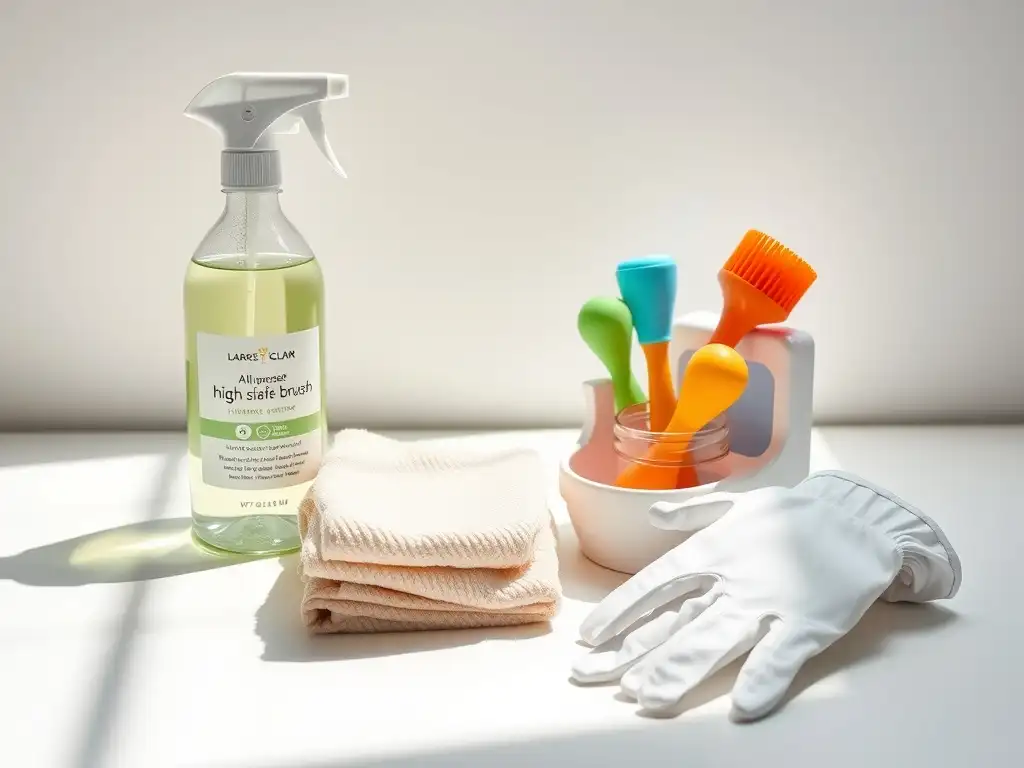
Keeping your baby's high chair clean and free from harmful Clean high chair baby germs is crucial for their health and well-being. This requires the right arsenal of cleaning supplies. Don't underestimate the importance of having the proper tools; the right equipment makes the job significantly easier and more effective. A haphazard approach can lead to inadequate cleaning and potential health risks.
Gathering Your Cleaning Arsenal: Sponges, Brushes, and Detergents
First, you need cleaning cloths or sponges. Opt for separate sponges for different cleaning tasks. One sponge dedicated solely to wiping food residue, another for rinsing, and a third for final polishing will prevent cross-contamination. Microfiber cloths are excellent for their absorbency and gentle cleaning action. Avoid abrasive materials that could scratch the high chair's surface.
Next, consider brushes. A bottle brush is invaluable for reaching crevices and hard-to-clean areas like the tray's grooves and seatbelt buckles. A small, stiff-bristled brush can help remove stubborn food particles. For intricate designs or hard-to-reach spots, a detailing brush might be necessary.
Finally, you need effective detergents. For baby-related cleaning, always prioritize gentle and safe options. Look for detergents specifically labeled as baby-safe or those that are fragrance-free and hypoallergenic to minimize the risk of allergic reactions. Avoid harsh chemicals that could leave residues and harm your baby. Consider using a natural cleaner like a diluted solution of white vinegar and water, which is effective in cutting through grease and grime while being environmentally friendly.
Best Cleaning Products for Baby High Chairs: Natural and Chemical Options
The choice between natural and chemical cleaning products depends largely on personal preference and the material of your high chair. However, safety should always be the primary concern when choosing cleaning products for your baby's high chair.
Here's a breakdown:
| Product Type | Advantages | Disadvantages | Safety Considerations |
|---|---|---|---|
| Natural Cleaners | Environmentally friendly, less harsh on skin, safe for babies | May require more scrubbing for stubborn stains | Always dilute properly; test on an inconspicuous area first. |
| Chemical Cleaners | Often more effective on tough stains | Can be harsh on skin, may contain harmful chemicals | Ensure the product is specifically designed for baby use and well-rinsed afterwards. |
Remember, thorough rinsing is crucial regardless of the cleaner used. Residual cleaning products can irritate your baby's skin.
Choosing the Right Cleaning Tools for Different High Chair Materials
The material of your high chair dictates the best cleaning approach. Different materials require different cleaning tools and techniques to avoid damage.
- Wood: Use a damp cloth and mild soap for cleaning. Avoid excessive water, which can damage the wood. For stubborn stains, consider a mixture of baking soda and water to create a gentle paste.
- Plastic: Plastic high chairs are generally easy to clean. Use warm soapy water and a sponge or cloth. A bottle brush is helpful for cleaning hard-to-reach areas.
- Metal: Metal high chairs can be cleaned with warm soapy water and a non-abrasive sponge. Avoid using harsh chemicals or abrasive cleaners as they can scratch the surface.
Remember to always check the manufacturer's cleaning instructions for your specific high chair model. Using the wrong cleaning method can void the warranty and potentially damage the high chair. Regular cleaning with the right tools and products ensures a hygienic and safe eating environment for your baby, minimizing exposure to Clean high chair baby germs.
Step-by-Step Guide to Cleaning Your Baby's High Chair
This section provides a comprehensive, step-by-step guide to effectively cleaning your baby's high chair, ensuring a germ-free and safe dining environment. Regular cleaning is crucial for preventing the spread of bacteria and maintaining your little one's health. Remember, consistent cleaning is key to managing "clean high chair baby germs". We'll cover daily, weekly, and monthly cleaning routines to address various levels of mess and ensure optimal hygiene.
Daily Cleaning Routine: Quick Wipe-Down for Everyday Use
A quick daily wipe-down is essential for preventing food residue from hardening and becoming difficult to remove. This routine takes only a few minutes but significantly reduces the build-up of bacteria. Here's what you should do:
- Gather your supplies: You'll need a soft, damp cloth or sponge, warm water, and a mild, baby-safe dish soap. Avoid harsh chemicals that could irritate your baby's skin. Consider using a natural, plant-based cleaner specifically designed for baby products.
- Wipe down all surfaces: Gently wipe down all surfaces of the high chair, paying particular attention to the tray, seat, and any areas where food is likely to spill. Focus on removing any visible food particles or sticky spots.
- Rinse and dry: Rinse the cloth or sponge and wipe down the surfaces again with clean water to remove any soap residue. Then, dry the high chair thoroughly with a clean, dry cloth or allow it to air dry completely to prevent mold growth. A completely dry high chair is crucial for preventing the growth of bacteria and mildew.
Weekly Deep Cleaning: Removing Stubborn Stains and Food Residue
Weekly deep cleaning goes beyond the daily wipe-down, tackling stubborn stains and food residue that may have accumulated. This more thorough approach is vital for maintaining a truly "clean high chair baby germs" free environment.
- Pre-soak (optional): For particularly stubborn stains, consider pre-soaking removable parts (tray, cushion, etc.) in warm, soapy water for 15-20 minutes. This softens dried-on food, making it easier to remove.
- Scrubbing: Use a soft-bristled brush or sponge to gently scrub away any remaining food particles or stains. For hard-to-reach areas, use a bottle brush or cotton swab.
- Disassemble and clean: If your high chair allows, disassemble removable parts for a more thorough cleaning. This includes the tray, seat cushion, and any other detachable components. Clean each part individually using the same warm, soapy water and gentle scrubbing.
- Rinse and dry thoroughly: Rinse all parts thoroughly under running water to remove any soap residue. Then, allow them to air dry completely or dry them with a clean towel before reassembling the high chair. This thorough drying is vital to prevent the growth of mold and mildew, ensuring a truly hygienic environment for your baby.
Monthly Sanitization: Eliminating Germs and Bacteria Effectively
Monthly sanitization is a crucial step in eliminating germs and bacteria that could potentially harm your baby. While daily and weekly cleaning removes visible mess, sanitization targets microscopic organisms.
- Sanitizing solutions: You can use a commercial baby-safe sanitizing solution or create your own using a solution of 1 tablespoon of bleach per 1 gallon of water. Always follow the manufacturer's instructions carefully when using commercial products. Remember to thoroughly rinse all surfaces after sanitizing.
- Application: Apply the sanitizing solution to all surfaces of the high chair using a clean cloth or sponge. Pay close attention to areas that come into direct contact with your baby's mouth, such as the tray and seat.
- Dwelling time: Allow the sanitizing solution to dwell on the surfaces for the recommended time (usually a few minutes) before rinsing thoroughly with clean water. This ensures effective germ elimination.
- Air dry completely: Allow the high chair to air dry completely before reassembling and using it. This final step is crucial to prevent the growth of any remaining bacteria or mold. A completely dry high chair is essential for maintaining a truly "clean high chair baby germs" free zone.
This comprehensive cleaning schedule—daily wiping, weekly deep cleaning, and monthly sanitization—will help keep your baby's high chair hygienically clean and safe, minimizing exposure to harmful bacteria and ensuring a healthy mealtime experience. 👶🧼
Cleaning Specific High Chair Parts: Tray, Seat, and Straps
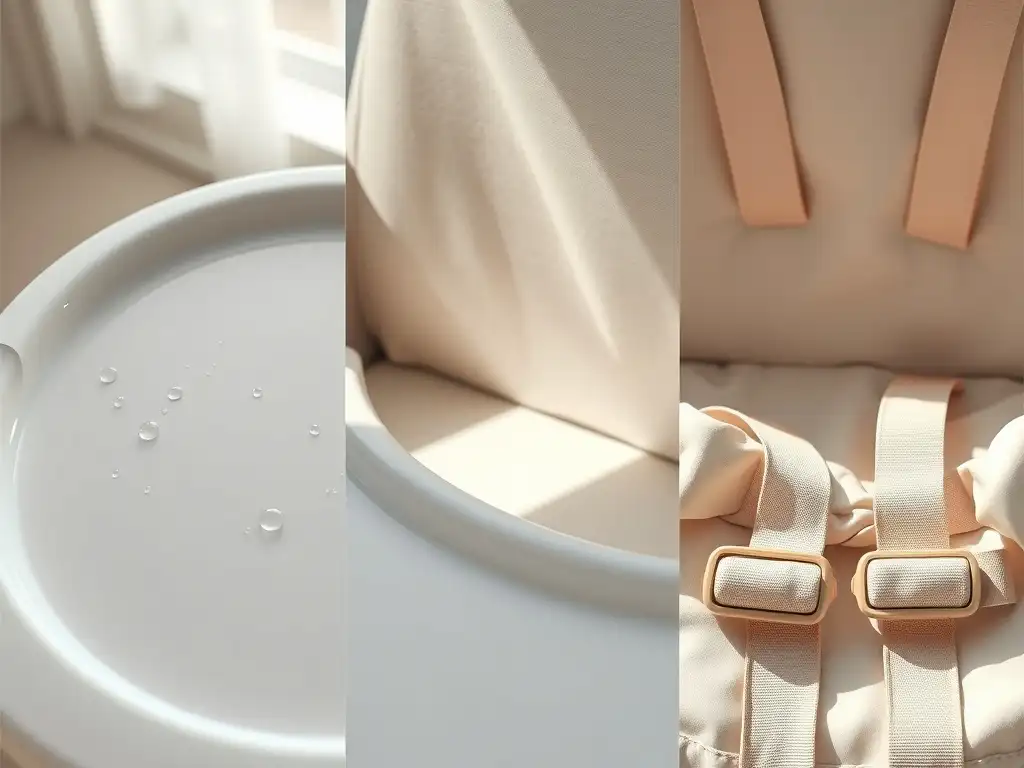
Cleaning a high chair effectively requires a targeted approach, tackling each component separately. The tray, often the dirtiest part, deserves special attention. First, remove the tray and any inserts. If it's dishwasher-safe, load it in for a thorough clean. For trays that can't go in the dishwasher, hand-washing is necessary.
Use warm, soapy water and a sponge or non-abrasive brush to scrub away food particles and sticky residue. Pay close attention to crevices and corners where food tends to accumulate. A baby bottle brush can be incredibly useful for reaching these hard-to-clean spots. Rinse thoroughly and allow to air dry completely before reattaching.
The high chair seat is another area prone to spills and stains. Again, check your manufacturer's instructions to determine whether the seat cover is removable and machine-washable. If so, wash it according to the care label instructions. For non-removable covers, spot clean any stains immediately using a damp cloth and mild detergent.
Avoid harsh chemicals or abrasive cleaners that could damage the fabric or the chair's finish. For stubborn stains, a paste of baking soda and water can work wonders; apply it to the stain, let it sit for a few minutes, then gently scrub and wipe clean. Always ensure the seat is completely dry before your baby uses the high chair again.
Finally, don't forget the straps! These often harbor unseen germs and food particles. Unfasten the straps and wipe them down thoroughly with a damp cloth and mild soap. Again, a baby bottle brush can be helpful for cleaning the buckles and crevices. Allow the straps to air dry completely before securing them back in place. Regular cleaning of these straps is crucial for maintaining hygiene and ensuring your baby's safety. Remember, consistent cleaning prevents the build-up of bacteria and keeps your baby's high chair truly germ-free.
Dealing with Vomit and Other Messes: Quick and Effective Cleanup
Accidents happen, especially with babies. Dealing with vomit requires swift action to prevent the spread of germs and unpleasant odors. First, remove your baby from the high chair and attend to their immediate needs. Then, use paper towels to remove as much of the vomit as possible. Don't rub, as this can spread the mess. Instead, gently blot the vomit to absorb it.
Once the bulk of the vomit is removed, mix a solution of warm water and mild detergent. Using a clean cloth or sponge, gently wipe down the affected area. Rinse thoroughly with clean water and allow the area to air dry completely. For stubborn stains, a solution of equal parts white vinegar and water can be effective. Apply this solution, let it sit for a few minutes, then wipe clean.
For other messes, such as spilled juice or food, act quickly. The faster you clean up spills, the easier they are to remove. Use a damp cloth and mild detergent to wipe away the mess. For sticky residues, a little baking soda can be very helpful.
Sprinkle some baking soda on the sticky area, let it sit for a few minutes to absorb the stickiness, then wipe clean. Always rinse thoroughly and allow the high chair to air dry completely before your baby uses it again. Remember, prompt and thorough cleaning is key to preventing the build-up of bacteria and keeping your baby's high chair a safe and hygienic place for mealtimes. Regular cleaning, combined with quick cleanup of accidents, is the best way to keep your baby's high chair "clean high chair baby germs" free!
High Chair Cleaning Tips for Different Materials
Keeping your baby's high chair clean is crucial for preventing the spread of germs and ensuring a healthy eating environment. Different high chair materials require different cleaning approaches. This section provides detailed, material-specific cleaning instructions to effectively tackle the challenge of keeping your baby's high chair germ-free. Remember, consistent cleaning is key to maintaining hygiene and preventing the buildup of bacteria and viruses. Proper cleaning also helps to extend the life of your high chair.
Cleaning Wood High Chairs: Gentle Cleaning and Polishing
Wood high chairs offer a classic and aesthetically pleasing option, but require a gentler touch when cleaning. Harsh chemicals can damage the finish and potentially leach into the wood, posing a risk to your baby. Therefore, opt for natural and baby-safe cleaning solutions.
First, always remove any loose food particles with a soft brush or damp cloth. Avoid soaking the wood, as this can lead to warping or cracking. For everyday cleaning, a simple solution of warm water and a mild dish soap is usually sufficient. Dip a soft sponge or cloth into the solution, wring it out thoroughly to avoid excessive moisture, and gently wipe down the entire surface of the high chair. Rinse with a clean, damp cloth and dry immediately with a soft towel.
For tougher stains, a paste of baking soda and water can be effective. Apply a small amount of the paste to the stain, gently rub it in with a soft cloth, and let it sit for a few minutes before wiping clean. Avoid abrasive cleaners or scouring pads, as these can scratch the wood. Regular polishing with a food-safe wood polish will help maintain the luster and protect the finish.
Always ensure the polish is specifically designed for use on baby products and is non-toxic. This gentle approach will help keep your wooden high chair clean and germ-free while preserving its beauty. Remember to always check for any manufacturer's specific cleaning instructions.
Cleaning Plastic High Chairs: Effective Cleaning and Stain Removal
Plastic high chairs are popular due to their durability, ease of cleaning, and affordability. Their non-porous surface makes them relatively easy to sanitize, crucial for preventing the spread of "clean high chair baby germs". However, certain stains can be stubborn.
For daily cleaning, a simple wipe-down with a damp cloth and mild dish soap is often enough. For tougher messes, you can use a slightly stronger solution, such as a mixture of warm water and white vinegar. This natural cleaner is effective at cutting through grease and grime. For particularly stubborn stains, a paste of baking soda and water can work wonders. Apply the paste, let it sit for a few minutes, then gently scrub with a non-abrasive sponge or cloth.
Plastic high chairs can be easily disinfected. You can use a solution of diluted bleach (always following the manufacturer's instructions carefully) or a commercial baby-safe disinfectant. Allow the solution to sit on the surface for the recommended time before rinsing thoroughly with clean water and drying completely. Avoid using abrasive cleaners or scouring pads, as these can scratch the plastic surface. Regular cleaning, along with occasional disinfecting, will help keep your plastic high chair clean and germ-free, providing a safe and hygienic eating space for your little one.
Cleaning Metal High Chairs: Preventing Rust and Corrosion
Metal high chairs, while durable, require specific attention to prevent rust and corrosion. Moisture can lead to rust formation, which not only affects the appearance but also poses a potential health hazard. Therefore, thorough drying is crucial after every cleaning.
For everyday cleaning, use a damp cloth and mild dish soap. Pay close attention to crevices and areas where food particles might accumulate. Rinse thoroughly with clean water and dry immediately with a soft towel. To prevent rust, always dry the high chair completely after cleaning, particularly after washing it down. If you notice any signs of rust, use a fine-grit sandpaper to gently remove the rust, followed by a thorough cleaning and drying.
Consider applying a food-safe rust preventative coating to protect the metal from future corrosion. Always check the manufacturer's instructions for specific recommendations on cleaning and maintaining your metal high chair. Regular maintenance and careful drying will help ensure your metal high chair remains clean, germ-free, and rust-free for years to come. Remember, a clean high chair is a happy, healthy high chair! 🧼👶
Cleaning Fabric High Chairs: Cleaning Upholstery and Removing Stains
Cleaning fabric high chairs requires a gentler approach than their plastic or wood counterparts. The upholstery is susceptible to staining and absorbing spills, making regular cleaning crucial for maintaining hygiene and extending the chair's lifespan. The key is to act quickly on spills to prevent them from setting. Blot – don't rub – any spills immediately with a clean cloth or paper towel. Rubbing will only spread the stain and potentially damage the fabric fibers.
For routine cleaning, a simple solution of mild detergent and warm water is usually sufficient. Mix a small amount of detergent (a gentle baby detergent is ideal to avoid harsh chemicals) with warm water in a bowl. Dip a soft cloth or sponge into the solution, wring it out thoroughly to avoid over-saturating the fabric, and gently wipe down the entire chair. Pay close attention to areas prone to spills and crumbs, such as the tray and seat.
After wiping, rinse the cloth and wipe again with clean water to remove any detergent residue. Finally, allow the high chair to air dry completely, preferably in a well-ventilated area. Avoid using a hairdryer or placing it in direct sunlight, as this can damage the fabric.
Dealing with stubborn stains requires a more targeted approach. For food stains, a paste of baking soda and water can work wonders. Apply the paste directly to the stain, let it sit for a few minutes to absorb the mess, and then gently scrub with a soft brush or sponge. Rinse thoroughly with clean water and allow to air dry.
For tougher stains like juice or grease, you might need a stronger solution. A mixture of equal parts white vinegar and water can be effective, but always test it on an inconspicuous area first to ensure it doesn't damage the fabric or cause discoloration. Remember to always follow the manufacturer's cleaning instructions carefully, as certain fabrics might require specific cleaning methods.
For particularly persistent stains or heavily soiled upholstery, consider professional cleaning. A professional upholstery cleaner can use specialized tools and solutions to safely and effectively remove even the most stubborn stains, ensuring your high chair remains clean and safe for your baby. This is especially important if you suspect the presence of mold or mildew, which requires professional remediation to avoid health risks.
Maintaining a Germ-Free High Chair: Ongoing Strategies
Keeping your baby's high chair clean is crucial for preventing the spread of germs and ensuring a healthy eating environment. Regular cleaning goes beyond simply wiping it down after each meal. A multifaceted approach, encompassing daily cleaning, weekly deep cleans, and proactive measures, is essential for maintaining a truly germ-free zone. This section details strategies for achieving that goal, focusing on practical, effective methods to address the keyword "Clean high chair baby germs".
Preventing Future Messes: Practical Tips and Tricks
Proactive measures significantly reduce the workload of cleaning your high chair. Think of it as damage control before the damage occurs! Here are some practical tips and tricks to minimize messes:
- Use a high chair mat or placemat: These disposable or washable mats catch spills and food debris, making cleanup much easier. Consider reusable silicone mats for easy washing and durability. Many parents find that a silicone mat is far superior to a plastic one for this purpose. The silicone is easier to clean and is generally more durable.
- Invest in a bib with a crumb catcher: A bib with a pocket prevents food from falling directly onto the high chair’s tray. Choose a bib made from a wipeable material for easy cleaning. Consider using a bib with long sleeves to protect the baby's clothing as well.
- Pre-portion food: Instead of serving large portions, offer smaller amounts of food at a time. This reduces the chances of large spills and messy situations.
- Supervise your baby closely during mealtimes: A watchful eye can prevent many spills and messes before they even happen. This also provides an opportunity to gently teach your child about good table manners.
- Have cleaning supplies readily available: Keep wipes, a spray bottle with a cleaning solution, and a cloth nearby for quick spot cleaning during and after meals. This ensures you can address spills immediately, preventing them from setting.
Storing Your High Chair Properly: Keeping it Clean and Dry
Proper storage is key to preventing mold and mildew growth, especially in humid environments. Leaving a damp high chair can lead to bacteria buildup, directly impacting the cleanliness of the high chair and potentially harming your baby.
- Always dry thoroughly after cleaning: Never store your high chair while it's still damp. Use a clean, dry cloth to wipe down all surfaces, paying special attention to crevices and hard-to-reach areas. Ensure the tray is completely dry before storing.
- Store in a well-ventilated area: Avoid storing the high chair in a damp or poorly ventilated area like a basement or enclosed cupboard. A dry, airy space helps prevent moisture buildup.
- Regularly inspect for signs of mold or mildew: Regularly inspect your high chair for any signs of mold or mildew. If you notice any signs, immediately clean the affected area thoroughly with a suitable cleaning solution. If the mold is extensive, you may need to replace the high chair.
- Consider using a high chair cover: A high chair cover can protect the chair from dust and dirt when not in use, reducing the need for frequent cleaning. Ensure that the cover itself is easy to clean and doesn't trap moisture.
Choosing the Right High Chair for Easy Cleaning: Material Considerations
The material of your high chair significantly impacts its cleanability. Some materials are much easier to sanitize and maintain than others. Understanding these differences before purchasing is crucial for long-term hygiene and ease of cleaning.
| Material | Pros | Cons | Cleanability Rating |
|---|---|---|---|
| Plastic | Lightweight, durable, usually inexpensive | Can harbor scratches, stains, and odors | 👍👍👍 |
| Wood | Stylish, durable, often naturally antibacterial | Requires more careful cleaning, can be damaged by water | 👍👍 |
| Metal | Durable, easy to wipe down | Can rust, may be cold to the touch | 👍👍👍 |
| Fabric (seat only) | Easy to remove and wash | May require more frequent washing, prone to staining | 👍 |
Choosing a high chair with smooth, non-porous surfaces simplifies cleaning. Avoid high chairs with intricate designs or hard-to-reach crevices, as these areas can trap food and bacteria. Always check manufacturer's cleaning instructions before using any cleaning agents. Remember, a clean high chair is a happy, healthy baby! 👶
Troubleshooting Common High Chair Cleaning Problems
This section tackles common challenges parents face when cleaning their high chairs, offering practical solutions to keep your baby's dining space germ-free. Maintaining a clean high chair is crucial for preventing the spread of bacteria and viruses, contributing to your baby's overall health and well-being. Remember, consistent cleaning is key to avoiding bigger problems down the line. Let's dive into some specific issues and their solutions.
Removing Stuck-On Food: Effective Strategies and Solutions
Removing stubborn food particles from the crevices of a high chair can be frustrating. However, with the right techniques, you can effectively eliminate even the most tenacious food remnants. The key is to act quickly. The longer food sits, the harder it becomes to remove.
Here's a step-by-step guide to tackle stuck-on food:
- Pre-soak: Before scrubbing, soak the detachable parts of your high chair (tray, seat pad, etc.) in warm, soapy water for at least 15-20 minutes. This softens dried food, making it easier to remove. Adding a splash of white vinegar to the water can enhance its cleaning power.
- Gentle Scrubbing: Use a soft-bristled brush or sponge to gently scrub away loosened food particles. Avoid abrasive cleaners or scouring pads, as these can scratch the surface of your high chair. For particularly stubborn bits, consider using a non-abrasive cleaning paste or a specialized baby bottle brush to reach tight spaces.
- Targeted Solutions: For specific food types, consider these strategies:
- Dairy Products: Warm water and a little dish soap usually suffice.
- Fruit Purees: A paste made from baking soda and water can be effective. Apply, let sit for a few minutes, then scrub gently.
- Protein-based Foods: Soak longer and use a slightly more aggressive scrubbing motion.
- Rinse Thoroughly: After scrubbing, rinse all parts thoroughly with clean water to remove all traces of soap and food residue. Ensure all crevices are free from any lingering particles.
Remember to always check the manufacturer's cleaning instructions before using any cleaning products on your high chair. Following these steps will significantly improve your chances of achieving a thoroughly clean high chair, minimizing the risk of harmful bacteria and keeping your baby safe. 🧼
Dealing with Difficult Stains: Tips for Removing Persistent Marks
Even with diligent cleaning, some stains may prove persistent. This section offers practical solutions for tackling various types of stubborn stains on your baby's high chair. The type of stain will dictate the best approach. For instance, juice stains require a different technique than those from pureed vegetables.
Here are some effective methods for stain removal:
- Stain Type: | Solution
---|---
- Fruit Juice Stains: | Mix equal parts white vinegar and water. Apply to the stain, let it sit for 10-15 minutes, then scrub gently.
- Tomato Sauce Stains: | Pre-treat with a stain remover designed for baby items, then launder according to the manufacturer's instructions.
- Grease Stains: | Use a degreasing dish soap, and scrub gently.
- Grass Stains: | A paste of baking soda and water can be surprisingly effective.
Important Note: Always test any cleaning solution on an inconspicuous area of the high chair first to ensure it doesn't damage the finish.
Addressing Mold and Mildew: Prevention and Remediation
Mold and mildew are serious concerns, especially in damp environments. This section focuses on preventing and treating mold and mildew on your high chair to ensure your baby's safety. Regular cleaning is the best preventative measure. However, if mold or mildew does appear, prompt action is essential.
Prevention:
- Thorough Drying: After each cleaning, ensure all parts of the high chair are completely dry before reassembly. Leave parts to air dry completely, ideally in a well-ventilated area.
- Regular Cleaning: Clean your high chair regularly, at least once a day, to prevent food buildup that can attract mold and mildew.
- Proper Ventilation: Ensure proper ventilation in the area where the high chair is kept to reduce moisture buildup.
Remediation:
- Mild Soap and Water: For minor mold or mildew, a solution of mild soap and water may be sufficient. Scrub gently and rinse thoroughly.
- Vinegar Solution: A solution of equal parts white vinegar and water can be effective against mild mold and mildew. Apply, let sit for 15-20 minutes, then scrub and rinse.
- Baking Soda Paste: A paste of baking soda and water can also be used to scrub away mild mold and mildew.
- Professional Cleaning: For severe mold or mildew infestations, consider contacting a professional cleaning service specializing in mold remediation. This is crucial to ensure the complete removal of harmful spores and to prevent further growth.
Remember, a clean high chair is a safe high chair. By following these tips and regularly inspecting your high chair, you can ensure a healthy and germ-free eating environment for your little one. Prioritizing "clean high chair baby germs" prevention is a crucial aspect of responsible childcare.
Frequently Asked Questions
How often should I clean my baby's high chair?
You should clean your baby's high chair daily, wiping down surfaces after each meal. A more thorough cleaning, including disassembly and washing, should be done at least once a week. This helps prevent the build-up of germs and food residue.
What's the best way to disinfect a high chair?
Use a mild, baby-safe disinfectant diluted according to the manufacturer's instructions. Avoid harsh chemicals. Always rinse thoroughly with clean water before your baby uses the high chair again.
What cleaning products are safe for high chairs?
Opt for non-toxic, baby-friendly cleaning solutions. Many natural options, like a mixture of warm water and white vinegar, are effective. Always check the high chair's manufacturer's recommendations for cleaning.
How do I clean hard-to-reach areas of my high chair?
Use small brushes, cotton swabs, or damp cloths to clean crevices and hard-to-reach areas. Disassemble the high chair if possible to ensure thorough cleaning of all parts. Pay close attention to areas where food often accumulates.
Are there any specific germs I should be particularly concerned about on a high chair?
Yes, bacteria like E. coli and Salmonella are common concerns, as well as viruses like rotavirus. Thorough cleaning and disinfection are crucial to minimizing the risk of your baby being exposed to these harmful pathogens.
Final Reflection: A Germ-Free Future Starts with a Clean High Chair
The seemingly simple act of cleaning a high chair is, in reality, a powerful act of preventative care, directly impacting a baby's health and development. A clean high chair isn't just about aesthetics; it's a crucial step in building a strong immune system and protecting your little one from harmful germs. This seemingly small task holds immense significance in the larger context of child health and well-being.
The constant battle against germs is a universal experience for parents, and the high chair, that seemingly innocent throne of mealtimes, often becomes a surprising battleground. The best way to predict the future is to create it,
and by diligently cleaning our children's eating spaces, we are actively shaping a healthier future for them. This isn't just about removing visible messes; it's about fostering a proactive approach to hygiene that extends beyond the high chair and into all aspects of childcare. It's about creating a safe and nurturing environment where our children can thrive.
Now, consider the lessons learned within these pages. Think about the specific cleaning methods discussed, the importance of regular sanitization, and the long-term benefits of a consistent cleaning routine. You are now equipped with the knowledge to create a truly germ-free haven for your little one. Embrace this responsibility, not as a chore, but as an act of love and protection. Make a commitment today to prioritize cleanliness and watch as your baby flourishes in a healthier, happier environment.
Unlock Germ-Free Dinners: Take Charge of Your High Chair!
Congratulations on taking the first step towards a cleaner, healthier dining experience for your little one! You're now equipped with the knowledge to keep your high chair sparkling and germ-free. Ready to put your new skills to the test?
- Deep clean your high chair today: Gather your cleaning supplies and tackle that sticky mess! You'll be amazed by the results.
- Share your best high chair cleaning tips and tricks with other parents in the comments below – let's create a community dedicated to healthy eating habits!
- Explore our other baby safety guides on BabyCareHub.org for more helpful advice on keeping your little one healthy and happy.
What's your favorite high chair cleaning tip? We'd love to hear it!