
Troubleshooting Common Stroller Issues: A Quick Fix Guide

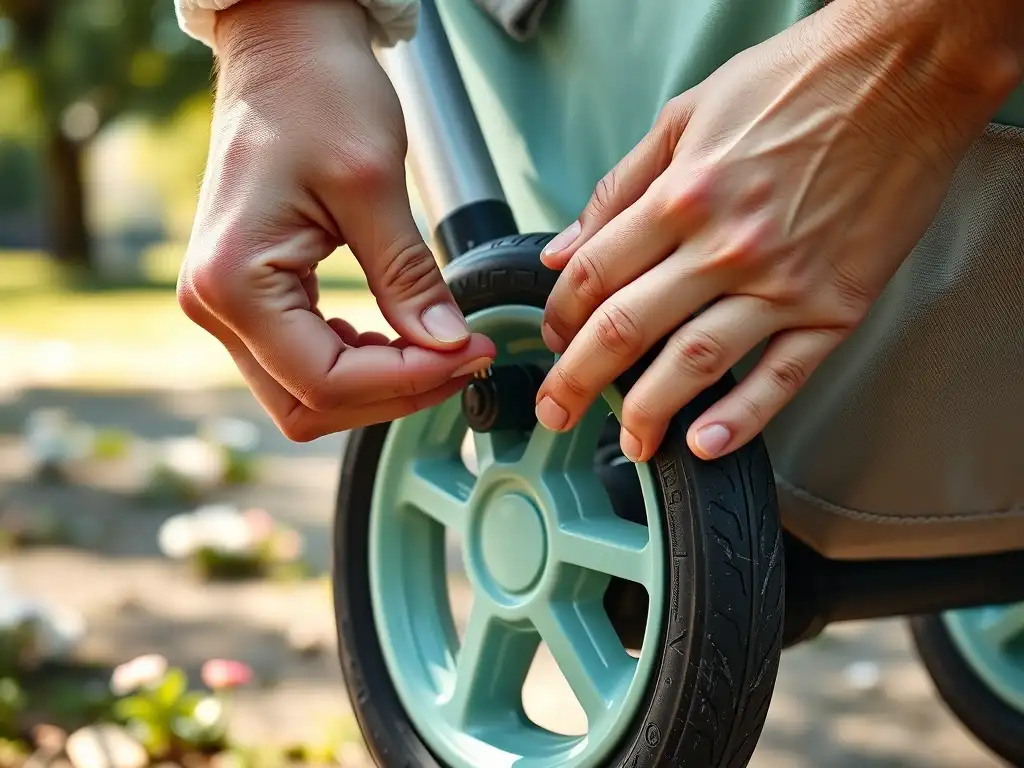
Welcome to BabyCareHub, your ultimate guide to navigating the exciting yet challenging world of parenthood! Are you ready to conquer the everyday hurdles of baby care with confidence? We understand the anxieties that come with first-time parenting, and that's why we've created this comprehensive resource. But first, let's tackle a common frustration: discover how to fix stroller problems quickly and get back to enjoying those precious moments with your little one. Dive in and explore our expert advice on everything from feeding schedules to developmental milestones – your journey to confident parenthood starts here!
-
Identifying and Fixing Common Stroller Problems
- Squeaky Wheels: Lubrication and Maintenance for Smooth Rides
- Sticky Brakes: Troubleshooting and Repairing Stroller Brakes
- Flat Tires: Inflating and Repairing Stroller Tires
- Wobbly Wheels: Tightening and Replacing Loose Wheel Components
- Broken or Loose Straps: Repairing and Replacing Stroller Straps
- Canopy Issues: Fixing Ripped or Broken Canopies
- Difficulty Folding and Unfolding: Troubleshooting Folding Mechanisms
- Basket Problems: Repairing Ripped or Damaged Storage Baskets
- Preventative Maintenance for a Longer-Lasting Stroller
- When to Call a Professional for Stroller Repair
- Extending the Life of Your Stroller: Tips and Tricks
- Choosing the Right Stroller for Your Needs: Avoiding Future Problems
- Frequently Asked Questions
- Final Reflection: The Unexpected Joys of a Smooth Ride
- Smooth Sailing Ahead: Master Your Stroller Like a Pro!
Identifying and Fixing Common Stroller Problems
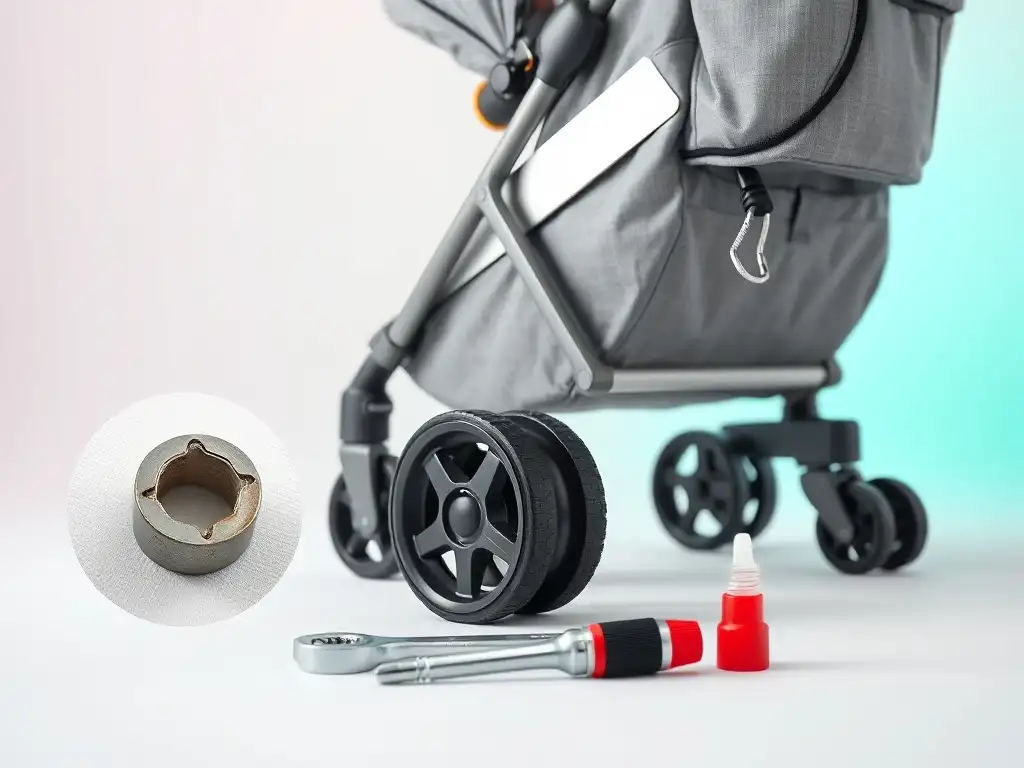
Navigating the world of parenthood is a rewarding but often challenging journey. Among the many essential baby gear items, the stroller stands out as a crucial tool for navigating daily life with your little one. From leisurely walks in the park to quick trips to the grocery store, a reliable stroller ensures smooth and comfortable outings.
However, even the sturdiest strollers can encounter unexpected issues. This guide provides a step-by-step approach to troubleshooting common stroller problems, empowering first-time parents to quickly fix minor issues and extend the lifespan of their valuable investment. We'll cover everything from squeaky wheels to flat tires, helping you get back on track with minimal fuss and maximize your time enjoying precious moments with your baby.
This guide is designed to help you fix stroller problems quickly and efficiently, saving you time and potential frustration. Remember, a well-maintained stroller contributes significantly to a safe and enjoyable experience for both parent and child. 👶
Squeaky Wheels: Lubrication and Maintenance for Smooth Rides
A common annoyance, squeaky stroller wheels can disrupt the peaceful rhythm of a stroll. The culprit is often friction between moving parts. Luckily, this is usually a simple fix. Before you start, identify the source of the squeak. Is it coming from the wheel bearings, the axle, or the wheel itself?
Here’s a step-by-step guide to silencing those noisy wheels:
- Clean the Wheels: Use a damp cloth to remove dirt, dust, and debris from the wheels and surrounding areas. This will help you identify the exact location of the squeak and ensure that lubricant can penetrate effectively.
- Apply Lubricant: A silicone-based lubricant is ideal for this task. Apply a small amount to the affected areas – wheel bearings, axles, or any moving parts. Avoid excessive lubrication, as this can attract more dirt.
- Test the Wheels: Gently rotate the wheels to check if the squeak has disappeared. If not, you may need to apply a bit more lubricant or try a different type.
- Regular Maintenance: To prevent future squeaks, regularly clean and lubricate your stroller wheels, especially after outings in wet or muddy conditions. This preventative maintenance will keep your stroller running smoothly for longer.
Sticky Brakes: Troubleshooting and Repairing Stroller Brakes
Sticky or malfunctioning brakes can be a safety hazard, so addressing this issue promptly is crucial. The problem often stems from dirt, debris, or wear and tear in the brake mechanism. Let's explore how to troubleshoot and repair sticky brakes:
- Inspect the Brake Mechanism: Carefully examine the brake mechanism for any visible obstructions like mud, leaves, or small pebbles. Use a brush or compressed air to remove any debris.
- Clean the Brake Pads: If the brakes are still sticky, carefully clean the brake pads with a damp cloth and mild detergent. Allow them to dry completely before testing the brakes.
- Lubricate Moving Parts (If Necessary): In some cases, a small amount of silicone-based lubricant applied to the moving parts of the brake mechanism can improve function. However, be cautious not to over-lubricate, as this could attract more dirt.
- Check for Wear and Tear: If cleaning and lubrication don't resolve the issue, the brake pads might be worn out and require replacement. Consult your stroller's instruction manual or contact the manufacturer for guidance on replacing the brakes.
Flat Tires: Inflating and Repairing Stroller Tires
A flat tire can bring your outing to a sudden halt. Fortunately, many stroller tires can be easily inflated or repaired. The process varies depending on the type of tire your stroller has:
- Identify the Tire Type: Determine whether your stroller has air-filled tires or foam-filled tires. Air-filled tires require inflation, while foam-filled tires typically cannot be repaired and need replacement if damaged.
- Inflate Air-Filled Tires: Use a suitable hand pump or air compressor to inflate the tire to the recommended pressure (check your stroller's manual). Make sure the valve is properly seated before inflating.
- Repair Punctures (If Possible): If you identify a puncture, you may be able to repair it using a tire repair kit. This usually involves patching the hole from the inside of the tire. Consult your stroller's manual for guidance or seek professional repair if you are unsure.
- Replace Damaged Tires: If the tire is beyond repair or if you have foam-filled tires that are damaged, you'll need to replace the tire. Contact the stroller manufacturer or a local repair shop for replacement parts.
Remember to always consult your stroller's user manual for specific instructions and safety precautions. By following these simple steps, you can quickly resolve common stroller issues and keep your adventures rolling smoothly! 💨
Wobbly Wheels: Tightening and Replacing Loose Wheel Components
A wobbly stroller wheel can be a significant safety hazard, making for a bumpy and potentially unstable ride. Often, the problem stems from loose wheel components. Before resorting to replacements, thoroughly inspect each wheel. Many strollers utilize quick-release mechanisms—buttons, levers, or screws—that secure the wheel to the axle. Check these fasteners; if loose, tighten them securely. You might need a small screwdriver, depending on the stroller's design. Pay close attention to any nuts or bolts that might have become undone due to vibrations during use. A simple tightening can often resolve the issue, restoring smooth rolling and stability.
However, if tightening the components doesn't solve the wobbling, the problem might lie within the wheel itself. Inspect the wheel's bearings. These small components allow the wheel to rotate smoothly. If they're damaged or worn, the wheel will wobble. Replacing the bearings often requires specialized tools and a bit of mechanical aptitude.
Consult your stroller's manual for guidance, or consider contacting a professional repair service if you're uncomfortable attempting the repair yourself. Remember, safety is paramount; a wobbly wheel should not be ignored, and a faulty repair can be worse than the original problem. Always prioritize your baby's safety. In some instances, replacing the entire wheel might be the most efficient solution, especially if the wheel itself is damaged beyond repair. Replacement wheels are often available from the stroller manufacturer or online retailers.
Broken or Loose Straps: Repairing and Replacing Stroller Straps
Stroller straps, crucial for securing your baby, can become frayed, broken, or detached over time. Regularly inspect the straps for signs of wear and tear. Look for fraying, loose stitching, or any signs of damage near the buckles. Minor fraying might be addressed with a strong thread and needle, carefully re-stitching any loose areas. However, if the damage is significant—a broken strap, for instance—replacement is necessary. Never attempt to repair a severely damaged strap, as this could compromise your baby's safety.
Finding replacement straps might require contacting the stroller manufacturer directly, searching online retailers specializing in stroller parts, or visiting a local baby gear store. When replacing straps, ensure the new straps are compatible with your stroller model to maintain proper functionality and safety. Improperly installed straps can lead to accidents. Always follow the manufacturer's instructions for installing new straps. Remember, a secure and properly functioning strap system is vital for your baby's safety during walks and outings. Consider the frequency of use when determining how often to inspect and replace these vital components.
Canopy Issues: Fixing Ripped or Broken Canopies
The stroller canopy provides crucial sun and weather protection for your baby. A damaged canopy compromises this protection. Minor rips or tears in the canopy fabric can sometimes be repaired using fabric glue or a patching kit specifically designed for outdoor fabrics. Clean the area around the tear thoroughly before applying any adhesive or patch to ensure proper adhesion. For larger tears or significant damage, however, replacement is generally the best course of action. A poorly repaired canopy could lead to further tearing or even collapse during use.
Finding a replacement canopy often involves contacting the stroller manufacturer or searching online retailers that specialize in stroller parts and accessories. Before ordering, carefully note your stroller's model number to ensure compatibility. Remember that using an incompatible canopy could affect the stroller's overall safety and functionality.
When installing a new canopy, follow the manufacturer's instructions carefully to ensure proper fit and secure attachment. A well-functioning canopy is essential for protecting your baby from the elements, providing shade on sunny days and shelter from light rain. Regular inspection for wear and tear will help you identify and address canopy issues before they become major problems.
Difficulty Folding and Unfolding: Troubleshooting Folding Mechanisms
Many modern strollers boast innovative folding mechanisms, but these can sometimes present challenges. A common issue is difficulty folding or unfolding the stroller, often stemming from a simple obstruction or a slightly jammed mechanism. Before resorting to drastic measures, systematically check these points:
- Check for Obstructions: Carefully inspect the folding mechanism for any obstructions like trapped clothing, small toys, or debris. A small piece of fabric or a stray button can significantly impede the smooth operation of the mechanism. Gently remove any foreign objects. Sometimes, even a small twig or leaf can get caught.
- Inspect the Latching System: Most strollers have a latch or release mechanism that needs to be properly engaged before folding or unfolding. Ensure the latch is correctly secured or released as per the manufacturer's instructions. Refer to your stroller's manual for a visual guide. A slightly misaligned latch is a frequent culprit.
- Lubricate Moving Parts (if necessary): If you notice stiffness or resistance, consider applying a small amount of silicone-based lubricant to the moving parts of the folding mechanism. Avoid using oil-based lubricants, as these can attract dirt and grime, potentially worsening the problem. Apply sparingly and only to designated moving parts to prevent damage.
- Tighten Loose Screws or Bolts: Over time, the screws or bolts securing the folding mechanism can loosen. Use a screwdriver to tighten any loose components. Ensure you use the correct size and type of screwdriver to avoid stripping the screws. This is especially important if the stroller has experienced significant use or has been stored improperly.
- Consider Professional Help: If the problem persists despite these troubleshooting steps, it might be time to consult a professional repair service or the stroller's manufacturer. They have the expertise and tools to diagnose and address more complex mechanical issues. Attempting complex repairs without the proper knowledge can potentially void warranties or cause further damage.
Basket Problems: Repairing Ripped or Damaged Storage Baskets
The storage basket is a vital part of any stroller, providing valuable space for carrying essentials. Rips, tears, or other damage to the basket can render it unusable or significantly reduce its carrying capacity. Here's how to address common basket problems:
- Assess the Damage: First, carefully examine the extent of the damage. Is it a small tear, a larger rip, or more significant structural damage? This assessment will guide your repair approach. A small tear might be easily repaired with a simple patch, whereas a large rip might require more extensive mending.
- Repairing Small Tears: For small tears, you can use strong fabric glue or a patching material designed for fabrics. Clean the area around the tear thoroughly before applying the adhesive or patch. Ensure the patch is securely adhered to prevent it from coming loose during use. Follow the manufacturer's instructions on the adhesive or patch for optimal results.
- Repairing Larger Rips: Larger rips might require more substantial repairs. Depending on the material of the basket, you might consider using heavy-duty stitching or fabric patching techniques. If you're not comfortable with sewing, consider contacting a professional seamstress or tailor who can perform a durable repair.
- Replacement: If the damage is too extensive or the repair is proving too difficult, consider replacing the basket altogether. Check if replacement baskets are available from the stroller manufacturer or through online retailers. Ensure the replacement basket is compatible with your stroller model.
- Preventative Measures: To prevent future damage, avoid overloading the basket and be mindful of sharp objects that could puncture or tear the fabric. Regularly inspect the basket for signs of wear and tear, addressing minor issues before they escalate into significant problems. Proper storage of the stroller when not in use can also help extend the life of the basket.
Preventative Maintenance for a Longer-Lasting Stroller
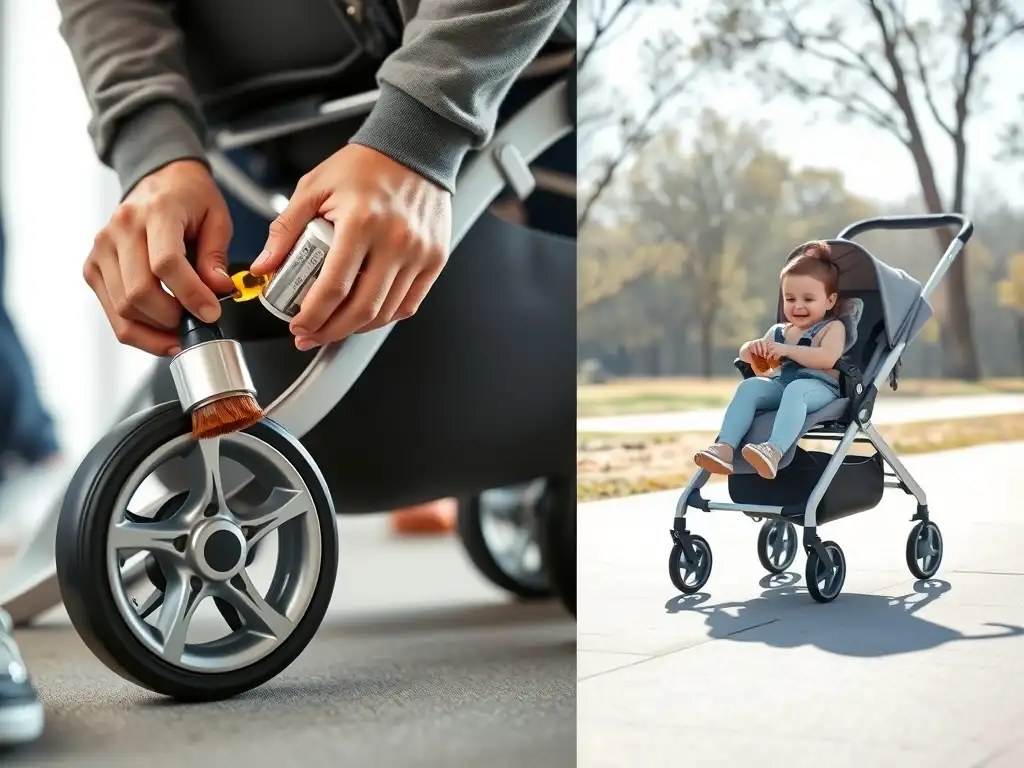
Preventative maintenance is key to extending the lifespan of your stroller and avoiding costly repairs or premature replacement. By implementing a simple routine, you can significantly reduce the likelihood of encountering common stroller problems and ensure smoother rides for you and your little one. This translates to saving money in the long run and enjoying your stroller for years to come. Let's delve into some crucial preventative measures.
Regular Cleaning and Inspection of Your Stroller
Regular cleaning isn't just about aesthetics; it's a crucial step in preventing mechanical issues. Dirt, grime, and small debris can accumulate in moving parts, causing friction and ultimately leading to malfunctions. Think of it as regular car maintenance – small preventative steps can save you from big problems down the road.
Here’s a recommended cleaning schedule and inspection checklist:
- Weekly Cleaning: Use a damp cloth and mild soap to wipe down the stroller's fabric and frame. Pay special attention to areas prone to dirt accumulation, such as the wheels, handles, and footrest.
- Monthly Deep Clean: For a more thorough cleaning, consider using a specialized fabric cleaner appropriate for your stroller's material. Remove any removable fabrics and wash them according to the manufacturer's instructions. Inspect the wheels for loose parts or signs of wear and tear.
- Quarterly Inspection: Conduct a more in-depth inspection. Check all screws and bolts for tightness, ensuring they're securely fastened. Lubricate moving parts like hinges and wheel axles with a silicone-based lubricant (avoid oil-based lubricants as they can attract dust). Inspect the brakes for proper function and responsiveness. Listen for any unusual noises during operation; squeaking or grinding could signal a problem that needs addressing.
Consider these additional tips for optimal cleaning:
- Spot Cleaning: Address spills and stains immediately to prevent them from setting.
- Drying: Allow all parts to dry completely before reassembling the stroller to prevent mold and mildew growth.
- Material-Specific Cleaning: Always refer to the manufacturer's instructions for specific cleaning recommendations for your stroller's materials. Some fabrics require special care to avoid damage.
This proactive approach to cleaning and inspection directly addresses the need to fix stroller problems quickly, as many issues are prevented entirely.
Storing Your Stroller Properly to Avoid Damage
Improper storage can significantly impact your stroller's longevity. Exposure to harsh weather conditions, such as extreme heat, cold, or humidity, can cause damage to the fabric, frame, and moving parts. Similarly, incorrect storage can lead to warping, rust, and breakage.
Here are some best practices for storing your stroller:
- Clean Before Storing: Always clean your stroller thoroughly before storing it, especially if it has been exposed to dirt, mud, or other debris. This prevents the accumulation of grime and potential damage during storage.
- Indoor Storage: Ideally, store your stroller indoors in a cool, dry place, away from direct sunlight and extreme temperatures. A garage or basement is suitable, provided it is clean and dry.
- Protect from Moisture: If storing in a damp environment, use a breathable cover to protect the stroller from excess moisture. Consider using silica gel packets to absorb moisture and prevent rust.
- Avoid Crushing: Don't stack heavy objects on top of the stroller. This can damage the frame and fabric.
- Proper Folding: Always fold the stroller according to the manufacturer's instructions to avoid damage to the mechanism.
By following these simple storage tips, you can significantly reduce the risk of damage and fix stroller problems quickly by avoiding them altogether. Proper storage is a vital component of preventative maintenance, ensuring your stroller remains in optimal condition for extended use. Remember, a well-maintained stroller is a happy stroller—and a happy parent!
When to Call a Professional for Stroller Repair
Knowing when to tackle a stroller problem yourself and when to seek professional help is crucial. While many minor issues are easily fixed with simple DIY solutions, some problems require the expertise of a qualified repair technician. This section will help you determine when to call in the professionals to fix stroller problems quickly and safely.
Recognizing When DIY Repairs Aren't Enough
Attempting complex repairs without the necessary skills and tools can lead to further damage or even create safety hazards for your baby. Here are some key indicators that it's time to call a stroller repair professional:
- Significant Frame Damage: Bent or cracked frames are serious structural issues. Attempting to straighten a bent frame, for instance, could weaken it further, resulting in potential collapse during use. This poses a significant safety risk and necessitates professional intervention. A simple visual inspection might not be enough; a professional might need to assess the structural integrity of the frame using specialized tools.
- Malfunctioning Brakes: Faulty brakes are a major safety concern. If your stroller's brakes are sticking, failing to engage, or exhibiting inconsistent behavior, don't attempt a DIY fix. Improper brake repair can compromise your child's safety, leading to accidents. Professional repair ensures the brakes are properly aligned and functioning optimally.
- Complex Mechanical Issues: Problems with the stroller's intricate mechanisms, such as gear systems, wheel bearings, or suspension components, require specialized knowledge and tools. Trying to disassemble and reassemble these parts without experience could result in irreversible damage. Professional mechanics possess the expertise and specialized equipment to diagnose and address these complexities effectively.
- Electrical Component Failures: If your stroller has features like a built-in LED light, a motor for assisted climbing, or an electronic monitoring system, electrical failures should be left to trained technicians. Attempting repairs yourself could expose you to electrical shock or further damage the components. Professional repair technicians are equipped to handle these electrical issues safely and efficiently.
- Warranty Considerations: If your stroller is still under warranty, attempting your own repairs could void the warranty agreement. Contacting the manufacturer or an authorized repair center is always advisable in such cases. This ensures your stroller remains covered under the manufacturer's warranty.
Finding Reliable Stroller Repair Services Near You
Locating a trustworthy stroller repair service is essential for ensuring the safety and longevity of your stroller. Here's how to find reliable professionals:
- Manufacturer's Website: Check the manufacturer's website for authorized repair centers or recommended service providers. This ensures your stroller will be serviced by technicians familiar with its specific design and components, and it may also protect your warranty.
- Online Reviews and Ratings: Utilize online review platforms to research local repair shops specializing in stroller repair. Look for consistent positive feedback, focusing on aspects like professionalism, expertise, and turnaround time. Pay close attention to reviews mentioning specific repair types to find a shop experienced with the type of issue your stroller is experiencing.
- Local Baby Stores: Many baby stores partner with or recommend local repair services. Inquire at your local baby supply store for referrals to reputable repair shops in your area. They can provide valuable insights based on their experience with various repair services.
- Check for Certifications and Insurance: Before entrusting your stroller to a repair shop, ensure they possess the necessary certifications and liability insurance. This protects you in case of accidental damage or unforeseen issues during the repair process. A reputable repair shop will gladly provide this information upon request.
Remember, prioritizing safety is paramount when dealing with stroller repairs. By understanding when to call a professional, you can ensure your child's safety and the longevity of your stroller. Following these guidelines will help you navigate stroller problems effectively and efficiently.
Extending the Life of Your Stroller: Tips and Tricks
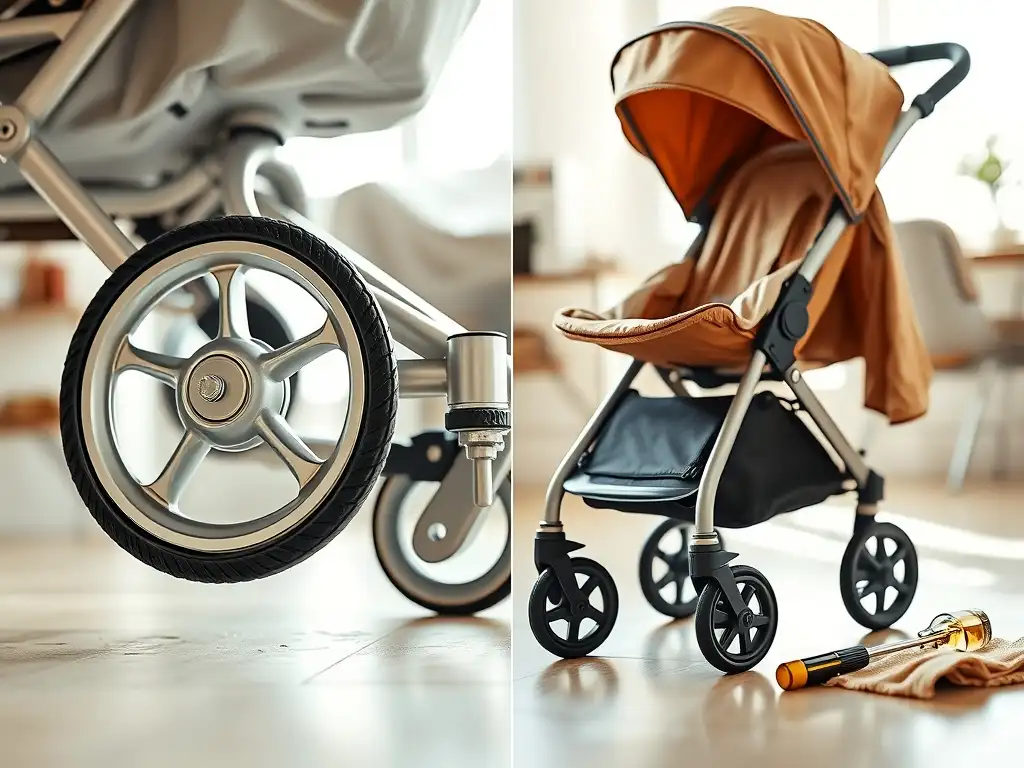
This section focuses on proactive measures to maximize the lifespan and functionality of your stroller, helping you avoid common problems and get the most out of your investment. Remember, a well-maintained stroller is a safer stroller, ensuring your little one's comfort and security during outings. Proper care translates directly to fixing stroller problems before they arise, saving you time, money, and frustration. Let's delve into some practical strategies for extending the life of your valuable baby gear.
Proper Storage to Prevent Damage and Wear
Storing your stroller correctly is crucial for preventing damage and wear. Improper storage can lead to various issues, from fabric fading and rust to broken wheels and frame damage. Consider these tips for optimal stroller storage:
- Clean before storing: Before putting your stroller away, always clean it thoroughly. Remove any dirt, mud, or debris using a damp cloth and mild detergent. Allow it to dry completely before storing to prevent mold and mildew growth. This simple step significantly contributes to preventing premature wear and tear.
- Choose the right storage location: Avoid storing your stroller in direct sunlight, damp areas, or extreme temperatures. These conditions can cause the fabric to fade, the frame to rust, and the plastic components to become brittle. A cool, dry, and well-ventilated space is ideal.
- Fold correctly and securely: Always follow the manufacturer's instructions for folding your stroller. Folding it improperly can damage the frame or locking mechanisms. Once folded, consider using a stroller storage bag for added protection against dust and scratches.
- Avoid overloading: Never store heavy items on or inside the stroller when it's not in use. This extra weight can put unnecessary stress on the frame and wheels, potentially leading to structural damage and requiring expensive repairs.
- Regular inspections: Periodically inspect your stored stroller for any signs of damage or wear. Addressing minor issues promptly can prevent them from escalating into major problems. Think of it as preventative maintenance for your “baby’s car”!
Regular Maintenance Schedule for Optimal Performance
A regular maintenance schedule is key to preventing many common stroller problems and ensuring its smooth operation. This proactive approach is far more effective and cost-efficient than constantly fixing problems as they arise.
| Maintenance Task | Frequency | Description | Benefits |
|---|---|---|---|
| Cleaning (fabric & frame) | Weekly or as needed | Wipe down with a damp cloth and mild soap. For stubborn stains, consult your manual. | Prevents dirt buildup, maintains hygiene, extends fabric life, prevents rust. |
| Wheel inspection & cleaning | Monthly | Check for loose screws, smooth rotation, and remove any debris. | Ensures smooth maneuverability, prevents wheel damage, improves safety. |
| Brake check | Monthly | Test brakes regularly to ensure they function properly. | Ensures safe stops, prevents accidents. |
| Fabric tightening | As needed | Tighten loose fabric straps and buckles according to the manufacturer’s instructions. | Prevents sagging, improves stroller stability, enhances safety and comfort. |
| Frame inspection | Every 3 months | Check for any cracks, bends, or loose parts. Replace or repair as needed. | Prevents structural failure, ensures safety. |
By following this simple maintenance schedule, you’ll significantly increase the lifespan of your stroller and minimize the need for frequent repairs. Remember, a little preventative care goes a long way in keeping your stroller in top condition and ready for countless adventures with your little one! 👶
Choosing the Right Stroller for Your Needs: Avoiding Future Problems
Choosing the right stroller from the outset significantly reduces the likelihood of encountering frustrating issues down the line. Proactive selection minimizes the need for future "fix stroller problems quickly" searches. Investing time in research and careful consideration pays dividends in convenience and peace of mind. Let's explore key factors to optimize your stroller selection.
Factors to Consider When Selecting a Stroller
Several critical aspects influence stroller durability and ease of use. Ignoring these can lead to frequent repairs or even necessitate a replacement sooner than expected. Consider these factors carefully before making a purchase:
- Stroller Weight and Maneuverability: A lightweight stroller is easier to lift and maneuver, especially on uneven terrain or navigating crowded areas. However, ultra-lightweight models often compromise durability. Consider the trade-offs between weight and sturdiness based on your lifestyle and typical usage. For instance, a heavier, more robust stroller might be preferable for frequent off-road adventures, while a lightweight model suits daily city commutes. Think about how often you'll be carrying it up and down stairs or loading it into a car.
- Wheel Size and Type: Larger wheels generally provide a smoother ride, particularly on bumpy surfaces. Pneumatic tires (air-filled) offer superior shock absorption but require regular inflation, while foam-filled tires are maintenance-free but provide less cushioning. Consider the types of surfaces you'll primarily use the stroller on – paved sidewalks, gravel paths, or uneven terrain – to determine the appropriate wheel size and type. Smaller wheels are better for navigating tight spaces.
- Stroller Material and Construction: The materials used in the stroller's frame and fabric directly impact its durability and longevity. Aluminum frames are lightweight yet strong, while steel frames offer greater robustness but are heavier. Look for high-quality fabrics that are easy to clean and resistant to tears and fading. Check the stitching and overall construction for signs of shoddy workmanship. Stronger materials are more likely to withstand the wear and tear of regular use.
- Brake System: A reliable braking system is crucial for safety. Strollers with dual-action brakes (separate brakes for each rear wheel) provide superior stopping power and stability on inclines. Test the brakes thoroughly before purchasing to ensure they engage smoothly and effectively. A faulty brake system is a serious safety concern – prioritize quality and functionality in this area.
- Warranty and Customer Support: A comprehensive warranty demonstrates the manufacturer's confidence in their product. Check the warranty terms carefully and consider the availability of customer support in case you encounter any problems. A reputable manufacturer will stand behind their product and provide assistance if needed. This greatly reduces the stress of dealing with unexpected malfunctions.
- Foldability and Storage: Consider how easily the stroller folds and unfolds, as well as its folded dimensions and weight. This is especially important if you have limited storage space or frequently transport the stroller. A compact fold is a significant advantage for ease of transport and storage. Think about where you’ll be storing it and how easily you can access it. Ease of folding is a key factor in daily usability.
By carefully considering these factors, you can significantly reduce the chances of experiencing common stroller problems and improve the overall longevity of your investment. Remember, a well-chosen stroller is an investment in your baby's comfort and your own peace of mind. Proactive selection is key to avoiding those frustrating moments when you need to urgently "fix stroller problems quickly."
Frequently Asked Questions
How do I fix a stroller that won't unfold?
If your stroller won't unfold, first check for obstructions in the mechanism. Ensure the release levers are properly engaged. If the problem persists, consult your stroller's instruction manual or contact the manufacturer.
My stroller's wheels are squeaky. What can I do?
Squeaky wheels are often caused by lack of lubrication. Try applying a silicone-based lubricant to the wheel axles. If the squeaking continues, the wheels may need replacing.
What should I do if my stroller's brakes are malfunctioning?
If your stroller's brakes are not engaging properly, check for debris or damage to the brake mechanism. Clean the brakes and try again. If the problem persists, seek professional repair.
One of my stroller's wheels is wobbly. How can I fix this?
A wobbly wheel usually indicates a loose wheel or a damaged axle. Tighten the wheel nuts if possible. If the problem continues, you may need to replace the wheel or axle. Consult the manufacturer's instructions or a stroller repair professional.
My stroller's canopy is broken. Can I repair it myself?
Minor canopy tears might be repairable with fabric glue or a patch. However, more significant damage may require replacement. Check for replacement parts from the manufacturer or a retailer. Professional repair might be necessary for complex issues.
Final Reflection: The Unexpected Joys of a Smooth Ride
The ability to quickly troubleshoot stroller issues isn't just about convenience; it's about reclaiming precious moments with your little one. A malfunctioning stroller can quickly derail a family outing, transforming a joyful adventure into a frustrating ordeal. This guide aimed to equip parents with the knowledge to prevent those frustrating moments and keep the focus where it belongs: on the journey and the child.
The impact of a well-functioning stroller extends far beyond mere transportation. It's a symbol of freedom and mobility, allowing parents to navigate the world with their children confidently. The best things in life are the people we love, the places we've been, and the memories we've made along the way.
This quote perfectly encapsulates the importance of smooth, uninterrupted outings with our children, and a reliable stroller plays a vital, often overlooked, role in making those memories. The frustration of a broken stroller can easily overshadow the joy of the experience, and I hope this guide helps alleviate that.
So, the next time you encounter a squeaky wheel, a wobbly tire, or a jammed brake, remember the power of a quick fix. Don't let a minor inconvenience steal the joy of your family adventures. Take a moment, consult this guide, and empower yourself to solve the problem. You'll not only save time and frustration, but you'll also rediscover the simple pleasure of a smooth, carefree stroll with your loved one.
Smooth Sailing Ahead: Master Your Stroller Like a Pro!
Thanks for taking the time to learn how to troubleshoot those frustrating stroller problems! We hope this guide has given you the skills you need to keep those wheels turning smoothly. Now it's time to put your new knowledge into practice!
- Address urgent issues first: Fix that squeaky wheel or jammed brake right away! You'll be amazed at how much more enjoyable your walks become.
- Share your success: Let other parents know about your successful repair on our BabyCareHub community forums. This is a great way to help others facing similar challenges.
- Practice preventative maintenance: Regularly inspecting your stroller for wear and tear can prevent more serious problems in the future.
Ready to conquer those stroller challenges and enjoy more peaceful outings? What stroller problem are you most eager to tackle now?