
When to Transition to the Next Size in Baby Clothing

Welcome to BabyCareHub, your ultimate guide to navigating the exciting yet challenging world of parenthood! Are you wondering when to move on from those adorable newborn outfits? Our Baby clothes size transition guide within the Baby Gear & Products section provides a clear, step-by-step approach to mastering baby clothing sizes, ensuring your little one is always comfortable and stylish. Discover the secrets to seamless transitions and avoid those frustrating wardrobe mismatches – let's get started!
- Baby Clothes Size Transition Guide: Understanding Your Baby's Growth
- Practical Tips for a Smooth Size Transition
- Avoiding Common Mistakes When Sizing Up Baby Clothes
- Beyond Size: Considering Clothing Styles and Functionality
- Frequently Asked Questions
- Final Reflection: Navigating the Milestones of Growth
- Unlock Your Little One's Comfort: Ready for the Next Size?
Baby Clothes Size Transition Guide: Understanding Your Baby's Growth
Navigating the world of baby clothes can be overwhelming for first-time parents. One of the most common questions revolves around knowing when to transition your little one to the next size. This comprehensive guide will help you understand the signs your baby is outgrowing their current clothes, how to interpret size charts, and how to account for variations between brands and individual baby builds. We'll provide a practical, step-by-step approach to ensure your baby remains comfortable and appropriately clothed throughout their rapid growth spurts.
This guide is crucial for parents seeking to optimize their baby's comfort and well-being, ultimately saving time and money by avoiding unnecessary purchases. Remember, happy baby, happy parent! 🎉
Recognizing the Signs Your Baby Needs a Bigger Size
Knowing when to move up a size in baby clothes is essential for your baby's comfort and well-being. Several key indicators will signal that it's time for a wardrobe upgrade. Let's explore these signs in detail.
Outgrowing Current Clothes: Length, Width, and Overall Fit
The most obvious sign is when your baby's clothes are simply too small. Look for these specific indicators:
- Length: Sleeves are too short, exposing wrists or elbows. Pants are too short, riding up and revealing ankles. Onesies are too short, bunching up awkwardly around the diaper area.
- Width: Clothes feel tight across the chest, shoulders, or waist. Buttons strain to close, or snaps feel difficult to fasten.
- Overall Fit: The overall appearance is snug and restrictive, rather than comfortable and loose-fitting. The clothes may look strained or pull at the seams.
Remember to consider the overall fit. Even if one aspect (like length) seems okay, tightness in another area (like width) indicates the need for a larger size.
Difficulty Dressing and Undressing: Clothes Too Tight or Restrictive
Struggling to dress or undress your baby is another clear sign of outgrown clothes. Tight clothing can be uncomfortable and even painful for your little one, making dressing time a stressful experience for both parent and child. If you find yourself constantly battling with tight sleeves or stubborn snaps, it's time to upgrade.
Feeling Uncomfortable: Chafing, Irritation, or Restricted Movement
Beyond the practical difficulties, your baby's comfort should be paramount. Look for signs of discomfort, such as:
- Chafing: Redness or irritation around the seams or areas where the clothing is tight.
- Restricted Movement: Your baby may seem less mobile or more hesitant to move actively if their clothing is too tight.
- Fussiness during dressing: If your baby consistently fusses during dressing, it may be a sign that their clothes are uncomfortable.
Comparing Baby's Measurements to Size Charts
While observing your baby's comfort and the fit of their clothes is crucial, using a size chart provides a more objective measure. Measure your baby's height, weight, and chest circumference, and compare these measurements to the size chart provided by the clothing brand. Remember that different brands have their own sizing systems, so it’s important to consult the specific chart for the brand you’re considering.
Understanding Baby Clothing Size Charts and Variations
Baby clothing size charts are usually based on age ranges (e.g., 0-3 months, 3-6 months, 6-9 months), but these are just guidelines. Babies grow at different rates, so relying solely on age can be misleading.
Decoding Size Labels and Common Size Ranges (e.g., 0-3 months, 3-6 months)
Size labels generally correspond to age ranges, but these are approximate. A 3-month-old baby might fit into 0-3 month clothes, or they might need a bigger size depending on their build. Always check the measurements on the size chart to confirm the right fit.
| Size Range | Approximate Age | Approximate Weight (lbs) | Approximate Height (in) |
|---|---|---|---|
| Newborn | 0-3 months | 5-8 | 18-22 |
| 0-3 Months | 0-3 months | 6-10 | 20-24 |
| 3-6 Months | 3-6 months | 10-14 | 24-28 |
| 6-9 Months | 6-9 months | 14-18 | 26-30 |
| (Note: These are approximate values and may vary by brand.) |
Brand Variations: Comparing Sizes Across Different Brands
It's important to understand that size charts vary significantly between brands. A size 6-9 months from one brand might be equivalent to a size 9-12 months from another. Always refer to the specific brand's size chart before purchasing.
Considering Baby's Build: Chubby, Slim, or Average Build
Finally, consider your baby's individual build. Some babies are chubbier, while others are slimmer. A chubby baby might need a larger size than a slim baby of the same age. Pay attention to how the clothes fit, not just the size label. If in doubt, always opt for a slightly larger size to ensure comfort and avoid restrictive clothing.
Practical Tips for a Smooth Size Transition
This section offers practical advice for navigating the transition to larger baby clothes sizes, minimizing waste and ensuring your little one remains comfortable. We'll explore strategies for a gradual transition, effective wardrobe assessment, and smart purchasing decisions. Remember, every baby grows at their own pace, so flexibility is key! This guide helps you become a pro at managing your baby's ever-changing clothing needs, saving you time, money, and stress. Mastering the art of baby clothes size transition is a crucial skill for first-time parents, improving efficiency and reducing unnecessary purchases.
Gradual Transition: Mixing Sizes for a Comfortable Fit
The key to a smooth transition isn't necessarily jumping to the next size entirely. Instead, focus on a gradual integration of larger sizes into your baby's wardrobe. This minimizes the risk of buying clothes that are too big too soon and prevents wasted spending on clothes that are quickly outgrown. This approach is particularly relevant for managing the frequently occurring baby growth spurts.
Introducing Larger Sizes Gradually: Starting with a Few Items
Don't replace your entire wardrobe at once. Instead, start by purchasing one or two larger-sized items in your baby's favorite outfits or essential pieces, like sleepsuits or bodysuits. This allows you to test the fit and gauge whether your baby is truly ready for the next size up. For example, if your baby is currently in 3-6 month clothes, start by buying one or two 6-9 month outfits to see how they fit. This method allows for a more accurate assessment of sizing and minimizes the risk of buying too many clothes that are too large.
Utilizing Layering: Combining Smaller and Larger Sizes
Layering is a fantastic technique for extending the lifespan of your baby's clothes and smoothly transitioning between sizes. If a pair of pants is slightly too short but a shirt fits perfectly in the next size up, simply layer a smaller-sized top with larger-sized bottoms or vice-versa. This approach is particularly useful during unpredictable growth spurts, allowing you to maintain a comfortable fit without immediately discarding perfectly good clothing. This clever strategy helps maximize the use of your baby's existing clothes and avoids unnecessary spending on new items.
Assessing Your Baby's Wardrobe: Inventory and Planning
Before making any new purchases, take stock of your baby's current clothing collection. This systematic approach prevents duplicate purchases and ensures you're buying only what you actually need. A well-organized wardrobe inventory significantly reduces wardrobe-related stress.
Identifying Gaps in Your Baby's Clothing Collection
A thorough assessment should reveal any gaps in your baby's wardrobe. Are there enough sleepsuits? Do you have sufficient outfits for different weather conditions? Are there enough socks and vests? Identifying these gaps allows you to focus your shopping on items you genuinely need, rather than making impulse purchases. Consider creating a simple spreadsheet to track the number of items you have in each size and type of clothing. This helps avoid buying too many of one item and not enough of another.
Planning Purchases: Considering Seasonal Needs and Growth Spurt Patterns
Planning your purchases strategically takes into account your baby's growth patterns and the changing seasons. Avoid buying too many summer clothes in the winter or vice-versa. Remember that babies experience growth spurts, so it's prudent to purchase clothes in a staggered manner, rather than buying a large quantity all at once. Consider creating a seasonal clothing plan to account for these variations. This approach leads to a more efficient and economical approach to managing your baby's wardrobe. Careful planning is essential for managing baby clothes size transitions effectively and avoiding unnecessary spending.
Avoiding Common Mistakes When Sizing Up Baby Clothes
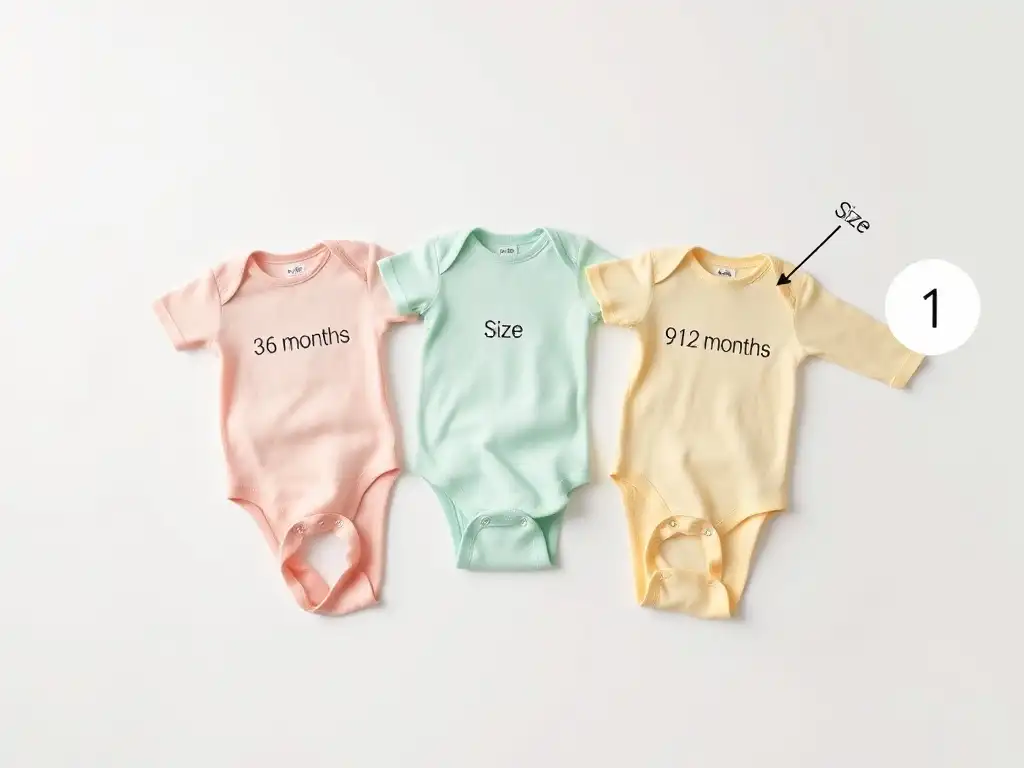
Transitioning your baby to the next size in clothing can feel overwhelming. Knowing when to make the switch is crucial, not only for comfort but also to avoid unnecessary spending and wardrobe mishaps. This section focuses on common mistakes parents make when sizing up their baby's clothes and offers practical strategies to avoid them.
Understanding these pitfalls will help you navigate the world of baby clothes sizes more effectively, ensuring your little one is always dressed comfortably and appropriately. This guide will help you master the art of baby clothes size transition and become a pro at choosing the right size. This is your ultimate baby clothes size transition guide.
Buying Too Many Clothes in One Size: Wasteful Spending
Many new parents, understandably excited, tend to overbuy clothes in a single size. This often stems from a fear of running out of clothes or the desire to “stock up” while their baby is still small. However, babies grow rapidly, especially in their first year. Buying excessive quantities of one size often leads to wasted money and unused garments. A more strategic approach involves purchasing a smaller, more manageable quantity of each size.
Consider buying 3-5 outfits in the current size and then assessing your baby's growth before purchasing more in the next size. This approach minimizes financial waste and prevents you from having a large pile of clothes that your child outgrows too quickly. Remember, you can always purchase more as needed! This is a key element of a successful baby clothes size transition guide.
Overestimating Growth: Buying Sizes Too Large
Another common mistake is buying clothes that are too large, anticipating faster growth. While it's tempting to buy ahead to save time and money, clothes that are too big can present several problems. Larger clothes can be baggy, uncomfortable, and even pose a safety hazard, particularly around the neck or face. Loose clothing can also be harder for your baby to move around in, potentially hindering their development.
It's better to stick to sizes that fit well and allow for comfortable movement. A slightly snug fit (but not restrictive) is generally preferable to loose-fitting clothes. A good rule of thumb is to choose clothes that fit snugly at the shoulders and chest, ensuring the garment isn't too tight around the neck or torso. A successful baby clothes size transition guide emphasizes this crucial aspect.
Underestimating Growth: Buying Clothes Too Small
Conversely, underestimating your baby's growth rate can lead to clothes that become too small, too quickly. This results in needing to constantly buy new clothes and can cause discomfort for your little one. Constantly struggling with tight clothing can be frustrating for both parents and baby. Regularly check the fit of your baby's clothes – paying attention to sleeve length, leg length, and overall body fit. If you notice the clothes becoming snug or too short, it’s time to move up a size.
Don't wait until the clothes are severely too small; this prevents discomfort and allows for comfortable movement during their daily activities. Regular measurements can help, but observing your baby's comfort level is the best indicator. A well-structured baby clothes size transition guide will help you avoid this common mistake. Remember, a happy baby is a comfortably dressed baby! 🧸
Beyond Size: Considering Clothing Styles and Functionality
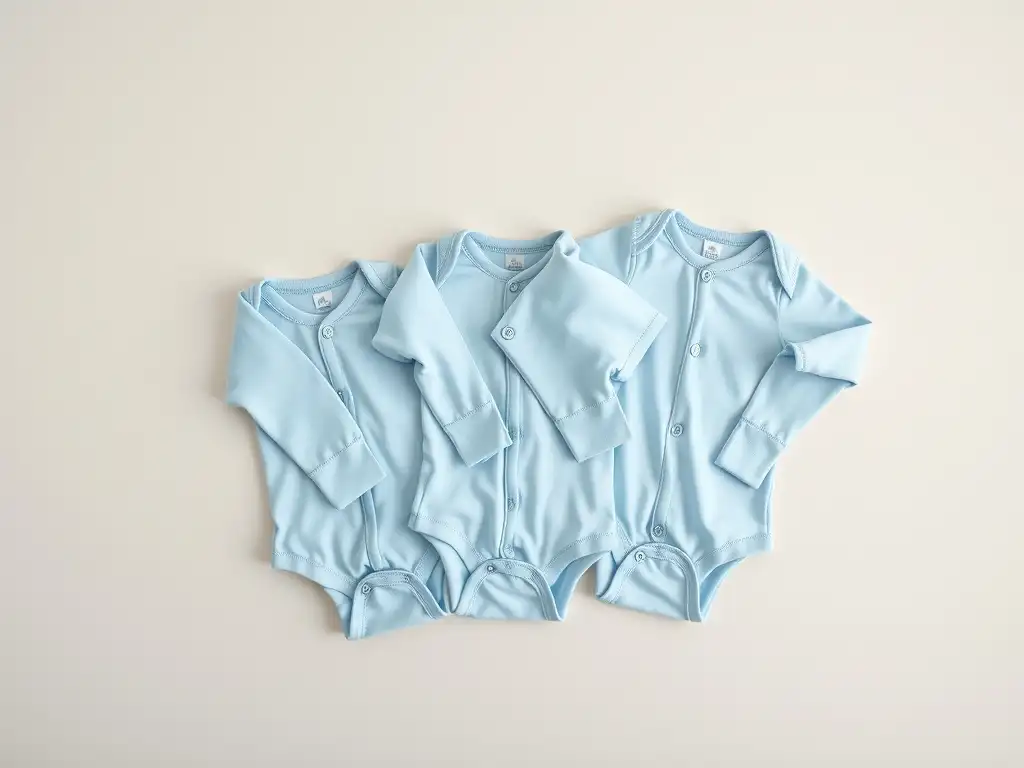
Transitioning to the next size in baby clothes isn't solely about numerical increments; it's about considering the evolving needs of your growing child. While adhering to size charts is crucial, equally important is assessing the clothing's style, functionality, and comfort. This section delves into factors beyond simple numerical sizing to help you make informed decisions about your baby's wardrobe. Understanding these aspects will ensure your little one remains comfortable and you manage wardrobe changes efficiently. This comprehensive guide will help you navigate the world of baby clothes size transition, ensuring your little one is always dressed appropriately and comfortably.
Choosing Comfortable Fabrics: Soft, Breathable Materials
The feel of fabric against delicate baby skin is paramount. Opt for soft, breathable materials like 100% cotton, organic cotton, and bamboo. These natural fibers are gentle, hypoallergenic, and allow for proper air circulation, preventing overheating and skin irritation. Avoid synthetic fabrics like polyester or nylon, especially during warmer months, as these can trap heat and moisture, leading to discomfort and potential rashes.
Consider the weight of the fabric as well. Lightweight materials are ideal for summer months, while slightly heavier fabrics offer more warmth during colder seasons. Pay attention to the fabric's texture; a smooth, soft feel is preferable to rough or scratchy materials. Always check the care labels to ensure the fabric is machine washable and suitable for delicate baby clothes. Remember, prioritizing comfort will contribute significantly to a happy and healthy baby. This is a crucial aspect of our baby clothes size transition guide.
A helpful tip is to pre-wash all new baby clothes before dressing your little one for the first time. This removes any potential irritants from the manufacturing process and softens the fabric, making it even more comfortable against your baby's skin.
Prioritizing Easy Dressing and Undressing: Snaps, Zippers, and Stretchy Fabrics
Ease of dressing and undressing is crucial, especially with wriggly babies. Choose clothing items with features like snaps, zippers, or stretchy fabrics that allow for quick and easy changes. Snaps are particularly convenient for newborns and infants, allowing for quick diaper changes without completely undressing your baby. Zippers, though less common in baby clothes, offer a secure and easy closure for outerwear like jackets or sleep sacks.
Stretchy fabrics such as cotton blends with elastane or ribbed fabrics are also excellent choices. These materials offer flexibility and ease of movement, preventing discomfort and allowing your baby to play freely. Avoid clothing with complicated fastenings or tight fits, as these can be difficult to manage and may restrict your baby's movement. Prioritizing ease of dressing directly impacts your daily routine and reduces stress during diaper changes and outfit transitions. This simplifies the baby clothes size transition process.
Selecting Versatile Clothing Items: Multi-Purpose Garments
Investing in versatile clothing items can save you time, money, and closet space. Consider items that can be worn in multiple ways or for various occasions. For example, a simple cotton onesie can be layered under a sweater or jacket for warmth or worn on its own during warmer weather. Similarly, rompers or overalls are practical and comfortable for everyday wear.
Think about selecting items in neutral colors that can be easily mixed and matched to create various outfits. This approach maximizes the usability of each garment and reduces the need for a large wardrobe. Prioritizing versatile pieces allows for a smoother transition between sizes, ensuring you have appropriate clothing options as your baby grows without needing constant wardrobe overhauls. This is a key element of a successful baby clothes size transition guide, leading to efficient wardrobe management.
Frequently Asked Questions
How do I know when my baby has outgrown their clothes?
Several signs indicate it's time to move up a size. If the clothes are too tight, particularly around the neck, restricting movement, or are constantly riding up, it's time for a bigger size. Look for length and overall fit.
What are the typical baby clothing size ranges?
Baby clothing sizes vary slightly by brand, but generally follow a pattern. Sizes often range from Newborn (NB) to 24 months (24M), with sizes like 3 months (3M), 6 months (6M), 9 months (9M), 12 months (12M), and 18 months (18M) in between. Always check the size chart provided by the specific brand.
My baby is between sizes. Which size should I choose?
If your baby is right between sizes, consider the time of year and the style of clothing. For warmer months, you might opt for a slightly larger size to allow for layering. In colder months, a snugger fit might be preferable under heavier layers.
How often will I need to transition my baby's clothing sizes?
The frequency of size changes depends on your baby's growth rate, which varies. Some babies grow quickly and may need a new size every few months, while others may stay in a size for longer. Regularly check the fit of your baby's clothing.
Where can I find a reliable baby clothing size chart?
Many online retailers and baby clothing brands provide detailed size charts on their websites. You can also consult resources like BabyCareHub for guidance on sizing and fitting. Always refer to multiple charts to get a better understanding.
The seemingly simple act of choosing the right size in baby clothing is, in reality, a poignant marker of growth and a celebration of the fleeting moments of infancy. This seemingly mundane task is far more significant than it initially appears; it's a constant reminder of the rapid development and precious time spent with our little ones. Understanding when to transition to the next size isn't just about avoiding ill-fitting clothes; it's about embracing the journey of parenthood and cherishing each developmental stage.
The impact of this seemingly small decision ripples through our lives, shaping our memories and influencing how we perceive our children's progress. It's a constant reminder of their incredible growth and the bittersweet nature of time. The joy of seeing them fit into a new size, the nostalgia of looking back at photos of them in smaller clothes – these are the moments that weave the rich tapestry of parenthood. The days are long, but the years are short.
This quote perfectly encapsulates the experience of raising a child, and the seemingly insignificant act of choosing the right clothing size becomes a microcosm of this larger truth.
So, as you navigate the world of baby clothes sizes, remember this: each transition is a milestone, a testament to the incredible journey you're on. Don't just focus on the practicalities; take a moment to appreciate the significance of these small victories. Pause, reflect, and cherish the memories being made, because those tiny clothes will soon be outgrown, and the memories they hold will remain forever. Embrace the changes, celebrate the growth, and savor every precious moment.
Unlock Your Little One's Comfort: Ready for the Next Size?
Thanks for exploring baby clothing sizes with us! We hope you found our information helpful and feel more confident navigating this common parenting challenge. Ready to put this knowledge into practice?
- Carefully examine your baby's current clothes. Are they becoming too tight? Is there enough room for comfortable movement? This is the most important first step to ensure your baby's comfort.
- Share your experiences! What strategies have you found most effective when changing your baby's clothing size? Let's build a supportive community by sharing our advice in the comments below.
- Create a clothing size checklist to track your baby's growth and future clothing needs. This will help you stay organized and prepared.
So, what's your next step to ensure your baby's clothes fit perfectly? Let's discuss it in the comments!