
Toys That Encourage Baby's Curiosity and Exploration

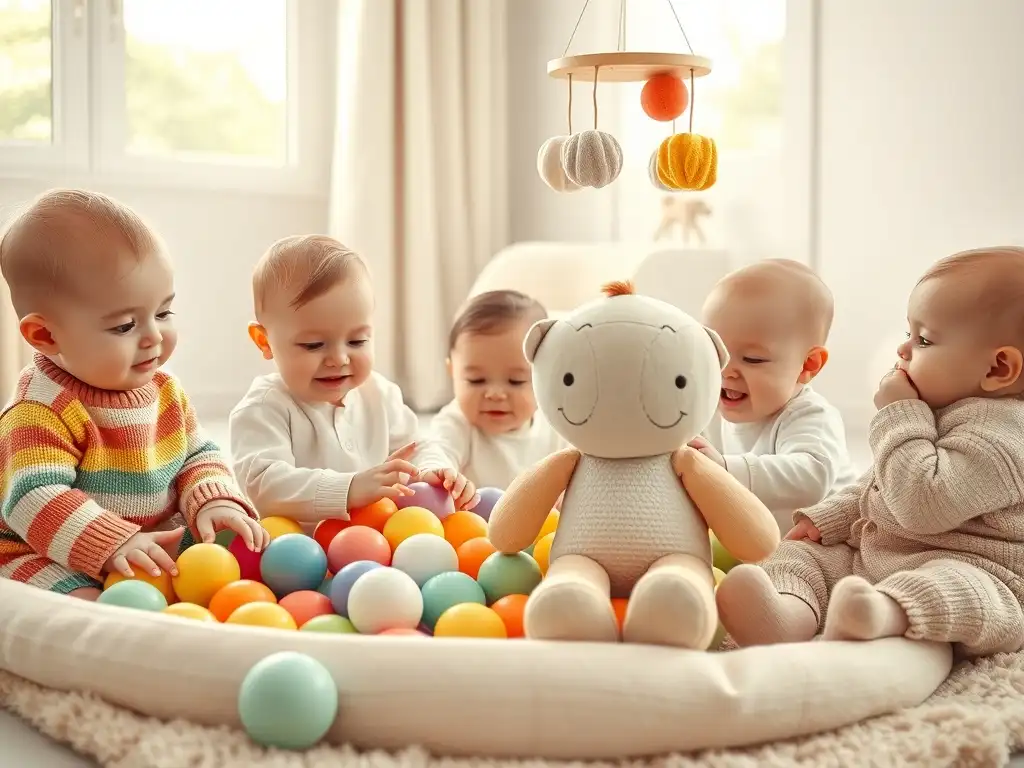
Welcome to BabyCareHub, your ultimate guide to navigating the incredible journey of parenthood! Are you ready to unlock your baby's potential for growth and discovery? Then dive into our expert advice on choosing the best baby sensory toys, a crucial element in fostering your little one's cognitive development and sparking their natural curiosity. Discover how the right toys can transform playtime into a powerful learning experience – read on to find out more!
- Best Baby Sensory Toys for Early Development (0-3 Months)
- Best Baby Sensory Toys for Enhanced Learning (4-6 Months)
- Best Baby Sensory Toys for Active Play (7-12 Months)
- Choosing Safe and Age-Appropriate Baby Sensory Toys
- Creating a Stimulating Play Environment for Your Baby
- Beyond Toys: Fostering Curiosity Through Everyday Activities
- Signs Your Baby is Engaged and Learning Through Play
- Frequently Asked Questions
- Final Reflection: Nurturing Curiosity: The Seeds of a Lifetime of Learning
- Unleash Your Baby's Inner Explorer!
Best Baby Sensory Toys for Early Development (0-3 Months)
Choosing the right toys for your newborn can feel overwhelming, but providing stimulating experiences during these crucial early months significantly impacts your baby's development. This guide focuses on the best baby sensory toys – specifically those that encourage curiosity and exploration in infants aged 0-3 months. We'll explore toys designed to engage the five senses, laying a strong foundation for cognitive, physical, and emotional growth.
Selecting age-appropriate toys isn't just about entertainment; it's about fostering crucial brain development and setting the stage for a lifetime of learning. We'll delve into specific toy types, highlighting their benefits and providing practical recommendations to help you navigate the world of baby toys confidently. Remember, the goal is to choose toys that are safe, engaging, and tailored to your little one's developmental stage.
This will help nurture their natural curiosity and lay the groundwork for future learning and exploration. Finding the best baby sensory toys is an investment in your baby's future!
Stimulating Sight: High-Contrast Toys and Mobiles
Newborns have limited visual acuity, but they are highly responsive to high-contrast patterns. Black and white, or black and red, are particularly effective. These strong contrasts help stimulate their developing visual system.
During this period, best baby sensory toys for visual stimulation include:
- High-contrast books: Simple books with bold black and white patterns are ideal. Look for books with varying textures as well, to engage more than one sense.
- Crinkle toys: These toys combine visual stimulation with auditory and tactile input – a great multi-sensory experience!
- Mobiles: Mobiles with high-contrast patterns hung above the crib can capture your baby's attention and encourage eye tracking. Choose mobiles with slow, gentle movements. Ensure the mobile is securely attached and out of reach to prevent accidents.
Consider the following when choosing high-contrast toys:
| Feature | Description | Importance |
|---|---|---|
| Contrast | The difference in brightness between the colors. | Crucial for attracting the baby's attention and stimulating visual development. |
| Simplicity | The design should be simple and uncluttered. | Avoid overwhelming the baby with too much visual information. |
| Durability | The toy should be made of durable, non-toxic materials. | Ensures the toy's longevity and safety for your baby. |
| Size & Shape | Appropriately sized for small hands and easy to grasp (if applicable). | Promotes early hand-eye coordination. |
Remember to rotate your baby's toys regularly to maintain their interest and prevent boredom.
Developing Hearing: Soft Sound Toys and Musical Instruments
Auditory stimulation is crucial for brain development. Soft sounds and gentle music can soothe your baby and encourage their auditory processing.
Some excellent examples of best baby sensory toys for auditory development are:
- Rattles: Choose rattles with soft, gentle sounds. Avoid rattles with loud, jarring noises.
- Soft musical toys: Toys that play calming melodies or nature sounds are great for relaxation and sensory stimulation.
- Singing toys: Toys with soft, repetitive songs can help babies develop language skills. These are also great for bonding and interaction!
Remember to keep the volume low and monitor your baby's reactions to the sounds. If your baby seems distressed, stop playing the toy. 👶
Tactile Exploration: Textured Blankets and Teethers
Tactile exploration is vital for sensory development. Different textures stimulate nerve endings in the skin, sending signals to the brain and promoting cognitive development.
The best baby sensory toys for tactile exploration include:
- Textured blankets: Blankets with a variety of textures, such as soft fleece, corduroy, or satin, can provide a rich tactile experience. These are also great for cuddling and comfort.
- Teethers: Teethers with various textures and shapes can help soothe sore gums during teething. Look for teethers made of safe, non-toxic materials. Consider chilled teethers for extra soothing relief! 🧊
- Fabric books: Books made of different fabrics, such as felt, corduroy, or cotton, can offer a multi-sensory experience, combining tactile stimulation with visual input.
Ensure all toys are safe and free from small parts that could be choking hazards. Always supervise your baby during playtime. 🧸
Best Baby Sensory Toys for Enhanced Learning (4-6 Months)
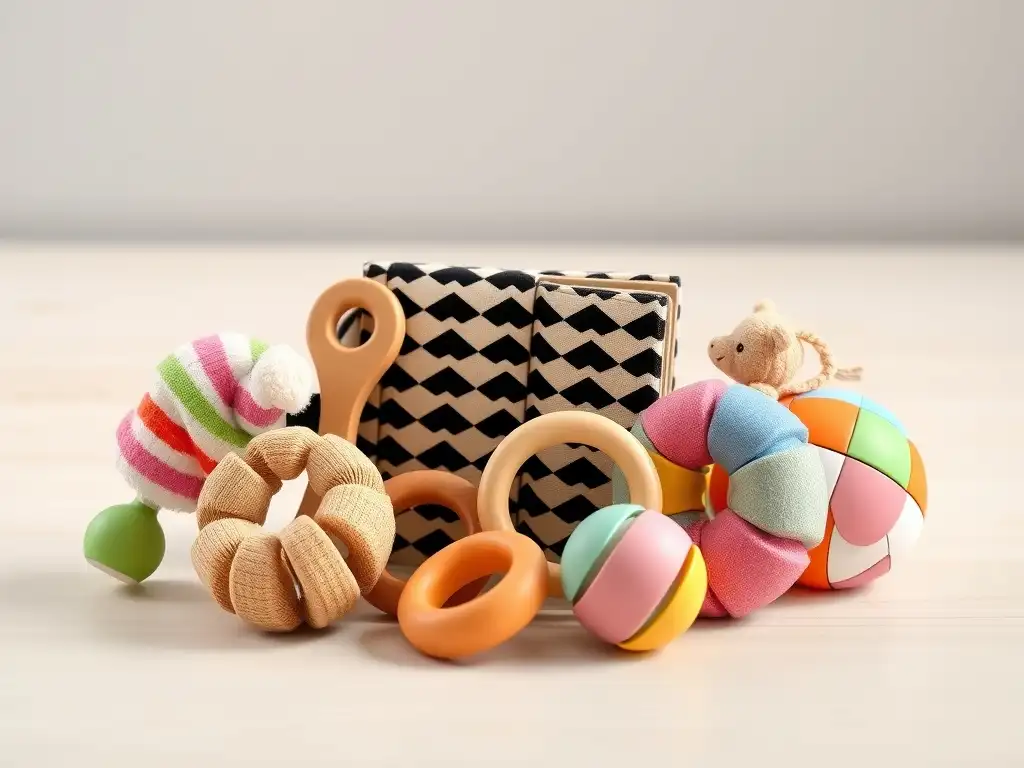
This section focuses on selecting the best baby sensory toys specifically designed for the 4-6 month old developmental stage. At this age, babies are rapidly developing their senses and motor skills, making sensory toys crucial for learning and growth. We'll explore several categories of toys that stimulate different aspects of a baby's burgeoning abilities, focusing on toys that are both engaging and developmentally appropriate, maximizing the benefits of sensory play for your little one. Finding the best baby sensory toys for this age group can significantly impact their cognitive and physical development.
Cause and Effect Toys: Rattles and Stacking Cups
Rattles and stacking cups are classic examples of cause-and-effect toys that are perfect for 4-6-month-olds. These toys help babies understand the relationship between their actions and the resulting reaction. Shaking a rattle produces a sound; dropping a cup makes a noise and creates movement. This simple interaction is key to developing crucial cognitive skills.
The best rattles for this age group are those with varied textures and sounds. Consider rattles made from different materials like soft silicone, smooth wood, or textured fabric. The varied sensory input helps stimulate their tactile senses. Look for rattles with multiple sounds, perhaps bells or crinkles, to keep your baby engaged and entertained.
Stacking cups, on the other hand, help develop hand-eye coordination and problem-solving skills. Start with cups that are large and easy to grasp. As your baby's skills improve, you can introduce smaller cups and more complex stacking challenges. The act of stacking and unstacking the cups provides a satisfying sensory experience, reinforcing their actions and encouraging repetition. This repetitive action is crucial for building fine motor skills and hand-eye coordination. The satisfying clink sound as the cups are stacked also adds another layer of sensory stimulation.
Exploring Sounds: Baby's First Musical Keyboard
Musical toys are fantastic for stimulating auditory development and introducing the concept of music. A baby's first musical keyboard, with large, easily-pressed keys, offers a plethora of sensory benefits. The bright colors and various sounds stimulate visual and auditory senses simultaneously. The act of pressing the keys and hearing the corresponding sounds helps establish cause-and-effect relationships.
Look for keyboards with different sounds, such as animal noises, simple melodies, or various musical instruments. The variety keeps the experience fresh and engaging, preventing boredom. Some keyboards also feature lights that flash in time with the music, adding an extra visual element to the sensory experience. This multi-sensory approach – combining sight, sound, and touch – is highly beneficial for brain development at this stage. The best baby sensory toys often incorporate this multi-sensory approach. Remember to always supervise your baby while they play with any musical toy.
Improving Grasping Skills: Soft Blocks and Shape Sorters
Soft blocks and shape sorters are excellent for improving grasping skills and hand-eye coordination. Soft blocks, made from materials like fabric or foam, are gentle on little hands and perfect for babies who are just starting to develop their grasp. The varied textures and colors provide tactile and visual stimulation. Babies can grasp, shake, and even throw these blocks, promoting their gross and fine motor skill development.
Shape sorters, on the other hand, present a more challenging activity. These toys require babies to identify the shapes and match them to the corresponding holes. This activity helps develop problem-solving skills, hand-eye coordination, and spatial reasoning. Choose shape sorters with large, easily-grasped shapes and clear, well-defined holes. The satisfying click when a shape fits into its designated hole provides positive reinforcement and encourages further exploration. The best baby sensory toys often combine multiple developmental benefits. Remember to choose toys made from non-toxic, durable materials to ensure your baby's safety.
Best Baby Sensory Toys for Active Play (7-12 Months)
This section focuses on selecting the best baby sensory toys specifically designed for active play in the 7-12 month age range. At this stage, babies are becoming increasingly mobile, curious, and eager to explore their environment. Choosing the right toys can significantly contribute to their physical, cognitive, and social development. We'll explore toys that promote movement, fine motor skills, and interactive play, all crucial aspects of a baby's development during this exciting period. Finding the best baby sensory toys for this age group means understanding what sparks their interest and encourages them to learn through play.
Encouraging Movement: Push and Pull Toys
Push and pull toys are fantastic for encouraging locomotion and gross motor skill development in 7-12 month olds. These toys provide a fun and engaging way for babies to practice their newfound ability to move around. The act of pushing or pulling strengthens leg muscles, improves balance, and coordinates hand-eye movements. The inherent reward of seeing the toy move in response to their actions is highly motivating.
Several factors should be considered when selecting a push and pull toy. Look for toys that are lightweight, easy to grip, and brightly colored to capture the baby's attention. The size and shape should be appropriate for the baby's small hands. Consider the following examples:
- Wooden push-along toys: These classic toys often feature animals or other engaging designs. The smooth, rounded edges are safe for little hands.
- Soft fabric push-and-pull toys: These are gentler and less likely to cause injury if the baby falls over. They might include sounds or crinkling textures.
- Toy carts with removable blocks: These provide an additional layer of play, allowing the baby to both push the cart and manipulate the blocks.
Remember, safety is paramount. Always supervise your baby while they are playing with these toys to prevent accidents. Choosing durable, well-made toys is crucial to ensure longevity and safety. The best baby sensory toys in this category will combine engaging visuals, sounds, and tactile experiences to maximize the learning opportunities.
Developing Fine Motor Skills: Building Blocks and Stacking Rings
Between 7 and 12 months, babies begin to refine their fine motor skills. Building blocks and stacking rings offer excellent opportunities for practicing hand-eye coordination, dexterity, and problem-solving skills. These activities help develop hand strength and improve their ability to manipulate small objects. The process of stacking and unstacking is inherently rewarding, providing a sense of accomplishment and encouraging repetition.
When choosing building blocks and stacking rings, consider the following:
- Material: Look for toys made from safe, non-toxic materials such as wood or soft plastic. Avoid small pieces that could pose a choking hazard.
- Size: Select blocks and rings that are appropriately sized for the baby's small hands. Larger pieces are better for younger babies, while smaller ones can be introduced as their skills improve.
- Variety: Offer a variety of shapes, colors, and textures to keep the baby engaged and stimulate their senses. Some toys incorporate other sensory elements, such as different textures or sounds.
For example, brightly colored wooden blocks with smooth surfaces are ideal for younger babies. Later, you can introduce more complex shapes and stacking rings that require more precise movements. The best baby sensory toys in this category will challenge the baby's developing skills while remaining fun and engaging. Observing your baby's progress and adjusting the complexity of the toys is key to maximizing their learning potential.
Interactive Toys: Activity Gyms and Play Mats
Activity gyms and play mats are excellent examples of the best baby sensory toys for this age group, offering a wealth of interactive play opportunities. They typically feature a variety of textures, colors, sounds, and activities designed to stimulate a baby's senses and encourage exploration. These toys are ideal for developing cognitive skills, hand-eye coordination, and problem-solving abilities. They offer a stimulating environment for babies to explore independently.
Consider these features when choosing an activity gym or play mat:
- Variety of textures: Different textures stimulate tactile exploration, enhancing sensory development. Look for elements like soft fabrics, crinkly materials, and smooth surfaces.
- Engaging sounds: Sounds can greatly enhance a baby's interest and engagement. Consider toys with rattles, crinkling sounds, or musical elements.
- Visual stimulation: Brightly colored toys and patterns are highly appealing to babies and stimulate their visual development.
- Portability: Choose a play mat that can be easily folded or stored, especially if you plan to use it in different locations.
The best baby sensory toys in this category aren't just about entertainment; they're about fostering cognitive growth and encouraging exploration. They should be safe, durable, and age-appropriate, providing a stimulating environment for your baby to learn and grow. Regularly rotating toys helps maintain a baby's interest and prevents boredom. Remember to always supervise your baby during playtime.
Choosing Safe and Age-Appropriate Baby Sensory Toys
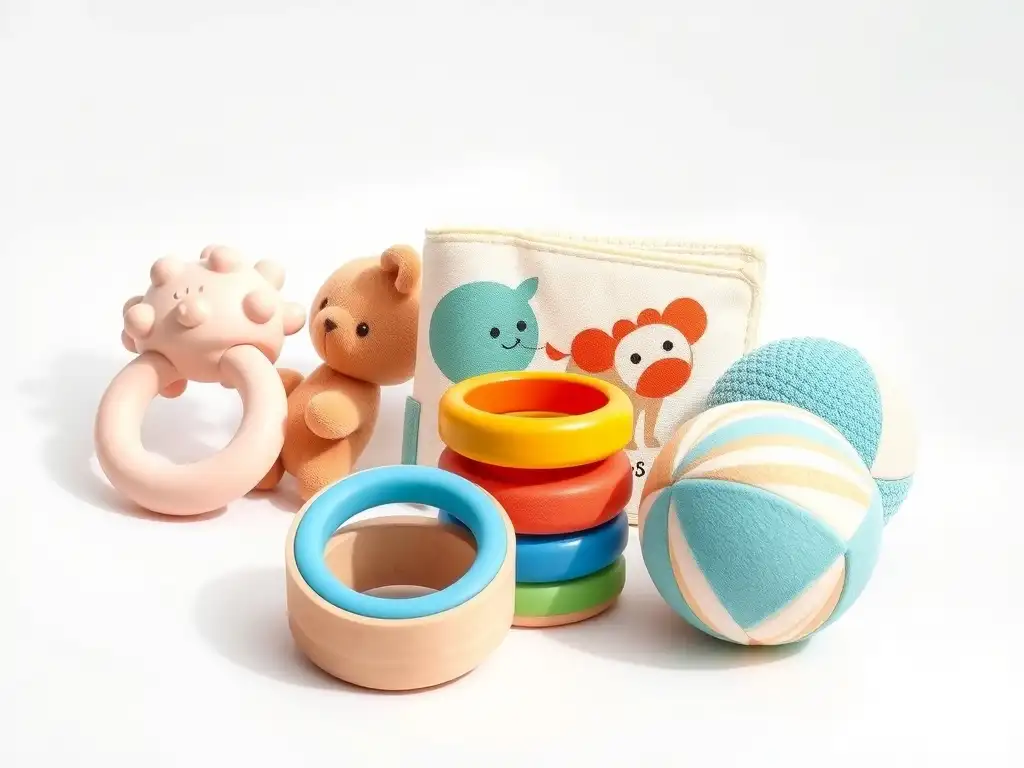
This section focuses on selecting the best baby sensory toys, prioritizing safety and aligning choices with your baby's developmental milestones. Choosing the right toys is crucial for fostering healthy development and ensuring your little one's well-being. Remember, the goal is to stimulate curiosity and exploration in a safe and engaging way.
Understanding Safety Standards and Material Selection
Selecting safe baby sensory toys begins with understanding relevant safety standards and material composition. Look for toys that meet or exceed standards set by organizations like the [Specific organization name pending], ensuring they are free from small parts that could pose a choking hazard. This is especially crucial for babies aged 0-12 months.
Pay close attention to the materials used. Opt for toys made from non-toxic, durable materials like:
- High-quality plastics: BPA-free and phthalate-free plastics are essential. Avoid brittle plastics that could easily break and create sharp edges.
- Natural wood: Ensure the wood is untreated and finished with non-toxic paints or stains. Look for smooth surfaces to prevent splinters.
- Soft fabrics: Choose fabrics that are washable, hypoallergenic, and free from potentially harmful chemicals. Check labels for certifications like OEKO-TEX Standard 100.
Avoid toys with:
- Small parts that can easily detach and be swallowed.
- Sharp edges or points.
- Long cords or strings that pose a strangulation risk.
- Strong, irritating smells, which could indicate the presence of harmful chemicals.
Here's a quick reference table summarizing material safety:
| Material | Advantages | Disadvantages | Safety Considerations |
|---|---|---|---|
| BPA-Free Plastic | Durable, easy to clean, colorful | Can scratch easily, may contain other chemicals | Check for certifications and look for smooth surfaces |
| Natural Wood | Sustainable, aesthetically pleasing | Can splinter, requires regular cleaning | Ensure smooth finish and check for certifications |
| Soft Fabrics | Comfortable, soothing | Can be more difficult to clean | Choose washable, hypoallergenic, and certified fabrics |
Remember, regular inspection of toys is vital. Discard any toys that show signs of damage or wear, such as cracks, broken parts, or loose components. This proactive approach helps mitigate potential risks.
Considering Your Baby's Developmental Stage
The best baby sensory toys cater to your baby's developmental stage. A toy suitable for a 3-month-old won't necessarily engage a 9-month-old. Consider these key milestones:
- 0-3 months: Focus on high-contrast patterns, soft textures, and simple sounds. Rattles, textured balls, and soft mobiles are ideal. These toys stimulate their developing vision and hearing.
- 3-6 months: Introduce toys that encourage reaching, grasping, and exploring different textures. Teethers, soft blocks, and crinkle books are excellent options. This stage enhances their fine motor skills.
- 6-12 months: Babies at this age are becoming more mobile and interactive. Stacking toys, push-and-pull toys, and shape sorters are perfect for developing their gross motor skills and problem-solving abilities.
Choosing age-appropriate toys ensures your baby is challenged and engaged, promoting healthy cognitive and physical development. Avoid overwhelming your baby with toys that are too advanced or complex.
Prioritizing Non-Toxic and Durable Toys
Prioritizing non-toxic and durable toys is paramount for your baby's health and safety. "Non-toxic" doesn't just mean avoiding BPA and phthalates; it encompasses a broader range of potentially harmful substances. Look for toys with certifications that verify their safety, such as the aforementioned OEKO-TEX Standard 100. These certifications demonstrate that the toys have been tested and found to be free from harmful chemicals.
Durability is equally important. A well-made toy will withstand your baby's enthusiastic exploration, reducing the risk of breakage and potential hazards. Avoid flimsy toys that might easily break apart, creating small pieces that pose a choking hazard. A durable toy also means it will last longer, providing better value for your investment. Invest in quality over quantity; a few well-chosen, durable toys are better than many cheap, easily breakable ones. Remember, the best baby sensory toys are those that are safe, engaging, and built to last, ensuring a happy and healthy playtime experience for your little one 🧸.
Creating a Stimulating Play Environment for Your Baby
Creating a rich and engaging play environment is crucial for fostering your baby's curiosity and exploration. This doesn't require extravagant purchases; rather, it's about thoughtful arrangement and selection of age-appropriate stimuli. The goal is to provide a space where your little one can safely discover textures, sounds, and sights, all while developing essential cognitive and motor skills. Think of it as designing a mini-sensory playground tailored to their developmental stage.
Setting up a Safe and Engaging Play Area
A safe play area is paramount. This means baby-proofing the space thoroughly, removing any potential hazards like choking hazards (small objects, loose buttons), sharp corners, and dangling cords. The floor should be padded to cushion falls – a soft rug or playmat is ideal. The environment should be brightly lit but not overly stimulating. Consider the following:
- Designated Play Space: Having a dedicated area for playtime helps your baby associate that space with fun and learning. This could be a corner of the living room or a playpen.
- Visual Stimulation: Hang mobiles with contrasting colors and patterns at a distance your baby can easily see. Brightly colored toys and textured fabrics can also be incorporated. Avoid overwhelming the space with too many visual stimuli.
- Auditory Stimulation: Introduce age-appropriate sounds through musical toys, rattles, or even nature sounds. Remember to keep the volume low to avoid startling your baby.
- Tactile Exploration: Offer a variety of textures for your baby to touch and explore. This could include soft blankets, crinkly fabrics, textured balls, or wooden blocks with smooth surfaces.
Incorporating Sensory Play into Daily Routines
Integrating sensory play into your baby's daily routine doesn't require significant effort. It's about making playtime a natural extension of everyday activities. Simple actions can be transformed into enriching sensory experiences. For example:
- Bath Time: Make bath time more engaging by using textured washcloths, floating toys, and singing songs. The water itself provides a unique sensory experience.
- Mealtimes: Offer a variety of textures and colors in your baby's food (always age-appropriate and safe). Allow them to explore the food with their hands (under supervision, of course).
- Tummy Time: Place your baby on their tummy on a soft surface with interesting toys within reach. This encourages them to lift their head and explore their surroundings. This is a great opportunity to use textured playmats or blankets.
- Story Time: Use colorful books with different textures and sounds. Engage your baby by pointing out pictures and making animal sounds.
Remember to always supervise your baby during playtime and adjust the activities based on their age and developmental stage. Observe their reactions and interests to gauge what they enjoy the most.
The Importance of Parent-Child Interaction During Play
Parent-child interaction is vital for a baby's development. It's not just about providing toys; it's about engaging with your baby during playtime. This interaction fosters a strong bond and helps your baby learn and grow. Consider these points:
- Active Participation: Don't just place toys in front of your baby and leave them. Engage with them, making sounds, showing them how to use the toys, and responding to their actions.
- Positive Reinforcement: Praise and encourage your baby's exploration and discoveries. A positive and supportive environment encourages curiosity and learning.
- Following Your Baby's Lead: Observe your baby's interests and follow their lead during playtime. If they are fascinated by a particular toy or activity, let them explore it further. This shows respect for their individuality and preferences.
- Turn-Taking and Imitation: Engage in turn-taking games, such as rolling a ball back and forth, or imitating their sounds and actions. This helps develop social skills and communication abilities. This also helps them understand cause and effect.
By creating a stimulating environment and actively participating in playtime, you'll be providing your baby with the best possible foundation for their cognitive, social, and emotional development. Remember, the "best baby sensory toys" are those that encourage interaction and exploration, fostering a love of learning from a young age. 🧸
Beyond Toys: Fostering Curiosity Through Everyday Activities

While commercially available sensory toys are fantastic tools, remember that fostering a curious mind extends far beyond the toy box! Everyday objects can become incredible tools for sensory exploration and development. The key is to present these items in a safe and engaging way, always supervising your little one. This section will explore simple, yet effective, ways to nurture your baby's natural inquisitiveness using items you likely already have at home.
We'll focus on maximizing the learning potential of everyday objects, offering a cost-effective and readily available alternative to always buying new toys. This approach also helps reduce the overwhelming influx of "stuff" often associated with new parenthood. Remember, the best baby sensory toys are often the simplest ones.
Exploring Textures Through Different Fabrics
Introducing your baby to a variety of textures is a crucial aspect of sensory development. This doesn't require specialized toys; instead, utilize everyday fabrics. Think about the diverse textures already present in your home:
- Soft: Flannel blankets, cotton t-shirts, plush toys (always check for safety and remove any small parts).
- Rough: A textured towel, a piece of burlap (ensure it's securely fastened and free of loose threads), denim.
- Smooth: Silk scarves (ensure they are securely fastened and large enough to prevent choking hazards), satin sheets.
- Silky: A smooth, soft piece of satin or a silk ribbon (again, always supervise to prevent any choking hazard).
Let your baby explore these textures by gently touching them, feeling them against their skin, or even placing them in their mouth (under close supervision, of course!). Observe their reactions – do they seem to prefer certain textures? Do they show more interest in exploring rougher textures compared to smoother ones? These observations can provide valuable insights into their sensory preferences and help you tailor future sensory play activities. This simple activity provides invaluable sensory stimulation and helps develop their tactile discrimination skills. Remember to rotate the fabrics regularly to keep the experience fresh and engaging.
Sensory Bins for Tactile Exploration
Sensory bins offer a fantastic opportunity for tactile exploration and discovery. These aren't expensive; a simple plastic container or even a sturdy cardboard box will do. Fill the bin with a variety of safe and age-appropriate materials:
- Dry Sensory Bins: Rice, beans, pasta (uncooked, of course! ), cotton balls, dried leaves (ensure they are clean and free of pesticides), small pom-poms.
- Wet Sensory Bins: Cooked pasta (cooled! ), water beads (ensure they are non-toxic and age-appropriate), smooth stones (washed thoroughly).
Remember to always supervise your baby during sensory bin play. The goal is to allow them to explore the different textures, sounds, and even smells associated with each material. You can introduce scoops, cups, or small safe utensils to enhance their fine motor skills.
The possibilities are endless, and you can easily adapt the contents of the sensory bin based on your baby's interests and developmental stage. This fun and interactive activity is a fantastic way to engage your baby's senses and enhance their cognitive development. Observe how your baby interacts with different materials – their exploration patterns can reveal a lot about their sensory preferences and developmental progress.
Making Music Together: Singing and Dancing
Music is a powerful tool for sensory stimulation and emotional development. Engage your baby in musical activities through singing, dancing, and playing simple instruments. You don't need expensive musical toys; your voice and body are the best instruments!
- Singing: Sing lullabies, nursery rhymes, or even make up your own songs. The rhythm and melody stimulate your baby's auditory senses and help develop their language skills. Babies are naturally drawn to the human voice, and singing creates a warm and bonding experience.
- Dancing: Dance with your baby, holding them gently and moving to the rhythm of the music. This is a fantastic way to encourage gross motor skills and promote physical development.
- Simple Instruments: Use household items as makeshift instruments – pots and pans, wooden spoons, or even shakers made from recycled containers filled with rice or beans. These provide auditory stimulation and encourage exploration of sound and rhythm.
These activities are not only fun but also crucial for your baby's overall development. Music promotes cognitive development, emotional regulation, and social interaction. The joy of shared musical experiences strengthens the bond between parent and child, creating positive memories that last a lifetime. Observe how your baby reacts to different rhythms and melodies; their responses can help you better understand their musical preferences and tailor future musical activities accordingly. Remember, the most important "instrument" is your love and engagement.
Signs Your Baby is Engaged and Learning Through Play
Choosing the best baby sensory toys is crucial for their development, but how do you know if they're actually benefiting from playtime? Recognizing engagement is key to maximizing the learning potential of your chosen toys. Babies communicate their engagement in various ways, often subtly. Understanding these cues ensures you're providing stimulating and appropriate play experiences.
Observing Your Baby's Reactions and Responses
A key indicator of engagement is your baby's active participation. This goes beyond simply looking at a toy. Look for these signs:
- Focused attention: Does your baby stare intently at the toy, tracking its movement with their eyes? A sustained period of focused attention, even for a few minutes, suggests engagement. For example, if your baby consistently follows a mobile's rotating elements, it indicates they are processing visual stimuli and finding it interesting.
- Vocalizations and sounds: Does your baby babble, gurgle, or coo while interacting with the toy? These sounds show active cognitive processing and emotional engagement. A happy squeal upon touching a textured toy is a clear sign of positive engagement.
- Physical interaction: Does your baby reach, grab, bat, or manipulate the toy? This shows they're actively exploring its properties, testing textures, and developing their motor skills. If they repeatedly shake a rattle, it demonstrates an understanding of cause and effect.
- Facial expressions: Observe your baby's facial expressions. A relaxed, content expression suggests enjoyment, while furrowed brows or a tense face might indicate frustration or disinterest. A wide, happy grin while playing with a particular toy is a definite sign of pleasure and engagement.
Remember, each baby is unique. Some babies might be more overtly expressive than others. Consistent observation is crucial to understand your baby's individual preferences and responses.
Recognizing Milestones in Sensory Development
Using the best baby sensory toys helps your baby achieve developmental milestones. These milestones are age-related, and observing them helps you tailor playtime to their current capabilities.
| Age Range | Sensory Milestone | Example with Sensory Toy |
|---|---|---|
| 0-3 Months | Responds to contrasting colors and patterns | High-contrast black and white cards or a mobile with bold patterns. |
| 3-6 Months | Reaches for and grasps objects; explores textures | Soft textured toys, rattles with different textures. |
| 6-9 Months | Develops object permanence; enjoys cause-and-effect | Toys that make sounds when manipulated; stacking cups. |
| 9-12 Months | Begins to understand simple actions; explores shapes and sizes | Shape sorters, nesting toys. |
Tracking these milestones alongside your observations of your baby's reactions will give you a comprehensive understanding of their development and how effectively the toys are stimulating their senses. Remember, these are just guidelines; some babies might reach milestones earlier or later than average.
When to Seek Professional Guidance
While most babies thrive with age-appropriate sensory play, it's important to be aware of situations where professional help might be beneficial.
- Lack of engagement: If your baby consistently shows disinterest in toys or avoids interacting with them despite your efforts, it's worth discussing this with your pediatrician or a child development specialist.
- Delayed milestones: If your baby isn't meeting expected developmental milestones, professional guidance can help identify potential underlying issues and provide appropriate interventions.
- Unusual reactions: If your baby displays unusual reactions to stimuli, such as excessive sensitivity or avoidance, seek professional advice to ensure they are not experiencing sensory processing difficulties. For example, extreme distress or overstimulation from normally engaging toys should be examined.
Early intervention is key to addressing any potential developmental concerns. Don't hesitate to seek professional guidance if you have any worries about your baby's development or their responses to sensory stimulation. Remember, a proactive approach ensures your baby receives the support they need to thrive.
Frequently Asked Questions
What are the best types of sensory toys for newborns?
Newborns respond well to toys with high contrast patterns, soft textures, and gentle sounds. Think black and white mobiles, crinkly fabrics, and soft rattles.
How can sensory toys help my baby's development?
Sensory toys stimulate a baby's cognitive, physical, and emotional development. They help improve fine motor skills, hand-eye coordination, and problem-solving abilities.
At what age should I introduce sensory toys?
You can start introducing simple sensory toys from birth. As your baby grows, you can introduce more complex and stimulating toys to match their developing abilities.
What are some examples of "best baby sensory toys" I can find at BabyCareHub?
BabyCareHub offers a wide range, from textured teethers and brightly colored rattles to soft activity gyms and musical toys. Check out our curated collection!
Are all sensory toys safe for babies?
Always choose toys that meet safety standards and are age-appropriate. Avoid toys with small parts that could be choking hazards, and supervise your baby during playtime.
Final Reflection: Nurturing Curiosity: The Seeds of a Lifetime of Learning
The toys we choose for our babies are not just fleeting sources of amusement; they are the foundational building blocks of their cognitive development. These seemingly simple objects hold the power to shape a child's understanding of the world, fostering a lifelong love of learning and exploration. The right sensory toys can ignite a spark of curiosity that will burn brightly throughout their lives.
The impact of early childhood experiences on brain development is undeniable, and the role of sensory play in this process is profound. We've explored a range of toys designed to stimulate a baby's senses, encouraging them to touch, taste, see, hear, and smell their way to understanding. This isn't just about entertainment; it's about building crucial neural pathways that underpin future learning. As Maria Montessori wisely stated, Play is the work of the child.
It's through play, particularly with thoughtfully chosen sensory toys, that babies learn, grow, and develop their unique personalities.
Consider the power you hold in your hands as a parent or caregiver. You have the opportunity to shape your child's future by providing them with enriching sensory experiences. Take a moment to reflect on the toys you've chosen, and ask yourself: Are they truly stimulating your baby's curiosity? Are they encouraging exploration and discovery? If not, use this article as a guide to curate a collection of toys that will nurture your child's innate desire to learn and grow, setting them on a path of lifelong intellectual adventure.
Unleash Your Baby's Inner Explorer!
Thank you for exploring our selection of enriching toys! We hope you've discovered valuable ways to nurture your baby's natural curiosity. Now, let's put that knowledge into practice.
- Choose a stimulating toy: Select a toy that presents a new challenge, focusing on a skill you'd like to encourage. This will help your little one learn and grow.
- Share your favorite discovery: Tell us (and other parents!) about a toy that captivated your baby's imagination in the comments below. Let's build a supportive community of playful parents!
- Engage in sensory play: Even a simple activity, such as filling a bowl with different textured materials like rice, pasta, or beans, can greatly stimulate your baby's senses. Experiment to find what works best for your child!
What exciting discoveries await your baby today?