
Stroller Safety 101: Keeping Your Little One Secure on the Go

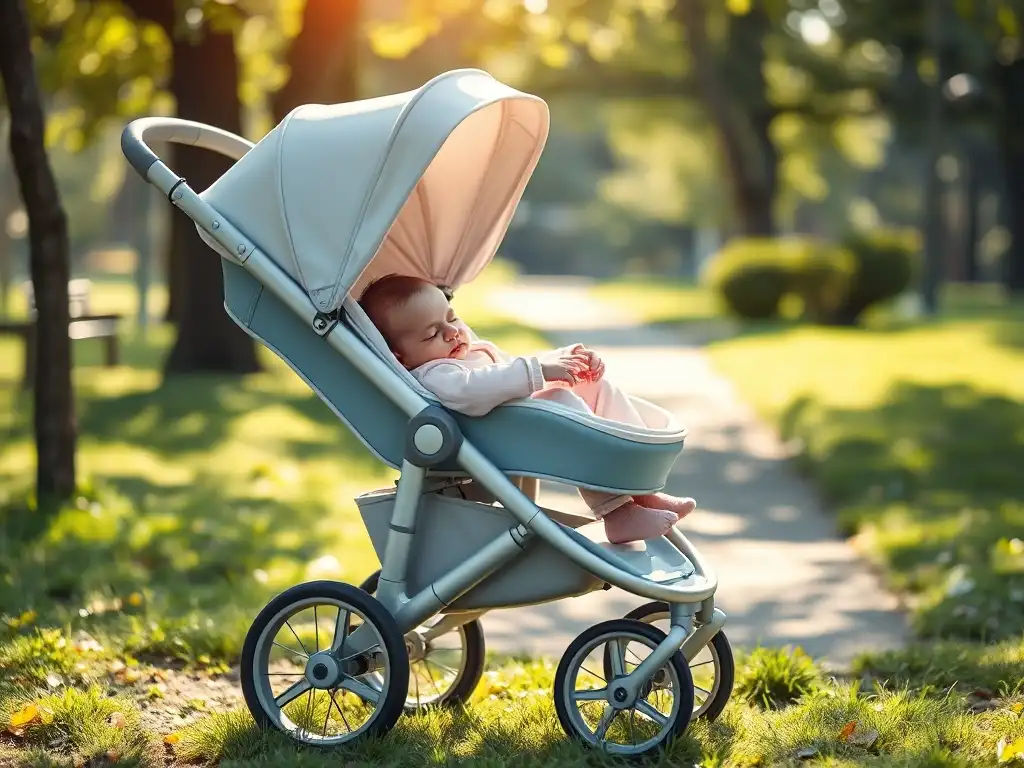
Welcome to BabyCareHub, your ultimate guide to navigating the incredible journey of parenthood! We understand that becoming a first-time parent can feel overwhelming, which is why we've created this comprehensive resource packed with expert advice. Are you ready to learn the crucial secrets to safe stroller use for newborns? Discover essential tips and tricks to ensure your little one's safety and comfort every time you step out, starting with our in-depth article on "Stroller Safety 101: Keeping Your Little One Secure on the Go." Let's embark on this adventure together!
- Choosing the Right Stroller for Newborn Safety
- Safe Stroller Use for Newborns: A Step-by-Step Guide
- Preventing Stroller Accidents: Tips and Precautions
- Maintaining Your Stroller for Optimal Safety
- Resources and Further Information on Safe Stroller Use for Newborns
- Frequently Asked Questions
- Final Reflection: A Legacy of Safe Journeys Begins with You
- Unlock Your Stroller's Full Safety Potential!
Choosing the Right Stroller for Newborn Safety
Navigating the world of baby gear can feel overwhelming, especially for first-time parents. Among the many essential items, the stroller stands out as a crucial piece of equipment for ensuring your baby's safety and comfort during outings. This guide focuses specifically on safe stroller use for newborns, offering a comprehensive overview of factors to consider when choosing and using a stroller to keep your little one secure. Selecting the right stroller is paramount to your baby's well-being, impacting everything from comfort and convenience to their overall safety. We'll explore key aspects of stroller selection, focusing on features designed to prioritize safety and provide peace of mind for parents. From understanding weight limits to identifying essential safety features, this guide will empower you to make informed decisions about stroller safety, ensuring your newborn enjoys safe and comfortable journeys. Let's delve into the specifics to ensure your baby's safety on every adventure!
Selecting a Stroller Appropriate for Your Child's Age and Size
Choosing a stroller that's suitable for your newborn's age and size is the first step towards safe stroller use. Newborns have unique needs, and not all strollers are created equal. Many strollers are designed for older infants and toddlers, lacking the crucial support and features necessary for a newborn's delicate body.
Look for strollers specifically marketed as "newborn-ready" or those that include a bassinet or infant car seat attachment. These options provide the necessary support for your baby's head, neck, and spine, which are still developing. Consider the stroller's recline capabilities; a fully-reclining seat is essential for newborns, allowing them to lie flat and maintain a safe, comfortable posture.
Avoid strollers with limited recline angles, as these can be uncomfortable and potentially harmful for your little one. Remember to always check the manufacturer's instructions for recommended age and weight limits. Using a stroller outside of these guidelines could compromise your baby's safety.
Understanding Stroller Weight Limits and Capacity
Beyond the age suitability, understanding the stroller's weight limits and capacity is crucial for safe stroller use. Strollers have weight limits for both the child and any additional items you might carry in the basket or attached to the stroller. Exceeding these limits can lead to instability, potentially causing the stroller to tip over.
Always check the manufacturer's specifications for the maximum weight your baby should weigh before using the stroller. Similarly, pay close attention to the total weight capacity of the stroller's storage basket. Overloading the basket can shift the center of gravity, making the stroller more prone to tipping, especially on uneven surfaces.
Remember that even lightweight items can add up, so it's best to err on the side of caution. Regularly check the stroller's condition for any signs of wear and tear that might affect its stability and weight-bearing capacity. A damaged or worn stroller compromises its safety and should be replaced immediately.
Essential Safety Features to Look for in a Newborn Stroller
Several safety features are paramount when choosing a stroller for a newborn. These features significantly impact your baby's safety and should be carefully considered. A five-point harness is crucial; it secures your baby in the stroller, minimizing the risk of falls or slippage. Ensure the harness is properly adjusted and snugly fits your baby, preventing any movement.
Look for a stroller with large, lockable wheels that provide stability on different terrains. Lockable front wheels are especially important for preventing unexpected turns and maintaining control, particularly on uneven surfaces. A suspension system can significantly improve the ride's smoothness, reducing bumps and jolts that could affect your baby's comfort and safety. Lastly, consider features like a sunshade or canopy for protection from harmful UV rays and a rain cover for inclement weather.
These features contribute to a safer and more enjoyable experience for you and your little one. Remember, prioritizing safety is paramount when selecting and using a stroller for your newborn. Investing in a high-quality, safety-focused stroller is an investment in your baby's well-being.
Harness Systems: Proper Adjustment and Secure Fit for Newborns
A properly adjusted harness is paramount for safe stroller use for newborns. Newborns, due to their lack of head and neck control, are especially vulnerable to injury in a stroller accident. The harness should be snug enough to prevent your baby from slipping out, but not so tight as to restrict breathing or circulation.
Look for a five-point harness system—two at the shoulders, two at the hips, and one between the legs—for optimal safety. This configuration distributes the forces of impact more evenly in the event of a sudden stop or accident. Avoid harnesses with only three or four points, as they offer less security.
When adjusting the harness, ensure the straps lie flat against your baby's body, without twisting or bunching. The shoulder straps should sit at or slightly above your baby's shoulders, and the buckle should lie flat against their chest. You should be able to fit only two fingers comfortably between the harness straps and your baby's body. Regularly check the harness for wear and tear; replace it immediately if you notice any fraying or damage. Remember, a slightly loose harness can compromise safety significantly, potentially leading to your baby falling out.
Always prioritize a snug and secure fit. Consider using newborn inserts designed to provide additional support and a more secure fit for smaller infants. These inserts often feature adjustable straps of their own, providing an extra layer of security. Always refer to the stroller manufacturer’s instructions for proper harness adjustment and usage.
Brakes and Locking Mechanisms: Ensuring Stroller Stability
Stroller brakes and locking mechanisms are crucial safety features, especially when you have a newborn. These mechanisms prevent unintended movement, safeguarding your little one from potential falls or injuries. Regularly inspect and test the brakes before each use. Ensure they engage firmly and hold the stroller securely in place on various terrains – from smooth pavements to slightly uneven surfaces.
A malfunctioning brake could lead to a dangerous situation, potentially causing the stroller to roll unexpectedly. Different strollers use different types of braking systems; some have a foot-operated brake, while others have a hand-operated brake. Familiarize yourself with your stroller's specific braking mechanism and how to engage and disengage it effectively.
Furthermore, many strollers incorporate locking mechanisms on the wheels. These mechanisms are usually located near the wheels themselves and prevent the stroller from moving unexpectedly, especially on inclines. Before using the stroller on an incline, ensure these locking mechanisms are engaged. Similarly, if you're stopping on uneven ground, double-check the brakes and locking mechanisms to ensure maximum stability. Regular maintenance of these mechanisms is essential.
Check for any signs of wear and tear, such as loose parts or rust. If you notice any issues, contact the manufacturer or a qualified repair technician immediately. Never compromise on the safety of your newborn by neglecting these vital safety features. A proactive approach to maintaining your stroller's brakes and locking mechanisms will contribute significantly to safe stroller use for newborns and provide you with peace of mind.
Safe Stroller Use for Newborns: A Step-by-Step Guide
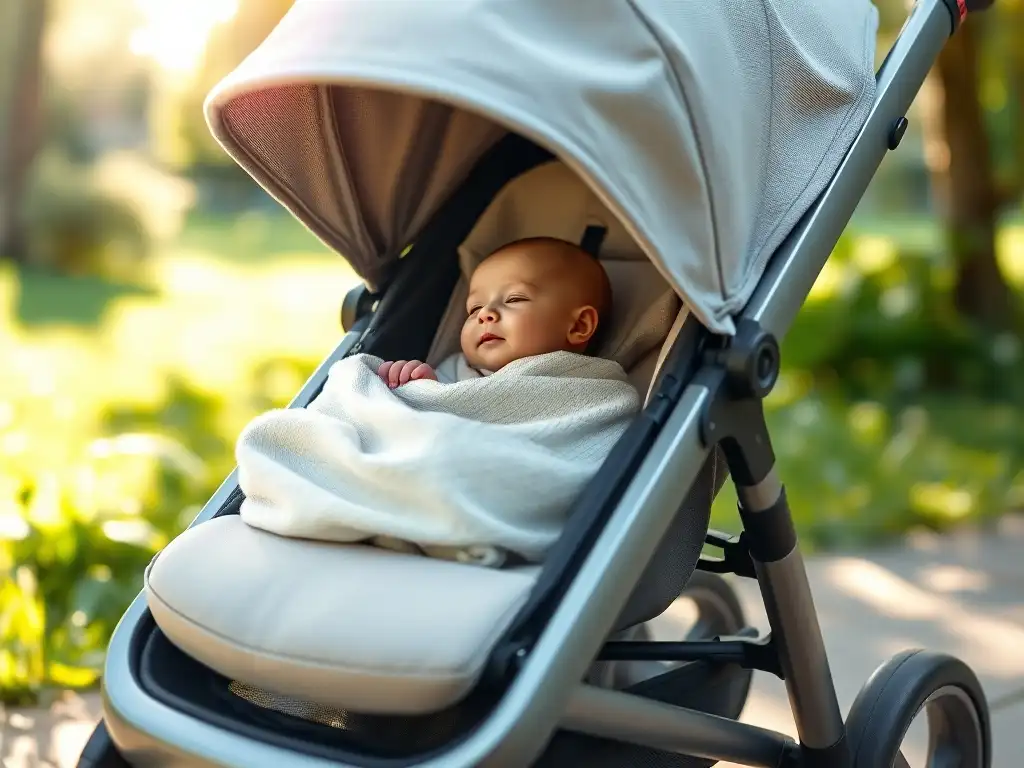
This section focuses on ensuring safe stroller use for newborns, providing practical, step-by-step guidance for first-time parents. We'll cover preparation, securing your baby, and navigating various terrains. Remember, a safe stroller is crucial for your newborn's well-being and peace of mind. Safe stroller use for newborns is paramount for their safety and comfort.
Preparing Your Stroller for Safe Newborn Transport
Before your little one even thinks about a joyride, proper stroller preparation is key. This isn't just about unfolding the stroller; it's about ensuring a secure and comfortable environment. Begin by carefully inspecting the stroller for any damage – loose screws, worn fabrics, or broken parts. A thorough check before each use is recommended. Newborn-specific features, such as a bassinet attachment or a newborn insert, should be correctly installed and securely fastened. Following the manufacturer's instructions precisely is non-negotiable.
Consider the following checklist:
- [x] Inspect all parts: Check for any signs of wear and tear, loose screws, or broken components.
- [x] Clean the stroller: Wipe down all surfaces with a mild disinfectant, especially if it's been stored for a while.
- [x] Install newborn insert (if applicable): Ensure it's snug and properly secured according to the manufacturer’s instructions. This provides extra support for your baby's delicate body.
- [x] Attach bassinet (if applicable): Securely fasten the bassinet to the stroller frame, double-checking all latches and clips.
- [x] Test all brakes and locking mechanisms: Make sure they engage and disengage smoothly and reliably.
- [x] Check the wheels: Ensure they rotate freely and are properly inflated (if applicable).
Failure to properly prepare the stroller can lead to accidents. Always prioritize safety. Regular maintenance and timely repairs are essential for safe stroller use for newborns.
Securing Your Newborn in the Stroller: A Detailed Guide
Properly securing your newborn in the stroller is crucial for preventing accidents and ensuring their safety. Never assume the straps are sufficient; always double-check. For newborns, using a bassinet or a newborn insert is highly recommended. This adds crucial extra support and cushioning for their fragile spines and heads.
Here's a step-by-step guide:
- Lay your baby down: Gently place your newborn in the bassinet or stroller seat.
- Fasten the straps: Adjust the harness straps so they fit snugly but not too tightly. You should be able to fit two fingers comfortably between the straps and your baby's body.
- Check for proper positioning: Your baby should be lying flat with their head well-supported. The straps should be positioned at the shoulders and the buckle should be securely fastened at their waist.
- Adjust the recline: Newborns should always be in a fully reclined position to support their spine and prevent them from slumping.
- Use a newborn insert: This provides additional support and cushioning for their head and neck.
- Cover your baby: Use a blanket or cover to keep your baby warm and protected from the elements. Ensure the cover doesn't obstruct their breathing.
Remember, a properly secured baby is a safe baby. Always double-check the straps before each use. It's better to be safe than sorry. Neglecting these steps can compromise your newborn's safety significantly.
Navigating different terrains with a newborn requires extra care and attention. Avoid uneven or rough surfaces whenever possible. If you must go over bumps or uneven ground, slow down considerably and proceed cautiously. Always keep a firm grip on the stroller handle.
Consider the following:
| Terrain Type | Safety Precautions |
|---|---|
| Smooth, paved surfaces | Ideal for strollers; maintain a steady pace. |
| Grassy areas | Proceed slowly and carefully; avoid steep inclines or uneven patches. |
| Gravel paths | Use extreme caution; consider an alternative route if possible. |
| Cobblestone streets | Avoid if possible; the vibrations can be jarring for your newborn. |
| Stairs | Never attempt to navigate stairs with your newborn in the stroller; carry your baby instead. |
Remember, your newborn's safety is paramount. Choose routes that minimize risks and always prioritize a smooth and stable ride. Safe stroller use for newborns involves careful consideration of the environment. Choosing appropriate routes significantly reduces the risk of accidents and ensures a safe and comfortable ride for your little one. 👶
Avoiding Common Stroller Hazards for Newborns
Newborns are especially vulnerable, making safe stroller use paramount. Several common hazards can be easily avoided with careful attention. One significant danger is uneven terrain. Avoid using your stroller on rough, bumpy surfaces like gravel paths or unpaved trails, especially with a newborn. The jarring motion can be unsettling and potentially harmful to their delicate spine and neck. Opt for smooth, even surfaces like sidewalks or paved walkways.
Additionally, be mindful of inclines and declines. Steep hills can cause the stroller to tip, potentially injuring your baby. Always choose gentler slopes and, if necessary, carry your baby up or down particularly steep inclines. Another prevalent hazard is leaving the stroller unattended. Never leave your baby unattended in a stroller, even for a short period. A quick trip inside a store or a momentary distraction can lead to accidents.
Always keep a watchful eye on your little one. Finally, remember to always secure your baby with the harness. A properly fastened harness is crucial for preventing falls and ensuring your baby remains safely secured in the stroller. Never rely on just the safety bar; the harness is the primary safety feature. Regularly check the harness straps to ensure they are snug and properly adjusted.
Proper Stroller Storage and Maintenance for Safety
Safe stroller use extends beyond just everyday outings; proper storage and maintenance are critical for long-term safety. Storing your stroller correctly prevents accidental damage and ensures it remains in optimal condition. When not in use, store your stroller in a dry, clean, and protected area, away from direct sunlight and extreme temperatures. Direct sunlight can fade fabrics and potentially damage the stroller's structure over time. Extreme temperatures, both hot and cold, can also affect the stroller's components, potentially weakening them.
Regularly inspect your stroller for any signs of wear and tear, such as frayed straps, loose bolts, or damaged wheels. Address any issues promptly, either by tightening loose parts or contacting the manufacturer for repairs or replacements. Ignoring these issues can compromise the stroller's structural integrity, increasing the risk of accidents. Remember to clean your stroller regularly, especially the fabric parts. Accumulated dirt and grime can create a breeding ground for bacteria and allergens, potentially affecting your baby's health.
Use a mild detergent and water to clean the fabric, allowing it to air dry completely before use. Furthermore, familiarize yourself with your stroller’s manufacturer's instructions and recommendations for maintenance and storage. These instructions often contain valuable safety information specific to your model. Following these guidelines diligently is an essential part of ensuring safe and responsible stroller use for your newborn.
Preventing Stroller Accidents: Tips and Precautions
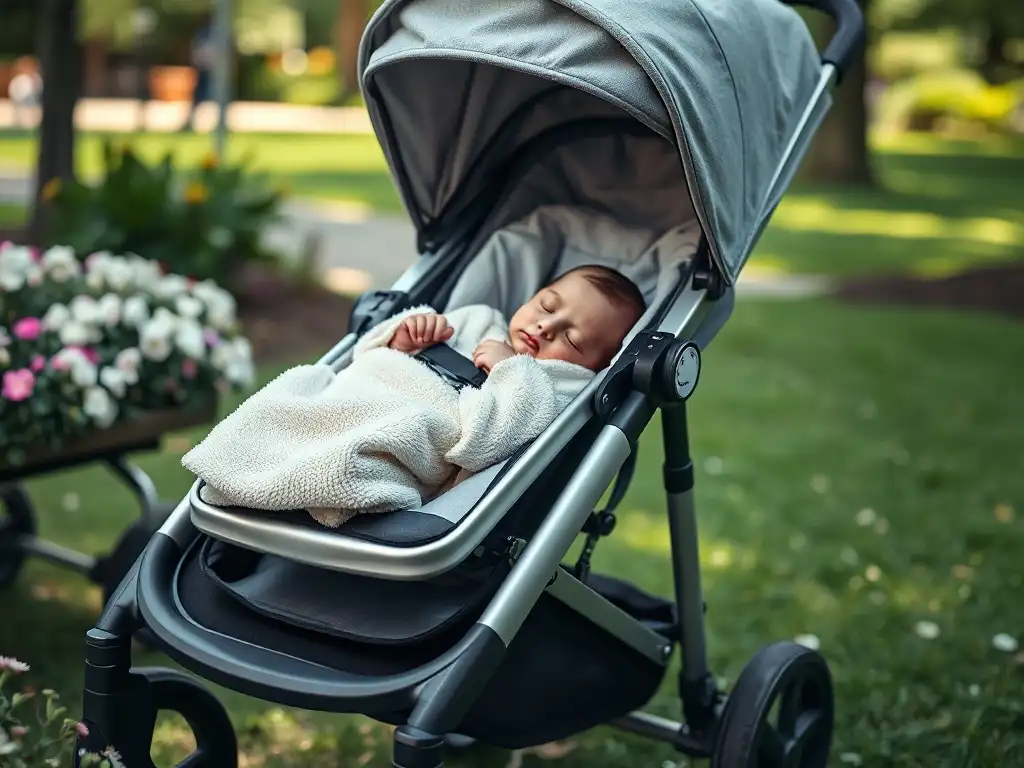
This section focuses on proactive measures to minimize the risk of stroller accidents for newborns and infants. Safe stroller use is paramount for your baby's well-being, and these tips will help you navigate various situations confidently. Remember, even with the best safety practices, accidents can happen, so constant vigilance is key. Prioritizing safe stroller use for newborns and infants should be a top priority for all parents.
Safe Stroller Use on Public Transportation
Navigating public transportation with a stroller requires extra caution. Crowded buses and trains present unique challenges. Here's how to mitigate risks:
- Foldable Strollers: Consider a stroller that folds easily and compactly to maneuver through tight spaces and onto public transport. This is especially crucial during peak hours.
- Secure Stroller Placement: Always secure your stroller firmly in designated areas on buses or trains. Avoid placing it in walkways or areas where it might obstruct others.
- Awareness of Surroundings: Be hyper-aware of your surroundings, watching for sudden movements or obstacles. Keep a firm grip on the stroller at all times.
- Consider a Carrier: For particularly crowded situations, consider using a baby carrier for easier navigation and closer proximity to your little one.
- Peak Hour Avoidance: If possible, plan your trips to avoid peak travel times when public transport is most crowded. This reduces the risk of accidents considerably.
Many stroller-related injuries are preventable with careful attention to detail. Here are some common scenarios and how to avoid them:
- Tip-Overs: Never overload the stroller beyond its weight limit. Ensure the stroller is properly balanced and avoid sudden movements. Always use the brakes when stationary. The risk of tip-overs is particularly high on uneven surfaces, so choose your routes carefully.
- Finger/Toe Injuries: Be extremely cautious when folding or unfolding the stroller. Keep fingers and toes clear of moving parts. Teach older siblings to do the same.
- Strapping Issues: Always ensure your baby is securely strapped into the stroller using appropriate harnesses. Double-check the straps before every use. Loose straps can lead to falls.
- Sun Exposure: Protect your baby from harmful UV rays by using a stroller canopy or sunshade. Remember that even on cloudy days, the sun's rays can be strong. Consider using a UPF 50+ rated sunshade for optimal protection.
- Suffocation: Never leave your baby unattended in the stroller, even for a short period. Always ensure adequate ventilation within the stroller.
Essential Safety Checks Before Each Stroller Use
Before each journey, perform a thorough safety check to ensure your baby's safety. This routine check should become second nature.
- Wheels and Brakes: Check that all wheels are securely attached and that the brakes are functioning correctly. Wheels that are loose or brakes that fail can lead to accidents.
- Straps and Buckles: Inspect all straps and buckles for wear and tear. Replace any damaged parts immediately. Ensure the straps are adjusted correctly to provide a snug and secure fit.
- Canopy and Accessories: Make sure the canopy and any other accessories are securely attached and not obstructing the baby's breathing or vision.
- Frame and Joints: Examine the stroller's frame and joints for any signs of damage or weakness. A damaged frame can compromise the stroller's structural integrity.
- Overall Condition: Conduct a visual inspection of the entire stroller for any signs of damage or wear. If you notice anything unusual, do not use the stroller until it has been repaired or replaced. Prioritizing safe stroller use for newborns is crucial.
This detailed checklist helps ensure that safe stroller use for newborns is maintained consistently, minimizing the risk of accidents and injuries. Remember that proactive safety measures are the best way to protect your precious little one.
Emergency Preparedness and First Aid for Stroller Accidents
Accidents can happen, even with the safest stroller and most vigilant parenting. Being prepared is key to minimizing the impact of any stroller-related mishap. Always carry a well-stocked first-aid kit specifically designed for infants. This kit should include antiseptic wipes, bandages of various sizes, gauze pads, antibiotic ointment, pain relievers appropriate for infants (always consult your pediatrician before administering any medication), and tweezers for removing splinters or small objects. Consider including a thermometer for checking your baby's temperature.
Beyond the basic first-aid supplies, familiarize yourself with basic infant first aid techniques. Knowing how to handle minor cuts, scrapes, and burns can make a significant difference in a stressful situation. Consider taking a certified infant first-aid and CPR course. Many community centers and hospitals offer these classes, providing valuable hands-on training. Knowing how to react calmly and effectively in an emergency can significantly reduce the anxiety for both you and your baby.
Remember to keep emergency contact numbers readily accessible, either on your phone or in a separate waterproof pouch within your diaper bag. This includes your pediatrician's office, poison control, and local emergency services. Knowing these numbers and having them readily available will save precious time in an emergency. Practicing your emergency plan, including how to quickly contact help and transport your child, can prove invaluable in the event of an unexpected accident. Regularly review your first-aid kit to ensure all supplies are stocked and not expired.
Safe stroller use for newborns is paramount, but certain health concerns can arise. One common concern is overheating. Newborns have difficulty regulating their body temperature, making them particularly vulnerable to heatstroke. Always ensure adequate ventilation in the stroller, using a breathable fabric liner and avoiding direct sunlight. Regularly check your baby's temperature and dress them appropriately for the weather. Signs of overheating include excessive sweating, flushed skin, rapid breathing, and lethargy. If you notice any of these signs, move your baby to a cool place immediately and seek medical attention if necessary.
Another potential concern is positional plagiocephaly, or flat head syndrome. Prolonged pressure on the back of the baby's head can lead to flattening. To mitigate this risk, vary your baby's position in the stroller, ensuring they don't spend extended periods facing the same direction. Tummy time, when appropriate and supervised, can also help prevent this condition. Regularly check your baby's head shape and consult your pediatrician if you have any concerns. Using a stroller with adjustable positions and features that encourage head support can minimize this risk.
Finally, consider the potential for sun exposure. Newborn skin is extremely delicate and susceptible to sunburn. Always use a stroller with a sunshade or canopy to provide adequate protection from harmful UV rays. Apply a baby-safe sunscreen with a high SPF to any exposed skin, remembering to reapply frequently, especially after periods of sweating or swimming. Protecting your baby from the sun's harmful rays is crucial for their long-term health. Remember that even on cloudy days, UV rays can still penetrate and cause damage.
Maintaining Your Stroller for Optimal Safety
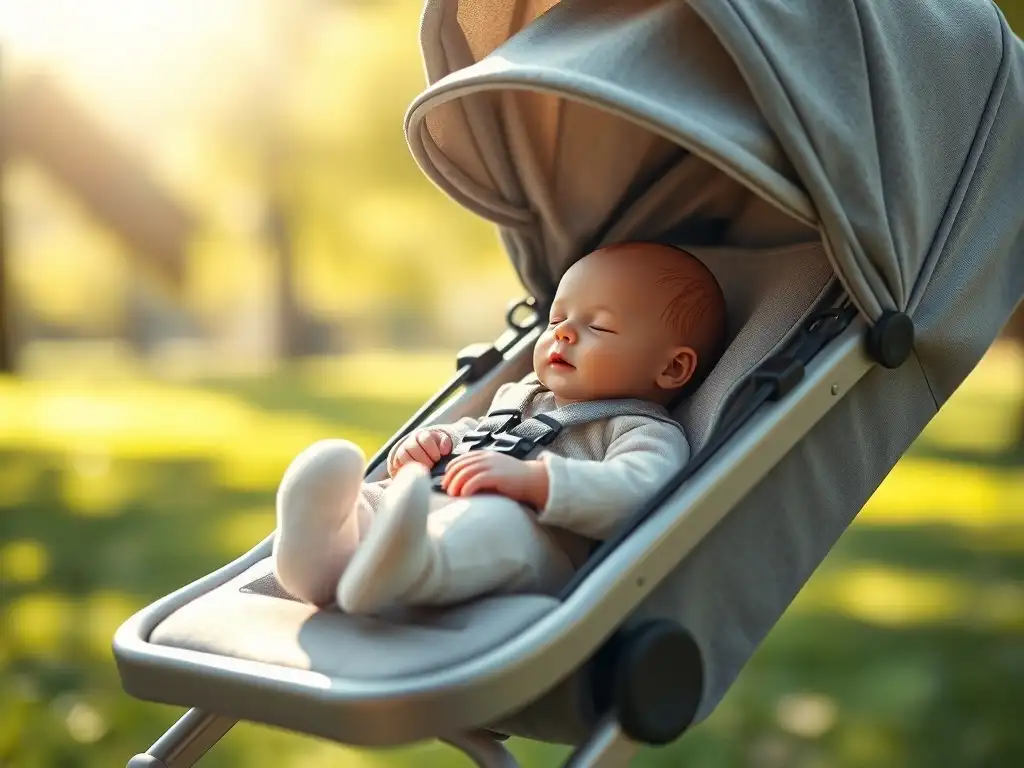
Safe stroller use for newborns and beyond requires more than just selecting the right model. Maintaining your stroller in top condition is crucial for ensuring your little one's safety and comfort. Neglecting regular maintenance can lead to malfunctions, increasing the risk of accidents. This section details essential maintenance practices to keep your stroller safe and reliable.
Regular Stroller Inspections for Wear and Tear
Regular inspections are the cornerstone of safe stroller use. Aim to inspect your stroller at least once a month, or more frequently if used daily. Pay close attention to these key areas:
- Wheels: Check for cracks, excessive wear, or looseness. Wobbly wheels can compromise stability, especially on uneven terrain. Look for any signs of damage to the wheel bearings as well. A squeaky wheel might indicate a need for lubrication or replacement.
- Brakes: Test the brakes thoroughly before each use. Ensure they engage firmly and release smoothly. Faulty brakes are a significant safety hazard, especially on inclines. Listen for any unusual noises when engaging or disengaging the brakes – these could signal a problem.
- Frame: Inspect the stroller frame for any bends, cracks, or rust. Pay particular attention to the joints and connecting points, as these are vulnerable to stress and wear. Any signs of structural damage necessitate immediate attention and potentially replacement.
- Straps and Buckles: Check all straps (harness, canopy straps, etc.) for fraying, tears, or loose stitching. Ensure buckles fasten securely and release easily. Worn or damaged straps significantly reduce your child's security and should be replaced without delay.
- Fabric: Inspect the fabric for tears, rips, or stains. While minor stains might be aesthetically displeasing, larger tears could compromise the fabric's integrity, potentially leading to injury. Check the stitching around seams for any weakness.
Remember, proactive maintenance is key to safe stroller use for newborns and children of all ages. A small issue ignored can quickly escalate into a serious safety concern.
Cleaning and Disinfecting Your Stroller Regularly
Maintaining hygiene is paramount, especially for safe stroller use for newborns whose immune systems are still developing. Regular cleaning and disinfecting will eliminate germs and bacteria, protecting your child from illness.
- Frequency: Aim to clean your stroller weekly, or more often if exposed to spills or dirt. Thorough disinfection should be performed at least monthly, or after any illness.
- Cleaning: Use a mild soap and water solution to wipe down all surfaces of the stroller. Avoid harsh chemicals that could damage the fabric or frame. Pay particular attention to frequently touched areas like the handlebar and tray.
- Disinfection: After cleaning, use a disinfectant solution (following product instructions carefully) to kill germs and bacteria. Focus on the harness, seat, and tray areas. Allow the stroller to air dry completely before use. Consider using a disinfectant wipe specifically designed for baby products for easier application.
- Fabric Cleaning: For fabric components, check the manufacturer's instructions. Some fabrics may be machine washable, while others require spot cleaning. Always allow the fabric to dry completely before reassembling the stroller.
Regular cleaning is more than just maintaining aesthetics; it's a crucial aspect of safe stroller use for newborns and older children, creating a healthier environment for your child.
Replacing Worn-Out Parts for Enhanced Safety
Ignoring worn-out parts can compromise your stroller's safety. Replacing these components is crucial for maintaining optimal performance and protecting your child.
- Parts to Replace: This includes worn-out wheels, damaged brakes, frayed straps, torn fabric, and any components showing signs of significant wear and tear. Don't attempt to repair damaged parts yourself unless you possess the necessary expertise. Improper repairs can compromise safety.
- Manufacturer's Parts: Always prioritize using replacement parts directly from the stroller manufacturer or authorized retailers. Using generic parts can affect the stroller's functionality and safety.
- Professional Help: If you're unsure about any aspect of stroller repair or replacement, consult a professional. Many stroller retailers offer maintenance and repair services.
Prioritizing the replacement of worn-out parts is a vital step in ensuring safe stroller use for newborns and children of all ages. It's an investment in your child's safety and well-being. Remember that a well-maintained stroller is a safer stroller.
Understanding Stroller Recall Information
Staying informed about stroller recalls is crucial for safe stroller use with newborns and beyond. Manufacturers sometimes issue recalls due to design flaws or safety hazards that could potentially harm your child. These hazards can range from easily correctable issues, such as a minor defect in the locking mechanism, to more serious problems like structural weaknesses that might lead to a collapse. Regularly checking for recalls is a proactive step in ensuring your child's safety.
Several avenues exist for checking on potential recalls. The Consumer Product Safety Commission (CPSC) website is an excellent resource, providing detailed information about recalled products, including strollers. You can search by brand name, model number, or even a description of the stroller.
The CPSC website often includes photos and detailed descriptions of the recalled strollers, making identification straightforward. Additionally, many stroller manufacturers maintain their own recall notification systems, often accessible via their website's customer service section. Signing up for email alerts from the manufacturer can ensure you receive immediate notification should a recall affect your specific stroller model.
Finally, subscribing to relevant parenting websites and forums can provide early warnings about recalls, supplementing official announcements. Vigilance is key; proactively checking for recalls is a simple yet powerful method of protecting your child. Remember, even if your stroller isn't currently listed as recalled, regular inspection for wear and tear is essential for maintaining its structural integrity.
Storing Your Stroller Properly to Prevent Damage and Accidents
Proper stroller storage is often overlooked, yet it significantly impacts the stroller's longevity and, critically, its safety. Improper storage can lead to damage that compromises the stroller's structural integrity, potentially creating hazards for your child. For instance, leaving a stroller exposed to the elements—extreme heat, cold, or prolonged rain—can weaken its materials, causing components to become brittle and prone to failure. Similarly, storing a stroller in a cramped space can cause damage to its wheels, frame, or fabric, potentially leading to unexpected malfunctions during use.
To ensure your stroller remains safe and functional, prioritize careful storage. When not in use, store your stroller in a cool, dry place, away from direct sunlight and extreme temperatures. A garage or storage closet is ideal, provided it’s clean and dry. If space is limited, consider folding the stroller correctly according to the manufacturer's instructions.
Avoid stacking heavy items on top of a folded stroller, as this can warp its frame or damage internal components. Before storing it for extended periods, clean the stroller thoroughly, removing any dirt, debris, or grime that could attract pests or cause mildew. Regularly inspect your stroller for signs of wear and tear before each use, paying close attention to the wheels, brakes, and locking mechanisms.
Addressing minor issues promptly prevents them from escalating into major safety concerns. By prioritizing proper storage and regular maintenance, you can significantly extend the life of your stroller and ensure its continued safe use for your child. Remember that a well-maintained stroller is a safer stroller, especially when using it for your newborn.
Resources and Further Information on Safe Stroller Use for Newborns
This section provides valuable resources to further enhance your understanding of safe stroller practices for newborns, supplementing the information presented earlier. Safe stroller use for newborns is paramount, and continuous learning is key to ensuring your little one's well-being. We'll explore reputable organizations and websites, as well as suggest additional reading materials.
Recommended Organizations and Websites for Stroller Safety
Several organizations dedicate themselves to child safety, including stroller safety. These resources offer comprehensive guides, safety alerts, and up-to-date information on best practices. Consulting these resources regularly can help you stay informed about potential hazards and emerging safety standards. Remember, even seemingly minor details can significantly impact your baby's safety.
For example, the [Specific Organization Name Pending] provides detailed reports on stroller recalls and safety testing results. Their website offers a searchable database allowing you to check the safety record of specific stroller models. Similarly, [Another Organization Name Pending], a consumer advocacy group, regularly publishes articles and reports on child product safety, including strollers. They frequently highlight common mistakes parents make and offer practical tips for avoiding accidents.
It's crucial to check the safety ratings and certifications of any stroller you are considering. Look for certifications from organizations such as [Certification Organization Name Pending], which indicate that the stroller has met stringent safety standards. These certifications provide an independent assessment of the product's safety features and construction.
Staying informed about recalls is also essential. Many organizations maintain databases of recalled strollers and other baby products. Regularly checking these databases can help you identify potential hazards with your existing stroller or avoid purchasing a recalled model. Proactive vigilance is a key component of safe stroller use for newborns. Checking these websites regularly can help ensure that you are always using the safest practices.
Additional Reading on Infant Car Seat Safety and Stroller Use
Safe stroller use for newborns is inextricably linked to infant car seat safety. Many parents utilize stroller systems that integrate with infant car seats, creating a seamless transition between car travel and stroller use. Understanding the proper installation and use of an infant car seat is crucial for ensuring the safety of your baby during both car travel and stroller use.
The correct installation of an infant car seat in your vehicle is paramount. Incorrect installation can significantly increase the risk of injury in an accident. Consult your car seat's instruction manual carefully and consider seeking professional installation assistance if needed. Several organizations offer car seat installation checks, ensuring that your car seat is installed correctly and securely.
Furthermore, understanding the weight and height limitations of both your infant car seat and stroller is vital. Exceeding these limits can compromise safety and stability. Always refer to the manufacturer's instructions for both products to ensure they are used correctly and within their designated weight and height parameters. This careful attention to detail is critical for safe stroller use for newborns and beyond.
Consider seeking out books and articles specifically focused on infant and toddler safety. These resources often delve deeper into specific safety concerns and offer practical tips for navigating the challenges of keeping your little one safe. Remember, continuous learning and vigilance are your best allies in ensuring safe stroller use for newborns and throughout your child's development. Safe stroller use for newborns requires diligence and attention to detail. Never underestimate the importance of following manufacturer's instructions and staying informed about the latest safety guidelines.
Frequently Asked Questions
What is the safest stroller for a newborn?
The safest stroller for a newborn is one that is designed for infants from birth, features a fully-reclined seat, and offers excellent head and neck support. Always check the manufacturer's weight and height recommendations.
How do I ensure my newborn is safely secured in the stroller?
Always use the stroller's harness system correctly, making sure the straps are snug and properly adjusted. Never leave your baby unattended in the stroller, even for a short time. Regularly check the harness and stroller for any damage.
What are some common stroller safety hazards to avoid?
Avoid using strollers on uneven terrain or near traffic. Be cautious of stairs and inclines. Always ensure that the stroller is properly locked and the brakes are engaged when stationary.
At what age can I start using a stroller with my newborn?
You can start using a stroller with your newborn from birth, provided the stroller is designed for infants and has a fully reclining seat that supports their head and neck. Always refer to the manufacturer's instructions.
What should I do if my stroller malfunctions?
If your stroller malfunctions, stop using it immediately. Contact the manufacturer for repairs or replacement. Never attempt to repair the stroller yourself unless you are qualified to do so. Your baby's safety is paramount.
Final Reflection: A Legacy of Safe Journeys Begins with You
The safety of our newborns is paramount, and ensuring their secure transportation is a responsibility we must take seriously. A seemingly simple act like choosing and using a stroller correctly can significantly impact a child's well-being and development, shaping their future journeys in more ways than we might initially realize. The seemingly mundane act of choosing and using a stroller correctly is far from trivial; it's a foundational step in ensuring a child's safety and well-being.
The impact of safe stroller practices extends far beyond the immediate. It's about fostering a culture of preventative care and mindful parenting, shaping how we approach risk assessment and protective measures in all aspects of our children's lives. The best safety device is a careful parent,
a wise adage reminds us, and this rings especially true when considering the vulnerability of our newborns. This extends beyond just the stroller itself; it encompasses diligent maintenance, awareness of surroundings, and a constant vigilance for potential hazards.
Consider the legacy you are building for your child, and for future generations of parents. Take the time to learn the intricacies of safe stroller use, to understand the potential dangers, and to implement the preventative measures outlined in this guide. You are not just securing your child in a stroller; you are investing in their future, one safe journey at a time. Make informed choices, prioritize safety, and embrace the responsibility of ensuring your little one's secure and happy travels.
Unlock Your Stroller's Full Safety Potential!
Thank you for learning about stroller safety! You've gained valuable knowledge to protect your child. Ready to put this knowledge into practice?
- Prioritize a safety checklist: Before each stroll, quickly check the brakes and harness. This simple routine will become second nature and significantly reduce risks.
- Share your knowledge: Discuss stroller safety with other parents online or in parenting groups. Let's create a safer environment for all children!
- Explore your stroller's features: Review your stroller's manual—you might discover safety features you've overlooked!
What will you do today to improve your stroller's safety and your peace of mind?