
Newborn Clothing MustHaves: What You Really Need (and What You Don't)

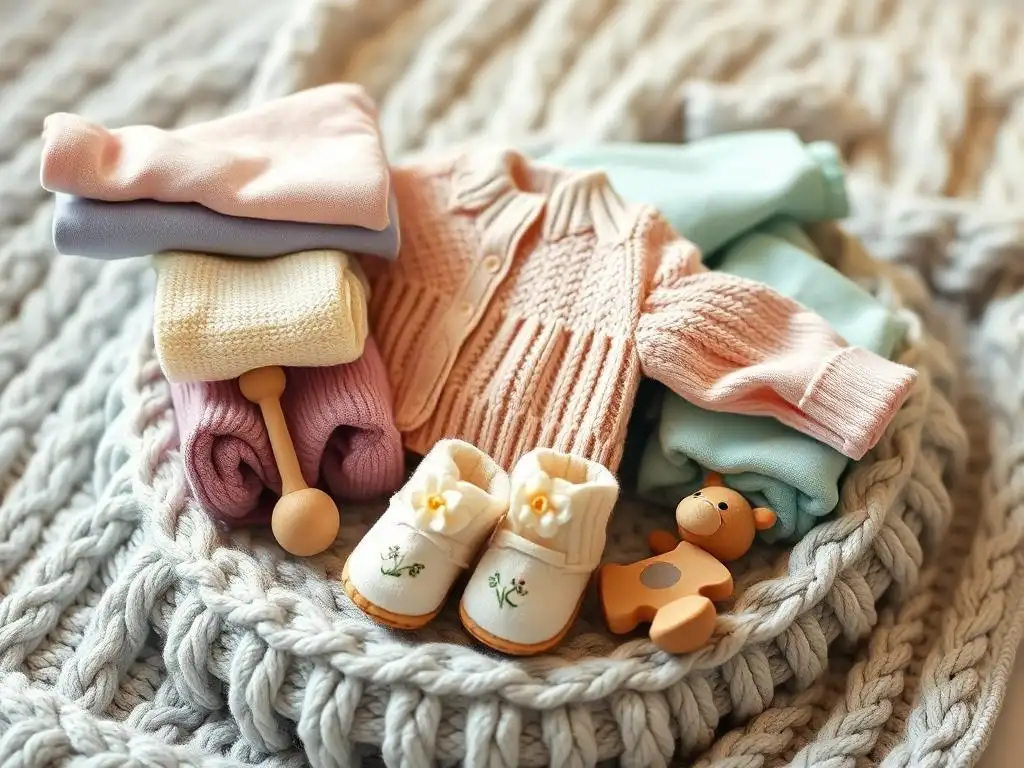
Welcome to BabyCareHub, your ultimate guide to navigating the incredible journey of parenthood! Are you overwhelmed by the sheer volume of baby products on the market? We understand. That's why we've created this comprehensive resource, packed with expert advice and practical tips. Discover the must-have items on your newborn shopping list, starting with our essential guide on newborn baby clothing essentials. Learn what you really need to clothe your little one comfortably and safely, and avoid unnecessary purchases. Let's embark on this exciting adventure together!
-
Essential Newborn Baby Clothing: A Practical Guide
- Onesies: The Foundation of Your Newborn's Wardrobe
- Sleepers and Sleep Sacks: Safe and Cozy Sleepwear for Newborns
- Baby Pants and Leggings: Comfortable and Versatile Options
- Sweaters and Cardigans: Layering for Temperature Regulation
- Hats and Mittens: Protecting Delicate Skin
- Socks and Booties: Keeping Tiny Toes Warm
- Newborn Clothing: Items You Can Skip
- Choosing the Right Fabrics for Your Newborn's Clothes
- Organizing Your Newborn's Clothing: Tips and Tricks
- Building a Capsule Wardrobe for Your Newborn
- Budget-Friendly Newborn Clothing Shopping
- Frequently Asked Questions
- Final Reflection: Beyond the Onesies: A Legacy of Love in Tiny Garments
- Unwrap the Joy: Prepare for Your Little One's Arrival!
Essential Newborn Baby Clothing: A Practical Guide
Navigating the world of newborn baby clothing can feel overwhelming for first-time parents. The sheer volume of adorable outfits available can easily distract from the essentials. This comprehensive guide focuses on the must-have newborn clothing items, separating the truly necessary from the superfluous, helping you create a practical and functional wardrobe for your little one. We’ll explore the key pieces you need to keep your baby comfortable, safe, and stylish, all while addressing the common question: what constitutes essential newborn baby clothing? This guide will help you confidently build a wardrobe that prioritizes both practicality and your baby's well-being, saving you time, money, and stress during those precious first few months. We'll cover the absolute necessities, ensuring you're well-prepared for the joys (and challenges!) of parenthood. Remember, less is often more when it comes to your newborn's wardrobe. Focusing on quality over quantity will prove invaluable in the long run.
Onesies: The Foundation of Your Newborn's Wardrobe
Onesies, also known as bodysuits or rompers, are the undisputed champions of newborn clothing. Their simple, practical design makes them incredibly versatile and a true cornerstone of your baby's wardrobe. Why are they so essential?
- Easy Dressing: The snap closures at the bottom make diaper changes a breeze, saving you precious time and effort, especially during those frequent nighttime feedings.
- Stay-Put Design: The snug fit prevents the garment from riding up, keeping your baby comfortably covered, even during active playtime.
- Layering Potential: Onesies provide a perfect base layer under other clothing items, making them ideal for adjusting to fluctuating temperatures.
- Variety of Materials: Onesies are available in a wide range of fabrics, from soft cotton for everyday wear to warmer materials like fleece for colder months. Consider having a mix of short and long-sleeved options.
Consider investing in at least 5-7 onesies to start. Look for ones made from 100% cotton for breathability and softness against your baby's delicate skin. Different necklines (envelope neck, or standard) are available, but the ease of dressing should be a primary factor in your selection. Remember to choose sizes appropriate for your baby's weight and length, as newborns grow remarkably fast!
Sleepers and Sleep Sacks: Safe and Cozy Sleepwear for Newborns
Safe sleep is paramount for your newborn, and choosing the right sleepwear plays a crucial role. Sleepers and sleep sacks offer a secure and comfortable alternative to loose blankets, which pose a suffocation risk.
- Sleepers (or Pajamas): These are footed pajamas designed specifically for sleep. Look for zippered or snap closures for easy access during diaper changes. Opt for lightweight cotton sleepers for warmer months and slightly heavier options for colder weather. Having 3-4 sleepers will provide sufficient variety.
- Sleep Sacks: These wearable blankets provide warmth and security without the risk of loose blankets covering your baby's face. Sleep sacks are available in various weights to suit different temperatures. A couple of sleep sacks in different weights are highly recommended for a well-rounded sleep setup.
Choosing between sleepers and sleep sacks often comes down to personal preference. However, both options prioritize safety and comfort, ensuring your baby sleeps soundly and securely throughout the night. Always follow safe sleep guidelines and consult your pediatrician for advice tailored to your baby's needs.
Baby Pants and Leggings: Comfortable and Versatile Options
While not as crucial as onesies and sleepers, pants and leggings offer additional comfort and versatility to your baby's wardrobe. They are particularly useful for layering or for those days when your little one is a bit more active.
- Soft Materials: Opt for soft, stretchy materials like cotton or cotton blends that allow for comfortable movement.
- Easy Dressing: Look for elastic waistbands for easy on and off.
- Layering: Pants and leggings can be worn over onesies for added warmth or under dresses and skirts for a complete outfit.
Having 2-3 pairs of pants or leggings will be sufficient for most needs, especially in the early months. Remember, prioritize comfort and ease of dressing over elaborate designs. Your baby's comfort should always be the top priority when choosing clothing.
Sweaters and Cardigans: Layering for Temperature Regulation
Newborn babies are notoriously bad at regulating their body temperature. Overdressing can lead to overheating and discomfort, while underdressing can result in chills and illness. This is where the importance of layering comes in, and sweaters and cardigans are key players in this strategy. Opt for soft, breathable fabrics like cotton or merino wool.
Avoid anything too bulky or restrictive, as this can hinder your baby's movement and comfort. Remember, you can always add or remove layers depending on the environment and your baby's activity level. A lightweight cardigan is perfect for those slightly cooler days or evenings, easily added over a onesie or bodysuit. Sweaters, slightly thicker than cardigans, provide extra warmth in colder weather but should still allow for flexibility.
Consider the weight and material carefully – a chunky knit might look adorable, but it might be too warm for your little one. Always check your baby's skin temperature regularly to ensure they are comfortable and not overheating. Look for subtle signs like flushed skin or excessive sweating, which indicate the need to remove a layer.
Hats and Mittens: Protecting Delicate Skin
A newborn's head and hands lose a significant amount of body heat, making hats and mittens essential items, particularly during colder months or in air-conditioned environments. Hats protect the head from cold drafts and the sun's rays, while mittens safeguard those tiny hands from scratching their face (a common occurrence) and prevent heat loss. Choose soft, natural materials like cotton or wool for maximum comfort and minimal irritation on your baby's sensitive skin.
Avoid hats that are too tight or too loose, as both can be uncomfortable. Mittens should be snug enough to stay on but not so tight that they restrict blood flow. For warmer weather, consider lightweight cotton hats, while for colder temperatures, opt for warmer wool or fleece options.
Remember, always supervise your baby closely when they are wearing mittens, especially during tummy time, to ensure they aren't accidentally scratching their face or eyes. Consider using scratch mittens to protect delicate skin and prevent accidental scratches. Always prioritize breathable materials to avoid overheating.
Socks and Booties: Keeping Tiny Toes Warm
Tiny toes are easily chilled, and keeping them warm is crucial for your baby's overall comfort and well-being. Socks and booties are simple yet effective ways to achieve this. Similar to hats and mittens, choose soft, breathable materials like cotton or wool. Avoid anything with seams or embellishments that might irritate your baby's skin.
The material should be gentle and allow for freedom of movement. Booties are particularly useful for newborns as they help to keep their feet warm and prevent them from getting cold in cribs or carriers. However, always ensure they are not too tight as this can restrict blood circulation. For warmer weather, thin cotton socks are perfect; for colder climates, opt for thicker wool socks or booties lined with fleece.
Always check your baby's feet regularly to ensure they are warm and dry. If you notice that your baby's feet are consistently cold, despite wearing socks or booties, it could indicate a need to adjust the room temperature or add more layers to their clothing. Remember, comfort and warmth are paramount for your little one's health and happiness.
Newborn Clothing: Items You Can Skip
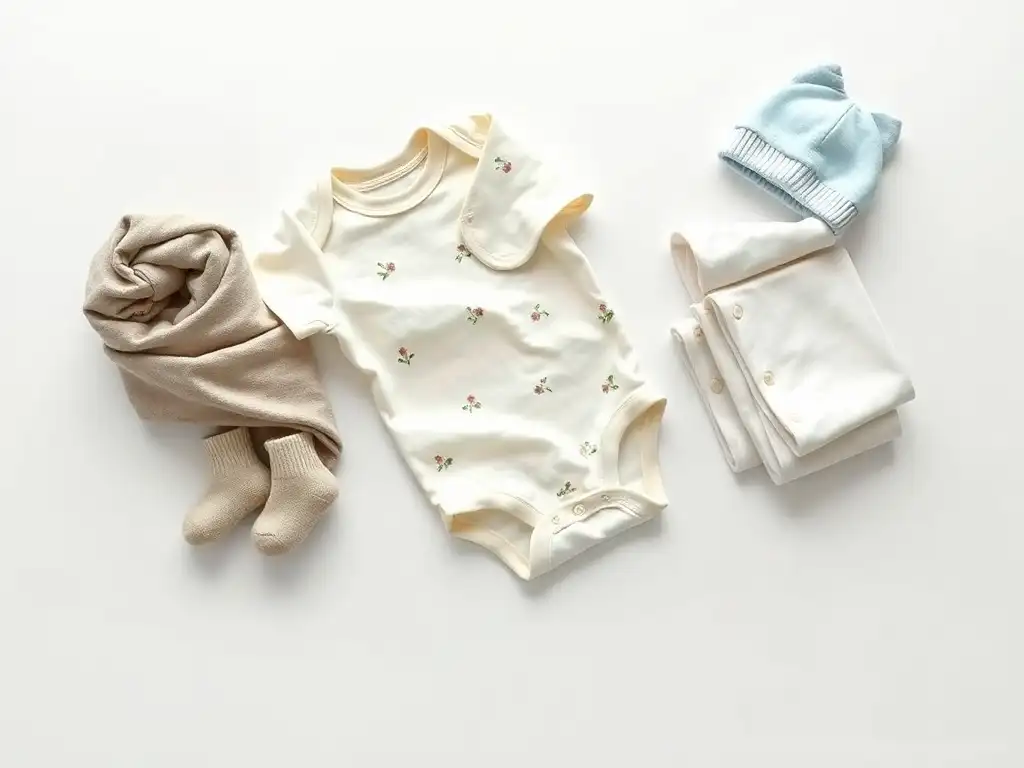
This section focuses on identifying unnecessary newborn clothing items to help you avoid wasteful spending and clutter. We'll highlight common purchases that often prove redundant or impractical for new parents. Remember, prioritizing comfort and practicality is key when building your newborn's wardrobe. Focusing on "newborn baby clothing essentials" will save you money and stress.
Avoid These Unnecessary Purchases: A Smart Shopping List
Many retailers push a plethora of adorable but ultimately useless newborn clothing items. Let's dissect some common culprits:
- Expensive, elaborate outfits: While those tiny, frilly dresses and intricate rompers are undeniably cute, newborns outgrow them incredibly fast. Investing heavily in these items is financially unwise. Focus on practical, easy-to-wear garments instead.
- Specialized sleep sacks with too many features: A simple, well-made swaddle or sleep sack is sufficient. Avoid those with excessive zippers, complicated closures, or unnecessary gadgets. These add complexity and can be a hassle during nighttime changes.
- Lots of newborn-sized clothes: Newborns grow rapidly. Buying an extensive wardrobe in newborn size is likely to result in many unworn items. A smaller, carefully selected collection of newborn essentials, supplemented by a few items in the next size up (0-3 months), is a much more practical approach.
- Matching outfits: While adorable, matching sets are unnecessary. Mixing and matching separates allows for greater flexibility and avoids having to wash entire outfits together if one piece gets soiled.
- Clothes with complicated fasteners: Snaps, zippers, and intricate ties can be difficult to manage with a wriggly newborn. Opt for easy-to-use garments like simple pull-over tops and stretchy pants.
| Item | Reason to Skip | Alternative |
|---|---|---|
| Fancy, elaborate outfits | Rapid growth, unnecessary expense | Simple, comfortable onesies and sleepers |
| Complex sleep sacks | Complicated closures, unnecessary features | Basic swaddle or sleep sack |
| Too many newborn sizes | Rapid growth, leads to wasted clothing | Fewer newborn items, more 0-3 month sizes |
| Matching outfits | Limited versatility, unnecessary washing complexity | Mix-and-match separates |
| Clothes with hard fasteners | Difficult to use with a newborn, potential for injury | Easy pull-on garments |
Remember, functionality trumps fashion in the early days! Focusing on "newborn baby clothing essentials" ensures your baby is comfortable and you're not overwhelmed with unnecessary items.
Fancy Outfits: Prioritizing Comfort over Style
While it's tempting to dress your newborn in adorable outfits, remember that comfort and practicality should always take precedence. Those tiny, frilly dresses and intricate rompers might look cute in photos, but they often lack the functionality needed for daily life. Consider the following:
- Fabric: Soft, breathable materials like cotton are crucial. Avoid anything scratchy or irritating to delicate newborn skin. Look for labels indicating 100% cotton or other hypoallergenic materials.
- Seams: Check for seams that are soft and flat to prevent chafing. Inside-out seams are ideal for sensitive skin.
- Fit: Clothes should be loose-fitting and not restrictive. Avoid anything too tight or constricting, which can impede movement and cause discomfort. This is especially important around the neck and legs.
Prioritize simple, comfortable garments over elaborate outfits. A few well-chosen, practical items will serve you much better than a wardrobe full of impractical, fancy clothes.
Too Many Clothes: The Importance of a Minimalist Approach
A minimalist approach to newborn clothing is not only practical but also beneficial for both you and your baby. Overbuying leads to unnecessary laundry, wasted money, and a cluttered nursery. A smaller, well-curated collection is easier to manage and allows you to focus on other essential aspects of newborn care.
- Capsule wardrobe: Consider creating a capsule wardrobe of essential items that can be easily mixed and matched. This will greatly reduce the number of garments you need.
- Size progression: Purchase a few items in the next size up (0-3 months) to extend the life of your baby's clothing. This will help you avoid constantly having to buy new clothes.
- Hand-me-downs: Don't hesitate to accept hand-me-downs from friends or family. This is a great way to save money and reduce waste. Just make sure to wash them thoroughly before your baby wears them.
A smaller, more manageable collection of "newborn baby clothing essentials" will simplify your life and reduce stress during those early, often chaotic, weeks. Prioritize quality over quantity, and focus on items that are comfortable, practical, and easy to care for.
Expensive Brands: Focusing on Quality over Name
New parents often feel pressured to buy expensive, designer newborn clothing. While the allure of soft, luxurious fabrics is undeniable, it's crucial to remember that newborns grow incredibly fast. That adorable, pricey outfit might only get worn a handful of times before your little one outgrows it. Instead of focusing on designer labels, prioritize quality materials like 100% cotton or soft, breathable blends.
Look for well-constructed seams that can withstand multiple washes—a key factor given the frequent laundry newborn clothes require. Many affordable brands offer excellent quality without the hefty price tag. Consider shopping at stores specializing in baby clothes, or even opting for gently used clothing from reputable sources. You can find amazing deals on high-quality items that will serve your baby's needs without breaking the bank.
Remember, the most important aspect is that the clothing is comfortable, safe, and easy to care for, not that it bears a particular logo. Prioritizing practicality over prestige will save you money and reduce unnecessary wardrobe clutter. Investing in a few quality pieces in neutral colors will give you a greater range of outfit combinations, further maximizing your budget.
Special Occasion Clothes: Practical Alternatives for Events
While those tiny, formal outfits might seem tempting for special occasions like christenings or family photos, consider more practical alternatives. A beautifully embroidered onesie or a simple, yet elegant, outfit in a slightly dressier fabric (like a soft linen blend) can be just as photogenic without the high price tag or the fuss. Remember, newborns are notoriously unpredictable; a fussy baby during a formal event can easily ruin even the most elaborate outfit.
Instead of investing in clothes specifically for infrequent events, opt for versatile pieces that can be dressed up or down. A simple white onesie, for example, can be paired with a stylish cardigan or a pretty headband for a more formal look. This approach not only saves money but also reduces stress during those already potentially hectic events.
Furthermore, focusing on creating a charming and comfortable setting for your baby is far more important than their outfit. Beautiful photos capture moments, not necessarily expensive clothes.
Choosing the Right Fabrics for Your Newborn's Clothes
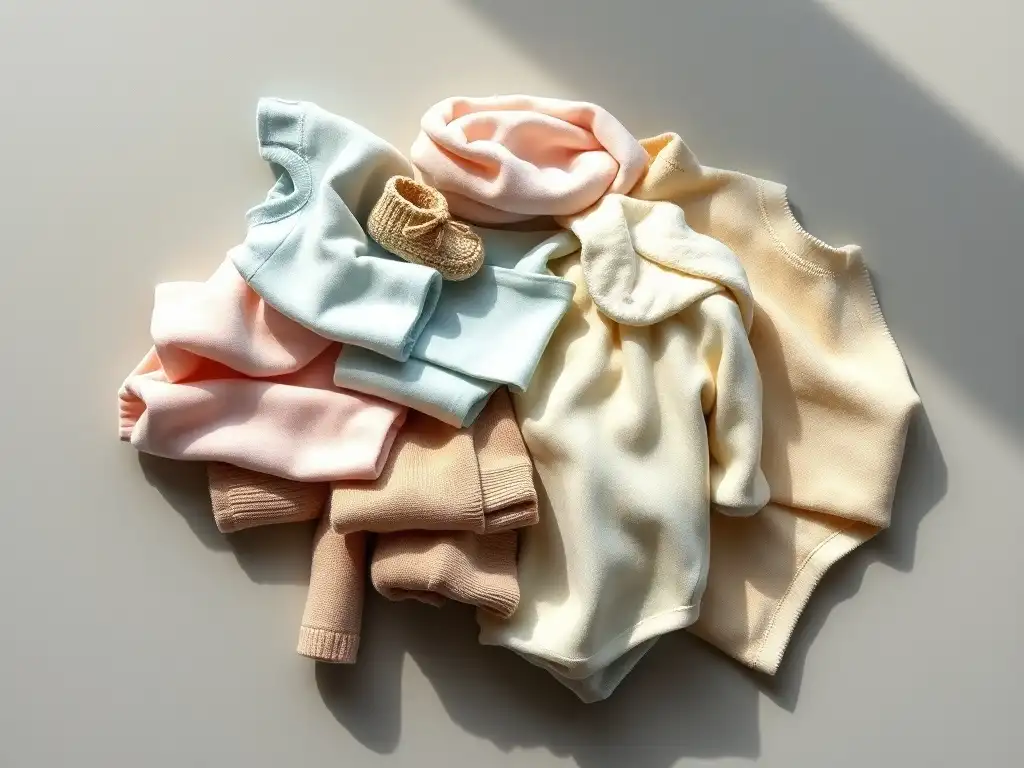
Selecting the right fabrics for your newborn's clothing is crucial for their comfort and health. Newborn skin is incredibly delicate and sensitive, making fabric choice a key aspect of newborn baby clothing essentials. The wrong fabric can lead to irritation, rashes, and discomfort, impacting your little one's sleep and overall well-being. Let's explore the ideal fabric choices for your baby's wardrobe.
Soft and Breathable Fabrics: Prioritizing Natural Materials
Prioritizing natural, breathable fabrics is paramount for your newborn's delicate skin. Synthetics, while often cheaper, can trap heat and moisture, leading to overheating and skin irritation. Natural fibers, on the other hand, allow for better air circulation, keeping your baby comfortable and reducing the risk of rashes.
Consider these excellent choices:
- 100% Cotton: This is the undisputed champion for newborn clothing. It's incredibly soft, absorbent, breathable, and hypoallergenic – making it perfect for even the most sensitive skin. Look for high-quality, tightly woven cotton for longer-lasting garments. Avoid blends containing polyester or other synthetics, especially for items in direct contact with skin.
- Bamboo: A luxurious and sustainable option, bamboo fabric is incredibly soft, breathable, and naturally antibacterial. It's also known for its temperature-regulating properties, keeping your baby cool in summer and warm in winter. However, it's often more expensive than cotton.
- Organic Cotton: For parents prioritizing eco-friendly choices, organic cotton is a great option. It's grown without pesticides and harmful chemicals, making it even gentler on sensitive skin. While slightly pricier, the peace of mind it offers is invaluable.
Choosing natural fibers ensures that your newborn's clothing is gentle, breathable, and promotes healthy skin. Remember to always check the fabric composition label to ensure the garment is made primarily of natural materials. This simple step can significantly improve your baby's comfort and well-being.
Hypoallergenic Options: Avoiding Irritants for Sensitive Skin
Many newborns experience sensitive skin, making fabric choice even more critical. Certain fabrics and dyes can trigger allergic reactions, leading to rashes, eczema, or other skin problems. Opting for hypoallergenic options minimizes these risks and ensures your baby's comfort.
Here's how to navigate hypoallergenic newborn baby clothing essentials:
- Avoid Dyes and Harsh Chemicals: Look for clothing explicitly labeled as "dye-free" or "hypoallergenic." These garments often use natural dyes or are undyed, reducing the risk of allergic reactions. Check care labels carefully; some treatments can irritate sensitive skin.
- Choose Loose-Fitting Clothes: Tight clothing can chafe and irritate delicate skin. Loose-fitting garments allow for better air circulation and reduce friction. This is especially important around areas prone to rashes, such as the diaper area.
- Wash New Clothes Before Wearing: Always wash new baby clothes before your newborn wears them. This removes any residual chemicals or dyes from the manufacturing process. Use a gentle, fragrance-free detergent specifically designed for sensitive skin.
Remember, even hypoallergenic options can cause reactions in some babies. Monitor your baby's skin closely for any signs of irritation. If you notice any redness, rash, or discomfort, discontinue use of the garment immediately and consult your pediatrician.
Easy-Care Fabrics: Simple Laundry for Busy Parents
Newborn life is busy, and laundry is a significant part of it. Choosing easy-care fabrics simplifies this aspect of parenting. Consider these factors when selecting fabrics for your newborn's wardrobe:
- Shrink-Resistant Fabrics: Pre-shrunk fabrics, typically 100% cotton, will maintain their shape and size even after multiple washes. This saves time and prevents clothing from becoming too small too quickly.
- Machine Washable Fabrics: Most newborn clothing should be machine washable for convenience. However, always check the care label and select a gentle cycle with cold water. Avoid harsh detergents and fabric softeners, opting for baby-specific products.
- Quick-Drying Fabrics: Some fabrics, like cotton and bamboo, dry relatively quickly, reducing drying time and overall laundry turnaround. This is especially helpful when dealing with frequent spit-ups or accidents.
| Fabric Type | Advantages | Disadvantages | Easy Care? |
|---|---|---|---|
| 100% Cotton | Soft, breathable, hypoallergenic, affordable | Can wrinkle easily, may shrink slightly | Yes |
| Bamboo | Soft, breathable, antibacterial, temperature regulating | More expensive than cotton | Yes |
| Organic Cotton | Soft, breathable, hypoallergenic, eco-friendly | More expensive than conventional cotton | Yes |
| Synthetic Blends | Often less expensive, wrinkle-resistant | Can trap heat and moisture, less breathable | Somewhat |
By focusing on these easy-care fabrics and washing techniques, you can streamline your laundry routine and spend more time enjoying your precious newborn. Remember, a well-chosen wardrobe can make a significant difference in your daily life as a new parent.
Seasonal Fabrics: Adapting to Changing Weather Conditions
Choosing the right fabric for your newborn's clothing is crucial for their comfort and health, and this is heavily influenced by the season. Newborns have difficulty regulating their body temperature, making the selection of appropriate fabrics even more important. Overheating can lead to discomfort and even health issues, while being too cold can cause shivering and discomfort. Therefore, understanding seasonal fabric needs is paramount for responsible newborn care.
During the warmer months, lightweight and breathable fabrics are essential. Think cotton, linen, and muslin. These natural fibers allow air to circulate, keeping your baby cool and preventing overheating. Cotton is a particularly versatile choice, soft against delicate skin and easily washable. Muslin, with its loose weave, is ideal for swaddles and sleep sacks, providing gentle warmth without trapping heat. Linen, while potentially slightly more expensive, offers excellent breathability and is naturally antimicrobial. Avoid synthetic fabrics like polyester in warmer weather, as these tend to trap heat and moisture, increasing the risk of overheating and rashes.
Conversely, during colder months, warmer fabrics become necessary. Soft fleece, flannel, and wool (especially merino wool for its softness and breathability) are excellent choices. Fleece provides excellent insulation while remaining surprisingly lightweight. Flannel, with its soft brushed texture, offers gentle warmth and comfort. Merino wool is a natural wonder; it's incredibly soft, regulates temperature effectively, and is naturally odor-resistant, making it a practical and luxurious option.
However, always check for potential allergies before introducing wool to your baby's wardrobe. Layering is key during colder months, allowing you to adjust your baby's clothing as needed throughout the day. Remember to avoid dressing your baby in too many layers, as this can restrict movement and still lead to overheating. Always check your baby's skin temperature regularly to ensure they are comfortably warm. A slightly cool touch to the back of the neck is a good indicator of appropriate warmth.
Choosing the right fabric isn't just about comfort; it also impacts the ease of care. Natural fibers like cotton and linen are generally easy to wash and dry, often requiring minimal ironing. However, wool and fleece may need more specialized care, so always check the care labels before washing. The durability of the fabric is also a factor to consider.
Look for fabrics that can withstand multiple washes without losing their shape or softness, as newborns often go through several outfit changes daily! Opting for high-quality, durable fabrics will save you time and money in the long run. Investing in a few key pieces made from durable, high-quality fabrics is more cost-effective than buying many cheaper, less durable items that won't last. Remember that your baby's comfort and safety are paramount, so selecting appropriate fabrics is an important part of responsible parenting.
Organizing Your Newborn's Clothing: Tips and Tricks
Newborn baby clothing essentials can quickly overwhelm even the most organized parent. The sheer volume of tiny garments, coupled with the frequent changes required, necessitates a well-thought-out organizational system. This section focuses on practical strategies to manage your baby's wardrobe efficiently, saving you time and reducing stress. Efficient organization is key to navigating the demands of newborn care, making daily routines smoother and reducing the feeling of being constantly behind.
Creating a Functional Wardrobe System: Smart Storage Solutions
The key to a functional newborn wardrobe lies in smart storage. Avoid sprawling piles of clothes; instead, opt for solutions that maximize space and facilitate easy access. Consider these options:
- Dressers with dividers: Dressers offer ample storage, and using dividers allows you to separate clothing by type (onesies, sleepers, pants) or size. This prevents rummaging and speeds up outfit selection, especially during late-night changes.
- Hanging organizers: These are perfect for delicate items like special occasion outfits or easily wrinkled clothes. Opt for fabric organizers that are gentle on baby's clothes.
- Clear storage bins: These allow you to see the contents at a glance, ideal for storing seasonal clothes or items that aren't used frequently. Label them clearly to avoid confusion. Consider using fabric bins to prevent damage to clothing.
- Shallow drawers: Shallow drawers are perfect for folded clothes, especially for smaller items like socks and mittens. This keeps everything neatly organized and easily accessible.
Remember to keep frequently used items within easy reach and store less-used items further back or higher up. Prioritize ease of access; you'll thank yourself during those 3 AM diaper changes.
Laundry Essentials: Simplifying the Newborn Laundry Routine
Newborns are notorious for their frequent wardrobe changes. To streamline the laundry process, consider these essential elements:
- Dedicated laundry basket: Having a separate basket for baby's clothes keeps them separate from adult laundry, preventing accidental mixing of detergents or damage.
- Gentle detergent: Always use a hypoallergenic, fragrance-free detergent specifically designed for baby's sensitive skin. Harsh chemicals can irritate their delicate skin.
- Mesh laundry bags: These protect delicate items like sleep sacks and swaddles from snagging or damage during washing.
- Drying rack or clothesline: Air-drying is gentler on baby's clothes than using a machine dryer, which can shrink or damage certain fabrics. Air-drying also helps reduce wrinkles.
- Stain remover: Having a dedicated baby stain remover on hand will save you time and effort in tackling those inevitable spills and accidents. We'll delve deeper into stain removal techniques in the next section.
Establishing a consistent laundry routine will help prevent overwhelming laundry piles. Consider washing smaller loads more frequently to avoid large, time-consuming washes.
Stain Removal: Quick Tips for Common Baby Stains
Dealing with stains is an inevitable part of newborn parenthood. Here are some quick and effective tips for removing common baby stains:
- Milk stains: Act fast! Rinse the stained area immediately with cool water and then treat with a baby-safe stain remover.
- Spit-up: Pre-treat with a gentle stain remover and launder as usual. For persistent stains, consider a paste of baking soda and water.
- Poop stains: Rinse thoroughly with cool water before laundering. For stubborn stains, soak the garment in a solution of enzyme-based detergent before washing.
- Formula stains: Similar to milk stains, rinse immediately and pre-treat with stain remover.
Remember to always test any stain remover on an inconspicuous area of the garment first to ensure it doesn't damage the fabric. Always follow the care instructions on the garment label. Using a gentle approach and acting quickly is key to successful stain removal. A well-stocked stain removal arsenal is a crucial part of any newborn baby clothing essentials kit.
Clothing Size Guide: Understanding Newborn and Infant Sizes
Navigating the world of newborn and infant clothing sizes can feel overwhelming for first-time parents. Sizes aren't standardized across brands, leading to potential frustration and ill-fitting clothes. Understanding the general size ranges and how they translate to your baby's age is key to avoiding unnecessary purchases. Remember, babies grow at different rates, so these are just guidelines.
Newborn sizes typically fit babies from birth to around 3 months old, but this is highly variable. Some babies might outgrow newborn sizes within a few weeks, while others may wear them for a longer period. Look for labels indicating weight and height ranges for a better fit. For example, a newborn size might specify a weight range of 5-8 pounds and a height range of 18-22 inches. However, always check the specific brand's size chart, as variations exist.
After newborn sizes, you'll typically move to 0-3 months, followed by 3-6 months, 6-9 months, and so on. These size ranges are also approximate. A baby who is particularly tall or heavy might outgrow a 3-6 month size before reaching 6 months. It's advisable to purchase a mix of sizes, especially initially, to accommodate your baby's growth spurts. Consider buying a few items in the next size up to ensure you always have something that fits.
To further clarify, here's a helpful table summarizing approximate size ranges:
| Size | Approximate Age Range | Approximate Weight Range (lbs) | Approximate Height Range (inches) |
|---|---|---|---|
| Newborn | 0-3 months | 5-8 | 18-22 |
| 0-3 Months | 0-3 months | 8-12 | 22-24 |
| 3-6 Months | 3-6 months | 12-16 | 24-26 |
| 6-9 Months | 6-9 months | 16-20 | 26-28 |
Don't be afraid to try clothes on your baby or check the measurements before washing them. This will help you determine the best fit and avoid unnecessary returns. Remember, comfortable clothing is paramount for your little one's well-being. Prioritize soft, breathable fabrics that allow for easy movement. Following these guidelines will help you navigate the world of newborn clothing sizes with more confidence!
Building a Capsule Wardrobe for Your Newborn
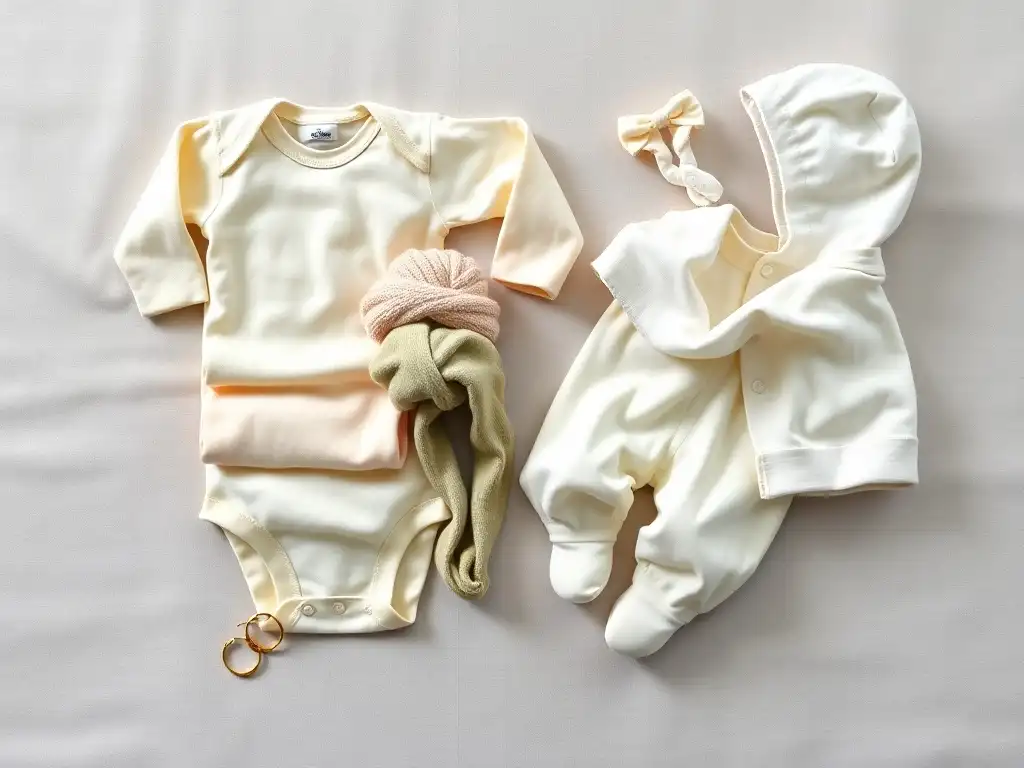
Creating a functional and stylish wardrobe for your newborn doesn't require mountains of clothing. A well-planned capsule wardrobe, focusing on versatile pieces, can significantly simplify your life and reduce laundry overload. The key is to select high-quality, comfortable garments that can be easily mixed and matched. This approach minimizes the need for constant shopping and ensures your baby always has something appropriate to wear. Think quality over quantity when building your newborn baby clothing essentials.
Creating a Versatile Wardrobe: Mixing and Matching Essentials
A successful newborn capsule wardrobe relies heavily on versatile items. Instead of numerous outfits, concentrate on a few core pieces that can be combined in various ways. For example, five to seven bodysuits in neutral colors (white, cream, light grey) form a solid base. These can be paired with different pants or sleepers.
Consider adding a couple of patterned bodysuits for a touch of personality. Similarly, three pairs of comfortable pants (leggings or sleepers) and two or three swaddles provide ample variety. This approach minimizes laundry and maximizes outfit combinations. Remember, newborns spend a lot of time sleeping, so prioritize comfort and ease of dressing.
Here’s a suggested list of newborn baby clothing essentials for a basic capsule wardrobe:
| Item | Quantity | Notes |
|---|---|---|
| Bodysuits | 7-10 | Mix of neutral and one or two patterned ones |
| Sleepers/Pajamas | 3-5 | Opt for zipper or snap closures for easy changes |
| Pants/Leggings | 3-4 | Soft and stretchy materials are best |
| Swaddles | 3-4 | Muslin or cotton are popular choices |
| Hats | 2-3 | To keep baby warm, especially after baths |
| Socks/Booties | 4-6 | Essential for warmth and cuteness |
This core set allows for numerous outfit combinations, reducing the overall number of clothes needed. Remember to choose soft, breathable fabrics like 100% cotton to ensure your baby's comfort. Avoid anything with harsh seams or potentially irritating embellishments.
Seasonal Capsule Wardrobe: Adapting to Different Seasons
While the core capsule wardrobe remains consistent, seasonal adjustments are necessary. For warmer months, lighter weight cotton bodysuits, short-sleeved onesies, and breathable pants are ideal. You might also add a few lightweight cotton cardigans or receiving blankets for cooler evenings. For colder months, layer up with heavier weight sleepers, long-sleeved bodysuits, and warm socks or booties. Consider adding a few warm hats and mittens to protect your baby's extremities. Remember that newborns are especially susceptible to temperature changes, so always check your baby's skin temperature frequently to ensure they're appropriately dressed. Overdressing can be just as problematic as underdressing.
The key to a successful seasonal adaptation is layering. This allows you to easily adjust your baby's clothing based on the temperature and their activity level. Avoid using bulky or restrictive clothing, particularly in the summer months. In winter, prioritize natural fabrics like merino wool for their warmth and breathability.
Sustainable Choices: Eco-Friendly Options for Newborn Clothing
Choosing sustainable and eco-friendly newborn baby clothing is a great way to minimize your environmental impact while still providing your little one with high-quality garments. Look for clothing made from organic cotton, bamboo, or recycled materials. These fabrics are often softer on your baby's delicate skin and are produced with more environmentally responsible practices.
Consider buying secondhand clothing from reputable sources to reduce textile waste. Buying pre-owned items is a cost-effective way to acquire high-quality newborn baby clothing essentials, extending the life cycle of garments and minimizing your carbon footprint. Supporting brands committed to ethical and sustainable manufacturing practices is also crucial.
Look for certifications like GOTS (Global Organic Textile Standard) to ensure the clothing meets high environmental and social standards. Remember, small changes in your choices can have a big impact on the planet. Prioritizing quality over quantity, combined with conscious purchasing decisions, contributes to a more sustainable lifestyle for both you and your baby.
Budget-Friendly Newborn Clothing Shopping
Newborn baby clothing essentials can quickly drain your budget, but outfitting your little one doesn't have to break the bank. Smart shopping strategies can help you acquire all the necessary items without sacrificing your financial well-being. Remember, newborns grow rapidly, so buying too much upfront is often unnecessary. Focusing on quality over quantity and utilizing cost-effective methods will help you create a practical and affordable wardrobe for your baby.
Finding Affordable Newborn Clothes: Shopping Tips and Tricks
Saving money on newborn clothing requires a strategic approach. Avoid impulse buys and stick to a pre-planned list based on the essentials outlined in other sections of this article. Consider these tips for maximizing your budget:
- Shop during off-season: Stores often heavily discount seasonal clothing after the season ends. Stock up on warmer clothes in the spring and summer clothing in the fall.
- Look for sales and clearances: Sign up for email newsletters from your favorite baby stores to receive alerts on sales and promotions. Many retailers offer significant discounts during holidays and special shopping events.
- Buy in bulk (wisely): Buying larger packs of onesies or socks can be cost-effective, but only if you need that quantity. Don't overbuy just because it's cheaper; stick to your needs.
- Compare prices: Before purchasing, compare prices across different retailers, both online and in-store. Utilize price comparison websites to find the best deals.
- Consider store brands: Store brands often offer comparable quality to name brands at a significantly lower price. Don't hesitate to explore these options.
- Prioritize practicality: Focus on simple, easy-to-care-for garments. Avoid intricate designs or delicate fabrics that require special cleaning.
Remember, prioritizing practicality over trends will save you money in the long run. A simple, comfortable onesie is just as effective as a more elaborate outfit.
Secondhand Options: Exploring Consignment and Thrift Stores
Buying secondhand newborn clothing is an excellent way to save money and reduce textile waste. Many gently used items are available in excellent condition, offering significant savings compared to buying new.
- Consignment stores: These stores offer a curated selection of used clothing, often with higher quality items and better condition. While prices might be slightly higher than thrift stores, the quality often justifies the cost.
- Thrift stores: Thrift stores offer a wider variety of items at lower prices, but require more careful inspection for stains, tears, or damage. Be prepared to spend more time searching for suitable items.
- Online marketplaces: Sites dedicated to buying and selling used baby clothes offer a vast selection and convenient access. However, always thoroughly inspect items and communicate clearly with sellers before making a purchase.
Remember to check for any signs of wear and tear before purchasing secondhand items. Washing all secondhand clothes thoroughly before your baby wears them is crucial for hygiene.
Sales and Discounts: Saving Money on Baby Clothes
Taking advantage of sales and discounts is a key strategy for budget-conscious parents. Many retailers offer regular promotions and seasonal clearances, providing opportunities to significantly reduce your spending on newborn baby clothing essentials.
| Retailer Type | Common Sale Times | Discount Types | Tips |
|---|---|---|---|
| Department Stores | Holiday seasons, end-of-season clearances | Percentage discounts, buy-one-get-one deals | Sign up for email lists for alerts. |
| Online Retailers | Flash sales, seasonal promotions, clearance events | Percentage discounts, coupon codes, free shipping offers | Use price comparison websites. Utilize browser extensions for coupons. |
| Baby Specialty Stores | New collection launches (often with discounts), seasonal sales | Percentage discounts, loyalty program rewards | Check their websites and social media frequently. |
By combining these strategies, you can build a complete and functional newborn wardrobe without excessive spending. Remember, your baby's comfort and safety are paramount, but that doesn't necessitate expensive clothing. Smart shopping habits will allow you to prioritize both functionality and affordability. 👶
Making Your Own Baby Clothes: DIY Options for Cost-Effective Clothing
Creating your own baby clothes offers a fantastic way to save money while ensuring your little one is dressed in soft, comfortable, and adorable outfits. The initial investment in fabric and basic sewing equipment might seem slightly higher upfront, but the long-term savings are significant, especially if you plan on having more children. Plus, you get the added bonus of personalized designs and the satisfaction of crafting something special for your baby.
Many online resources and tutorials provide step-by-step instructions for various baby clothing items, from simple onesies and sleepers to more complex outfits like dresses and pants. Sites like YouTube and blogs dedicated to sewing and DIY projects offer countless video tutorials and patterns catering to different skill levels. Beginners can start with straightforward projects like burp cloths or simple bibs, gradually progressing to more challenging items as their skills improve. Remember to choose soft, breathable fabrics like cotton or muslin, prioritizing your baby's delicate skin.
Consider sourcing affordable fabrics from thrift stores, online marketplaces, or fabric remnant bins. These often offer high-quality materials at a fraction of the cost of new fabrics from retail stores. This approach not only reduces your spending but also contributes to sustainable practices by giving pre-owned materials a new life. Don't be afraid to experiment with different patterns and colors to create unique and stylish outfits for your baby.
The beauty of DIY is the unlimited creative potential! Remember to always prioritize safety when sewing; properly secure loose threads and ensure all seams are strong and secure to prevent any potential hazards for your baby. You can even involve older siblings in simpler tasks like helping to cut fabric or thread needles (under close supervision, of course! ), transforming the process into a fun family activity.
Frequently Asked Questions
What are the absolute essentials for newborn baby clothing?
The absolute essentials are onesies (5-7), sleep sacks or swaddles (2-3), light receiving blankets (2-3), and a few pairs of socks and mittens. Focus on comfortable, easy-to-layer items.
How many outfits do I really need for my newborn?
You don't need as many clothes as you think! Start with 7-10 complete outfits, including onesies, sleepers, and outerwear. Remember that newborns grow quickly, so buying too much in advance is unnecessary.
What fabrics are best for newborn clothing?
Opt for soft, breathable fabrics like 100% cotton. Avoid anything scratchy or synthetic. Look for seamless construction to minimize irritation against delicate skin.
What about hats and booties? Are they necessary?
Hats are beneficial for temperature regulation, especially in cooler months. Booties are less essential as they can easily fall off. Prioritize warm socks over booties.
Where can I find affordable yet high-quality newborn clothes?
Many retailers offer affordable and high-quality options. Consider shopping at both online retailers and brick-and-mortar stores to compare prices and selection. Look for sales and consider buying secondhand.
Final Reflection: Beyond the Onesies: A Legacy of Love in Tiny Garments
The seemingly simple act of dressing a newborn is, in reality, a powerful expression of love and care, profoundly impacting the early development and well-being of a child. This extends far beyond the practicalities of keeping a baby warm and comfortable; it's about creating a nurturing environment from the very first moments of life. The choices we make, from the softness of the fabric to the practicality of the design, contribute to a foundation of comfort and security.
The impact of thoughtfully chosen newborn clothing extends beyond the immediate needs of the baby; it ripples outwards, shaping the experiences of parents and caregivers. It's a tangible expression of the love and anticipation surrounding a new arrival. The joy of selecting tiny outfits, the comfort of swaddling a precious bundle, these are memories that last a lifetime. As the poet Mary Oliver so eloquently put it: Tell me, what is it you plan to do with your one wild and precious life?
For new parents, the careful selection of newborn clothing is a small but significant act within that larger, life-altering question.
Now, consider your own experiences with clothing, both as a child and as an adult. What memories do you associate with particular garments? How did the clothes you wore contribute to your sense of self and security?
Take a moment to reflect on the power of clothing, not just as a necessity, but as a vehicle for expressing love, comfort, and personal identity. As you prepare for the arrival of your own little one, or reflect on your own early years, remember the significance of those seemingly small choices – they are the building blocks of a lifetime of memories.
Unwrap the Joy: Prepare for Your Little One's Arrival!
Thank you for joining us on this journey through the essentials of newborn clothing. We hope you feel confident and prepared for your baby's arrival. Now, let's put that knowledge into action!
- Create your personalized newborn outfit list: Use the insights from this article to create a shopping list tailored to your baby's needs and your budget. Consider your climate, lifestyle, and the practical advice provided. Don't forget a few extra adorable onesies!
- Share your must-have picks: What are your favorite newborn clothing items? Help other expectant parents by sharing your top recommendations in the comments below.
- Visualize your baby's wardrobe: Imagine those tiny socks and soft fabrics—isn't it exciting? This planning is all part of the joy of welcoming your new baby.
What unique item will you add to your newborn shopping list based on what you've learned today?