
High Chair and First Foods: Introducing Solids with Confidence

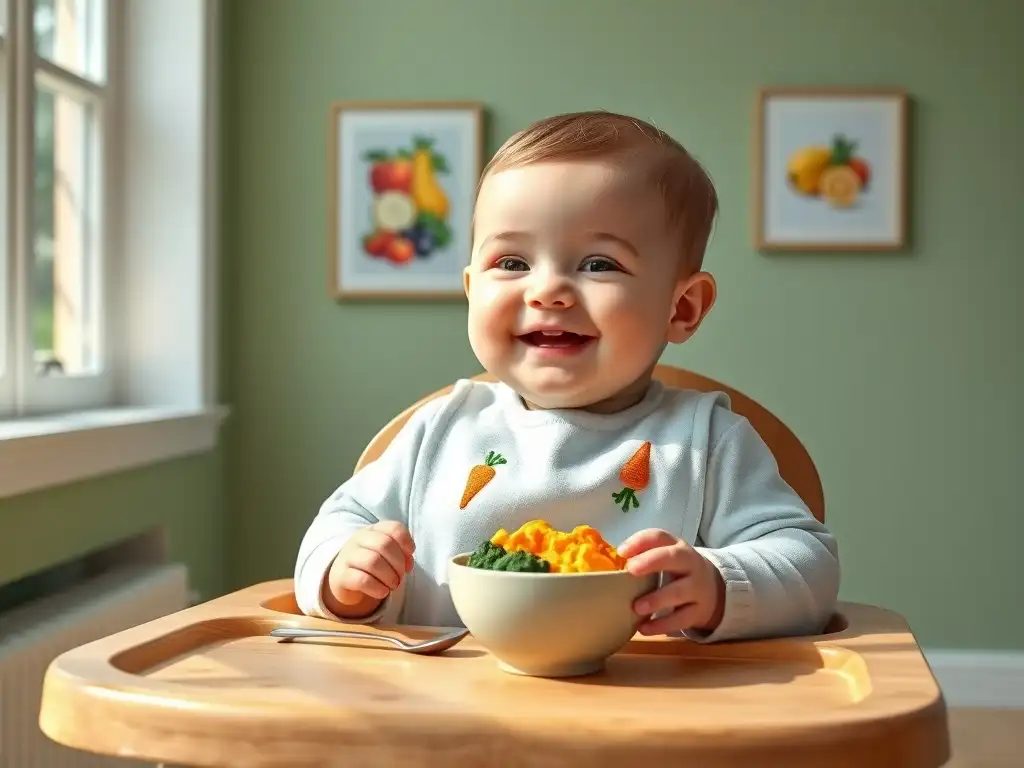
Welcome to BabyCareHub, your ultimate guide to navigating the exciting (and sometimes overwhelming!) world of parenthood. Are you ready to embark on the delicious journey of introducing your little one to solid foods? Our comprehensive Baby's First Solid Foods Guide, part of our Baby Gear & Products section, provides a step-by-step approach to confidently and safely introduce your baby to new tastes and textures. Discover expert advice and practical tips that will leave you feeling empowered and prepared – let's begin!
- Baby's First Solid Foods Guide: A Step-by-Step Approach
- Baby's First Foods: Texture and Variety Progression
- Navigating Common Challenges: Dealing with Fussy Eaters
- Creating a Positive Feeding Experience: Tips and Strategies
- High Chair and First Foods: Beyond the Basics
- Frequently Asked Questions
- Final Reflection: Nourishing the Journey: Beyond the First Bite
- Unlock Your Baby's Culinary Journey!
Baby's First Solid Foods Guide: A Step-by-Step Approach
Introducing your baby to solid foods is a significant milestone, filled with excitement and perhaps a touch of apprehension. This comprehensive guide will walk you through the process, providing a step-by-step approach to ensure a smooth and enjoyable experience for both you and your little one. We'll cover everything from recognizing the ideal time to start solids to safely introducing various textures and flavors, ultimately empowering you to confidently navigate this exciting phase of your baby's development. This guide addresses a crucial aspect of your baby's journey, complementing our other resources on baby gear, sleep routines, and overall well-being, all designed to support you as you embark on this incredible parenting adventure.
Remember, patience and a positive attitude are key! This is a journey of discovery for both you and your baby. 🎉
Choosing the Right Time to Start Solids: Developmental Cues and Readiness Signs
The timing of introducing solids is crucial. While the traditional recommendation is around 6 months, it's more important to focus on your baby's developmental readiness rather than a strict age. Several key indicators signal your baby's readiness:
- Good Head and Neck Control: Can your baby sit upright with minimal support and hold their head steady? This prevents choking hazards.
- Showing Interest in Food: Does your baby watch you eat with interest, reaching for your food or opening their mouth when offered a spoon? This indicates a growing curiosity about food.
- Loss of Tongue-Thrust Reflex: Newborns have a natural reflex to push food out with their tongue. This reflex usually diminishes around 4-6 months, allowing your baby to swallow food more easily.
- Able to Swallow Food: Can your baby manage to swallow pureed foods without immediately pushing them out?
- Weight and Growth: Your pediatrician can assess your baby's weight and growth to determine if they're ready for solids. This is an important factor to discuss with your healthcare provider.
Ignoring these cues can lead to frustration for both you and your baby. Remember, it's perfectly fine if your baby isn't ready at exactly 6 months. Patience is crucial! Always consult your pediatrician to discuss your baby's individual needs and readiness.
Introducing Single-Ingredient Purees: A Safe and Sensible Strategy
Once you've determined your baby is ready for solids, it's best to begin with single-ingredient purees. This allows you to easily monitor for any allergic reactions and identify potential food sensitivities. Start with simple, easily digestible options like:
- Sweet Potato: Naturally sweet and packed with nutrients.
- Avocado: Creamy and rich in healthy fats.
- Butternut Squash: Another nutrient-rich and easily digestible option.
- Banana: Easy to mash and a good source of potassium.
Avoid introducing multiple new foods simultaneously. Introduce one new food at a time, waiting 2-3 days before introducing another. This allows you to observe your baby for any adverse reactions, such as rashes, vomiting, or diarrhea. Keep a food diary to track what you feed your baby and note any reactions. This is invaluable information for your pediatrician.
Remember to start with small portions, approximately 1-2 teaspoons, and gradually increase the amount as your baby gets accustomed to eating solids. The goal is to introduce new tastes and textures, not to fill your baby up. Enjoy this exciting journey! 👶
High Chair Safety: Ensuring a Secure and Comfortable Feeding Environment
Choosing the right high chair and using it safely is paramount for your baby's well-being during mealtimes. A secure and comfortable high chair minimizes the risk of falls and injuries, allowing your little one to enjoy their first solid foods without unnecessary worry. This involves careful consideration of several factors, from the high chair's design and features to its proper setup and maintenance.
Remember, a seemingly small oversight can have significant consequences, so thoroughness is key. Regularly checking the high chair for any signs of wear and tear is also crucial; damaged straps or loose parts should be addressed immediately or the chair should be replaced. Never leave your baby unattended in a high chair, even for a short period.
Selecting the Best High Chair for Your Needs: Types and Features
The market offers a wide variety of high chairs, each with its own set of features and price points. Understanding the different types available helps you choose the best option for your lifestyle and budget. Consider traditional high chairs, which are sturdy and often feature adjustable height and tray positions. Space-saving options like booster seats or fold-away high chairs are ideal for smaller homes.
Some high chairs even come with additional features like built-in storage or vibration settings to soothe fussy eaters. Look for features like a five-point harness, a wide, stable base, and a tray that's easy to clean and remove. Read reviews and compare different models before making a purchase to ensure you select a high chair that meets your safety and convenience requirements. Prioritize safety features over aesthetics; a safe high chair is always the best investment.
Proper High Chair Setup and Safety Checks: Preventing Accidents
Before each use, it's essential to perform a thorough safety check of your high chair. Ensure all straps are securely fastened and adjusted correctly to fit your baby snugly. Check the stability of the high chair; it should not wobble or easily tip over. Make sure the tray is securely attached and doesn't easily detach. Inspect the chair for any cracks, loose parts, or signs of wear and tear.
If you notice any damage, do not use the high chair until it has been repaired or replaced. Always place the high chair on a stable, level surface, away from edges and other hazards. Never use a high chair that is not designed for your child's age and weight. Following the manufacturer's instructions carefully is crucial to ensuring your baby's safety. Remember, proactive safety measures are the best way to prevent accidents.
Cleaning and Maintaining Your High Chair: Hygiene Best Practices
Maintaining a clean high chair is vital for preventing the spread of germs and bacteria. Food spills and crumbs are common occurrences, and regular cleaning is necessary to maintain hygiene. After each meal, wipe down the tray and seat with a damp cloth and mild soap. For tougher stains, you can use a gentle baby-safe cleaner. Avoid using harsh chemicals or abrasive cleaners, as these can damage the finish of the high chair.
Regularly check for any food particles that may have become trapped in crevices. Some high chairs are dishwasher-safe, but always check the manufacturer's instructions before placing any parts in the dishwasher. A clean high chair ensures a safer and healthier feeding environment for your baby, contributing to overall well-being during mealtimes. Remember, consistent cleaning is crucial for preventing the buildup of bacteria and ensuring a hygienic experience for your little one.
Baby's First Foods: Texture and Variety Progression
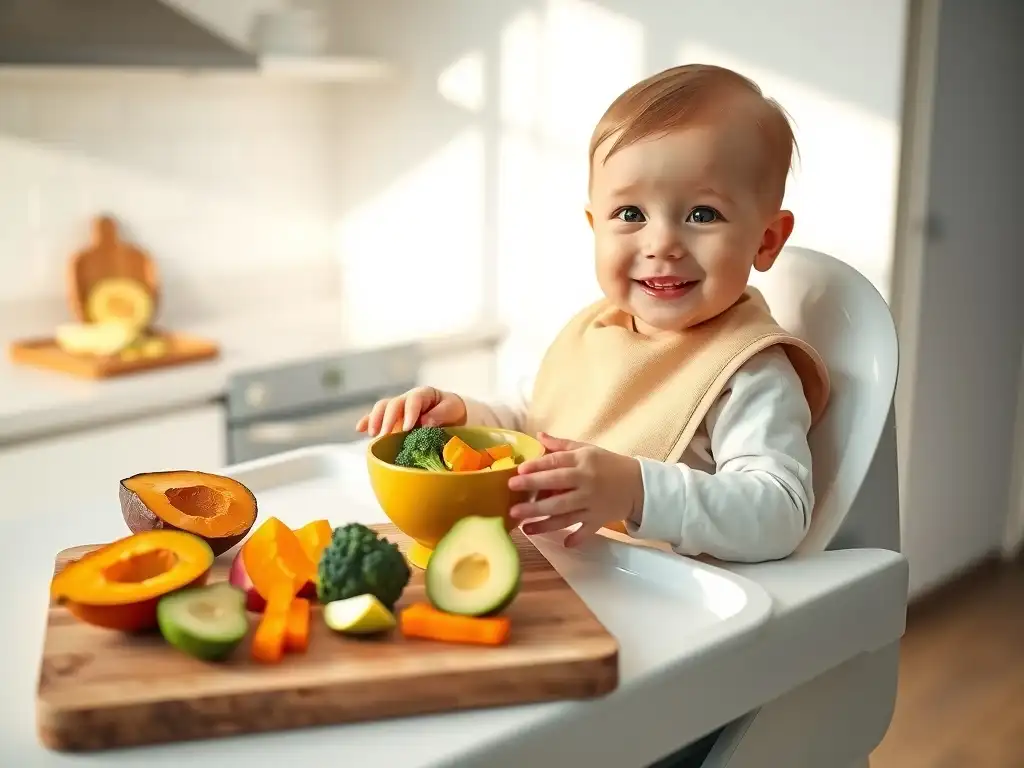
This section focuses on the crucial aspect of introducing solid foods to your baby, emphasizing a gradual progression of textures and a diverse range of nutritious options. Successfully navigating this stage contributes significantly to your baby's healthy development and fosters positive eating habits. Remember, always consult your pediatrician before starting solids, especially if you have any concerns about allergies or your baby's health. This guide provides general advice; individual needs may vary.
Purees to Mashes: Gradually Increasing Texture for Baby's Development
Starting with purees is generally recommended. These smooth, easily digestible foods allow your baby to get used to the sensation of swallowing something other than breast milk or formula. Think single-ingredient purees like sweet potato, avocado, or butternut squash. As your baby becomes more comfortable, you can gradually increase the texture.
This progression is vital for developing essential oral motor skills. The transition from purees to mashes involves a shift from completely smooth to slightly chunky textures. You can achieve this by adding a small amount of water or breast milk to the puree to thin it slightly, or by using a fork to mash cooked vegetables or fruits.
Here's a sample timeline, but remember to adjust based on your baby's cues:
| Stage | Texture | Examples | Approximate Age (months) |
|---|---|---|---|
| 1 | Smooth Puree | Sweet potato, avocado, carrot | 6-7 |
| 2 | Slightly Chunky Puree | Pea puree with finely diced peas, well-cooked carrots | 7-8 |
| 3 | Mashed Foods | Well-mashed banana, avocado, sweet potato | 8-9 |
| 4 | Soft, Small Pieces | Soft cooked pasta, well-cooked and mashed vegetables | 9-12 |
Remember to observe your baby's reactions. If they seem to struggle with a certain texture, step back to a smoother consistency and try again later. Always supervise your baby while they are eating. The goal is a gradual and positive introduction to a wider variety of tastes and textures. 🎉
Introducing Finger Foods: Encouraging Self-Feeding Skills
Around 6-9 months, many babies show an interest in self-feeding. This is a fantastic developmental milestone! Introducing finger foods helps them develop fine motor skills, hand-eye coordination, and independence. Start with soft, easily manageable options that won't pose a choking hazard.
Suitable finger foods include:
- Soft cooked vegetables (e.g., steamed broccoli florets, carrot sticks)
- Small pieces of soft fruit (e.g., banana slices, well-cooked pear)
- Plain cooked pasta (small shapes)
- Small pieces of cheese (avoid hard cheeses)
- Puffs (specifically designed for babies)
Safety First! Always supervise your baby while they are eating finger foods. Cut foods into small, manageable pieces to minimize choking risks. Avoid foods that are hard, sticky, or round (like grapes or cherry tomatoes) until your baby is older and has better chewing and swallowing skills. Always check food temperature before offering it to your baby.
This stage is about exploration and learning. Don't worry if your baby makes a mess – that's part of the process! Embrace the opportunity to encourage independence and positive eating habits.
Managing Allergies and Introducing Potential Allergens
Introducing potential allergens is a significant aspect of your baby's first foods journey. While there are varying opinions on the timing, current recommendations suggest introducing common allergens early and gradually, between 4-6 months, ideally alongside other foods. This can help reduce the risk of developing food allergies.
However, it's crucial to introduce one allergen at a time, waiting 2-3 days before introducing another, to monitor for any allergic reactions. Common allergens include:
- Eggs
- Milk
- Peanuts
- Tree nuts
- Soy
- Wheat
- Fish
- Shellfish
Signs of an allergic reaction can range from mild (rash, hives) to severe (difficulty breathing, swelling). If you notice any concerning symptoms, contact your pediatrician immediately.
Important Note: Always consult your pediatrician before introducing potential allergens, especially if there is a family history of allergies.
Your doctor can provide personalized advice based on your baby's individual health and risk factors. They can also help you manage any potential allergic reactions effectively.
Remember, introducing solids is an exciting journey for both you and your baby. By following a gradual approach, prioritizing safety, and focusing on a diverse range of nutritious foods, you can help your little one thrive during this crucial developmental stage. Enjoy the process! 👶
Introducing solid foods is a significant milestone, but it's not always smooth sailing. Many parents encounter challenges with fussy eaters. This section offers practical strategies to navigate these common hurdles and foster a positive relationship with food from the start. Remember, patience and persistence are key! A baby's first solid foods journey is a learning process for both parent and child.
Coping with Spitting Up and Food Rejection: Normal Responses
Spitting up after introducing solids is quite common. Babies are still learning to coordinate sucking, swallowing, and chewing. It's often a sign of them still adjusting to the new textures and tastes, not necessarily a rejection of the food itself.
However, excessive spitting up or forceful vomiting should be checked with a pediatrician. Similarly, if your baby consistently rejects a particular food, don't force it. Offer a variety of nutritious options, introducing new foods one at a time and waiting a few days before introducing another. Remember that repeated exposure to a food is often needed before a baby accepts it. Trying different preparations (steamed, pureed, mashed) can also make a difference. The key is to create a positive, pressure-free environment around mealtimes. 🎉
Some babies may exhibit a preference for sweeter tastes initially. This is perfectly normal, and you can gradually introduce more savory flavors as they become more accustomed to solids. Keep a food diary to track your baby's preferences and reactions, which can be invaluable information for the pediatrician. This helps build a personalized "baby's first solid foods guide" for your little one.
Dealing with Choking Hazards: Prevention and First Aid
Safety is paramount when introducing solid foods. Choking is a serious concern, but with careful preparation and awareness, you can significantly reduce the risk.
- Food Texture: Start with smooth purees and gradually introduce lumpier textures as your baby develops the necessary chewing skills. Avoid foods that are known choking hazards such as whole grapes, nuts, popcorn, hard candies, and raw carrots.
- Food Size: Cut food into small, manageable pieces. A good rule of thumb is to ensure pieces are smaller than your baby's pinky fingernail.
- Supervision: Always supervise your baby while they are eating. Never leave them unattended, even for a moment.
- Positioning: Ensure your baby is sitting upright in their high chair. This helps prevent choking.
- First Aid: It's crucial to know infant first aid, specifically the Heimlich maneuver for babies. While you should consult your pediatrician or a certified first aid instructor for proper training, familiarizing yourself with the basic steps is essential. Knowing what to do in an emergency can be life-saving.
| Food | Safe (with appropriate preparation) | Unsafe |
|---|---|---|
| Avocado | ✅ | ❌ (whole, large pieces) |
| Sweet Potato | ✅ | ❌ (hard, uncooked pieces) |
| Banana | ✅ | ❌ (whole, large pieces) |
| Peas | ✅ | ❌ (whole, frozen) |
| Chicken (well-cooked) | ✅ | ❌ (undercooked, bone fragments) |
Remember, creating a positive and safe feeding environment is crucial for your baby's healthy development and enjoyment of food. This personalized "baby's first solid foods guide" will be instrumental in navigating this exciting journey. Don't hesitate to seek advice from your pediatrician if you have any concerns.
Creating a Positive Feeding Experience: Tips and Strategies

Introducing solid foods is a significant milestone in your baby's development, marking a transition from solely liquid nutrition. A positive and enjoyable feeding experience is crucial for establishing healthy eating habits throughout childhood. This section focuses on strategies to foster a positive relationship with food from the very beginning. This is a key part of your Baby's first solid foods guide.
Establishing a Routine: Consistent Mealtimes and Healthy Habits
Consistency is key when introducing solids. Establishing a regular mealtime routine helps regulate your baby's hunger cues and digestive system. Aim for roughly the same time each day for meals, allowing for flexibility as needed. This predictability helps minimize fussiness and promotes a sense of calm during feeding.
For example, you could start with one meal a day around lunchtime, gradually adding a second meal as your baby becomes more comfortable with solids. Remember, every baby is different; some may readily accept solids, while others may take more time. Observe your baby's cues; they will let you know when they are full. Don't force them to eat more than they want.
It's also vital to model healthy eating habits. Babies are observant learners. If you eat a variety of nutritious foods, your baby is more likely to accept and enjoy a wider range of flavors and textures. Avoid using food as a reward or punishment, and create a relaxed atmosphere during mealtimes, free from distractions. This fosters a positive association with food and eating. This is an important aspect of a comprehensive Baby's first solid foods guide.
Making Mealtimes Fun and Engaging: Creative Food Presentation
The visual appeal of food significantly impacts a baby's willingness to try new things. Creative food presentation can transform a simple meal into an exciting sensory experience. Think beyond the standard puree; try using cookie cutters to create fun shapes, arrange foods in colorful patterns, or use different textures and colors to stimulate your baby's interest.
Here's a table illustrating some fun ideas:
| Food Item | Creative Presentation Idea | Benefits |
|---|---|---|
| Sweet Potato | Cut into stars using a cookie cutter | Visually appealing, familiar shape |
| Avocado | Mashed and served in a silicone mold shaped like a flower | Interesting texture and shape |
| Broccoli | Steamed and cut into small trees | Familiar shape, visually stimulating |
| Berries | Arranged in a rainbow pattern on the tray | Colourful and visually stimulating |
Remember to always supervise your baby during mealtimes and ensure the food is appropriately sized and textured to prevent choking hazards. This is a key point in any Baby's first solid foods guide.
Involving Baby in the Process: Sensory Exploration and Food Preparation
Involving your baby in the preparation of their food can enhance their engagement and interest. Allow them to touch, smell, and explore different textures. Start by letting them help wash fruits and vegetables (under close supervision, of course!). As they get older, you can introduce age-appropriate tasks like stirring or mixing ingredients.
This sensory exploration not only makes mealtimes more fun but also helps babies develop a positive relationship with food. They become more familiar with different tastes, textures, and smells, making them more likely to try new things. Remember that a Baby's first solid foods guide should emphasize the importance of a multi-sensory approach. This hands-on experience is a crucial part of the learning process and can significantly influence their acceptance of new foods. Moreover, involving your baby in the process fosters a sense of independence and accomplishment, boosting their self-esteem.
High Chair and First Foods: Beyond the Basics
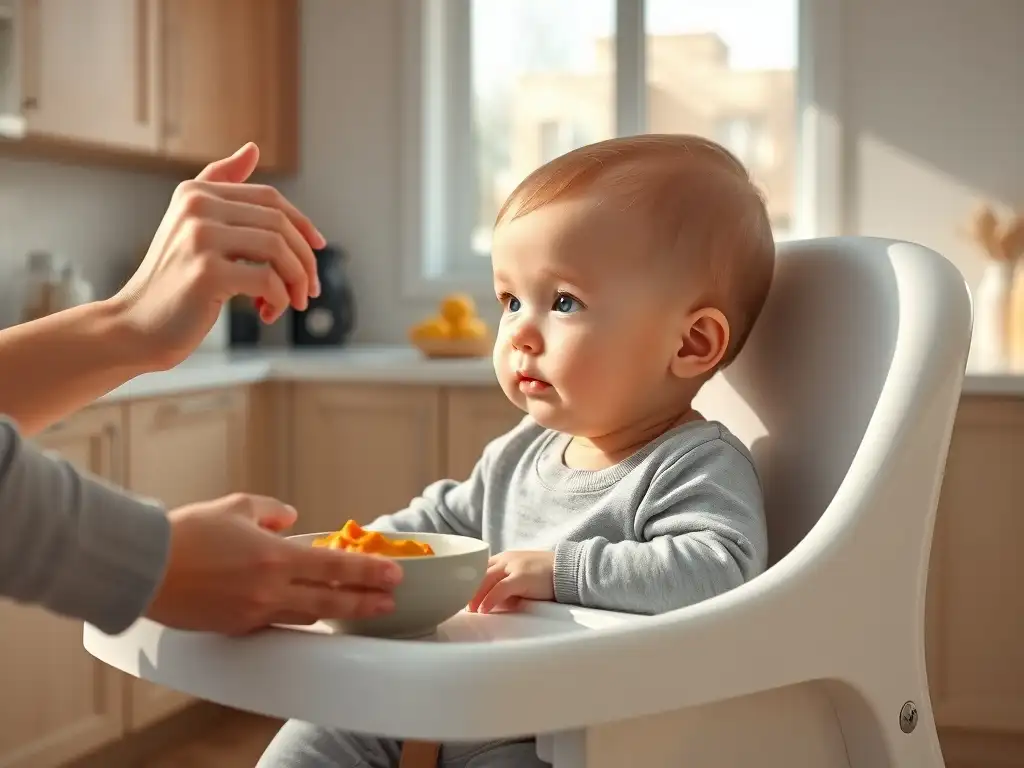
This section delves deeper into the nuances of introducing solid foods to your baby, moving beyond the simple act of putting food on a spoon. We'll explore developmental readiness, establishing healthy eating habits, and understanding the nutritional requirements of this crucial stage. This guide aims to help you navigate the exciting journey of your baby's first solid foods with confidence, fulfilling your search for a comprehensive "Baby's first solid foods guide."
Transitioning from High Chair to Table: Developmental Milestones
Successfully transitioning your baby from a high chair to a regular table setting is a significant developmental milestone. It's not just about the chair; it's about incorporating your little one into the family's mealtime routine. This transition typically occurs between 18 and 24 months, but the timing depends on individual development. Look for these key indicators of readiness:
- Improved Sitting Posture: Can your baby sit upright without support for extended periods?
- Self-Feeding Skills: Is your baby confidently using utensils (or their fingers!) to feed themselves? Can they manage spills with minimal assistance?
- Understanding of Table Manners (basic): While perfection isn't expected, do they show some understanding of not throwing food or hitting others?
- Interest in Family Meals: Does your baby show excitement and interest in watching you and other family members eat?
The transition shouldn't be rushed. Start with short periods at the table, gradually increasing the duration as your baby becomes more comfortable. Positive reinforcement and patience are crucial. Remember, setbacks are normal. If your child seems frustrated, return to the high chair for a while and try again later. This process is about building confidence and positive associations with mealtimes.
Mealtime Manners: Teaching Good Eating Habits
Establishing good eating habits early on is an investment in your child's long-term health and well-being. It's never too early to begin gently introducing concepts like:
- Sitting at the table: Encourage your child to sit properly during meals, even if it's just for a short time.
- Using utensils: Start with child-sized spoons and forks. Don't worry about perfection; the process is more important than the results.
- Chewing and swallowing: Model good chewing habits and patiently help your baby learn to chew thoroughly.
- No throwing food: Redirect any food-throwing behavior calmly and consistently. A simple, "Food stays on the table," is often sufficient.
- Waiting for their turn: If multiple people are eating, teach your child to wait patiently for their turn to be served.
Remember to make mealtimes fun and positive. Avoid power struggles over food. Offer a variety of healthy choices and let your child explore different textures and flavors at their own pace. Positive reinforcement, like praise and encouragement, goes a long way in establishing positive mealtime associations. Consistency is key; stick to the rules even if there are occasional setbacks.
Understanding Nutritional Needs During Weaning: Balanced Diets for Growth
Weaning, the process of introducing solid foods, is a critical period for your baby's nutritional development. It's not just about providing calories; it's about supplying the essential nutrients needed for healthy growth and development. A balanced diet should include:
| Nutrient Group | Importance | Examples |
|---|---|---|
| Iron-rich foods | Prevents anemia; crucial for brain development | Iron-fortified cereals, pureed meats (chicken, beef, lentils), leafy greens |
| Fruits and Vegetables | Provides vitamins, minerals, and fiber; promotes healthy digestion | Avocado, sweet potato, carrots, berries, bananas |
| Whole Grains | Source of complex carbohydrates, fiber, and essential nutrients | Oatmeal, brown rice, whole-wheat bread (in appropriate forms) |
| Healthy Fats | Essential for brain development; supports absorption of fat-soluble vitamins | Avocado, olive oil (in small amounts), nuts and seeds (in age-appropriate forms) |
| Protein | Crucial for building and repairing tissues; supports growth | Eggs, beans, lentils, yogurt, cheese (age-appropriate forms) |
Remember to consult your pediatrician or a registered dietitian for personalized advice on your baby's nutritional needs. They can help you create a balanced meal plan that meets your baby's individual requirements and addresses any potential allergies or sensitivities. Introducing new foods one at a time, and observing for any allergic reactions, is crucial. This careful approach ensures a smooth and healthy transition to solid foods, providing your baby with the best possible start in life. A "Baby's first solid foods guide" is invaluable during this phase.
Frequently Asked Questions
When should I start giving my baby solid foods?
Most experts recommend introducing solid foods around 6 months old, but always consult your pediatrician. Watch for developmental milestones like sitting up unsupported and showing interest in your food.
What are the best first foods for my baby?
Good starting options include single-ingredient purees like sweet potato, avocado, or peas. Avoid foods with potential allergens like peanuts (unless advised by your doctor) initially.
How much food should I give my baby at each meal?
Start with very small portions, just a teaspoon or two, and gradually increase as your baby gets used to solids. Focus on the experience of trying new textures and flavors.
What kind of high chair should I get?
Choose a stable and secure high chair with a five-point harness. Consider features like easy cleaning and adjustability for growing babies. Safety is paramount!
What if my baby refuses solid foods?
Don't worry! Some babies need multiple exposures to a new food before they accept it. Keep offering a variety of healthy options and be patient.
Final Reflection: Nourishing the Journey: Beyond the First Bite
The transition to solid foods is more than just a milestone; it's a foundational experience shaping a child's relationship with food and their overall well-being. This journey, often fraught with anxieties for new parents, underscores the importance of informed decision-making and a supportive approach. Navigating the complexities of introducing solids requires careful planning and a deep understanding of your baby's individual needs.
The impact of this initial foray into diverse flavors and textures extends far beyond the high chair. It lays the groundwork for healthy eating habits that will last a lifetime, influencing not only physical health but also emotional well-being. As a parent, I remember the overwhelming feeling of wanting to do everything right, a sentiment echoed by countless others. The best way to find yourself is to lose yourself in the service of others.
– Mahatma Gandhi. This quote, while seemingly unrelated, speaks to the profound selflessness involved in nurturing a child's growth, a journey deeply intertwined with the introduction of solid foods. The focus shifts from our own anxieties to the child's needs, fostering a powerful connection.
Now, consider your own journey. Reflect on the anxieties you may have felt, or are currently feeling, about introducing solids to your little one. Embrace the imperfections, celebrate the small victories, and remember that this is a process of discovery, both for your baby and for you. Don't be afraid to seek support, trust your instincts, and most importantly, enjoy this precious time of growth and connection. The high chair is more than just a seat; it's the beginning of a lifelong adventure in nourishing your child, body and soul.
Unlock Your Baby's Culinary Journey!
Thank you for exploring the exciting world of introducing solids to your little one! We hope this guide has empowered you to confidently navigate this important milestone. Now, let's get those taste buds tingling!
- Begin your baby's food adventure today! Experiment with simple, single-ingredient purees—like sweet potato or avocado—and embrace the mess!
- Share your baby's first food experiences! Post photos or videos on social media using #BabyCareHubFirstFoods and inspire other parents.
- Join our BabyCareHub community forum to connect with other parents and share tips, recipes, and funny stories about this delightful stage!
What's the most creative first food you've tried, or plan to try, with your baby?