
The Future of Stroller Technology: What's Coming Next

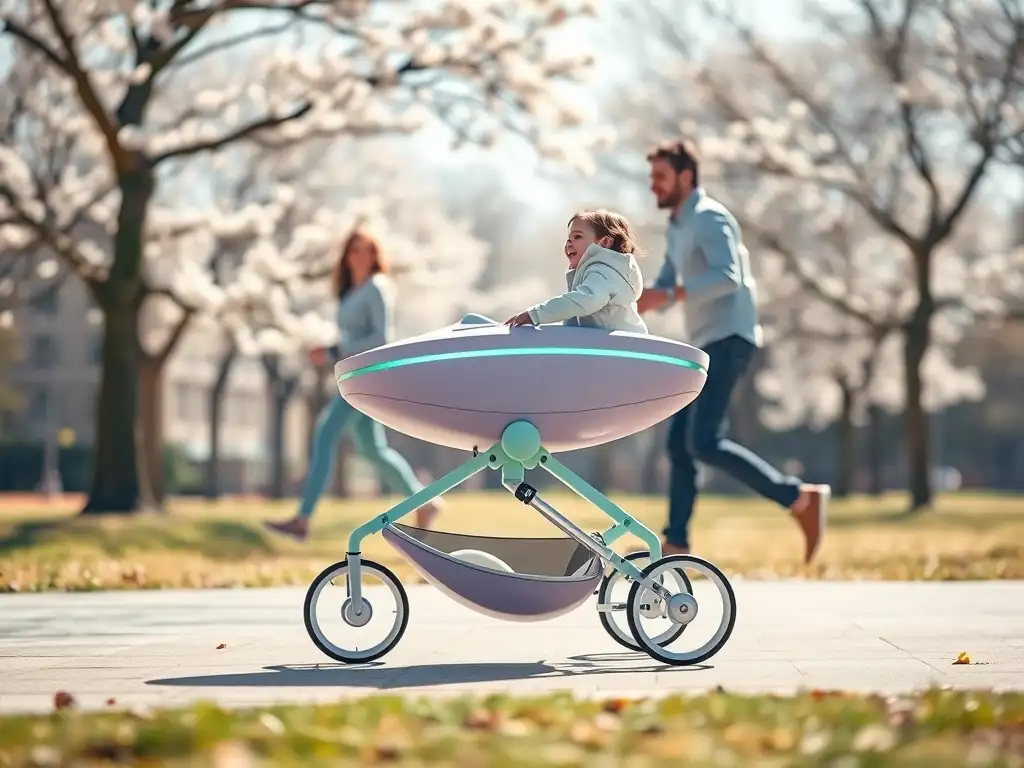
Welcome to BabyCareHub, your ultimate guide to navigating the incredible journey of parenthood. We're here to provide you with the expert advice and practical support you need every step of the way. But first, prepare to be amazed! Discover how next-generation stroller technology is revolutionizing baby travel and making life easier for modern parents. Dive in and explore the innovations that are shaping the future of infant mobility – you won't believe what's coming next!
- Next Generation Stroller Technology: Innovations on the Horizon
- Sustainable and Eco-Friendly Stroller Design
- The Rise of Modular and Customizable Strollers
- Safety Innovations in Stroller Technology
- Ergonomic Design for Parents and Babies
- Predicting Future Trends in Stroller Technology
- Choosing the Right Stroller for Your Needs: A Guide for Modern Parents
- Frequently Asked Questions
- Final Reflection: A World on Wheels: Reimagining Mobility for Our Little Ones
- Unlock the Next Generation of Stroller Smarts
Next Generation Stroller Technology: Innovations on the Horizon
Choosing the right stroller is a significant decision for new parents. It's an investment that will accompany you on countless adventures, from leisurely park strolls to bustling city explorations. But stroller technology is constantly evolving, aiming to provide even greater comfort, safety, and convenience.
This article delves into the exciting advancements shaping the future of stroller technology, exploring the innovations that promise to redefine the parental experience. We'll examine smart features, enhanced suspension systems, and lightweight designs, all contributing to the "next generation stroller technology" and making your journey with your little one smoother and more enjoyable. Understanding these advancements will empower you to make an informed decision when selecting a stroller that best meets your family's needs and lifestyle.
Smart Stroller Features: Connectivity and Safety Enhancements
The integration of smart technology is revolutionizing the stroller experience. Modern strollers are no longer just transportation devices; they are becoming sophisticated systems designed to enhance safety and provide parents with real-time information. Imagine a stroller that monitors your baby's vital signs, alerts you to potential hazards, or even tracks your walking speed and distance. This is becoming a reality.
Several companies are incorporating GPS tracking, allowing you to locate your stroller remotely should it get misplaced. Some models even feature built-in sensors that detect sudden stops or impacts, sending notifications to your smartphone. These smart features provide an extra layer of security and peace of mind, particularly helpful in crowded environments or during outdoor excursions.
Beyond safety, smart strollers are also incorporating features such as integrated speakers for playing music or audiobooks, and even smart climate control systems to regulate temperature within the stroller canopy. This level of connectivity promises to transform the stroller from a simple utility into an intelligent companion for both parent and child. The development of these features is constantly refining, leading to a better and safer experience for everyone.
Advanced Suspension Systems for Superior Comfort
One of the most significant advancements in stroller technology focuses on improving ride comfort for your baby. Traditional suspension systems are being replaced by more sophisticated designs that offer superior shock absorption and smoother rides across various terrains. These advancements are crucial for minimizing vibrations and ensuring a comfortable journey, especially over bumpy surfaces or uneven sidewalks.
Next-generation suspension systems often incorporate advanced materials like air-filled tires or specialized spring mechanisms. Some models even utilize adaptive suspension technology that automatically adjusts to the terrain, optimizing ride quality in real-time. This technology is not only beneficial for your baby's comfort but also reduces the strain on your wrists and arms, making pushing the stroller less arduous, especially during longer walks. The increased comfort translates to happier babies and a more relaxed parenting experience. The resulting improvement in ride quality is substantial, reducing the jostling and vibrations that can sometimes disturb a sleeping baby.
Lightweight Materials and Enhanced Maneuverability
The ongoing pursuit of lighter and more maneuverable strollers is a key driver in next-generation stroller technology. Manufacturers are constantly exploring new materials and innovative designs to reduce the overall weight of strollers without compromising durability or safety. This makes navigating crowded streets, public transportation, and various terrains significantly easier.
The use of lightweight yet strong materials like aluminum alloys and advanced polymers is becoming increasingly common. These materials allow for a substantial reduction in weight while maintaining structural integrity. Furthermore, improvements in wheel design, including larger wheels with enhanced suspension and improved swivel mechanisms, contribute to superior maneuverability.
These features make the stroller more responsive and easier to steer, even in tight spaces or challenging environments. The overall effect is a more effortless and enjoyable experience for parents, allowing for greater ease of use and convenience. The focus on lightweight designs coupled with improved maneuverability is making stroller use a less physically demanding task.
Sustainable and Eco-Friendly Stroller Design
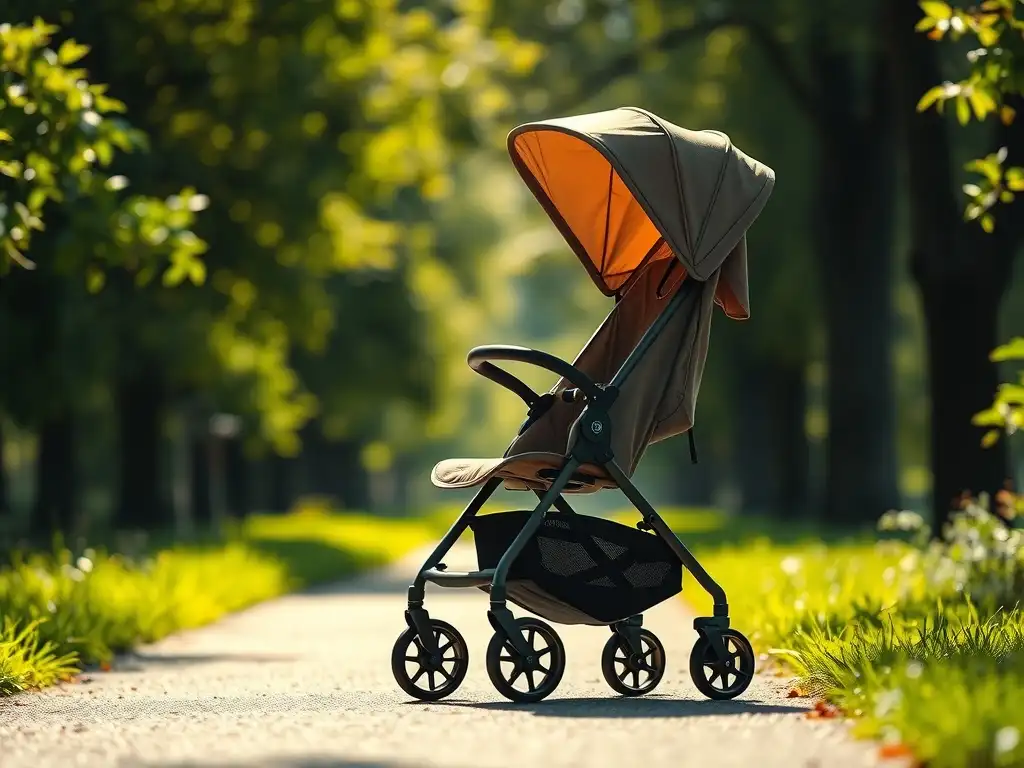
The future of stroller technology isn't just about sleek designs and smart features; it's also about minimizing our environmental footprint. Consumers are increasingly demanding eco-conscious products, and stroller manufacturers are responding with innovative designs and manufacturing processes focused on sustainability. This shift towards "next generation stroller technology" prioritizes the use of recycled materials, reduced waste, and lower carbon emissions throughout the stroller's lifecycle. This section will delve into the key aspects of this burgeoning trend.
Recycled Materials and Manufacturing Processes
A significant aspect of sustainable stroller design is the incorporation of recycled materials. Many manufacturers are now utilizing recycled plastics, aluminum, and even fabrics in their stroller construction. For example, some brands are using recycled PET bottles to create durable stroller fabrics, reducing landfill waste and lowering the demand for virgin materials.
This not only minimizes environmental impact but also often results in strollers that are just as strong and long-lasting as those made with traditional materials. Furthermore, advancements in recycling technologies allow for the creation of high-quality materials from post-consumer waste, ensuring that recycled strollers don't compromise on safety or performance. The use of recycled rubber in wheels is another example of this trend, providing a sustainable alternative to traditional rubber production.
The industry is actively exploring and adopting innovative manufacturing processes that minimize waste and energy consumption. This includes utilizing lean manufacturing principles to optimize production efficiency and reduce material waste. The goal is to create a closed-loop system where materials are reused and recycled, minimizing the overall environmental impact of stroller production.
Reducing the Environmental Impact of Stroller Production
Beyond the materials themselves, the entire production process is undergoing a transformation towards greater sustainability. Reducing carbon emissions is a top priority. This involves optimizing transportation routes to minimize fuel consumption, transitioning to renewable energy sources in factories, and exploring carbon offsetting programs to compensate for unavoidable emissions. Furthermore, manufacturers are focusing on extending the lifespan of their strollers through improved durability and repairability.
This reduces the need for frequent replacements, thereby lowering the overall environmental burden. Some companies are even offering repair services and replacement parts, enabling consumers to extend the life of their strollers and avoid contributing to e-waste. The development of modular stroller designs, where components can be easily replaced or upgraded, is also gaining traction. This reduces the need to replace the entire stroller when only a single part is damaged, further promoting sustainability.
The shift towards sustainable practices is not merely a trend but a necessity. It reflects a growing awareness among consumers and manufacturers alike of the importance of environmental responsibility in the production and consumption of baby products. The future of "next generation stroller technology" is inextricably linked to a commitment to environmental stewardship and responsible manufacturing. The ongoing development and adoption of eco-friendly materials and manufacturing processes will continue to shape the stroller market, offering parents a choice between functionality, safety, and environmental consciousness.
The Rise of Modular and Customizable Strollers
The evolution of stroller technology is rapidly shifting towards modularity and customization, catering to the diverse needs of modern families. Gone are the days of buying a single stroller that may or may not meet your needs throughout your child's early years. Next generation stroller technology emphasizes adaptability and longevity, offering significant cost savings and reduced environmental impact compared to purchasing multiple strollers as your child grows.
This trend reflects a growing awareness of sustainability and a desire for practical solutions that evolve with a family's changing requirements. The core principle is simple: a single base chassis can be paired with various attachments, transforming the stroller to suit different stages of childhood, from infancy to toddlerhood.
Adaptable Stroller Systems for Growing Families
Modular stroller systems represent a significant leap forward in convenience and versatility. These systems typically consist of a main chassis and interchangeable components. These components might include a bassinet for newborns, a toddler seat, a car seat adapter, and even additional accessories like cup holders or storage trays. This allows parents to adapt their stroller to suit their child's age and developmental stage without needing to purchase an entirely new stroller.
For example, a parent could start with a bassinet attachment for their newborn, transitioning to a car seat adapter for easy transport from car to stroller, and finally, switching to a toddler seat once their child is able to sit upright. This seamless transition minimizes disruption to the child's routine and reduces the need for multiple bulky strollers cluttering the home. The cost savings are substantial, particularly for families expecting multiple children.
The reduced waste generated by using a single chassis for multiple attachments also aligns with environmentally conscious parenting practices. The market currently offers a wide variety of these systems, differing in features, materials, and price points, ensuring there is an option available for every family budget and preference. Manufacturers are constantly innovating, introducing new attachments and accessories to expand the functionality of these adaptable systems further.
Personalized Stroller Configurations to Meet Individual Needs
Beyond the modularity, next generation stroller technology is also focusing on personalization. Manufacturers are increasingly offering customizable options to tailor the stroller to individual preferences and specific needs. This might include choices in fabrics, colors, and even the addition of specialized features like enhanced suspension systems for uneven terrain or integrated smart technology for tracking the stroller's location via GPS.
Consider the possibility of choosing a stroller with a specific type of fabric that's tailored to the climate you live in; breathable mesh for hot summers, or a water-resistant material for rainy days. Or perhaps you need a stroller with extra-large storage space for diaper bags and groceries. These are just a few examples of the level of customization that is becoming increasingly common.
The ability to personalize not only affects the aesthetic appeal but also the functionality and suitability of the stroller for a specific lifestyle. This move towards personalization ensures that parents can find a stroller that not only meets their child's needs but also reflects their individual style and preferences.
This level of choice empowers parents to invest in a stroller that will truly serve them well for years to come, making the purchase a more satisfying and long-term investment. The range of customizable options will only continue to broaden as manufacturers respond to the increasingly diverse needs and preferences of modern parents.
Safety Innovations in Stroller Technology
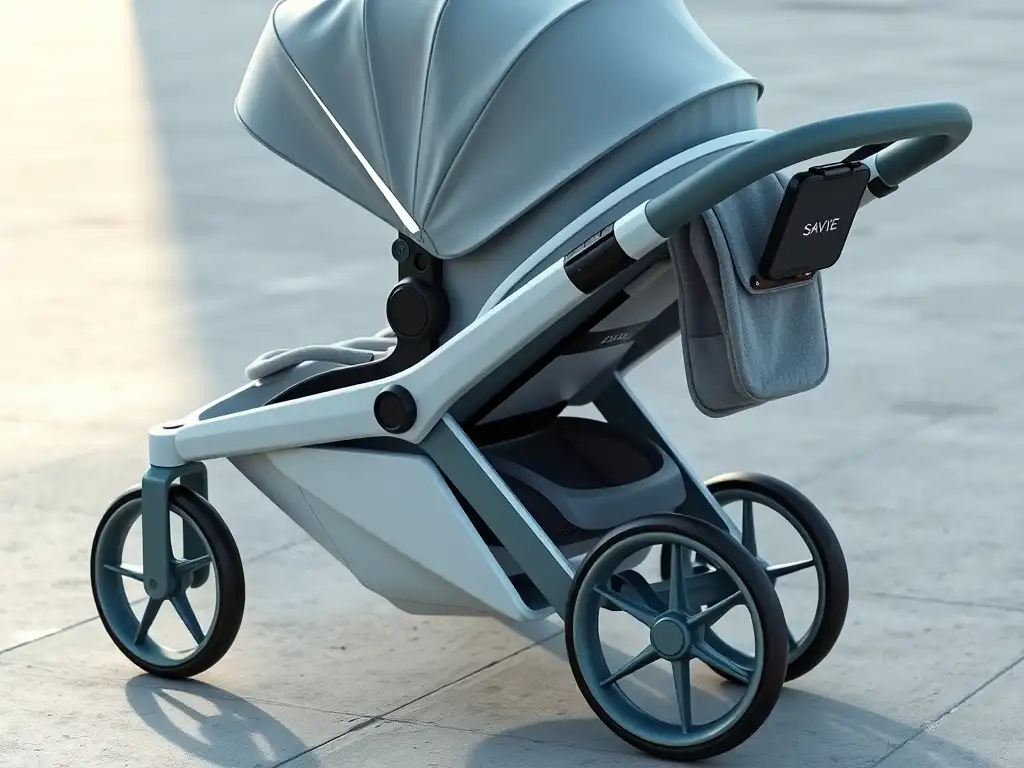
The future of stroller technology is inextricably linked to advancements in safety. Parents are increasingly demanding strollers that offer superior protection and peace of mind, driving innovation in several key areas. This section focuses on the emerging safety features shaping the "next generation stroller technology" landscape, emphasizing practical improvements and measurable benefits. We'll examine both incremental improvements to existing features and entirely new approaches to stroller safety. The goal is to provide a comprehensive overview of the safety enhancements making strollers safer than ever before.
Enhanced Braking Systems and Wheel Technology
Traditional stroller braking systems often rely on simple foot-activated brakes, which can be cumbersome and unreliable, especially on uneven terrain. Next-generation strollers are incorporating more sophisticated braking mechanisms, enhancing both stopping power and ease of use. Several key improvements are noteworthy:
- Electric Braking Systems: Some high-end models are integrating electric braking systems, activated via a button or remote control. This offers precise control and eliminates the need for manual braking, particularly useful on inclines or when navigating crowded areas. These systems often include features such as automatic braking when the stroller is stationary or detects a sudden incline.
- Improved Wheel Suspension and Materials: The wheels themselves are undergoing a transformation. Advanced suspension systems, coupled with larger, air-filled tires, provide a smoother ride and better shock absorption, reducing the risk of jarring movements that could potentially injure the baby. Furthermore, the use of durable, puncture-resistant materials minimizes the chance of a flat tire causing an unexpected stop.
- Enhanced All-Terrain Capabilities: The development of strollers designed to handle various terrains is critical. Improved wheel designs, including larger wheels with more aggressive treads, allow for safer navigation on uneven surfaces like gravel paths, cobblestones, or grassy areas, minimizing the risk of tipping or sudden stops.
Improved Safety Features for Preventing Accidents
Beyond braking systems, a multitude of additional safety features are being integrated into next-generation strollers to proactively prevent accidents:
- Advanced Harness Systems: Improved harness systems go beyond simple straps. Five-point harnesses with padded straps are becoming standard, offering a more secure and comfortable fit for the baby. Some models incorporate magnetic buckles for easier fastening and release, while others feature height-adjustable harnesses to accommodate growing children.
- Anti-Tip Mechanisms: Preventing the stroller from tipping over is paramount. Wider wheelbases, lower centers of gravity, and innovative anti-tip mechanisms are being incorporated to enhance stability, especially on uneven surfaces or inclines. Some strollers use integrated sensors to detect potential tipping and automatically engage safety features.
- Improved Visibility and Lighting: Enhanced visibility is crucial for safety, particularly during evening walks or in low-light conditions. Many modern strollers now feature reflective strips or integrated LED lights to make them more visible to drivers and pedestrians. Some even include flashing lights for increased visibility.
- Integrated Child Safety Locks: Preventing unintended opening or collapsing of the stroller is a vital safety feature. Next-generation strollers often include multiple safety locks and mechanisms to prevent accidental folding or release of the harness. These locks are often strategically placed to be difficult for small children to access.
The integration of these safety features represents a significant step forward in stroller technology, prioritizing the safety and well-being of infants and young children. Ongoing research and development continue to push the boundaries of stroller safety, promising even more sophisticated and protective designs in the years to come. The focus on proactive safety measures, combined with improved ease of use, is defining the future of the "next generation stroller technology" market.
Ergonomic Design for Parents and Babies
The evolution of stroller technology isn't just about aesthetics; it's fundamentally shifting towards prioritizing the ergonomics of both parent and child. Next generation stroller technology emphasizes comfort and ease of use, reducing strain and maximizing enjoyment during outings. This translates to a more positive experience for parents and a more comfortable ride for babies and toddlers. We're seeing a significant departure from the bulky, inflexible models of the past, paving the way for innovative designs that truly consider the needs of all users.
Improved Handlebar Design and Adjustability
Modern stroller handlebars are moving beyond simple, fixed bars. We're seeing a surge in adjustable handlebar heights, catering to parents of all statures. This simple yet crucial feature significantly reduces back strain and wrist fatigue during prolonged walks. Some models even incorporate ergonomic grips, shaped to comfortably fit the hand and minimize pressure points. Think about the difference between pushing a stroller with a stiff, unyielding handle versus one that adapts to your grip and height – the improvement in comfort is undeniable.
Furthermore, some manufacturers are incorporating swiveling handlebars, allowing for easier maneuverability and reduced twisting. This is a particularly important feature for parents navigating crowded streets or uneven terrain. Data suggests that parents using strollers with adjustable and ergonomic handlebars report significantly less back pain and discomfort after prolonged use. 📈
Enhanced Seat Comfort and Support for Infants and Toddlers
Beyond the parent's comfort, next-generation stroller technology greatly enhances the baby's experience. Infant seats are becoming increasingly sophisticated, incorporating features like improved cushioning, adjustable recline positions, and better ventilation. The focus is on providing optimal support for the baby's developing spine and ensuring a comfortable ride, regardless of the terrain. For toddlers, the seats are designed with increased adjustability, allowing for a custom fit as the child grows. This includes features like extendable footrests and adjustable harnesses that ensure a secure and comfortable fit.
The materials used are also evolving, with breathable fabrics and moisture-wicking technologies designed to keep the baby cool and dry. Some high-end models even incorporate memory foam for superior cushioning and pressure relief. The result is a stroller that is not just a mode of transport, but a comfortable and supportive environment for the child, promoting their well-being and comfort during outdoor adventures. 👶
Predicting Future Trends in Stroller Technology
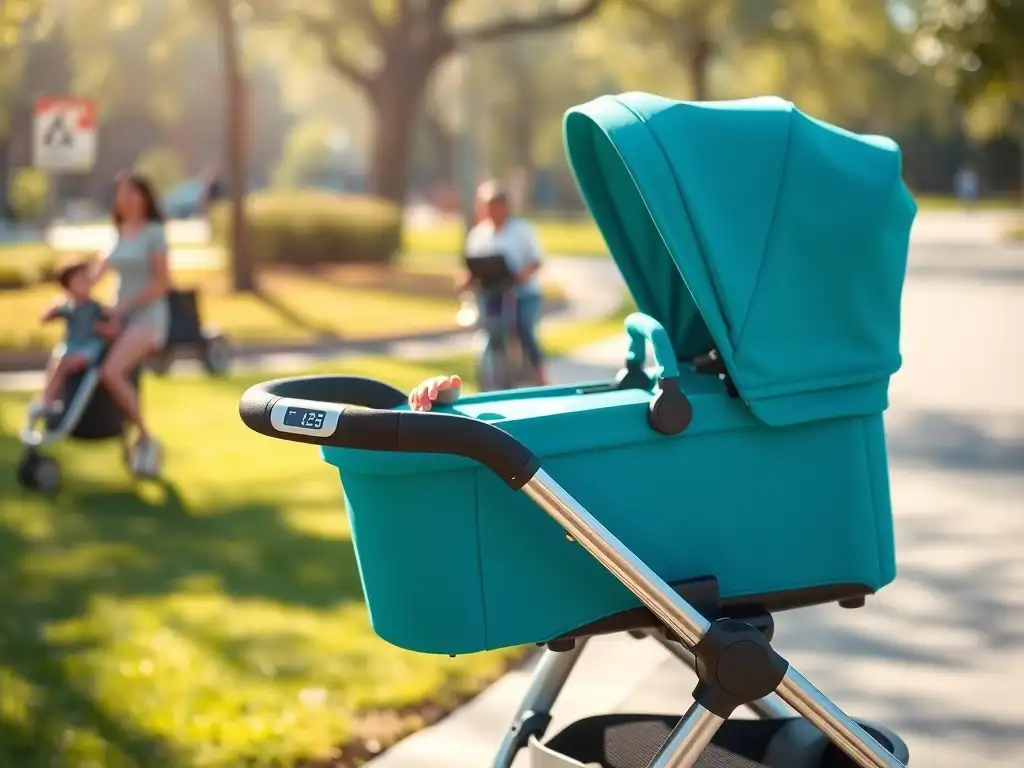
The stroller, a seemingly simple piece of baby gear, is poised for a significant technological leap. We're moving beyond incremental improvements like slightly larger canopies or improved suspension systems. The next generation of strollers will integrate sophisticated technology to enhance safety, convenience, and even the health and well-being of both baby and parent. This section explores some of the most promising advancements on the horizon, focusing on how "next generation stroller technology" is reshaping the parental experience. We'll examine specific examples of how these innovations are being developed and the potential impact they will have on the market.
Artificial Intelligence and Automation in Stroller Design
The integration of artificial intelligence (AI) and automation is transforming many aspects of our lives, and the stroller is no exception. Imagine a stroller that automatically adjusts its suspension based on the terrain, ensuring a smooth ride even on bumpy sidewalks or uneven trails. This is not science fiction; prototypes already incorporate sensors and AI algorithms to analyze the surface and adjust the suspension in real-time.
Furthermore, AI could be used to optimize the stroller's maneuverability, making it easier to navigate crowded streets or tight spaces. This could involve features like automated steering assistance or obstacle avoidance systems, although the safety and reliability of such systems require significant testing and development before widespread adoption.
Beyond suspension and steering, AI could play a crucial role in safety features. Think about a system that uses sensors to detect potential hazards, such as approaching vehicles or sudden drops in elevation, alerting the parent through a haptic feedback system or an app notification. This enhanced situational awareness could significantly reduce the risk of accidents. Another potential application is personalized stroller settings, adapting to the child's weight and preferences over time, ensuring optimal comfort and support. The potential for AI in stroller design is vast, promising a safer and more convenient experience for parents.
The Integration of Health and Fitness Tracking
The integration of health and fitness tracking technology into strollers represents a fascinating development in "next generation stroller technology". While still in its early stages, the concept of a stroller that simultaneously monitors the baby's vital signs and the parent's fitness metrics is gaining traction. Imagine a stroller equipped with sensors that track the baby's heart rate, temperature, and even sleep patterns.
This data could be transmitted wirelessly to a smartphone app, providing parents with valuable insights into their baby's well-being. Simultaneously, the stroller could incorporate sensors to track the parent's steps, distance covered, and calories burned during walks, encouraging a more active lifestyle for both parent and child.
The potential benefits are substantial. For parents, the fitness tracking aspect could provide motivation to incorporate regular walks into their routine, which benefits both physical and mental health. For the baby, continuous monitoring could offer early detection of potential health issues, allowing for prompt intervention. However, data privacy and security concerns are paramount.
Ensuring that the collected data is handled responsibly and securely is crucial for the successful implementation of this technology. Careful consideration of data encryption, anonymization techniques, and transparent data usage policies will be essential for building trust and ensuring the widespread adoption of these health-integrated strollers. The future of strollers might very well be a seamless blend of childcare and personal wellness.
Choosing the Right Stroller for Your Needs: A Guide for Modern Parents
This section dives deep into the practical considerations when selecting a stroller, focusing specifically on how next-generation features impact your choices. We'll move beyond the hype and examine the real-world implications of innovative stroller technology. Remember, the "best" stroller is subjective and depends entirely on your individual needs and lifestyle.
Factors to Consider When Buying a Next-Generation Stroller
Choosing a stroller is a significant investment, and with the rapid advancements in next-generation stroller technology, the decision can feel overwhelming. Let's break down the key factors to help you navigate this process effectively.
Several key aspects require careful consideration when investing in a next-generation stroller. These include:
- Safety Features: Modern strollers often boast enhanced safety mechanisms. Look for features like improved braking systems, reinforced frames, and easy-to-use harnesses. Consider the impact resistance of the stroller's materials and the presence of reflective elements for nighttime visibility. A five-point harness is crucial for securing your child safely.
- Maneuverability and Suspension: How easily will the stroller navigate various terrains? Next-generation strollers often incorporate advanced suspension systems and all-terrain wheels, making them easier to maneuver over bumps, cracks, and uneven surfaces. Consider the size and weight of the stroller, especially if you anticipate frequent use on public transport or navigating crowded areas.
- Comfort and Ergonomics: Your baby's comfort is paramount. Look for features like adjustable reclining seats, padded headrests, and breathable fabrics. Consider the stroller's weight and ease of folding and unfolding – these factors significantly impact your experience, especially when dealing with a tired baby.
- Storage and Organization: Think about your storage needs. Does the stroller offer ample storage space for essentials like diapers, wipes, and toys? Organized compartments and pockets can significantly improve your outings. Consider the accessibility of these storage areas while the stroller is in use.
- Weight and Portability: The stroller's weight and foldability are critical considerations. Lightweight, easily foldable strollers are perfect for travel and public transport. Consider the stroller's dimensions when folded and its overall weight when lifting and carrying it.
- Price and Value: Next-generation strollers can range significantly in price. Carefully weigh the features offered against the cost to determine the best value for your needs. Prioritize the features most important to you and your lifestyle, avoiding unnecessary extras that inflate the price.
| Feature | Importance (High/Medium/Low) | Considerations |
|---|---|---|
| Safety | High | Harness type, braking system, materials, reflective elements |
| Maneuverability | High | Wheel size, suspension, turning radius, weight |
| Comfort | High | Reclining seat, padding, breathable fabrics, sunshade |
| Storage | Medium | Basket size, pockets, accessibility |
| Weight/Portability | Medium | Weight, foldability, dimensions when folded |
| Price | Medium | Features offered vs. cost, warranty, long-term value |
Making Informed Decisions Based on Your Lifestyle and Budget
Understanding your lifestyle and budget is crucial in selecting the appropriate stroller. Consider these questions:
- Where will you primarily use the stroller? Will it be mainly for city walks, jogging, or off-road adventures? This dictates the type of wheels and suspension you need. City strollers prioritize maneuverability, while all-terrain strollers excel in rougher conditions. Jogging strollers provide additional stability and features.
- How often will you use the stroller? Daily use requires a durable, comfortable, and easy-to-maneuver stroller. Occasional use allows for a more budget-friendly or lightweight option.
- What is your budget? Next-generation strollers vary widely in price. Establish a realistic budget before you begin your search to avoid impulse purchases. Consider the long-term cost, including potential repairs or replacements.
- What are your must-have features? Prioritize essential features, such as safety mechanisms, maneuverability, and comfort, based on your lifestyle and needs. Avoid unnecessary features that add to the cost without significantly improving functionality.
Choosing the right stroller involves careful consideration of various factors. By prioritizing your needs and conducting thorough research, you can select a next-generation stroller that perfectly complements your lifestyle and budget, ensuring comfortable and safe journeys with your little one. Remember, investing in a high-quality stroller is an investment in your peace of mind and your baby's well-being.
Frequently Asked Questions
What is "next-generation stroller technology"?
Next-generation stroller technology refers to innovative advancements in stroller design and functionality. This includes features like self-folding mechanisms, improved suspension systems, enhanced safety features, and smart connectivity options. These aim to provide a more convenient and safer experience for parents.
What are some examples of smart stroller features?
Some smart strollers incorporate GPS tracking, built-in sensors to monitor speed and terrain, and smartphone connectivity for controlling features and receiving notifications. Others offer integrated speakers or LED lighting for added convenience and safety.
How does improved suspension affect the stroller's ride?
Improved suspension systems, often using advanced materials and designs, provide a smoother ride for the baby, reducing bumps and vibrations. This results in a more comfortable experience, especially on uneven surfaces.
Are self-folding strollers really convenient?
Yes, self-folding strollers offer significant convenience by automatically collapsing the stroller with the press of a button. This is particularly helpful for parents juggling multiple items or navigating tight spaces.
How much more expensive are next-generation strollers?
The cost of next-generation strollers varies greatly depending on features and brand. Generally, they are more expensive than traditional models, but the added convenience and safety features may be worth the investment for many parents.
Final Reflection: A World on Wheels: Reimagining Mobility for Our Little Ones
The evolution of stroller technology isn't just about convenience; it's about fundamentally reshaping how we navigate the world with our children. The innovations discussed—from AI-powered safety features to sustainable materials and personalized comfort systems—represent a significant leap forward, promising a future where parenthood is less burdened and more joyful.
The impact of these advancements extends far beyond the individual family unit. They reflect a broader societal shift towards prioritizing accessibility, sustainability, and the well-being of children. This focus on creating a more inclusive and supportive environment for families is crucial. The future belongs to those who believe in the beauty of their dreams.
- Eleanor Roosevelt. This quote resonates deeply, as the dream of effortless, safe, and sustainable mobility for our children is now becoming a tangible reality through technological innovation.
Consider the implications of these advancements for your own family. Will you embrace the next generation of strollers, prioritizing features that enhance safety, comfort, or sustainability? Perhaps you'll even be inspired to contribute to this evolving landscape, fostering innovation and shaping a future where every child can experience the joy of exploration, secure and comfortable in their own personalized mode of transport. The future of stroller technology is not just a technological advancement; it's a reflection of our values and a testament to our commitment to a brighter future for our children.
Unlock the Next Generation of Stroller Smarts
Thank you for exploring the exciting future of stroller technology with us! We hope you've gained valuable insights into the innovations that are making parenthood easier and more enjoyable. Ready to learn more?
- Research upcoming models: Explore the specific strollers mentioned in more detail to find the perfect fit for your family's needs. Check manufacturer websites for detailed specifications and release dates.
- Share your feedback: What stroller features are you most excited about? Join the conversation in the comments below and share your thoughts on the future of stroller technology!
- Consider pre-ordering: Some innovative strollers will have limited initial availability. Pre-ordering may be necessary to secure your preferred model.
Will you be one of the first to experience the next generation of stroller technology?