
Diaper Bag Organization for a Visit to the Zoo or Aquarium

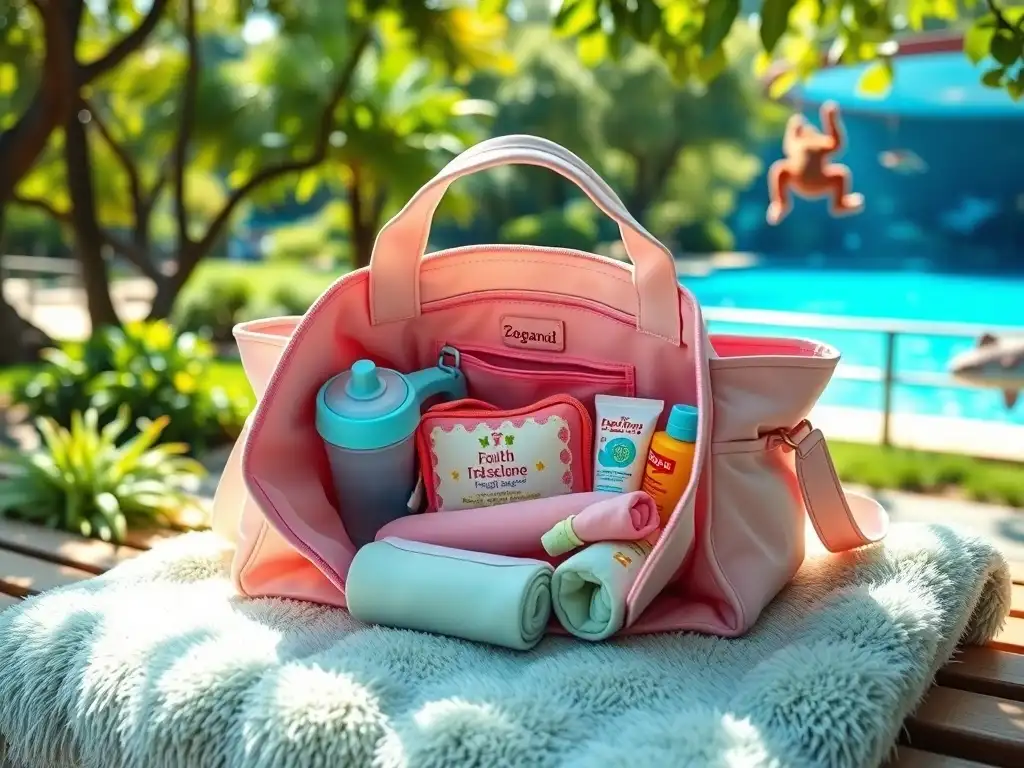
Welcome to BabyCareHub, your ultimate guide to navigating the exciting (and sometimes overwhelming!) world of parenthood. We understand that raising a little one can feel like taming a wild beast sometimes, which is why we've created this comprehensive resource. Are you ready for a smooth and stress-free family outing? Learn how to conquer the art of diaper bag organization for a zoo trip – and unlock the secrets to a fun-filled adventure with your little one. Discover practical tips and tricks to keep your baby happy and your sanity intact. Let's embark on this journey together!
- Essential Packing List for a Zoo or Aquarium Trip with Baby
- Strategic Diaper Bag Organization Techniques for Easy Access
- Smart Packing for a Zoo or Aquarium Adventure with Baby: Minimizing Fuss
- On-the-Go Diaper Changes at the Zoo or Aquarium
- Post-Trip Diaper Bag Clean-Up and Preparation
-
Frequently Asked Questions
- What are the essential items for a diaper bag when visiting the zoo?
- How can I organize my diaper bag for easy access at the zoo?
- What are some space-saving tips for packing a diaper bag for a zoo trip?
- What about entertainment for the baby during the zoo visit?
- How can I keep my diaper bag clean after a zoo trip?
- Final Reflection: The Wildly Organized Zoo Trip
- Unlock Smooth Zoo Adventures: Conquer Diaper Bag Chaos!
Essential Packing List for a Zoo or Aquarium Trip with Baby
Planning a fun-filled family day at the zoo or aquarium with your little one? While the prospect of exciting animal encounters is thrilling, a successful outing hinges on meticulous preparation, especially when it comes to your baby's needs. This guide provides a comprehensive packing list and organization strategy for your diaper bag, ensuring a smooth and enjoyable experience for both you and your baby.
We'll cover everything from diaper bag essentials to outfit changes and feeding supplies, optimizing your diaper bag for a seamless zoo or aquarium adventure. Remember, a well-organized diaper bag is your secret weapon for a stress-free day out, allowing you to fully enjoy the wonders of the animal kingdom without the added worry of missing essentials. This guide will help you effectively organize diaper bag zoo trip essentials, transforming potential chaos into a memorable family day.
Diaper Bag Essentials: The Must-Haves for a Smooth Day Out
A well-stocked diaper bag is paramount for any outing with a baby, and a trip to the zoo or aquarium is no exception. Beyond the obvious diapers and wipes, consider these crucial items:
- Diapers: Pack more than you think you'll need! Unexpected diaper changes happen, and it's better to be over-prepared. Consider the length of your visit and your baby's typical diaper-changing frequency. Aim for at least double the expected number. 👶
- Wipes: Baby wipes are essential for cleaning up messy hands, faces, and…well, everything else. Pack both baby wipes and a small pack of adult wipes for your own convenience.
- Diaper Rash Cream: Prevention is key! Apply a thin layer of diaper rash cream at each diaper change to protect your baby's delicate skin.
- Changing Pad: A portable changing pad provides a clean and comfortable surface for diaper changes, wherever you may be.
- Hand Sanitizer: Maintaining hygiene is crucial, especially in public places. Keep a small bottle of hand sanitizer readily accessible for quick cleanups. 🧴
- Plastic Bags: Essential for soiled clothes, used diapers, and other waste.
Zoo Trip Outfit Changes: Preparing for Spills and Unexpected Messes
Accidents happen, especially with little ones exploring new environments. Be prepared for spills, unexpected messes, and even the occasional unexpected potty-training incident.
- Extra Outfit (at least one): Pack a complete change of clothes for your baby, including socks and a hat. Consider the weather conditions and pack accordingly. A light layer or waterproof outerwear is always a good idea! ☔
- Bibs (at least two): Drooling, spills, and messy snacks are all part of the fun (and the mess!). Pack at least two bibs to ensure you're prepared for mealtimes and unexpected spills.
- Small Towel: A small, absorbent towel will be invaluable for cleaning up spills and wiping sticky fingers.
Feeding Supplies: Bottles, Snacks, and Sippy Cups for Little Ones
Feeding your baby on the go requires planning and preparation. Here's what to include:
- Bottles (or breast milk/formula): Prepare enough bottles of breast milk or formula for your baby's feeding schedule. Consider using a cooler bag with ice packs to keep the milk at the correct temperature. 🍼
- Snacks: Pack age-appropriate snacks such as puffs, fruit pouches, or soft-cooked vegetables. Choose snacks that are easy to eat and won't create too much mess.
- Sippy Cup (if applicable): If your baby uses a sippy cup, pack one with water or their preferred drink. Ensure the lid is secure to prevent spills.
- Small Utensils: A small spoon or fork can be helpful for feeding your baby if you are using solid foods.
This detailed packing list and organization strategy will empower you to confidently tackle your zoo or aquarium adventure, allowing you to focus on creating lasting family memories! Remember to adapt this list to your baby's specific needs and the duration of your visit. Happy exploring! 🦁🐘🐠
Weather-Appropriate Gear: Sun Hats, Sunscreen, and Rain Gear
Planning a zoo or aquarium trip with your little one requires careful consideration of the weather. Even on a seemingly perfect day, conditions can change rapidly. Therefore, packing appropriate gear is crucial for your baby's comfort and safety. This means being prepared for both sunshine and potential rain showers.
Sun protection is paramount, especially during peak sun hours. A wide-brimmed sun hat offers excellent protection for your baby's delicate face and neck. Opt for a hat made from a lightweight, breathable fabric like cotton or linen to prevent overheating. Remember, babies' skin is incredibly sensitive, so applying a high SPF, broad-spectrum sunscreen is non-negotiable. Reapply frequently, especially after swimming or sweating. Choose a sunscreen specifically formulated for babies, ensuring it's free of harsh chemicals and fragrances. Don't forget those often-missed spots like the ears and the back of the neck!
Rain, on the other hand, can quickly turn a fun outing into a miserable one. A lightweight, waterproof rain cover for your stroller is a must-have. While a full-on raincoat might seem excessive, consider a hooded poncho for your baby if they're old enough to sit up independently in the stroller. This will keep them dry and comfortable even during unexpected downpours.
Remember to pack an extra set of clothes for both you and your baby – accidents happen! Having a change of clothes readily available will prevent a soggy and uncomfortable experience for everyone. Consider packing a small, absorbent towel as well to quickly dry off your little one if they do get wet. Planning for all weather scenarios will ensure a smooth and enjoyable experience at the zoo or aquarium.
Strategic Diaper Bag Organization Techniques for Easy Access
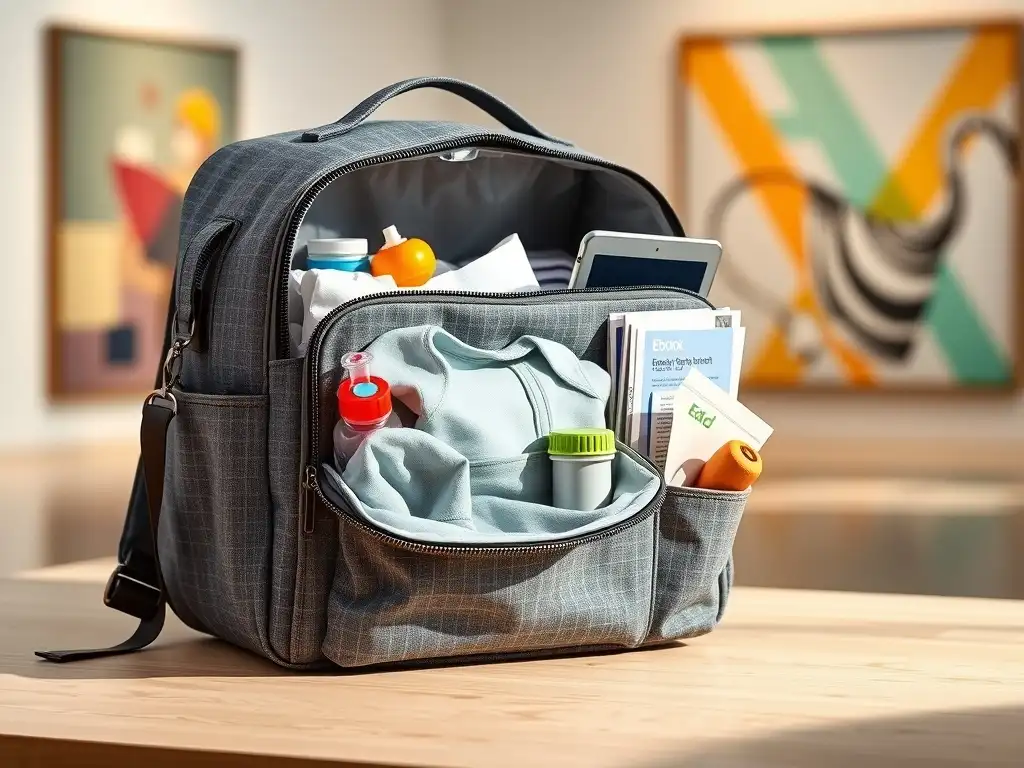
Planning a zoo or aquarium trip with your little one requires meticulous preparation, and a well-organized diaper bag is paramount. Successfully navigating a day out hinges on easy access to essentials. This section focuses on optimizing your diaper bag's organization to minimize fuss and maximize enjoyment during your family adventure. Remember, the goal is to Organize diaper bag zoo trip efficiently.
Compartmentalization: Utilizing Pockets and Organizers Effectively
Effective compartmentalization is the cornerstone of a smoothly functioning diaper bag. Avoid the dreaded "black hole" effect where everything gets jumbled together. Instead, leverage the various pockets and compartments to their fullest. Consider using diaper bag organizers – these are invaluable for creating smaller, dedicated spaces within the main bag.
Think of it like this: you wouldn't throw all your groceries into a single bag, right? You'd separate produce, dairy, and meats to prevent spoilage and maintain order. The same logic applies to your diaper bag.
Here's a suggested compartmentalization strategy:
- Dedicated Diaper Section: A large, easily accessible pocket should be solely for diapers. Aim for at least 6-8 diapers, depending on your baby's age and the length of your trip. Consider adding a small, waterproof bag inside to contain soiled diapers.
- Wipes Station: Keep a separate, easily accessible pocket for wipes. A resealable bag or container helps maintain their moisture.
- Clothing Compartment: Pack a change of clothes for your baby (and maybe even yourself!) in a separate, sealed bag to prevent spills and messes from contaminating other items.
- Food and Drink Area: If you're using bottles or pouches, dedicate a section for these items. Consider using insulated containers to maintain temperature.
- First-Aid Section: A small zip-top bag for essential first-aid items like antiseptic wipes, band-aids, and any necessary medication is crucial.
- Miscellaneous Items: Utilize smaller pockets for items like bibs, toys, and snacks.
Accessibility: Placing Frequently Needed Items Within Reach
Accessibility is key, especially when dealing with a wriggly baby and the potential for unexpected messes. Items you'll need most frequently – like diapers, wipes, and a changing mat – should be placed in the most easily accessible pockets, preferably those at the top or on the outside of the bag.
Consider these placement strategies:
- Top Pockets: Ideal for frequently used items like wipes, hand sanitizer, and a small toy.
- Side Pockets: Perfect for water bottles or sippy cups.
- External Pockets: These are designed for quick access, so use them wisely.
Think about the flow of your day. What will you need first? Place those items in the most convenient location.
Weight Distribution: Balancing the Load for Comfortable Carrying
A heavy diaper bag can quickly become a burden, especially during a long day at the zoo or aquarium. To avoid shoulder strain and backaches, pay close attention to weight distribution. Ensure the weight is evenly distributed throughout the bag, and avoid overloading it with unnecessary items.
Consider these tips:
| Item Category | Weight Considerations | Placement Suggestion |
|---|---|---|
| Diapers & Wipes | Relatively lightweight; place near the center of gravity | Central compartment, easily accessible |
| Clothes & Accessories | Can be heavy; strategically pack to balance the bag | Evenly distributed throughout the bag |
| Food & Drinks | Can vary; heavier items should be placed lower down | Bottom compartments, near the base |
Remember to choose a diaper bag with comfortable straps and padding to further enhance your carrying experience. A backpack-style diaper bag distributes weight more evenly than a shoulder bag, often making it a more comfortable option for longer outings. Prioritize comfort to enjoy your family outing to the fullest. The goal is to Organize diaper bag zoo trip for a comfortable and enjoyable experience.
Smart Packing for a Zoo or Aquarium Adventure with Baby: Minimizing Fuss
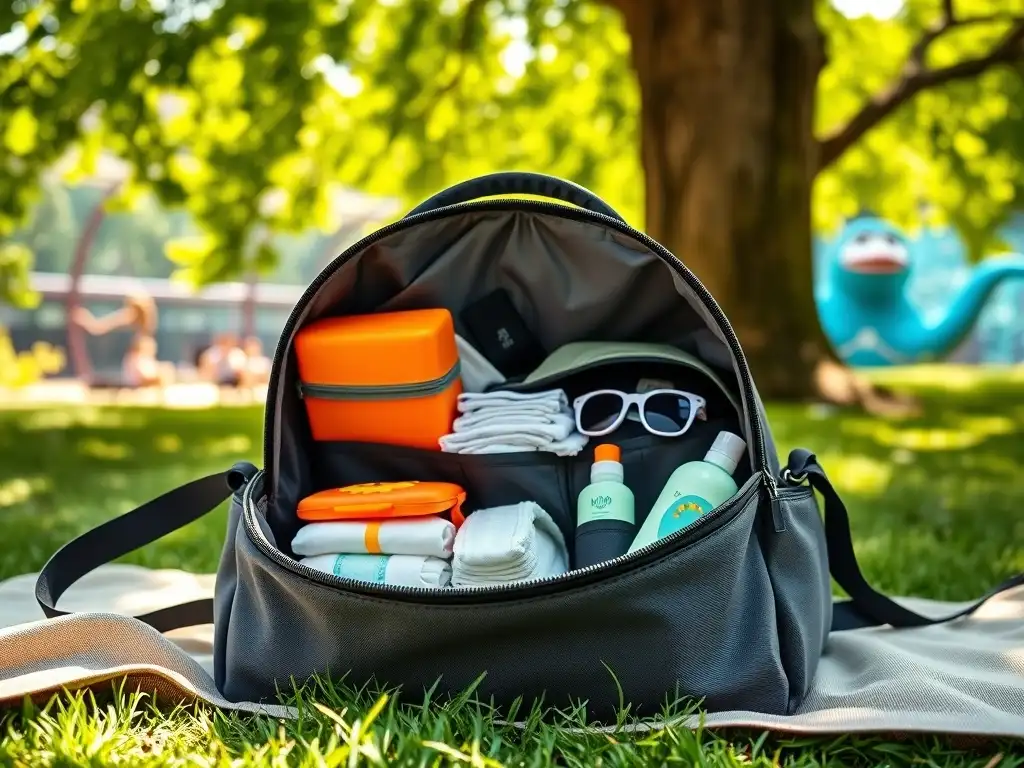
Taking your little one to the zoo or aquarium is an exciting experience, but proper preparation is key to a smooth and enjoyable day. Organizing your diaper bag effectively for such an outing requires strategic planning, focusing on minimizing bulk while ensuring you have everything you need readily accessible. This section focuses on efficient packing strategies for a stress-free zoo or aquarium visit with your baby. Remember, the goal is to organize diaper bag zoo trip essentials without overwhelming yourself with unnecessary items.
Minimizing Bulk: Choosing Travel-Sized Items and Multi-Use Products
One of the biggest challenges of diaper bag organization is managing the sheer volume of items needed for a baby. The solution lies in embracing travel-sized versions of essentials and utilizing multi-purpose products. Instead of packing a full-sized bottle of diaper rash cream, opt for a travel-sized container. Similarly, consider using a single, larger, reusable wet bag for soiled clothes and wipes, instead of carrying separate containers. This significantly reduces the overall bulk and weight of your diaper bag.
Think strategically about your choices. For example:
- Diapers: Pack enough diapers for the anticipated duration of your visit, plus a couple of extras. Consider using a diaper pail liner to contain soiled diapers.
- Wipes: Choose a refillable wipe dispenser to avoid unnecessary packaging. Baby wipes can also double as quick clean-up for sticky hands and faces.
- Sanitizer: A small hand sanitizer bottle is a must-have, especially in public spaces.
- Snacks: Opt for easily transportable, non-messy snacks like puffs or teething biscuits.
This mindful selection process will dramatically improve your organize diaper bag zoo trip efficiency. Remember, less is often more when it comes to diaper bags! Prioritize essentials and leave behind anything you can easily do without.
Pre-Trip Checklist: Ensuring You Haven't Forgotten Anything
A pre-trip checklist is invaluable for avoiding last-minute scrambles and ensuring you have everything you need. This isn't just about the diaper bag; it's about the entire family's preparation. Creating a checklist and sticking to it will save you considerable stress.
Here’s a sample checklist tailored for a zoo or aquarium trip:
| Item Category | Item | Quantity (Adjust as needed) | Notes |
|---|---|---|---|
| Diapering Essentials | Diapers | 6-8 | More if baby is a frequent wetter |
| Wipes | 1 package | Consider a refillable container | |
| Diaper rash cream | Travel size | ||
| Changing pad | 1 | ||
| Trash bags (for soiled diapers) | 2-3 | ||
| Feeding Essentials | Bottles/Sippy cups | As needed | Pre-filled with formula or milk |
| Formula/Milk | Sufficient for the outing | ||
| Snacks | Several servings | Non-messy options are best | |
| Clothing & Comfort | Extra clothes for baby | 1-2 outfits | Account for potential spills/accidents |
| Baby carrier/stroller | 1 | Choose the most comfortable option | |
| Sun hat | 1 | Essential for sun protection | |
| First Aid & Hygiene | Hand sanitizer | 1 | |
| Baby sunscreen (if applicable) | 1 | Apply generously and frequently | |
| Baby-safe insect repellent (if needed) | 1 | Check for age appropriateness | |
| Miscellaneous | Small toys/books | 1-2 | To keep baby entertained |
| Reusable water bottle (for you) | 1 | Stay hydrated! |
This checklist helps you efficiently organize diaper bag zoo trip items and ensures you're prepared for any eventuality. Remember to adapt it to your baby’s specific needs and the length of your visit. You might even want to create a digital version for easy access on your phone.
Packing Cubes: Maximizing Space and Organization in Your Diaper Bag
Packing cubes are a game-changer for diaper bag organization. These compressible fabric containers allow you to compartmentalize your items, keeping everything neat and easily accessible. Instead of rummaging through a chaotic bag, you can quickly locate specific items within their designated cube.
Consider using different colored or labeled cubes for different categories:
- Diapering cube: Diapers, wipes, rash cream, changing pad.
- Feeding cube: Bottles, formula/milk, snacks, bibs.
- Clothing cube: Extra clothes, socks, sun hat.
- First aid/misc. cube: Hand sanitizer, sunscreen, small toys.
This system significantly improves the efficiency of your organize diaper bag zoo trip strategy. Not only does it save space by compressing items, but it also makes finding what you need much faster and easier, especially in a busy environment like a zoo or aquarium. The added bonus? When you arrive home, simply remove the cubes and store them for your next outing – making clean-up a breeze! This method is highly recommended for optimizing diaper bag space and ensuring a stress-free experience.
On-the-Go Diaper Changes at the Zoo or Aquarium
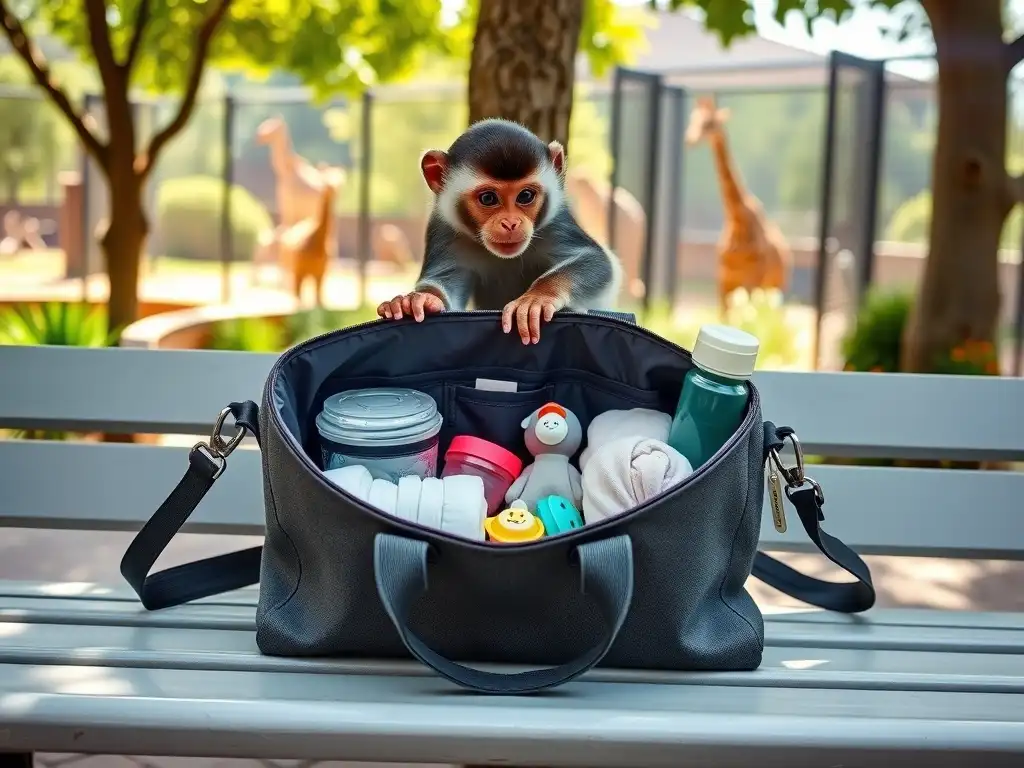
Planning a fun-filled family outing to the zoo or aquarium with your little one? Successfully navigating diaper changes amidst the excitement requires preparation and a well-organized diaper bag. This section focuses on streamlining the diaper changing process during your visit, ensuring a smooth and stress-free experience for both you and your baby. Remember, preparedness is key to managing diaper changes efficiently in unfamiliar environments. Let's explore the key aspects of on-the-go diaper changes, optimizing your zoo or aquarium adventure.
Choosing the Right Changing Station: Public Restrooms vs. Designated Areas
Choosing the right place to change your baby's diaper is crucial for a smooth experience. Zoos and aquariums often offer varying options, each with its own advantages and disadvantages. Public restrooms, while readily available, can sometimes be less than ideal. They may lack dedicated changing tables, be unclean, or experience high traffic during peak hours. This can make the diaper change process more challenging and potentially stressful.
Conversely, some zoos and aquariums provide designated baby care areas or family restrooms. These spaces are typically cleaner, more private, and equipped with comfortable changing tables. They often offer additional amenities like sinks for handwashing and even space for nursing mothers. Before your visit, check the zoo or aquarium's website for information on available baby care facilities. This will allow you to plan your route and minimize any unexpected disruptions during diaper changes. Knowing where to find these facilities can significantly reduce stress and improve the overall experience of your trip.
Planning ahead and identifying the location of family restrooms or designated baby changing areas before you arrive can save you valuable time and frustration. Consider using the zoo or aquarium's mobile app (if available), which often includes a map highlighting these essential facilities. This proactive approach will ensure a more efficient and pleasant diaper changing experience, allowing you to fully enjoy your day at the zoo or aquarium.
Diaper Changing Essentials: Wipes, Diapers, and Changing Pad
Packing the right essentials is paramount for successful diaper changes away from home. While a fully stocked diaper bag might seem excessive, carrying only the necessary items can make the process much easier. Always prioritize essentials, avoiding unnecessary bulk. Here's a checklist of must-have items:
- Diapers: Pack enough diapers for the entire duration of your visit, plus a few extra for unexpected situations. Consider your baby's diaper changing frequency; a baby who changes every two hours will need more than a baby who changes every three.
- Wipes: Choose soft, gentle wipes to prevent irritation. Having both wet wipes and a small bottle of water for a quick cleanup is a good idea. Consider environmentally friendly or sensitive wipes for added protection.
- Changing Pad: A portable, waterproof changing pad is a must-have for hygiene and ease of cleaning. It creates a clean surface in potentially less-than-ideal environments. Disposable changing pads are also a convenient option for quick cleanups.
- Diaper Rash Cream: A small tube of diaper rash cream can prevent irritation and discomfort, especially in warmer weather.
- Plastic Bags: Use plastic bags to dispose of soiled diapers hygienically.
| Item | Quantity Recommendation | Notes |
|---|---|---|
| Diapers | 4-6 (depending on age) | More for longer visits or frequent changes |
| Wipes | 1-2 packs | Consider travel-sized packs |
| Changing Pad | 1 | Reusable or disposable, based on preference |
| Diaper Rash Cream | 1 small tube | For preventing and treating diaper rash |
| Plastic Bags | 4-6 | For hygienic disposal of soiled diapers |
Remember, a well-organized diaper bag facilitates quick access to these essentials, minimizing time spent searching during a diaper change.
Handling Unexpected Messes: Stain Removal Tips and Tricks
Accidents happen, especially with babies! Being prepared for unexpected messes is essential for a stress-free outing. Spills and blowouts are common, and knowing how to handle them quickly can prevent further problems. Here are some tips for dealing with unexpected messes:
- Act Fast: The quicker you address a stain, the easier it will be to remove. Blot (don't rub!) the affected area with a clean, damp cloth to remove excess material.
- Pre-treating Stains: A pre-treatment solution, such as a stain remover pen or a small amount of laundry detergent, can help lift stains before washing. Pre-treating stains immediately can significantly improve the chances of successful removal.
- Washing Instructions: Always check the clothing label for washing instructions before cleaning the stained garment. Following the manufacturer's guidelines will prevent damage to the fabric.
- Air Drying: If possible, air dry the stained clothing item to prevent setting the stain. Sun drying can also help fade stains naturally.
Having a small stain remover pen or wipes in your diaper bag can be a lifesaver. Remember, prevention is key! Consider dressing your baby in easily washable clothes and bringing along an extra set of clothes for unexpected accidents. This proactive approach ensures that you stay calm and collected even when faced with unexpected messes, allowing you to enjoy the remainder of your trip. Remember, accidents are a normal part of parenthood, and being prepared makes all the difference. 😜
Post-Trip Diaper Bag Clean-Up and Preparation
After a fun-filled day at the zoo or aquarium, the last thing you want to deal with is a messy diaper bag. Proper clean-up and preparation are crucial for maintaining hygiene and ensuring you're ready for your next outing. This section focuses on efficiently emptying, cleaning, and restocking your diaper bag to keep it organized and ready for action. Efficient diaper bag organization is key for stress-free adventures with your little one!
Emptying and Cleaning Your Diaper Bag: Maintaining Hygiene
The first step in organizing your diaper bag after a trip is thorough emptying and cleaning. This prevents the build-up of bacteria and unpleasant odors, keeping your baby's belongings fresh and sanitary. Think of it as a mini-spring cleaning for your diaper bag!
Begin by removing all items from the bag. Separate dirty diapers immediately and place them in a designated, sealable bag for disposal. This prevents leakage and keeps the rest of the bag clean. Dispose of used wipes and any other trash.
Next, carefully wipe down the interior of the diaper bag with a damp cloth and mild soap or disinfectant wipes. Pay special attention to any areas where spills or leaks might have occurred. Allow the bag to air dry completely before repacking to prevent mold and mildew growth. Remember, a clean diaper bag is a happy diaper bag! This simple routine significantly improves hygiene and reduces the risk of bacterial contamination.
Consider using a reusable, washable liner for your diaper bag. This makes cleaning much easier, as you can simply remove and wash the liner separately. This is a great tip for maintaining a consistently clean and organized diaper bag, especially when you have multiple outings planned.
Replenishing Supplies: Preparing for Your Next Adventure
Once your diaper bag is clean and dry, it's time to restock it for your next adventure. Efficient replenishment ensures you're always prepared for any situation. This involves checking your supplies and replacing any used or low items.
Use a checklist to ensure you don't forget anything crucial. A sample checklist might include:
- Diapers: Check your diaper count and replenish as needed. Consider the length of your next outing when determining the amount to pack.
- Wipes: Always keep a fresh pack of wipes readily available.
- Changing Pad: Ensure your changing pad is clean and ready to use.
- Diaper Rash Cream: Prevent diaper rash by keeping a tube of cream handy.
- Baby Clothes: Pack a spare outfit or two, anticipating potential spills or accidents.
- Snacks and Drinks: Stock up on your baby's favorite snacks and drinks. Remember a sippy cup or bottle and appropriate snacks for your little one's age and dietary needs.
- Toys and Comfort Items: Pack a few small toys or a favorite comfort item to keep your baby entertained.
By creating and using a checklist, you can streamline the repacking process and avoid forgetting essential items. This helps you to efficiently organize your diaper bag and ensures you're always well-prepared for any eventuality. A well-organized diaper bag is your best friend for a smooth trip, allowing you to focus on enjoying quality time with your baby. Remember, preparedness is key to stress-free adventures! 👶🎒
Frequently Asked Questions
What are the essential items for a diaper bag when visiting the zoo?
Beyond diapers and wipes, pack extra clothes, a change of clothes for yourself, sun protection, and snacks and drinks for both baby and yourself. Don't forget hand sanitizer!
How can I organize my diaper bag for easy access at the zoo?
Use separate compartments or packing cubes to organize items. Place frequently needed items like diapers and wipes in easily accessible pockets. Consider a diaper bag backpack for hands-free convenience.
What are some space-saving tips for packing a diaper bag for a zoo trip?
Use reusable wipes and cloth diapers to minimize bulk. Opt for travel-sized containers for lotions and creams. Roll clothes instead of folding to save space. Consider a smaller diaper bag if possible.
What about entertainment for the baby during the zoo visit?
Pack quiet toys, books, and small, safe objects to keep your baby entertained. A baby carrier allows you to keep your baby close and your hands free. Remember age-appropriate toys.
How can I keep my diaper bag clean after a zoo trip?
Wipe down the interior and exterior with a disinfecting wipe after the trip. Wash any soiled clothing or items immediately. Air out the bag thoroughly before storing it. Consider using a waterproof liner.
Final Reflection: The Wildly Organized Zoo Trip
Successfully navigating a zoo or aquarium visit with a baby or toddler requires more than just packing—it demands strategic organization. A well-planned diaper bag isn't just about convenience; it's about ensuring a smooth, enjoyable experience for both parent and child, allowing you to fully appreciate the wonders of the animal kingdom without the added stress of a disorganized bag.
The impact of a well-organized diaper bag extends far beyond the confines of a zoo trip. It represents a broader shift in parenting philosophy, one that prioritizes preparedness and proactive problem-solving. This mindful approach to packing translates to other aspects of parenthood, fostering a sense of calm and control in often chaotic situations. The best laid plans of mice and men often go awry,
but a little preparation can significantly mitigate the unexpected. This principle applies equally to a zoo outing and the daily adventures of raising a child.
Now, consider your own approach to packing for outings with your little ones. What strategies resonate with you from this article? What adjustments can you make to your current system to create a more efficient and stress-free experience? I encourage you to experiment, adapt, and find the perfect diaper bag organization system that works for you and your family. Embrace the journey of parenthood, one organized adventure at a time!
Unlock Smooth Zoo Adventures: Conquer Diaper Bag Chaos!
Thanks for joining us on this journey to organized diaper bag bliss! We hope you're now ready to tackle any zoo or aquarium trip with confidence. Ready to put your new skills to the test?
- Master your diaper bag packing strategy: Use our tips to create a customized packing list for your next adventure, ensuring you have everything you need and nothing extra.
- Share your essential diaper bag items with other parents in the comments below – let's build a community resource!
- Challenge yourself to a diaper bag declutter this week: Remove unnecessary items and streamline your packing routine.
What's your biggest diaper bag packing challenge, and how do you overcome it? Let's discuss!