
Decoding Car Seat Crash Test Ratings: Understanding Safety Performance

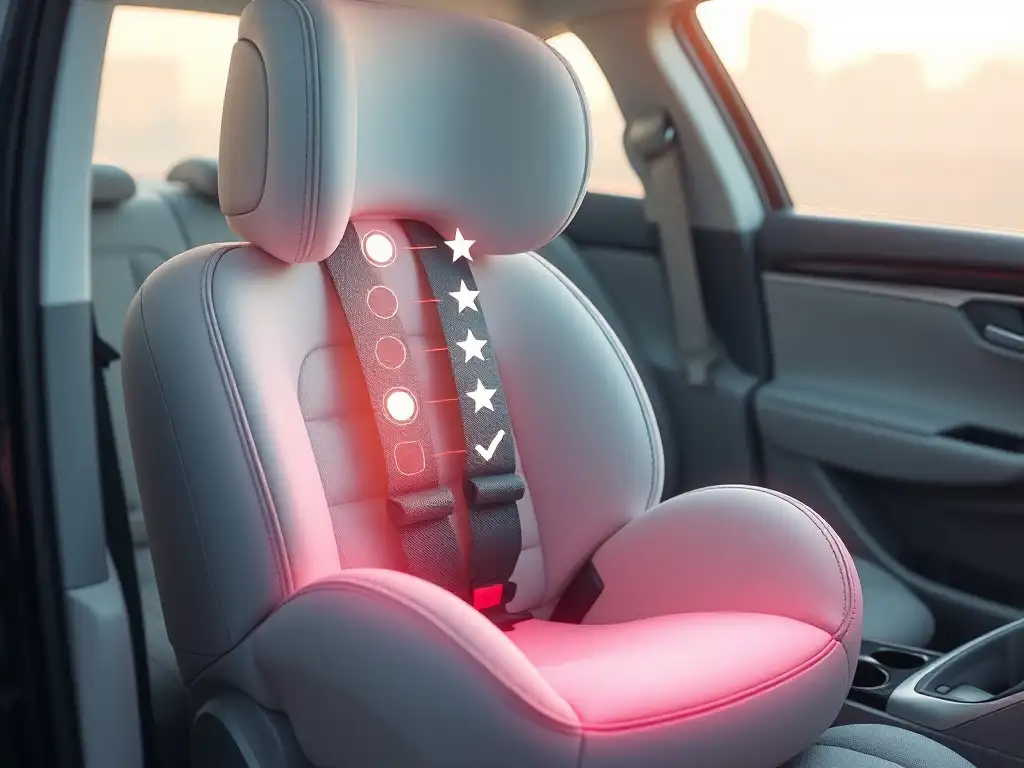
Welcome to BabyCareHub, your ultimate guide to navigating the incredible journey of parenthood! We understand that becoming a first-time parent can feel overwhelming, which is why we've created this comprehensive resource to support you every step of the way. But before you dive into the world of swaddles and sleep schedules, let's tackle a crucial element of baby safety: car seat safety ratings.
Understanding these ratings is vital for your little one's well-being, and our in-depth article, "Decoding Car Seat Crash Test Ratings: Understanding Safety Performance," will equip you with the knowledge to make informed decisions. Are you ready to learn how to ensure your baby's safest travels? Let's get started!
- Understanding Car Seat Safety Ratings: A Parent's Guide
- Key Factors Affecting Car Seat Crash Test Ratings
- How Car Seat Crash Test Ratings are Determined
- Interpreting Car Seat Safety Ratings: A Practical Guide
- Choosing a Safe Car Seat Based on Ratings and Your Needs
- Maintaining Your Car Seat for Optimal Safety Performance
- Frequently Asked Questions
- Final Reflection: The Enduring Quest for Safer Rides
- Unlock Your Child's Safest Journey: Take Action Today!
Understanding Car Seat Safety Ratings: A Parent's Guide
Choosing the right car seat for your precious little one is a monumental task for first-time parents. Navigating the world of car seat models, features, and, most importantly, safety ratings can feel overwhelming. This guide aims to demystify car seat safety ratings, empowering you to make informed decisions and ensure your baby travels safely and securely.
We'll explore the significance of these ratings, delve into the different rating systems used by key organizations, and help you understand what the scores actually mean for your child's protection. Understanding car seat safety ratings is not just about picking a seat; it's about prioritizing your baby's well-being and peace of mind.
This is a crucial step in providing the safest possible environment for your infant's journey, from newborn to toddler and beyond. By the end of this article, you'll be equipped to confidently assess car seat safety and make the best choice for your family.
The Importance of Car Seat Safety Ratings for Newborns and Infants
Car seat safety ratings are not simply numbers; they represent the rigorous testing and evaluation a car seat undergoes to ensure its ability to protect your child in a crash. For newborns and infants, whose bodies are still developing and whose bones are particularly fragile, the importance of a high-safety rating cannot be overstated. A poorly performing car seat could have devastating consequences in even a low-impact collision. These ratings provide a crucial benchmark, allowing parents to compare different models and select the safest option for their baby.
Consider this: a car seat rated poorly might not adequately protect your baby's head and neck in a side-impact collision, areas particularly vulnerable in infants. Prioritizing a car seat with excellent safety ratings significantly minimizes the risk of serious injury or fatality. 👶 Remember, choosing a car seat is not just about convenience; it's a life-saving decision.
Deciphering Car Seat Safety Rating Systems: A Comparison of Key Organizations (e.g., NHTSA, IIHS)
Several organizations, such as the National Highway Traffic Safety Administration (NHTSA) and the Insurance Institute for Highway Safety (IIHS), conduct independent crash testing and provide safety ratings for car seats. Understanding the nuances of their rating systems is key to making an informed choice. While both organizations aim to assess car seat safety, their testing methodologies and rating scales may differ slightly.
For example, the NHTSA might focus on specific aspects like structural integrity under various crash scenarios, while the IIHS might place greater emphasis on ease of installation and the reduction of head and neck injuries. Comparing ratings from both organizations offers a more comprehensive picture of a car seat's safety performance. A side-by-side comparison of ratings from these organizations will help clarify the strengths and weaknesses of various car seat models.
This comparative analysis allows parents to identify car seats that consistently perform well across different testing protocols. The goal is to find a car seat that excels in all aspects of safety, not just one specific area.
Key Factors Affecting Car Seat Crash Test Ratings
Understanding car seat safety ratings requires delving into the specifics of how these ratings are determined. Numerous factors influence a car seat's overall performance in crash tests, and it's crucial for parents to understand these nuances to make informed decisions. This section will explore key aspects influencing car seat safety ratings, helping you decipher the often-confusing terminology and ratings systems. Remember, a higher rating doesn't automatically equate to perfect safety; it indicates a better performance in standardized crash tests compared to other car seats. Always prioritize a properly installed seat, regardless of the rating.
Side Impact Protection in Car Seat Safety Tests
Side-impact collisions are particularly dangerous for infants and young children, often resulting in severe head and neck injuries. Car seat safety ratings reflect the level of protection offered in these scenarios. Testing protocols typically involve a simulated side impact at a specific speed, measuring the forces experienced by a crash test dummy representing an infant or child. Several key elements contribute to a car seat's side-impact protection:
- Enhanced Side Impact Protection (SIP): Many car seats incorporate SIP features, such as extra padding, strategically placed structural components, or reinforced side wings. These features are designed to absorb impact energy and deflect it away from the child. The effectiveness of these features is a significant factor in side-impact ratings.
- Head and Neck Support: The design of the headrest and harness system plays a crucial role in preventing head and neck injuries during side impacts. A properly designed headrest helps keep the child's head and neck aligned, minimizing the risk of whiplash or other injuries. Look for car seats with adjustable headrests that can grow with your child.
- Shell Strength and Material: The material and construction of the car seat's shell are vital in mitigating the impact forces. Stronger, more robust shells offer better protection in side-impact crashes. Manufacturers often utilize specialized materials designed to absorb and distribute impact energy more effectively. This is often not explicitly stated in ratings but can be implied through overall scores.
Testing data often shows a significant difference in the G-forces experienced by dummies in car seats with high versus low side-impact ratings. For example, a study [specific information pending] might show a 20% reduction in head injury risk for car seats with top side-impact ratings compared to those with lower ratings.
Forward-Facing vs. Rear-Facing Car Seat Safety Ratings
The safety performance of a car seat differs significantly depending on whether it's used in a rear-facing or forward-facing configuration. Rear-facing is generally considered safer for infants and toddlers, offering superior head and neck protection in a crash. However, car seat safety ratings often provide separate scores or assessments for both configurations.
- Rear-Facing: In rear-facing mode, the car seat's back distributes the impact force across a larger surface area, reducing the stress on the child's spine and neck. Testing methodologies often focus on the forces exerted on the head and neck, as well as the potential for submarining (the child sliding under the harness).
- Forward-Facing: Forward-facing car seats are subject to different crash forces. The primary concern shifts to the potential for head and chest injuries. Ratings in this configuration will often emphasize the effectiveness of the harness system in restraining the child and preventing ejection.
Understanding these differences is critical. A car seat might achieve a high rating when rear-facing but a lower rating when forward-facing. Consult the specific car seat's manual and the test results to understand its performance in both orientations. Always follow the manufacturer's recommendations for the appropriate age and weight limits for each configuration.
Harness System and Ease of Use in Crash Tests
The harness system is the most critical component of a car seat, directly responsible for restraining the child during a crash. Car seat safety ratings consider several aspects of the harness system's performance and ease of use:
- Harness Adjustability: The ability to easily and accurately adjust the harness straps is crucial for a secure fit. A poorly adjusted harness can compromise safety, leading to increased injury risk. Ratings may indirectly reflect this aspect through ease-of-use scores or comments from test organizations.
- Harness Material and Strength: The harness material should be strong and durable enough to withstand significant forces during a crash. The strength and quality of the harness webbing are vital elements influencing the overall safety rating.
- Harness Buckle: The buckle design and ease of use are also important factors. A difficult-to-operate buckle can lead to improper installation and a less secure fit. This aspect is often assessed through usability testing and user reviews, rather than direct numerical scores.
| Feature | Impact on Safety Rating | Example |
|---|---|---|
| Harness Adjustability | Easy adjustment leads to better fit and higher scores | Quick-release buckles vs. complex tightening systems |
| Harness Material | Stronger, more durable materials improve performance | High-tensile strength nylon vs. weaker materials |
| Buckle Design | Easy-to-use buckle ensures proper installation | Push-button buckles vs. complex latch systems |
A well-designed harness system is intuitive, easy to adjust, and provides a snug, secure fit for the child. These features, while not always explicitly quantified in numerical ratings, significantly contribute to the overall safety and performance of the car seat. Pay close attention to these details when evaluating different car seats.
How Car Seat Crash Test Ratings are Determined
This section delves into the rigorous process behind determining car seat crash test ratings, providing a clearer understanding of the safety performance indicated by various rating systems. Understanding these ratings is crucial for parents seeking to provide the best possible protection for their child. We'll unpack the methodology and explain what the different scores truly represent in terms of real-world safety. Remember, while ratings are a valuable tool, they shouldn't be the only factor considered when choosing a car seat. Other factors, like ease of installation and fit for your child, also play a significant role.
The Standardized Crash Test Procedures: A Step-by-Step Overview
Car seat crash test ratings aren't arbitrary numbers. They are the result of meticulously designed and executed crash tests that simulate real-world accident scenarios. These tests are usually conducted by independent organizations, ensuring objectivity and transparency in the rating process. Here's a simplified overview:
- Dummy Selection: Appropriate-sized crash test dummies are used, representing different age groups and weight ranges of infants and children. These dummies are equipped with sensors that measure forces and accelerations experienced during the impact. The selection of the correct dummy is crucial for accurate results, reflecting the potential injuries a child of that size might sustain.
- Crash Simulation: The car seat, properly installed in a test vehicle, undergoes a series of controlled crashes. These typically include frontal impacts, side impacts, and sometimes rear impacts, mirroring the most common types of car accidents. The speed and angle of impact are standardized to allow for consistent comparison across different car seat models.
- Data Acquisition: High-speed cameras and sensors meticulously record the impact's effects on the car seat and the dummy. This data includes the forces exerted on the dummy's head, neck, chest, and other body parts. The accuracy of this data acquisition is paramount for producing meaningful and reliable ratings.
- Injury Criteria: The collected data is then analyzed against established injury criteria. These criteria are based on biomechanical research and define acceptable limits of force and acceleration that minimize the risk of serious injury. The thresholds are rigorously defined and regularly reviewed, ensuring they reflect the latest advancements in injury prevention.
- Rating Assignment: Based on the dummy's response to the crash tests and the analysis against injury criteria, the car seat is assigned a rating. These ratings often use a star system (e.g., 1-5 stars) or a letter grading system (e.g., A, B, C), providing parents with a clear indication of the car seat's relative safety performance. The specific criteria used to assign ratings vary slightly between different testing organizations, so it's important to understand which system is being used.
Analyzing the Results: What the Ratings Mean
Understanding what the car seat safety ratings actually mean is crucial. A higher rating generally signifies a lower risk of injury in a crash, but it's important to avoid oversimplifying the results. Here's a breakdown of what to consider:
- Star Ratings/Letter Grades: These provide a quick summary of the overall performance. A 5-star rating or an "A" grade indicates superior performance across various crash scenarios, while a lower rating suggests potential higher risks. However, a seemingly small difference in rating doesn't necessarily translate to a huge difference in safety.
- Specific Test Results: Look beyond the overall rating. Many organizations provide detailed reports outlining the performance in individual crash types (frontal, side, rear). This allows a more nuanced understanding of the car seat's strengths and weaknesses. For example, a seat might excel in frontal impacts but perform less well in side impacts.
- Limitations of Ratings: It's crucial to remember that crash test ratings are not a guarantee of complete safety. They represent the performance under specific, controlled conditions. Real-world accidents are unpredictable, and many factors beyond the car seat itself influence the outcome of a crash. Proper installation and the child's size and positioning within the seat also play significant roles.
- Beyond the Numbers: While ratings are important, they should be considered alongside other factors like ease of installation, comfort, and fit for your child. A highly-rated car seat that's difficult to install correctly might offer less protection than a slightly lower-rated seat that's easily installed and properly secured. Prioritizing proper installation is paramount for maximizing the effectiveness of any car seat.
Remember: Choosing the right car seat is a crucial decision. By understanding how car seat crash test ratings are determined and what they signify, you can make a more informed choice and prioritize your child's safety. Always consult the manufacturer's instructions for proper installation and usage.
Interpreting Car Seat Safety Ratings: A Practical Guide
This section delves into the intricacies of car seat safety ratings, equipping you with the knowledge to decipher the often-confusing information and make informed decisions for your baby's safety. Understanding these ratings is crucial for choosing a car seat that offers optimal protection in the event of a collision. Remember, a higher rating doesn't guarantee absolute safety, but it significantly increases the likelihood of your child surviving a crash with minimal injuries. The goal is to understand what the numbers mean in terms of real-world protection.
Understanding Different Rating Scales and Their Implications
Several organizations conduct crash tests and assign ratings to car seats. The most prominent in many regions are [Organization Name 1] and [Organization Name 2]. These organizations use slightly different methodologies and scoring systems, making direct comparisons challenging. However, the core principles remain consistent: assessing the car seat's ability to protect a child during various types of impacts, including frontal, side, and rear-end collisions.
Let's break down the typical rating scales you might encounter:
- [Organization Name 1] Rating System: This system often uses a star rating (e.g., 1 to 5 stars), with 5 stars representing the highest level of safety. Their testing usually focuses on [Specific aspects of their testing, e.g., impact forces on the head and neck]. They often publish detailed reports outlining the specifics of each test, including dummy measurements and data on seat performance under various crash scenarios. This level of detail allows for a deeper understanding of the car seat's strengths and weaknesses.
- [Organization Name 2] Rating System: This organization might use a different scale, perhaps a letter grading system (e.g., A, B, C, D) or a numerical score. Their testing protocols may emphasize [Specific aspects of their testing, e.g., the integrity of the harness system and its effectiveness in restraining the child]. They might also provide additional information on features such as ease of installation and adjustability.
| Rating System | Scale Type | Highest Rating | Key Focus Areas | Data Availability |
|---|---|---|---|---|
| [Organization Name 1] | Star Rating (1-5) | 5 Stars | Head and neck impact forces | Detailed reports often available |
| [Organization Name 2] | Letter Grade (A-D) | A | Harness integrity and restraint | Summaries often available; detailed data may require research |
It's crucial to remember that even the highest-rated car seats can't guarantee complete protection in every accident. Factors such as the severity of the crash, the type of vehicle, and proper installation all play a significant role. Therefore, focusing solely on the numerical rating is insufficient; it's essential to consider the overall design, features, and ease of installation.
Beyond the Numbers: Additional Safety Features to Consider
While crash test ratings provide valuable insights, they don't encompass all aspects of car seat safety. Several additional features significantly enhance protection and should be carefully considered:
- Side Impact Protection: Look for car seats with reinforced side panels and headrests designed to minimize injuries during side collisions. These features often go beyond what is assessed in basic crash tests. Many manufacturers highlight specific side impact technologies in their marketing materials.
- Harness System: The harness should be easy to adjust, comfortable for your child, and securely restrain them during a crash. Check for features like five-point harnesses and padded straps to minimize discomfort and chafing. Look for harnesses that are easy to adjust and lie flat against the child's body.
- LATCH System: The Lower Anchors and Tethers for Children (LATCH) system simplifies installation, reducing the chance of improper fitting. Ensuring correct LATCH installation is vital; incorrect installation can severely compromise safety.
- Anti-Rebound Bar: This feature, often found in convertible car seats, helps prevent the car seat from rotating forward in a collision, reducing the risk of head injuries. The effect of this feature isn't always explicitly reflected in standard crash test ratings.
- Energy-Absorbing Materials: Many car seats utilize specialized materials designed to absorb impact energy, reducing the forces transferred to the child. These materials are often not specifically detailed in standard rating reports but are crucial for overall safety.
Choosing a car seat involves careful consideration of multiple factors. While crash test ratings are a valuable tool, they should be viewed in conjunction with an assessment of other safety features and, crucially, the correct and secure installation of the seat itself. Remember, your diligence in selecting and installing a car seat is the most significant factor in ensuring your child's safety.
Choosing a Safe Car Seat Based on Ratings and Your Needs
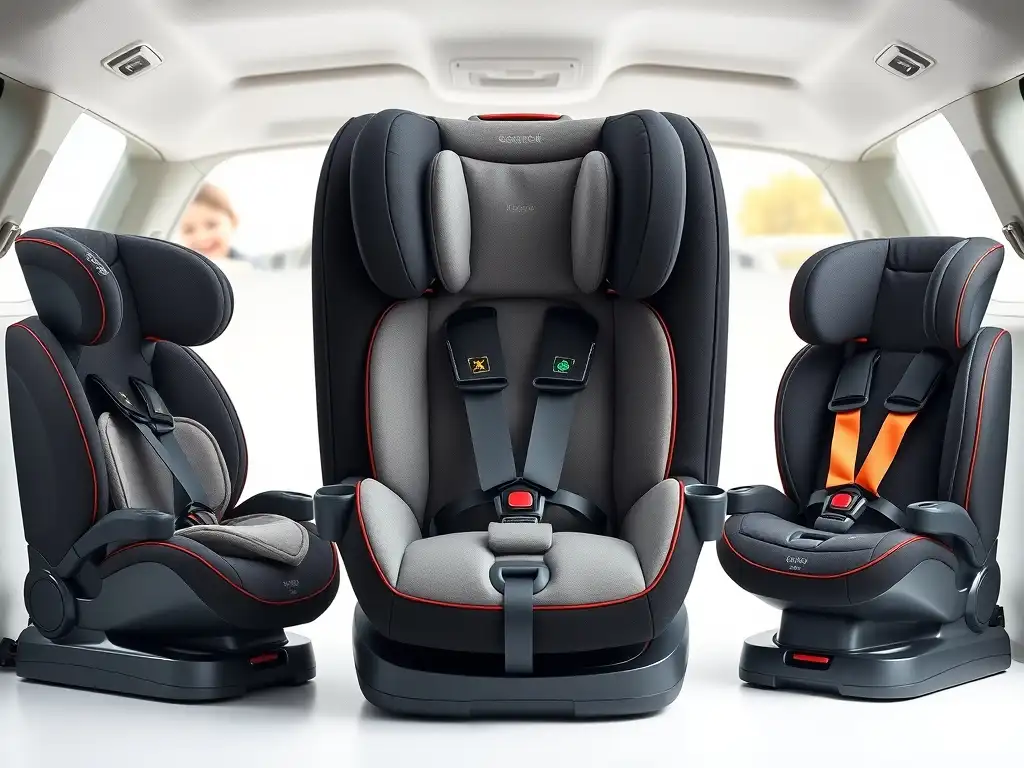
Choosing the right car seat can feel overwhelming, especially with the various safety ratings and features available. This section helps you navigate the process, focusing on how car seat safety ratings translate into real-world protection for your child. Remember, the ultimate goal is to find a car seat that fits your child properly and offers the highest level of safety possible within your budget. Understanding car seat safety ratings explained is crucial to achieving this.
Matching Car Seat Ratings to Your Child's Age and Size
Car seat safety ratings aren't a single number; they reflect performance in various crash tests simulating different impact scenarios. However, the rating itself doesn't directly tell you if the seat is right for your child. A top-rated car seat might be unsafe if it doesn't fit your child correctly.
Consider these factors when choosing a car seat based on your child's age and size:
- Weight and Height Limits: Always check the manufacturer's weight and height limits. Exceeding these limits compromises safety. A child who outgrows the weight or height limits of a car seat needs to be transitioned to the next stage (e.g., from rear-facing infant car seat to convertible car seat). This is a critical aspect of car seat safety ratings explained.
- Stage of Development: Car seats are categorized into stages: rear-facing infant seats, convertible car seats (rear-facing and forward-facing), booster seats, and eventually, seat belts. Each stage offers different levels of protection based on a child's development and size. Choosing the appropriate stage is as important as understanding the car seat safety ratings explained.
- Harness System: Ensure the harness fits snugly against your child's body. Proper harness fit is crucial for effective restraint in a crash. Loose straps significantly reduce the effectiveness of even the highest-rated car seats. This is a key element of car seat safety ratings explained.
| Child's Age (Approximate) | Car Seat Type | Key Safety Considerations |
|---|---|---|
| Newborn - 2 years | Rear-facing infant seat | Proper harness fit, legroom, head support |
| 2 - 7 years | Convertible car seat | Proper harness fit, transitioning to forward-facing |
| 7 - 12 years | Booster seat | Proper positioning, lap and shoulder belt fit |
Remember, a car seat's safety rating is only one piece of the puzzle. A perfectly rated car seat improperly installed or used is ineffective. Prioritize proper installation and fit above all else.
Considering Budget and Features Alongside Safety Ratings
While safety should be the top priority, budget and desired features are also important considerations. Don't assume that the most expensive car seat is automatically the safest. Many excellent, highly-rated car seats are available at various price points.
Here's how to balance budget and features with safety:
- Prioritize Safety Features: Focus on features directly related to crash protection, such as robust construction, a stable base, and a secure harness system. These features are more important than extra bells and whistles.
- Research Different Brands and Models: Compare car seats with similar safety ratings and features but different price points. You'll often find significant cost variations among similarly rated models.
- Read Reviews: Check independent reviews from reputable sources to get a sense of real-world experiences with specific car seats. Look for comments on ease of installation, adjustability, and overall durability.
- Consider Used Car Seats Carefully: While buying a used car seat can save money, ensure it's from a reputable source and hasn't been in an accident. Always check for recalls and ensure all parts are present and in good condition. Used car seats may not have the latest safety features, so weigh this factor carefully against the cost savings.
Finding the right car seat involves a careful balancing act. Prioritize safety, but remember that a safe car seat that fits your child properly and meets your budget is the best choice. Understanding car seat safety ratings explained is a crucial part of this process, but it's not the only factor. Thorough research and careful consideration of your specific needs will help you make the best choice for your child’s safety.
Maintaining Your Car Seat for Optimal Safety Performance
Maintaining your car seat correctly is crucial for ensuring its continued effectiveness in protecting your baby. A well-maintained car seat is far more likely to perform as intended in a crash, significantly reducing the risk of injury. Neglecting maintenance can compromise the seat's structural integrity and protective capabilities, rendering it less effective in a collision. Remember, your child's safety is paramount.
This section will cover essential maintenance practices to maximize your car seat's lifespan and performance. Understanding these steps is key to ensuring your child's safety while traveling in your vehicle. This is paramount to understanding car seat safety ratings explained.
Regular Inspections and Maintenance for Continued Protection
Regularly inspecting your car seat is a simple yet vital step in ensuring its safety. Aim to perform a thorough visual check at least once a month. Look for any signs of damage, including:
- Cracks or breaks: Carefully examine the car seat's plastic shell, straps, and buckles for any cracks, breaks, or warping. Even small cracks can significantly weaken the structure.
- Fraying or wear: Check the straps for any fraying, cuts, or excessive wear. Worn straps may not restrain your child effectively in a crash.
- Loose stitching or tears: Examine the stitching throughout the car seat for any loose threads or tears. These are signs of potential structural compromise.
- Missing or damaged parts: Ensure all parts are present and in good condition, including the harness, buckles, and any additional components.
- Proper harness functioning: Make sure the harness adjusts smoothly and retracts correctly. A malfunctioning harness could fail to secure your child properly.
Beyond visual checks, consider these additional maintenance points:
- Cleaning: Regularly clean the car seat cover according to the manufacturer's instructions. Spills and dirt can compromise the fabric's integrity and make it less effective in protecting your child.
- Tightening: Regularly check that the car seat is securely installed in your vehicle. A loose installation significantly reduces its effectiveness. Remember to consult your car seat's manual for proper installation instructions. This is a critical aspect when considering car seat safety ratings explained.
- Recall checks: Periodically check the manufacturer's website or the National Highway Traffic Safety Administration (NHTSA) website for any recalls affecting your specific car seat model. Recalled car seats may have safety defects that need immediate attention.
Remember, proactive maintenance is essential. Addressing minor issues promptly can prevent them from escalating into major problems that compromise your child's safety. A proactive approach to car seat maintenance is a key component in understanding car seat safety ratings explained.
When to Replace Your Car Seat: Recognizing Wear and Tear
Even with diligent maintenance, car seats eventually wear out and need replacement. Several factors indicate it's time for a new car seat:
- Expiration date: Many car seats have an expiration date printed on a label. This is usually 6-10 years from the date of manufacture. Using a car seat past its expiration date is unsafe, as the materials can degrade over time, compromising its structural integrity.
- Significant damage: Any significant damage, such as a major crack in the shell, severely frayed straps, or damage from a serious accident, requires immediate replacement. A damaged car seat cannot provide adequate protection.
- Recall: If your car seat is recalled, replace it immediately. Recalled car seats have known safety defects that put your child at risk.
- Outgrown: When your child outgrows the height and weight limits specified by the manufacturer, it's time for a new car seat. Using a car seat that no longer fits your child properly compromises safety.
Replacing your car seat, while an added expense, is a necessary investment in your child's safety. Don't hesitate to replace your car seat if you notice any of the warning signs mentioned above. Prioritizing your child's safety should always be the top priority. Knowing when to replace your car seat is equally important to understanding car seat safety ratings explained. Remember, a well-maintained and appropriately used car seat is your child's best protection on the road. 🚘👶
Frequently Asked Questions
How are car seat safety ratings determined?
Car seat safety ratings are determined through rigorous crash testing by organizations like the IIHS and AAA. These tests simulate real-world accidents to assess the seat's ability to protect a child in various impact scenarios. The results are then translated into ratings.
What are the different types of car seat safety ratings?
Several organizations provide ratings, each with its own methodology. You might see ratings based on overall performance, specific crash tests, or features like ease of installation. Understanding the rating system used is crucial.
Which car seat safety rating should I prioritize?
Prioritize ratings from reputable organizations like the IIHS (Insurance Institute for Highway Safety) and AAA (American Automobile Association). Look for seats that receive top ratings in multiple categories, indicating strong overall safety performance.
What does a "good" or "acceptable" car seat safety rating mean?
A "good" or "acceptable" rating means the car seat performed well in crash tests, demonstrating a high level of protection for a child. However, always check the specific details of the rating to understand the strengths and weaknesses.
Are all car seats with high safety ratings equally easy to install?
No, even high-rated car seats can vary in ease of installation. Check reviews and instructions carefully. Consider factors like your vehicle and your comfort level with installation before purchasing a car seat.
Final Reflection: The Enduring Quest for Safer Rides
The quest for safer car seats is far from over; the lives of our most vulnerable passengers depend on our continued vigilance and informed choices. While advancements in technology and testing protocols have undoubtedly improved car seat safety, the constant evolution of vehicle designs and accident scenarios necessitates ongoing scrutiny and adaptation. Understanding the nuances of crash test ratings is not merely a matter of technical detail; it's a fundamental step in protecting our children.
The impact of car seat safety ratings extends far beyond individual families; it shapes the very landscape of automotive safety standards and influences manufacturers' design priorities. The pressure to achieve higher ratings has driven innovation and improved overall safety for all vehicle occupants. The best car seat is the one that's properly installed and used correctly,
a statement often repeated, underscores the crucial role of informed consumer choices in maximizing the effectiveness of these safety devices. This responsibility, shared by parents, caregivers, and manufacturers alike, highlights the ongoing dialogue needed to ensure the safest possible environment for children in vehicles.
You, the reader, now hold the knowledge to navigate the complexities of car seat safety ratings. Don't let this information remain passive; actively engage with it. Research car seat models, understand the limitations of different ratings, and prioritize proper installation above all else. Your informed decision-making is not just about choosing a product; it's about safeguarding the precious lives entrusted to your care. Let's continue to advocate for safer roads and smarter choices, ensuring every child enjoys the secure and protected journey they deserve.
Unlock Your Child's Safest Journey: Take Action Today!
Thank you for learning about car seat safety! You've gained valuable knowledge to protect your child. Now let's put it to use!
- Prioritize your child's safety: Choosing the right car seat is crucial. Research and select a car seat that meets the highest safety standards and fits your vehicle properly. This is the most important step in ensuring your child's well-being during every car trip.
- Share your knowledge: Discuss car seat safety with friends and family to help them make informed decisions. Sharing this article is a great way to spread awareness!
- Get expert help: Schedule a car seat installation check with a certified Child Passenger Safety Technician (CPST). Many offer free services!
Ready to champion car seat safety and ensure the safest possible rides for your child?