
Car Seat Shopping Tips: How to Make the Best Choice for Your Family


Welcome to BabyCareHub, your ultimate guide to navigating the exciting yet often overwhelming world of parenthood. We understand the countless questions swirling in your mind as you prepare for your little one's arrival, and we're here to help. From the very first moments, making informed decisions is key, and choosing the right car seat is paramount. Discover our expert insights on finding the Best car seat for newborns – a decision that will impact your family's safety for years to come. Dive in and explore our comprehensive resources to confidently embrace this incredible journey!
- Understanding Your Needs: Choosing the Best Car Seat for Newborns
- Key Features of Safe and Reliable Infant Car Seats
- Top Car Seat Features for Newborns: A Detailed Overview
- Step-by-Step Guide: Installing Your Newborn's Car Seat
- Maintaining Your Car Seat: Ensuring Long-Term Safety and Functionality
- Frequently Made Mistakes When Choosing a Car Seat
-
Frequently Asked Questions
- What is the most important factor to consider when buying a car seat for a newborn?
- How do I know if a car seat is the right size for my newborn?
- What are the different types of car seats available for newborns?
- How often should I check my car seat for damage or wear and tear?
- Where can I find more information on car seat safety and installation?
- Final Reflection: The Legacy of Safe Beginnings
- Unlock Your Family's Safe Travel: Take the Next Step!
Understanding Your Needs: Choosing the Best Car Seat for Newborns
Bringing your newborn home is an exciting, albeit overwhelming, experience. Navigating the world of baby products can feel like traversing a vast, unfamiliar landscape, and choosing the right car seat is arguably one of the most crucial decisions you'll make. This comprehensive guide will equip you with the knowledge to select the best car seat for newborns, ensuring your little one's safety and comfort from day one.
We'll explore key factors to consider, delve into the differences between infant car seats and convertible car seats, and discuss budgeting strategies to find a safe and reliable option that fits your family's needs. Remember, choosing the right car seat isn't just about finding the most stylish or feature-rich option; it's about prioritizing your baby's safety and your peace of mind. Let's dive in!
Factors to Consider When Buying a Newborn Car Seat
Choosing the right car seat involves more than just picking a pretty color. Several crucial factors demand careful consideration. These factors will directly impact your baby's safety, comfort, and the overall ease of use.
- Baby's Weight and Height: This is paramount. The car seat must accommodate your baby's current size and anticipate their growth for a specific period. Check the manufacturer's specifications carefully; exceeding weight or height limits can compromise safety. Always refer to the car seat's manual for precise details.
- Car Seat Type: As we'll discuss in detail below, the choice between an infant car seat and a convertible car seat significantly impacts usability and longevity. Each type offers advantages and disadvantages, and understanding these differences is key to making an informed decision.
- Safety Ratings and Features: Look for car seats that have undergone rigorous testing and have received high safety ratings from reputable organizations. Features like side-impact protection, adjustable harnesses, and easy-to-use installation systems are crucial for ensuring optimal safety. Pay close attention to the details and compare ratings from various sources.
- Ease of Installation: A car seat that's difficult to install correctly is a safety hazard. Choose a car seat with clear instructions and a user-friendly installation system. Consider features that aid in securing the seat properly, minimizing the risk of improper fitting.
- Comfort and Convenience: While safety is paramount, your baby's comfort is also important. Look for features like comfortable padding, adjustable headrests, and easy-to-clean fabrics. Consider features that make it easier to buckle and unbuckle your baby.
Infant Car Seats vs. Convertible Car Seats: Key Differences
The primary decision you'll face is choosing between an infant car seat and a convertible car seat. Each offers unique benefits and drawbacks:
| Feature | Infant Car Seat | Convertible Car Seat |
|---|---|---|
| Use | Primarily for newborns and infants (up to ~35 lbs) | From infancy to toddlerhood (check weight limits) |
| Installation | Typically uses a base that remains in the car | Can be installed with or without a base |
| Portability | Easily removed from the base and carried | Remains installed in the car |
| Lifespan | Shorter lifespan; outgrown quickly | Longer lifespan; lasts several years |
| Cost | Generally less expensive initially | Generally more expensive initially |
Choosing between these two types largely depends on your lifestyle and preferences. Infant car seats offer greater portability, while convertible car seats provide long-term cost savings and eliminate the need for multiple car seats.
Budgeting for Your Baby's Car Seat: Finding Value Without Compromising Safety
Finding the right balance between cost and safety is essential. While pricier doesn't always mean safer, investing in a reputable brand known for its safety standards is advisable. Consider these points:
- Prioritize Safety Features: Don't compromise on crucial safety features to save money. Investing in features like side-impact protection is a worthwhile expenditure.
- Look for Sales and Deals: Check for sales and discounts from reputable retailers. Many stores offer seasonal sales or promotions on car seats.
- Consider Used Car Seats (with caution): Buying a used car seat can be cost-effective, but exercise extreme caution. Ensure the car seat hasn't been in an accident and is not expired or recalled. Always verify the car seat's history and condition thoroughly before purchase. It's often safer and more reliable to purchase a new car seat with a warranty.
Remember, your baby's safety is priceless. While budgeting is important, it shouldn't come at the expense of your child's well-being. Investing in a high-quality, safe car seat is an investment in your family's future. 👶
Key Features of Safe and Reliable Infant Car Seats
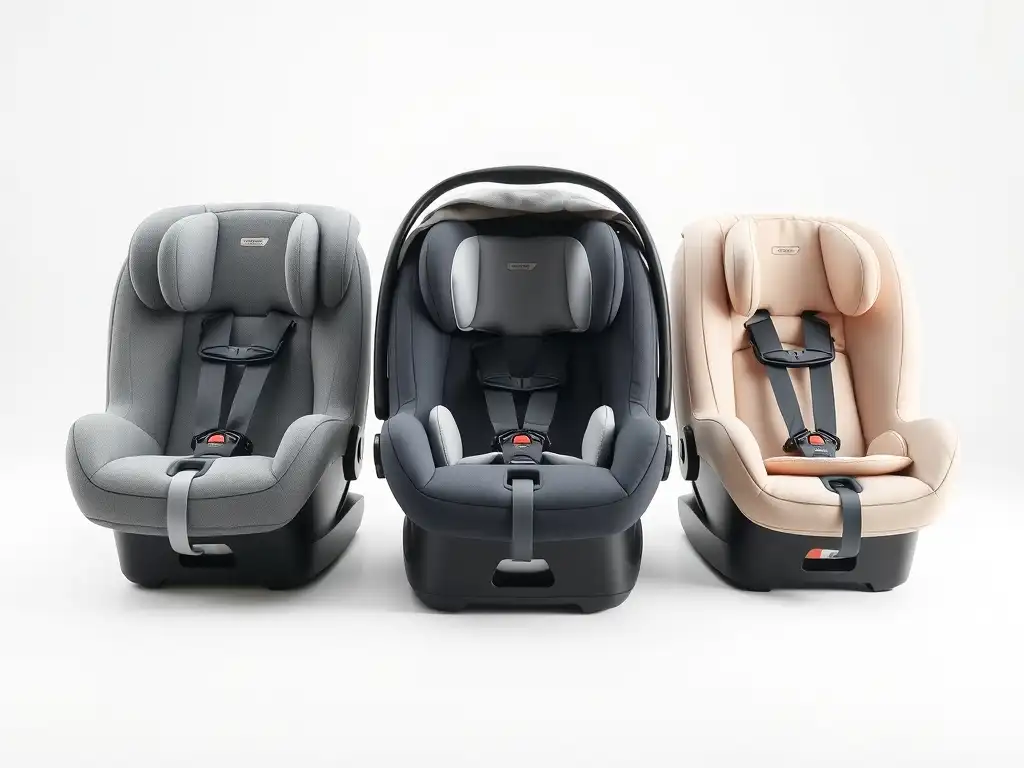
Choosing the best car seat for newborns requires careful consideration of several key features. Safety, of course, is paramount, but ease of use and your baby's comfort are also crucial factors impacting your overall experience. This section delves into the essential features that distinguish a top-performing infant car seat from a less optimal one. We'll explore safety certifications, installation methods, and ergonomic design elements vital for both your peace of mind and your little one's well-being. Remember, investing in a high-quality car seat is an investment in your baby's safety and your family's peace of mind.
Safety Ratings and Certifications: What to Look For
Selecting a car seat with robust safety features is non-negotiable. Look for car seats that have achieved high ratings from reputable organizations like the [Specific Organization 1 pending] and [Specific Organization 2 pending]. These organizations conduct rigorous crash testing and evaluate various safety aspects, providing parents with valuable insights into the car seat's performance.
Beyond overall ratings, pay close attention to specific safety features. These include:
- Side Impact Protection: Look for car seats with reinforced side panels and extra padding to minimize injuries in side collisions. Many models boast enhanced side impact protection, often denoted by specific terminology in their marketing materials. Consider the specific location of the side impact protection features; some are more effective than others.
- Harness System: The harness system should be easy to adjust and secure, with comfortable padding to prevent chafing. A five-point harness is generally considered the safest option, firmly securing your baby in the seat. Check the harness straps for easy adjustment mechanisms and padded material; smoother, more adjustable straps are generally better for your little one.
- LATCH System: The Lower Anchors and Tethers for Children (LATCH) system simplifies installation and ensures a secure fit. Familiarize yourself with the LATCH system instructions before you install the car seat. Ensure the car seat is compatible with your vehicle's LATCH system.
- Energy-Absorbing Materials: Look for car seats that incorporate energy-absorbing materials to help distribute impact forces in a crash. These materials are often hidden within the seat's structure. While the specific materials may not always be advertised, high-quality car seats generally prioritize such components in their design.
| Feature | Description | Importance |
|---|---|---|
| Side Impact | Reinforced side panels and padding | Minimizes injuries in side collisions. |
| Harness System | Easy adjustment, comfortable padding, five-point harness | Securely holds the baby in place. |
| LATCH System | Simplified installation, secure fit | Ensures proper installation. |
| Energy-Absorbing | Materials that distribute impact forces | Reduces the severity of injuries in a crash. |
Ease of Installation: Simplifying the Process for First-Time Parents
Installing a car seat correctly is crucial for its effectiveness. Look for car seats with clear and concise instructions, as well as features that simplify the installation process. Consider these factors:
- Intuitive LATCH System: The LATCH system should be easy to locate and use, with clear indicators to confirm proper connection. A poorly designed LATCH system can lead to incorrect installation and compromised safety.
- Clear Instructions: Comprehensive and easy-to-understand instructions are essential for first-time parents. Many manufacturers provide online videos demonstrating proper installation techniques, which can be invaluable.
- One-Handed Adjustments: Features that allow for one-handed adjustments, such as harness height and recline, can make life much easier, especially when dealing with a fussy baby. This simplicity can be a game-changer in busy situations.
- Secure Fit Indicators: Clear indicators that confirm a secure fit help you verify proper installation. These indicators are often visual and provide peace of mind.
The ease of installation directly impacts the safety of your child. A difficult-to-install car seat might lead to improper installation, negating the safety features. Prioritize models with user-friendly installation systems. Consider practicing the installation before your baby arrives to build confidence and ensure you understand the process fully.
Comfort and Ergonomics for Your Baby: Features to Prioritize
Your baby's comfort is just as important as safety. Several ergonomic features can contribute to a more pleasant ride for your little one:
- Infant Insert: Newborns need extra support and cushioning. A well-padded infant insert provides the necessary support and helps maintain proper posture. The insert should be easily removable as your baby grows.
- Adjustable Recline: The ability to adjust the recline angle is crucial for newborns, who should be positioned at a near-reclined angle. The angle ensures proper head and neck support.
- Breathable Fabrics: Breathable fabrics help regulate your baby's temperature and prevent overheating, particularly important during warmer months. Look for materials that are both soft and breathable.
- Comfortable Head Support: Proper head support is vital, especially for newborns. Adequate padding and support will help maintain their head and neck alignment.
Choosing a car seat that prioritizes your baby's comfort will make traveling safer and more enjoyable for both of you. A comfortable car seat can reduce fussiness and promote a more relaxed atmosphere during car journeys. Prioritize features that promote a healthy posture and prevent discomfort. A happy, comfortable baby is a safer baby!
Top Car Seat Features for Newborns: A Detailed Overview
Choosing the best car seat for newborns is a crucial decision for new parents. Beyond simply meeting safety standards, several key features significantly impact your baby's comfort, safety, and your ease of use. This section delves into the most important features to consider when selecting a car seat for your precious little one. Understanding these features will empower you to make an informed choice that prioritizes your newborn's well-being and provides peace of mind during every journey.
Harness System: Importance of Proper Fit and Adjustment
The harness system is arguably the most critical safety feature in any car seat. A properly adjusted harness ensures your baby remains securely restrained in the event of a collision. For newborns, the harness should lie flat against their body, with no twisting or slack. Look for car seats with:
- Five-point harnesses: These are far superior to three-point harnesses, offering superior restraint and distributing impact forces across multiple points.
- Easy-to-adjust straps: Quick and simple adjustments are essential, especially when dealing with a wriggly baby. Consider seats with one-hand tightening mechanisms.
- No-rethread harness: This feature allows for simple height adjustments without having to re-thread the straps through various slots. This saves significant time and effort.
- Padded straps: Soft, padded straps minimize chafing and discomfort for your baby's delicate skin.
Example of Harness Misadjustment:
Imagine a harness that's too loose. In a sudden stop, your baby could slip out from under the straps, leading to severe injury. Conversely, a harness that's too tight can restrict breathing and cause discomfort. Precise adjustment is paramount.
Remember, always refer to the car seat's manual for detailed instructions on proper harness installation and adjustment. Regular checks are vital to ensure the harness remains appropriately fitted as your baby grows. Improper fit is a major contributor to car seat-related injuries.
Side Impact Protection: Maximizing Your Baby's Safety
Side-impact collisions are a significant threat, and many car seats now incorporate advanced features to mitigate the risk. Look for car seats that feature:
- Deep side-impact protection: This design element creates a protective shell around your baby's head and torso, absorbing impact forces and reducing the risk of injury. The deeper the side wings, the better the protection.
- Energy-absorbing materials: Many manufacturers incorporate special materials designed to absorb impact energy, minimizing the force transferred to your baby. These materials are often found in the side wings and headrest.
- Head and torso support: Ensure the car seat provides ample head and torso support, keeping your baby's head and neck stable during a collision. This is particularly crucial for newborns with underdeveloped neck muscles.
| Feature | Description | Importance |
|---|---|---|
| Deep Side Wings | Extended side panels that absorb impact energy. | Reduces head and torso injuries in side collisions. |
| Energy-Absorbing Foam | Special foam designed to dissipate impact forces. | Minimizes force transferred to the baby. |
| Head Support | Provides proper head and neck support, preventing whiplash in a side impact. | Crucial for newborns with underdeveloped neck muscles. |
Choosing a car seat with robust side-impact protection is a vital step in ensuring your baby's safety. This feature often comes at a slightly higher price point, but the added protection is invaluable.
LATCH System vs. Seat Belt Installation: Which is Right for You?
Most modern vehicles are equipped with the Lower Anchors and Tethers for Children (LATCH) system, providing an alternative to using the vehicle's seat belts for car seat installation. Both methods are generally safe when used correctly, but each has its advantages and disadvantages.
- LATCH System: Offers a simpler, often easier installation process, using lower anchors and a tether strap. However, it has weight limits, and the anchors might not be compatible with all car seats.
- Seat Belt Installation: Provides a more universal approach, as it works with any vehicle, regardless of LATCH compatibility. However, it can be more challenging to install correctly and requires a precise understanding of your vehicle's seat belt system.
Detailed Comparison:
LATCH: Generally easier, quicker installation. Weight limits apply to both the car seat and the LATCH system itself. Not all vehicles have LATCH in all seating positions.
Seat Belt: More universal, works in any vehicle. Can be more complex to install correctly, requiring a firm understanding of your vehicle's seat belt system and the car seat's instructions. Requires more precision and attention to detail.
Ultimately, the best installation method depends on your vehicle and car seat. Carefully read both your vehicle's owner's manual and the car seat's instructions to determine the safest and most effective way to install your chosen car seat. If you are unsure, consider seeking professional assistance from a certified child passenger safety technician. The safety of your newborn is paramount, and correct installation is crucial.
Additional Safety Features: Airbags, Head Support, and More
Choosing the best car seat for newborns involves considering features beyond the basics. While a secure installation and proper harnessing are paramount, additional safety features can significantly enhance your baby's protection. Let's delve into some crucial aspects:
Airbag Deactivation: This is perhaps the most critical safety feature related to car seats. Many newer vehicles have advanced airbag systems. It's absolutely vital to understand how your vehicle's airbags interact with your car seat. Improperly deactivated or activated airbags can cause serious injury or even death to an infant in a car accident. Consult your vehicle's owner's manual and the car seat's instructions carefully to ensure proper airbag deactivation procedures are followed. Never assume; always double-check! Incorrect airbag deployment can result in devastating consequences. Remember, safety is non-negotiable.
Head Support and Side Impact Protection: Newborns have proportionally larger heads compared to their bodies, making head and neck support crucial. Look for car seats with robust head support that is adjustable as your baby grows. This is especially important for side impact protection. Side-impact protection is a vital feature, mitigating the effects of a collision from the side.
Many car seats offer reinforced side panels and cushioning designed to absorb impact energy, reducing the risk of serious head and neck injuries. The padding should be firm yet comfortable, offering adequate support without being overly bulky. Check for independent safety ratings that specifically assess side-impact protection.
Harness System and Chest Clip Positioning: The harness system is another critical component. Ensure the harness straps are snug and properly adjusted, keeping the chest clip at armpit level. A correctly positioned chest clip minimizes movement and maximizes protection during a collision. Some car seats include features like padded straps to increase comfort and prevent chafing. Look for a five-point harness system, which offers superior restraint compared to three-point systems. Regularly check the harness for any wear and tear and replace it if necessary, following the manufacturer's recommendations. This seemingly small detail is crucial for maintaining optimal safety.
Anti-Rebound Bar: An anti-rebound bar is a significant feature often found in rear-facing car seats. It helps to prevent the car seat from rotating or tilting forward during a collision, minimizing the impact on your baby. This feature acts as an additional layer of protection and stability, enhancing safety in rear-end collisions. The anti-rebound bar's performance can differ based on the car seat and vehicle, so read the installation instructions carefully and ensure a secure fit.
Choosing a car seat with these additional safety features significantly improves your newborn's protection. Remember, safety should always be the top priority when selecting a car seat. Always prioritize features that enhance safety and minimize risks.
Step-by-Step Guide: Installing Your Newborn's Car Seat

This section provides a detailed, step-by-step guide to installing your newborn's car seat, ensuring optimal safety and peace of mind. Choosing the best car seat for newborns is crucial, but proper installation is equally vital. We'll cover both LATCH and seat belt installation methods, highlighting key considerations for securing your little one. Remember, always refer to your car seat's specific instruction manual for detailed diagrams and further clarification.
Preparing for Installation: Gathering Necessary Tools and Materials
Before you begin, gather all the necessary tools and materials. This will streamline the process and prevent interruptions. Having everything readily available ensures a smoother and safer installation. Here's a checklist:
- Your car seat: Obviously! Make sure you've selected the best car seat for newborns based on your needs and preferences.
- Your vehicle's owner's manual: This manual will provide crucial information regarding your vehicle's LATCH system (Lower Anchors and Tethers for Children) locations and weight limits.
- Car seat instruction manual: This is essential! Each car seat has unique installation procedures.
- Level, firm surface: You’ll need a stable area to work on, ideally in your car.
- Clean cloths or wipes: For cleaning any dust or debris from the car seat or vehicle.
- Measuring tape (optional): Useful for double-checking measurements against your car seat manual.
Remember, a correctly installed car seat is the best car seat for newborns, regardless of brand or model. Take your time and follow the instructions carefully.
Securing the Car Seat Base: Detailed Instructions for Both LATCH and Seat Belt Methods
This section details how to secure the car seat base using both the LATCH system and the vehicle's seat belts. The best method for you depends on your vehicle and car seat.
LATCH Installation:
- Locate the LATCH anchors: Consult your vehicle's owner's manual to identify the lower LATCH anchors in your vehicle's rear seats. They're usually located between the seat cushions and the seatback.
- Connect the LATCH straps: Attach the car seat's LATCH straps to the vehicle's lower anchors. Ensure a snug connection. You should feel resistance.
- Tighten the LATCH straps: Most car seats have a tightening mechanism (often a strap with a ratchet). Pull firmly to remove any slack. The base should be firmly secured to the vehicle seat.
- Check for movement: Try to move the car seat base back and forth. There should be minimal to no movement. If there's excessive movement, re-tighten the straps.
Seat Belt Installation:
- Route the seat belt: Thread the vehicle's seat belt through the designated slots on the car seat base. Your car seat manual will show the correct routing.
- Secure the seat belt: Ensure the seat belt is properly routed and tightly fastened.
- Tighten the seat belt: Pull the seat belt to remove any slack. The base should be firmly secured.
- Check for movement: Similar to LATCH installation, check for any excessive movement. If there is any, re-tighten the seat belt.
Installing the Infant Car Seat: Ensuring a Snug and Secure Fit
Once the base is securely installed, you can attach the infant car seat.
- Position the car seat: Carefully place the infant car seat onto the installed base, ensuring it clicks into place. You'll hear an audible click indicating a secure connection.
- Adjust the harness: Adjust the harness straps to fit your baby snugly. The straps should be at or below your baby's shoulders. There should be minimal slack. The best car seat for newborns is one that fits perfectly.
- Secure the harness: Fasten the harness clips, ensuring they are at your baby's armpit level.
- Perform the "inch test": Try to move the car seat at the harness. If you can move the car seat more than one inch, it's not tight enough.
- Recline (if applicable): Some infant car seats offer adjustable recline. Consult your manual for the correct recline for your baby's age and size.
Remember, regular checks are crucial. Periodically check the installation and harness tightness to ensure your baby remains safe and secure. Always prioritize safety when choosing and installing the best car seat for newborns. A well-installed car seat is the best protection for your precious cargo.
Checking for Proper Installation: Simple Tests to Verify Safety
Ensuring your newborn's car seat is correctly installed is paramount for their safety. A seemingly minor adjustment can significantly impact the effectiveness of the car seat in an accident. Don't rely solely on your initial installation; always double-check, and regularly inspect the installation over time, especially after any adjustments or if you've moved the car seat. Here are some simple tests you can perform to verify proper installation:
The inch test is a crucial first step. After securing the car seat, check the distance between the car seat and the vehicle's seat back. The gap should be minimal – ideally, less than one inch. A larger gap indicates potential for excessive movement during a collision, which could severely jeopardize your baby's safety. Remember, even a seemingly small gap can dramatically reduce the effectiveness of the car seat's safety features.
Next, perform the wiggle test. Try to move the car seat from side to side and back and forth. There should be very little to no movement. Significant movement suggests that the car seat isn't securely fastened, and this needs immediate rectification. This is especially important for rear-facing car seats, as any movement could cause the seat to rotate or shift during a sudden stop or impact.
Finally, the belt path test is crucial for proper installation. Check that all straps and belts are correctly routed through their designated paths, and that there's no twisting or bunching. A twisted or incorrectly routed strap can significantly reduce the car seat's ability to restrain your baby effectively. Consult your car seat manual carefully to ensure the belt path is precise. Incorrect belt routing is a common mistake that compromises safety.
Remember, these tests are not a substitute for professional installation checks. Consider attending a car seat safety check event in your community, offered by organizations such as fire departments or hospitals. These professionals can provide expert advice and confirm the correct installation of your car seat, giving you peace of mind. Regularly reviewing your car seat's installation manual is also a great way to stay updated on the best practices for securing your child’s car seat. Your baby's safety is worth the extra effort!
Maintaining Your Car Seat: Ensuring Long-Term Safety and Functionality

Choosing the best car seat for newborns is only the first step. Maintaining its safety and functionality is crucial for your baby's well-being throughout their car seat journey. Regular inspections, cleaning, and knowing when to replace your car seat are vital components of responsible car seat ownership. Neglecting these aspects can compromise your child's safety. This section provides detailed guidance on how to properly care for your car seat to ensure its continued effectiveness.
Regular Inspections: What to Look For and When to Replace
Regular inspections are paramount to ensuring your car seat remains safe and reliable. You should conduct a thorough visual check of your car seat at least monthly. Look for any signs of damage, including:
- Cracks or breaks: Carefully examine all plastic components, straps, buckles, and the base for any cracks, breaks, or significant wear and tear. Even small cracks can weaken the structure, compromising its ability to protect your child in a collision.
- Loose or frayed straps: Check the straps for fraying, cuts, or excessive wear. Loose straps indicate potential failure and should be addressed immediately. Tighten straps according to the manufacturer's instructions. If you cannot tighten them, it's a sign of potential damage.
- Damaged harness: Inspect the harness for any signs of damage, including tears, cuts, or excessive wear on the padding. A damaged harness cannot effectively restrain your child.
- Missing or broken parts: Ensure all parts are present and functioning correctly. Missing parts, such as buckles or clips, can significantly reduce the car seat's safety.
- Expiration date: Many car seats have expiration dates printed on them. Check this date and replace the car seat if it has expired. The materials degrade over time, and an expired car seat may not provide adequate protection.
Remember, even if the car seat appears undamaged, a thorough inspection is necessary. The best car seat for newborns, or any age, is a well-maintained one. If you find any damage, do not attempt to repair it yourself. Contact the manufacturer or a certified car seat technician for guidance. Replacing a damaged car seat is always the safest option. Think of it as an investment in your child's safety.
Cleaning and Maintenance: Keeping Your Car Seat Clean and Hygienic
Maintaining a clean car seat is not just about aesthetics; it's about hygiene and safety. Spills, crumbs, and dirt can accumulate, creating a breeding ground for bacteria and compromising the car seat's integrity. Regular cleaning helps prolong the car seat's lifespan and ensure a hygienic environment for your baby.
Here's a step-by-step guide to cleaning your car seat:
- Read the manufacturer's instructions: Always refer to the manufacturer's instructions for specific cleaning recommendations. Some car seat fabrics and materials may require special cleaning methods.
- Spot clean regularly: Use a damp cloth and mild detergent to wipe up spills and stains immediately. Avoid harsh chemicals or abrasive cleaners.
- Deep clean periodically: For a deeper clean, remove the car seat cover (if removable) and wash it according to the manufacturer's instructions. Many covers are machine washable, but always check the label.
- Air dry completely: Ensure the cover and car seat are completely dry before reinstalling them. Do not use a dryer unless explicitly permitted by the manufacturer.
- Vacuum regularly: Use a vacuum cleaner with a brush attachment to remove crumbs, dust, and dirt from the car seat fabric and crevices. This helps maintain hygiene and extends the car seat's life.
Remember, a clean car seat is a safer car seat. Regular cleaning helps prevent the buildup of bacteria and allergens, creating a healthier environment for your baby. This is especially important for the best car seat for newborns, as they spend considerable time in the car seat.
Knowing When to Replace Your Car Seat: Safety Guidelines and Recommendations
Even with proper maintenance, car seats have a limited lifespan. Several factors determine when it's time to replace your car seat:
- Expiration date: As mentioned earlier, check the car seat's expiration date. Manufacturers set expiration dates based on the materials' degradation over time. Using an expired car seat significantly reduces its protective capabilities.
- Severe accidents: If your car seat has been involved in a significant car accident, regardless of visible damage, it's crucial to replace it. Even without visible damage, the internal structure might be compromised.
- Recalls: Regularly check for car seat recalls. Manufacturers may issue recalls due to safety concerns or defects. If your car seat is recalled, replace it immediately.
- Damage: As discussed in the inspection section, any significant damage to the car seat, such as cracks, broken parts, or severely frayed straps, necessitates immediate replacement.
- Outgrowing the car seat: When your child outgrows the height and weight limits specified by the manufacturer, it's time to move to a new car seat.
Replacing your car seat might seem like a significant expense, but prioritizing your child's safety is paramount. The best car seat for newborns and beyond is one that's safe and appropriate for your child's age and size. Don't hesitate to replace your car seat if any of the above conditions apply. Your child's safety is priceless.
Frequently Made Mistakes When Choosing a Car Seat
Choosing the best car seat for newborns can feel overwhelming. The market is flooded with options, each boasting a plethora of features. However, many parents unknowingly make mistakes that compromise their baby's safety. This section highlights common pitfalls to avoid when selecting and using a car seat, ensuring your little one travels safely and securely. Understanding these common errors will help you make an informed decision and prioritize your baby's well-being above all else. Finding the best car seat for newborns involves more than just picking a pretty design; it's about prioritizing safety and functionality.
Common Errors in Car Seat Installation: Avoiding Costly Mistakes
Improper car seat installation is a leading cause of car seat-related injuries. Many parents underestimate the complexity of ensuring a secure fit. Common mistakes include:
- Incorrect base installation: Using the wrong latch system (Lower Anchors and Tethers for Children – LATCH or seat belt) or not tightening the straps sufficiently. A loose base can lead to significant movement during a collision, increasing the risk of injury. Always refer to your car seat's manual and your vehicle's owner's manual for specific instructions. Remember, a properly installed base is the foundation of a safe car seat.
- Incorrect harness adjustment: The harness straps should be snug against your baby's body, with no slack. Many parents leave the straps too loose, which can allow the baby to move around excessively during a sudden stop or collision. The chest clip should be positioned at armpit level. Regularly check the harness tightness as your baby grows.
- Ignoring the recline angle: Newborns require a rear-facing car seat with a proper recline angle to support their head and neck. An incorrect angle can increase the risk of head slumping and airway obstruction. Always check the car seat's manual for the recommended recline angle and adjust accordingly. The recline angle is crucial for optimal newborn safety.
- Neglecting the tether strap (for convertible and forward-facing seats): The tether strap, when applicable, secures the top of the car seat, minimizing movement and rotation in a crash. Failing to use the tether strap significantly reduces the effectiveness of the car seat. Always check your car seat's manual for proper tether strap installation.
Misinterpreting Car Seat Labels and Instructions: Clear Explanations for Parents
Car seat labels and manuals can be confusing. Many parents skim over crucial details, leading to improper use. Some common misinterpretations include:
- Weight and height limits: Always adhere to the manufacturer's specified weight and height limits. Exceeding these limits compromises the car seat's structural integrity and protection capabilities. Pay close attention to these parameters as your baby grows and transitions through different car seat stages.
- Expiration dates: Car seats have expiration dates due to material degradation and potential wear and tear. Using an expired car seat significantly diminishes its protective qualities. Check the car seat for an expiration date and replace it if necessary. This is a critical aspect often overlooked.
- Understanding harness slots: Different harness slots are designed for different stages of child development. Using the wrong slots can affect the effectiveness of the harness and can lead to incorrect positioning. Carefully read the instructions to understand how to adjust the harness for your child's height and weight.
Overlooking Essential Safety Features: Highlighting Crucial Aspects
Beyond proper installation and understanding labels, several safety features are often overlooked:
- Side impact protection: Look for car seats with enhanced side impact protection. These features can significantly reduce the severity of injuries in side collisions, a common type of car accident. Consider the car seat's overall safety ratings and certifications.
- Anti-rebound bar: For rear-facing car seats, an anti-rebound bar helps to minimize the car seat's rotation in a crash, further improving safety for your baby. This feature is particularly important for newborns and infants.
- Easy-to-use features: While safety is paramount, ease of use is also important. Consider features like one-handed harness adjustment and easy-to-clean fabrics. These features can make daily use less stressful, encouraging consistent and correct car seat usage. A user-friendly design increases the likelihood of proper installation and usage.
Remember, selecting the best car seat for newborns is a crucial decision. By understanding and avoiding these common mistakes, you can significantly enhance your baby's safety on every journey. Prioritize safety, read instructions carefully, and don't hesitate to seek professional assistance if needed. 👶🚗
Frequently Asked Questions
What is the most important factor to consider when buying a car seat for a newborn?
The most crucial factor is safety. Ensure the car seat meets the latest safety standards and fits your vehicle properly. Proper installation is paramount.
How do I know if a car seat is the right size for my newborn?
Your newborn should fit snugly in the car seat with minimal movement. Look for car seats specifically designed for infants and check the weight and height limits. Always refer to the manufacturer's instructions.
What are the different types of car seats available for newborns?
Newborns typically use rear-facing infant car seats. These are designed for smaller babies and can be easily removed from the base for carrying. Convertible car seats can be used rear-facing and forward-facing as your child grows.
How often should I check my car seat for damage or wear and tear?
Regularly inspect your car seat for any signs of damage, such as cracks or broken parts. Check the expiration date printed on the car seat. Replace the car seat if it's damaged or expired.
Where can I find more information on car seat safety and installation?
Visit the websites of organizations like the National Highway Traffic Safety Administration (NHTSA) and the American Academy of Pediatrics (AAP). They offer comprehensive guides and resources on car seat safety.
Final Reflection: The Legacy of Safe Beginnings
Choosing the right car seat isn't just about ticking boxes; it's about investing in the safest possible start for your child's life. The seemingly simple act of selecting a car seat carries immense weight, a responsibility that extends far beyond the confines of your vehicle. This decision directly impacts the well-being of your most precious cargo, shaping their future journeys and ensuring their safety on every mile.
The impact of car seat safety standards and advancements in technology is undeniable, profoundly shaping our collective understanding of child safety. We've moved beyond simply strapping children into seats; we're now acutely aware of the nuances of harnessing, the importance of proper installation, and the evolving needs of children as they grow. This shift in awareness is a testament to the tireless work of safety advocates and researchers. The best car seat is the one that's properly installed and used correctly.
This simple truth underscores the importance of not only choosing the right seat but also understanding how to use it effectively.
Consider the journey ahead. Every ride, every trip, every moment spent traveling with your little one is an opportunity to reaffirm your commitment to their safety. Take the time to learn, to understand, and to choose wisely. You are not just selecting a car seat; you are building a foundation of safety and security for your child's future. Remember the information shared in this article, and continue to seek out resources and updates to ensure your child remains protected on every adventure.
Unlock Your Family's Safe Travel: Take the Next Step!
Thank you for learning about choosing the perfect car seat for your child! We hope you feel more confident and prepared. Now, let's put that knowledge into action.
- Prioritize your child's safety by purchasing the car seat you've chosen. This crucial step ensures your child's safety on every trip.
- Share your car seat choice and any helpful tips with other parents in our BabyCareHub community forum! Let's support each other during this important parenting stage.
- Consider a free car seat installation check-up from your local fire department or police station to ensure it's correctly fitted in your vehicle.
What specific features or safety aspects of your chosen car seat appealed most to you? Let's discuss!