
Bouncer vs. Activity Center: Choosing the Right Product

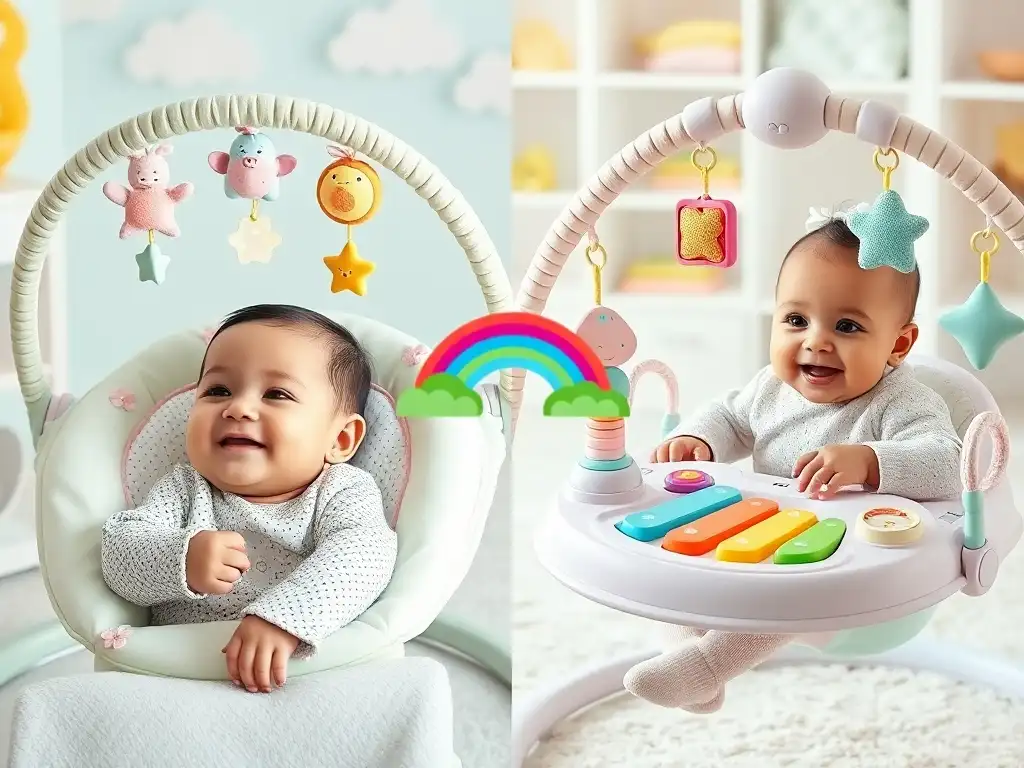
Welcome to BabyCareHub, your ultimate guide to navigating the exciting yet challenging world of parenthood! Are you overwhelmed by the sheer number of baby products available? We understand. That's why we've created this comprehensive resource, packed with expert advice and practical tips. This crucial decision-making process starts now, with our in-depth Baby bouncer activity center comparison, helping you choose the perfect fit for your little one's needs and development. Dive in and discover the secrets to confident parenting!
- Baby Bouncer Activity Center Comparison: Understanding the Differences
- Baby Bouncer vs. Activity Center: A Detailed Comparison
- Choosing the Right Product Based on Your Baby's Age and Needs
- Baby Bouncer and Activity Center: Frequently Asked Questions (FAQ)
- Conclusion: Making the Right Choice for Your Little One
-
Frequently Asked Questions
- What is the difference between a baby bouncer and an activity center?
- When should I start using a baby bouncer or activity center?
- What are the key safety considerations for choosing a baby bouncer or activity center?
- Which is better for my baby's development: a bouncer or an activity center?
- How do I choose between a baby bouncer and an activity center based on my budget?
- Final Reflection: The Bountiful Choice: Nurturing Growth Through Play
- Unlock Your Baby's Play Potential!
Baby Bouncer Activity Center Comparison: Understanding the Differences
Choosing the right gear for your little one can feel overwhelming, especially for first-time parents. Navigating the world of baby products often involves deciphering subtle differences between seemingly similar items. This article dives deep into the comparison of baby bouncers and activity centers, two popular choices that offer distinct benefits for your baby's comfort, development, and entertainment.
We'll explore their key features, helping you make an informed decision based on your baby's needs and your parenting style. Understanding the nuances of each product will empower you to choose the option that best suits your family, ultimately contributing to a happier and healthier baby. This comprehensive guide will help you confidently navigate the world of "Baby bouncer activity center comparison," ensuring you select the perfect product to support your child's growth.
Key Features of Baby Bouncers: Comfort and Soothing
Baby bouncers are designed primarily for comfort and soothing. Their gentle rocking motion mimics the feeling of being held, often calming fussy babies and promoting relaxation. Key features to consider include:
- Comfort: The seat's material and padding are crucial. Look for breathable fabrics and plush cushioning to ensure your baby's comfort during extended use. Some bouncers offer adjustable recline positions, allowing you to customize the angle for optimal comfort depending on your baby's age and preference.
- Soothing Mechanisms: Many bouncers incorporate features like vibration, music, or nature sounds to further soothe your baby. These added features can be particularly helpful during fussy periods or naptime.
- Portability: Consider the bouncer's weight and portability. A lightweight and easily foldable bouncer offers greater flexibility, allowing you to move it between rooms as needed.
- Safety: Always check for safety features like a sturdy base, secure straps, and a weight limit appropriate for your baby's size.
Key Features of Activity Centers: Stimulation and Development
Activity centers, unlike bouncers, prioritize stimulation and development. They offer a range of engaging activities designed to encourage your baby's physical and cognitive development. Key features to look for include:
- Interactive Toys: Activity centers typically boast a variety of toys, including colorful shapes, lights, sounds, and textures. These toys stimulate your baby's senses and encourage exploration. The diversity of activities helps to engage multiple developmental areas.
- Adjustability: Many activity centers offer adjustable height settings, allowing you to adapt the center as your baby grows and develops. This ensures that the toys remain within your baby's reach and interest.
- Sturdiness: Activity centers must be exceptionally sturdy to support your baby's movements and weight as they learn to stand and pull themselves up. Look for a robust design and a stable base.
- Developmental Stages: Consider the range of developmental stages that the activity center caters to. Some are designed for younger babies focusing on sensory stimulation, while others are better suited for older babies who are learning to sit, stand, and walk. Choosing a center that adapts to your child's growth will maximize its utility.
Baby Bouncer vs. Activity Center: A Detailed Comparison
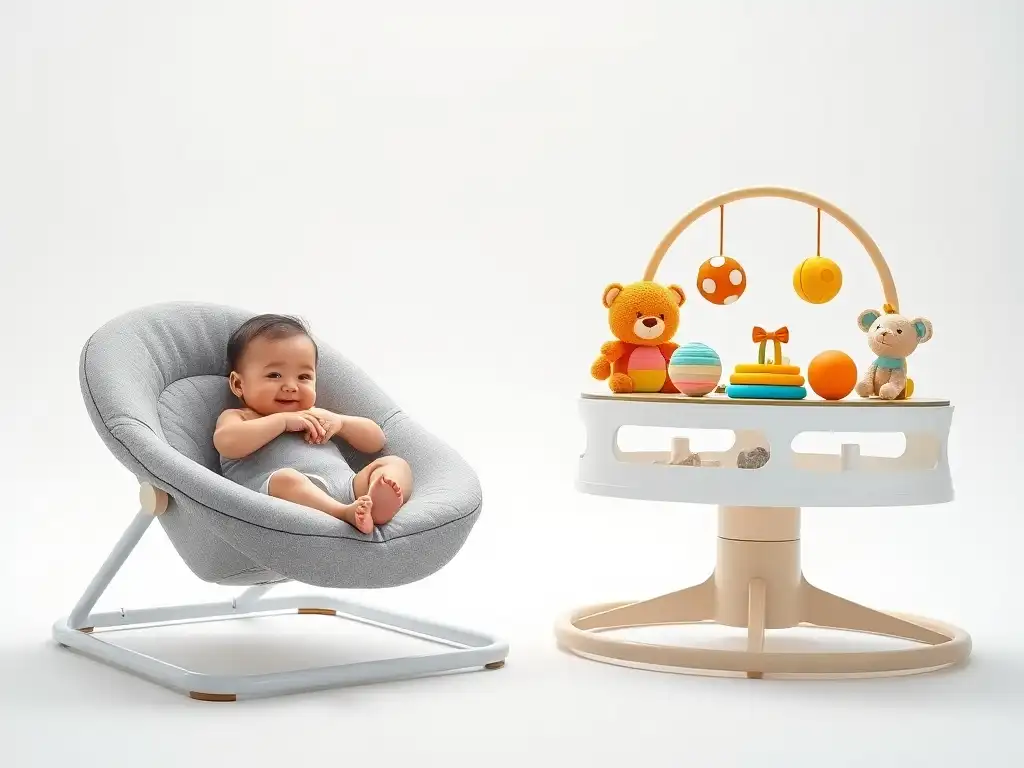
This section delves into the key differences between baby bouncers and activity centers, helping you make an informed decision based on your baby's needs and your preferences. We'll analyze weight limits, safety features, and the level of support each provides for newborns. Understanding these nuances will empower you to choose the best product for your little one.
Weight Capacity and Baby Size Considerations
Choosing between a baby bouncer and an activity center often hinges on your baby's size and weight. Manufacturers specify weight limits for both product types, and exceeding these limits can compromise safety. A baby bouncer typically accommodates babies from birth up to a certain weight, often around 20-30 pounds, depending on the model. However, always check the specific weight limit indicated on your chosen bouncer. Exceeding this limit can cause the bouncer to become unstable, posing a risk to your baby.
Activity centers, on the other hand, generally have higher weight limits, sometimes accommodating children weighing up to 35 pounds or more. But again, always prioritize checking the manufacturer's specifications. The size of the baby is also critical. Activity centers, with their larger footprint and more active play features, are generally better suited for babies who can sit up unsupported. Newborns and smaller babies may find an activity center too overwhelming or even unsafe. In contrast, bouncers provide a more contained and supportive environment for younger infants.
Here's a table summarizing typical weight and size considerations:
| Product Type | Typical Weight Limit (lbs) | Suitable Age/Size |
|---|---|---|
| Baby Bouncer | 20-30 | Newborn to approximately 6 months |
| Activity Center | 30-35+ | 6 months + (can sit unsupported) |
Remember, these are just general guidelines. Always refer to the specific product instructions for accurate weight and size recommendations. Failing to do so could lead to accidents.
Bouncer vs. Activity Center: Safety Features and Regulations
Safety should be your paramount concern when selecting between a baby bouncer and an activity center. Both products are subject to stringent safety regulations, but understanding the specific features is crucial. Look for bouncers with sturdy frames, wide bases for stability, and secure straps to prevent your baby from slipping out. Features like non-slip feet are also important to prevent accidental tipping.
Activity centers present slightly different safety considerations. Ensure that the structure is robust, the toys are securely attached, and the base is wide and stable. Check for sharp edges or small parts that could pose a choking hazard. The activity center should also have a secure locking mechanism to prevent accidental collapse. Always supervise your baby when they are using an activity center, especially as they become more mobile and begin to pull themselves up.
Regularly inspect both bouncers and activity centers for wear and tear. Replace any damaged parts immediately. Prioritizing safety ensures your baby's well-being and reduces the risk of accidents. Remember, a proactive approach to safety is essential for a safe and happy baby.
Which Provides Better Support for Newborn Babies?
For newborn babies, a baby bouncer generally provides superior support. Their design, often featuring a snug, cradle-like seat, offers better containment and protection for infants who cannot yet sit up unsupported. The gentle rocking motion of many bouncers can also be soothing and help to calm a fussy baby. Activity centers, with their focus on active play, are less suitable for newborns due to their lack of substantial support and potential for overstimulation.
Consider the developmental stage of your baby. Newborns need a supportive environment that promotes comfort and security. A bouncer's gentle motion and supportive seat provide this better than an activity center, which is designed for more active play and requires the baby to sit unsupported. As your baby grows and develops, their needs will change, and an activity center might become a more appropriate choice. However, for the initial months of life, a bouncer is generally the safer and more suitable option.
Bouncer vs. Activity Center: Portability and Storage
Baby bouncers are generally known for their portability. Many models are lightweight and foldable, making them easy to move from room to room or even take along to a friend's house or on a short trip. Storage is also typically straightforward; folded bouncers often occupy minimal space in a closet or under a bed. This ease of transport and storage is a significant advantage for parents who value mobility and space-saving solutions.
However, the portability varies greatly depending on the specific bouncer model. Some bouncers, especially those with added features like vibration or music, might be heavier and bulkier than others. Always check the product dimensions and weight before purchasing to ensure it meets your portability needs. Consider also the material of the bouncer; some fabrics might be more prone to wrinkling or damage during transportation.
Conversely, activity centers are significantly less portable. Their larger size and sturdier construction make them less ideal for frequent moving. They are typically stationary pieces of furniture, designed for a dedicated play area. Storage is also more challenging; most activity centers do not fold and require considerable space for storage when not in use.
This lack of portability can be a drawback for parents with limited space or those who frequently move their baby around the house. However, some activity centers offer compact designs, but these usually come with a compromise in features and overall playing space. The trade-off between functionality and portability should be carefully considered when making a purchasing decision. Ultimately, the decision depends on your lifestyle and living space.
Bouncer vs. Activity Center: Price Range and Value
The price range for baby bouncers is quite broad, generally ranging from approximately $30 to $200. Several factors influence the price, including materials, features (like vibration, music, or different reclining positions), and brand reputation. More basic models with fewer features typically fall on the lower end of the spectrum, while those with advanced technology and premium materials can be significantly more expensive.
Parents on a budget can easily find affordable and functional bouncers that meet their basic needs. However, it's important to consider the overall value, balancing features with price. Investing in a higher-priced bouncer may offer features that enhance your baby's comfort and engagement.
Activity centers tend to be more expensive than bouncers, with prices often ranging from $50 to $300 or more. The price difference reflects the increased complexity and functionality of these products. Activity centers typically offer a wider range of activities and toys, stimulating your baby's development in multiple ways. Higher-priced models might include more interactive features, adjustable height settings, and higher-quality materials.
While the initial investment is higher, the potential for longer-term use and developmental benefits can make activity centers a worthwhile investment for some families. However, careful consideration of your budget and your baby's developmental stage is crucial. A less expensive model might suffice if your baby is only using the activity center for short periods. It's essential to find a balance between price and the features that will provide the best value for your family.
Choosing the Right Product Based on Your Baby's Age and Needs

This section dives deep into selecting the ideal baby gear – a bouncer or activity center – based on your little one's developmental stage. Understanding your baby's age and abilities is crucial for making an informed decision that prioritizes both safety and engagement. The wrong choice can lead to frustration for both parent and child. Remember, this comparison focuses on baby bouncer activity center comparison to help you navigate the market effectively.
Baby Bouncer Recommendations for Newborns and Infants
Newborns and infants, typically from birth to around 4-6 months, benefit most from baby bouncers. These products offer gentle, rhythmic bouncing motions that soothe and entertain. Look for features like:
- Adjustable recline: This allows you to position your baby comfortably as they grow and develop better head and neck control. A newborn needs a more reclined position than a 4-month-old.
- Soft and supportive fabrics: Opt for breathable, hypoallergenic materials to keep your baby comfortable and prevent overheating. Check the materials for any potential irritants.
- Safety harness: A secure, five-point harness is non-negotiable. This prevents your baby from slipping or falling out.
- Lightweight and portable design: Many parents appreciate bouncers that are easy to move from room to room.
Consider these additional factors:
| Feature | Description | Importance |
|---|---|---|
| Vibration Feature | Some bouncers offer vibration settings, which can further soothe a fussy baby. | Useful but not essential; prioritize safety features first. |
| Music/Sounds | Built-in music or nature sounds can provide additional stimulation and comfort. | Can be distracting or overwhelming for some babies; test before purchase. |
| Weight Limit | Always check the manufacturer's recommended weight limit to ensure safety. | Crucial for safety; exceeding the limit can be dangerous. |
Choosing the right bouncer significantly impacts your baby's comfort and your ability to manage daily tasks. A happy, soothed baby translates to a happier parent!
Activity Center Recommendations for Older Babies
Once your baby demonstrates improved head control, sitting ability, and an increased desire for interactive play (generally around 6 months and older), an activity center becomes a more suitable choice. These centers offer a wider range of activities and encourage gross motor skill development. When comparing activity centers, look for:
- Stable and sturdy base: This is paramount to prevent tipping or accidental falls.
- Variety of engaging activities: Rotating toys, lights, sounds, and interactive elements keep your baby entertained and stimulated.
- Adjustable height: As your baby grows, you'll want to adjust the height to ensure proper posture and prevent strain.
- Easy clean-up: Spills and messes are inevitable, so easy-to-clean materials are a must.
Here's a breakdown of key considerations:
- 360-degree rotation: Some activity centers allow your baby to rotate freely, providing a broader range of exploration.
- Removable toys: This allows for easier cleaning and customization. You can even add your own baby-safe toys to personalize the experience.
- Compact storage: When not in use, consider how easily the activity center can be stored.
Remember, the transition from a bouncer to an activity center should be gradual. Observe your baby's cues and introduce new elements slowly.
Transitioning from Bouncer to Activity Center: A Smooth Process
The transition from a baby bouncer to an activity center should be a seamless and positive experience for your baby. Here's how to make the change smoother:
- Introduce the activity center gradually: Don't just suddenly switch. Let your baby explore the activity center for short periods initially, gradually increasing the playtime as they become more comfortable.
- Maintain familiar elements: If your baby had favorite toys or sounds in the bouncer, try to incorporate similar items into the activity center. This helps create a sense of familiarity and reduces anxiety.
- Supervise closely: Always supervise your baby while they are in the activity center.
- Observe for signs of discomfort or frustration: If your baby seems unhappy or overwhelmed, shorten the playtime and try again later. Pay attention to their cues.
- Consider the placement: Place the activity center in a familiar and safe area of your home.
This careful transition ensures a positive experience for your child, maximizing the benefits of both products during their developmental journey. Remember, the goal is to provide a safe, stimulating, and enjoyable environment for your baby to thrive. A well-planned transition contributes significantly to a baby bouncer activity center comparison and ultimate decision-making.
Baby Bouncer and Activity Center: Frequently Asked Questions (FAQ)
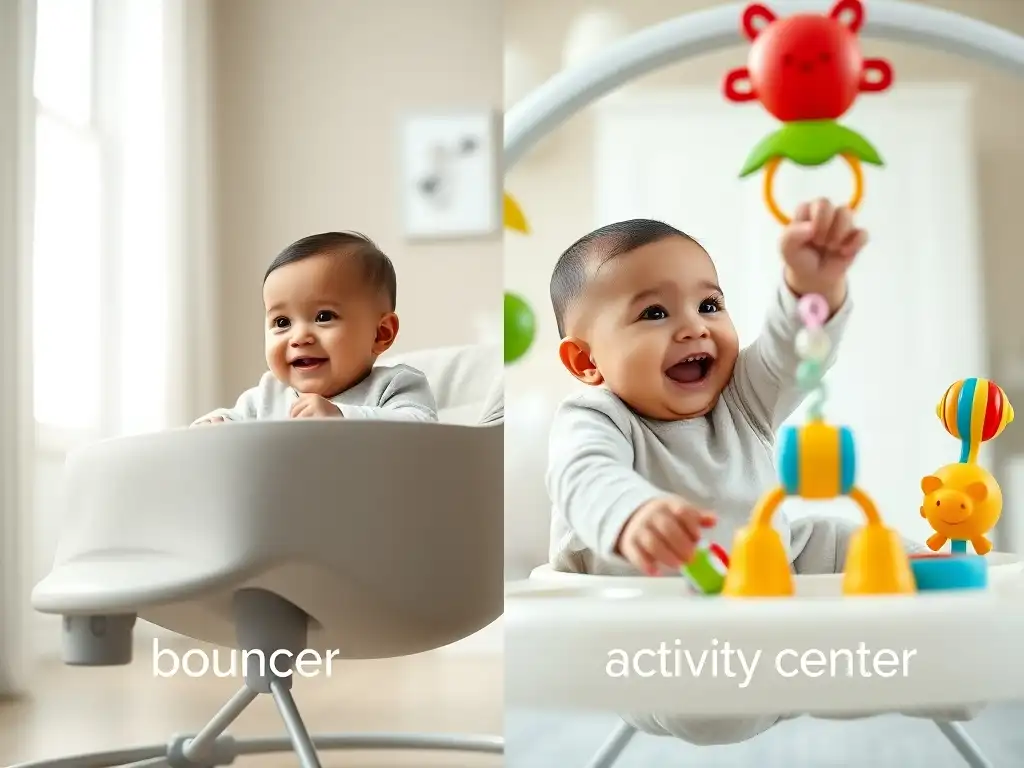
This section addresses common queries regarding baby bouncers and activity centers, helping you make informed decisions about these popular baby products. We'll delve into safety, usage duration, and size considerations to ensure your little one's comfort and well-being.
How long can babies safely use a bouncer or activity center?
The safe usage duration for baby bouncers and activity centers depends largely on your baby's developmental stage and ability to sit upright unsupported. Generally, bouncers are suitable for newborns up to approximately six months, or until the child can sit up independently. This is because bouncers primarily support infants who cannot yet support their own weight. Beyond this age, the bouncer's design may not adequately support their posture, potentially causing discomfort or even injury.
Activity centers, on the other hand, often have a wider age range, typically suitable from around six months to about 12 months, or until the child can pull themselves up to a standing position. This is because activity centers encourage more active play and exploration, but they still offer some support. However, always check the manufacturer's recommendations, as these can vary between products.
Always prioritize your baby's safety and discontinue use if they show signs of discomfort or are able to independently climb out or stand. Remember that these are guidelines, and you should always monitor your baby closely while they are using these products. Early signs of discomfort, such as fussiness or crying, should be a signal to immediately remove the baby from the product.
What are the best safety practices for using these products?
Prioritizing safety is paramount when using baby bouncers and activity centers. Here's a checklist of crucial safety practices:
- Always supervise your baby: Never leave your baby unattended in a bouncer or activity center, even for a short period.
- Check the product regularly: Before each use, inspect the bouncer or activity center for any damage, loose parts, or wear and tear. Discard the product immediately if any damage is detected.
- Follow manufacturer's instructions: Carefully read and follow all instructions provided by the manufacturer. This includes weight limits, age recommendations, and assembly instructions.
- Properly secure your baby: Ensure that your baby is properly secured using the straps or harnesses provided. Never use a product that doesn't have proper safety restraints.
- Choose a stable surface: Place the bouncer or activity center on a level, stable surface. Avoid using them on uneven ground or surfaces that might tip.
- Consider the environment: Keep the area around the bouncer or activity center free from hazards such as cords, sharp objects, or small items that your baby could choke on.
- Avoid overloading: Never exceed the maximum weight limit specified by the manufacturer.
- Regularly clean and disinfect: Keep the bouncer or activity center clean and free from germs using appropriate cleaning products. Always follow the manufacturer's instructions for cleaning.
Following these safety guidelines diligently will significantly minimize the risk of accidents and ensure your baby's safety. Remember, a proactive approach to safety is the best approach.
How do I choose the right bouncer or activity center for my baby's size?
Selecting the appropriate size bouncer or activity center is crucial for your baby's comfort and safety. Consider the following factors:
- Weight and height: Always check the manufacturer's specifications for weight and height limits. Ensure that the product is suitable for your baby's current size and anticipated growth within the recommended usage period.
- Adjustability: Look for bouncers and activity centers with adjustable features, such as straps and height settings. This will allow you to adapt the product as your baby grows.
- Comfort: Choose a product made from soft, breathable materials. Check the padding and ensure it's comfortable for your baby.
- Features: Consider the features that are important to you, such as vibration, music, or toys. These features can enhance your baby's experience, but safety should always be the top priority.
Remember to prioritize a product that provides adequate support and comfort for your baby, always adhering to the manufacturer's guidelines on weight and height restrictions. A well-fitting product ensures a safe and enjoyable experience for your little one. Consider trying out different models if possible before making a purchase to ensure a good fit. Reading reviews from other parents can also be helpful in identifying products that are both safe and comfortable.
Conclusion: Making the Right Choice for Your Little One
Choosing between a baby bouncer and an activity center is a significant decision for new parents. Both offer valuable benefits for your baby's development and your own sanity, but understanding their key differences is crucial for making an informed choice that best suits your individual circumstances and your little one's needs. This decision isn't about choosing a "better" product, but rather the best product for you.
Recap of Key Differences and Considerations
Let's quickly revisit the core distinctions to solidify your understanding before making a final decision. Remember, the ideal choice hinges on factors like your baby's age, developmental stage, your living space, and your budget.
| Feature | Baby Bouncer | Activity Center |
|---|---|---|
| Primary Function | Soothing and gentle bouncing motion | Engaging activities and playtime |
| Mobility | Typically portable and easily moved around | Generally stationary and larger |
| Space Required | Less space needed | Requires more floor space |
| Age Appropriateness | Suitable from newborn to around 6 months | Best for babies who can sit unsupported (around 6 months+) |
| Cost | Generally less expensive | Usually more expensive |
| Stimulation | Primarily visual and vestibular stimulation | Variety of sensory and motor stimulation |
Consider these additional points:
- Baby's temperament: A highly active baby might prefer the stimulation of an activity center, whereas a more placid baby might find the gentle rocking of a bouncer more soothing.
- Your lifestyle: A portable bouncer might be ideal for parents who frequently move their baby from room to room.
- Safety features: Always prioritize safety features such as sturdy construction, secure straps, and age-appropriate toys. Check for certifications and safety standards.
Remember, a baby bouncer prioritizes comfort and soothing, providing a calming space for your little one, while an activity center focuses on stimulating development through interactive play.
Final Recommendations Based on Individual Needs
- For newborns and babies up to 6 months: A baby bouncer is typically the better option. Its gentle bouncing motion can soothe fussiness and aid in calming your baby. The compact size is also advantageous for smaller living spaces.
- For babies aged 6 months and older who can sit unsupported: An activity center becomes a more suitable choice. It provides opportunities for exploration, play, and developmental stimulation. The diverse activities encourage engagement and learning.
- If budget is a major concern: Baby bouncers generally offer a more affordable option.
- If space is limited: A baby bouncer is more portable and requires less floor space.
Ultimately, the "best" choice depends entirely on your unique needs and your baby's individual preferences. Carefully weigh the pros and cons outlined above, considering your baby's age, temperament, and your living situation. Prioritize safety and choose the product that best supports your baby's development and provides a comfortable and engaging experience. Remember, a happy baby makes for happy parents! 👶
Frequently Asked Questions
What is the difference between a baby bouncer and an activity center?
A baby bouncer is a supportive seat designed for bouncing and soothing your baby. An activity center offers a wider range of features, including toys and activities to encourage development, often with a stationary base. They serve different purposes.
When should I start using a baby bouncer or activity center?
Generally, you can start using a bouncer once your baby can sit unsupported, usually around 4-6 months. Activity centers are typically suitable from around 6 months when your baby can sit up well and engage with the toys.
What are the key safety considerations for choosing a baby bouncer or activity center?
Always check for sturdy construction, appropriate weight limits, and secure straps. Ensure the product meets all relevant safety standards and is free from small parts that could be choking hazards. Read reviews carefully.
Which is better for my baby's development: a bouncer or an activity center?
Both can support development, but an activity center generally offers more opportunities for cognitive and fine motor skill development, due to its interactive toys and activities. A bouncer primarily focuses on soothing and comfort.
How do I choose between a baby bouncer and an activity center based on my budget?
Baby bouncers are usually less expensive than activity centers. Consider your budget and the features you prioritize. A bouncer is a good option for a budget-friendly choice, while an activity center offers more features at a higher price point.
Final Reflection: The Bountiful Choice: Nurturing Growth Through Play
The choice between a baby bouncer and an activity center is far more than a simple product selection; it's a decision that shapes the early developmental trajectory of your child. The right choice, carefully considered based on your child's age, temperament, and developmental needs, can significantly impact their physical and cognitive growth. This decision underscores the profound responsibility we have as parents and caregivers to curate enriching environments for our little ones.
The impact of thoughtfully chosen playtime extends far beyond the immediate moment. It lays the foundation for a lifetime of learning, exploration, and self-discovery. Play is the highest form of research.
- Albert Einstein. This quote perfectly encapsulates the importance of providing stimulating environments for babies, fostering their natural curiosity and innate drive to learn through playful interaction. The bouncer or activity center becomes a microcosm of this larger principle, a carefully chosen tool to nurture their burgeoning potential.
Consider the implications of your choice. Did you select a product that truly aligned with your child's needs and developmental stage? Did it encourage exploration, sensory stimulation, and the development of crucial motor skills? Moving forward, remember that the journey of nurturing your child's growth is an ongoing process. Continue to observe, adapt, and choose playthings that foster their unique strengths and interests. Embrace the joy of watching them learn, grow, and thrive, knowing that you played a vital role in shaping their early development.
Unlock Your Baby's Play Potential!
Thank you for exploring the world of baby bouncers and activity centers with us! We hope you now understand the key differences and benefits of each. Ready to find the perfect product for your little one?
- Consider your baby's developmental stage: Choose a bouncer for newborns, or an activity center for more mobile infants. The best choice depends on your baby's age and abilities.
- Share your choice! Tell us (and other parents!) which product you selected and why in the comments below. We love hearing your experiences.
- Explore our other resources: Discover more tips and recommendations for creating a happy and stimulating environment for your baby in our comprehensive baby gear guides.
What features are you most excited about in your chosen baby product?