
Bouncer Toys and Features: Keeping Your Baby Engaged

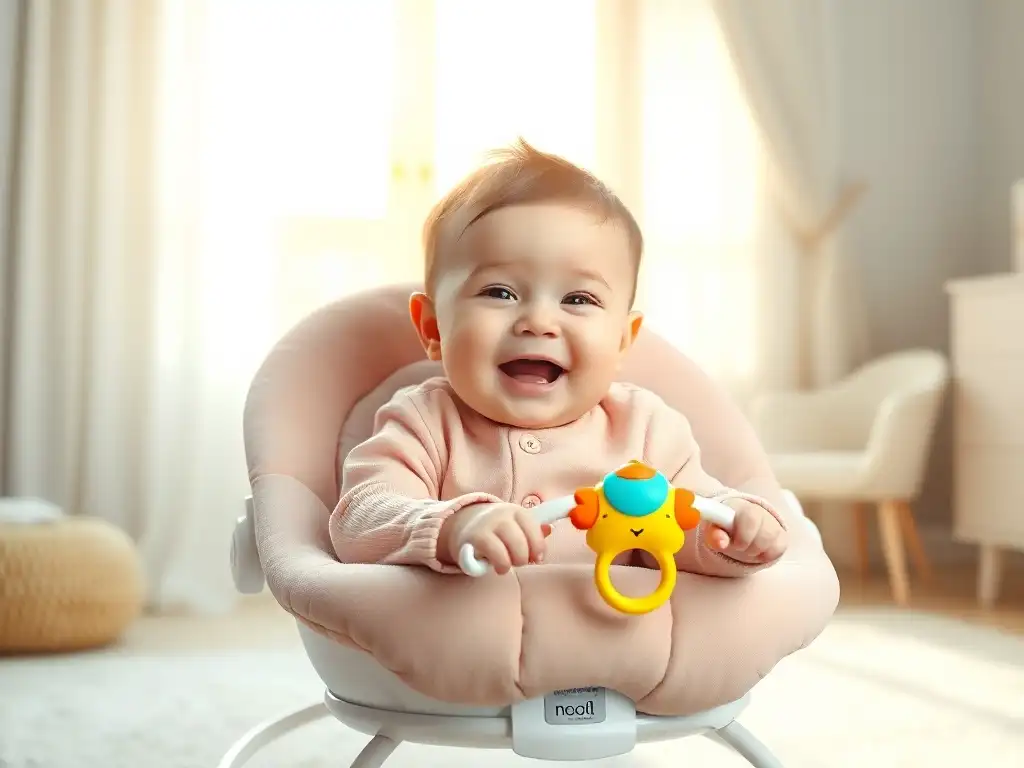
Welcome to BabyCareHub, your ultimate guide to navigating the exciting yet challenging world of parenthood! Are you ready to unlock the secrets to happy, healthy baby development? We understand the overwhelming experience of welcoming a newborn, which is why we've compiled expert advice and practical tips on everything from feeding schedules to ensuring your little one's safety. Discover the essential features to look for when choosing the best baby bouncer for your precious bundle of joy – and so much more. Let's embark on this journey together!
- Understanding the Benefits of Baby Bouncers
- Essential Features of the Best Baby Bouncers
- Top Bouncer Toys and Their Developmental Benefits
- Selecting the Best Baby Bouncer: A Comprehensive Guide
- Safety Guidelines for Baby Bouncers
- Frequently Asked Questions
- Final Reflection: The Enduring Power of Play in a Baby's World
- Unlock Your Baby's Playtime Potential!
Understanding the Benefits of Baby Bouncers
Choosing the right baby gear can feel overwhelming for new parents. Navigating the world of baby bouncers, in particular, requires understanding their various benefits beyond simply providing a safe place for your little one. This guide will explore the key features of the best baby bouncers, highlighting how they contribute to your baby's development, comfort, and overall well-being.
We'll delve into the specific functionalities that make a bouncer a valuable addition to your baby's environment, focusing on aspects crucial for sensory stimulation, calming techniques, and fostering independence. Choosing a bouncer isn't just about convenience; it's about actively participating in your baby's healthy growth and development. Understanding the features of the best baby bouncers will empower you to make an informed decision that supports your baby's journey from newborn to toddler.
Promoting Sensory Development with Bouncers
Baby bouncers offer a surprisingly rich environment for sensory development. The gentle bouncing motion stimulates the vestibular system, responsible for balance and spatial awareness. This subtle movement helps your baby develop their proprioception – their sense of body position and movement in space.
Many bouncers incorporate vibrant colors, contrasting patterns, and interesting textures, all of which stimulate your baby's visual system. The incorporation of toys and mobiles further enhances this sensory experience, encouraging eye tracking and hand-eye coordination. Some bouncers even include sounds or music, adding an auditory dimension to the sensory stimulation.
The combination of these elements creates a dynamic and engaging environment that supports your baby’s neurological development. For example, a bouncer with a high-contrast mobile can significantly improve visual acuity in newborns, while a bouncer with soft, textured fabrics provides tactile stimulation. The varied sensory input helps your baby process information and develop their sensory integration skills, which are crucial for overall development.
Calming and Soothing Babies with Bouncer Motion
The rhythmic bouncing motion of a baby bouncer can be incredibly effective in calming and soothing a fussy baby. This gentle rocking mimics the feeling of being held and comforted, activating the baby's calming reflex. The consistent motion helps to regulate their heart rate and breathing, reducing stress and promoting relaxation.
Many parents report that the bouncer becomes a safe haven for their babies, a place where they can feel secure and comforted. This is particularly beneficial during periods of distress, such as colic or teething. The soothing effect of the bouncer can also help babies fall asleep more easily.
Moreover, the ability to adjust the bouncing intensity allows parents to customize the level of stimulation to best suit their baby's needs. Features like vibration settings can further enhance the calming effect, providing an additional layer of comfort and relaxation. The use of calming music or nature sounds can also augment the soothing capabilities of a bouncer.
Fostering Independence and Self-Soothing Skills
While a baby bouncer provides comfort and stimulation, it also subtly encourages the development of independence and self-soothing skills. As babies grow, they learn to interact with the bouncer's features, such as toys and mobiles, independently. This encourages exploration and develops their fine motor skills.
The ability to control their own movement within the bouncer, albeit limited, gives them a sense of agency and control over their environment. This sense of control can be particularly important for babies who struggle with self-regulation. Furthermore, the bouncer can provide a safe and secure space for babies to engage in self-soothing behaviors, such as sucking on a pacifier or cuddling a favorite toy.
This promotes a sense of security and independence, allowing babies to learn to calm themselves without constant parental intervention. The predictable and consistent nature of the bouncer's motion also contributes to establishing healthy sleep patterns and promoting self-regulation. This gradual development of independence is crucial for a baby's overall emotional and social development.
Essential Features of the Best Baby Bouncers
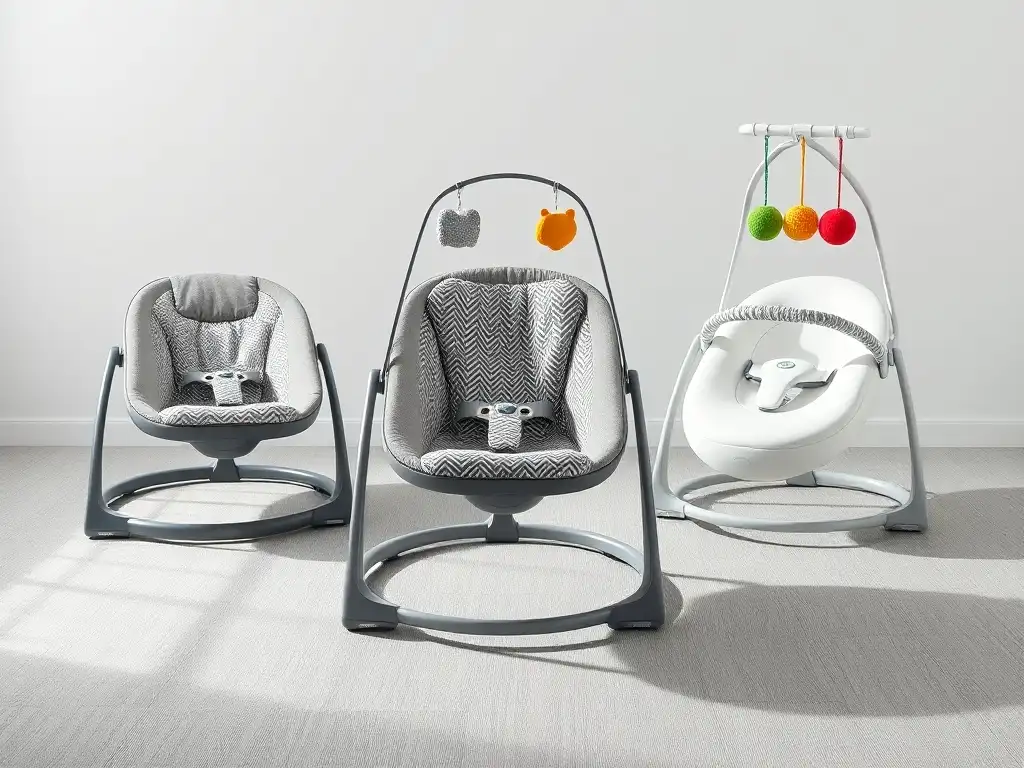
Choosing the right baby bouncer can feel overwhelming with so many options available. Understanding the key features will help you select a bouncer that best suits your baby's needs and your parenting style. This section focuses on the best baby bouncer features to look for, ensuring both safety and enjoyment for your little one. We'll delve into the details, equipping you to make an informed decision.
Choosing the Right Bouncer for Your Baby's Age and Size
The ideal bouncer varies greatly depending on your baby's age and size. Newborns, for instance, require bouncers with excellent head and neck support, often featuring a more reclined position. As your baby grows and develops stronger neck muscles (typically around 4 months), they can tolerate more upright positions. Consider the weight limits specified by the manufacturer; exceeding these limits compromises safety.
Many bouncers are designed with adjustable positions, allowing you to adapt the angle as your baby grows. Look for bouncers that clearly state the appropriate age range and weight capacity. For example, a bouncer suitable for newborns might have a weight limit of 20 pounds and a recline feature, while a bouncer for older infants (6-12 months) might have a higher weight limit (up to 30 pounds) and a more upright seating position. Always prioritize a snug fit to prevent your baby from slipping or sliding.
Safety Features: Harnesses, Stability, and Materials
Safety should be paramount when choosing a baby bouncer. Look for bouncers with secure, adjustable harnesses – ideally a five-point harness – to prevent your baby from falling out. The harness should be easy to fasten and adjust, but also strong and durable.
The bouncer's base should be wide and stable, preventing tipping. Check for non-slip feet or a weighted base for added stability. The materials used should be non-toxic and easy to clean. Avoid bouncers with small parts that could pose a choking hazard. Look for materials that are free from harmful chemicals, such as BPA and phthalates. Regularly inspect the bouncer for any signs of wear and tear, and replace it if necessary. A sturdy construction, coupled with a robust harness system, is crucial for your baby's safety. Remember, proactive safety measures are essential for peace of mind.
Comfort Features: Soft Fabrics, Adjustable Positions, and Head Support
Comfort is just as crucial as safety. The best baby bouncers offer plush, breathable fabrics that are gentle against your baby's delicate skin. Look for easily washable fabrics, as babies can be messy! Adjustable positions allow you to customize the bouncer's angle to suit your baby's preference and developmental stage. A newborn needs a more reclined position for optimal support, whereas an older infant might prefer a more upright position.
Adequate head support is essential, especially for newborns. Some bouncers include removable head supports or cushions that can be adjusted or removed as your baby grows. Consider features that enhance comfort, such as vibration or soothing sounds. These features can help calm and soothe a fussy baby, providing a relaxing experience for both parent and child. Investing in a comfortable bouncer promotes a positive and enjoyable experience for your baby. Remember to always supervise your baby while they are in the bouncer.
Entertainment Features: Toys, Music, and Vibrations
Choosing a baby bouncer often involves considering its entertainment features, as these play a crucial role in keeping your little one engaged and happy. Many bouncers go beyond simple bouncing motion, incorporating a range of stimulating elements designed to capture your baby's attention and promote development. Let's explore some key entertainment features to look for:
The most common entertainment feature is the inclusion of toys. These aren't just any toys; they're often designed to be visually appealing, tactilely interesting, and developmentally appropriate. Look for bouncers with toys that feature contrasting colors, different textures, and perhaps even sounds. Some bouncers include soft, plush toys, while others may feature brightly colored plastic toys that are easy to grasp and manipulate.
The placement of these toys is also important; they should be within easy reach of your baby, encouraging them to reach, grasp, and bat at them, strengthening their motor skills. Consider bouncers with multiple toys or toys that can be repositioned to maintain your baby's interest over time. A variety of textures, like soft fabrics and crinkly materials, can also provide additional sensory stimulation.
Many modern bouncers integrate music as an additional entertainment feature. These often play gentle melodies or nature sounds, creating a calming and soothing atmosphere. The volume should be adjustable to avoid overwhelming your baby's sensitive hearing. Some bouncers even offer different music options or the ability to connect an external music player. The inclusion of music can be particularly beneficial for soothing fussy babies or creating a relaxing environment during naptime. Remember to always supervise your baby while they are using the bouncer and ensure the music isn't too loud.
Finally, vibrations are another popular feature often included in baby bouncers. Gentle vibrations can be very soothing and calming for babies, particularly those who are experiencing colic or fussiness. These vibrations mimic the feeling of being held and can help to settle your baby. The intensity of the vibrations should also be adjustable to cater to your baby's individual preferences and sensitivities.
While vibrations can be beneficial, it's crucial to use them in moderation and observe your baby's reaction. If your baby seems distressed by the vibrations, discontinue their use. The combination of gentle bouncing, soothing music, and calming vibrations can create a truly relaxing experience for your baby. Remember to always prioritize your baby's comfort and safety.
Top Bouncer Toys and Their Developmental Benefits
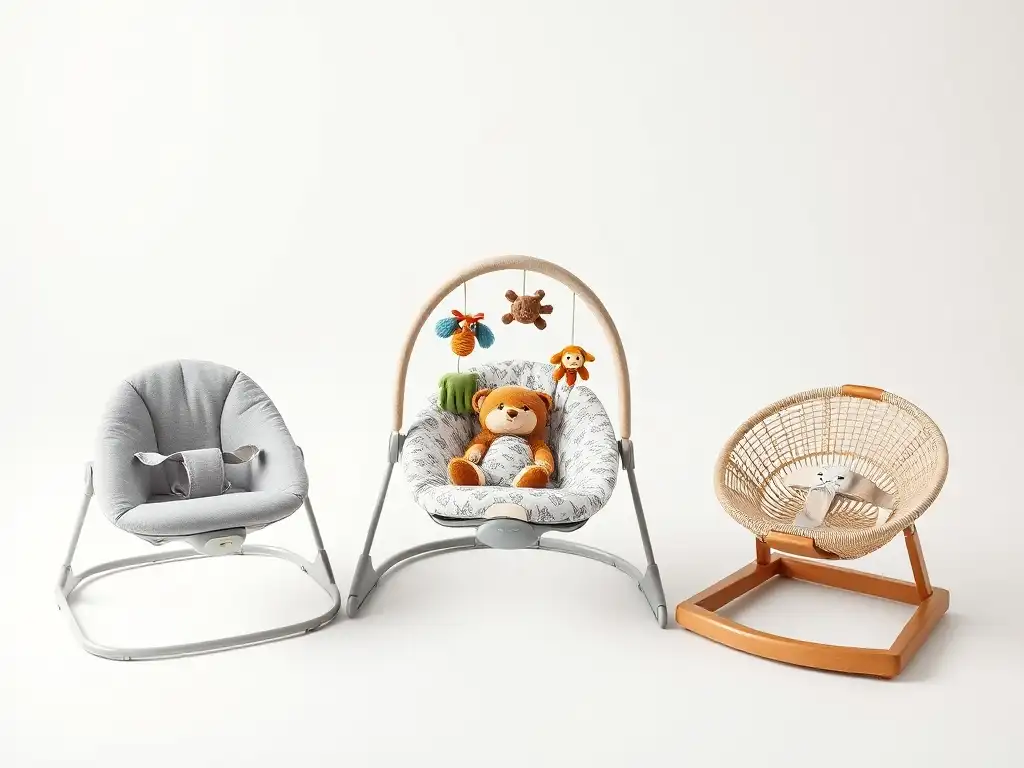
Choosing the right bouncer toy can significantly impact your baby's development. The best baby bouncer features aren't just about entertainment; they contribute to crucial milestones in sensory, motor, and cognitive growth. This section explores some top-performing bouncer toys and how their features promote healthy development. We'll focus on the features that contribute most to a baby's overall development, rather than simply listing popular brands. Remember, safety should always be the top priority when selecting any baby product.
Engaging Baby with Interactive Toys: Textures, Sounds, and Colors
A baby's world is a sensory explosion, and bouncer toys capitalize on this. Interactive toys offer varied textures, sounds, and colors, stimulating multiple senses simultaneously. The best baby bouncer features incorporate these elements to maximize engagement.
Consider, for example, toys with crinkly fabrics. The unexpected sound and the varied tactile experience engage both hearing and touch. Similarly, toys with different textures – soft plush, smooth plastic, bumpy rubber – encourage exploration and the development of fine motor skills. Babies learn to grasp, manipulate, and explore the world through these tactile interactions. The varied textures also help in improving their hand-eye coordination.
The role of sound is equally vital. Toys that make gentle sounds, such as chimes or rattles, capture a baby's attention and stimulate auditory development. However, it's crucial to choose toys with volume controls or that produce soft, non-jarring sounds. Loud noises can be overwhelming and potentially harmful to a baby's sensitive hearing.
Vibrant colors are another key component. High-contrast colors, particularly black and white or primary colors, are particularly engaging for newborns and younger infants. As they grow, babies' color perception develops, and they begin to show preferences for more varied and nuanced colors. The use of diverse, stimulating colors helps in improving their visual perception and color recognition.
The best baby bouncer features often integrate these sensory elements in a way that encourages exploration and self-discovery. For example, a toy might combine crinkly fabric with a soft rattle and bright colors, providing a multi-sensory experience.
The Role of Visual Stimulation in Bouncer Toys
Visual stimulation plays a critical role in a baby's early development, and bouncer toys can be valuable tools in this process. The best baby bouncer features often incorporate elements designed to capture and hold a baby's attention, promoting visual tracking and focus.
Newborns have limited visual acuity; therefore, high-contrast patterns and bold colors are highly effective. Think of black and white stripes or brightly colored shapes. These patterns help stimulate the development of their visual cortex. As babies grow, they begin to track moving objects, a crucial skill that contributes to their overall motor development and coordination. Bouncers with mobile toys that gently rotate or swing are particularly beneficial in this respect. The movement encourages the baby to follow the toys with their eyes, strengthening eye muscles and improving visual tracking.
Furthermore, visual stimulation in bouncers helps develop depth perception. Toys placed at varying distances from the baby encourage them to focus on objects at different depths, contributing to the development of three-dimensional vision.
The placement and design of the toys are also important. Toys that are positioned at different heights and angles, or those with moving parts, provide a richer visual experience. The best baby bouncer features often incorporate a variety of visual stimuli to ensure continuous engagement and support visual development.
Choosing Toys for Different Developmental Stages
The ideal bouncer toy will change as your baby grows and develops. The best baby bouncer features are adaptable to these changing needs. Here's a brief overview:
| Developmental Stage | Recommended Toy Features | Example Features |
|---|---|---|
| Newborn (0-3 months) | High-contrast colors, simple shapes, soft textures, gentle sounds | Black and white patterns, soft plush toys, quiet rattles |
| Infant (3-6 months) | Brighter colors, varied textures, crinkly fabrics, interactive elements | Toys with different textures, mirrors, musical toys with volume control |
| Toddler (6-12 months) | More complex toys, cause-and-effect toys, toys that encourage grasping and manipulation | Teethers, stacking toys, toys with buttons that make sounds |
Remember that these are just guidelines. Observe your baby's reactions and preferences to determine what engages them most. Always prioritize safety and choose toys that are age-appropriate and free from small parts that could be choking hazards. The best baby bouncer features are those that promote your baby’s development while ensuring their safety and happiness. 🧸
Selecting the Best Baby Bouncer: A Comprehensive Guide
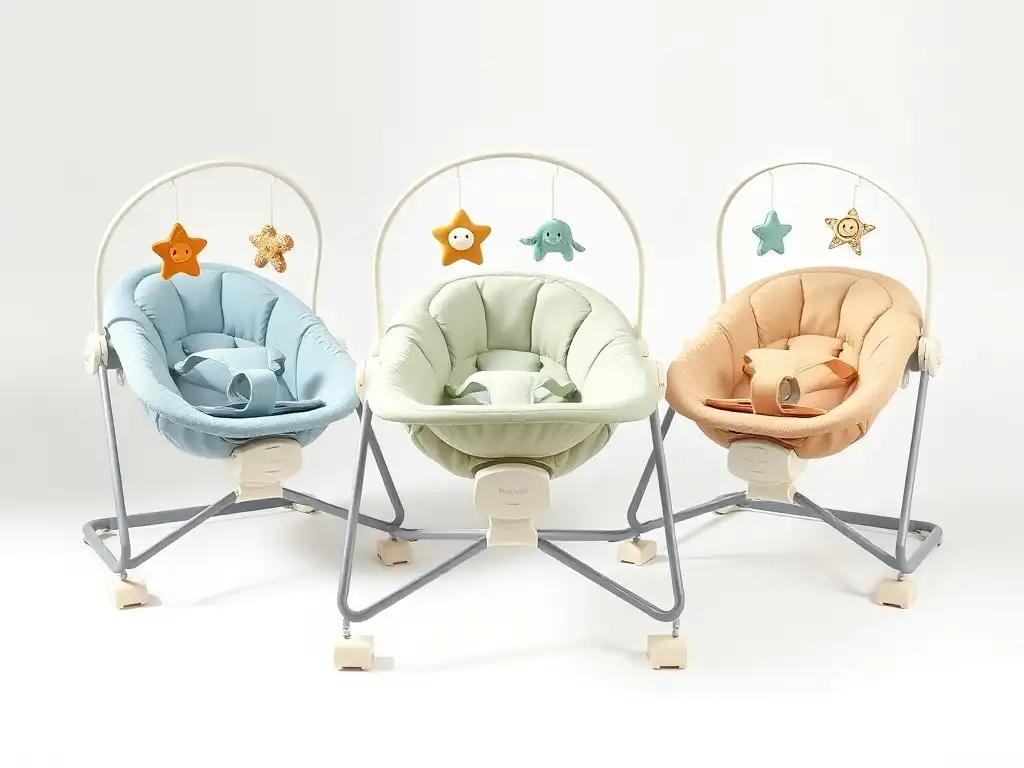
Choosing the right baby bouncer can feel overwhelming with the sheer variety available. This section focuses on helping you navigate the selection process, ensuring you find a bouncer that perfectly suits your baby's needs and your lifestyle. Understanding the key features and considering your individual circumstances will lead you to the best baby bouncer for your family. We'll cover essential factors to consider, from bouncer type to maintenance, to help you make an informed decision. Finding the best baby bouncer features is all about understanding your priorities and your baby's preferences.
Comparing Different Bouncer Types: Vibrating, Rocking, and Stationary
Baby bouncers come in three main types: vibrating, rocking, and stationary. Each offers unique benefits and caters to different preferences. Let's break down the pros and cons of each:
- Vibrating Bouncers: These bouncers feature a vibration setting, often designed to soothe fussy babies. The gentle vibrations mimic the feeling of being held and can be particularly effective in calming a crying infant. However, prolonged use of the vibration feature should be avoided, and always supervise your baby while the bouncer is vibrating.
- Rocking Bouncers: Rocking bouncers provide a gentle, swaying motion that can help soothe and entertain your baby. The rhythmic movement can be calming and can even help to encourage your baby's vestibular development (balance and spatial awareness). Some rocking bouncers are manually operated, while others have a motorized rocking function. Consider the level of rocking intensity needed to suit your baby's temperament.
- Stationary Bouncers: These bouncers don't rock or vibrate, offering a more stable and less stimulating experience. They are often simpler in design and more affordable. They are a good option for parents who prefer a less stimulating environment for their baby, or for babies who are easily overstimulated. However, they may not be as effective in soothing a fussy baby as vibrating or rocking models.
| Bouncer Type | Pros | Cons | Best Suited For |
|---|---|---|---|
| Vibrating | Soothing vibrations, calming effect | May not be suitable for all babies, potential overstimulation | Fussy babies, babies who need extra calming |
| Rocking | Soothing motion, promotes vestibular development | Can be bulky, may require more space | Babies who enjoy movement, those easily soothed by motion |
| Stationary | Simple, affordable, less stimulation | May not be as effective for soothing | Babies who prefer a calmer environment, budget-conscious parents |
Considering Budget and Space Constraints When Choosing a Bouncer
Budget and available space are crucial considerations when purchasing a baby bouncer. High-end bouncers often boast additional features like multiple recline positions, music players, and plusher fabrics, but come with a higher price tag. Conversely, more basic models offer essential functionality at a more affordable price point.
Think about the space you have available in your home. Rocking bouncers tend to be larger than stationary or vibrating models. Consider measuring the area where you plan to place the bouncer to ensure it fits comfortably without cluttering the room. A smaller, more compact bouncer might be a better choice for smaller living spaces. Prioritize functionality and comfort based on your budget and available space. Remember, the best baby bouncer features are those that best meet your needs.
Maintaining and Cleaning Your Baby Bouncers
Regular cleaning and maintenance are vital to ensuring the longevity and hygiene of your baby's bouncer. Always refer to the manufacturer's instructions for specific cleaning guidelines. Generally, spot cleaning with a mild detergent and damp cloth is recommended for most bouncers. Avoid harsh chemicals or abrasive cleaners, as these can damage the fabric and potentially harm your baby.
For removable fabrics, always check if they are machine washable. If so, wash them separately in cold water on a gentle cycle and air dry. Regularly inspect the bouncer's frame and straps for any signs of wear and tear. Replace any damaged parts immediately to ensure your baby's safety. A clean and well-maintained bouncer provides a safe and comfortable space for your little one. This simple maintenance contributes significantly to ensuring you have the best baby bouncer features for years to come. 👶
Safety Guidelines for Baby Bouncers
Choosing the right baby bouncer is only half the battle. Understanding and implementing proper safety guidelines is crucial for ensuring your little one's well-being and preventing accidents. This section focuses on key safety aspects to consider when using a baby bouncer, helping you make informed decisions and provide a safe and enjoyable experience for your baby. Remember, prioritizing safety is paramount when selecting and using any baby product, and bouncers are no exception. This guide will help you navigate the best practices for safe bouncer use, contributing to your baby's overall safety and development.
Proper Harness Usage and Adjustment
The harness is a critical safety feature of any baby bouncer. Improper harness usage can lead to serious injuries. Always ensure the harness is properly fastened before placing your baby in the bouncer. Check the manufacturer's instructions for specific guidance on your model, as harness designs and adjustment mechanisms vary. Generally, the harness should fit snugly against your baby's body, with minimal slack. You should be able to fit only one or two fingers between the harness straps and your baby's body.
A correctly adjusted harness prevents your baby from slipping out, which could lead to falls or injuries. Regularly check the harness for wear and tear; damaged straps should be replaced immediately. Never use a bouncer with a damaged or malfunctioning harness. Think of the harness as your baby's safety net—it's vital for their protection. Remember, a secure harness is the first line of defense against accidents. Prioritize this step each and every time you place your baby in the bouncer.
Safe Placement and Supervision of the Bouncer
Never leave your baby unattended in a bouncer, even for a short period. Always maintain visual contact and be within arm's reach. The bouncer should be placed on a stable, level surface, away from stairs, fireplaces, and other potential hazards. Avoid placing the bouncer near windows or where the baby could be exposed to direct sunlight or drafts.
The best location for the bouncer is one where you can easily see and reach your baby while also performing other tasks. Consider placing it in a well-lit area where you can easily monitor their activity. Remember, constant supervision is key to preventing accidents. Avoid placing the bouncer on elevated surfaces or unstable furniture. The risk of tipping or falling is considerably increased in these scenarios. Always prioritize a stable and safe location for your baby's bouncer. Think of the bouncer's placement as a critical part of ensuring your baby's safety and well-being.
Recognizing Signs of Discomfort or Distress in Your Baby
Even with proper safety precautions, it's crucial to monitor your baby's behavior for signs of discomfort or distress while in the bouncer. These signs can include excessive crying, fussiness, arching of the back, or turning their face away. If your baby displays any of these signs, remove them from the bouncer immediately.
Prolonged periods in a bouncer can also lead to overstimulation or discomfort. Observe your baby's cues and give them breaks as needed. Remember, a happy and comfortable baby is a safe baby. Regularly assess your baby's comfort level and adjust their bouncer time accordingly. Pay close attention to their body language and adjust your approach based on their reactions. Understanding these cues is a crucial part of responsible baby bouncer usage. Always err on the side of caution; remove your baby if you have any doubts about their comfort or well-being.
Frequently Asked Questions
What are the best features to look for in a baby bouncer?
The best baby bouncers offer comfort and safety features like a padded seat, adjustable recline, and a secure harness. Consider vibrating or soothing sounds for added baby engagement.
How long can my baby safely stay in a bouncer?
Never leave your baby unattended in a bouncer. Limit usage to short periods (e.g., 20-30 minutes at a time) and always supervise your baby closely. Ensure they show no signs of discomfort or distress.
What age range are baby bouncers suitable for?
Baby bouncers are generally suitable from newborn to around 6 months, or until your baby can sit up unaided. Always check the manufacturer's guidelines for specific age and weight limits.
Are all baby bouncers the same? What are the differences?
No, baby bouncers vary widely. Some offer vibrations, music, or toys, while others are simpler and more basic. Consider your budget and your baby's preferences when choosing. Look at features like portability and ease of cleaning.
How do I clean my baby bouncer?
Always refer to the manufacturer's instructions. Generally, spot cleaning with a damp cloth is sufficient for most bouncers. Some fabrics may be machine washable, but always check the care label before washing.
Final Reflection: The Enduring Power of Play in a Baby's World
The simple act of bouncing a baby is far more than just a soothing motion; it's a foundational element in their development, impacting their physical coordination, sensory perception, and emotional well-being. Choosing the right bouncer, with features that stimulate and engage, becomes a crucial decision for parents navigating the early months of their child's life. This isn't just about convenience; it's about fostering healthy growth.
The impact of thoughtfully designed baby bouncers extends beyond the immediate comfort they provide. They represent a crucial bridge between passive observation and active engagement, laying the groundwork for future learning and exploration. Play is the highest form of research.
- Albert Einstein. This quote perfectly encapsulates the importance of play in a baby's development, and the bouncer, with its carefully considered features, acts as a vital tool in this process. It's a small space where big developmental leaps occur.
Consider the features we've discussed – the calming vibrations, the engaging toys, the adjustable positions. These aren't mere add-ons; they are carefully designed elements that contribute to a holistic developmental experience. Now, take a moment to reflect on your own experiences with baby bouncers, or consider how you might choose one for your child or a loved one.
What features resonate most with you? What elements do you believe are most crucial for a baby's healthy development? The journey of parenthood is filled with choices, and selecting the right bouncer is one step towards creating a nurturing and stimulating environment for your little one to thrive.
Unlock Your Baby's Playtime Potential!
Thank you for exploring the world of baby bouncers with us! We hope you feel confident in choosing the perfect one to keep your little one entertained and stimulated. Ready to find the ideal bouncer for your baby?
- Find the perfect bouncer: Now that you know what to look for, visit your favorite baby store or browse online retailers to find the perfect bouncer to suit your baby's needs and your style. Remember to prioritize safety features!
- Share your baby's bouncer joy: Snap a photo of your baby enjoying their new bouncer and share it on social media using #BabyCareHubBouncer. We'd love to see their happy faces!
- Join our community: Do you have more questions or helpful tips to share? Join our BabyCareHub forum to connect with other parents and discuss all things baby bouncers.
What's the most important feature you'll look for in a baby bouncer?