
Baby Swing vs. Rocker: Understanding the Key Differences

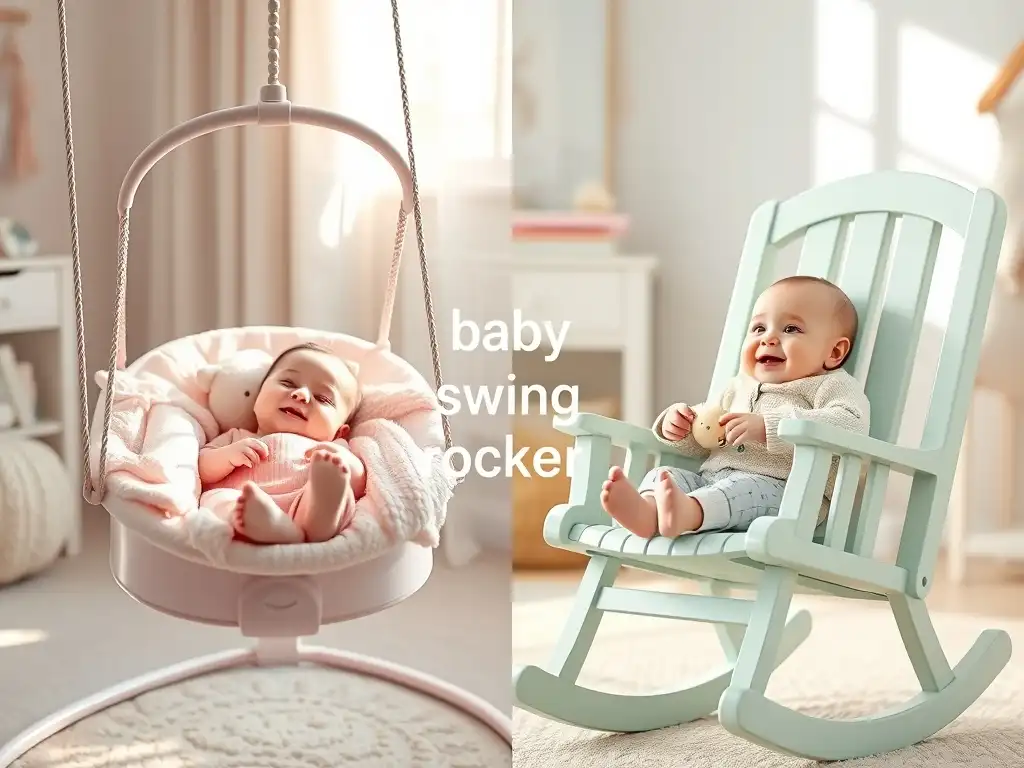
Welcome to BabyCareHub, your ultimate guide to navigating the exciting yet sometimes overwhelming world of parenthood! Are you ready to unlock the secrets to a happier, healthier baby? We're here to help you every step of the way. Discover the crucial differences between a baby swing and a rocker – a decision that can significantly impact your little one's comfort and your sanity – and begin your journey towards confident and informed baby care. Let's delve into the Baby swing rocker key differences and find the perfect fit for your family.
- Baby Swing vs. Rocker: Key Differences at a Glance
- Choosing Between a Baby Swing and a Rocker: Factors to Consider
- Baby Swing: A Deeper Dive into its Advantages
- Baby Rocker: Exploring its Benefits for Baby and Parent
- Safety Considerations for Both Baby Swings and Rockers
- Making the Right Choice: Baby Swing or Rocker?
-
Frequently Asked Questions
- What is the main difference between a baby swing and a rocker?
- Which is better for soothing a fussy baby: a swing or a rocker?
- Are baby swings and rockers safe for newborns?
- What are the key considerations when choosing between a swing and a rocker?
- Do baby swings and rockers help with baby's sleep?
- Final Reflection: Rocking Towards Informed Parenthood
- Unlock Your Baby's Happiest Sways!
Baby Swing vs. Rocker: Key Differences at a Glance
Choosing between a baby swing and a rocker can feel overwhelming for first-time parents. Both offer soothing motion to calm and entertain your little one, but their mechanisms and benefits differ significantly. This comprehensive guide will delve into the key distinctions between baby swings and rockers, helping you make an informed decision based on your baby's needs and your lifestyle.
We'll explore the nuances of their motion, features, and overall suitability, addressing common questions and concerns parents often face when navigating the world of baby gear. Understanding these differences will empower you to select the product that best complements your parenting journey and provides the optimal comfort and stimulation for your precious baby. Choosing the right product can significantly impact your baby's sleep, mood, and overall well-being, making this decision a crucial aspect of newborn care.
Motion and Stimulation: Swing vs. Rocker Movement
The most fundamental difference between a baby swing and a rocker lies in their movement. Baby swings utilize a motorized or battery-powered mechanism to create a back-and-forth swinging motion, often with adjustable speeds and settings. This rhythmic motion mimics the gentle swaying often experienced in a parent's arms, providing a calming and soothing effect for many infants. The consistent, predictable movement can be particularly helpful in settling fussy babies or promoting sleep.
Conversely, baby rockers rely on manual rocking. A parent gently pushes or rocks the rocker, creating a more controlled and less intense motion. This interaction allows for more direct engagement between parent and child, fostering bonding and providing a sense of comfort and security. While not as intense as a swing, the gentle rocking motion can still effectively soothe a baby, especially if they prefer a slower, more gradual movement. The lack of motorization also means rockers are generally quieter than swings.
| Feature | Baby Swing | Baby Rocker |
|---|---|---|
| Motion Type | Motorized, back-and-forth swinging | Manual, rocking |
| Intensity | Adjustable, can be quite vigorous | Gentle, parent-controlled |
| Noise Level | Can be noisy (depending on the model) | Generally quiet |
| Interaction | Primarily independent, less parent-involved | Requires parent interaction |
| Portability | Generally less portable than a rocker | Often more portable and easier to store |
Baby Swing Features: Types and Benefits
Baby swings offer a variety of features designed to enhance comfort and convenience. Different types of swings exist, including:
- Standard Swings: These offer basic swinging motion and often include features like adjustable speed settings, soothing sounds, and vibration.
- Portable Swings: Designed for easy transport and storage, perfect for smaller living spaces or frequent travel.
- Multi-functional Swings: These may combine swing functionality with other features, such as a vibrating seat or a built-in mobile.
The benefits of a baby swing are numerous. The consistent, rhythmic motion can:
- Soothe fussy babies and promote relaxation.
- Aid in sleep induction.
- Provide a safe and engaging space for independent play.
- Free up parents' hands for other tasks.
However, it's crucial to note that excessive use can sometimes lead to overstimulation in some babies. Always monitor your baby closely while they are in the swing.
Baby Rocker Features: Comfort and Calming
Baby rockers prioritize comfort and calming through their design and features. Many rockers include:
- Ergonomic design: Shapes that cradle the baby's body comfortably.
- Soft fabrics and cushioning: Providing a soft and supportive environment.
- Built-in toys or mobiles: Offering visual stimulation and entertainment.
- Vibrating seats: Adding an extra element of soothing motion.
The benefits of a baby rocker center around parent-child interaction and gentle soothing. The manual rocking allows for:
- Enhanced bonding and connection between parent and child.
- More control over the rocking intensity and rhythm.
- A quieter and potentially more calming experience.
- Greater portability and ease of storage compared to some swings.
While offering less intense motion than a swing, the gentle rocking motion of a rocker can still effectively soothe a baby and create a secure and comforting environment. The lack of motorized components also contributes to a quieter atmosphere, which can be beneficial for both parent and child. 👶
Choosing Between a Baby Swing and a Rocker: Factors to Consider
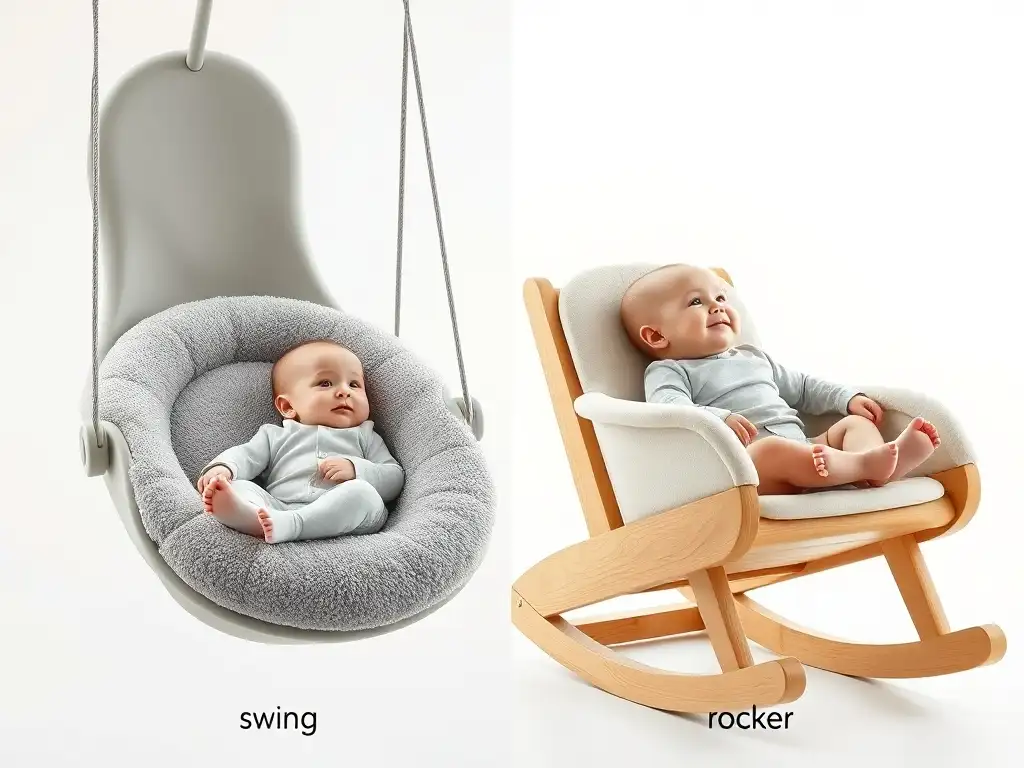
This section delves into the crucial factors parents should weigh when deciding between a baby swing and a rocker. Understanding these differences will help you choose the best option to meet your baby's needs and your home's space and budget constraints. The key differences between a baby swing and a rocker often come down to functionality, space requirements, and, of course, your budget. Let's explore these factors in detail.
Baby's Age and Development Stage: Swing or Rocker Suitability
The ideal choice between a baby swing and a rocker significantly depends on your baby's age and developmental stage. Newborns, often lacking sufficient head and neck control, generally benefit more from the supportive cradle of a baby swing. The gentle rocking motion can soothe fussiness and aid in promoting sleep. The harness system in many swings provides added safety, particularly crucial for newborns prone to startling.
As your baby grows and develops stronger head and neck control (typically around 4 months), a rocker becomes a more viable option. Rockers often offer a more open design, allowing for greater interaction and visual stimulation. Many rockers also incorporate features like toy bars, encouraging playtime and cognitive development. However, always ensure your baby is securely seated and supervised while using either a swing or a rocker.
Consider this: A baby swing's gentle, rhythmic motion can be particularly beneficial for babies experiencing colic or reflux, helping to ease discomfort. A rocker, on the other hand, might be preferable for older infants who enjoy interactive play and are more mobile. Remember to always follow the manufacturer's recommendations regarding weight limits and age appropriateness for both products.
Space Considerations: Swing vs. Rocker Footprint
Space is a significant consideration, particularly for parents with smaller homes or apartments. Baby swings typically require a larger footprint than rockers. Many swings are freestanding units with a relatively substantial base for stability. This can make them less suitable for smaller rooms or spaces where maneuverability is limited.
Rockers, however, are often more compact. Many are designed to be lightweight and easily moved or stored, making them ideal for smaller living spaces. Some rockers even fold flat for convenient storage when not in use. Before purchasing, carefully measure the dimensions of both the swing and rocker to ensure they comfortably fit within your designated space. Consider the ease of movement as well; can you easily reposition the unit as needed?
Think of it this way: If space is at a premium, a rocker might be the more practical choice. If you have ample space and prioritize the soothing motion of a swing, then a swing might be the better option. Always prioritize safety; ensure that the selected product is placed on a stable, level surface, away from hazards.
Budget and Features: Comparing Costs and Functionality
The price range for baby swings and rockers varies considerably depending on the brand, features, and materials used. Generally, basic models of both are relatively affordable, providing essential functionality. However, high-end models may include additional features such as multiple speed settings, various sounds and vibrations, and even mobile phone connectivity.
Consider the features you require. Do you need a swing with multiple speed settings and sounds to soothe a fussy baby? Or will a simple rocker with a comfortable seat suffice? Prioritize the features that will offer the most benefit to you and your baby, while remaining mindful of your budget constraints. Remember to compare prices from different retailers before making a final decision, ensuring you are getting the best value for your money. Don't forget to factor in the cost of batteries or electricity if the product requires power. This can add to the overall running costs.
| Feature | Baby Swing | Baby Rocker |
|---|---|---|
| Price Range | Varies widely; budget to premium options | Varies widely; budget to premium options |
| Space | Generally larger footprint | Generally smaller footprint |
| Motion | Automated swinging motion | Manual rocking or motorized options |
| Features | Multiple speeds, sounds, vibrations, etc. | Toy bars, adjustable positions, etc. |
| Suitability | Best for newborns and soothing fussiness | Best for older babies and interactive play |
Remember, the best choice between a baby swing and a rocker ultimately depends on your individual circumstances and preferences. Carefully consider your baby's age, your available space, and your budget to make an informed decision. Choosing the right product can significantly contribute to your baby's comfort and well-being.
Baby Swing: A Deeper Dive into its Advantages
This section delves into the specific benefits of baby swings, focusing on features that distinguish them from rockers and highlight their advantages for both baby and parent. Understanding these nuances is crucial when choosing between a swing and a rocker for your little one. We'll explore how swings can contribute to a calmer, more content baby, and how certain features enhance both comfort and safety.
Motion Stimulation for Soothing and Sleep
Baby swings utilize rhythmic, gentle back-and-forth motion to mimic the feeling of being held and rocked. This motion is incredibly soothing for many infants, often helping to calm fussiness, reduce crying, and even promote sleep. The consistent motion stimulates the vestibular system, which plays a key role in balance and spatial awareness. This sensory input can be particularly beneficial for babies experiencing colic or other digestive discomfort, as the rhythmic movement can help alleviate gas and promote better digestion. Many parents report that their babies sleep longer and more soundly in a swing compared to other resting places.
The type of motion offered by a swing can vary. Some offer a simple pendulum-like sway, while others provide a more complex, multi-directional movement. The speed and intensity of the motion are often adjustable, allowing parents to customize the swing to their baby's preferences and needs. This adjustability is a key differentiator from rockers, which typically offer a more limited range of motion.
For example, a swing might offer five different speed settings, ensuring a perfect match for a baby's temperament and the situation. A fussy baby might benefit from a faster, more vigorous swing, whereas a sleepy baby might prefer a gentler, slower pace. This level of customization is a significant advantage in managing a baby's mood and sleep patterns.
Swing Features for Enhanced Comfort and Safety
Beyond the motion itself, many baby swings incorporate features designed to enhance both comfort and safety. These features are crucial for parents looking for a safe and secure resting place for their baby. Consider the following key features when comparing different swing models:
- Harnesses and Restraints: Secure harnesses are essential for preventing falls and ensuring the baby remains safely positioned within the swing. Look for swings with multiple-point harnesses, providing maximum security. The harness should be easily adjustable to fit your baby comfortably as they grow. Many higher-end models include five-point harnesses for enhanced safety.
- Padding and Cushioning: Comfortable padding is crucial for preventing discomfort and ensuring your baby's safety. Look for plush, breathable fabrics that are easy to clean. The padding should be supportive but not overly firm, providing adequate comfort without restricting movement. Consider the materials used – some fabrics are more breathable and hypoallergenic than others.
- Weight Limits and Age Appropriateness: Always check the manufacturer's recommendations regarding weight and age limits. Exceeding these limits can compromise the safety and structural integrity of the swing. Ensure the swing is appropriate for your baby's age and developmental stage. Some swings are designed for newborns, while others are suitable for older babies and toddlers.
- Additional Features: Many swings offer additional features such as built-in music players, vibration settings, and even mobile toys. These features can further enhance the soothing and entertaining aspects of the swing, providing added value for parents. However, remember that these are supplementary features; the core benefits of a swing lie in its soothing motion and secure design.
The selection of a baby swing requires careful consideration of these factors. By understanding the advantages of motion stimulation and the safety features available, parents can make an informed decision to choose the best swing for their baby's needs. The right swing can be a valuable tool in establishing healthy sleep patterns and providing a comforting and secure resting place for your little one.
Baby Rocker: Exploring its Benefits for Baby and Parent
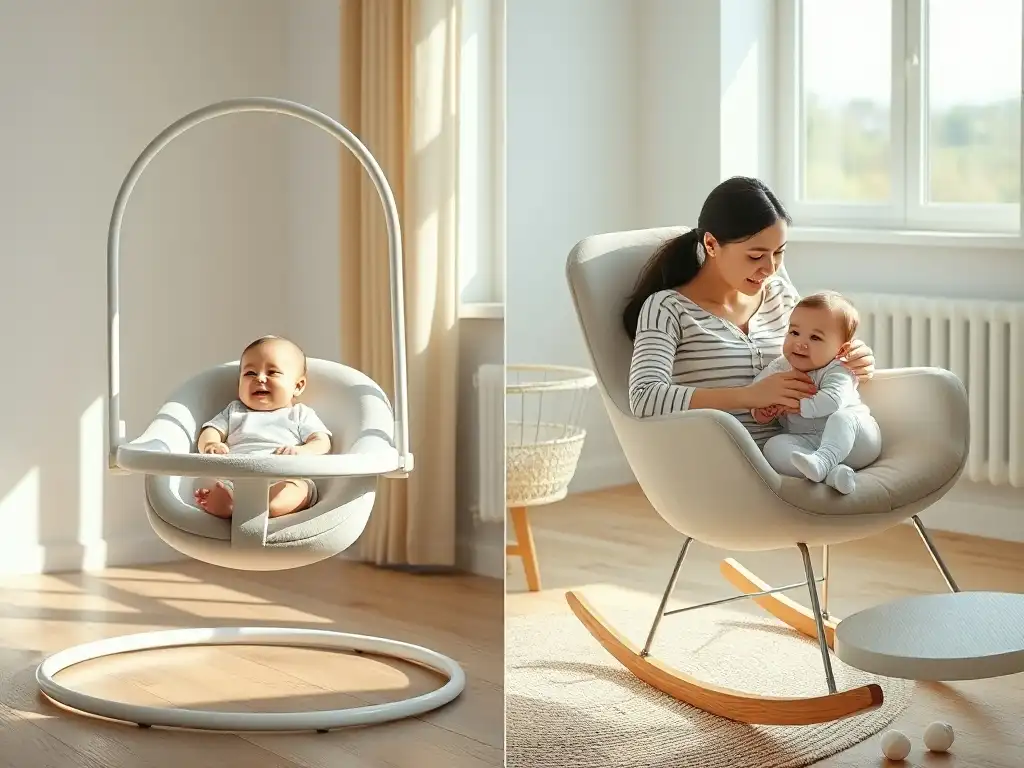
This section delves into the specifics of baby rockers, highlighting their advantages for both the infant and caregiver. Understanding these benefits will help you determine if a rocker is the right choice for your family, especially when comparing it to a baby swing. The key differences between a swing and a rocker often boil down to functionality and intended use. We'll explore those differences in detail, focusing on the unique advantages offered by a baby rocker.
Gentle Rocking Motion for Calming and Relaxation
A baby rocker's primary function is to provide a gentle, soothing rocking motion. This mimics the feeling of being held and rocked, which is incredibly calming for many infants. The slow, rhythmic movement can help soothe a fussy baby, promoting relaxation and potentially aiding in sleep. The subtle rocking motion differs significantly from the more vigorous, often motorized, motion of a baby swing. This gentler approach is often preferred by parents who want a more natural and less stimulating experience for their little one. Studies have shown that consistent gentle rocking can reduce stress hormones in infants, contributing to overall well-being. 1 This is a crucial factor to consider when choosing between a rocker and a swing, particularly for newborns and babies with sensitivities.
The rocking motion is often manually initiated, requiring a gentle push from a parent or caregiver. This provides an opportunity for physical interaction and bonding, fostering a sense of connection between parent and child. This tactile interaction is often absent in the more automated function of a baby swing. The hands-on nature of rocking can be a significant benefit for parents who value close physical contact with their baby.
Rocker Design for Enhanced Comfort and Support
Baby rockers are designed with comfort and support in mind. Unlike swings, which often have a more structured, suspended seat, rockers typically feature a more cradle-like design. This design provides ample support for the baby's back and head, crucial for proper spinal development, especially during the early months when their neck and back muscles are still developing. Many rockers also incorporate features such as soft padding and adjustable recline positions to further enhance comfort and adapt to the baby's changing needs.
The design also often allows for a more natural posture for the baby. The gentle curve of the rocker often promotes a more ergonomic position, reducing the risk of strain on the baby's spine and neck compared to some swing designs that can position the baby at a more acute angle. Furthermore, many rockers are designed with a wider base for enhanced stability, contributing to the overall safety and security of the baby. This broader base contrasts with the often narrower base of many baby swings, making rockers a potentially safer option for some parents.
1 Further research is needed to provide specific data on this topic.
Safety Considerations for Both Baby Swings and Rockers
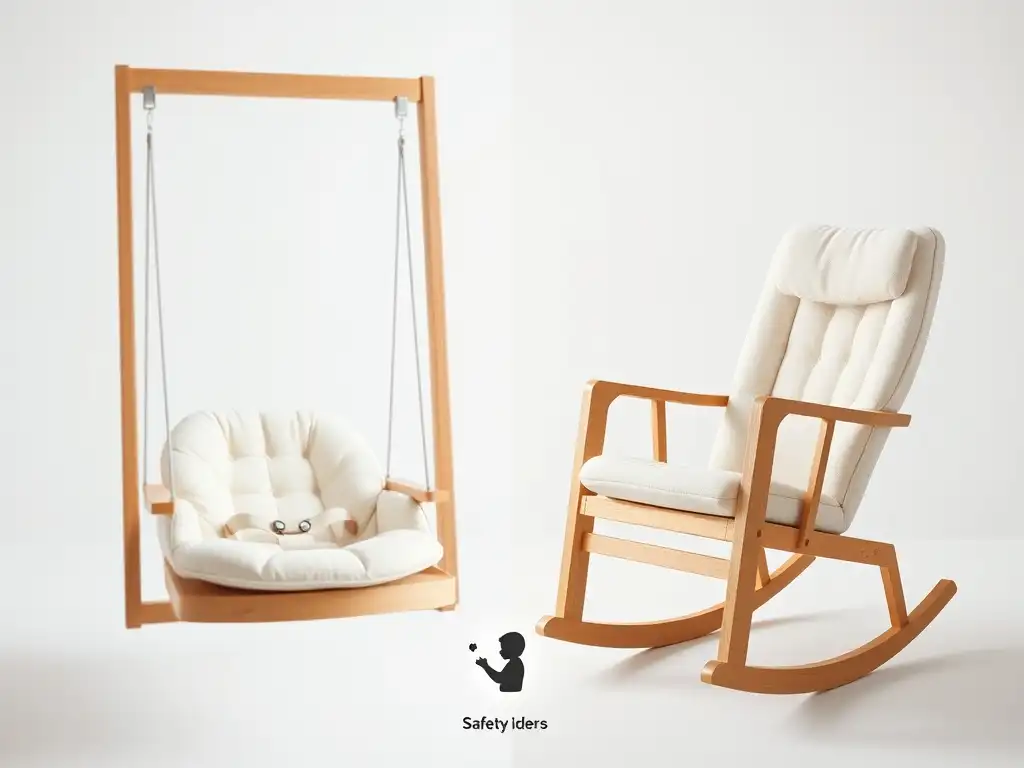
Choosing between a baby swing and a rocker involves careful consideration of your baby's safety. Both products, while designed to soothe and entertain, pose potential risks if not used correctly. Understanding these risks and implementing preventative measures is crucial for ensuring your little one's well-being. This section will focus on the key safety aspects shared by both baby swings and rockers, emphasizing proactive measures to minimize potential hazards. The key to safe usage lies in a combination of proper assembly, regular maintenance, and attentive supervision. Remember, even the safest product can become hazardous without proper care and attention.
Proper Assembly and Usage Instructions
Always, always, follow the manufacturer's instructions meticulously. This might seem obvious, but variations in design and functionality between different brands necessitate adhering to their specific guidelines. Improper assembly can lead to instability, potentially causing the swing or rocker to tip over. Before each use, visually inspect all components for any signs of damage, wear, or loose parts. Look for cracks, frayed straps, or loose screws. Any sign of damage should prompt immediate cessation of use and contact with the manufacturer.
The manufacturer's instructions should clearly outline weight limits. Never exceed these limits. Overloading the swing or rocker can compromise its structural integrity and lead to accidents. Furthermore, pay close attention to the recommended age range. Using a swing or rocker outside of the specified age range can be unsafe for your baby. For example, newborns may lack the neck strength to safely sit upright in some models, even with support.
Understanding the specific features of your chosen product is equally vital. Some swings have multiple speed settings; others have vibration features. Familiarize yourself with all controls and safety mechanisms before your baby uses the product. This proactive approach will allow you to react quickly and safely to any unexpected situations. Consider practicing assembling and disassembling the product several times before using it with your baby – this will build familiarity and confidence.
Regular Safety Checks and Maintenance
Regular inspections are not a one-time event; they're an ongoing process crucial to maintaining the safety of your baby swing or rocker. Perform a thorough visual inspection before each use, checking for any signs of wear and tear. This proactive approach can help identify potential problems early on, preventing accidents. Pay particular attention to straps, buckles, and the base of the unit. These are often the points most susceptible to damage due to repeated use and stress.
Cleaning your baby swing or rocker is equally important. Accumulated dust, dirt, and other debris can compromise the functionality and safety of the product. Refer to the manufacturer’s cleaning instructions. Some materials may require specific cleaning methods to avoid damage. Always ensure the product is completely dry before allowing your baby to use it again. Dampness can create slippery surfaces and potentially lead to falls.
Beyond visual inspections, consider a periodic, more thorough check-up. Perhaps once a month, or every three months depending on frequency of use, dismantle the swing or rocker (if feasible) to check for any internal damage or wear. This more in-depth examination will allow you to catch potential issues before they escalate. Remember to always disconnect the power source before undertaking any maintenance or cleaning. This simple precaution prevents accidental electrocution. Regular maintenance is an investment in your baby’s safety and ensures long-lasting use of your baby gear. Prioritizing safety is paramount – it's the cornerstone of responsible baby care.
Making the Right Choice: Baby Swing or Rocker?
Choosing between a baby swing and a rocker can feel overwhelming for new parents. Both offer soothing motion to calm and entertain your little one, but their mechanisms and benefits differ significantly. Understanding these nuances is crucial for making an informed decision that best suits your baby's needs and your lifestyle. This section will delve into the key distinctions, helping you navigate this common parental dilemma.
The optimal choice depends heavily on factors such as your baby's temperament, your home space, and your budget. We'll explore these considerations to help you determine which option provides the most value and comfort for you and your child. Remember, the "best" choice is subjective and depends entirely on your individual circumstances.
Summary Table: Key Differences and Considerations
Let's break down the core differences between baby swings and rockers in a concise and easily digestible format:
| Feature | Baby Swing | Baby Rocker |
|---|---|---|
| Motion Type | Automated, rhythmic swinging motion | Manual rocking motion, often requires parent |
| Power Source | Typically electric (battery or plug-in) | None (parent-powered) |
| Space Needed | Requires more floor space | Generally requires less floor space |
| Portability | Can be less portable depending on size | Usually more portable and easier to move |
| Baby's Position | Typically reclined or semi-reclined | Typically reclined, sometimes adjustable |
| Price Range | Generally more expensive | Generally less expensive |
| Calming Effect | Consistent, automated motion for longer periods | Intermittent, parent-dependent soothing |
| Maintenance | May require battery changes or charging | Minimal maintenance |
This table highlights the practical aspects, but remember to consider your baby's personality. Some babies thrive in the consistent motion of a swing, while others prefer the gentle, interactive rocking of a rocker. Observing your baby's reactions to different types of movement is key. For example, a baby who easily gets overstimulated might find a rocker more suitable than a constantly moving swing.
Final Recommendations Based on Individual Needs
Choosing between a baby swing and a rocker is a personalized decision. There's no universally "better" option. Consider these recommendations:
- For babies who need consistent soothing: A baby swing offers automated, rhythmic motion that can effectively calm fussy babies for extended periods. This is particularly beneficial for parents needing hands-free time. The consistent motion mimics the womb, providing a sense of security and comfort.
- For babies who prefer interactive soothing: A baby rocker allows for more direct interaction between parent and child. The gentle rocking, often accompanied by singing or talking, fosters bonding and provides a more personalized calming experience. This is ideal for parents who enjoy close physical contact with their baby.
- For smaller spaces: A baby rocker typically takes up less space than a swing, making it a better choice for apartments or homes with limited floor area.
- For portability: Rockers generally offer better portability than swings, allowing for easy movement between rooms.
- For budget-conscious parents: Rockers are generally more affordable than swings.
Ultimately, the best choice depends on your baby's individual preferences and your lifestyle. Observe your baby's reactions to different types of movement and consider your own needs and preferences to make the most informed decision. Don't be afraid to try both if possible before committing to a purchase. Remember, the goal is to find a solution that promotes your baby's comfort and well-being.
Frequently Asked Questions
What is the main difference between a baby swing and a rocker?
A baby swing uses motorized movement to gently sway your baby, often with multiple speed and motion settings. A rocker relies on manual pushing and only moves back and forth. This means swings require electricity, while rockers are portable.
Which is better for soothing a fussy baby: a swing or a rocker?
This depends on your baby's preferences. A swing's rhythmic motion might be more effective for some babies, while others prefer the gentler, more controlled rocking of a manual rocker. Experiment to see what works best.
Are baby swings and rockers safe for newborns?
Always check the manufacturer's recommendations. Most swings and rockers are safe for newborns, but ensure proper support and never leave your baby unattended. Always use the restraint straps.
What are the key considerations when choosing between a swing and a rocker?
Consider your budget, available space, and your baby's temperament. Swings offer more features but require electricity and are bulkier. Rockers are more portable and affordable but require more parental involvement.
Do baby swings and rockers help with baby's sleep?
They can be helpful, but they shouldn't replace safe sleep practices. The rhythmic motion can soothe your baby and promote relaxation, potentially leading to longer sleep periods. But always follow safe sleep guidelines.
Final Reflection: Rocking Towards Informed Parenthood
The choice between a baby swing and a rocker is far more than a simple purchase decision; it's a reflection of our evolving understanding of infant development and the ever-changing landscape of childcare. The subtle yet significant differences between these two seemingly similar products highlight the importance of informed choices in creating a nurturing environment for our little ones. Understanding these differences empowers parents to make decisions that best support their child's comfort and well-being.
The impact of these seemingly small choices resonates far beyond the immediate comfort of the baby. The market's response to the demand for both swings and rockers reflects a growing awareness of the diverse needs of infants and the importance of providing options tailored to individual preferences. This evolution speaks volumes about our increasing commitment to providing the best possible start for our children. The best thing for a child is a parent who is happy.
This simple truth underscores the importance of finding the right tools to navigate the joys and challenges of parenthood, and choosing between a swing and a rocker is a small but meaningful step in that journey.
Consider the implications of this research as you navigate your own parenting journey. Don't just buy a product; choose a partner in your child's development. Reflect on your baby's temperament, your lifestyle, and the space you have available. By understanding the nuances between a baby swing and a rocker, you can make a conscious decision that best supports your child's needs and contributes to a happier, more harmonious home. Embrace the journey of informed parenthood, and watch your little one thrive.
Unlock Your Baby's Happiest Sways!
Thank you for exploring the wonderful world of baby swings and rockers with us! You're now well-equipped to choose the perfect soothing solution for your little one. Ready to take the next step?
- Choosing the perfect swing or rocker: Consider your baby's temperament and the available space in your home to make the best decision for both of you. Remember, a comfortable and safe swing is key!
- Sharing your experience: Tell us which type of soothing seat you chose and why. We'd love to hear your story in the comments below!
- Exploring more calming solutions: Dive deeper into our BabyCareHub resources – you'll discover a range of products and tips to promote your baby's sleep and overall well-being.
Now, tell us: What's your top priority when selecting a soothing seat for your baby – comfort, convenience, or something else?