
Jaundice and Follow Up Appointments: Importance of Regular Check Ups

Welcome to BabyCareHub, your ultimate guide to navigating the incredible journey of parenthood! Are you a first-time parent feeling overwhelmed by the complexities of newborn care? We understand. That's why we've created this comprehensive resource, packed with practical advice and expert insights. Discover essential information on everything from feeding schedules to developmental milestones, and learn why regular check-ups are crucial, especially concerning topics like newborn jaundice follow up care. Dive in and unlock the secrets to confident and joyful parenting!
- Understanding Newborn Jaundice and its Progression
- The Crucial Role of Newborn Jaundice Follow Up Care
- Scheduling Your Newborn Jaundice Follow Up Appointments
- Long-Term Effects and Prevention of Jaundice
- When to Seek Immediate Medical Attention for Newborn Jaundice
- Frequently Asked Questions
- Final Reflection: The Golden Hue of Health: Ensuring a Bright Future for Newborns
- Unveil Your Baby's Health Journey: Take the Next Step
Understanding Newborn Jaundice and its Progression
Newborn jaundice is a common condition affecting many babies in their first few weeks of life. Characterized by a yellowish discoloration of the skin and whites of the eyes, it's crucial for first-time parents to understand its causes, progression, and the importance of regular follow-up appointments. This article serves as a comprehensive guide to newborn jaundice follow up care, equipping parents with the knowledge to monitor their baby's health and seek timely medical intervention when necessary. Navigating the early days of parenthood can be overwhelming, and understanding jaundice is a key step in ensuring your baby's well-being. We'll explore what constitutes newborn jaundice, how to identify it, the different types, and the critical role of consistent check-ups in managing this condition effectively. This information is intended for educational purposes and should not replace professional medical advice. Always consult your pediatrician or healthcare provider for any concerns regarding your baby's health.
What is Newborn Jaundice?
Newborn jaundice occurs when there's a buildup of bilirubin in the baby's blood. Bilirubin is a yellow pigment that's a byproduct of the breakdown of old red blood cells. A baby's liver, still developing, may not be efficient enough to process and eliminate bilirubin quickly enough, leading to its accumulation and the resulting yellowing. This is often a temporary condition, particularly in the case of physiological jaundice, which typically resolves within a few weeks.
However, pathological jaundice, a more serious form, requires immediate medical attention. The level of bilirubin is measured through a simple blood test, helping doctors determine the severity and appropriate course of action. Understanding the underlying cause of the jaundice is crucial for determining the best treatment approach and ensuring a positive outcome for your little one. Many factors can contribute to elevated bilirubin levels, including the baby's blood type, prematurity, and breastfeeding challenges.
Identifying Jaundice in Your Baby: Signs and Symptoms
Recognizing jaundice early is key to ensuring prompt intervention. While a slight yellowing might be subtle, it's crucial to observe your baby closely. The most visible signs are a yellowish tinge to the skin, especially noticeable on the face, chest, and abdomen. The whites of the eyes (sclera) will also appear yellow. The intensity of the yellowing can vary; some babies may exhibit a mild discoloration, while others show a more pronounced yellow hue.
Beyond visual cues, some babies with jaundice may display additional symptoms, although these are not always present. These could include:
- Lethargy or excessive sleepiness
- Poor feeding
- Irritability
- High-pitched cry
It's important to remember that not all babies with jaundice will exhibit all of these symptoms. Regular monitoring and timely consultation with your pediatrician are crucial in managing this condition effectively. Early detection significantly improves the chances of a successful outcome. Don't hesitate to contact your doctor if you notice any yellowing, even if it's mild, or if you observe any other concerning symptoms in your baby. Early intervention is key!
Types of Jaundice in Newborns: Physiological vs. Pathological
Newborn jaundice is broadly classified into two main types: physiological and pathological. Understanding the distinction is crucial for appropriate management.
| Type of Jaundice | Description | Onset | Resolution | Treatment |
|---|---|---|---|---|
| Physiological Jaundice | Usually appears after 24 hours of birth and resolves within 2 weeks. Caused by the immature liver. | Typically after 24 hours of life | Usually within 2 weeks | Often requires no treatment, monitoring is key. |
| Pathological Jaundice | Appears within 24 hours of birth or persists beyond 2 weeks. May indicate an underlying medical condition. | Within 24 hours of life or persists beyond 2 weeks | May require medical intervention | Requires medical intervention, often phototherapy. |
Physiological jaundice is the more common type and usually resolves on its own without specific treatment. However, pathological jaundice requires immediate medical attention as it may indicate serious underlying health issues, such as blood incompatibility, infections, or liver problems. Regular follow-up appointments are critical to monitor the bilirubin levels and ensure that the jaundice resolves appropriately. Careful observation and prompt medical intervention are vital to ensure your baby's health and well-being. 👶
Risk Factors for Severe Newborn Jaundice
Several factors can increase a newborn's risk of developing severe jaundice, requiring closer monitoring and potential medical intervention. Understanding these risk factors is crucial for parents and healthcare providers in implementing preventative measures and ensuring timely treatment. Let's explore some key risk factors:
Premature Birth: Babies born prematurely (before 37 weeks of gestation) are at significantly higher risk of developing severe jaundice. Their immature livers haven't fully developed the capacity to efficiently process bilirubin, leading to a buildup. This is because their liver's ability to conjugate and excrete bilirubin is underdeveloped. Premature infants often require more intensive monitoring and may need phototherapy or other interventions sooner than full-term babies. The earlier the birth, the higher the risk.
Blood Type Incompatibility: Rh incompatibility, where the mother is Rh-negative and the baby is Rh-positive, or ABO incompatibility, where the mother and baby have different blood types (particularly if the mother is type O and the baby is type A, B, or AB), can lead to increased bilirubin levels. In these situations, the mother's antibodies can attack the baby's red blood cells, causing them to break down and release more bilirubin than the liver can handle. This is a serious condition that requires careful monitoring and potentially blood transfusions.
Cephalhematoma: This is a collection of blood under the scalp, often occurring during a difficult delivery. The breakdown of red blood cells within the cephalhematoma contributes to a significant increase in bilirubin levels, elevating the risk of severe jaundice. Careful monitoring for cephalhematomas is essential during the postpartum period.
Bruising: Extensive bruising during birth can also lead to increased bilirubin levels. Similar to cephalhematoma, the breakdown of red blood cells in the bruised areas contributes to a higher bilirubin load. Minimizing trauma during delivery is crucial in preventing this complication.
Breastfeeding Difficulties: While breastfeeding is generally beneficial, difficulties such as infrequent feeding or poor latch can delay the passage of meconium (the baby's first stool), contributing to elevated bilirubin levels. Early and effective breastfeeding support is essential to mitigate this risk. This is because meconium contains bilirubin, and its delayed excretion can worsen jaundice.
Family History: A family history of hyperbilirubinemia (high bilirubin levels) can also increase the risk of severe jaundice in newborns. Genetic factors can predispose some infants to less efficient bilirubin processing, making them more susceptible to this condition. This underlines the importance of sharing family medical history with healthcare providers.
Certain Infections: Some infections in the newborn can also exacerbate jaundice. These infections can lead to increased red blood cell breakdown and further stress the immature liver's ability to process bilirubin. Prompt identification and treatment of any infection are critical.
Understanding these risk factors allows healthcare providers to proactively monitor newborns and intervene appropriately, ensuring the early detection and effective management of severe jaundice. Regular follow-up appointments are vital in addressing potential complications and providing the best possible care for the baby.
The Crucial Role of Newborn Jaundice Follow Up Care
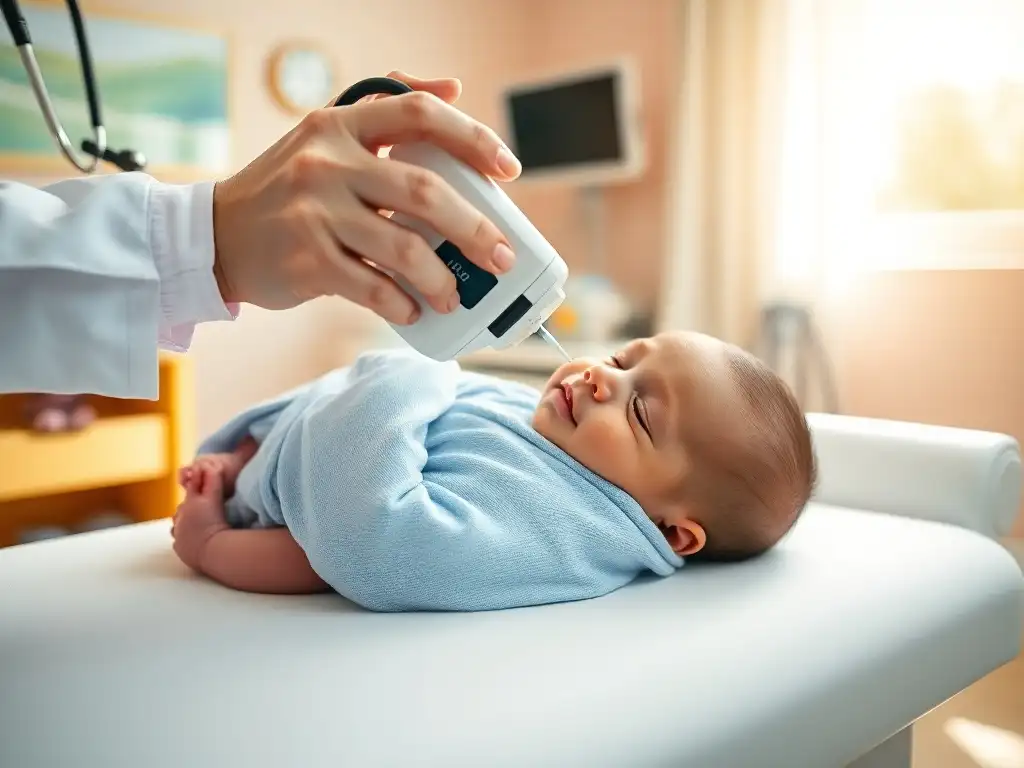
Newborn jaundice, characterized by a yellowish discoloration of the skin and eyes, is a relatively common condition affecting many newborns. While often mild and resolving on its own, it's crucial to understand that newborn jaundice follow up care is paramount to ensure the baby's well-being and to detect any potential complications. Early and consistent monitoring is key to preventing severe jaundice, which can lead to kernicterus, a serious neurological condition.
This section delves into the importance of regular check-ups and the various aspects of managing this condition. The focus on proactive newborn jaundice follow up care is vital for the healthy development of your little one. This isn't just about treating existing jaundice; it's about preventing potential long-term issues.
Why Regular Check-ups are Essential for Jaundice Management
Regular check-ups are the cornerstone of effective newborn jaundice management. These appointments allow healthcare professionals to monitor the baby's condition, assess the severity of jaundice, and promptly intervene if necessary. The frequency of these visits will depend on the initial bilirubin levels and the baby's overall health, but they are typically scheduled within the first few days after birth and continue until the jaundice resolves. Early detection is crucial because untreated severe jaundice can lead to serious health problems.
During these visits, the doctor or nurse will perform a thorough physical examination, paying close attention to the baby's skin color, activity level, and feeding patterns. They will also assess the baby's overall health, looking for any other signs or symptoms that might require further attention. This proactive approach ensures that any potential complications are addressed quickly and effectively. The peace of mind provided by regular monitoring is invaluable for new parents navigating this common, yet potentially serious, condition. Remember, proactive newborn jaundice follow up care is an investment in your baby's future health.
Monitoring Bilirubin Levels: Understanding the Tests
The primary method for monitoring jaundice severity is through measuring bilirubin levels in the blood. This is typically done using a non-invasive transcutaneous bilirubinometer (TcB) or a blood test. The TcB is a handheld device that measures bilirubin levels through the skin, providing a quick and relatively painless assessment. However, a blood test (venipuncture) is often necessary for a more precise measurement, especially if the TcB reading suggests elevated levels.
The results are expressed as milligrams per deciliter (mg/dL) or micromoles per liter (µmol/L). These values are compared to age-specific reference ranges to determine whether the bilirubin levels are within the normal range or indicate a need for intervention. Understanding the specific bilirubin levels and their interpretation is critical for parents to fully engage in their baby's newborn jaundice follow up care. It empowers them to ask questions and actively participate in their child's healthcare journey. A clear understanding of the test results is essential for informed decision-making regarding treatment options.
Treatment Options for Elevated Bilirubin Levels
Treatment for elevated bilirubin levels varies depending on the severity of jaundice and the baby's overall health. In many cases, mild jaundice resolves on its own without any intervention. However, for more severe cases, treatment may be necessary to reduce bilirubin levels and prevent potential complications.
Treatment options may include:
- Phototherapy: This involves exposing the baby to special blue lights that help break down bilirubin in the blood. This is a common and generally safe treatment for moderate to severe jaundice.
- Exchange transfusion: In rare cases, if phototherapy is ineffective or the bilirubin levels are extremely high, an exchange transfusion may be necessary. This procedure involves removing the baby's blood and replacing it with fresh donor blood. This is a more invasive procedure, reserved for severe cases.
- Intravenous fluids: In some cases, intravenous fluids may be administered to help improve hydration and aid in bilirubin excretion.
The choice of treatment will be determined by the healthcare provider based on the baby's individual needs and the severity of the jaundice. Close monitoring is essential during and after treatment to ensure its effectiveness and to detect any potential complications. Regular follow-up appointments are crucial to gauge the effectiveness of the chosen intervention and make any necessary adjustments to the newborn jaundice follow up care plan. The ultimate goal is to ensure the baby's safe and healthy development.
Home Care for Babies with Jaundice: Safe Practices and Parental Support
Home care plays a vital role in managing newborn jaundice, especially in cases of mild to moderate hyperbilirubinemia. Parental support and education are crucial for successful home management. Parents should be meticulously instructed on recognizing signs of worsening jaundice, such as increasing yellowing of the skin and whites of the eyes, lethargy, poor feeding, and high-pitched cry. These are crucial indicators requiring immediate medical attention.
Regular monitoring of the baby's bilirubin levels is often recommended, typically through transcutaneous bilirubinometry (TcB) at home or through frequent check-ups with the pediatrician. TcB devices measure bilirubin levels non-invasively through the skin, providing a convenient way to track the baby's progress. However, it is important to note that these readings are estimates and should always be confirmed by a blood test if there are concerns. Accurate readings depend on several factors, including skin pigmentation and the device's calibration.
Adequate hydration is essential. Frequent breastfeeding or formula feeding helps to eliminate bilirubin from the baby's system. Parents should be encouraged to feed their babies on demand, ensuring the baby receives sufficient nutrition and fluids. For breastfed babies, ensuring effective latch and frequent nursing sessions are key. For formula-fed babies, parents should follow the pediatrician's guidance on the type and amount of formula. Dehydration can exacerbate jaundice, so parents need to be vigilant about their baby’s hydration status. Signs of dehydration include fewer wet diapers than usual, sunken eyes, and decreased skin turgor.
Phototherapy, if prescribed by the doctor, should be administered carefully as directed. This involves placing the baby under special lights that help break down bilirubin. Parents must understand the proper positioning of the baby during phototherapy to ensure that the entire body receives the light's effects equally. Skin protection is also crucial to prevent burns, and parents should follow the pediatrician’s guidelines on how frequently to check the baby’s skin condition during phototherapy. Furthermore, the baby's eyes should be protected with eye shields.
Regular follow-up appointments with the pediatrician are essential to monitor the baby's progress and ensure the jaundice is resolving appropriately. These appointments allow the healthcare provider to assess the baby's overall health, observe the severity of jaundice, and make necessary adjustments to the treatment plan. During these visits, parents can address any concerns or questions they may have about their baby's condition and receive ongoing support and guidance.
Consistent communication between parents and healthcare providers is paramount for effective newborn jaundice management. Finally, parents should be reassured that while jaundice is common, it is usually treatable and most babies recover fully. Providing reassurance, practical advice, and ongoing support can significantly reduce parental anxiety and improve the overall management of newborn jaundice.
Scheduling Your Newborn Jaundice Follow Up Appointments
Newborn jaundice, characterized by a yellowish discoloration of the skin and eyes, is a relatively common condition affecting many infants. However, the severity of jaundice varies, and regular follow-up appointments are crucial for monitoring bilirubin levels and ensuring your baby's health. Effective newborn jaundice follow up care is paramount in preventing potential complications. This section will outline the importance of scheduling and attending these vital check-ups. Understanding the process empowers parents to actively participate in their baby's well-being.
Frequency of Appointments Based on Bilirubin Levels
The frequency of follow-up appointments for newborn jaundice is directly related to your baby's bilirubin levels. These levels are measured through a simple blood test, often referred to as a transcutaneous bilirubin (TcB) test or a serum bilirubin test. Higher bilirubin levels necessitate more frequent monitoring.
- Mild Jaundice: If your baby's bilirubin levels are within the normal range or only slightly elevated and showing signs of improvement, your pediatrician might schedule a follow-up appointment in a few days. This allows for observation and to ensure the jaundice is resolving naturally. Regular monitoring is key.
- Moderate Jaundice: With moderately elevated bilirubin levels, follow-up appointments may be scheduled more frequently, perhaps every 1-2 days. This allows for close monitoring of the bilirubin levels and to ensure that the levels are not rising too quickly. The frequency will be determined by your baby's specific situation.
- Severe Jaundice: In cases of severe jaundice, hospitalization might be necessary for phototherapy or other interventions. Frequent blood tests and monitoring are essential to track bilirubin levels closely and ensure your baby's safety. The pediatrician will be actively involved in managing the care.
The following table summarizes the typical approach:
| Bilirubin Level | Typical Follow-up Frequency | Potential Interventions |
|---|---|---|
| Mildly Elevated | Every 2-3 days | Observation, breastfeeding support |
| Moderately Elevated | Daily or every other day | Close monitoring, potential phototherapy |
| Severely Elevated | Multiple times daily, hospitalization | Phototherapy, exchange transfusion |
Remember, this is a general guideline. Your pediatrician will tailor the frequency of appointments to your baby's individual needs and condition. Always follow your doctor's recommendations. Early intervention is crucial for the best outcomes in newborn jaundice follow up care.
What to Expect During Follow-Up Appointments: Doctor's Examination and Questions
During your baby's follow-up appointments for jaundice, your pediatrician will conduct a thorough examination. This typically includes:
- Physical Examination: The doctor will assess your baby's overall health, paying close attention to skin color, alertness, and feeding patterns. They will check for other symptoms and signs of potential complications related to hyperbilirubinemia. This provides a holistic view of your baby’s health.
- Bilirubin Level Measurement: A blood test (or TcB test) will be performed to measure your baby's bilirubin levels. This is the most crucial aspect of the follow up appointment. This data allows the pediatrician to track the progress and adjust treatment if necessary.
- Weight Check: Monitoring your baby's weight is important, especially if breastfeeding is involved, as dehydration can exacerbate jaundice. Regular weight checks help the pediatrician assess your baby’s growth and development.
- Feeding Assessment: Your pediatrician will ask about your baby's feeding habits, frequency, and amount. Adequate hydration and nutrition are crucial for bilirubin processing and overall health. They will offer guidance and recommendations as needed.
- Question and Answer Session: This is your opportunity to ask your pediatrician any questions or concerns you may have about your baby's jaundice. Don't hesitate to voice your concerns; it's important to feel comfortable and informed. Open communication is crucial for effective newborn jaundice follow up care.
Communicating with Your Pediatrician: Concerns and Questions
Open communication with your pediatrician is essential throughout your baby's jaundice journey. Don't hesitate to contact them if you have any concerns, even between scheduled appointments. Some common concerns might include:
- Increased Jaundice: If you notice a worsening of your baby's jaundice (the yellowing is spreading or becoming more intense), contact your doctor immediately.
- Lethargy or Poor Feeding: If your baby seems unusually lethargic, sleeps excessively, or feeds poorly, these are important signs to report promptly.
- Changes in Bowel Movements: Any significant changes in your baby's bowel movements (color, frequency) should be brought to your pediatrician's attention.
- Fever: A fever is a serious concern and should be reported immediately.
Remember, proactive communication is key to ensuring your baby receives the best possible care. Don’t hesitate to reach out to your pediatrician with any questions or concerns, no matter how small they may seem. Your peace of mind is important, and your pediatrician is there to support you. Effective communication is a vital component of comprehensive newborn jaundice follow up care.
Recognizing Warning Signs Requiring Immediate Medical Attention
Jaundice, while common in newborns, can sometimes indicate serious underlying health issues. It's crucial for parents to be vigilant and seek immediate medical attention if they observe certain warning signs. These signs go beyond the typical yellowish discoloration of the skin and whites of the eyes. Early intervention is key in preventing potential complications associated with severe jaundice.
One critical warning sign is lethargy or an unusual decrease in the baby's activity level. A healthy newborn, while sleeping much of the day, will still exhibit periods of alertness and interaction. If your baby seems unusually sleepy, unresponsive, or difficult to rouse, seek immediate medical advice. This could indicate a serious underlying condition impacting their brain function.
Another significant red flag is poor feeding. Newborns typically feed frequently, showing a strong sucking reflex and a willingness to nurse or take a bottle. If your baby is feeding poorly, showing disinterest in feeding, or losing weight, this warrants urgent medical attention. Poor feeding can be a symptom of several conditions, including severe jaundice that can lead to dehydration and other complications. Remember to track feeding patterns and weight changes closely to notice subtle shifts.
Beyond lethargy and poor feeding, observe your baby's skin color carefully. While some jaundice is expected, a deepening or rapid spread of yellowing, particularly involving the trunk and extremities, is a cause for concern. The yellowing should also be assessed in areas with less pigmentation, such as the palms and soles of the feet. A deepening or spreading yellow hue suggests that the bilirubin levels are rising significantly, potentially reaching dangerous levels.
Furthermore, pay close attention to your baby's temperature. A fever, especially in conjunction with jaundice, requires immediate medical attention. Fever can indicate an infection, which can complicate the management of jaundice. Always take your baby's temperature if you suspect an infection, and contact your pediatrician immediately if it is elevated. Remember that a fever, even a low-grade one, in a newborn is a serious concern.
Finally, if your baby exhibits any signs of unusual irritability, high-pitched crying, or unusual stiffness, contact your doctor immediately. These symptoms could be indicative of several underlying neurological or metabolic issues that need prompt medical intervention. Trust your instincts; if something feels wrong, it's always best to seek professional medical evaluation for your newborn. Early detection and treatment are vital in ensuring the best possible outcome for your baby. Don't hesitate – your baby's health is paramount.
Long-Term Effects and Prevention of Jaundice

This section delves into the potential long-term consequences of untreated neonatal jaundice and explores effective preventative measures. Understanding these aspects is crucial for parents to ensure their baby's healthy development and well-being. Effective newborn jaundice follow up care is paramount in mitigating potential risks.
Potential Long-Term Effects of Untreated Jaundice
While the majority of cases of neonatal jaundice resolve without lasting effects, severe, untreated hyperbilirubinemia can lead to serious complications. These complications can significantly impact a child's development and overall health. The severity of long-term effects is directly correlated with the peak bilirubin level and the duration of elevated levels.
One significant concern is kernicterus. This condition occurs when high levels of bilirubin damage the brain. Kernicterus can manifest in various ways, including:
- Hearing loss: Bilirubin toxicity can damage the auditory pathways, leading to permanent hearing impairments.
- Cerebral palsy: Damage to the brain can result in movement disorders, muscle weakness, and difficulties with coordination.
- Developmental delays: Untreated jaundice can negatively impact cognitive development, leading to delays in speech, motor skills, and intellectual function.
- Dental problems: In rare cases, kernicterus can manifest as abnormalities in teeth development.
It's crucial to emphasize that the risk of kernicterus is significantly reduced with prompt and appropriate medical intervention. Regular follow-up appointments, as recommended by the pediatrician, are essential for monitoring bilirubin levels and ensuring timely treatment if necessary. Early detection and management are key to preventing these potentially devastating long-term effects. This underscores the importance of diligent newborn jaundice follow up care.
Prevention Strategies for Jaundice in Newborns
While not all cases of jaundice are preventable, proactive measures can significantly reduce the risk. These strategies focus on optimizing breastfeeding practices, ensuring adequate hydration, and monitoring the baby's health closely.
- Frequent Feeding: Encouraging frequent breastfeeding or formula feeding helps to eliminate bilirubin from the baby's system more effectively. The more frequently a baby feeds, the more often bilirubin is processed and excreted. Aim for at least 8-12 feedings in a 24-hour period.
- Early Detection: Regular check-ups with a pediatrician are critical. Early detection allows for prompt intervention, minimizing the risk of complications. This is particularly important for babies exhibiting risk factors such as prematurity or a family history of jaundice.
- Phototherapy (if needed): Phototherapy, a common treatment for jaundice, uses special lights to break down bilirubin in the baby's blood. While not a preventative measure, early initiation of phototherapy, if necessary, can effectively lower bilirubin levels and prevent severe complications.
- Hydration: Maintaining adequate hydration is vital. While breastfeeding provides sufficient hydration for most babies, in some cases, supplementary fluids may be necessary. Your pediatrician can advise on the appropriate hydration strategy for your baby.
Implementing these preventative strategies, coupled with attentive newborn jaundice follow up care, significantly reduces the likelihood of severe jaundice and its associated complications.
Nutritional Advice and Breastfeeding Support for Jaundice Prevention
Breastfeeding is generally encouraged as it offers numerous benefits for both the mother and the baby. However, in the context of jaundice prevention, it requires careful management and support. While breast milk is ideal nutrition, certain factors can influence bilirubin levels.
- Early and Frequent Feeding: As mentioned previously, frequent breastfeeding is crucial for eliminating bilirubin. Ensuring the baby is latching correctly and feeding effectively is paramount. A lactation consultant can provide valuable support in optimizing breastfeeding techniques.
- Adequate Milk Supply: A sufficient milk supply ensures the baby receives enough nutrients and fluids to facilitate bilirubin excretion. If concerns about milk supply arise, seeking support from a lactation consultant is advisable.
- Addressing Potential Obstacles: Some factors, such as maternal medications or a baby's difficulty latching, can impede effective breastfeeding and potentially contribute to increased bilirubin levels. Professional guidance can address these challenges and ensure optimal breastfeeding practices.
- Supplementation (If Necessary): In certain situations, your pediatrician might recommend supplementing breastfeeding with formula, particularly if the baby is not gaining weight or showing signs of dehydration. This decision should always be made in consultation with a medical professional.
A holistic approach to newborn jaundice follow up care involves meticulous monitoring of the baby's condition, alongside proactive nutritional strategies tailored to support breastfeeding and ensure the baby's optimal health. Addressing any challenges related to breastfeeding early on can contribute significantly to preventing or mitigating jaundice.
When to Seek Immediate Medical Attention for Newborn Jaundice
Newborn jaundice is common, but some cases require urgent medical attention. Understanding when to seek immediate care is crucial for preventing serious complications associated with severe hyperbilirubinemia. This section focuses on recognizing emergency signs and symptoms, knowing when and how to contact medical professionals, and emphasizing the importance of prompt intervention. This information is for educational purposes only and does not replace professional medical advice. Always consult your pediatrician or healthcare provider with any concerns about your baby's health.
Emergency Signs and Symptoms Requiring Immediate Care
Recognizing the signs of severe jaundice is paramount. While mild jaundice often resolves on its own, certain symptoms indicate a need for immediate medical attention. These symptoms warrant an immediate trip to the emergency room or a call to emergency medical services.
- Lethargy: An unusually sleepy or unresponsive baby. This is a significant warning sign and should never be ignored. A healthy newborn should be alert and responsive to stimuli.
- Poor Feeding: A baby who is feeding poorly or refusing to feed altogether. This can indicate dehydration and a worsening condition. Decreased urine output accompanies this symptom.
- High-Pitched Cry: A change in the baby's cry, becoming unusually high-pitched or shrill, can signal neurological distress.
- Fever: A fever in a newborn is a serious concern, especially in the context of jaundice. Fever can be indicative of infection, which can exacerbate the jaundice.
- Apnea: Pauses in breathing or abnormally slow breathing. This is a life-threatening symptom requiring immediate medical intervention.
- Yellowing of the Skin and Whites of the Eyes (beyond normal): While some jaundice is expected, a rapid worsening or yellowing that extends beyond the face and into the body is a cause for concern. This is especially true if the yellowing appears intensely deep.
- Muscle Tone Issues: Excessive floppiness or rigidity in the baby's limbs can indicate neurological involvement.
- Jaundice Appearing in the First 24 Hours of Life: Jaundice appearing within the first day of life necessitates immediate evaluation.
It's important to remember that even if your baby doesn't exhibit all of these symptoms, any concerning change in their behavior or appearance should prompt a call to your pediatrician or a visit to the emergency room. Early detection and intervention are key to managing newborn jaundice effectively. Remember, when in doubt, always seek medical attention.
Contacting Your Doctor or Emergency Services: Guidance and Contact Information
Knowing how to contact your healthcare provider is crucial in a medical emergency. Keep your pediatrician's phone number readily accessible, along with the contact information for your local emergency services (e.g., 911 in the US).
Before contacting your doctor, gather the following information:
- Your baby's date of birth and weight.
- The duration and severity of the jaundice (e.g., when you first noticed it, how yellow your baby's skin appears).
- Any other symptoms your baby is experiencing.
- Your baby's feeding history.
When calling emergency services, clearly and calmly explain the situation. Be prepared to answer questions about your baby's condition and follow their instructions carefully.
Remember, prompt action can make a significant difference in the outcome. Don't hesitate to seek immediate medical help if you have any concerns. Your peace of mind and your baby's health are paramount.
Importance of Prompt Intervention for Severe Cases
Severe, untreated newborn jaundice can lead to serious complications, including:
- Kernicterus: This is a type of brain damage caused by high levels of bilirubin in the blood. It can lead to lifelong neurological problems, including cerebral palsy, hearing loss, and developmental delays. This is a devastating condition that is entirely preventable with timely intervention.
- Encephalopathy: This refers to brain dysfunction caused by bilirubin toxicity. Symptoms can vary widely, from lethargy and poor feeding to seizures and coma.
- Death: In extremely severe cases, untreated hyperbilirubinemia can be fatal.
Prompt intervention significantly reduces the risk of these severe complications. Early diagnosis and appropriate treatment, whether it's phototherapy or exchange transfusion, are crucial for preventing long-term health problems. Regular follow-up appointments, as recommended by your pediatrician, are essential to monitor bilirubin levels and ensure your baby's well-being. Don't underestimate the importance of consistent monitoring and proactive care for your newborn's health. The earlier intervention occurs, the better the chances of a positive outcome. This underscores the importance of newborn jaundice follow up care.
Frequently Asked Questions
What is newborn jaundice?
Newborn jaundice is a yellowing of the skin and eyes caused by a buildup of bilirubin in the blood. It's common in newborns, but requires monitoring to ensure it doesn't become severe.
How is newborn jaundice treated?
Treatment depends on the severity. Mild cases often resolve on their own with frequent feeding. More severe cases may require phototherapy (light therapy) or, rarely, a blood transfusion.
Why are follow-up appointments important for jaundice?
Follow-up appointments allow your doctor to monitor bilirubin levels and ensure the jaundice is resolving properly. Early detection of worsening jaundice prevents potential complications.
What should I expect at a jaundice follow-up appointment?
Expect a physical examination and possibly a blood test to measure bilirubin levels. Your doctor will discuss the treatment plan and answer any questions you may have.
What are potential complications of untreated newborn jaundice?
If left untreated, severe jaundice can lead to kernicterus, a type of brain damage. Early detection and treatment are crucial to prevent this serious complication.
Final Reflection: The Golden Hue of Health: Ensuring a Bright Future for Newborns
The early detection and diligent management of newborn jaundice are not merely medical protocols; they are cornerstones of a healthy start to life. Failing to prioritize consistent follow-up care can have lasting consequences, impacting a child's neurological development and overall well-being. This underscores the critical importance of parental vigilance and proactive healthcare engagement.
The pervasive nature of newborn jaundice, coupled with the potential for serious complications if left untreated, highlights the need for widespread education and accessible healthcare. The emotional toll on parents facing this condition is immense, often marked by anxiety and uncertainty. The best cure is prevention, and the best prevention is knowledge.
This simple truth resonates deeply when considering the long-term implications of proper jaundice management. My own experience witnessing the relief of parents after receiving clear and reassuring information about their child's condition solidified the importance of accessible and compassionate care.
Now, consider your own role in ensuring the health of newborns. Are you equipped with the knowledge to recognize the signs of jaundice? Do you understand the importance of scheduling and attending all recommended follow-up appointments? Take the time to learn more, share this information with expectant parents, and advocate for accessible healthcare for all families. Let's work together to paint a brighter, healthier future for every newborn, one golden hue at a time.
Unveil Your Baby's Health Journey: Take the Next Step
Thank you for learning about jaundice and the importance of regular check-ups for your newborn. We hope this information empowers you to confidently navigate this phase of your baby's development. Now, let's put this knowledge into practice!
- Schedule your baby's follow-up appointment today. Early and proactive care is crucial for your baby's well-being.
- Share this information with other new parents. Your experience and insights can be incredibly helpful to others.
- Join our online parent forum, BabyCareHub, to connect with other parents and ask questions. Building a supportive community is invaluable during this time.
What other questions do you have about ensuring your baby receives the best possible care? We welcome your questions and comments below!