
Baby Monitor with a Digital Display: Clear Information at a Glance

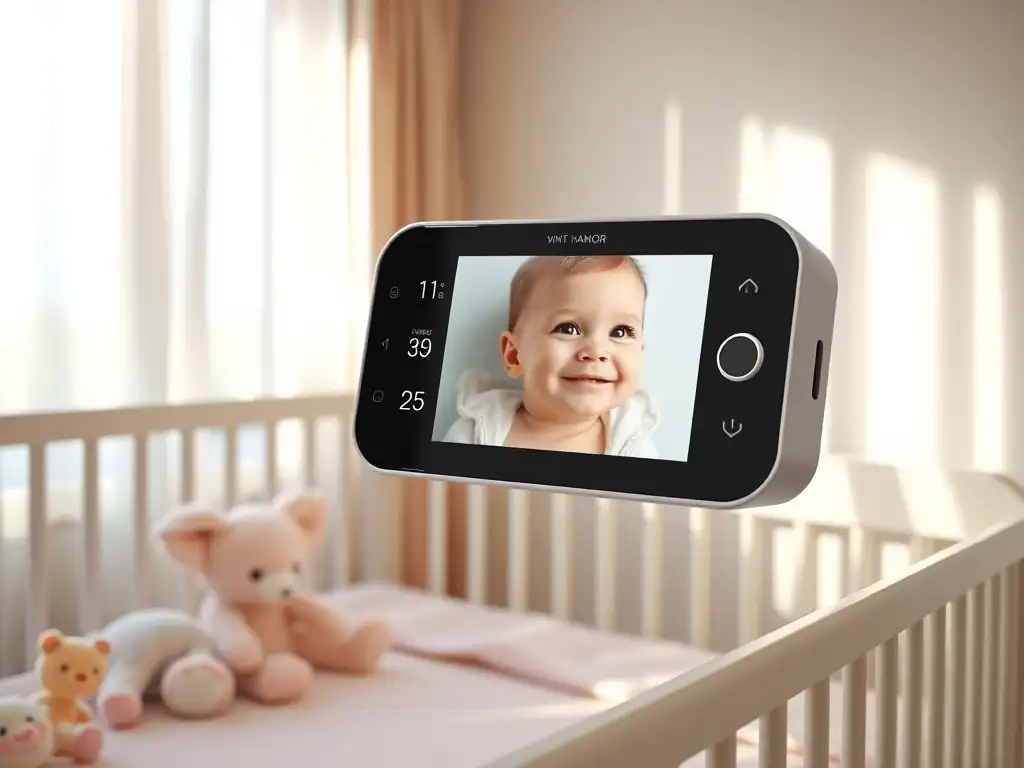
Welcome to BabyCareHub, your ultimate guide to navigating the exciting yet sometimes overwhelming world of parenthood! We understand the countless questions that arise when welcoming a new baby, and we're here to provide clear, concise answers. Are you ready to discover the best digital baby monitor display for peace of mind and effortless monitoring? Dive into our expert advice on baby gear and products, and embark on this incredible journey with confidence. Let's explore the world of safe and secure baby care together!
- Understanding the Benefits of a Digital Baby Monitor Display
- Choosing the Right Digital Baby Monitor Display: A Step-by-Step Guide
- Top 5 Best Digital Baby Monitor Displays of 2024
- Troubleshooting Your Digital Baby Monitor Display
-
Frequently Asked Questions
- What makes a digital baby monitor display "best"?
- How far can I place a digital baby monitor from the baby's room?
- What are the advantages of a digital display over an audio-only monitor?
- Are there any safety concerns with digital baby monitors?
- What features should I prioritize when buying a digital baby monitor with a display?
- Final Reflection: The Evolving Landscape of Parental Peace of Mind
- Unlock Peace of Mind: Take Charge of Your Baby's Sleep
Understanding the Benefits of a Digital Baby Monitor Display
Choosing the right baby monitor is a crucial decision for first-time parents. Navigating the overwhelming array of options—from analog monitors to video monitors with sophisticated features—can be daunting. This guide focuses on the advantages of digital baby monitors with a display, highlighting why they're often considered the best digital baby monitor display option for many families.
We'll explore the key features to prioritize and address important considerations to ensure you select a monitor that meets your specific needs and provides peace of mind. A clear, easy-to-read digital display offers a significant advantage in monitoring your baby's well-being, providing instant access to vital information without the need for complex setups or interpretations. This article aims to equip you with the knowledge to make an informed decision, ultimately contributing to a more restful and confident parenting journey.
Why Choose a Digital Display Over Analog or Video?
Digital baby monitors with displays offer a compelling alternative to both analog and video monitors, each with its own set of pros and cons. While analog monitors provide basic audio monitoring, they lack the visual reassurance and detailed information offered by digital displays. Video monitors, on the other hand, offer a visual feed but can be more expensive and consume more power. Digital displays strike a balance.
Here's a comparison table illustrating the key differences:
| Feature | Analog Monitor | Digital Monitor with Display | Video Monitor |
|---|---|---|---|
| Visual Display | No | Yes | Yes |
| Audio Quality | Basic | Good | Good |
| Range | Limited | Varies (check specifications) | Varies (check specifications) |
| Cost | Low | Moderate | High |
| Power Consumption | Low | Moderate | High |
| Ease of Use | Simple | Simple | Can be more complex |
Digital displays offer a clear, concise presentation of crucial information, such as room temperature and sound level, often presented numerically for easy interpretation. This eliminates the need for interpreting visual cues or relying solely on audio, providing a more precise and reliable monitoring experience. The simple interface makes it easy to use, even during those sleep-deprived moments.
Top Features to Look for in a Digital Baby Monitor with Display
Choosing the best digital baby monitor display involves considering several essential features. Prioritize monitors that offer:
- Clear and Large Display: A large, backlit LCD screen ensures easy readability, even in low-light conditions. The larger the display, the easier it will be to see the vital information at a glance.
- Temperature Monitoring: Knowing your baby's room temperature is crucial for their comfort and safety. Opt for a monitor with an accurate temperature sensor and display.
- Sound Level Indicator: A visual indicator of the sound level in your baby's room provides additional reassurance and allows you to quickly assess whether your baby is awake or needs attention.
- Long Range: A robust signal is essential, particularly if you have a multi-story home or plan on using the monitor outdoors in your backyard. Look for monitors with a specified range that meets your needs.
- Two-Way Communication: This allows you to soothe your baby remotely without needing to physically enter the room. This is particularly helpful during nighttime feedings or when your baby is unsettled.
- Multiple Channels: Selecting a monitor with multiple channels helps to avoid interference from other electronic devices. This ensures a stable and reliable connection.
- Long Battery Life: A long-lasting battery is critical to ensure continuous monitoring, especially during overnight use. Consider models with rechargeable batteries that provide extended use.
Key Considerations for First-Time Parents Choosing a Digital Baby Monitor Display
Selecting a digital baby monitor is a significant investment, and several factors should be carefully considered:
- Budget: Prices vary widely, so it's important to set a realistic budget before you start shopping. Compare features and prices to find the best value for your money.
- Room Size and Layout: The range of the monitor should be sufficient to cover the entire area where you need to monitor your baby. Consider the distance between the baby's room and the parent's unit.
- Ease of Use: The monitor should be intuitive and easy to operate, even when you are tired. Look for user-friendly interfaces and clear instructions.
- Additional Features: Consider any additional features that might be important to you, such as night lights, lullabies, or expandable camera systems. These features can add to convenience and value.
- Safety Certifications: Ensure the monitor meets all relevant safety standards and regulations to ensure your baby's safety. Look for certifications from reputable organizations.
Choosing the right digital baby monitor is a significant step in preparing for parenthood. By carefully considering these factors and prioritizing the features outlined above, you can select a monitor that provides the peace of mind and reassurance you need, contributing to a more relaxed and enjoyable experience during your baby's early months. Remember, the best digital baby monitor display is the one that best suits your family's specific needs. 🎉
Choosing the Right Digital Baby Monitor Display: A Step-by-Step Guide
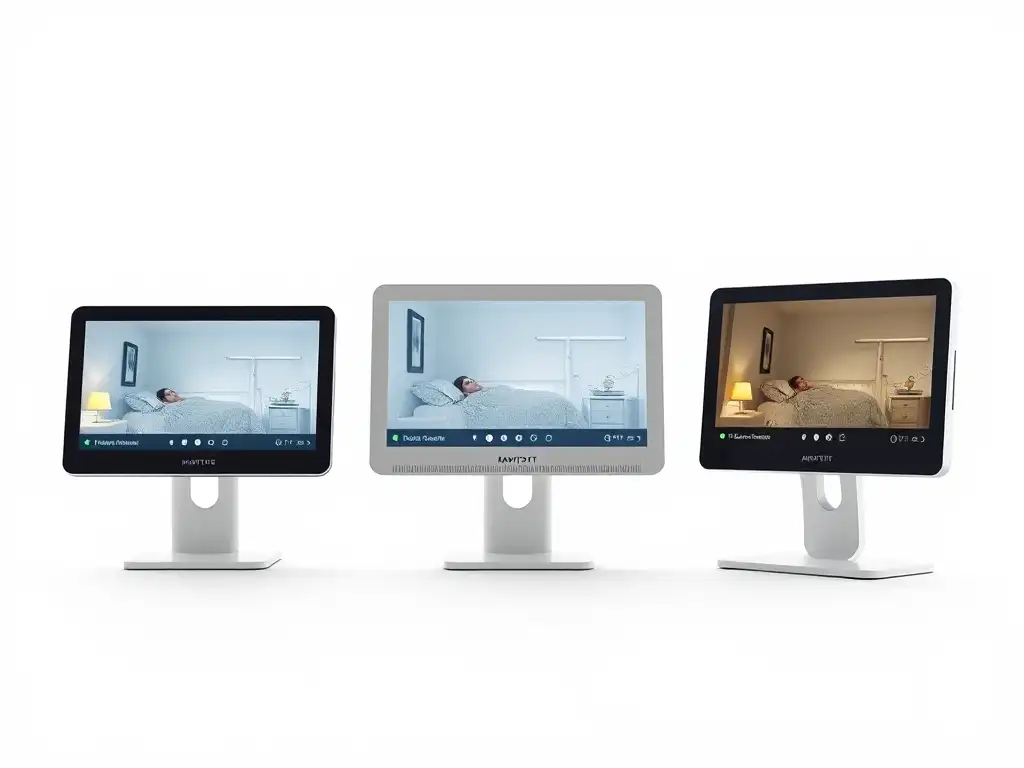
This section will guide you through selecting the best digital baby monitor display for your needs, focusing on key features to consider before making a purchase. Finding the perfect monitor can feel overwhelming, but breaking down the decision into manageable steps makes the process much easier. We'll explore crucial aspects like budget, range, connectivity, and audio/visual quality to help you pinpoint the ideal "best digital baby monitor display" for your family.
Step 1: Defining Your Needs and Budget
Before diving into specific features, honestly assess your needs and establish a realistic budget. Consider these factors:
- Number of cameras: Do you need a single camera for one nursery, or multiple cameras to monitor several children or rooms? Multiple camera systems often come at a premium but offer unparalleled convenience for parents of twins or those with older siblings sharing a room.
- Desired features: Think about additional features you might want, such as temperature monitoring, two-way audio (allowing you to soothe your baby remotely), or night vision. These features enhance the functionality but increase the cost.
- Budget: Set a clear budget range. Digital baby monitors range widely in price, from budget-friendly options to high-end models with advanced capabilities. Knowing your budget upfront prevents impulse purchases and helps narrow your search effectively.
- Portability: Will you primarily use the monitor in one location or need something portable to move around the house? A portable monitor with a long battery life might be preferable for those who need to move around while still keeping an eye on their little one.
Consider this example: A family with twins might prioritize a dual-camera system with temperature monitoring, even if it means exceeding their initial budget slightly. Conversely, a family with a single child and a small home might opt for a less expensive single-camera model with basic features. Understanding these priorities before you start your research is key to finding the best digital baby monitor display for your situation.
Step 2: Assessing Range and Connectivity Options
Range and connectivity are critical for reliable monitoring, especially in larger homes or when using the monitor outdoors.
- Range: Check the manufacturer's specified range. Keep in mind that obstacles like walls and furniture can significantly reduce the effective range. Consider the size of your home and the location of the baby's room relative to where you'll be using the parent unit. A longer range will provide greater peace of mind.
- Connectivity: Most digital baby monitors use either DECT (Digital Enhanced Cordless Telecommunications) or WiFi. DECT offers superior security and is less susceptible to interference, making it a good choice if security is a top priority. WiFi-enabled monitors often offer additional features like remote viewing via a smartphone app but may be more vulnerable to hacking. Consider your technical comfort and security needs when choosing between these options.
| Connectivity Type | Advantages | Disadvantages |
|---|---|---|
| DECT | Strong security, less interference | Fewer advanced features, limited range |
| WiFi | Remote viewing via app, more features | Potential security risks, susceptible to interference |
Choosing the right connectivity depends on your priorities. For example, a family concerned about security might prefer a DECT monitor, while a tech-savvy family who values remote access might opt for a WiFi model.
Step 3: Understanding Audio and Visual Quality
Audio and visual clarity are paramount for effectively monitoring your baby. Consider the following:
- Audio Quality: Look for a monitor with clear, crisp audio that allows you to easily hear your baby's sounds. Features like noise reduction can help filter out background noise. Consider testing different models if possible to assess the audio quality firsthand. This is crucial for detecting subtle sounds, like whimpers or coughs.
- Video Quality: If choosing a video monitor, assess the resolution and clarity of the image. High-resolution video offers a clearer view of your baby, especially in low-light conditions. Night vision is a valuable feature in most cases, ensuring you can see your child even in the dark. Look for features like pan, tilt, and zoom capabilities for greater flexibility in viewing angles.
- Screen Size and Display: The size and type of screen are important factors. Larger screens offer a better viewing experience, especially from a distance. Consider whether you need a color screen or if a monochrome screen is sufficient. A clear and bright display, even in daylight conditions, is essential for easy monitoring.
Remember, the best digital baby monitor display is the one that best suits your individual needs and budget. By carefully considering these three steps, you'll be well-equipped to make an informed decision and choose a monitor that provides you with peace of mind and clear information at a glance.
Step 4: Exploring Additional Features: Temperature Monitoring, Two-Way Talk, etc.
Beyond the core functionality of visual monitoring, many digital baby monitors offer a range of supplementary features designed to enhance convenience and peace of mind. Consider these additions carefully, as they can significantly impact the monitor's overall value and usefulness.
One particularly beneficial feature is temperature monitoring. A built-in sensor allows you to remotely check the temperature of your baby's room, ensuring their comfort and safety. This is especially crucial during the colder months or if you're concerned about sudden temperature fluctuations. Some models provide alerts if the temperature falls outside a pre-set range, offering an extra layer of security. Think about your climate and the time of year; a temperature sensor might be a must-have in some regions, while it might be less crucial in others.
Another valuable feature is two-way audio communication. This allows you to soothe your baby remotely by speaking to them through the monitor. This can be incredibly helpful in calming a fussy baby without needing to physically enter the room, potentially disrupting their sleep. The quality of the audio is vital here; look for monitors with clear, crisp audio to ensure effective communication. Consider how often you anticipate needing this feature; it can be a game-changer for some parents, while others might find it less essential.
Some advanced models incorporate additional features such as sound-activated lights, multiple camera support for monitoring multiple children or rooms, and even integration with smart home systems. These features add to the cost, so carefully weigh their value against your budget and needs. For instance, while multiple camera support is excellent for twins or siblings, it's unnecessary if you have only one child.
Step 5: Researching and Comparing Models
Once you've clarified your needs and prioritized your desired features, it's time for the crucial step of researching and comparing different models. The market offers a wide array of digital baby monitors with varying features, price points, and functionalities. Thorough research is key to finding the best digital baby monitor display for your specific requirements.
Start by reading reviews from other parents. Websites and forums dedicated to baby products often contain detailed reviews that can offer valuable insights into the real-world performance of different monitors. Pay close attention to reviews that mention the clarity of the video display, the range of the monitor, battery life, and the reliability of its features. Look for patterns in the feedback; consistent praise or criticism points towards important aspects of the monitor's performance.
Next, compare specifications across different models. Create a spreadsheet or use a comparison website to list the key features and specifications of the monitors you're considering. This allows for a side-by-side comparison, making it easier to identify the model that best meets your needs. Pay particular attention to screen size and resolution for optimal viewing, along with the range, night vision capabilities, and any additional features. Don’t hesitate to prioritize based on your needs; a higher price doesn’t always equate to superior performance for your specific requirements.
Finally, consider your budget. Digital baby monitors range in price from budget-friendly options to high-end models with advanced features. Set a realistic budget before you start your research to avoid falling in love with a monitor that's beyond your means. Remember that while spending more might offer additional features, a well-reviewed, more affordable option might still provide everything you need for a satisfying monitoring experience. Prioritize based on your budget and needs, and don’t overspend on features you might not utilize.
Top 5 Best Digital Baby Monitor Displays of 2024
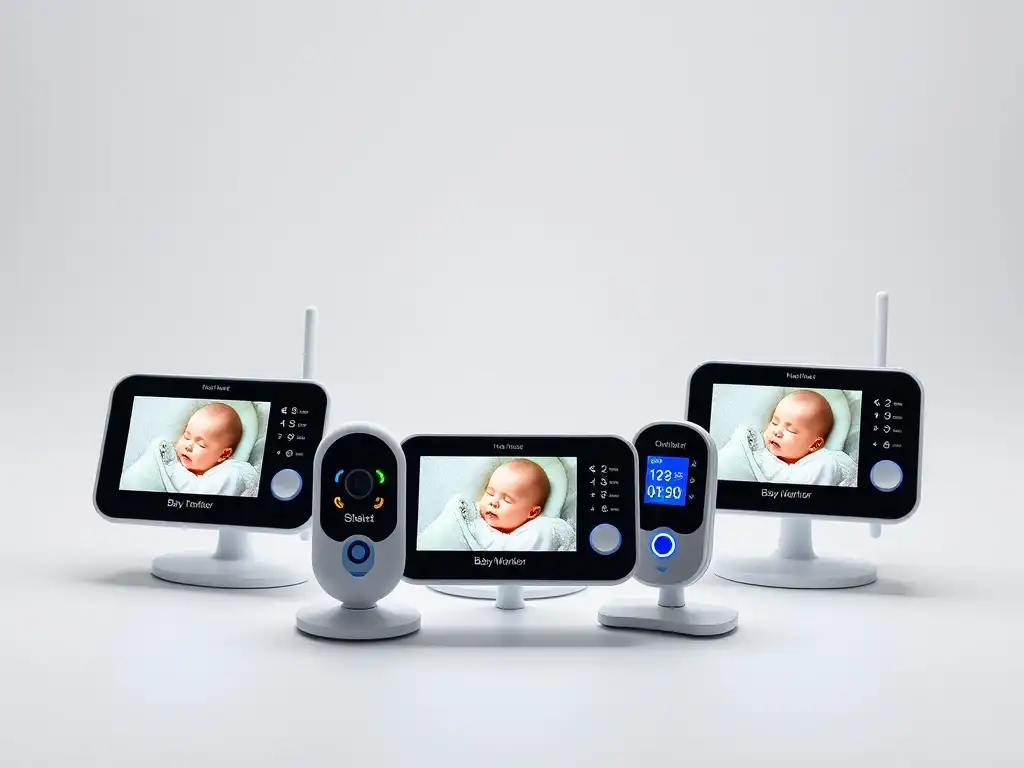
This section dives deep into the top contenders for the title of "best digital baby monitor display" in 2024. We've analyzed features, user reviews, and technological advancements to bring you this curated list, focusing on clarity, ease of use, and reliability – crucial elements for peace of mind in those precious first years. Finding the right digital baby monitor can significantly impact your sleep quality and overall parental experience. Let's explore what makes these monitors stand out.
VTech DM221 Audio Baby Monitor
The VTech DM221 is a budget-friendly option that punches above its weight class in terms of display clarity. While it lacks some of the bells and whistles of higher-end models, its simple, effective design and clear digital display make it a strong contender for parents seeking a reliable, no-frills solution.
The display is large and easy to read, even in low-light conditions. The backlit screen ensures visibility regardless of the room's ambiance. The audio quality is crisp and clear, allowing you to easily hear your baby's sounds. A key feature is its DECT 6.0 technology, which minimizes interference and ensures a stable connection. This is particularly important in households with multiple electronic devices.
While it doesn't offer video capabilities, the DM221's focus on reliable audio makes it ideal for parents who prioritize clear sound transmission above all else. Many users praise its simplicity and ease of setup, making it perfect for first-time parents who might be overwhelmed by more complex models. The battery life is also a strong point, providing several hours of use on a single charge.
However, the lack of video feed might be a drawback for some parents. Also, the range, while sufficient for most homes, might not be ideal for larger houses or those with multiple floors. Therefore, consider your home's layout before making a purchase.
Infant Optics DXR-8 Pro
The Infant Optics DXR-8 Pro represents a significant step up in terms of both price and features. It's frequently cited as a top choice among parents seeking a high-quality, reliable video baby monitor with a crystal-clear digital display.
This monitor boasts exceptional video quality, with a high-resolution display that provides a sharp, detailed image of your baby. The infrared night vision is particularly impressive, allowing for clear viewing even in complete darkness. The pan, tilt, and zoom functions offer flexibility, enabling you to adjust the camera angle to get the best view of your little one.
The digital display on the parent unit is large and bright, making it easy to see even from a distance. The robust security features, including encrypted transmission and secure Wi-Fi connection, provide peace of mind. However, the price point is noticeably higher than many other models on the market.
The DXR-8 Pro's focus on exceptional video quality comes at a cost. While the audio is good, it's not as outstanding as some audio-focused models. The lack of smart home integration might also be a drawback for tech-savvy parents. Nevertheless, for parents who prioritize high-quality video monitoring, the DXR-8 Pro is an excellent investment. The robust build quality and long-term reliability also contribute to its value proposition.
Motorola MBP855 Connect
The Motorola MBP855 Connect offers a balanced approach, combining video monitoring with smart home integration. It provides a sharp digital display on the parent unit, along with a range of features designed for modern parents.
Its highlight is the integration with the Hubble app, which allows remote viewing from smartphones and tablets. This feature offers unparalleled flexibility, allowing you to keep an eye on your baby even when you're not in the same room. The app provides additional features such as two-way audio communication, lullabies, and temperature monitoring.
The digital display on the parent unit is clear and easy to navigate. The video quality is good, though not quite as sharp as the Infant Optics DXR-8 Pro. The range is impressive, with a strong signal across multiple rooms and even outdoors in some cases. However, the reliance on Wi-Fi for remote viewing can be a point of concern for those with unreliable internet connections.
The MBP855 Connect's blend of features makes it a versatile choice for many parents. However, the reliance on the app and internet connectivity makes it less reliable than some purely digital models. The additional features, while convenient, might not be necessary for all users and could add to the overall complexity. The price is mid-range, reflecting its blend of features and capabilities.
Angelcare AC327
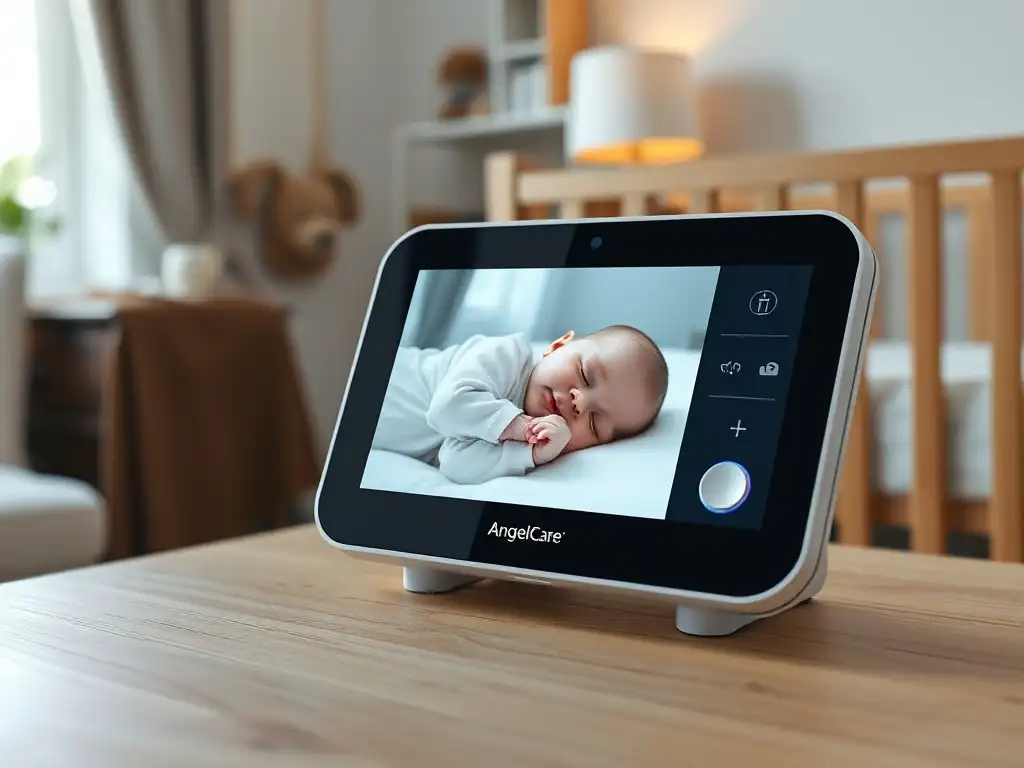
The Angelcare AC327 digital baby monitor offers a large, easy-to-read LCD screen displaying clear visuals and vital information. Its standout feature is the dextrose sensor pad, which, when placed under the baby's mattress, provides real-time updates on breathing movements. This added layer of security provides peace of mind for parents concerned about Sudden Infant Death Syndrome (SIDS). The monitor itself boasts a long range, minimizing signal interruptions even in larger homes.
While some users have reported occasional false alarms with the movement sensor, the majority of reviews praise its reliability and clear display. The intuitive interface is another plus, making it easy for even first-time parents to navigate and understand the information presented. The audio quality is also consistently rated as excellent, allowing parents to hear even the faintest of baby sounds.
The AC327 is a solid choice for parents seeking a comprehensive monitoring system with a clear, informative digital display, providing a high level of security and reassurance. Its combination of visual and auditory monitoring, coupled with the breathing movement detection, makes it a strong contender for the title of "best digital baby monitor display" in its price range. However, potential buyers should be aware of the possibility of occasional false alarms associated with the movement sensor.
Nanit Pro Smart Baby Monitor
The Nanit Pro stands out in the market with its focus on smart features and data-driven insights, in addition to its clear digital display. Unlike many other monitors that simply provide audio and video feeds, the Nanit Pro uses computer vision technology to track your baby's sleep patterns, providing detailed sleep reports directly to a smartphone app. This data helps parents understand their baby's sleep cycles, identify potential sleep problems, and adjust their routines accordingly.
The monitor's high-definition video feed offers a clear view of the baby, even in low-light conditions. The digital display on the base unit provides a quick overview of the video and audio feed, making it convenient for checking on the baby without needing to constantly reach for your phone. Some users appreciate the lack of a camera lens, which enhances privacy.
While the price point is higher than many other digital baby monitors, the Nanit Pro's comprehensive features and the detailed sleep data it provides justify the cost for many parents who prioritize data-driven insights into their baby's well-being. The clear, crisp display complements this data-rich approach, offering a user-friendly interface for quick visual checks, while the app provides a more in-depth analysis. For parents interested in a holistic, technologically advanced approach to baby monitoring, the Nanit Pro’s combination of smart features and a user-friendly digital display makes it a compelling option in the quest for the "best digital baby monitor display".
Troubleshooting Your Digital Baby Monitor Display
This section focuses on resolving common problems encountered with digital baby monitors featuring a display screen, ensuring you always have clear, reliable information at a glance. Finding the best digital baby monitor display involves not only the initial purchase but also understanding how to maintain its performance.
Common Issues and Their Solutions
Many issues with a digital baby monitor display stem from simple fixes. Let's explore some common problems and their solutions:
- Blank Screen: A blank screen is often the most alarming issue. Before panicking, check the following:
- Power Supply: Is the monitor plugged in correctly? Try a different outlet to rule out power issues. Check the batteries in the parent unit if it's battery-powered.
- Power Switch: Ensure the power switch on both the parent and baby units is turned on. Sometimes a simple accidental bump can switch it off.
- Connection: Is the connection between the parent and baby units secure? Try re-establishing the connection according to the manufacturer's instructions. This often involves restarting both units.
- Low Battery: If the monitor runs on batteries, ensure they are adequately charged or replaced. A low battery indicator light should usually alert you to this.
- Faulty Unit: If none of the above works, the unit itself might be faulty. Refer to your warranty information or contact the manufacturer's customer service.
- Poor Image Quality: A blurry or pixelated image can significantly impact your ability to monitor your baby effectively. Consider these troubleshooting steps:
- Camera Angle and Positioning: Ensure the camera is positioned correctly to provide a clear view of your baby's crib. Adjust the angle and distance as needed. Obstacles like blankets or toys can interfere with the signal.
- Signal Interference: Electronic devices (microwaves, cordless phones, Wi-Fi routers) can interfere with the signal, causing image distortion. Try relocating the baby monitor or other devices to minimize interference. Experiment to find the best location.
- Camera Lens: Check the camera lens for any smudges or obstructions. Gently clean the lens with a soft, dry cloth.
- Firmware Update: Outdated firmware can sometimes lead to image quality problems. Check the manufacturer's website for firmware updates and follow the instructions to update your monitor's software.
- Static or Noise: Static or crackling sounds in the audio feed are common but frustrating.
- Signal Interference (Again!): As with image quality, electronic interference is a common culprit. Try relocating the monitor or other devices.
- Distance: The further the parent unit is from the baby unit, the more susceptible the signal is to interference. Try moving closer.
- Environmental Factors: Walls and other building materials can weaken the signal. Thick walls may necessitate a different monitor solution entirely.
- No Audio: If you can see your baby but hear nothing, the issue likely lies within the audio transmission.
- Volume Control: Check the volume on both the parent and baby units. It's easy to accidentally mute the audio.
- Audio Settings: Some monitors have adjustable audio sensitivity settings. Check your user manual to see if you can adjust these.
- Battery Level: A low battery can sometimes affect audio transmission.
Maintaining Optimal Performance
Proactive maintenance ensures your digital baby monitor display remains a reliable source of information:
- Regular Cleaning: Gently wipe the screens of both the parent and baby units with a soft, slightly damp cloth. Avoid harsh chemicals or abrasive cleaners. 🧼
- Battery Care (if applicable): If your monitor uses rechargeable batteries, charge them regularly to prevent unexpected power failures. Avoid completely depleting the batteries.
- Firmware Updates: Regularly check the manufacturer's website for firmware updates. These updates often include bug fixes and performance improvements. Staying up-to-date ensures optimal functionality and addresses potential issues before they arise.
- Proper Storage: When not in use, store the monitor in a cool, dry place, away from direct sunlight and extreme temperatures. ☀️ This protects the electronic components and extends the lifespan of your monitor.
- Antenna Placement (if applicable): For monitors with external antennas, ensure the antenna is properly connected and positioned for optimal signal reception.
By following these troubleshooting steps and maintenance tips, you can maximize the lifespan and performance of your digital baby monitor display, providing you with peace of mind and clear views of your little one. Remember, a well-maintained monitor is the best digital baby monitor display you can have!
Frequently Asked Questions
What makes a digital baby monitor display "best"?
The "best" digital baby monitor display depends on your needs. Look for features like clear video and audio quality, long range, and user-friendly interface. Consider your budget and desired features.
How far can I place a digital baby monitor from the baby's room?
The range varies depending on the model. Check the manufacturer's specifications, but many offer a range of up to 1000 feet in open areas. Obstacles can reduce the effective range.
What are the advantages of a digital display over an audio-only monitor?
Digital displays provide visual reassurance, allowing you to see your baby without entering the room. This offers peace of mind and allows you to check on your baby remotely without disturbing their sleep.
Are there any safety concerns with digital baby monitors?
Ensure the monitor adheres to safety standards and uses encrypted signals to prevent unauthorized access. Keep the monitor away from sources of interference and maintain a clear line of sight for optimal performance.
What features should I prioritize when buying a digital baby monitor with a display?
Prioritize high-resolution video, night vision, two-way audio, and long battery life. Consider additional features like temperature monitoring, room sound detection, and pan/tilt capabilities based on your budget and needs.
Final Reflection: The Evolving Landscape of Parental Peace of Mind
The quest for the best digital baby monitor display isn't just about clear visuals; it's about fostering a deeper connection and a sense of security in the ever-demanding role of parenthood. The convenience and reassurance offered by these devices are transforming how parents navigate the crucial early years of their children's lives, impacting sleep, stress levels, and the overall family dynamic.
The impact of technology on parenting is profound, constantly reshaping our expectations and experiences. We've moved from rudimentary audio-only monitors to sophisticated systems offering high-definition video, remote access, and even smart home integration. This evolution reflects a growing societal need for constant reassurance and the desire to balance parental responsibilities with other aspects of life. The most important thing a father can do for his children is to love their mother.
– Theodore Hesburgh. This sentiment, while seemingly unrelated, highlights the importance of creating a supportive environment, and technology, used responsibly, can contribute to that.
Consider the implications of this technological advancement. How has the ability to constantly monitor your child impacted your own sense of well-being? What are the potential drawbacks of this constant connectivity? Take a moment to reflect on your own relationship with technology and its role in your parenting journey. Are you using these tools to enhance your connection with your child, or are they creating unnecessary anxiety? The choice, ultimately, is yours, and making a conscious decision about how you integrate technology into your family life is crucial for building a healthy and fulfilling parenting experience.
Unlock Peace of Mind: Take Charge of Your Baby's Sleep
Thank you for learning about the benefits of a digital baby monitor! We hope this article helped you make an informed decision. Now, let's put that knowledge to good use.
- Prioritize Your Sleep (and Baby's!): Carefully choose a digital baby monitor that suits your needs and budget. Consider factors like range, video quality, and audio clarity.
- Share your top priorities for choosing a baby monitor with other parents in the comments below! Let's build a supportive community.
- Browse our website for expert advice and reviews on baby products to enhance your parenting journey.
Ready to create a safer, more comfortable sleeping environment for your family? What's the single most important feature you look for in a baby monitor?