
Top Car Seat Safety Features: Side Impact Protection, AntiRebound Bars, and More


Welcome to BabyCareHub, your ultimate guide to navigating the exciting yet challenging world of parenthood. We understand that becoming a first-time parent can feel overwhelming, which is why we've created this comprehensive resource to support you every step of the way.
But before you dive into the joys of feeding schedules and developmental milestones, let's address a critical aspect of your baby's safety: discover the essential best car seat safety features that will give you peace of mind on every journey. Read on to learn about side impact protection, anti-rebound bars, and more – ensuring your little one's safety is paramount.
- Understanding Essential Car Seat Safety Features for Your Baby
- Side Impact Protection: A Crucial Car Seat Safety Feature
- Anti-Rebound Bars: Enhancing Rear-Facing Car Seat Safety
- Other Key Car Seat Safety Features to Consider
- Maintaining Your Car Seat for Optimal Safety
- Making Informed Decisions: Choosing the Safest Car Seat for Your Baby
-
Frequently Asked Questions
- What are the most important car seat safety features for my baby?
- How do I know if my car seat has adequate side impact protection?
- What is an anti-rebound bar and why is it important?
- Are all car seats created equal in terms of safety?
- How often should I check my car seat for damage or wear and tear?
- Final Reflection: Securing Our Future: The Enduring Importance of Car Seat Safety
- Unlock Your Child's Safest Ride Yet
Understanding Essential Car Seat Safety Features for Your Baby
Choosing the right car seat is one of the most crucial decisions new parents make. Ensuring your baby's safety during travel is paramount, and understanding the various safety features available is key to making an informed choice.
This guide delves into the essential safety features you should prioritize when selecting a car seat for your little one, helping you navigate the world of car seat technology and confidently secure your baby's safe travels. We'll explore the "best car seat safety features" to help you make the right decision for your family, focusing on features that go beyond the basics and offer superior protection.
From side-impact protection to innovative anti-rebound bars, we'll equip you with the knowledge to choose a car seat that provides optimal safety and peace of mind. This comprehensive guide will help you understand the importance of features like proper harnessing, impact absorption, and other crucial elements that contribute to a safer journey for your baby.
Choosing the Best Car Seat: Prioritizing Safety Features
Selecting a car seat can feel overwhelming with the sheer number of options available. However, by focusing on key safety features, you can narrow down your choices and find the perfect fit for your baby and your vehicle. Prioritizing safety shouldn't just mean selecting a well-known brand; it involves understanding the specific technologies that enhance protection. Remember, the best car seat is the one that is properly installed and fits your child correctly.
This section will help you understand how to evaluate various features and make an informed decision. We’ll explore the importance of things like proper fit, ease of installation, and the long-term suitability of the car seat as your child grows. Don't underestimate the value of reading reviews and seeking advice from trusted sources like pediatricians and experienced parents. Choosing the right car seat is an investment in your baby’s future.
Consider these factors when prioritizing safety features:
- Ease of Installation: A car seat that is difficult to install correctly is inherently less safe. Look for features that simplify installation, such as clear instructions, color-coded indicators, and LATCH systems.
- Harness System: The harness should be easy to adjust and snugly secure your child. Pay attention to the number of adjustment points and the ease of tightening. A five-point harness is generally considered the safest option.
- Child's Age and Size: Make sure the car seat is appropriate for your child's age, weight, and height. Check the manufacturer's guidelines carefully.
- Durability and Longevity: Investing in a durable car seat that can be used for several years will save you money and ensure consistent safety throughout your child's development.
Top Safety Features to Look for When Buying a Car Seat
Beyond the basics, several advanced safety features significantly enhance your baby's protection. These features often represent the difference between minor injury and serious harm in the event of a collision. Let's delve into some of the top safety features you should actively seek when purchasing a car seat:
- Side Impact Protection: Side-impact crashes are a major cause of injuries in car accidents. Look for car seats with reinforced side panels, extra padding, and headrests designed to absorb impact energy and protect your child's head and torso. Some advanced systems even incorporate energy-absorbing foam or other materials designed to mitigate the impact forces.
- Anti-Rebound Bar: These bars prevent the car seat from rotating excessively in a collision, reducing the risk of head injuries. They work by connecting the car seat base to the vehicle seat, providing greater stability.
- Energy-Absorbing Materials: Modern car seats often incorporate specialized materials designed to absorb and dissipate impact energy. These materials can range from advanced foams to strategically placed structures that minimize the force transferred to your child.
- Harness System with Superior Adjustment: A harness that's easy to adjust and provides a snug, secure fit is crucial. Look for features like easy-to-use straps and multiple adjustment points to ensure a proper fit as your child grows. The harness should also lie flat against the child's body, preventing it from sliding or twisting.
- Stability and Installation Indicators: Choose a car seat with clear indicators that confirm proper installation. This will give you confidence that the seat is secured correctly, minimizing the risk of improper placement.
Choosing a car seat with these top safety features will give you peace of mind knowing that you've taken every precaution to protect your precious cargo. Remember to always refer to the manufacturer's instructions for proper installation and usage. Your baby's safety is worth the extra effort in research and selection.
Side Impact Protection: A Crucial Car Seat Safety Feature
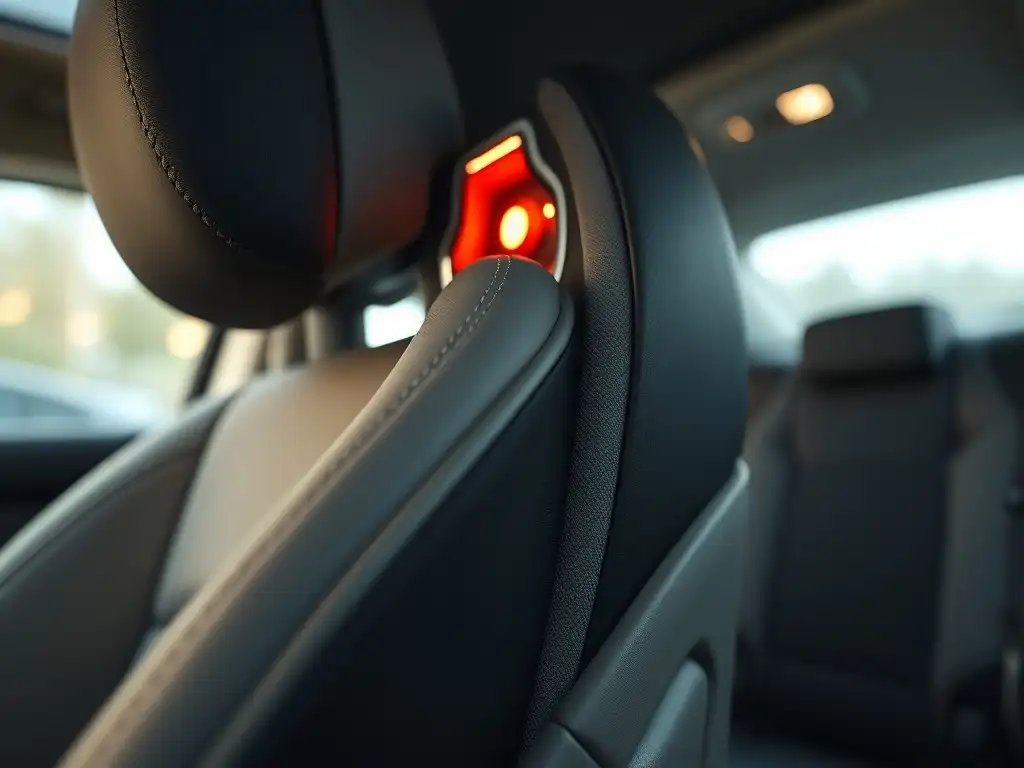
Side impact collisions are unfortunately common, and they can have devastating consequences for infants and young children. A car seat with robust side impact protection is therefore not a luxury, but a critical component of keeping your little one safe. This section delves into the specifics of side impact protection in car seats, helping you make informed decisions about the best car seat safety features for your family.
Understanding how these features work and how to assess their effectiveness is paramount for ensuring optimal safety. Choosing a car seat with superior side impact protection is a key part of minimizing the risk of serious injury in the event of a side-impact car accident.
How Side Impact Protection Works in Car Seats
Many car seats incorporate various technologies to mitigate the impact of a side collision. These often include reinforced side walls, energy-absorbing materials (like foam or specialized plastics), and strategically placed padding. The goal is to distribute the force of the impact away from the child's body, minimizing the risk of head injuries, internal organ damage, and broken bones.
Some car seats also feature extended side wings that provide an additional layer of protection. The materials used and the design of the side impact protection system vary significantly between different car seat models and brands. Manufacturers often utilize proprietary technologies, claiming enhanced protection and performance.
However, independent testing and ratings can help you compare the effectiveness of different systems. For example, some manufacturers use a combination of strategically placed foam padding and a reinforced shell, while others might utilize advanced materials designed to absorb and dissipate energy more effectively. This makes independent testing and review sites even more crucial to consider when making your purchase.
Evaluating Side Impact Protection Ratings in Different Car Seats
While there isn't a universally standardized rating system for side impact protection in car seats (as there is for crash testing in general), many independent organizations conduct rigorous testing and publish their findings. These ratings can be invaluable when comparing different car seat models. Look for independent reviews that specifically address side impact performance, noting the testing methodologies used. Pay attention to whether the tests simulate real-world accident scenarios, as this can significantly impact the reliability of the ratings.
Remember that even the highest-rated car seat won't guarantee complete protection in every accident, but choosing one with strong side impact protection significantly increases your child's chances of survival and minimizing injuries. Consider various sources and compare their findings before making a decision. The more information you gather, the better equipped you'll be to choose the best car seat safety features to protect your child.
The Importance of Proper Installation for Optimal Side Impact Protection
Even the best car seat with the most advanced side impact protection features will be ineffective if not installed correctly. Improper installation can significantly compromise the protection offered. Always carefully follow the manufacturer's instructions and consider professional installation if you're unsure about any aspect of the process.
A properly installed car seat will be snug against the vehicle's seat, with minimal movement. Regularly check the installation to ensure it remains secure. Remember that even minor adjustments can affect the effectiveness of the side impact protection.
The angle of the car seat, the tightness of the straps, and the proper use of the LATCH system or seat belt are all crucial factors in ensuring optimal performance. Investing in a professional installation or attending a car seat safety check can provide peace of mind and ensure your child's safety. The effort invested in proper installation is a vital component of maximizing the safety features of your chosen car seat.
Anti-Rebound Bars: Enhancing Rear-Facing Car Seat Safety
Anti-rebound bars are a relatively new but increasingly popular safety feature in rear-facing car seats. They represent a significant advancement in child car seat technology, offering enhanced protection in the event of a collision. This section will delve into the mechanics, benefits, and availability of car seats equipped with these crucial safety components. Understanding these features is vital for parents seeking the best car seat safety features for their little ones.
Understanding the Function of Anti-Rebound Bars
An anti-rebound bar is a support bar located at the base of the car seat. Its primary function is to minimize the seat's forward rotation during a frontal impact. In a collision, the force of the impact can cause the car seat to rotate forward, potentially increasing the risk of head and neck injuries to the child.
The anti-rebound bar acts as a buffer, preventing excessive forward movement and helping to keep the child's head and neck better stabilized within the confines of the car seat. This is especially crucial for rear-facing car seats, as infants and toddlers have proportionally larger heads and weaker necks, making them more vulnerable to these types of injuries. The bar interacts with the vehicle's seatback, distributing the impact forces more effectively and minimizing the potential for the car seat to rebound violently.
Think of it like this: the car seat is a pendulum. Without an anti-rebound bar, the pendulum swings forward aggressively. The bar acts as a stop, limiting the swing and keeping the child safer.
Benefits of Anti-Rebound Bars in Reducing Head and Neck Injuries
The most significant benefit of anti-rebound bars is the reduction of head and neck injuries in the event of a car accident. Studies have shown a statistically significant decrease in the severity of head injuries in children using car seats with these bars. This reduction is attributed to the bar's ability to:
- Minimize forward rotation: This directly lessens the forces acting on the child's head and neck.
- Maintain head and neck alignment: By preventing excessive forward movement, the bar helps maintain the child's head and neck in a more natural and protected position.
- Reduce rebound effect: The bar absorbs a portion of the impact energy, preventing the car seat from rebounding sharply, which can exacerbate injuries.
While no car seat guarantees complete protection, anti-rebound bars offer a significant layer of added safety, contributing to the overall safety profile and making them a key element for parents considering the best car seat safety features.
Car Seats with Integrated Anti-Rebound Systems
Many manufacturers are now incorporating anti-rebound bars into their rear-facing car seat models. However, it's important to note that not all rear-facing car seats include this feature. Before purchasing a car seat, carefully review the manufacturer's specifications and safety features to confirm the presence of an anti-rebound bar.
Look for car seats that explicitly mention anti-rebound technology or have images showcasing the bar in their product descriptions. Checking independent safety ratings and reviews can also provide valuable information on the performance and effectiveness of the anti-rebound system in specific car seat models. Remember, choosing a car seat with this feature contributes to ensuring your child has optimal protection and is a key consideration when searching for the best car seat safety features.
It's crucial to always install the car seat correctly according to the manufacturer's instructions, regardless of whether it has an anti-rebound bar or not. Proper installation is paramount to maximizing the safety features of any car seat.
Other Key Car Seat Safety Features to Consider
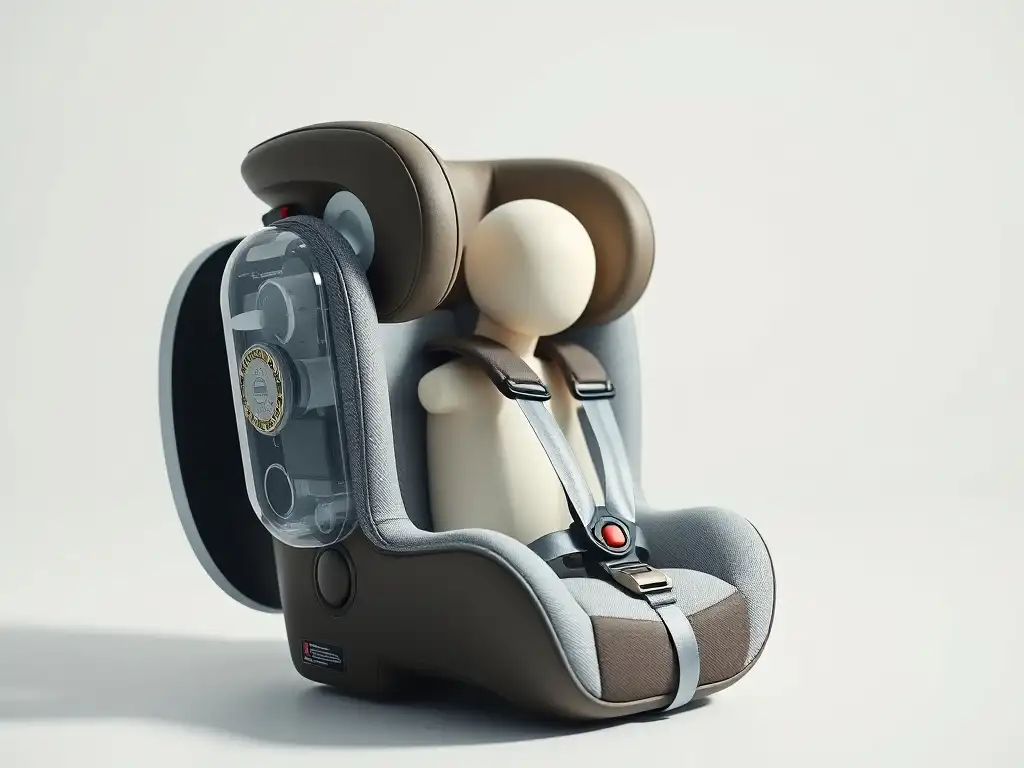
Beyond the headline-grabbing features like side impact protection and anti-rebound bars, several other safety elements contribute significantly to a car seat's overall performance and your baby's protection. Choosing a car seat with these features enhances your child's safety and peace of mind. Understanding these features empowers you to make informed decisions when selecting the best car seat safety features for your little one.
Harness Systems: 5-Point vs. Other Harness Types and Safety
The harness system is paramount for securing your child in the car seat. A five-point harness, consisting of two shoulder straps, two hip straps, and a crotch strap, is widely considered the gold standard. This system distributes impact forces across five points, minimizing the risk of injury in a collision. Other harness types, such as three-point harnesses (similar to adult seatbelts), offer less restraint and are generally not recommended for young children.
The proper adjustment of the harness is crucial. The straps should be snug against your child's body, with no twisting or slack. The chest clip should sit at armpit level. Many modern car seats feature innovative harness adjustments, such as one-pull tightening systems that simplify the process and ensure a secure fit.
Always refer to your car seat's manual for specific instructions on harness adjustment. Regularly check the harness for any wear and tear; replace it immediately if you notice fraying or damage. Choosing a car seat with a well-designed, easy-to-use harness system contributes significantly to the overall safety and ease of use. Remember, a correctly installed and adjusted harness is the first line of defense in protecting your child.
LATCH System: Easy and Secure Installation
The Lower Anchors and Tethers for Children (LATCH) system is a standardized method for securing car seats in vehicles. This system uses lower anchors located in the vehicle's back seat and a top tether anchor located near the rear of the vehicle. Connecting the car seat to these anchors eliminates the need for using the vehicle's seat belts for installation. The LATCH system aims to simplify the installation process and reduce the likelihood of improper installation, a common cause of car seat accidents.
However, LATCH isn't a universal solution. There are weight limits for LATCH use, varying by car seat and vehicle. Always consult your car seat's manual and your vehicle's owner's manual to determine if LATCH is appropriate for your car seat and vehicle and if it is within the weight limits for your child.
If your child exceeds the LATCH weight limit, you'll need to use the vehicle's seat belts to secure the car seat. Understanding the LATCH system's limitations is essential to ensure a safe and compliant installation. Proper LATCH installation is crucial for optimal car seat performance and child safety.
ISOFIX System: Another Secure Installation Method
ISOFIX (International Standards Organization FIX) is another standardized system for securing car seats, commonly found in vehicles manufactured outside North America. Similar to LATCH, ISOFIX uses lower anchors integrated into the vehicle's seat to connect the car seat. However, ISOFIX typically doesn't include a top tether anchor; instead, it relies on the lower anchors and a support leg for added stability. This system offers a secure and straightforward installation method, minimizing the risk of errors.
The compatibility between ISOFIX car seats and vehicles is crucial. Not all vehicles are equipped with ISOFIX anchors, and not all ISOFIX car seats are compatible with all vehicles. Check your vehicle's owner's manual and the car seat's specifications to ensure compatibility before purchasing. While ISOFIX provides a secure installation method, understanding its compatibility limitations is vital. Like LATCH, a proper ISOFIX installation is essential for safeguarding your child during travel. Always prioritize a secure and correct installation regardless of the chosen system. 👶
Head Support and Cushioning: Protecting Your Baby's Head
Proper head support is crucial for infant car seat safety, especially during impacts. A well-designed car seat will feature headrests that are adjustable in height and depth, allowing you to customize the fit as your baby grows. This adjustability is key because a poorly positioned headrest can increase the risk of head and neck injuries in a collision.
Look for car seats with plush, padded headrests and side wings that cradle your baby's head and provide additional protection against side impacts. The cushioning should be firm yet comfortable, preventing excessive movement and providing a secure fit. Infants, in particular, have proportionally larger heads and more vulnerable necks, making adequate head support a paramount safety feature.
The material of the headrest should also be considered; breathable fabrics are preferable to prevent overheating, while durable materials offer better long-term protection. Always ensure the headrest is adjusted correctly to be just above your baby's ears, and check regularly as your baby grows to maintain optimal protection. Neglecting this aspect can significantly compromise your baby's safety.
Impact-Absorbing Materials: Advanced Car Seat Technologies
Modern car seats incorporate advanced materials designed to absorb and dissipate energy during a collision. These materials go beyond basic padding and play a critical role in minimizing the impact on your baby. Energy-absorbing foams, such as those made from ethylene-vinyl acetate (EVA), are commonly used.
These foams are engineered to compress upon impact, absorbing a significant amount of force and reducing the transmission of energy to your child. Some higher-end car seats utilize more sophisticated materials, such as specialized polymers or honeycomb structures, which offer even greater impact absorption. These advanced materials often contribute to the car seat's overall weight and price, but the enhanced safety they provide is invaluable.
The effectiveness of these impact-absorbing materials is often tested and rated according to stringent safety standards, and this information is usually available in the car seat's specifications. Understanding the types of materials used in a car seat can help you make an informed decision based on your prioritization of safety features. Choosing a car seat with superior impact-absorbing materials is a significant investment in your baby's well-being.
Maintaining Your Car Seat for Optimal Safety
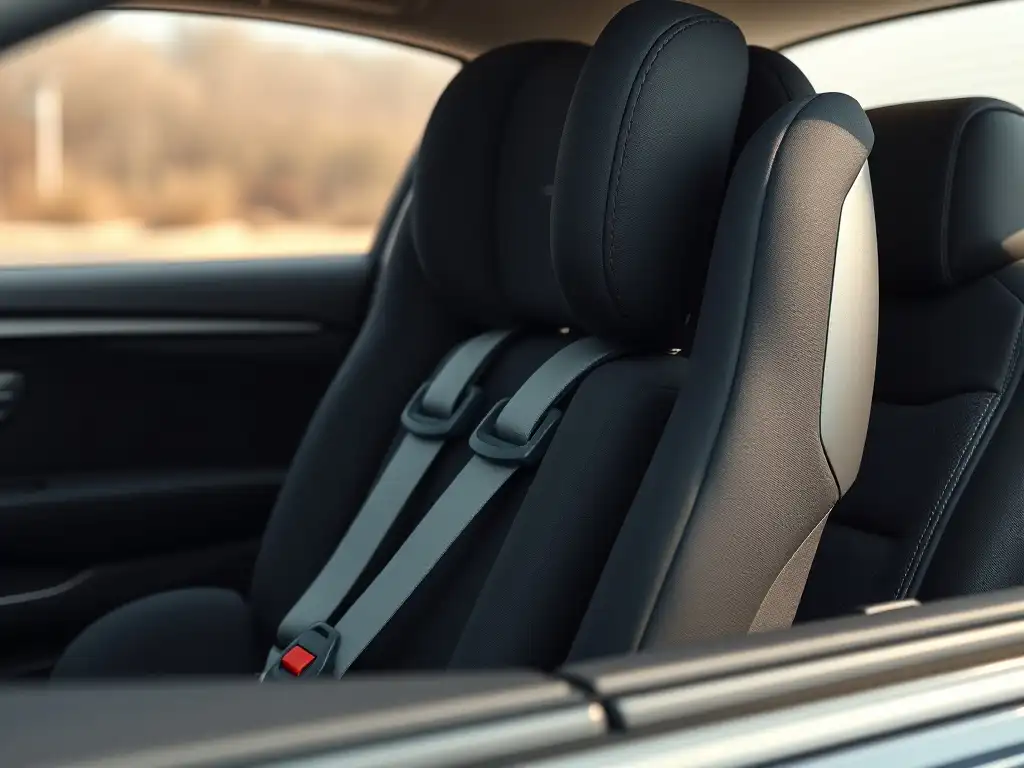
Ensuring your little one's safety in a car seat goes beyond just proper installation. Maintaining the car seat itself is crucial for maximizing its protective capabilities and extending its lifespan. Neglecting regular maintenance can compromise the seat's structural integrity and effectiveness, potentially jeopardizing your child's well-being. This section details the essential steps to keep your car seat in top condition, focusing on practices that enhance the best car seat safety features and contribute to your child's overall safety. Regular maintenance is a key component of responsible car seat ownership and contributes significantly to a safer ride for your baby.
Regular Inspections of Car Seat Straps and Buckles
Regular inspection of straps and buckles is paramount. These components are subjected to constant stress and wear. Look for:
- Fraying or damage: Examine the straps carefully for any signs of fraying, cuts, or excessive wear. Damaged straps significantly reduce their ability to restrain your child in the event of a collision. Replace any visibly damaged straps immediately.
- Proper functioning of buckles: Ensure the buckles latch securely and release smoothly. A stiff or malfunctioning buckle could hinder quick release in an emergency. Clean buckles regularly to remove any debris that might interfere with their function.
- Tightness and adjustment: Test the straps' ability to tighten and adjust properly. Loose straps won't provide adequate restraint. If you notice difficulty in tightening or adjusting, consult the car seat's manual or contact the manufacturer.
Remember, even minor damage to the straps can compromise their integrity. It's always better to err on the side of caution and replace damaged components. Investing in a new set of straps is a small price to pay for your child's safety. Regular visual inspections, at least monthly, are vital for proactive safety.
Checking for Wear and Tear on Car Seat Components
Beyond the straps and buckles, the entire car seat needs periodic checks for wear and tear. This includes:
- Frame and shell: Inspect the car seat's frame and shell for cracks, breaks, or any signs of deformation. These structural elements are crucial for absorbing impact in a collision. Any damage compromises their ability to protect your child.
- Padding and covers: Check for tears, rips, or significant wear on the padding and covers. While not directly impacting structural integrity, significant damage can affect the comfort and overall functionality of the seat. Regular cleaning and replacement of covers as needed contribute to the longevity of the car seat.
- Indicators and labels: Ensure all labels and indicators, like expiration dates and warnings, are still clearly visible and legible. Faded or missing labels could indicate prolonged exposure to the elements, potentially affecting the car seat's structural integrity.
A damaged car seat is not just uncomfortable; it's potentially dangerous. Regular visual inspections are crucial in identifying and addressing these issues early. A proactive approach to maintenance can prevent accidents and ensure optimal performance of the car seat's safety features.
Replacing Expired Car Seats: Safety Guidelines
Car seats have expiration dates. These dates are not arbitrary; they reflect the degradation of materials over time, affecting their ability to protect your child. Ignoring the expiration date significantly increases the risk of injury in a collision. Here’s what you need to know:
- Locating the expiration date: The expiration date is typically found on a label on the car seat itself. It may be expressed as a manufacturing date plus a certain number of years, or a specific calendar date. Always refer to the manufacturer's instructions for clarification.
- Understanding the risks of using an expired car seat: Using an expired car seat significantly increases the risk of injury or death in a car accident. The materials degrade over time, weakening their ability to absorb impact.
- Proper disposal or recycling: Once a car seat expires, it should be replaced with a new one. Many retailers offer car seat recycling programs or have guidelines for proper disposal. Check with your local authorities for disposal options in your area.
Replacing an expired car seat is not an optional expense; it's a necessary investment in your child's safety. Ignoring the expiration date could have potentially fatal consequences. Prioritize your child's safety by adhering to the manufacturer's guidelines and replacing the car seat when necessary. Remember, a new car seat is a small price to pay for peace of mind.
Making Informed Decisions: Choosing the Safest Car Seat for Your Baby
Selecting the right car seat is a crucial decision for new parents. It's not just about finding a comfortable seat; it's about prioritizing your baby's safety and well-being during car travel. Understanding the available safety features and how they work is key to making an informed choice.
The best car seat safety features go beyond basic requirements and offer enhanced protection in various accident scenarios. This section focuses on helping you navigate the complexities of car seat safety and choose the best option for your little one. Remember, a properly installed car seat, regardless of brand, is always the most effective safety measure.
Comparing Car Seat Safety Features Across Brands
Different car seat manufacturers incorporate varying levels of safety technology. While all car seats must meet minimum safety standards, some offer superior protection through advanced features. Let's examine some key features and how they differ across brands:
- Side Impact Protection: Many car seats boast enhanced side impact protection. This often involves reinforced side walls, strategically placed padding, and sometimes even specialized headrests designed to absorb impact energy. However, the level of protection varies significantly. Some brands utilize energy-absorbing materials like expanded polystyrene (EPS) foam, while others may rely on simpler padding. Look for detailed descriptions of the side impact protection system in the car seat's specifications. Consider, for instance, the differences between a seat with a deeply padded side wing versus one with only a thin layer of foam. The former generally offers superior protection.
- Anti-Rebound Bars: These bars help prevent the car seat from rotating or rebounding in a rear-facing collision. By anchoring the seat to the vehicle's frame, they minimize the forward and rotational movement of the car seat, reducing the risk of injury to your baby. The effectiveness of an anti-rebound bar can depend on its design and how securely it attaches to the vehicle. Not all brands offer this feature, and those that do might have different designs and attachment mechanisms.
- Harness Systems: The harness system is critical for securing your baby in the seat. Look for features like five-point harnesses, which offer superior restraint compared to three-point harnesses. Check for easy adjustability, comfortable padding on the straps, and features that prevent harness slippage. Some brands offer innovative harness systems with quick-adjust mechanisms or self-tightening features. The ease of use and the security they provide should be a top priority.
| Feature | Brand A | Brand B | Brand C |
|---|---|---|---|
| Side Impact Prot. | Enhanced EPS foam, deep side wings | Moderate padding, reinforced side walls | Basic padding, slimmer side walls |
| Anti-Rebound Bar | Yes, steel bar | Yes, plastic bar | No |
| Harness System | 5-point, quick-adjust, padded straps | 5-point, standard adjustment, padded straps | 5-point, standard adjustment, minimal padding |
This table provides a simplified comparison. Always refer to the manufacturer's specifications for detailed information on the safety features of a specific car seat model. Remember that choosing the best car seat isn't just about specific features, but also about proper installation and fit for your child and vehicle.
Resources for Additional Information on Car Seat Safety
While this guide provides valuable information, seeking additional resources is always recommended. Consult your pediatrician or a certified child passenger safety technician (CPST) for personalized advice and to ensure your car seat is installed correctly. They can address specific concerns and provide hands-on assistance with installation. Furthermore, numerous reputable organizations offer comprehensive car seat safety resources and guidelines.
These resources can help you stay updated on the latest safety recommendations and technologies. These organizations often provide detailed information on car seat recalls and safety alerts. Staying informed is crucial to ensuring your baby's safety. Remember, proactive research and professional guidance are invaluable tools in your journey to providing the safest possible car seat for your child.
Frequently Asked Questions
What are the most important car seat safety features for my baby?
The most crucial features include side impact protection, a five-point harness, and an anti-rebound bar (for rear-facing seats). These significantly reduce the risk of injury in a crash.
How do I know if my car seat has adequate side impact protection?
Look for car seats explicitly stating side impact protection in their features. Many will also have reinforced side panels or extra padding to absorb impact. Check the manufacturer's specifications.
What is an anti-rebound bar and why is it important?
An anti-rebound bar helps to minimize the rotation of the car seat in a forward-facing collision. This reduces the forces on your baby's neck and head, keeping them safer. It's primarily used in rear-facing car seats.
Are all car seats created equal in terms of safety?
No, car seats vary significantly in their safety features and performance. Independent crash testing results, such as those from reputable organizations, can help you compare models and identify those with the best safety ratings.
How often should I check my car seat for damage or wear and tear?
You should inspect your car seat regularly for any signs of damage, wear, or tears, especially after a crash or significant impact. Consult your car seat's manual for specific recommendations on inspection frequency.
Final Reflection: Securing Our Future: The Enduring Importance of Car Seat Safety
The quest for the best car seat safety features is not merely a consumer choice; it's a fundamental commitment to protecting our most precious cargo. The statistics surrounding child car seat accidents remain stark, highlighting the urgent need for continuous innovation and informed decision-making in this critical area. Every advancement, from side-impact protection to anti-rebound bars, represents a step closer to a safer future for our children.
The evolution of car seat safety technology reflects our growing understanding of child development and the complex forces involved in collisions. The journey from basic restraints to the sophisticated systems available today underscores a profound societal shift – a collective commitment to safeguarding our youngest members. The best car seat is the one that is used correctly,
a common refrain among child safety experts, reminds us that technology alone is insufficient; responsible use and ongoing education are equally vital.
Consider the impact of these advancements on your own life. Will you prioritize a car seat with the latest safety features? Will you take the time to learn the proper installation techniques? The choice is yours, but the responsibility is shared. By making informed decisions and staying updated on the latest safety recommendations, you become part of a larger movement dedicated to ensuring that every child enjoys a safe and secure journey, no matter the destination.
Unlock Your Child's Safest Ride Yet
Thank you for learning about crucial car seat safety features! You're now well-equipped to protect your child. Ready to put this knowledge into practice?
- Prioritize side impact protection: Check your current car seat's specifications. Does it offer robust side impact protection? If not, research models with superior side-impact features. This is crucial for enhanced safety.
- Share this vital information: Tell your friends and family about these important safety elements. Share this article or discuss the key points—you could save a life!
- Explore car seat testing resources: Research how independent organizations rate car seat safety and learn about the latest advancements in child safety technology.
What safety feature surprised you the most, and will you be making any changes to your child's car seat?