
The Intriguing Science Behind White Noise and Baby Sleep: A Parent's Guide

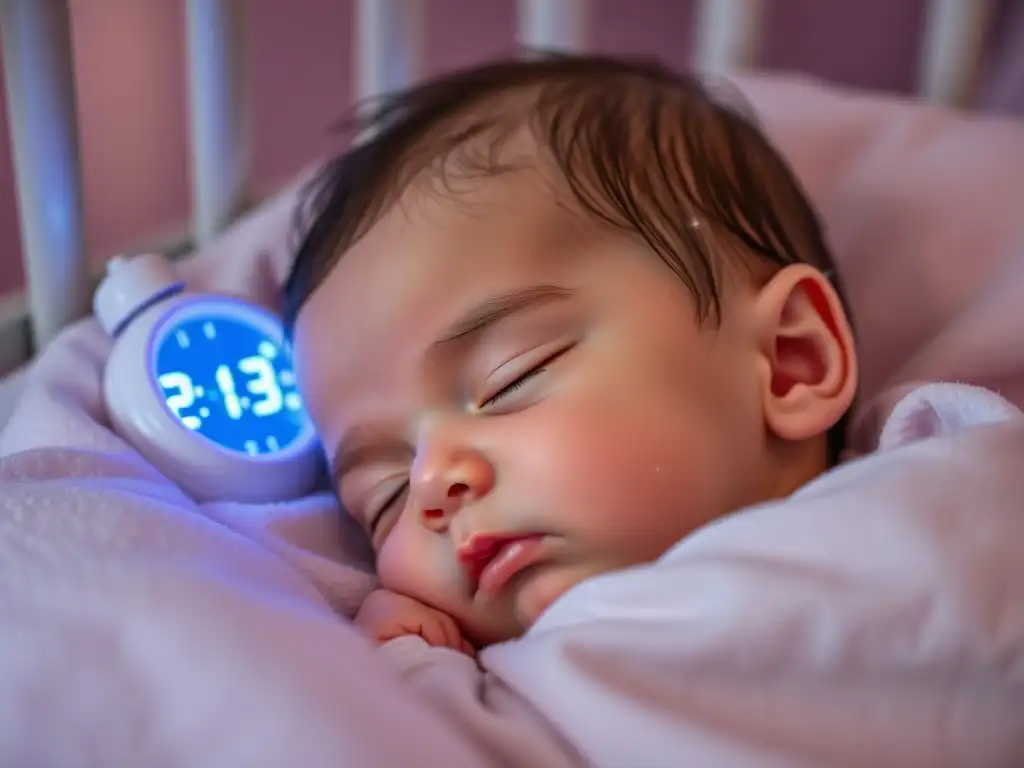
Welcome to BabyCareHub, your ultimate guide to navigating the incredible journey of parenthood. Are you struggling to find effective ways to soothe your little one and promote restful sleep? Discover the surprising science behind white noise baby sleep benefits and unlock the secrets to a better night's rest for both you and your baby. Prepare to be amazed by the transformative power of this simple yet effective technique – learn more and embark on a path to peaceful nights ahead.
- Understanding the Benefits of White Noise for Baby Sleep
- Choosing the Right White Noise Machine for Your Baby
- Optimizing White Noise for Your Baby's Sleep Environment
- White Noise and Different Sleep Stages in Babies
- Beyond White Noise: Additional Tips for Promoting Restful Baby Sleep
-
Frequently Asked Questions
- What exactly is white noise, and how does it help babies sleep?
- Is all white noise the same, or are there different types beneficial for babies?
- Are there any potential downsides or risks associated with using white noise for babies?
- How long should I use white noise for my baby, and when should I stop?
- At what age is white noise most effective for improving baby sleep?
- Final Reflection: The Lullaby of Science and Sweet Dreams
- Unlock Your Baby's Sleep Potential: A Journey to Peaceful Nights
Understanding the Benefits of White Noise for Baby Sleep
New parents often grapple with the challenge of getting their newborns to sleep soundly. A common and increasingly popular solution is the use of white noise. But what exactly is white noise, and why does it seem to have such a profound effect on a baby's sleep patterns?
This article delves into the fascinating science behind white noise and its benefits for improving infant sleep, offering a comprehensive guide for first-time parents seeking restful nights for both themselves and their little ones. We'll explore how white noise masks disruptive sounds, its calming influence on a baby's nervous system, and its ability to mitigate the startle reflex, all contributing to longer, more peaceful sleep for your baby.
Understanding these mechanisms empowers you to make informed decisions about incorporating white noise into your baby's sleep routine, maximizing its benefits and contributing to a healthier, happier baby and a more rested you. This guide will equip you with the knowledge to harness the power of white noise for improved sleep, addressing the crucial keyword: "White noise baby sleep benefits".
How White Noise Masks Disturbing Sounds for Improved Sleep Quality
White noise, characterized by its consistent and even sound across a wide range of frequencies, acts as a natural sound barrier. Think of it as a sonic blanket, gently muffling and masking sudden, jarring noises that might otherwise startle a sleeping baby. These disruptive sounds – a sudden bang, a dog barking, a creaking floorboard – can trigger a baby's wakefulness, disrupting their sleep cycle. White noise effectively reduces the intensity of these sounds, preventing them from reaching the baby's ears at a level sufficient to cause arousal.
This consistent auditory backdrop creates a more stable and predictable sleep environment, minimizing interruptions and promoting longer periods of uninterrupted rest. The effectiveness of this masking effect is crucial for improving sleep quality and duration, especially in noisy household environments. Studies have shown a significant correlation between white noise use and reduced night wakings in infants. 👶
The Calming Effect of White Noise on a Baby's Nervous System
Beyond simply masking disruptive noises, white noise exerts a calming influence on a baby's developing nervous system. The consistent, predictable nature of the sound can have a soothing effect, promoting relaxation and reducing feelings of anxiety or overstimulation. This is particularly beneficial for babies who are sensitive to changes in their environment or prone to fussiness.
The rhythmic and monotonous quality of white noise mimics the sounds a baby heard in the womb – the whooshing of blood flow, the mother's heartbeat, and digestive sounds – creating a sense of familiarity and security. This auditory comfort can significantly contribute to a more peaceful and relaxed state, making it easier for the baby to fall asleep and stay asleep. The calming effect on the nervous system directly translates to improved sleep quality and reduced instances of crying or distress.
White Noise and the Reduction of Startle Reflexes in Infants
Infants possess a strong Moro reflex, also known as the startle reflex. This involuntary response to sudden noises or movements can cause a baby to jolt awake, crying and often requiring soothing to return to sleep. White noise, by providing a constant auditory background, helps to reduce the intensity of these startling sounds, lessening the likelihood of triggering the Moro reflex.
The consistent sound acts as a buffer, softening the impact of unexpected noises and preventing them from becoming strong enough stimuli to rouse the baby. This dampening effect on the startle reflex is a key factor in promoting longer stretches of uninterrupted sleep and reducing the frequency of night wakings. Consequently, parents report a significant improvement in their baby's sleep duration and overall sleep quality when using white noise, particularly during periods of heightened sensitivity to external stimuli.
White Noise Machines vs. Ambient Sounds: Which is Best for Your Baby's Sleep?
Choosing between a dedicated white noise machine and ambient sounds for your baby's sleep can feel overwhelming. Both offer the soothing sounds that can promote better sleep, but they differ significantly in their consistency, control, and potential drawbacks. Let's explore the pros and cons of each.
White noise machines offer a consistent and controlled soundscape. Unlike ambient sounds which can fluctuate depending on the environment, a machine provides a steady stream of white noise, fan noise, or other pre-programmed sounds. This predictability can be incredibly beneficial for babies, helping them to fall asleep and stay asleep more easily. Furthermore, many machines offer volume controls, timers, and even different sound options, allowing parents to customize the sound to their baby's preferences and needs.
The consistent nature of the sound also helps to mask sudden noises that might otherwise startle a sleeping infant, leading to disrupted sleep cycles. However, a drawback is the potential for malfunction or the need for batteries or a power source. The initial investment cost may also be a factor for some parents.
Ambient sounds, on the other hand, are readily available and often free. These might include a fan, a humidifier, or even recordings of nature sounds. The advantage here is cost-effectiveness and immediate availability. Many parents find that the gentle hum of a fan, for instance, is sufficient to create a soothing background noise that helps their babies sleep.
However, the biggest disadvantage is the inconsistency. Ambient sounds are often unpredictable and can change in volume or even disappear altogether, potentially disrupting your baby's sleep. Furthermore, the sound quality might not be as pure or consistent as a dedicated white noise machine, and there's less control over the volume and duration. Consider also the potential for other noises to interfere, reducing the effectiveness of the ambient sound as a sleep aid.
Ultimately, the best choice depends on your individual circumstances and preferences. If consistency and control are paramount, a white noise machine is generally recommended. However, if budget is a major concern, and you have a reliable ambient sound source that provides a relatively consistent and soothing noise, that could be a suitable alternative. Observe your baby's response to different sounds to determine what works best for them. Remember, the goal is to create a calm and predictable sleep environment conducive to restful sleep for your little one.
Choosing the Right White Noise Machine for Your Baby
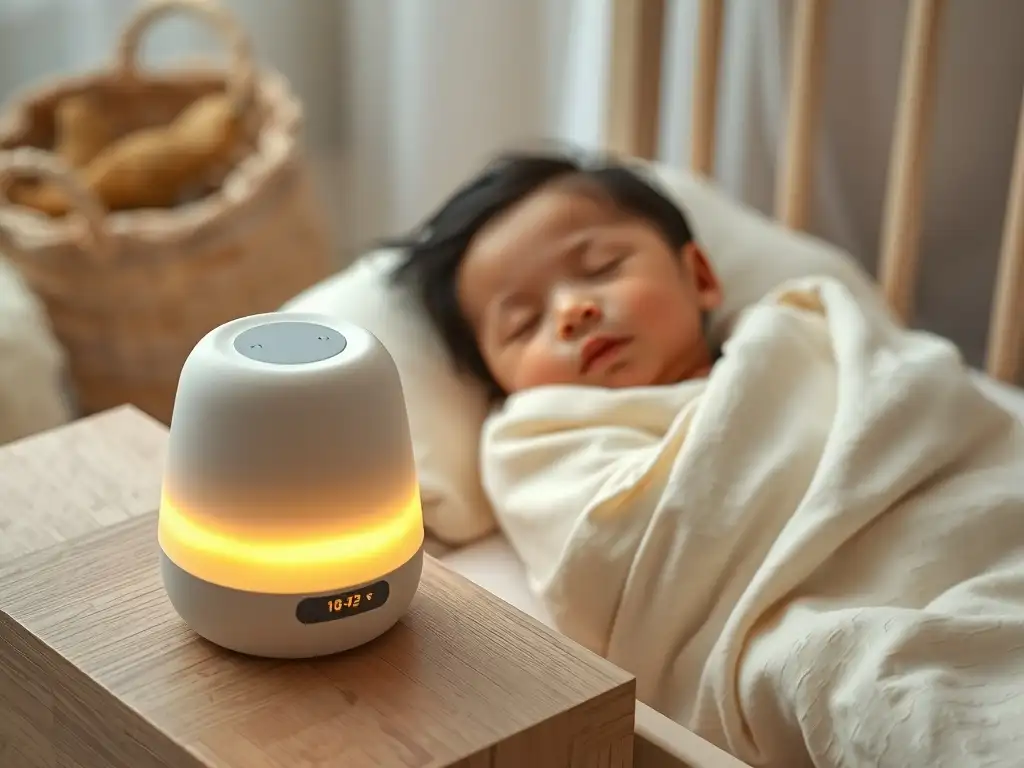
Choosing the right white noise machine can significantly impact your baby's sleep quality and, consequently, your own. The market offers a wide variety of options, each with its own set of features and price points. Understanding the nuances of these differences is crucial for making an informed decision. This section will guide you through the selection process, focusing on key features and providing a comparative review of popular models.
Remember, the ultimate goal is to find a machine that provides consistent, soothing white noise without being overly loud or intrusive. Consider factors like your baby's temperament and your personal preferences when making your choice. The benefits of white noise for baby sleep are well-documented, but finding the right device is key to maximizing those benefits.
Top 5 White Noise Machines for Babies in 2024: A Comparative Review
This section offers a comparative review of five popular white noise machines frequently recommended for babies. We'll examine their features, pros, cons, and pricing to help you determine which best suits your needs and budget. Remember to always prioritize safety and ensure the machine meets all relevant safety standards.
Hatch Rest+ : Features, Pros, Cons, and Pricing
The Hatch Rest+ is a popular choice, offering more than just white noise. It boasts features such as a nightlight with adjustable brightness and color, time-to-rise capabilities, and even a built-in sound machine with various sounds beyond white noise, including nature sounds and lullabies.
- Features: White noise, nightlight, time-to-rise, various sounds, app control.
- Pros: Versatile, app-controlled, aesthetically pleasing design.
- Cons: More expensive than other options, may be overkill for some parents.
- Pricing: [Specific pricing pending]
Dohm Classic: Features, Pros, Cons, and Pricing
The Dohm Classic is a fan-based white noise machine known for its reliability and consistent sound. It's a simpler option, focusing solely on providing a consistent, soothing white noise without additional features.
- Features: Fan-based white noise, adjustable volume.
- Pros: Reliable, consistent sound, durable, relatively inexpensive.
- Cons: Lacks additional features like a timer or nightlight.
- Pricing: [Specific pricing pending]
Marpac Rohm: Features, Pros, Cons, and Pricing
The Marpac Rohm is another popular fan-based machine praised for its effectiveness and compact size. It's designed to be portable and unobtrusive, making it suitable for travel or use in smaller spaces.
- Features: Fan-based white noise, compact design, adjustable volume.
- Pros: Portable, effective, relatively quiet operation.
- Cons: Limited features, may not be as powerful as some other options.
- Pricing: [Specific pricing pending]
BabyShusher: Features, Pros, Cons, and Pricing
The BabyShusher is a unique device that mimics the “shushing” sound often used to soothe babies. While not strictly a white noise machine, its effectiveness is well-documented.
- Features: Shushing sound, adjustable volume, compact size.
- Pros: Effective for soothing fussy babies, portable, inexpensive.
- Cons: Limited sound options, may not be suitable for all babies.
- Pricing: [Specific pricing pending]
SoundBub: Features, Pros, Cons, and Pricing
SoundBub offers a range of sounds, including white noise, through a small, portable device. It connects via Bluetooth to a smartphone app for control and customization.
- Features: Various sounds (including white noise), Bluetooth connectivity, app control.
- Pros: Versatile sound options, app-controlled, portable.
- Cons: Requires a smartphone or tablet for operation, may require charging.
- Pricing: [Specific pricing pending]
Essential Features to Look for in a Baby White Noise Machine: Volume Control, Timers, and Sound Variety
When selecting a white noise machine, several key features should be considered to ensure optimal functionality and safety. These features enhance both the effectiveness of the machine and the overall user experience. Prioritizing these aspects will lead to a more positive experience for both parents and baby.
Several crucial features significantly impact the effectiveness and usability of a baby white noise machine. These include:
- Volume Control: A crucial feature allowing adjustment to suit your baby's sensitivity and the ambient noise level in the room. Too loud can be counterproductive, while too quiet may be ineffective. Look for machines with a wide range of volume settings and a gradual increase/decrease function. A smooth transition is important to avoid startling your baby.
- Timers: Many babies benefit from consistent white noise throughout the night, but others may be disturbed by continuous sound. A timer allows you to set a duration for the white noise, ensuring it automatically shuts off after a predetermined period. This is particularly helpful for transitioning your baby to independent sleep. Consider machines with multiple timer settings to accommodate different sleep cycles.
- Sound Variety: While pure white noise is often effective, some machines offer a range of sounds, including nature sounds or lullabies. This variety can be beneficial for babies who respond better to different auditory stimulations. However, prioritize machines with high-quality recordings to avoid harsh or jarring sounds that could be detrimental to sleep. The variety should complement, not detract from, the core function of promoting restful sleep.
Safety Considerations When Using White Noise Machines for Infants
Using white noise machines to aid your baby's sleep offers numerous benefits, but prioritizing safety is paramount. Several crucial factors demand attention to ensure your little one's well-being. Firstly, volume control is critical. A white noise machine should never be played at a volume that is uncomfortable for you, let alone your baby.
Remember, a baby's hearing is more sensitive than an adult's; what sounds pleasantly quiet to you might be excessively loud for your infant. Always start at the lowest volume setting and gradually increase it only if needed, regularly checking the sound level with a decibel meter app on your phone, aiming for a level below 50 decibels. Excessive noise exposure can potentially damage a baby's hearing over time.
Secondly, placement is key. The machine should be positioned far enough away from your baby's crib to avoid any potential physical harm. Never place the machine directly inside the crib, on the mattress, or in close proximity where it could fall and cause injury. A safe distance ensures your baby won't be able to reach or touch the device and avoids any potential entanglement or suffocation risks. Opt for a stable surface like a bedside table or dresser, ensuring the machine is securely placed and cannot easily be knocked over.
Another often overlooked safety aspect is power source. Always use a low-voltage, UL-listed power adapter specifically designed for the machine. Avoid using makeshift adapters or damaged cords. Regular inspection of the power cord for any signs of wear and tear is also crucial. A damaged cord poses a significant fire hazard. Furthermore, ensure the machine is placed away from any water sources to prevent electrical shock.
Finally, consider the materials used in the construction of the white noise machine. Opt for machines made from non-toxic, durable materials that are safe for babies. Check the product specifications and reviews to confirm the machine meets all safety standards. Avoid machines with small, detachable parts that could pose a choking hazard to your curious little one.
Regularly inspect the machine for any signs of damage or wear and tear, and promptly replace it if any issues are detected. By meticulously following these safety protocols, you can harness the sleep-promoting benefits of white noise while ensuring your baby's safety and well-being. Remember, a well-rested baby is a happy baby, and a safe baby is a priority!
Optimizing White Noise for Your Baby's Sleep Environment
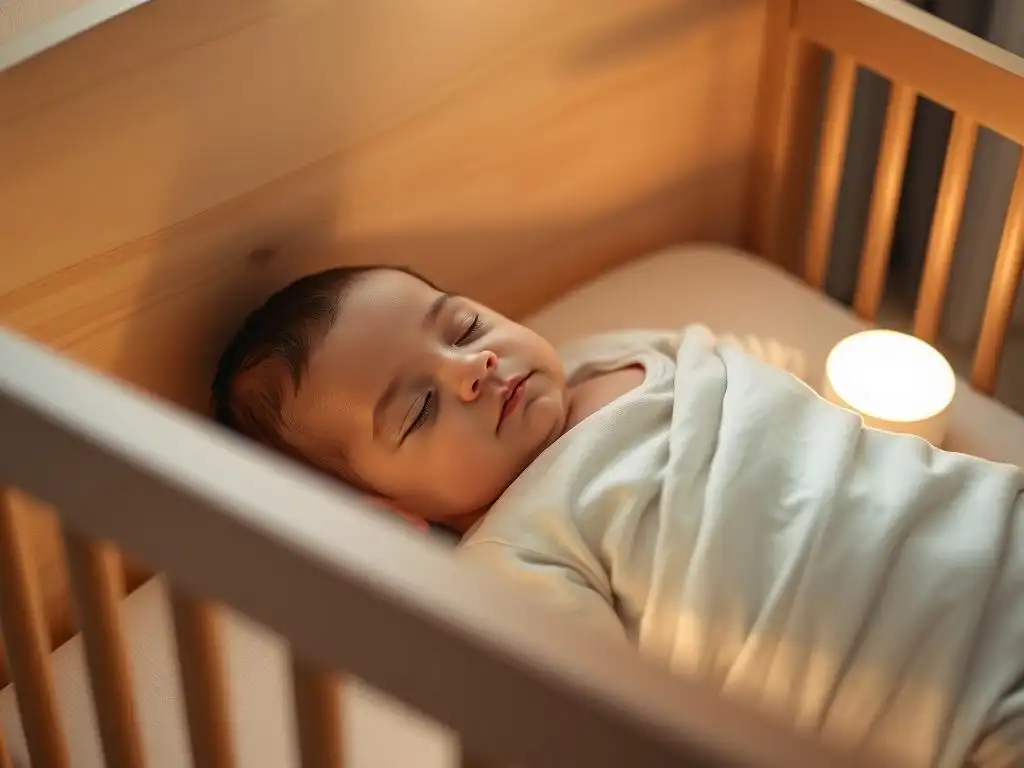
Creating the ideal sleep environment for your baby is crucial for promoting healthy sleep patterns. While factors like room temperature and comfortable bedding play a significant role, the strategic use of white noise can be a game-changer. Optimizing white noise for your baby involves more than just turning on a fan; it's about understanding its nuances and tailoring its application to your baby's individual needs and preferences. This section will delve into the practical aspects of optimizing white noise for better baby sleep.
Creating a Relaxing Sleep Routine Incorporating White Noise
A consistent and calming bedtime routine is essential for establishing healthy sleep habits. Incorporating white noise into this routine can significantly enhance its effectiveness. Instead of abruptly introducing white noise right before sleep, gradually integrate it into the pre-sleep activities. For example, start playing the white noise softly during bath time, then transition to a slightly higher volume during the baby's massage and dressing. This gradual introduction helps to associate the sound with relaxation and prepares your baby for sleep.
Consider the timing and duration of white noise exposure. Some parents find success using white noise throughout the entire sleep period, while others use it only for the initial sleep onset and then gradually fade it out. Experiment to discover what works best for your baby. Remember that consistency is key. A regular sleep routine, including consistent white noise, provides predictability and security for your baby, thus improving the chances of longer and more restful sleep.
The type of white noise also matters. Many machines offer various soundscapes, from pure white noise to pink noise (which has more low-frequency sounds) and even nature sounds like rain or ocean waves. Observe your baby's reactions to different sounds to determine their preference. Some babies might respond better to one type of white noise than another. Keeping a sleep diary can help you track your baby's response to different white noise variations and timings.
Adjusting White Noise Levels for Optimal Sleep: Finding the Sweet Spot
Finding the "sweet spot" for white noise volume is crucial. The goal is to create a soothing background hum that masks disruptive noises without being overly loud. A volume that is too low may not be effective in blocking out other sounds, while a volume that is too high can be harmful to your baby's hearing and potentially cause stress.
The American Academy of Pediatrics recommends keeping the white noise volume at a level where you can comfortably hold a conversation over it. You should be able to hear the white noise but not have it overwhelm your own voice. Using a sound level meter can be helpful in ensuring you're within a safe range. Remember that babies' hearing is more sensitive than adults', so err on the side of caution. Regularly check the volume and adjust as needed, especially as your baby grows and their sensitivity might change.
It’s also important to consider the placement of the white noise machine. Avoid placing it too close to your baby's crib, and ensure it is securely positioned to prevent accidental falls or damage.
Addressing Common Concerns About White Noise and Hearing Safety
While white noise offers numerous benefits for baby sleep, concerns about hearing safety are completely understandable. Prolonged exposure to excessively loud white noise can potentially damage a baby's delicate hearing. Therefore, using white noise responsibly and safely is paramount.
The key is volume control. Avoid setting the white noise machine to a level that's too loud. As mentioned previously, the volume should be low enough for you to comfortably converse while it's playing. Additionally, ensure that the white noise machine is placed at an appropriate distance from your baby's crib.
Another concern revolves around the potential for sleep dependency on white noise. While some babies might initially require white noise to fall asleep, the goal is to gradually wean them off it over time. This can be achieved by slowly decreasing the volume and duration of white noise exposure over several weeks or months. The transition should be gradual to avoid disrupting your baby's sleep patterns.
Furthermore, the type of white noise source matters. High-quality white noise machines usually include safety features and volume controls, helping to mitigate potential risks. Avoid using makeshift solutions like fans or hair dryers, as these may produce unpredictable and potentially damaging sound levels. Prioritizing safety ensures that the benefits of white noise for your baby's sleep are maximized while minimizing potential risks. Remember, a healthy balance is crucial for reaping the positive effects of white noise without compromising your baby's hearing health. 😴
The Role of White Noise in Soothing Fussy Babies and Promoting Self-Soothing
White noise's effectiveness in calming fussy babies stems from its ability to mask startling noises. Newborns, particularly, are highly sensitive to sudden sounds. A crying baby, for instance, might be startled by a door slamming or a car horn, triggering a renewed period of crying. White noise creates a consistent auditory backdrop, effectively muffling these disruptive sounds and preventing them from jolting the baby awake or intensifying their distress. This consistent sound environment contributes to a feeling of security and helps the baby to relax.
Furthermore, white noise can facilitate self-soothing. Babies often cry because they are overstimulated or struggling to self-regulate. The gentle, consistent sound of white noise can help to regulate their nervous system, slowing their heart rate and promoting a sense of calm. This allows them to better process their emotions and potentially fall asleep independently, fostering crucial self-soothing skills.
Think of it as a gentle hug for their ears – providing a comforting presence that helps them transition from fussiness to peaceful slumber. Studies have shown a correlation between consistent white noise use and a reduced reliance on parental intervention to soothe crying, indicating a positive impact on the development of self-soothing behaviors. This is a significant benefit, as the ability to self-soothe is a critical skill that extends far beyond infancy.
The soothing power of white noise isn't just anecdotal; research supports its efficacy. While the exact mechanisms aren't fully understood, the theory is that white noise helps to mimic the sounds the baby heard in the womb, creating a familiar and comforting auditory environment. This womb-like environment is a key factor in explaining why white noise is so effective at calming and helping babies fall asleep.
The consistent sound helps to block out other distracting sounds, creating a more peaceful and conducive sleep environment. The benefits extend beyond just soothing fussy babies; it contributes to the development of healthier sleep patterns and promotes overall well-being.
White Noise and Different Sleep Stages in Babies
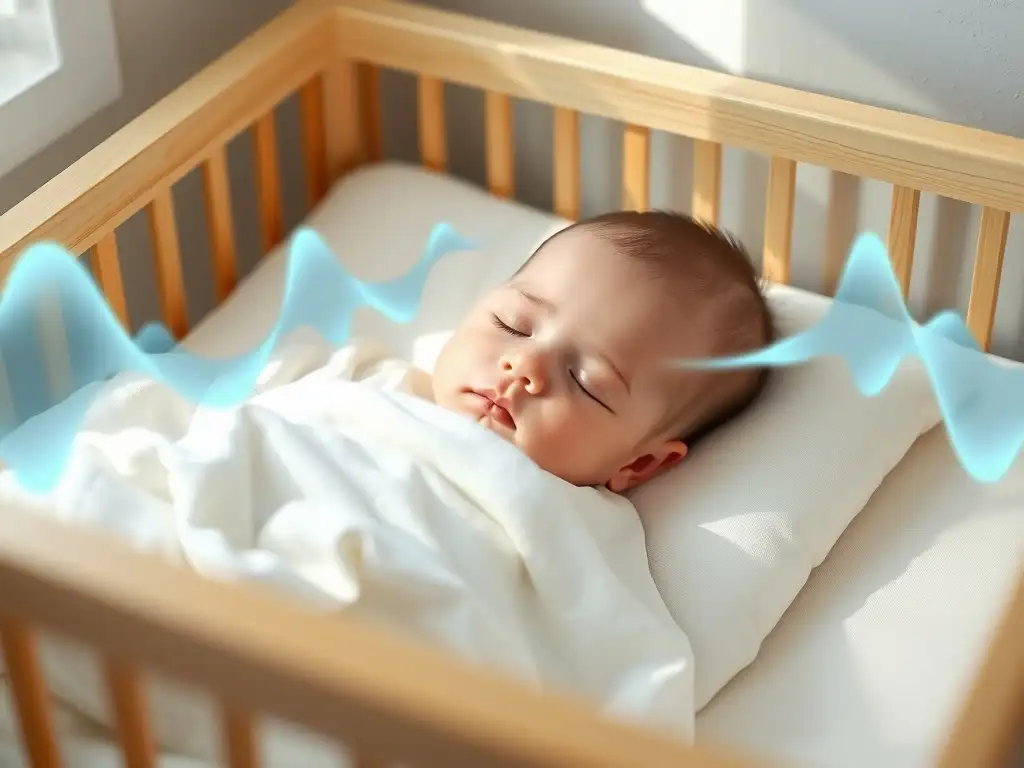
Understanding how white noise impacts a baby's sleep requires examining the different sleep stages infants cycle through. Babies, unlike adults, don't experience sleep in a linear fashion. Instead, they transition between active sleep (also known as REM sleep) and quiet sleep (non-REM sleep) in shorter cycles. Active sleep is characterized by rapid eye movements, twitching, and occasional whimpers. Quiet sleep, conversely, is a deeper, more restful phase. These cycles repeat throughout the night, and transitions between them can be disruptive, often leading to awakenings.
Using White Noise to Transition Between Sleep Cycles
The consistent, low-level sound of white noise acts as a masking agent. It effectively muffles sudden noises – a creaking floorboard, a distant car horn, or even a sibling's cough – that might otherwise jolt a baby awake during these delicate transitions between sleep stages. By creating a more stable auditory environment, white noise helps smooth out these transitions, allowing the baby to remain in a sleep state for longer periods.
This isn't about silencing the baby completely; it's about reducing the impact of startling sounds that could interrupt the delicate balance of their sleep cycles. Research suggests that this effect is particularly pronounced during the lighter phases of sleep, preventing the baby from fully waking up. The consistent sound acts as a comforting, familiar presence, making it easier for the baby to drift back to sleep if they do momentarily rouse.
Think of it as a gentle, auditory hug that promotes seamless transitions between sleep cycles. [Specific study data on sleep cycle transitions and white noise impact pending].
White Noise and the Development of Healthy Sleep Habits
Beyond its immediate impact on sleep cycles, consistent use of white noise can contribute to the development of healthy sleep habits in babies. By creating a predictable and calming sleep environment, white noise helps associate the sound with sleep itself. This association can be particularly beneficial for babies who struggle with self-soothing or have difficulty falling asleep independently. The familiar sound becomes a cue, signaling to the baby that it's time to sleep.
Over time, this can reduce reliance on parental intervention for sleep onset, fostering better independent sleep skills. Furthermore, a regular sleep routine that includes white noise can establish a predictable sleep-wake cycle, which is crucial for regulating a baby's internal clock and promoting more consolidated sleep periods. This consistent sleep-wake cycle is essential for healthy growth and development, contributing to both physical and cognitive well-being. The benefits extend beyond infancy; establishing healthy sleep habits early on can have a positive impact on sleep throughout childhood and beyond.
This consistent, predictable environment can help reduce stress and anxiety associated with bedtime, promoting a more peaceful transition into sleep for both the baby and the parents. The long-term positive impacts on sleep development cannot be overstated. The key is consistency: introducing white noise early and maintaining its use as part of a regular bedtime routine yields the most significant benefits for "white noise baby sleep benefits."
Beyond White Noise: Additional Tips for Promoting Restful Baby Sleep
While white noise can be a powerful tool in your arsenal for improving your baby's sleep, it's crucial to remember that it's just one piece of the puzzle. Optimizing your baby's sleep environment and establishing healthy sleep habits are equally, if not more, important for achieving consistent, restful sleep. This section delves into additional strategies that complement the benefits of white noise for your little one. Understanding and implementing these techniques can significantly enhance your baby's sleep quality and, in turn, your own peace of mind. Remember, a well-rested baby often translates to a well-rested parent!
Creating a Conducive Sleep Environment for Your Baby: Temperature, Darkness, and Comfort
Creating the perfect sleep sanctuary for your baby is paramount for promoting restful sleep. This involves carefully considering several key factors:
- Temperature: The ideal room temperature for a baby's sleep is between 68-72°F (20-22°C). A slightly cooler environment is often preferable, as overheating can disrupt sleep. Avoid overdressing your baby; a lightweight sleep sack is usually sufficient. Regularly check your baby's temperature to ensure they are comfortable.
- Darkness: Darkness plays a crucial role in regulating melatonin production, a hormone essential for sleep. Use blackout curtains or blinds to minimize light exposure during nighttime sleep. A dark room signals to your baby's body that it's time to rest. Consider using a nightlight with a low, warm light if absolutely necessary for nighttime checks.
- Comfort: A comfortable sleep surface is vital. A firm mattress, fitted sheet, and a safe sleep space (following safe sleep guidelines) are essential. Ensure the crib is free from loose blankets, pillows, or toys that could pose a suffocation risk. Swaddling, if appropriate for your baby's age and development, can also promote a sense of security and comfort. Consider using calming, soft fabrics for your baby's sleepwear and bedding.
Establishing a Consistent Bedtime Routine for Predictable Sleep Patterns
A consistent bedtime routine is like a gentle signal to your baby's body that sleep is approaching. Predictability helps regulate their circadian rhythm, leading to improved sleep patterns. This routine should ideally be established early and followed consistently, even on weekends.
Here's a sample routine you can adapt to your baby's needs:
- Bath time: A warm bath can be very soothing before bed.
- Massage: Gentle massage can help relax your baby's muscles.
- Story time: Reading a short, calming story can help wind down their minds.
- Feeding: Ensure your baby is adequately fed before bedtime.
- Quiet time: Spend some quiet time cuddling or singing lullabies.
- Bedtime: Place your baby in their crib while they are still awake but drowsy.
Remember, consistency is key. Try to maintain a similar routine each night to help your baby anticipate bedtime and fall asleep more easily. The routine doesn't need to be overly long or complicated; the goal is predictability and relaxation.
Addressing Common Sleep Problems in Infants: Colic, Gas, and Teething
Infants often experience sleep disruptions due to various issues such as colic, gas, and teething. Addressing these underlying problems can significantly improve their sleep.
- Colic: Colic is characterized by excessive crying in healthy infants. While the exact cause is unknown, it's often linked to digestive issues. Techniques like swaddling, white noise, and gentle rocking can help soothe a colicky baby. Consulting your pediatrician is crucial to rule out any underlying medical conditions.
- Gas: Gas can cause significant discomfort and interfere with sleep. Techniques like bicycle kicks, tummy massages, and gripe water (always consult your pediatrician before using) can help alleviate gas. Feeding positions and the type of formula or breast milk can also affect gas production.
- Teething: Teething can be painful and disruptive to sleep. Offering chilled teething rings, massaging gums, and using pain relief gels (as directed by your pediatrician) can ease the discomfort. A cool, damp washcloth on the gums can also provide some relief.
Remember, each baby is unique. What works for one baby might not work for another. Observe your baby's cues, experiment with different techniques, and don't hesitate to seek professional advice from your pediatrician or a sleep consultant if you're struggling with persistent sleep problems. Patience and persistence are key in establishing healthy sleep habits for your little one. 😴
Frequently Asked Questions
What exactly is white noise, and how does it help babies sleep?
White noise is a steady, consistent sound that masks sudden noises which might startle a baby awake. It creates a soothing, predictable auditory environment, promoting relaxation and better sleep. The consistent sound helps block out disruptive noises.
Is all white noise the same, or are there different types beneficial for babies?
While many white noise options exist (e.g., fan, white noise machine), the key is consistency and a lack of harsh sounds. Avoid sounds with sudden spikes in volume or frequency. Experiment to find what works best for your baby; some prefer a softer sound than others.
Are there any potential downsides or risks associated with using white noise for babies?
While generally safe, prolonged exposure to loud white noise can be harmful to hearing. Maintain a safe distance from the sound source and keep the volume at a reasonable level (similar to a quiet conversation). Always supervise your baby while using a white noise machine.
How long should I use white noise for my baby, and when should I stop?
There's no set time limit. Start with shorter durations and gradually increase as needed. Some babies benefit from white noise throughout the night, while others only require it for naps or settling down. Observe your baby's cues and adjust accordingly; if it seems to stop being effective, consider phasing it out.
At what age is white noise most effective for improving baby sleep?
White noise can be beneficial for babies of all ages, from newborns to toddlers. However, its effectiveness may vary. Many parents find it particularly helpful in the early months when babies are more easily startled by sudden sounds and have less developed sleep cycles.
Final Reflection: The Lullaby of Science and Sweet Dreams
The science behind white noise's effectiveness in soothing infants isn't just a fascinating study; it's a practical lifeline for countless parents navigating the challenging world of newborn sleep. The consistent, predictable soundscape offered by white noise effectively masks disruptive noises, creating a more stable auditory environment that promotes restful sleep for both baby and parent. This isn't merely a convenience; it's a crucial element in fostering healthy sleep patterns from the earliest stages of life.
The impact of white noise extends beyond the immediate benefits of sleep. It speaks to a deeper understanding of infant development and the importance of creating a nurturing environment. The ability to create a sense of calm and security through carefully curated soundscapes highlights our capacity to influence a child's well-being in profound ways. Sleep is the golden chain that binds health and our bodies together.
– Thomas Dekker. This quote, while not directly about white noise, underscores the vital connection between sleep, health, and overall well-being, a connection that white noise can significantly support.
Consider the power you now hold. You've learned about the science behind white noise and its impact on your baby's sleep. Now, take that knowledge and use it to create a more peaceful and restful environment for your little one. Don't just passively accept sleepless nights; actively shape your baby's sleep environment using the tools and understanding you've gained. Embrace the science, embrace the calm, and embrace the sweet, sweet sleep.
Unlock Your Baby's Sleep Potential: A Journey to Peaceful Nights
Thanks for exploring the surprising benefits of white noise for baby sleep! We hope you've discovered valuable ways this simple tool can improve bedtime routines. Ready to put this knowledge into practice?
- Create a personalized calming soundscape: Experiment with different white noise machines or apps to find the perfect sound for your baby. Note what works best and adjust as needed. This is the first step towards a quieter, more peaceful home!
- Share your experiences: Let us know in the comments which sounds work best for your baby and any challenges you've faced – let's build a supportive community of parents!
- Explore more baby sleep resources: Discover additional helpful tips and tricks in our dedicated sleep section on BabyCareHub.
Ready to transform your family's nights into a symphony of sweet dreams? What soothing sounds will you try tonight?