
Pacifier and Formula Feeding: Addressing Sleep Challenges


Welcome to BabyCareHub, your ultimate guide to navigating the exciting yet challenging world of parenthood! Are you struggling with your little one's sleep? We understand. That's why we've created this comprehensive resource, packed with expert advice to help you tackle common issues. Discover proven strategies and practical tips surrounding baby sleep, pacifier use, and formula feeding – all designed to bring harmony to your family's nights. Dive in and unlock the secrets to a more peaceful and restful experience for both you and your baby!
- Understanding Your Baby's Sleep Needs and Pacifier Use
- Formula Feeding and Sleep Patterns
- Addressing Common Sleep Challenges with Pacifiers and Formula
- Troubleshooting and Seeking Professional Help
- Creating a Supportive Sleep Environment for Your Baby
- Baby Sleep Pacifier Formula Help: Key Takeaways and Next Steps
- Frequently Asked Questions
- Final Reflection: The Gentle Path to Peaceful Sleep
- Unlock Your Baby's Restful Sleep: Take Action Today!
Understanding Your Baby's Sleep Needs and Pacifier Use
Navigating the world of newborn sleep can feel overwhelming for first-time parents. This article delves into the intricate relationship between pacifier use, formula feeding, and your baby's sleep patterns, offering practical advice and evidence-based strategies to help you address common sleep challenges. We'll explore how to identify your baby's sleep cues, the role pacifiers play in promoting restful sleep, and how to select the most appropriate pacifier for your little one. Understanding these factors can significantly improve your baby's sleep quality and, in turn, your family's well-being.
Remember, every baby is unique, and what works for one may not work for another. The key is observation, patience, and a flexible approach to finding what best suits your baby's individual needs. This guide provides a framework to help you on this journey, offering solutions tailored to formula-fed babies and the use of pacifiers to improve sleep.
Identifying Sleep Cues in Formula-Fed Babies
Formula-fed babies, like breastfed babies, exhibit various sleep cues. Recognizing these cues is crucial for establishing healthy sleep habits. These cues can subtly differ from baby to baby, but some common indicators include:
- Rubbing eyes: A classic sign of tiredness.
- Yawning: Frequent yawning often precedes sleepiness.
- Fussiness or irritability: A tired baby may become increasingly fussy and difficult to soothe.
- Pulling on ears: This can sometimes indicate discomfort or tiredness.
- Quieter than usual: A sudden decrease in activity level can signal readiness for sleep.
- Grabbing at their face or clothing: A self-soothing behavior.
It's important to note that formula-fed babies might exhibit these cues slightly differently than breastfed babies due to variations in digestion and feeding schedules. Observing your baby’s unique patterns is key to understanding their individual sleep rhythms. Consistent observation will help you anticipate their sleep needs and respond appropriately, preventing overtiredness which can lead to increased fussiness and difficulty settling. Keep a sleep diary to track your baby's feeding times, sleep duration, and any observed sleep cues. This will provide valuable insights into your baby's individual sleep patterns.
The Role of the Pacifier in Soothing and Sleep
Pacifiers can be a valuable tool in soothing and helping your baby fall asleep, particularly for formula-fed infants. The sucking reflex is a strong instinct in newborns, and providing a pacifier can fulfill this need, leading to feelings of comfort and security. This can be especially helpful during sleep transitions, when babies may wake briefly and need reassurance to return to sleep.
However, it's crucial to remember that pacifiers are not a solution for all sleep problems. Over-reliance on pacifiers can also lead to potential issues later on, such as nipple confusion (if breastfeeding) or difficulty weaning off the pacifier.
A balanced approach is key: using the pacifier strategically to soothe your baby during periods of distress or at bedtime, rather than as a constant source of comfort. Introducing a pacifier at an appropriate time and gradually weaning your baby off it as they grow older is a key aspect of responsible pacifier use.
Pacifier Types and Choosing the Right One for Your Baby
The market offers a wide variety of pacifiers, each with its own design and features. Choosing the right one is important for your baby's comfort and safety:
| Pacifier Type | Description | Advantages | Disadvantages |
|---|---|---|---|
| Orthodontic | Designed to mimic the shape of the natural palate. | May help with proper jaw and tooth development. | Can be more expensive. |
| Symmetrical | Simple, round shape. | Often more readily accepted by babies. | May not be as beneficial for jaw development. |
| Silicone | Made from a durable, heat-resistant, and BPA-free material. | Easy to clean and sterilize. | Can become sticky over time. |
| Latex | A softer, natural rubber material. | Feels more natural in the mouth. | Less durable and may not be as easy to clean. |
Consider factors such as material, shape, and size when selecting a pacifier. Always choose pacifiers made from safe, BPA-free materials. Begin with a size appropriate for your baby's age and replace pacifiers regularly, especially if they show signs of wear and tear. Remember, the best pacifier is the one your baby accepts and finds comforting. Consult your pediatrician if you have any concerns about pacifier use or if you are facing persistent sleep problems with your baby. 👶
Safe Pacifier Use: Preventing Choking and SIDS Risks
Pacifier use can be a valuable tool in soothing your baby and improving sleep, but it's crucial to prioritize safety. Understanding and mitigating potential risks, such as choking and Sudden Infant Death Syndrome (SIDS), is paramount for responsible pacifier use.
One of the most significant concerns is choking. Always choose pacifiers designed for babies, ensuring they are one-piece and made of a firm, durable material that won't easily break apart. Avoid pacifiers with small parts that could detach and pose a choking hazard. Regularly inspect the pacifier for any signs of wear and tear; discard it immediately if you notice any damage, such as cracks or loose pieces. Never attach ribbons, strings, or other cords to the pacifier, as these present a strangulation risk. Always supervise your baby while they are using a pacifier, especially during awake time.
The link between pacifier use and SIDS is complex and continues to be studied. While research suggests that pacifier use during sleep may slightly reduce the risk of SIDS, it's not a guaranteed preventative measure. The American Academy of Pediatrics (AAP) recommends offering a pacifier at bedtime after breastfeeding is well established, typically around 1 month of age. However, it's crucial to remember that pacifier use should never replace safe sleep practices.
Always place your baby on their back to sleep on a firm, flat surface, free from loose bedding, pillows, and toys. Room sharing (but not bed sharing) for at least the first six months is also strongly advised by the AAP to further reduce SIDS risk. Avoid overdressing your baby and ensure the room temperature is comfortable.
The combination of safe sleep practices and appropriate pacifier use can contribute to a safer sleep environment. Remember, a pacifier is a tool to aid sleep, not a replacement for essential safe sleep habits. Prioritizing safe sleep practices remains the most effective way to minimize the risk of SIDS. Always consult your pediatrician if you have any concerns about pacifier use or safe sleep practices. They can provide personalized guidance based on your baby's individual needs and health. Regular check-ups are essential for monitoring your baby's development and addressing any potential concerns.
Formula Feeding and Sleep Patterns
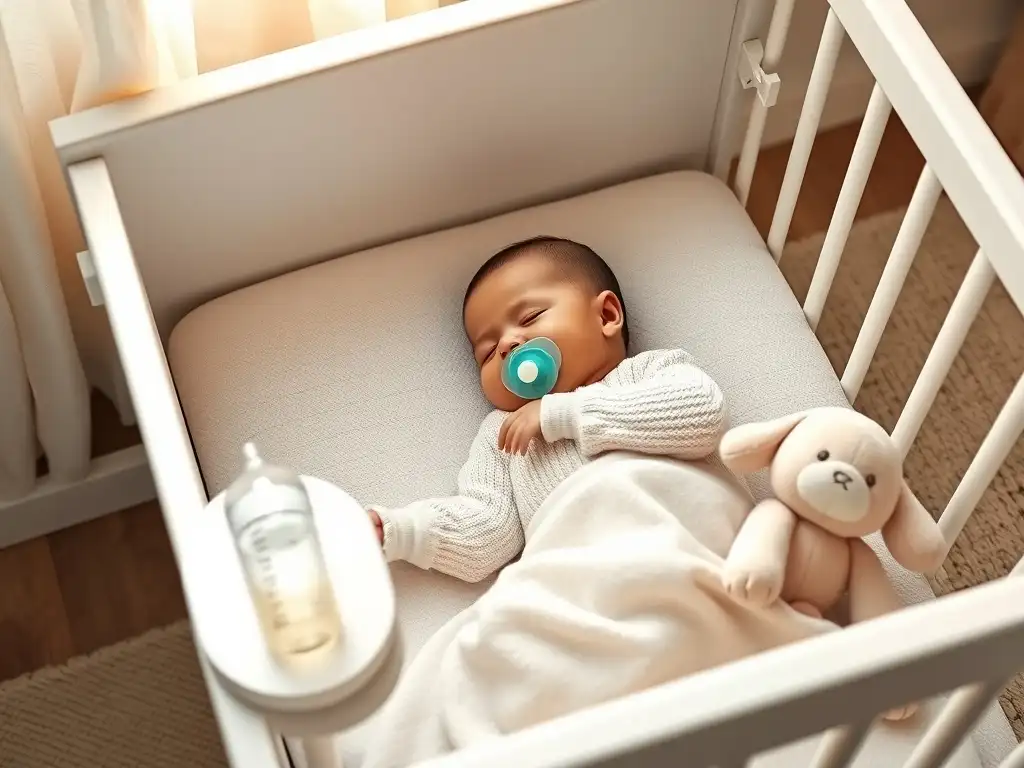
Formula feeding offers a structured approach to feeding, which can, in theory, contribute to more predictable sleep patterns. However, the relationship isn't always straightforward. While a consistent feeding schedule can promote better sleep, individual baby needs vary greatly, and other factors significantly impact sleep quality. This section explores the nuances of formula feeding and its impact on sleep, focusing on establishing routines, managing nighttime feedings, and distinguishing between true hunger and comfort-seeking behaviors. Understanding these aspects is crucial for parents seeking to optimize their baby's sleep using formula and potentially a pacifier.
Establishing a Consistent Feeding Schedule
A regular feeding schedule is a cornerstone of establishing healthy sleep habits for formula-fed babies. Consistency helps regulate their digestive system and internal clock. However, "consistent" doesn't mean rigid. Babies, even those formula-fed, have individual needs and may require adjustments. A good starting point involves feeding your baby every 2-3 hours during the day, adjusting based on their cues and weight gain. This might mean slightly longer intervals for some babies and shorter ones for others.
It's crucial to track feeding times and amounts to identify patterns and adjust as needed. Note down the time of each feeding, the amount of formula consumed, and any notable observations like fussiness or excessive gas. This data is invaluable in identifying potential issues and consulting with your pediatrician. Here's a sample feeding log:
| Date | Time | Amount (oz) | Notes |
|---|---|---|---|
| 2024-10-27 | 7:00 AM | 4 | Slept well, woke alert and hungry |
| 2024-10-27 | 10:00 AM | 3.5 | Slightly fussy before feeding |
| 2024-10-27 | 1:00 PM | 4 | Good feed, settled easily afterwards |
| 2024-10-27 | 4:00 PM | 3.5 | Slightly less than usual, possibly full |
Remember, a flexible approach is key. While aiming for consistency is beneficial, don't be afraid to adjust the schedule slightly if your baby shows clear signs of hunger or discomfort outside the planned feeding times. Always prioritize your baby's individual needs and consult your pediatrician for personalized guidance.
Nighttime Feedings and Pacifier Use
Nighttime feedings are a common occurrence, even with formula-fed babies. However, the frequency and duration can be managed strategically. Gradually increasing the amount of formula at the last feeding before bedtime can extend the duration of nighttime sleep. This doesn't always work for all babies, but it's a strategy worth considering.
The use of a pacifier can be a helpful tool during nighttime awakenings. It provides a source of comfort and can help soothe your baby back to sleep without requiring a full feeding. However, it's important to be mindful of potential downsides, such as nipple confusion or an increased risk of ear infections. Consult your pediatrician to determine if a pacifier is appropriate for your baby and how best to use it.
Remember to monitor your baby's sleep patterns and adjust your approach as needed. Some babies might find a pacifier helpful only in the initial weeks and months, while others may benefit from it for a longer period. Always prioritize your baby’s individual needs and overall well-being.
Recognizing Hunger Cues vs. Comfort-Seeking Behaviors
Distinguishing between true hunger and comfort-seeking behaviors is crucial for optimizing your baby's sleep. A hungry baby will exhibit strong, persistent cues, such as vigorous rooting, sucking motions, and crying. Comfort-seeking behaviors, on the other hand, are often less intense and might involve fussing, whimpering, or simply stirring in their sleep. These behaviors often indicate a need for reassurance rather than nourishment. Observing your baby's cues carefully is essential to determine whether they require a feeding or simply need comforting.
Learning to differentiate these cues takes time and practice. Keep a detailed record of your baby's behavior during nighttime awakenings, noting the intensity of their cries, their body language, and the effectiveness of various soothing techniques. This will help you better understand their needs and develop a more effective approach to managing nighttime sleep. Remember, there’s no one-size-fits-all approach; tailoring your strategy to your baby’s individual needs is paramount for success. 😴 Patience and consistent observation are key to mastering this crucial skill in baby sleep training.
The Impact of Overfeeding on Sleep
Overfeeding your baby, whether with formula or breast milk, can significantly disrupt their sleep patterns. A full stomach can cause discomfort and digestive issues, leading to restlessness, frequent waking, and difficulty settling back to sleep. This is because a baby's digestive system is still developing, and processing a large volume of formula can lead to reflux, gas, or colic, all of which are major sleep disruptors. These issues often manifest as fussiness, crying, and arching of the back, preventing your little one from achieving a restful sleep.
Furthermore, overfeeding can lead to weight gain, which can also contribute to sleep problems. Extra weight can put pressure on a baby's respiratory system, making it harder to breathe comfortably and sleep soundly. Remember, a satisfied, not overly full, baby is key to better sleep. Parents should pay close attention to their baby's feeding cues, understanding the difference between true hunger and seeking comfort.
Observing cues like rooting, sucking on hands, and increased alertness can help you gauge your baby's actual need for nourishment, preventing overfeeding and promoting better sleep. Consulting with a pediatrician or lactation consultant can provide personalized guidance on appropriate feeding amounts for your baby's age and weight, ensuring you are not inadvertently causing sleep disturbances through overfeeding. This personalized approach takes into account individual variations in babies' metabolisms and feeding needs.
Addressing Common Sleep Challenges with Pacifiers and Formula
This section delves into specific sleep challenges faced by parents using pacifiers and formula feeding, offering practical strategies to improve your baby's sleep. We'll explore common issues and provide evidence-based solutions to help you navigate this crucial stage of your baby's development. Remember, consistency and patience are key to establishing healthy sleep habits. This advice is for informational purposes only and should not substitute advice from your pediatrician.
Difficulty Falling Asleep: Strategies for Better Sleep Onset
Many parents find that their babies struggle to fall asleep independently, often needing a pacifier or a bottle of formula to drift off. This reliance can create a cycle where the baby needs these aids to initiate sleep, leading to frequent wakings throughout the night. To break this cycle, consider these strategies:
- Establish a consistent bedtime routine: A predictable sequence of calming activities, such as a warm bath, a massage, a lullaby, or a story, signals to your baby that it's time to sleep. This routine should be implemented consistently every night, even on weekends, to regulate your baby's circadian rhythm. The routine should be approximately 30-45 minutes long and should avoid stimulating activities.
- Create a conducive sleep environment: Ensure your baby's room is dark, quiet, and cool. White noise machines can help mask disruptive sounds. A comfortable sleep sack or swaddle can also promote better sleep. Consider the room temperature; a slightly cool room is generally ideal for sleep.
- "Putting to sleep" techniques: Instead of feeding or using the pacifier to initiate sleep, try gentle rocking, patting, or shushing. Gradually reduce the level of physical contact as your baby becomes more accustomed to self-soothing. Some babies respond well to being placed in their crib while still drowsy but awake. This method allows them to learn to fall asleep independently.
- Timing of last feed: Ensure the last feeding is not too close to bedtime. A full stomach can sometimes lead to discomfort and wakefulness. Consult with your pediatrician to determine the appropriate timing for your baby's last feed. This timing will vary depending on your baby's age and individual needs.
Frequent Wakings During the Night: Addressing Nighttime Feeds and Pacifier Reliance
Night wakings are common, especially in the early months. However, over-reliance on pacifiers and formula feeds to soothe your baby at night can hinder their ability to self-soothe and consolidate their sleep.
- Gradual weaning from nighttime feeds: If your baby wakes frequently for feeds, gradually reduce the amount of formula offered at each night feeding. Consult your pediatrician to determine an appropriate feeding schedule based on your baby's age and weight. This process may require patience and consistency.
- Pacifier replacement strategies: If your baby frequently loses their pacifier during the night, consider offering a few replacement pacifiers within easy reach. However, avoid constantly replacing it, as this encourages dependency. Gradually reduce the number of replacement pacifiers available over time.
- Responding to cries strategically: Not every cry requires immediate intervention. Try a "check and soothe" method. Check on your baby, offer comfort if needed (a pat on the back, shushing), and then leave the room. Gradually increase the time before intervention. This helps your baby learn to self-soothe.
- Addressing underlying issues: Frequent night wakings can sometimes be due to underlying issues such as reflux, allergies, or discomfort. If you suspect an underlying issue, consult your pediatrician for a proper diagnosis and treatment.
Establishing a Consistent Sleep Routine with Pacifier and Formula Feeding
Integrating pacifier and formula feeding into a consistent sleep routine requires careful planning and execution. The goal is to use these tools strategically, without creating dependency that disrupts sleep.
| Routine Step | Description | Timing (Example) | Notes |
|---|---|---|---|
| Bath Time | Warm bath to relax the baby | 7:00 PM | Use calming essential oils (lavender) if desired. |
| Massage | Gentle massage to promote relaxation and bonding | 7:30 PM | Focus on soothing strokes. |
| Book/Story Time | Reading a calming story or singing lullabies | 7:45 PM | Choose books with soft colors and calming illustrations. |
| Formula Feeding | Last feeding of the day | 8:00 PM | Adjust timing based on your pediatrician's recommendations and baby's needs. |
| Pacifier & Bedtime | Offer pacifier, place baby in crib while still drowsy but awake | 8:15 PM | Avoid rocking or feeding to sleep. |
| Monitoring | Check on baby periodically, offering comfort only if necessary. | As needed | Gradually decrease check-ups. |
Remember, creating a consistent and effective sleep routine takes time and patience. Adjust the routine as needed based on your baby's cues and always consult your pediatrician for personalized advice. Consistent implementation is key to success! 😴👶🍼
Weaning from the Pacifier: Gradual Approaches and Tips
Weaning your baby from the pacifier is a significant step, and a gradual approach is generally recommended to minimize distress for both you and your little one. Sudden withdrawal can be upsetting and lead to increased crying and sleep disturbances, potentially undoing the progress you've made in establishing better sleep habits. The key is patience and consistency. Remember, every baby is different, and what works for one might not work for another.
One effective strategy is the "fade-away" method. This involves gradually reducing the pacifier's availability and use over time. You might start by limiting its use to naptime and bedtime only. Then, you can further restrict its use, perhaps only offering it at bedtime. As your baby becomes more accustomed to sleeping without it during naps, you can transition to eliminating it completely at bedtime. This process typically takes several weeks, even months, depending on your baby's age and attachment to the pacifier.
Another approach involves associating the pacifier with specific comforting rituals. For example, you could incorporate a special song or story before offering the pacifier at bedtime. Over time, you can gradually shorten the duration of the ritual and eventually remove the pacifier altogether. This helps your baby associate comfort and sleep with the ritual, rather than solely with the pacifier itself.
It's crucial to provide alternative forms of comfort during the weaning process. This could involve cuddling, rocking, singing lullabies, or offering a special blanket or lovey. These alternatives help your baby feel secure and comforted without relying on the pacifier. Consistency is vital here; offering the pacifier when your baby is upset might undo your progress.
Remember to be patient and understanding. There will likely be setbacks along the way. Your baby might cry more than usual, and you might find yourself tempted to give in. However, consistency is key to successful weaning. Celebrate small victories and remember that this is a temporary phase.
With patience and persistence, you'll help your baby learn to self-soothe and develop healthy sleep habits. Consider keeping a sleep diary to track your baby's progress and identify potential patterns or triggers that might be affecting their sleep. This can help you adjust your weaning strategy accordingly. Don't hesitate to seek advice from your pediatrician or a sleep consultant if you encounter significant challenges. They can offer personalized guidance and support tailored to your baby's needs.
Troubleshooting and Seeking Professional Help

This section addresses common hurdles parents face when using pacifiers and formula feeding to improve baby sleep. Remember, every baby is unique, and what works for one might not work for another. Patience and persistence are key, but knowing when to seek professional help is equally important. Effective strategies for baby sleep pacifier formula help often involve a multifaceted approach.
When to Consult a Pediatrician or Sleep Consultant
Persistent sleep problems can stem from various underlying issues. While pacifiers and formula feeding can sometimes alleviate sleep challenges, they aren't a solution for every situation. Consider seeking professional guidance if you observe any of the following:
- Consistent refusal to feed: If your baby consistently refuses both breast and formula, it could indicate a medical problem or a feeding aversion that needs a professional evaluation. This is especially concerning if accompanied by weight loss or failure to thrive.
- Excessive fussiness or crying: Prolonged periods of inconsolable crying, especially if accompanied by other symptoms like fever, rash, or changes in bowel movements, warrant a doctor's visit. This could signal an underlying medical condition requiring treatment.
- Sleep apnea or breathing difficulties: If you notice pauses in your baby's breathing during sleep, or if your baby seems to struggle to breathe, seek immediate medical attention. These are serious symptoms requiring prompt diagnosis and treatment.
- Lack of progress after trying various strategies: After implementing strategies involving pacifiers and formula feeding adjustments – such as adjusting feeding times, using a different type of pacifier, or changing formula – and still not seeing improvement in your baby's sleep, professional help is advisable. A sleep consultant can offer personalized strategies tailored to your baby's unique needs.
- Parental exhaustion and burnout: Sleep deprivation can severely impact parental well-being. If you're feeling overwhelmed and struggling to cope with your baby's sleep issues, seeking support from a pediatrician or sleep consultant is crucial. They can provide guidance and support, helping you find strategies that work for both you and your baby.
Addressing Underlying Medical Issues Affecting Sleep
Many medical conditions can disrupt a baby's sleep. Therefore, it's crucial to rule out any underlying health problems before focusing solely on behavioral sleep training techniques. Some common medical issues impacting sleep include:
- Reflux: Gastroesophageal reflux disease (GERD) can cause discomfort and frequent awakenings.
- Ear infections: Pain from ear infections often disrupts sleep and causes irritability.
- Allergies: Allergies, such as milk protein allergy or other food sensitivities, may manifest as sleep disturbances.
- Colic: Colic, characterized by excessive crying and fussiness, can make it difficult for both the baby and parents to sleep.
- Other conditions: Less common but potentially impactful conditions like asthma, eczema, or neurological disorders can significantly affect sleep patterns.
A pediatrician can perform a thorough examination and order necessary tests to identify and address any underlying medical issues that may be contributing to your baby's sleep problems. Early diagnosis and treatment are vital for your baby's health and well-being, and for improving their sleep.
Dealing with Pacifier Resistance and Alternatives
Not all babies readily accept pacifiers. Some may actively reject them, while others may lose interest after a while. If your baby resists a pacifier, don't force it. Persistent attempts may create more frustration for both you and your baby. Consider these alternatives:
- Different pacifier types: Experiment with different shapes, sizes, and materials. Some babies prefer orthodontic pacifiers, while others may prefer silicone over latex.
- Timing: Try offering the pacifier at specific times, such as during sleep transitions or when your baby is drowsy but not fully asleep.
- Gentle introduction: Don't force the pacifier into your baby's mouth. Instead, gently touch it to their lips and let them explore it at their own pace.
- Swaddling: Swaddling can provide a sense of security and comfort, potentially reducing the need for a pacifier.
- White noise: A white noise machine or other calming sounds can help create a soothing sleep environment.
- Skin-to-skin contact: Holding your baby close and providing skin-to-skin contact can offer comfort and promote sleep.
Remember, a pacifier is just one tool to aid in sleep. If your baby consistently rejects it, explore alternative methods to promote better sleep, always consulting with your pediatrician if you have concerns. Finding the right approach often requires patience, observation, and a willingness to adapt your strategies as your baby's needs evolve.
Long-Term Strategies for Healthy Sleep Habits
Establishing healthy sleep habits early on is crucial for both your baby's development and your own well-being. It's a marathon, not a sprint, and consistency is key. Remember, there's no one-size-fits-all solution, and what works for one baby might not work for another. Patience and perseverance are essential ingredients in this journey.
One effective strategy involves creating a consistent bedtime routine. This routine should be calming and predictable, signaling to your baby that it's time to wind down. This could include a warm bath, a gentle massage, reading a book, singing lullabies, or any other activity that helps your little one relax. The key is to keep the routine consistent and avoid stimulating activities right before bedtime. Aim for a predictable sleep schedule, even on weekends, to regulate your baby's internal clock.
Another vital aspect is creating a conducive sleep environment. This means ensuring a dark, quiet, and comfortably cool room. White noise machines can be incredibly helpful in masking disruptive noises and promoting a peaceful sleep environment. Consider using blackout curtains or blinds to minimize light exposure. A comfortable crib or bassinet with a firm mattress is also essential for safe and restful sleep. The room temperature should be comfortably cool, ideally between 68-72 degrees Fahrenheit (20-22 degrees Celsius).
Furthermore, understanding your baby's sleep cues is paramount. Learn to recognize the subtle signs of tiredness, such as rubbing their eyes, yawning excessively, or becoming fussy or clingy. Responding to these cues promptly can prevent overtiredness, which can ironically make it harder for your baby to fall asleep. Early intervention, even if it means adjusting your routine slightly, can help maintain a smoother sleep pattern.
Finally, remember to prioritize your own well-being. Sleep deprivation can significantly impact your ability to effectively care for your baby. Seek support from your partner, family, or friends whenever possible. Don't hesitate to ask for help with household chores or other tasks to free up time for rest.
Taking care of yourself is not selfish; it's essential for providing optimal care for your little one. Remember, a well-rested parent is a better parent. Prioritizing self-care, alongside consistent routines and a conducive sleep environment, significantly increases your chances of establishing healthy, long-term sleep habits for your baby. And, of course, consult your pediatrician if you have any concerns or suspect underlying sleep issues.
Creating a Supportive Sleep Environment for Your Baby
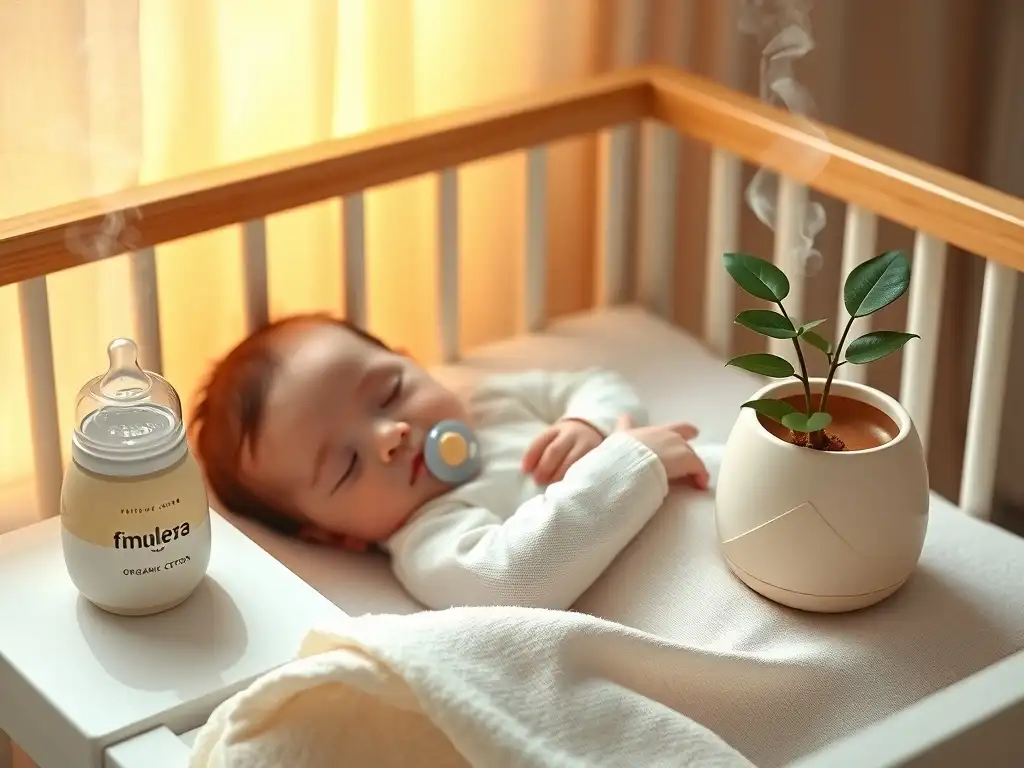
This section focuses on optimizing your baby's sleep environment to encourage longer, more restful sleep. A conducive sleep space significantly impacts your baby's ability to fall asleep and stay asleep, especially when combined with pacifier and formula feeding strategies. Remember, a calm and comfortable environment is crucial for establishing healthy sleep habits.
Optimizing the Nursery for Sleep
Creating a sleep-conducive nursery involves paying attention to several key factors. Temperature plays a critical role; a slightly cool room (around 68-72°F or 20-22°C) is generally ideal for baby sleep. Too warm, and your baby may overheat and become restless; too cold, and they may shiver and wake up. A room thermometer is a helpful tool to monitor the temperature consistently.
Furthermore, consider the lighting. A completely dark room is not always necessary, but minimizing light exposure is beneficial. A nightlight with a low, soft glow can be helpful for nighttime feedings and diaper changes without jarring your baby awake. Avoid bright screens or harsh overhead lights.
Finally, noise levels should be kept to a minimum. White noise machines are often recommended for their ability to mask disruptive sounds and create a consistent auditory environment that promotes relaxation and sleep. Experiment with different white noise sounds (e.g., fan, ocean waves) to find what works best for your baby. The key is consistency – once you find a sound that works, stick with it.
Establishing a Consistent Bedtime Routine
A consistent bedtime routine is paramount for establishing predictable sleep patterns. This routine should be calming and relaxing, signaling to your baby that it's time to wind down for the night. A typical routine might include a warm bath, a massage, putting on pajamas, reading a book, singing a lullaby, and finally, placing your baby in their crib.
The duration of the routine can be adjusted to suit your baby's age and individual needs. However, consistency is key. Repeating the same steps in the same order each night helps your baby anticipate bedtime and associate the routine with sleep. This predictability reduces anxiety and promotes a smoother transition to sleep. Remember to keep the routine relatively short and sweet, avoiding overstimulation.
Data shows that babies with consistent bedtime routines tend to fall asleep faster and sleep for longer periods. This consistency helps regulate their circadian rhythm, the natural sleep-wake cycle. Even on weekends, try to maintain a similar routine to avoid disrupting their sleep patterns. This predictability is especially helpful when addressing sleep challenges related to pacifier use and formula feeding.
Managing External Stimuli that May Interfere with Sleep
External stimuli can significantly affect your baby's sleep. While minimizing noise and light are important aspects of optimizing the sleep environment, there are other external factors to consider. For example, hunger can obviously interrupt sleep, highlighting the importance of appropriate formula feeding schedules.
Over-stimulation can also be a major culprit. Too much playtime or interaction close to bedtime can make it difficult for your baby to wind down and fall asleep. Incorporate quiet activities into your evening routine.
Another factor is the baby's sleeping surface. Make sure the mattress is firm and the crib is safe. A comfortable temperature and appropriate clothing are also important. These seemingly minor details can significantly impact your baby's sleep quality. Remember, a comfortable and secure sleeping environment is crucial for better sleep. Careful management of external stimuli, along with consistent routines and appropriate feeding strategies, will greatly enhance your baby's sleep.
Identifying and Addressing Underlying Anxiety or Stress
Addressing sleep problems in babies often requires looking beyond the immediate issue. Many times, a baby's difficulty sleeping stems from underlying anxiety or stress, manifesting in fussiness, crying, and disrupted sleep cycles. Recognizing these signs is crucial for effective intervention. For instance, a baby who was previously sleeping well might suddenly become restless if there's a significant change in their routine, such as a move to a new house, the arrival of a sibling, or even a change in caregiver. These environmental shifts can trigger anxiety, leading to sleep disturbances.
Parental stress also plays a significant role. A parent's anxiety can be subtly transmitted to the baby, impacting their sleep. A tense or worried parent might unconsciously hold their baby more tightly or rock them more vigorously, inadvertently creating a heightened state of arousal that interferes with sleep. Conversely, a calm and relaxed parent can foster a more peaceful environment, promoting better sleep for their baby.
Identifying the source of anxiety requires careful observation. Keep a sleep diary noting the baby's behavior before sleep, the sleep duration, and any notable events during the day. Look for patterns connecting specific events or changes in routine with sleep disruptions. Is the baby reacting to loud noises, bright lights, or specific people? Are there significant changes in feeding patterns or diaper routines? Documenting these observations can provide valuable insights into the root cause of the anxiety.
Addressing the underlying stress requires a multi-pronged approach. Creating a consistent and predictable bedtime routine can provide a sense of security and reduce anxiety. This routine might include a warm bath, a gentle massage, quiet playtime, and a lullaby. Maintaining a calm and soothing environment during bedtime is also crucial. This means minimizing noise and light, and keeping the room at a comfortable temperature.
If the source of anxiety is a change in routine, gradually introducing the new element can help ease the transition. For example, if a new sibling has arrived, gradually introduce the baby to the sibling's presence in short intervals, allowing them to adjust to the change. Remember, patience and consistency are key to helping your baby overcome anxiety and improve their sleep. If you suspect significant underlying anxiety, seeking professional guidance from a pediatrician or child development specialist is always recommended.
Baby Sleep Pacifier Formula Help: Key Takeaways and Next Steps
This section summarizes key strategies discussed to address baby sleep challenges using pacifiers and formula feeding, offering actionable steps for improved sleep for both baby and parents. Remember, every baby is unique, and what works for one might not work for another. Patience and consistency are key. This is not a one-size-fits-all solution, and professional guidance should be sought if challenges persist.
Recap of Key Strategies for Improved Sleep
Addressing sleep problems in infants often involves a multifaceted approach. Combining consistent routines with the strategic use of pacifiers and appropriate formula feeding can significantly improve sleep quality. Let's recap the core strategies:
- Establishing a Predictable Bedtime Routine: A consistent bedtime routine signals to your baby that it's time to sleep. This could involve a warm bath, a massage, reading a book, singing a lullaby, or a combination of these calming activities. The routine should be performed in the same order each night to create predictability and reduce anxiety. Aim for a consistent bedtime and wake-up time, even on weekends, to regulate your baby's circadian rhythm.
- Optimal Formula Feeding Timing: Avoid overfeeding before bedtime. A full belly can sometimes lead to discomfort and interfere with sleep. Consult your pediatrician for guidance on appropriate feeding amounts and schedules based on your baby's age and weight. Experiment to find the feeding timing that best promotes restful sleep.
- Pacifier Use and Weaning: Pacifiers can be helpful for soothing babies and promoting sleep, especially during those early months. However, weaning your baby off the pacifier might become necessary as they get older. A gradual weaning process is generally recommended to minimize disruption to their sleep patterns. Consider gradually reducing pacifier use during the day and eventually at night.
- Creating a Conducive Sleep Environment: Ensure a dark, quiet, and cool room. White noise machines can also be beneficial in masking disruptive sounds. A comfortable sleep surface is also crucial for your baby's safety and comfort. Swaddling can help some infants feel secure and sleep better, but it's crucial to follow safe swaddling guidelines to prevent overheating and SIDS.
- Addressing Underlying Issues: If sleep problems persist despite implementing these strategies, it's essential to rule out any underlying medical conditions or developmental issues. Consult your pediatrician to address any concerns. They can help identify potential causes and recommend appropriate interventions.
Resources for Further Information and Support
While this guide offers valuable information, remember that seeking professional advice is crucial. Many resources are available to help you navigate this challenging phase of parenthood.
- Pediatrician: Your pediatrician is the primary source of guidance for your baby's health and development, including sleep. They can assess your baby's individual needs and provide personalized recommendations.
- Lactation Consultant: If you're breastfeeding or considering breastfeeding, a lactation consultant can provide support and address any feeding challenges that might be affecting your baby's sleep.
- Certified Sleep Consultant: A certified sleep consultant can offer specialized guidance on sleep training and address specific sleep problems your baby might be experiencing.
- Online Support Groups: Connecting with other parents facing similar challenges can provide emotional support and share practical tips and strategies.
Building a Strong Foundation for Healthy Sleep Habits
Developing healthy sleep habits early on is crucial for your baby's overall well-being. Consistent routines, appropriate feeding practices, and a supportive sleep environment create a foundation for better sleep. Remember that consistency is key. Stick to your chosen strategies, and be patient. It may take time for your baby to adjust.
Celebrate small victories along the way, and don't hesitate to seek help when needed. A well-rested baby contributes to a happier and more manageable life for the whole family. 😴 The journey towards better sleep is a marathon, not a sprint! Remember to prioritize self-care as well, as a well-rested parent is better equipped to care for their baby.
Long-Term Sleep Goals and Expectations
Establishing realistic long-term sleep goals for your baby is crucial for both your sanity and your baby's healthy development. Remember, every baby is unique, and there's no one-size-fits-all solution when it comes to sleep. Avoid comparing your baby's sleep patterns to those of other infants; this can lead to unnecessary stress and anxiety. Instead, focus on creating consistent and predictable sleep routines tailored to your baby's individual needs and temperament.
For example, aiming for consolidated nighttime sleep stretches gradually increases as your baby grows. A newborn might only sleep for a few hours at a time, while a six-month-old might start sleeping for longer periods, potentially up to six or seven hours straight. However, even at this age, nighttime wakings are still common and perfectly normal.
The key is to identify a pattern – are the wakings due to hunger, discomfort, or simply a need for reassurance? Understanding this pattern allows you to address the underlying cause and gently guide your baby back to sleep without creating dependence on pacifiers or formula feeds.
It's important to differentiate between sleep duration and sleep quality. A baby who sleeps for long stretches but frequently wakes up agitated may not be getting the same restorative sleep as a baby who wakes less frequently, even if the total sleep time is slightly shorter. Prioritize establishing a calm and predictable bedtime routine, a comfortable sleep environment (dark, quiet, and cool), and consistent responses to nighttime awakenings.
These factors contribute significantly to better sleep quality, which is more beneficial for your baby's development than simply aiming for long uninterrupted sleep stretches. Remember, consistency is key; sticking to your chosen routine will help your baby learn to self-soothe and improve their overall sleep patterns over time.
Consult your pediatrician if you have any concerns about your baby's sleep, or if you suspect an underlying medical issue might be contributing to disrupted sleep. They can offer personalized advice and rule out any potential problems.
Frequently Asked Questions
How can a pacifier help my baby sleep?
Pacifiers can soothe babies and promote self-soothing, leading to better sleep. The sucking motion can be calming and mimic the feeling of feeding. However, it's crucial to introduce a pacifier after breastfeeding is established.
Is it okay to use a pacifier with formula feeding?
Yes, pacifiers can be used with formula-fed babies. There's no direct conflict between pacifier use and formula feeding. However, always prioritize safe sleep practices regardless of feeding method.
My baby refuses the pacifier. What can I do?
Try offering the pacifier when your baby is drowsy but not yet asleep. Different brands and shapes exist; experiment to find one your baby prefers. Persistence is key, but don't force it.
At what age should I stop using a pacifier?
The American Academy of Pediatrics recommends discontinuing pacifier use by around age 2 to 3 to reduce the risk of dental problems. Weaning gradually is often easier than sudden cessation.
Can using a pacifier negatively impact my baby's sleep in the long run?
While pacifiers can be helpful initially, prolonged reliance may hinder the development of self-soothing skills. It's important to wean your baby off the pacifier at the appropriate time to avoid potential problems.
Final Reflection: The Gentle Path to Peaceful Sleep
The struggle for baby sleep is a universal experience, and the choices surrounding pacifiers and formula feeding are often fraught with anxiety and conflicting advice. Finding the right balance for your little one, while prioritizing your own well-being, is crucial for navigating this challenging phase of parenthood. This isn't just about sleep; it's about building a strong foundation for healthy family dynamics.
The impact of these early feeding and sleep choices extends far beyond the crib. They shape the parent-child bond, influencing the parent's confidence and the child's sense of security. Sleep deprivation is a form of torture,
a seasoned parent once wisely remarked, highlighting the profound impact sleep (or lack thereof) has on the entire family. Understanding the nuances of pacifier and formula use, and how they interact with sleep patterns, empowers parents to make informed decisions and foster a more peaceful home environment. This knowledge allows for a more compassionate approach to both the child's needs and the parent's own emotional well-being.
Now, consider your own journey. Reflect on the information presented and how it resonates with your experiences, or those of parents you know. What strategies might you adapt to create a more restful night for both you and your baby? Remember, there's no one-size-fits-all solution, but by understanding the interplay between feeding, pacifiers, and sleep, you can create a personalized approach that fosters a healthier, happier, and more peaceful family life. Embrace the journey, trust your instincts, and remember that every parent deserves a good night's sleep.
Unlock Your Baby's Restful Sleep: Take Action Today!
Thank you for learning more about addressing sleep challenges related to pacifiers and feeding. We hope this article provided valuable insights into creating a more peaceful night for you and your baby. Now, let's put that knowledge into action!
- Prioritize a consistent bedtime routine: Establish a calming pre-sleep ritual tailored to your baby's needs. This could include a warm bath, a gentle massage, or reading a quiet story. Consistency is key!
- Experiment with alternative soothing techniques: Consider trying white noise, swaddling, or a different pacifier if needed. Keep a journal to track what works best for your baby.
- Share your experiences! What soothing techniques have worked best for you and your baby? Join the conversation in the comments below – let's build a supportive community together!
What small change to your baby's routine could significantly improve their sleep tonight?