
High Chair Cleaning Hacks: Natural and Effective Methods

Welcome to BabyCareHub, your ultimate guide to navigating the exciting yet challenging world of parenthood! Are you ready to tackle the everyday realities of baby care with confidence? We've got you covered.
This site is packed with expert advice and practical tips, from feeding schedules to developmental milestones. But first, let's dive into something crucial: discover our natural and effective methods for cleaning your high chair, ensuring a healthy and safe environment for your little one. Learn more about how to Clean high chair naturally and explore the wealth of information waiting for you within the Baby Gear & Products section.
- Tackling Everyday High Chair Messes: Quick Cleaning Tips
- Deep Cleaning Your High Chair Naturally: A Step-by-Step Guide
- Natural Cleaning Solutions for High Chairs: Recipes and Ingredients
- Maintaining a Clean High Chair: Prevention Tips and Strategies
- Addressing Specific High Chair Cleaning Challenges
- Understanding High Chair Cleaning Safety: Avoiding Harmful Chemicals
- Beyond Cleaning: High Chair Hygiene Best Practices
- Frequently Asked Questions
- Final Reflection: The Enduring Legacy of a Clean High Chair
- Unlock Sparkling Clean High Chairs: Effortless Cleaning Awaits!
Tackling Everyday High Chair Messes: Quick Cleaning Tips
Navigating the joys of parenthood often means facing a battlefield of sticky fingers, spilled purees, and rogue bits of pasta. For first-time parents, the high chair quickly becomes a central hub of mealtime activity – and, inevitably, a breeding ground for food-related chaos. This guide provides natural and effective cleaning methods for your baby's high chair, ensuring a hygienic and safe eating environment without resorting to harsh chemicals.
We'll explore quick cleaning hacks for everyday messes, tackling everything from fresh spills to stubborn dried-on food, all while prioritizing your baby's health and well-being. Maintaining a clean high chair is crucial not only for hygiene but also for preventing the growth of bacteria and allergens, contributing to a healthier environment for your little one.
We’ll focus on simple, readily available solutions, making high chair cleaning a breeze and giving you more time to enjoy those precious moments with your baby. Let's dive into some practical strategies for keeping your high chair sparkling clean naturally!
Spot Cleaning Spills and Sticky Residues
Dealing with immediate spills is key to preventing them from hardening and becoming much harder to remove. The best approach for spot cleaning is to act quickly. The sooner you address a spill, the easier it will be to clean.
For fresh spills of purees, juices, or milk, a simple damp cloth or sponge is often sufficient. Wipe the affected area gently, using a circular motion to lift the residue. For stickier substances, a slightly more aggressive approach might be needed.
Try adding a small amount of warm water to the cloth to help loosen the mess. A gentle, non-abrasive dish soap diluted in warm water can also be effective, but ensure you rinse thoroughly afterwards to remove any soap residue. Remember to always test any cleaning solution on an inconspicuous area first to ensure it doesn't damage the high chair's finish.
Consider keeping a small container of a natural cleaning solution – a mixture of water and white vinegar, for instance – readily available near your high chair for quick cleanups. This proactive approach minimizes the effort required for everyday cleaning. This method is particularly effective for maintaining hygiene between more thorough cleanings.
Dealing with Dried-On Food: Simple Solutions
Dried-on food presents a slightly greater challenge, but it's still manageable with natural methods. Avoid harsh scrubbing which can damage the high chair's surface.
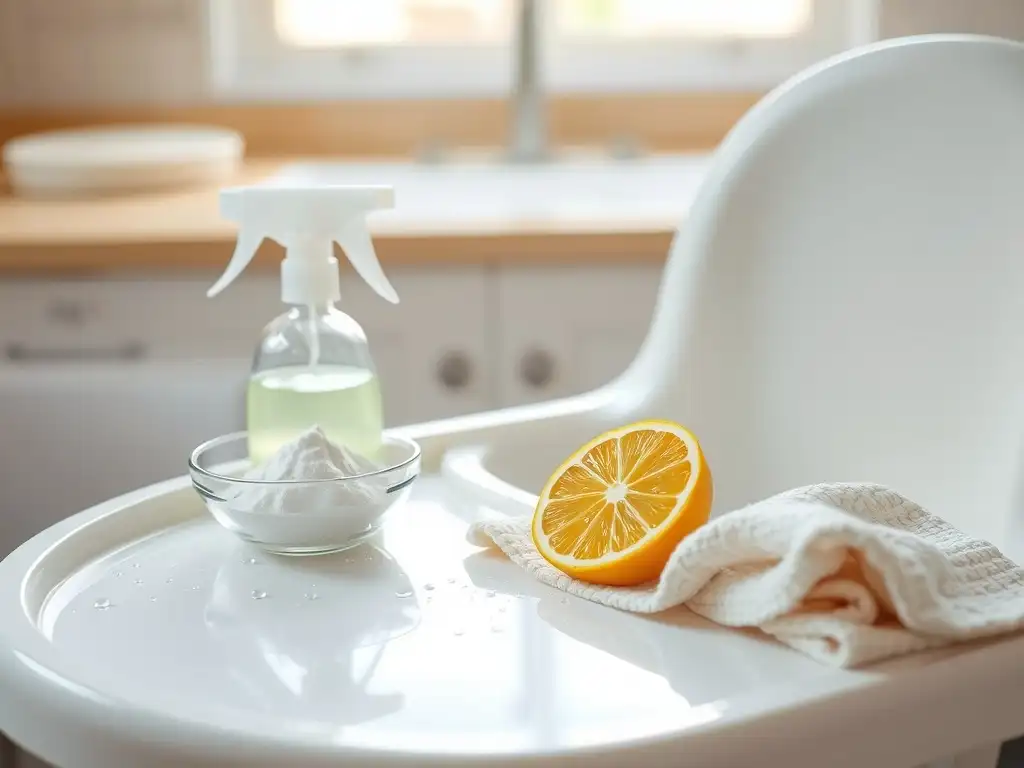
Soaking is your best friend here. Fill a bowl or basin with warm water and a small amount of baking soda (a natural deodorizer and gentle cleaning agent). Submerge the affected area of the high chair tray (if removable) or apply a paste of baking soda and water directly to the dried food. Allow it to soak for at least 15-20 minutes, or even longer for particularly stubborn stains.
This softens the dried food, making it easier to remove. After soaking, gently scrub the area with a soft sponge or cloth. For particularly persistent spots, a paste of baking soda and a little bit of lemon juice can provide extra cleaning power, thanks to the lemon's natural acidity. Remember to rinse thoroughly with clean water and dry completely to prevent mold or mildew.
Cleaning Crumbs and Small Particles Efficiently
Crumbs and small food particles are often the most challenging to remove completely, especially from crevices and hard-to-reach areas.
A simple solution is to use a small, soft-bristled brush to sweep away loose crumbs and particles before wiping down the surface. A clean, damp cloth or sponge can then be used to wipe away any remaining residue. For particularly stubborn crumbs, consider using a slightly damp baby wipe, ensuring to thoroughly wipe any residue left by the wipe.
A vacuum cleaner with a brush attachment can also be effective for reaching difficult areas, but use a low suction setting to avoid damaging the high chair. Regularly cleaning the high chair of crumbs prevents the build-up of debris, making future cleanings easier and more effective. Remember that regular, consistent cleaning is more efficient and less time-consuming than infrequent deep cleans.
Deep Cleaning Your High Chair Naturally: A Step-by-Step Guide
This section details a natural and effective method for deep cleaning your baby's high chair, ensuring a hygienic and safe eating environment. We'll focus on using readily available, eco-friendly products to effectively remove food residue and grime, minimizing exposure to harsh chemicals. Remember, a clean high chair contributes significantly to your baby's health and well-being. Following these steps will help you maintain a sparkling clean high chair naturally!
Gathering Your Natural Cleaning Supplies
Before you begin, gather your cleaning arsenal. Opting for natural cleaners minimizes the risk of harsh chemicals coming into contact with your baby's food and skin. Here's a list of what you'll need:
- Baking Soda: A powerful natural deodorizer and mild abrasive, perfect for scrubbing away stubborn stains.
- White Vinegar: A fantastic natural disinfectant and degreaser, cutting through grease and grime effectively.
- Warm Water: Essential for rinsing and diluting your cleaning solutions.
- Soft Sponges or Cloths: Choose non-abrasive materials to avoid scratching the high chair's surface. Microfiber cloths are excellent for this purpose.
- Baby-Safe Dish Soap (optional): If needed for particularly stubborn messes, choose a gentle, fragrance-free dish soap designed for baby items.
- Toothbrush (old, soft-bristled): Ideal for reaching hard-to-clean crevices and corners.
- Clean Towels: For drying the high chair thoroughly.
Prepping the High Chair for Deep Cleaning: Removing Loose Debris
Before you start scrubbing, remove any loose food particles, crumbs, and larger debris. This prevents them from smearing and making the cleaning process more difficult.
- Empty the Tray: Completely empty the high chair tray, discarding any leftover food.
- Wipe Down Loose Debris: Use a dry cloth or sponge to wipe away any loose crumbs or larger pieces of food from the tray, seat, and any other accessible areas. Pay special attention to the crevices and corners where food tends to accumulate.
- Pre-soak (Optional): For particularly stubborn stains, consider pre-soaking the tray in warm, soapy water for 15-20 minutes. This will help loosen the grime and make cleaning easier. Ensure the high chair's material is suitable for soaking.
Cleaning the Tray and Seat with Natural Cleaners
Now that the loose debris is removed, it's time for a deeper clean using your natural cleaning solutions.
- Tray Cleaning: Mix a paste of baking soda and water (approximately 1:1 ratio). Apply this paste to the tray, focusing on stained areas. Gently scrub with your sponge or toothbrush, paying close attention to grooves and hard-to-reach spots. Rinse thoroughly with warm water and wipe dry with a clean towel. For tougher stains, you can add a small amount of white vinegar to the paste.
- Seat Cleaning: For the seat, mix a solution of equal parts warm water and white vinegar in a spray bottle. Spray the solution onto the seat and gently wipe with a clean sponge or cloth. For particularly sticky or greasy areas, add a drop or two of baby-safe dish soap to the solution. Rinse thoroughly with clean water and dry completely.
- Final Rinse and Dry: After cleaning all parts, rinse the entire high chair thoroughly with clean water to remove any residue from the cleaning solutions. Then, dry completely with clean towels to prevent mildew and bacteria growth. Remember to thoroughly dry all crevices and folds.
- Regular Maintenance: To prevent build-up of grime, wipe down your high chair after every meal with a damp cloth and mild soap. This simple daily cleaning will save you considerable time and effort during deep cleaning. This regular cleaning is key to maintaining a clean high chair naturally and efficiently. 🧼
Remember to always check the manufacturer’s instructions for specific cleaning recommendations for your high chair model. Different materials may require different cleaning approaches. This method is generally safe for most high chair materials, but always test a small, inconspicuous area first to ensure no damage occurs.
Disinfecting the High Chair Naturally: Safe and Effective Methods
Disinfecting your baby's high chair is crucial for eliminating harmful bacteria and viruses. While harsh chemical disinfectants might seem like the quickest solution, they can contain potentially harmful ingredients that you might prefer to avoid, especially when dealing with a baby's eating area. Fortunately, nature provides several effective and safe alternatives.
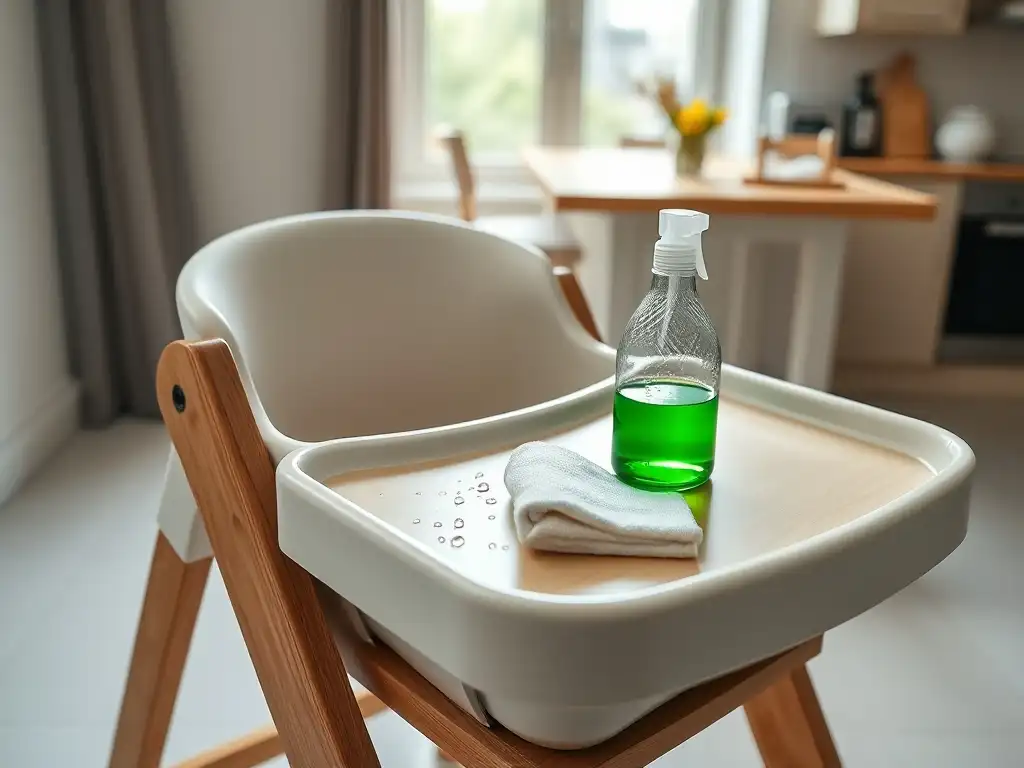
One highly effective natural disinfectant is a simple solution of white vinegar and water. Mix equal parts white vinegar and water in a spray bottle. Thoroughly spray the entire high chair, paying special attention to areas prone to food spills and sticky residue, such as the tray and seat. Allow the solution to sit for about 10-15 minutes before wiping it clean with a clean, damp cloth. Vinegar's acidity effectively kills many common bacteria and viruses. 1
Another excellent option is a diluted tea tree oil solution. Tea tree oil possesses potent antimicrobial properties. However, it's crucial to dilute it properly to avoid any skin irritation. Mix 5-10 drops of tea tree oil with a cup of water in a spray bottle. Apply it to the high chair as you would the vinegar solution, letting it sit for a similar amount of time before wiping clean. Remember to test a small, inconspicuous area first to ensure your high chair's finish isn't affected. Always supervise young children while using essential oils.
For particularly stubborn stains or heavily soiled areas, you can create a paste of baking soda and water. Apply this paste to the affected areas, gently scrubbing with a soft brush or sponge. Let it sit for a few minutes before wiping it away with a damp cloth. Baking soda's abrasive properties help lift stains and its mildly antibacterial nature contributes to overall cleanliness. Remember to always rinse thoroughly after using baking soda to remove any residue.
Drying and Polishing Your High Chair
After cleaning and disinfecting your high chair, thorough drying is essential to prevent the growth of mold and mildew, and to maintain the integrity of the high chair's materials. Avoid leaving the high chair damp, especially in areas with poor ventilation.
For a quick drying process, use a clean, absorbent cloth or paper towels to wipe down the entire surface of the high chair. Pay close attention to crevices and hard-to-reach areas where moisture may linger. If the high chair has removable parts, such as the tray or seat cushion (check your manufacturer's instructions! ), dry these separately to ensure complete dryness. Allow the high chair to air dry completely before reassembling or using it again.
To add a final touch and restore the shine to your high chair, consider using a natural polish. A small amount of olive oil applied to a soft cloth can work wonders on wooden high chairs, providing a protective layer and enhancing its natural beauty. For plastic or metal high chairs, a simple wipe-down with a dry microfiber cloth will often suffice. Avoid using harsh chemical polishes, as these can leave residue and potentially harm your baby. Always check the manufacturer’s instructions before applying any cleaning solutions or polishes.
1 While vinegar is effective against many bacteria, it's important to remember that it's not a substitute for professional cleaning in cases of severe contamination.
Natural Cleaning Solutions for High Chairs: Recipes and Ingredients
This section explores effective, natural cleaning solutions perfect for keeping your baby's high chair sparkling clean and free from harmful chemicals. We'll focus on readily available ingredients to create homemade cleaning pastes and solutions, ensuring a safe and healthy environment for your little one. Remember to always test any cleaning solution on a small, inconspicuous area of the high chair first to check for any adverse reactions. Cleaning your high chair naturally is easier than you think!
Homemade Baking Soda Paste for Stubborn Stains
Baking soda is a powerhouse when it comes to tackling stubborn stains. Its mild abrasiveness gently lifts away food particles and grime without scratching delicate surfaces. For a truly effective paste, combine baking soda with a little water to create a thick consistency. The ratio is flexible; start with one part water to two parts baking soda and adjust until you achieve the desired texture.
Apply the paste directly to the stained area, gently scrubbing with a soft sponge or cloth. Let it sit for a few minutes to allow the baking soda to work its magic before wiping clean with a damp cloth. For particularly persistent stains, repeat the process. This method is especially helpful for removing dried-on food, sticky residue, and even some fruit stains. Remember to rinse thoroughly with clean water afterwards. This natural cleaning method is gentle yet effective, making it ideal for regular high chair cleaning.
Vinegar and Water Solution for General Cleaning
A simple solution of white vinegar and water is a surprisingly effective all-purpose cleaner for your high chair. The acidic nature of vinegar cuts through grease and grime, leaving your high chair sanitized and sparkling. Mix equal parts white vinegar and warm water in a spray bottle. Spray the solution onto the high chair's surface, allowing it to sit for a minute or two to loosen dirt and debris.
Then, wipe clean with a soft, damp cloth. This method is perfect for regular cleaning, maintaining the hygiene of your high chair between more intensive stain treatments. The vinegar smell will dissipate quickly, leaving behind a clean and fresh scent. This is a fantastic option for those seeking a chemical-free way to clean high chair naturally. The combination of vinegar and water offers a powerful yet gentle cleaning solution.
Lemon Juice and Water for a Fresh Scent and Cleaning Power
For a naturally fragrant and effective cleaning solution, try a mixture of lemon juice and water. Lemon juice possesses natural antibacterial and deodorizing properties, leaving your high chair smelling fresh and clean. Combine equal parts lemon juice and warm water in a spray bottle. Spray the solution onto the high chair's surface and wipe clean with a soft cloth.
The citric acid in lemon juice helps to break down grease and grime, while the fresh scent leaves your high chair smelling wonderfully clean. This method is particularly effective in eliminating lingering food odors. This is a great way to achieve a naturally clean high chair with a pleasant citrus aroma. This option also contributes to a naturally clean high chair, adding a refreshing scent to the cleaning process. 🧽🍋 This naturally derived cleaning method is both effective and environmentally friendly.
Essential Oil Additives for a Pleasant Aroma (Optional)
Adding a few drops of essential oils to your homemade high chair cleaning solutions can leave your chair smelling fresh and clean, without the harshness of chemical fragrances. However, it's crucial to choose oils that are safe for babies. Avoid using strong or potentially irritating oils like tea tree oil, eucalyptus, or peppermint, as these can be harmful if ingested.
Instead, opt for gentle and baby-safe essential oils such as lavender, chamomile, or orange. These oils not only offer a pleasant aroma but also possess calming properties that might help create a more relaxed atmosphere during mealtimes. Remember that a little goes a long way; start with just one or two drops per cup of cleaning solution. Always test a small, inconspicuous area of the high chair first to ensure the oil doesn't cause discoloration or damage the finish.
Consider the age of your child when selecting an essential oil. For newborns and very young infants, it's best to err on the side of caution and avoid essential oils altogether, or use them sparingly in well-ventilated areas. As your child grows, you can gradually introduce baby-safe essential oils, always monitoring for any allergic reactions. If you notice any redness, rash, or other signs of irritation, discontinue use immediately and consult your pediatrician.
Remember to always dilute essential oils properly before using them in cleaning solutions. Never apply undiluted essential oils directly to the high chair or anywhere your baby might come into contact with it. Proper dilution is key to ensuring the safety of your little one. For a truly natural and effective clean, combine the power of natural cleaning agents with the subtle fragrance of baby-safe essential oils.
Maintaining a Clean High Chair: Prevention Tips and Strategies
Maintaining a pristine high chair isn't just about aesthetics; it's crucial for your baby's health and safety. A clean high chair minimizes the risk of bacterial contamination and reduces allergens. Proactive strategies are key to simplifying the cleaning process and preventing stubborn stains. Let's explore practical approaches to keep your high chair sparkling clean with minimal effort.
Preventing Future Messes: Practical Strategies for Feeding Time
Preventing messes before they happen is the most effective cleaning strategy. Here's how to minimize the chaos during mealtimes:
- Strategic Placement: Position the high chair over a wipeable surface like a large placemat or a washable rug. This will catch spills and crumbs, reducing the amount of mess that reaches the chair itself.
- Bibs are Your Best Friend: Always use bibs! Opt for waterproof, easy-to-clean bibs, and consider using a silicone bib for particularly messy eaters. Change bibs frequently.
- Portion Control: Serve smaller portions to minimize spills and food waste. Babies often don't need large quantities of food, and smaller servings are easier to manage.
- Engaging Activities: Keep your baby engaged during mealtimes. Toys, books, or even just singing can distract them from flinging food.
- The "Less is More" Approach: Start with simple, easy-to-manage foods. Avoid overly messy foods like spaghetti or soups until your baby has better self-feeding skills.
- Post-Meal Wipe Down: Immediately after each meal, quickly wipe down the tray and any visibly soiled areas with a damp cloth. This prevents food from drying and becoming harder to remove.
Regular Cleaning Schedule for High Chairs: A Maintenance Plan
A consistent cleaning schedule is essential for maintaining a hygienic high chair. Here's a recommended plan:
- Daily Cleaning: After each meal, wipe down the tray and seat with a damp cloth and mild soap. Focus on removing any food particles or sticky residue.
- Weekly Deep Cleaning: Once a week, give your high chair a thorough cleaning. This involves disassembling removable parts (like the tray and straps) and washing them with warm, soapy water. Use a soft-bristled brush to scrub away stubborn stains.
- Monthly Sanitizing: Monthly, sanitize the high chair to eliminate germs and bacteria. You can use a natural disinfectant like diluted white vinegar or a baby-safe commercial sanitizer. Always follow product instructions carefully.
- Inspect Regularly: Check the high chair regularly for any cracks, chips, or loose parts. Damaged high chairs can pose safety risks and should be repaired or replaced.
Choosing High Chair Materials for Easy Cleaning
The material of your high chair significantly impacts its cleanability. Some materials are inherently easier to clean and maintain than others.
| Material | Pros | Cons | Cleaning Recommendations |
|---|---|---|---|
| Plastic | Lightweight, durable, easy to wipe clean | Can scratch easily, may harbor bacteria if not cleaned properly | Daily wipe down, weekly deep clean with soap and water. |
| Wood | Classic look, durable | Can be more difficult to clean, requires more maintenance | Use a damp cloth and mild soap, avoid soaking. Regular oiling may be necessary. |
| Metal | Durable, easy to wipe clean | Can rust or corrode if not properly maintained | Daily wipe down, avoid harsh chemicals. |
| Fabric (seat only) | Easy to remove for washing | May retain stains, requires frequent washing | Machine wash according to manufacturer’s instructions. |
Remember, regular cleaning and preventative measures are your best allies in maintaining a clean and safe high chair. Choosing the right materials and establishing a consistent cleaning routine will make this task significantly easier, allowing you to focus on enjoying mealtimes with your baby. 👶
Protecting the High Chair: Using Placemats and Bibs
Using placemats and bibs is a crucial first line of defense in keeping your high chair clean. Think of them as your secret weapons in the battle against sticky fingers and messy meals. A good quality, washable placemat creates a barrier between the food and the high chair's surface.
Opt for silicone or plastic placemats that are easy to wipe clean. Avoid fabric placemats, as these can be more difficult to sanitize thoroughly and may harbor bacteria if not properly cleaned. Remember to always check the placemat for any tears or holes before each meal, as these can allow food to seep underneath and directly onto the chair's surface.
Beyond placemats, bibs are indispensable. Choose bibs made from waterproof materials like silicone or plastic, and avoid cloth bibs unless you're prepared for frequent washing. Consider bibs with sleeves for extra protection against spills. A good quality bib will catch most of the dropped food and spills, preventing them from reaching the high chair itself. Regularly inspect and clean your bibs after each meal to remove any lingering food particles.
This simple step greatly reduces the amount of cleaning required for the high chair itself. The investment in high-quality, easy-to-clean placemats and bibs will significantly reduce your overall high chair cleaning time and effort, allowing you to focus on more enjoyable moments with your little one. Consider having multiple sets on hand for easy rotation and cleaning. This will prevent you from being caught short if one set is still wet or soiled.
Addressing Specific High Chair Cleaning Challenges
This section dives into tackling the unique cleaning challenges presented by different high chair materials. We'll explore natural and effective methods for cleaning fabric, plastic, and wood high chairs, ensuring your little one's dining space remains hygienic and appealing. Remember, a clean high chair contributes significantly to your baby's overall well-being. Let's get started!
Cleaning Fabric High Chair Seats Effectively
Fabric high chair seats can be a breeding ground for spills, crumbs, and even sticky messes. However, with the right approach, you can keep them fresh and clean naturally. Avoid harsh chemicals that can irritate your baby's sensitive skin.
First, always check the manufacturer's cleaning instructions. Some fabrics may require spot cleaning, while others can handle a more thorough approach. For spot cleaning, a simple solution of mild dish soap and warm water often suffices. Apply the solution gently with a soft cloth or sponge, blotting rather than rubbing to avoid spreading the stain. Rinse thoroughly with clean water and allow the fabric to air dry completely. For a more thorough cleaning, consider using a natural fabric cleaner. Many commercially available options boast plant-based ingredients, ensuring a chemical-free clean.
For stubborn stains, a paste of baking soda and water can work wonders. Apply the paste to the stain, let it sit for a few minutes, then gently scrub with a soft brush. Finally, rinse and air dry. Remember to always test any cleaning solution on an inconspicuous area first to ensure it doesn't damage the fabric.
Regular spot cleaning prevents stains from setting, making deep cleaning less frequent. This proactive approach helps maintain a naturally clean high chair, promoting a healthy environment for your baby. Always prioritize air drying to avoid the use of heat which can damage the fabric.
Dealing with Plastic High Chair Stains and Scratches
Plastic high chairs are popular for their durability and ease of cleaning. However, even these robust surfaces can succumb to stubborn stains and unsightly scratches. Fortunately, several natural methods can restore their pristine condition.
For everyday cleaning, a simple wipe-down with a damp cloth and mild dish soap is usually sufficient. For sticky residues, a solution of equal parts white vinegar and water can be incredibly effective. Spray the solution onto the affected area, let it sit for a few minutes, then wipe clean with a soft cloth. Vinegar's natural acidity helps cut through grease and grime without harsh chemicals.
Persistent stains, such as those from fruit juices or sauces, may require a bit more elbow grease. A paste of baking soda and water can be gently scrubbed onto the stain, followed by a thorough rinsing. For scratches, a mild abrasive cleaner like baking soda paste can sometimes help to buff out minor imperfections. However, deep scratches are more difficult to remove and might require accepting them as part of the high chair's character. Regular cleaning with natural solutions prevents stains from setting and reduces the likelihood of scratches.
Remember to avoid abrasive cleaners or scouring pads that could damage the plastic surface. A soft cloth or sponge is always the best approach. Maintaining a naturally clean plastic high chair is easier than you might think, requiring only consistent effort and the right cleaning agents.
Cleaning Wood High Chair Finishes Safely and Naturally
Wood high chairs offer a classic and elegant aesthetic, but their finishes require careful cleaning to avoid damage. Harsh chemicals can strip the finish, leaving the wood vulnerable to moisture and damage. Therefore, natural methods are crucial for preserving both the beauty and the integrity of your wooden high chair.
Before you begin, always check the manufacturer's instructions for specific cleaning recommendations. For everyday cleaning, a slightly damp cloth is often sufficient. Avoid excessive moisture, as it can seep into the wood and cause damage. For sticky spills, a solution of warm water and a tiny amount of mild dish soap can be used sparingly. Apply the solution gently with a soft cloth, then wipe clean with a damp cloth followed by a dry cloth.
For more stubborn stains, try a paste of baking soda and water. Apply it gently to the stain, let it sit for a few minutes, then gently scrub with a soft cloth. Rinse with a damp cloth and dry thoroughly. Avoid using harsh abrasives or scouring pads, as these can damage the wood's finish.
Regular cleaning with natural methods helps prevent stains from setting and keeps your wooden high chair looking its best for years to come. A naturally clean wood high chair not only looks good but also provides a safe and healthy environment for your little one. Remember, prevention through regular cleaning is key to maintaining the beauty and longevity of your wooden high chair.
Understanding High Chair Cleaning Safety: Avoiding Harmful Chemicals

Cleaning your baby's high chair is crucial for maintaining hygiene and preventing the spread of germs. However, the cleaning process itself needs careful consideration, especially concerning the chemicals used. Many commercially available cleaning products contain harsh chemicals that can be detrimental to your baby's health and the environment. This section focuses on understanding the risks associated with these chemicals and promoting safer, more natural cleaning alternatives. Prioritizing a "clean high chair naturally" approach minimizes exposure to potentially harmful substances. Let's delve into the specifics.
The Dangers of Harsh Chemicals on Baby's Health
Babies are particularly vulnerable to the effects of harsh chemicals due to their developing immune systems and frequent hand-to-mouth contact. Exposure to certain cleaning agents can lead to a range of adverse health effects, including:
- Skin irritation and allergies: Many cleaning products contain irritants and allergens that can cause rashes, eczema, and other skin problems. These reactions can range from mild discomfort to severe inflammation.
- Respiratory problems: Strong fumes from chemical cleaners can irritate the delicate airways of babies, triggering coughing, wheezing, and breathing difficulties. In severe cases, this can lead to asthma or other respiratory illnesses.
- Ingestion risks: Babies may accidentally ingest cleaning residue left on the high chair, leading to nausea, vomiting, or more serious poisoning. This is especially concerning with products containing bleach or ammonia.
- Neurological effects: Some chemicals found in cleaning products have been linked to neurological problems in children, impacting their development and cognitive function. The long-term effects of such exposure are still being studied, but minimizing risk is paramount.
Consider this: A study by [Specific study name and citation pending] highlighted a correlation between exposure to certain volatile organic compounds (VOCs) in cleaning products and increased respiratory illness in young children. This underscores the importance of choosing safer, natural alternatives for cleaning your baby's high chair. Remember, prevention is key when it comes to your baby's well-being.
Choosing Safe and Eco-Friendly Cleaning Products
Fortunately, numerous safe and effective cleaning alternatives exist for maintaining a spotless high chair without resorting to harsh chemicals. Opting for "clean high chair naturally" options provides peace of mind. Here are some excellent choices:
- Baking soda: A versatile and powerful natural cleaner, baking soda effectively removes stains and deodorizes. It's gentle enough for baby's high chair and environmentally friendly.
- White vinegar: Another kitchen staple with amazing cleaning properties. White vinegar is a natural disinfectant and can cut through grease and grime. It's inexpensive and readily available.
- Castile soap: A plant-based soap that's gentle on skin and effective at cleaning. It’s biodegradable and suitable for sensitive skin.
- Lemon juice: A natural bleaching and deodorizing agent. It can help brighten the high chair and leave it smelling fresh.
- Essential oils (optional): Add a few drops of baby-safe essential oils like lavender or chamomile to your cleaning solution for a pleasant scent. Always dilute them properly and test a small area first.
Creating your own cleaning solution is simple. For example, a mixture of warm water, a tablespoon of baking soda, and a splash of white vinegar can tackle most messes effectively. Always remember to rinse thoroughly after cleaning.
Proper Ventilation During Cleaning
Even with natural cleaning products, proper ventilation is essential. While these options are generally safer, some may still produce mild fumes. To minimize exposure to any potential irritants, always:
- Clean in a well-ventilated area: Open windows and doors to allow fresh air to circulate.
- Avoid cleaning in enclosed spaces: Refrain from cleaning the high chair in small, poorly ventilated rooms.
- Use a fan: A fan can help to further improve ventilation and remove any lingering odors.
Prioritizing a "clean high chair naturally" approach, combined with good ventilation, creates a safer and healthier environment for your baby. Remember, a clean high chair is a happy high chair! 🧼👶
Beyond Cleaning: High Chair Hygiene Best Practices
Maintaining a clean high chair is crucial for your baby's health, but it's only one piece of the puzzle. A holistic approach to high chair hygiene encompasses regular inspections, proper storage, and mindful material selection. Let's delve into some best practices that go beyond the simple act of cleaning. Remember, a clean high chair is a safe high chair, contributing to your baby's overall well-being. This approach to "clean high chair naturally" extends beyond just the cleaning process itself.
Regular Inspection for Cracks and Damage
Regularly inspecting your high chair for cracks, splinters, or other damage is paramount. These imperfections can harbor bacteria and pose a safety hazard to your little one. Even seemingly minor cracks can become breeding grounds for germs, impacting your efforts to maintain a "clean high chair naturally". Aim for a weekly inspection, paying close attention to:
- The seat: Check for any cracks or splits in the plastic or wood. Look for any signs of wear and tear that might compromise its structural integrity.
- The tray: Inspect the tray for cracks, chips, or loose parts. A damaged tray can easily break, posing a choking hazard.
- The legs and frame: Check for any wobbles, loose screws, or damaged joints. A sturdy and stable high chair is essential for safety.
- Straps and restraints: Ensure the straps are intact and free of fraying or damage. Replace worn-out straps immediately to prevent accidents.
Consider keeping a small notebook or digital record to track your inspections. Note any issues and their resolution, helping you maintain a detailed history of your high chair's condition. This proactive approach is key to ensuring your baby's safety and contributes to a truly "clean high chair naturally" environment, as damage can harbor bacteria even with regular cleaning. Remember, replacing a damaged high chair is always better than risking your baby's safety.
Proper Storage of High Chairs When Not In Use
Even when not in use, your high chair requires careful attention to maintain hygiene. Proper storage prevents dust, pests, and other contaminants from accumulating. This is especially important if you're aiming for a truly "clean high chair naturally" approach. Consider these storage tips:
- Cleaning before storage: Before putting your high chair away, always clean it thoroughly. A quick wipe-down isn't enough; you need a deep clean to remove food particles and lingering bacteria.
- Dry thoroughly: Ensure the high chair is completely dry before storing it to prevent mold and mildew growth. This is especially crucial in humid environments.
- Storage location: Store the high chair in a clean, dry, and well-ventilated area. Avoid damp basements or garages, which can create a breeding ground for mold and pests.
- Covering: Consider using a breathable cover to protect the high chair from dust and other airborne contaminants. This will minimize the need for frequent cleaning.
Following these storage guidelines, in conjunction with regular cleaning, will help you maintain a hygienic high chair even when it’s not in active use. A well-stored high chair contributes significantly to achieving a "clean high chair naturally" environment, extending the lifespan of your high chair and ensuring a healthy eating space for your baby. Remember, proactive maintenance is key to a safe and clean high chair.
Frequently Asked Questions
How often should I clean my high chair?
You should clean your high chair daily, wiping down surfaces after each meal. A more thorough cleaning, including scrubbing and disinfecting, should be done at least once a week.
What are the best natural cleaning solutions for a high chair?
White vinegar mixed with water is a great natural disinfectant. Baking soda paste can tackle stubborn stains. Always rinse thoroughly after cleaning.
How do I remove sticky food residue from my high chair?
Soak a cloth in warm, soapy water and apply it to the sticky area. Let it sit for a few minutes to loosen the residue before scrubbing gently. Baking soda paste can also help with this.
Are there any parts of the high chair that require special attention?
Yes, pay extra attention to the tray, seat crevices, and straps, as these areas tend to accumulate the most food and grime. Use a bottle brush to clean hard-to-reach spots.
Is it safe to use harsh chemicals to clean my baby's high chair?
No, avoid using harsh chemicals as they can be harmful to your baby. Opt for natural cleaning methods to ensure your baby's safety and health. Always rinse thoroughly before your baby uses the high chair again.
Final Reflection: The Enduring Legacy of a Clean High Chair
The seemingly simple act of cleaning a high chair transcends mere hygiene; it's a testament to our commitment to nurturing the next generation in a healthy and safe environment. The methods explored in this article – focusing on natural and effective cleaning – are not just about sparkling surfaces, but about creating a mindful approach to childcare that prioritizes both the well-being of our children and the planet.
The impact of our cleaning choices extends far beyond the immediate task. The shift towards natural cleaning products reflects a broader cultural awareness of the potential harm of harsh chemicals, especially for vulnerable infants. The best things in life are free. The second best are very, very cheap.
- This quote, while not directly about cleaning, speaks to the value of simple, effective solutions that don't compromise our health or the environment. We've seen how easily accessible ingredients can achieve remarkable results, proving that sustainable practices don't have to be expensive or complicated.
Now, consider your own high chair. What cleaning methods do you currently employ? Are there changes you can make to incorporate more natural and sustainable practices? I invite you to reflect on this, not just for the sake of a cleaner high chair, but for the larger picture of a healthier home and a more conscious approach to parenting. Let's create a legacy of mindful cleaning, one high chair at a time.
Unlock Sparkling Clean High Chairs: Effortless Cleaning Awaits!
Thank you for exploring our natural high chair cleaning tips! We hope you're now equipped to keep your little one's dining area hygienically spotless. Ready to try out these new methods?
- Master the art of quick clean-ups: Incorporate one of today's easy methods into your daily routine for consistently clean high chairs – no more battling stubborn food stains!
- Share your favorite cleaning tip (and your high chair's before-and-after photos!) with other parents on our BabyCareHub community forum – let's inspire each other!
- Experiment with different natural cleaning solutions to find what works best for your high chair and your family.
So, what's your go-to cleaning strategy for keeping those high chair messes at bay? Let's discuss in the comments below!