
Baby Reflux and Travel: Tips for a Smoother Journey


Welcome to BabyCareHub, your ultimate guide to navigating the incredible journey of parenthood! Are you a first-time parent facing the challenges of baby reflux and planning a trip? We understand that traveling with a baby, especially one with reflux, can feel daunting. But don't worry; we're here to help! Discover our expert advice and practical Baby Reflux Travel Tips designed to make your next adventure smoother and more enjoyable for both you and your little one. Let's explore how to keep your baby comfortable and content on the go.
- Understanding Baby Reflux and Travel Challenges
- Planning Your Trip with Baby Reflux in Mind
- Managing Reflux During the Journey
- Post-Travel Reflux Care
- Emergency Preparedness for Reflux During Travel
- Tips for a Stress-Free Travel Experience with a Baby with Reflux
-
Frequently Asked Questions
- Can I still travel with my baby if they have reflux?
- What are some essential items to pack for a trip with a baby who has reflux?
- How can I minimize reflux symptoms during air travel?
- What should I do if my baby's reflux symptoms worsen during travel?
- Are there certain travel methods that are better for babies with reflux than others?
- Final Reflection: Navigating the World with a Reflux Baby
- Ready to Conquer Reflux on Your Next Trip?
Understanding Baby Reflux and Travel Challenges
Traveling with a baby is an adventure in itself, but adding baby reflux to the mix can significantly increase the stress level for parents. This article provides practical tips and strategies to help you navigate the challenges of managing baby reflux while traveling, ensuring a smoother and more enjoyable journey for both you and your little one. We'll cover identifying reflux symptoms on the go, packing essential medications and supplies, and adapting your routine to minimize discomfort during travel.
Successfully managing your baby's reflux while traveling requires careful planning and preparation, but with the right approach, you can create a positive and comfortable experience for your family. Remember, prioritizing your baby's comfort and well-being is key to a successful trip.
This guide aims to equip you with the knowledge and tools to confidently handle any reflux-related situations that may arise during your travels. We’ll focus specifically on practical solutions and actionable advice to help you address the unique challenges posed by baby reflux when you're on the move.
Identifying Reflux Symptoms During Travel
Identifying reflux symptoms in your baby can sometimes be tricky, even at home. When traveling, the change in environment and routine can make it even more challenging. It's crucial to be vigilant and recognize the signs. Common reflux symptoms include spitting up, frequent crying, arching of the back, and difficulty settling.
However, these symptoms can also be indicative of other issues. During travel, stress and changes in feeding schedules can exacerbate existing reflux. Keep a close eye on your baby's feeding habits, noting any changes in appetite, frequency of spitting up, or changes in their usual behavior. Remember that your baby might exhibit different symptoms than usual.
For example, the constant motion of a car or airplane might worsen symptoms, leading to more frequent spitting up or increased fussiness. 👶 Pay attention to subtle cues, such as restlessness, unusual irritability, or changes in sleep patterns, which might be indicative of underlying discomfort. If you notice any significant changes or worsening of symptoms, consult a healthcare professional immediately. Documenting these symptoms can be helpful when discussing them with your pediatrician.
Packing Essentials for Reflux Management on the Go
Packing for a trip with a baby is already a significant undertaking, but when dealing with reflux, you need to be even more organized. Creating a dedicated reflux kit will ensure you're prepared for any eventuality. This kit should include:
- Medication: If your baby is on prescribed medication for reflux, pack an ample supply, well beyond what you anticipate needing. Remember to keep it in its original container with the prescription label.
- Formula or Breast Milk: Bring enough formula or expressed breast milk for the entire trip, accounting for potential delays or unexpected situations. Consider using insulated bags to keep it at the correct temperature.
- Burp Cloths: Pack plenty of burp cloths or soft cloths for cleaning up after spit-ups.
- Spare Outfits: Several changes of clothes are a must, as spit-up can easily soak through clothing.
- Infant Car Seat: If traveling by car, make sure your baby’s car seat is properly installed and comfortable for your baby.
- Comfort Items: Familiar blankets or toys can provide comfort and security, especially during periods of discomfort.
Remember to organize your bag strategically, keeping essential items readily accessible. Consider using a diaper bag with multiple compartments to separate clean and dirty items. This careful planning and preparation will ensure that you can effectively manage your baby's reflux while traveling, leading to a more relaxed and enjoyable experience for the whole family. Don't forget to check with your pediatrician for any specific recommendations or advice before your trip!
Planning Your Trip with Baby Reflux in Mind

Planning a trip with a baby is always a challenge, but adding baby reflux to the mix significantly increases the complexity. Successful travel with a reflux baby requires meticulous planning and preparation. This section focuses on key pre-trip considerations to minimize stress and ensure a smoother journey for both you and your little one. Remember, prioritizing your baby's comfort and needs is paramount.
Careful planning can significantly reduce the likelihood of reflux flare-ups during travel. This includes considering factors such as the length of the trip, the mode of transportation, and the accommodation you choose. Understanding your baby's reflux triggers is also crucial; this will allow for proactive management throughout your travel.
Choosing the Right Mode of Transportation for Reflux Babies
The mode of transportation you choose significantly impacts your baby's comfort and the likelihood of reflux episodes. Air travel, while convenient, can exacerbate reflux due to changes in air pressure. Car travel, on the other hand, offers more control over the environment, but extended periods of car seat confinement can be uncomfortable. For shorter distances, driving might be preferable, allowing for frequent stops for burping, feeding, and position adjustments.
Consider these factors when choosing your mode of transportation:
- Air Travel: If flying is unavoidable, book a direct flight to minimize disruptions. Request a bulkhead seat for extra legroom, allowing for easier baby handling and positioning. Pack plenty of reflux medication (as prescribed by your pediatrician) and familiar comfort items. Remember to feed your baby during ascent and descent to help equalize ear pressure and minimize reflux triggers.
- Car Travel: Frequent stops are crucial during car journeys. Plan your route with baby-friendly rest stops in mind. Consider using a car seat that allows for semi-upright positioning, which can help reduce reflux. Pack a car seat cover to keep your baby warm and comfortable. Regularly check your baby's position to ensure they are not slumping forward.
- Train Travel: Trains can offer a more relaxed travel experience compared to air or car travel. The ability to move around freely can help soothe your baby and prevent prolonged periods of discomfort. However, it's important to select a train with ample space for your baby's carrier or stroller.
Remember to always consult your pediatrician before traveling with a baby who has reflux. They can provide personalized recommendations and address any specific concerns you may have. They might also suggest specific positions or medication adjustments for travel.
Selecting Baby-Friendly Accommodation for Reflux Management
Choosing the right accommodation is just as important as choosing the right mode of transportation. The environment plays a significant role in managing your baby's reflux. Avoid accommodations with potential allergens, such as heavily scented cleaning products or pet dander. Prioritize accommodations with amenities that support reflux management.
Here's a checklist for selecting baby-friendly accommodation:
- Kitchenette or access to a kitchen: This allows you to prepare familiar and easily digestible meals for your baby, minimizing potential reflux triggers introduced by unfamiliar foods.
- Space for a crib or bassinet: Ensure you have a safe and comfortable sleeping space for your baby. Consider the mattress firmness and ensure it's suitable for a reflux baby.
- Washer and dryer: This allows you to easily wash and dry your baby's clothes, which is especially helpful if there are any spills or spit-ups.
- Quiet environment: Noise can aggravate reflux symptoms in some babies. Opt for a quieter location to minimize disruptions.
- Proximity to medical facilities: In case of emergencies, having medical facilities nearby is always a wise precaution.
Prioritizing these factors will significantly contribute to a more comfortable and less stressful travel experience for both you and your baby. Remember, planning is key when traveling with a baby with reflux. Thorough preparation and proactive management can make all the difference. 🏖️ Always pack extra clothes, burp cloths, and any necessary medications to handle unexpected events.
Managing Reflux During the Journey
Traveling with a baby is always challenging, but adding the complexities of infant reflux can significantly amplify the stress. This section provides practical strategies to manage your baby's reflux during travel, focusing on proactive measures to minimize discomfort and potential flare-ups. Remember, always consult your pediatrician before making significant changes to your baby's feeding or medication routine, especially before traveling. Prior planning and preparation are crucial for a smoother journey for both you and your little one. Effective baby reflux travel tips hinge on understanding your baby's individual needs and adapting accordingly.
Feeding Strategies for Reflux Babies During Travel
Feeding a baby with reflux requires careful consideration, especially while traveling. Sticking to a regular feeding schedule as much as possible is key to preventing reflux episodes. However, travel disruptions might necessitate adjustments. Consider these strategies:
- Smaller, More Frequent Feeds: Instead of larger, less frequent feedings, opt for smaller amounts more often. This reduces the pressure on the stomach and minimizes the risk of reflux. For example, instead of 4oz every 3 hours, try 2.5oz every 2 hours. This is particularly important during periods of potential stress or schedule changes.
- Burping Frequently: Frequent burping is crucial, even more so during travel. Changes in altitude and motion can exacerbate reflux. Burp your baby frequently during and after each feeding. Try different positions to find what works best.
- Avoid Overfeeding: Overfeeding is a major contributor to reflux. Pay close attention to your baby's hunger cues and avoid forcing them to finish a bottle or breastfeed beyond their capacity.
- Travel-Friendly Feeding Supplies: Pack plenty of formula or breast milk in travel-safe containers, and don't forget bottles, nipples, and burp cloths! Pre-portioning formula into individual bottles can streamline the feeding process.
- Temperature Control: Ensure your baby's milk is at the right temperature. Using insulated bottles or a travel warmer can maintain the optimal temperature for longer periods. Avoid extremely hot or cold liquids.
- Consider Thickened Formula (Consult Pediatrician): If your baby's reflux is severe, your pediatrician may recommend thickening formula with rice cereal. However, always consult your pediatrician before making this change, especially before travel. This can help keep the milk down, but improper use can have negative consequences.
Positioning Your Baby for Comfort and Reflux Relief During Travel
Proper positioning is paramount in managing reflux, especially during travel when your baby might be in various positions for extended periods.
- Car Seat Positioning: Use a car seat with a slight incline or add a rolled-up towel behind your baby's shoulders to elevate their upper body. This helps prevent the stomach contents from flowing back up the esophagus.
- Airplane Travel: During flights, try to keep your baby upright as much as possible. Consider using a baby carrier or holding them in a semi-upright position. Avoid laying them flat for extended periods.
- Stroller Use: Choose a stroller that allows for an upright or semi-upright position. Avoid strollers that force your baby into a completely reclined position.
- Holding Your Baby: When holding your baby, keep them upright for at least 30 minutes after feeding. Consider using a baby sling that supports an upright position. Avoid bouncing or jarring movements that might worsen reflux.
- Sleep Positioning: If possible, try to keep your baby slightly elevated during sleep, even while traveling. A travel bassinet with an incline feature can be very helpful. Remember to always follow safe sleep guidelines.
Dealing with Reflux Flare-Ups During Travel
Despite your best efforts, reflux flare-ups can still occur during travel. Being prepared is key to minimizing distress for both you and your baby.
- Have Medications Ready: If your baby is on medication for reflux, ensure you have an adequate supply and keep it readily accessible. Follow the prescribed dosage carefully.
- Pack Extra Burp Cloths: Reflux can lead to spitting up and vomiting. Having plenty of burp cloths on hand will help manage messes.
- Monitor Your Baby Closely: Pay close attention to your baby's behavior and feeding patterns. Any signs of increased discomfort, such as fussiness, crying, or arching their back, could indicate a reflux flare-up.
- Comfort Measures: Offer comfort measures like gentle rocking, patting, or skin-to-skin contact to soothe your baby during a flare-up.
- Seek Medical Attention If Necessary: If your baby's reflux becomes severe, or if you notice any concerning symptoms like difficulty breathing or blood in vomit, seek immediate medical attention. This is especially crucial when you are away from home.
Remember, patience and proactive management are key to navigating travel with a baby who experiences reflux. Thorough planning and preparation, combined with an understanding of your baby's unique needs, can make your journey significantly smoother and more enjoyable. 👶✈️
Post-Travel Reflux Care

Traveling with a baby, especially one with reflux, can be challenging. The disruption to routine, changes in diet, and exposure to new environments can all exacerbate reflux symptoms. Therefore, careful planning and post-travel care are crucial for a smooth transition back to normalcy. This section focuses on the crucial steps to take after returning home to mitigate any potential worsening of reflux symptoms and ensure your baby's comfort.
Addressing Potential Reflux Exacerbation After Travel
The post-travel period is a critical time for monitoring your baby's reflux. Changes in altitude, air pressure, and even the car seat itself can upset a delicate digestive system. Many parents report an increase in spitting up or vomiting immediately after a trip. This isn't necessarily cause for alarm, but it requires vigilance. Observe your baby closely for any significant changes in their behavior or feeding patterns. Increased fussiness, arching of the back, or more frequent crying during or after feedings could all indicate worsened reflux.
Several factors contribute to post-travel reflux exacerbation. The most common include:
- Changes in feeding schedule: Travel often disrupts regular feeding times, leading to longer periods between feedings and potentially overfeeding when the baby is finally fed.
- Different formula or food: If you used a different formula or introduced new foods while traveling, this could upset your baby's digestive system.
- Stress and anxiety: Babies are sensitive to their parents' stress. The anxiety associated with travel can be transferred to the baby, potentially influencing their digestive health.
- Dehydration: Travel can lead to dehydration, especially in warm climates. Dehydration can worsen reflux symptoms.
- Changes in sleeping positions: Sleeping in a car seat or unfamiliar crib can alter your baby's sleeping position, potentially increasing reflux.
It is vital to record any changes in your baby’s symptoms. Maintain a detailed log of feeding times, amounts, any changes in diet, and the frequency and severity of reflux episodes. This information is invaluable when discussing your baby's condition with your pediatrician. Remember, even seemingly minor changes can be helpful in identifying patterns and potential triggers. Consulting your pediatrician is always recommended if you have any concerns.
Maintaining a Consistent Reflux Management Routine After Returning Home
Returning home should signal a return to your established reflux management routine. Consistency is key in managing baby reflux. This includes:
- Re-establishing regular feeding times: Gradually return to your baby's regular feeding schedule to help regulate their digestive system. Smaller, more frequent feeds are often better tolerated by babies with reflux.
- Returning to your preferred formula or food: If you used a different formula or food while traveling, gradually transition back to your regular choices to avoid further digestive upset.
- Creating a calming environment: Help your baby readjust by creating a calm and predictable environment. Minimize stress and ensure plenty of skin-to-skin contact.
- Ensuring adequate hydration: Make sure your baby is well-hydrated, especially if they experienced any dehydration during the trip.
- Maintaining optimal sleeping positions: Return to your baby's usual sleeping position, which typically involves keeping their head slightly elevated.
Remember, patience is paramount. It may take a few days or even a week for your baby's reflux symptoms to return to their baseline level. If symptoms persist or worsen, consult your pediatrician immediately. Early intervention is key to managing baby reflux effectively and ensuring your little one's comfort. Don't hesitate to reach out to your healthcare provider for support and guidance. They can offer personalized advice and address any specific concerns you may have about your baby's reflux and its management after travel. 👶
Emergency Preparedness for Reflux During Travel
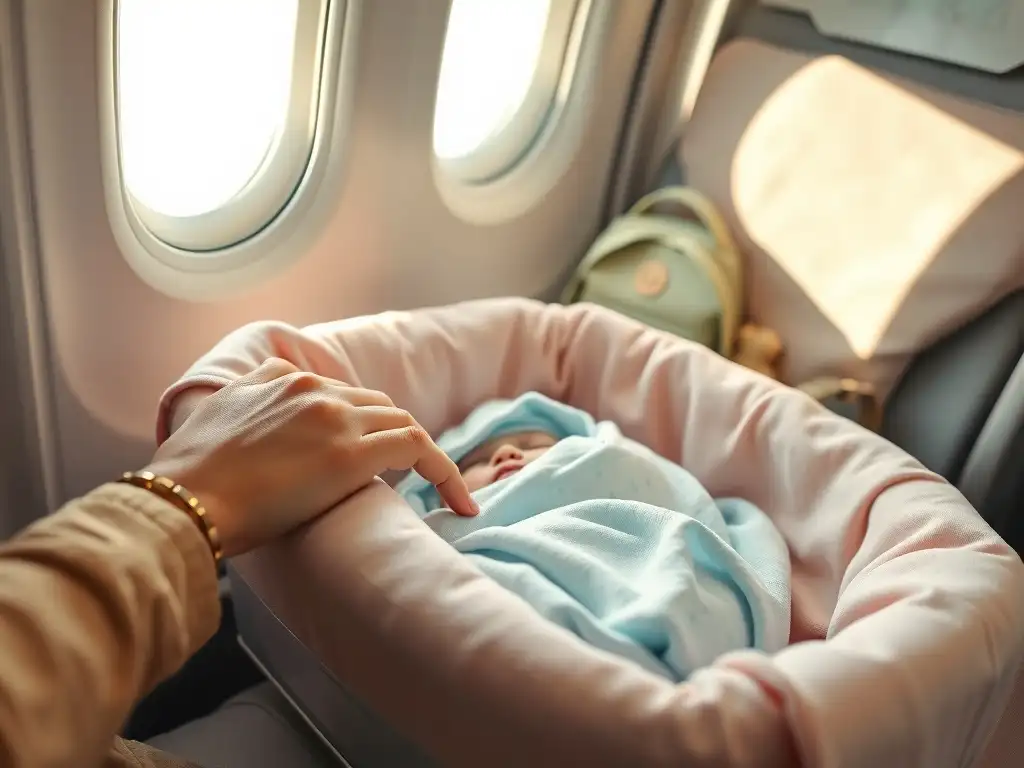
Traveling with a baby, especially one with reflux, requires meticulous planning and preparedness. Unexpected situations can arise, and having a well-defined emergency plan can significantly reduce stress and ensure your baby's safety. This section focuses on proactive measures to mitigate potential reflux-related issues during your journey. Effective preparation is key to managing baby reflux travel tips.
Identifying Signs of Severe Reflux and Seeking Medical Assistance While Traveling
Recognizing the signs of worsening reflux is crucial. While mild spitting up is common, severe reflux can manifest as forceful vomiting, persistent crying, lethargy, and refusal to feed. These symptoms, particularly when accompanied by fever or blood in vomit, necessitate immediate medical attention. Knowing where to find medical assistance during your travels is paramount.
Before you depart, research hospitals and clinics along your planned route and at your destination. Note their addresses, phone numbers, and operating hours. Consider downloading a medical assistance app that can locate nearby doctors and hospitals with pediatric care. It's also wise to pack a list of your baby's allergies, medications, and medical history in a readily accessible place, along with a copy of their immunization records.
This information is invaluable in emergency situations and facilitates quicker and more efficient medical care. Remember, early intervention is key in managing severe reflux episodes, making proactive preparation essential for stress-free travel with your baby. Don't forget to pack any prescribed medications for reflux management in your carry-on luggage.
Furthermore, familiarize yourself with common symptoms of dehydration, which can be exacerbated by severe reflux. These include dry mouth, decreased urination, sunken eyes, and lethargy. If you notice any of these signs, seek medical attention immediately. Prompt treatment of dehydration is vital, especially in infants.
Contacting Medical Professionals Before and During Travel for Reflux Management
Proactive communication with your pediatrician is vital before, during, and after your trip. Schedule a consultation before you leave to discuss your travel plans and any potential concerns. Discuss strategies for managing your baby's reflux during the journey, including adjustments to feeding schedules and positioning techniques. Your pediatrician can provide valuable advice tailored to your baby's specific needs and medical history, helping you navigate the challenges of baby reflux travel tips.
Obtain a referral to a pediatrician or pediatric gastroenterologist at your destination, if necessary. This ensures continuity of care should your baby experience any reflux-related complications during your travels. Keep your pediatrician's contact information readily available, and don't hesitate to contact them if you have any questions or concerns. Consider taking photos of your baby's reflux symptoms, which can be helpful when consulting with a medical professional remotely or in person.
Remember to pack all necessary medications, including those for reflux management, in your carry-on bag. This ensures easy access in case of an emergency and avoids potential delays associated with checked baggage. Keep a detailed record of any medications administered, including dosage and timing, for accurate reporting to medical professionals if needed. Proactive communication with healthcare providers minimizes risks and maximizes the chances of a smooth and safe trip.
Tips for a Stress-Free Travel Experience with a Baby with Reflux
Traveling with a baby is always a challenge, but adding baby reflux to the mix can significantly increase the stress levels. However, with careful planning and preparation, you can make your journey smoother and less stressful for both you and your little one. This section provides practical tips specifically tailored to managing baby reflux during travel, focusing on minimizing triggers and maximizing comfort. Remember, every baby is different, so adjust these tips to suit your child's individual needs and sensitivities. This guide aims to help you navigate "baby reflux travel tips" effectively.
Minimizing Travel Stress to Reduce Reflux Flare-ups
Travel, with its inherent changes in routine, altitude, and feeding schedules, can easily trigger reflux episodes. Minimizing stress factors is key to preventing flare-ups.
One significant factor is maintaining a consistent feeding schedule as much as possible. While this might be difficult during travel, try to stick to your baby's usual feeding times and amounts. Avoid overfeeding, as this is a common reflux trigger. Smaller, more frequent feeds might be preferable during travel. Pack familiar and easily digestible foods or formula. New foods introduced close to travel can upset the stomach.
Another crucial aspect is minimizing jostling and jarring movements. Opt for smoother modes of transportation whenever possible. If flying, request a bassinet or secure your baby in a car seat that provides good head and neck support. During car rides, choose a route with minimal bumps and stop frequently to allow for burping and comforting your baby. Remember, a calm and relaxed atmosphere contributes significantly to reducing reflux.
Consider the timing of your travel. If possible, schedule your trip for a time when your baby is generally more settled and less prone to reflux episodes. This might involve avoiding peak travel times or scheduling around your baby's naps. This proactive approach can significantly improve the overall travel experience.
Prioritizing Baby's Comfort and Needs During Travel with Reflux
Prioritizing your baby's comfort is paramount during travel. A comfortable baby is a less fussy baby, reducing the likelihood of reflux flare-ups triggered by distress.
Always pack extra clothing, especially burp cloths and bibs. Spills and spit-ups are inevitable, especially with reflux. Having readily available changes of clothes will keep your baby dry and comfortable. Moreover, consider bringing a soft, supportive blanket or swaddle for additional comfort and security.
Maintaining an upright position after feeding can help reduce reflux symptoms. While this might not always be feasible during travel, try to keep your baby upright for at least 30 minutes after each feeding, using car seats or baby carriers strategically. Consider using a baby carrier that keeps your baby in an upright position, offering a comfortable alternative to constantly holding them. This proactive approach will minimize reflux discomfort.
| Travel Tip | Description | Importance |
|---|---|---|
| Consistent Feeding | Stick to your baby's usual feeding schedule as much as possible. | Prevents overfeeding and digestive upset, minimizing reflux triggers. |
| Smooth Transportation | Choose smoother modes of transportation to minimize jarring movements. | Reduces discomfort and potential reflux flare-ups. |
| Upright Positioning | Keep your baby upright after feeding for at least 30 minutes. | Gravity helps prevent reflux. |
| Extra Clothing | Pack extra burp cloths, bibs, and changes of clothes. | Manages inevitable spills and keeps your baby comfortable. |
| Comfort Items | Bring familiar blankets, toys, and pacifiers to soothe and comfort your baby. | Reduces stress and provides a sense of security, minimizing reflux triggers. |
Remember, patience and understanding are key when traveling with a baby with reflux. Be prepared for unexpected events, and don't hesitate to take breaks when needed. A well-planned trip can make all the difference in managing baby reflux and ensuring a smoother journey for both you and your little one. By following these "baby reflux travel tips," you can significantly improve your travel experience. ✈️👶
Frequently Asked Questions
Can I still travel with my baby if they have reflux?
Yes, you absolutely can! Careful planning is key. Pack extra burp cloths, familiarize yourself with your baby's reflux triggers, and be prepared for potential feeding adjustments during travel.
What are some essential items to pack for a trip with a baby who has reflux?
Pack extra formula or breast milk, bottles, burp cloths, infant reflux medication (if prescribed), and comfortable clothing. Don't forget familiar blankets or toys to soothe your baby.
How can I minimize reflux symptoms during air travel?
Keep your baby upright as much as possible during the flight. Frequent, smaller feedings before and during the flight can help. Consider using a baby carrier to keep them comfortable and upright.
What should I do if my baby's reflux symptoms worsen during travel?
Contact your pediatrician before your trip to discuss potential issues and develop a plan. If symptoms worsen, seek medical attention immediately. Monitor your baby closely for signs of dehydration or distress.
Are there certain travel methods that are better for babies with reflux than others?
Car travel is often the most comfortable, as you can easily adjust positions and stop frequently. Avoid long flights if possible. Shorter trips with more frequent breaks are generally easier on babies with reflux.
The challenges of traveling with a baby experiencing reflux are real, but manageable. Successfully navigating airports, car rides, and unfamiliar environments with a little one battling discomfort requires preparation, patience, and a healthy dose of adaptability. This isn't just about a smoother trip; it's about ensuring your baby's well-being and maximizing your family's enjoyment of precious travel time.
The impact of reflux on family life extends far beyond the immediate discomfort it causes. It significantly alters travel plans, creating anxieties and logistical hurdles that many parents simply aren't prepared for. The constant worry about feeding schedules, positioning, and potential flare-ups can overshadow the joy of exploration. Travel should be an adventure, not a source of stress,
a seasoned parent once told me, and this rings especially true for families dealing with infant reflux. This article aims to empower parents to reclaim that sense of adventure, providing them with the tools and knowledge to confidently face the challenges ahead.
You, the parent, hold the key to transforming stressful travel into a positive experience. Consider the tips and strategies outlined in this article not just as instructions, but as a roadmap to building confidence and resilience. Embrace the flexibility inherent in travel with a reflux baby; it's an opportunity to prioritize your child's needs and strengthen your family bond. Remember, every journey, no matter how bumpy, contributes to the rich tapestry of your family's story. So pack your bags, your patience, and your love, and embark on your next adventure knowing you're well-equipped to handle whatever comes your way.
Ready to Conquer Reflux on Your Next Trip?
Thank you for learning about managing baby reflux while traveling! We hope these tips give you the confidence to plan your adventures with peace of mind. Let's put this knowledge into action:
- Pack Smart: Create a checklist now, including essential reflux medication, specialized bottles, and soothing items. This will significantly reduce pre-trip stress.
- Share Your Expertise: Have any helpful tips we missed? Share them in the comments below – your advice could help other parents!
- Consult a Professional: Before you leave, discuss any specific concerns with your pediatrician or a travel health specialist.
What's your best strategy for keeping your little one comfortable while traveling with reflux? Let's start a conversation!